Embarking on a road trip through Morocco promises an unforgettable adventure, blending vibrant culture, breathtaking landscapes, and historical wonders. To ensure your journey is smooth and enjoyable, understanding the essential items to pack and practical tips for navigating Moroccan roads is key. This comprehensive guide will delve into creating the ultimate packing list and equip you with crucial insights for a seamless experience, covering everything from documentation to safety measures, making your Moroccan road trip a truly remarkable one. With the right preparation, you’ll be free to immerse yourself fully in the magic of this North African gem.
Preparing Your Vehicle and Documentation for Moroccan Roads
Before you even think about packing your bags, the first step for any successful Morocco road trip involves meticulous planning concerning your vehicle and essential paperwork. Whether you’re bringing your own car or renting one upon arrival, there are distinct requirements you’ll need to meet. For those opting to drive their own vehicle from abroad, ensure your car insurance provides coverage in Morocco. It’s advisable to obtain an international green card, which serves as proof of insurance. Without it, you may be required to purchase temporary insurance at the border, which can be an unexpected hassle.
Regarding documentation, your valid driver’s license from your home country is usually sufficient for short visits. However, an International Driving Permit (IDP) is highly recommended and often a requirement for many rental car companies and for dealing with local authorities. This permit translates your driving license into several languages, making it universally understandable. Beyond your driving credentials, carry your vehicle’s registration documents, proof of ownership, and passport at all times. Copies of all these documents should also be kept separate from the originals, both physically and digitally, as a backup.
If you’re renting a car, confirm with the rental agency what their specific requirements are regarding driving permits and insurance. Most reputable agencies will include basic insurance, but it’s often wise to consider additional coverage, especially for third-party liability and comprehensive protection, given the varied driving conditions you might encounter. Always inspect the vehicle thoroughly before departing the rental office, noting any existing damage, and ensure all necessary safety equipment – such as a reflective vest, warning triangle, and spare tire – is present and in good condition. These items are not just recommendations; they are legal requirements in Morocco. Familiarize yourself with basic car functionalities and emergency protocols unique to your rental model. Knowing how to change a tire or check fluid levels can save valuable time and stress on the road.
Essential Packing List for Your Morocco Road Trip
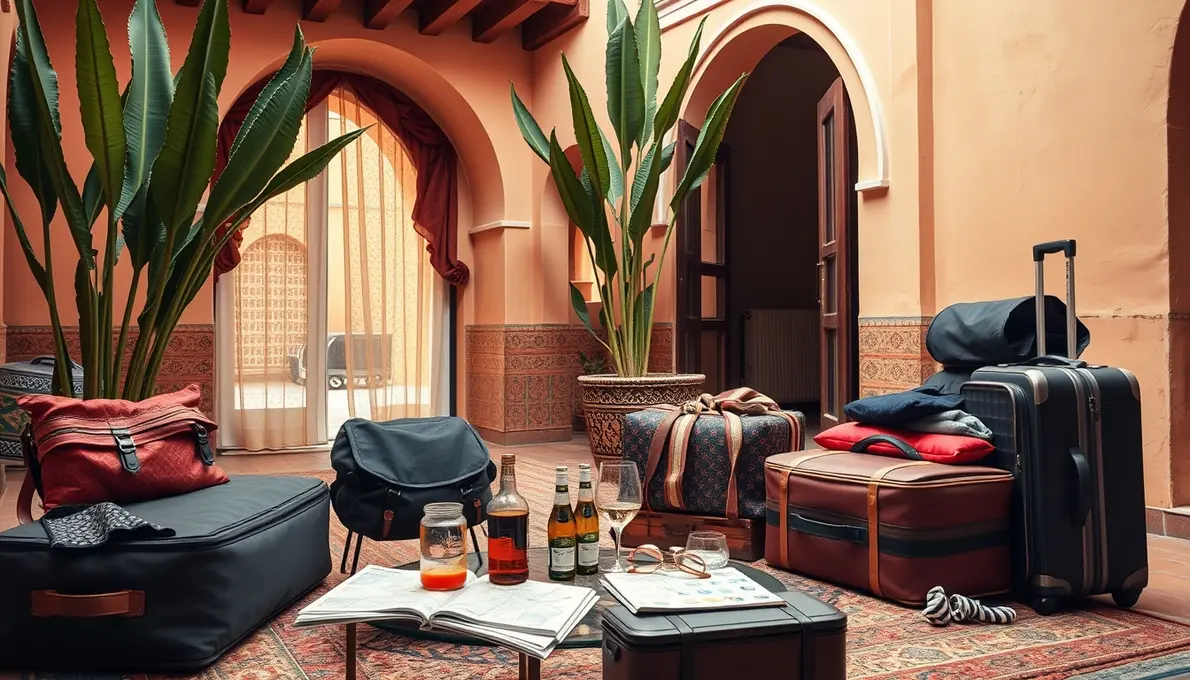
Packing smart is paramount for a comfortable and adaptable Morocco road trip. The key is to anticipate varying climates, from the coastal breezes to the arid desert heat and cooler mountain evenings.
Clothing: Layers are your best friend. Lightweight, breathable fabrics like cotton or linen are ideal for daytime heat, especially if you’re venturing into the Sahara. Include long-sleeved shirts and trousers or skirts for sun protection and for respecting local customs when visiting religious sites or small villages. A warm fleece or jacket is crucial for cooler evenings, particularly in the desert or mountainous regions like the Atlas. Don’t forget comfortable walking shoes or sandals for exploring cities and sturdy hiking boots if you plan on trekking. A wide-brimmed hat and sunglasses are non-negotiable for sun protection.
Health and Safety: A well-stocked first-aid kit is a must. Include basics like pain relievers, bandages, antiseptic wipes, any personal prescription medications, and anti-diarrhea medication. Rehydration salts can be a lifesaver in the heat. Sunscreen with a high SPF is absolutely essential. Hand sanitizer and insect repellent will also prove invaluable. For safety, a small headlamp or flashlight is great for navigating in poorly lit areas or during stargazing sessions in the desert.
Navigation and Communication: While GPS on your phone is helpful, consider downloading offline maps or investing in a physical map of Morocco. Cell service can be spotty in remote areas. A local SIM card, easily purchased at airports or phone shops, will provide more reliable data and calls, which is crucial for emergencies or coordinating with accommodations. Pack a portable power bank to keep your devices charged, as outlets might not always be available, especially during lengthy drives or desert stays.
Comfort and Convenience: A refillable water bottle is an eco-friendly choice and essential for staying hydrated. While bottled water is readily available, having your own reusable option helps reduce plastic waste. A small, quick-drying towel can be handy for various situations. For entertainment on long drives, consider podcasts, audiobooks, or a good playlist. Pack a multi-adapter for charging your electronics, as square-pin and circular two-pin plugs are common. A travel pillow can make long stretches in the car more comfortable.
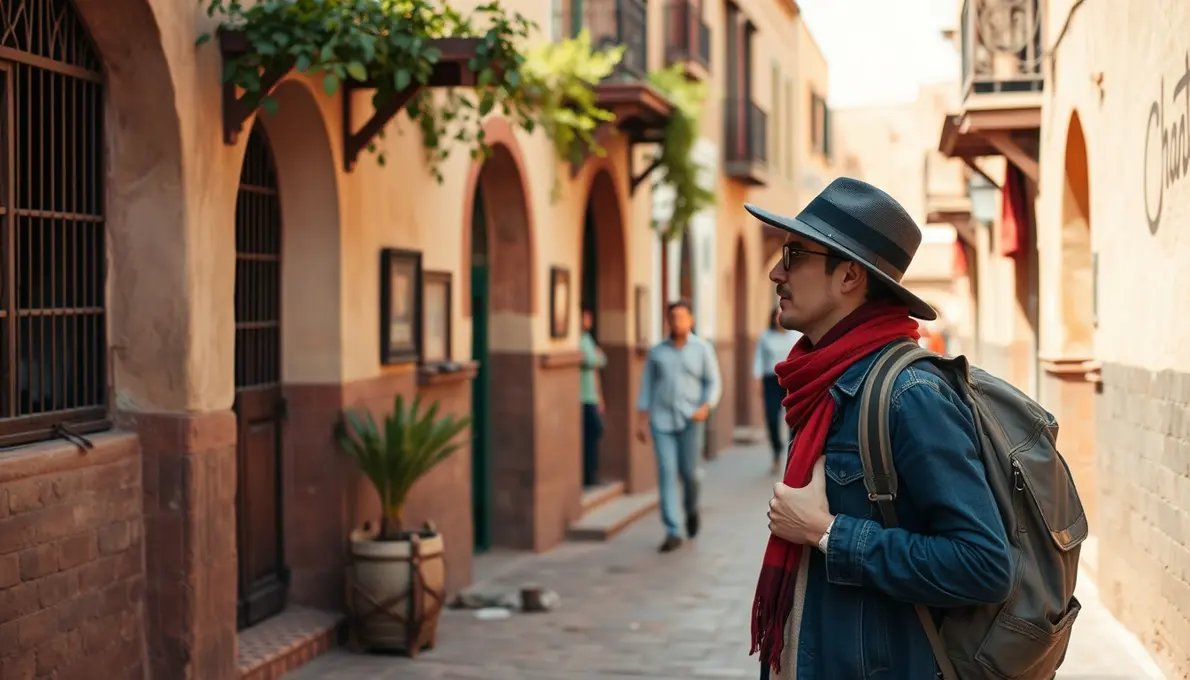
Cultural Considerations: When packing, remember that Morocco is a predominantly Muslim country with conservative cultural norms. While major tourist centers are more relaxed, dressing modestly, especially outside of main cities, shows respect. For women, this generally means covering shoulders and knees. A lightweight scarf can be versatile for covering your head when entering religious sites or for sun protection. Cash (Moroccan Dirhams) is king, especially in smaller towns and for markets, so carry a mix of small and larger denominations.
Essential Driving Tips for Navigating Morocco’s Roadways
Driving in Morocco can be an exhilarating experience, but it requires a different kind of attentiveness than what you might be used to at home. Understanding local driving customs and road conditions is crucial for a safe and enjoyable Morocco road trip.
Road Conditions: Moroccan roads range from well-maintained highways connecting major cities to more challenging, unpaved tracks in rural and mountainous areas. The main routes, like the A-series highways, are generally excellent toll roads. However, once you venture off these, expect varying surfaces, including potholes, speed bumps (often unmarked), and narrow passages. Pay close attention to road signs, which are typically in Arabic and French.
Traffic and Driving Style: City traffic, especially in major hubs like Marrakech, Fès, and Casablanca, can be chaotic. Expect motorbikes, donkey carts, pedestrians, and cars all sharing the same space with what can seem like a free-for-all approach. Defensive driving is key. Outside of cities, you might encounter slow-moving vehicles, livestock crossing the road, and children walking along verges, even on seemingly deserted stretches. Always be prepared for the unexpected.
Speed Limits and Enforcement: Speed limits are generally 120 km/h on highways, 100 km/h on national roads, and 60 km/h within urban areas. Be aware that speed cameras are present, and police checkpoints are common, especially on main arteries. It’s always best to adhere strictly to posted speed limits. Police officers may stop you for routine checks, so have all your documents (passport, driver’s license, vehicle registration, and insurance) readily available. A polite and respectful demeanor goes a long way.
Fuel and Rest Stops: Fuel stations are generally abundant on main roads but can be scarce in remote regions. It’s always wise to refuel whenever your tank is half-empty, especially before embarking on a long stretch through the countryside or desert. Most fuel stations accept credit cards, but having some cash on hand for smaller stations is a good backup. Many larger stations include basic convenience stores and restrooms.
Night Driving: Avoid driving at night whenever possible, particularly in rural or unlit areas. Visibility can be poor, and the risk of encountering unlit vehicles, pedestrians, or animals on the road increases significantly. If you must drive after dark, exercise extreme caution and reduce your speed.
Parking: In cities, designated parking areas, often overseen by an attendant who will collect a small fee, are common. It’s advisable to use these secure spots rather than leaving your car unattended on the street. Learn a few basic French or Arabic phrases for asking about parking and negotiating fees.
Staying Connected and Navigating Beyond GPS
While the allure of a Moroccan road trip often involves disconnecting, remaining strategically connected and prepared for navigation challenges is truly one of the most vital morocco road trip essentials. Reliance solely on your phone’s GPS can lead to frustration, especially in areas with limited service or when navigating winding medina streets.
Local SIM Cards: Purchasing a local SIM card upon arrival is a highly recommended practice. Providers like Maroc Telecom, Orange, and Inwi offer affordable data and call packages. You can typically buy a SIM card at the airport, in larger cities, or at official provider stores. Having a local number allows for easier communication with accommodations, tour operators, and in case of emergencies. More importantly, it facilitates consistent access to online maps and translation apps. Ensure your phone is unlocked to accept a foreign SIM.
Offline Maps: Before losing signal, download offline maps of the regions you plan to visit on apps like Google Maps or Maps.me. This is an absolute lifesaver when driving through remote areas where mobile data is non-existent. These apps often provide highly detailed maps, including a surprising number of smaller roads and points of interest that might not appear on traditional physical maps. Regularly update these offline maps before significant travel days.
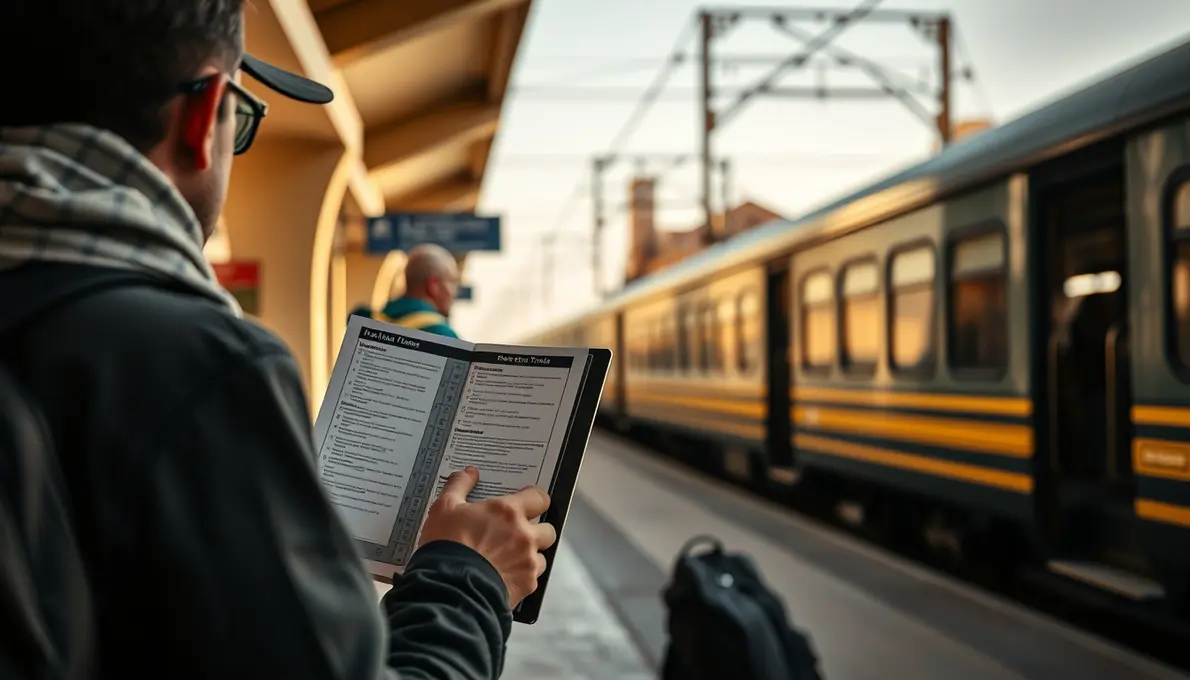
Physical Maps: Despite technological advancements, a good old-fashioned physical map of Morocco is an invaluable morocco road trip essential. It provides a larger overview of your route, helps understand geographical context, and serves as an excellent backup if your electronic devices fail or run out of battery. You can purchase detailed road maps at airports, bookstores in larger cities, or sometimes even at petrol stations. Cross-referencing your GPS with a physical map can also prevent misinterpretations of digital routes. For more detailed insights into planning your journey, especially starting from a major hub, consider resources like morocco road trip essentials.
Translation Apps: While many Moroccans, especially in tourist areas, speak French and some English, having a translation app (like Google Translate with offline language packs downloaded) can bridge communication gaps in more rural settings. This can be particularly useful when asking for directions, inquiring about local customs, or interacting with shopkeepers.
Emergency Contacts: Keep a list of important emergency contacts stored both on your phone and written down. This should include local emergency services (police, ambulance), your rental car company’s roadside assistance number, and contact details for your accommodation. Knowing who to call and having the means to do so is crucial for peace of mind. For comprehensive general travel guidance, you might find valuable Morocco driving tips.
Essential Moroccan Road Trip Etiquette and Cultural Sensitivities
Understanding and respecting local customs and etiquette is as important as any physical item on your packing list for a rich and rewarding Morocco road trip. Being mindful of Moroccan culture will not only enhance your interactions but also prevent misunderstandings.
Dress Code: While Morocco is generally welcoming to tourists, it remains a conservative Muslim country. Modest dressing is advisable for both men and women, especially outside of major tourist hubs and coastal resorts. For women, this generally means covering shoulders and knees; loose-fitting clothing is preferred. Long skirts, trousers, and shirts with sleeves are great choices. Men should avoid going shirtless in public and opt for trousers or longer shorts. When visiting religious sites like mosques (many of which are not open to non-Muslims, but some allow entry to certain courtyards), women may be required to cover their heads as well. A lightweight scarf is a versatile item to carry for this purpose.
Greetings and Interactions: Moroccans are generally very hospitable. A standard greeting involves “Salam Alaikum” (peace be upon you), to which the reply is “Wa Alaikum Salam” (and upon you be peace). A common gesture is placing your right hand over your heart. When interacting with locals, especially in smaller towns, a polite “Bonjour” or “Salam” followed by a smile can go a long way. Always ask for permission before taking photos of people, particularly women and children, and respect their decision if they decline. Many Moroccans are quite private, especially in rural areas.
Bargaining and Shopping: Haggling is a deeply ingrained part of Moroccan commerce, particularly in souks (markets). It’s expected and can be a fun interaction, but always remain polite and good-humored. Start by offering around half to two-thirds of the initial asking price and work your way up to a mutually agreeable price. If you’re not genuinely interested in buying, it’s better not to engage in prolonged bargaining.
Food and Drink: Eating and drinking on the go is not common or culturally appropriate in Morocco. When you break for meals, opt for cafes or restaurants. If invited to someone’s home for tea or a meal, it’s considered an honor. Be prepared to remove your shoes before entering, accept hospitality graciously, and eat with your right hand, as the left hand is traditionally considered unclean. Alcohol consumption is generally restricted to tourist establishments and hotels. During the holy month of Ramadan, many Moroccans fast from sunrise to sunset. While tourists are not expected to fast, it’s respectful to avoid eating, drinking, or smoking in public during fasting hours.
Photography: While Morocco offers countless photographic opportunities, always be mindful of where and what you are photographing. As mentioned, always ask for permission before photographing individuals. Certain areas, particularly government buildings or military installations, may be off-limits for photography. When in doubt, err on the side of caution.
Tipping (Baksheesh): Tipping is customary in Morocco for various services, from restaurant waiters and hotel porters to helpful guides and even street performers. A small tip (baksheesh) is often appreciated and can smooth interactions. For small services, a few Dirhams suffice. For restaurant meals, 10-15% is a good guideline if service charge isn’t included. Always have small denominations of local currency handy for this purpose.
Conclusion
A well-planned Morocco road trip is an adventure rich in discovery and unforgettable moments. By meticulously preparing your vehicle and documentation, packing strategically with all the vital morocco road trip essentials, understanding local driving conditions, and embracing Moroccan customs with an open mind, you set the stage for an incredible journey. From navigating bustling medinas to traversing the serene landscapes of the Sahara, being prepared ensures your focus remains on the beauty and culture unfolding around you, rather than on logistical hurdles. Embrace the unexpected, stay flexible, and allow Morocco to reveal its many enchanting layers.
FAQs
What documents do I need to drive a rental car in Morocco?
You will typically need your valid national driver’s license, an International Driving Permit (IDP), your passport, and the rental car’s registration and insurance documents. Rental companies usually provide the latter two. Always carry copies of all documents separately from the originals.
Is it safe to drive in Morocco as a tourist?
Yes, it is generally safe, but requires heightened awareness. Road conditions vary, and local driving styles can be assertive. Defensive driving, adhering to speed limits, avoiding night driving, and being prepared for livestock or pedestrians on roads are key safety measures.
What should I pack for varying climates on a Morocco road trip?
Pack layers to accommodate different temperatures. Include lightweight, breathable clothing for hot days, long sleeves and trousers for sun protection and cultural modesty, and a warm jacket or fleece for cool desert nights or mountain areas. Comfortable walking shoes, a hat, and sunglasses are also essential.
Should I buy a local SIM card for my road trip?
Yes, purchasing a local SIM card is highly recommended. It provides reliable access to mobile data for navigation apps, communication with accommodations, and emergencies, especially in areas where Wi-Fi might be scarce. Ensure your phone is unlocked to use a foreign SIM.





 Covers cities, coast, mountains, desert & food