
Stepping into the Sapphire Dream: Unveiling Chefchaouen’s Iconic Blue Alleys
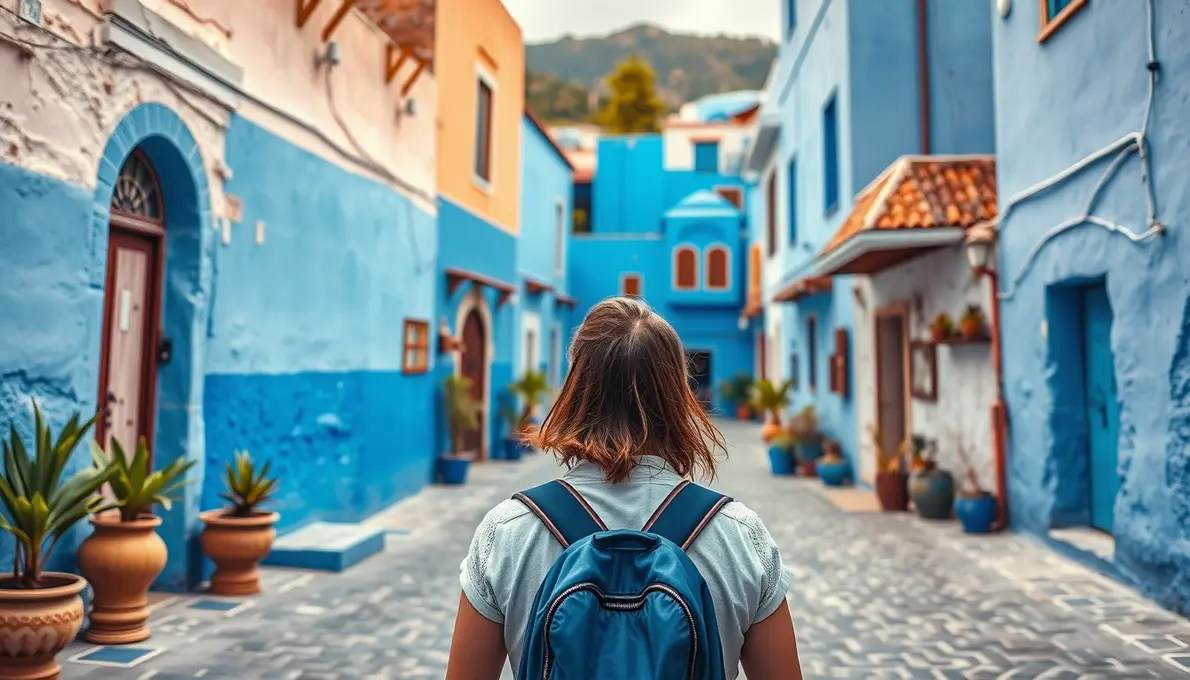
Imagine a town bathed in every shade of blue, from deep indigo to sky pastels, nestled in the Rif Mountains of Morocco. This isn’t a fantasy; it’s the captivating reality of Chefchaouen, a destination that draws travelers from across the globe, eager to explore its mesmerizing Chefchaouen blue alleys. More than just a pretty backdrop for photos, these cerulean pathways offer a unique immersion into Moroccan culture, history, and a slower pace of life. If you’re planning a Moroccan adventure, dedicating a significant portion of your itinerary to discovering these distinctive streets is an absolute must, offering an experience that transcends typical tourism.
The Enchantment of the Medina’s Azure Labyrinth
The heart of Chefchaouen’s undeniable charm lies within its ancient medina, where every turn reveals another stunning tableau of blue. Wandering here isn’t just sightseeing; it’s an experience in itself. The narrow, winding Chefchaouen blue alleys crisscross the hillside, leading you past traditional homes with intricately carved wooden doors, vibrant potted plants cascading from windows, and welcoming artisan shops. The blue isn’t uniform; you’ll find variations that tell stories – some walls painted a brilliant turquoise, others a deeper, more calming periwinkle. This ever-changing palette under the Moroccan sun creates a constantly shifting play of light and shadow, making each moment unique.
You’ll quickly understand why this town is so beloved by artists and photographers. Every corner feels like a perfectly composed picture. Take your time to get lost – purposefully. Unlike the bustling medinas of larger cities, Chefchaouen’s old town feels remarkably relaxed. You can wander freely, letting curiosity guide you down an unknown path, perhaps stumbling upon a hidden square, a local mosque, or a charming cafe tucked away from the main thoroughfare. The absence of cars within the medina enhances this sense of peace, allowing the sounds of distant calls to prayer, friendly chatter, and the rustle of leaves to define the atmosphere. This is where you connect with the genuine rhythm of local life, watching children play, women going about their daily routines, and shopkeepers engaging warmly with passersby.
A Palette with a Past: Why Chefchaouen Chose Blue
The pervasive blue color scheme is not merely for aesthetics; it’s deeply rooted in the town’s history and cultural beliefs, adding layers of meaning to your exploration of the Chefchaouen blue alleys. While there are several theories about its origin, one of the most prominent suggests that Jewish refugees, who settled in Chefchaouen during the Spanish Inquisition, introduced the tradition. Blue, in Jewish belief, symbolizes the sky and heaven, reminding people of God. Painting their homes blue was a way to reflect this spiritual connection.
Another theory attributes the blue to its practical benefits: the color is thought to repel mosquitoes, keeping them away from homes. Some locals also suggest that blue keeps houses cooler during the hotter months, reflecting the sun’s rays. Regardless of the exact origin, the tradition has been wholeheartedly embraced by the local community, who continue to refresh the paint regularly. This dedication maintains the town’s famous appearance, making it a living, breathing testament to its past. Understanding this heritage enriches your visit, turning a picturesque stroll into a meaningful journey through time and tradition. It’s this blend of beauty and backstory that makes Chefchaouen truly unforgettable, setting it apart from other Moroccan cities.
Curated Experiences Beyond the Blue Walls
While the blue alleys are the main draw, Chefchaouen offers a wealth of other experiences that complement its unique charm. To truly immerse yourself, consider local activities designed to deepen your connection with the town and its people.
For the culinary curious, learning to cook traditional Moroccan dishes in a local home is an incredible experience. Imagine sourcing fresh ingredients from the bustling souk, then returning to a Chefchaouen kitchen to prepare tangine, couscous, or mint tea under the guidance of a local chef. This isn’t just a cooking class; it’s an intimate cultural exchange, offering insights into Moroccan hospitality and daily life, all while learning skills you can take home. Many guesthouses and tour operators offer such workshops, often culminating in a shared meal with your hosts.
Nature lovers will find paradise just beyond the medina. The Rif Mountains, which cradle Chefchaouen, are perfect for hiking. Day trips often involve exploring the Cascades d’Akchour, a series of stunning waterfalls and natural pools, accessible via picturesque trails. The famous “God’s Bridge” is another natural marvel that offers breathtaking views and a rewarding trek. These excursions provide a fantastic contrast to the urban exploration, allowing you to breathe in the crisp mountain air and admire Morocco’s lush landscapes. Local guides are readily available and can tailor hikes to various fitness levels, ensuring a safe and enjoyable adventure.
For those interested in local crafts, Chefchaouen is renowned for its woolen products, particularly brightly colored jellabas and blankets, as well as unique leather goods. Spend time observing artisans at work in their workshops, often tucked away in small alcoves off the main Chefchaouen blue alleys. You can find some truly authentic souvenirs here, supporting local families directly. Bargaining is part of the experience, but always do so respectfully and with a smile.
Capturing Chefchaouen: Photography Tips for the Blue City
Chefchaouen is a photographer’s dream, but capturing its essence requires a bit more than just pointing and shooting. The unique light and intricate details of the Chefchaouen blue alleys demand a thoughtful approach to truly do them justice.
Firstly, timing is everything. Early mornings or late afternoons offer the best natural light. The soft, golden hues of sunrise and sunset illuminate the blue walls beautifully, creating stunning contrasts and reducing harsh shadows. If you head out early, you’ll also have the advantage of fewer crowds, allowing for more unobstructed shots of the quiet alleys and detailed doorways.
Look for contrast and texture. The varying shades of blue against the vibrant reds, oranges, and greens of potted plants, or the earthy tones of unpainted wooden doors, make for compelling compositions. Don’t forget to look up; the archways, hanging laundry, and glimpses of the sky add depth and character. The local cats, ever-present and often strikingly photogenic against the blue background, are also popular subjects.
Respect is paramount. While the town is very accustomed to tourists with cameras, always be mindful of local residents. If you wish to photograph individuals, especially children, always ask for permission first. A simple “Mumkin sora?” (Can I take a photo?) goes a long way. Some may ask for a small tip in return, which is common and appreciated. Avoid being intrusive, especially in residential areas. The aim is to capture the authentic spirit of Chefchaouen, not to disrupt it.
Experiment with different angles. Don’t just stick to eye-level shots. Get low to emphasize the upward reach of the walls, or find a higher vantage point (like from a rafter of a restaurant or a rooftop terrace) to capture the sprawling blue tapestry of the medina stretching down the hillside. Using leading lines, such as the natural curves of the alleys, can draw the viewer’s eye deeper into your image. Remember, the true beauty of Chefchaouen lies in its details, so take your time and observe the small, everyday moments that make this town so special.
Planning Your Blue Escape: Practicalities and Pointers
Venturing into the captivating world of Chefchaouen requires a bit of practical planning to ensure a smooth and enjoyable trip. While its beauty is undeniable, understanding logistical aspects will enhance your experience.
Getting to Chefchaouen typically involves overland travel. From major cities like Tangier, Fes, or Meknes, public buses (CTM or Supratours being reliable options) offer comfortable and affordable journeys with stunning scenic mountain views along the way. Alternatively, private taxis can be hired, offering more flexibility but at a higher cost. If you’re coming from further afield, perhaps after exploring the vibrancy of Casablanca, you might consider connecting via another city. For example, if you’re mapping out a larger Moroccan itinerary, you can find useful tips for efficient travel planning by exploring resources on how to plan your journey from elsewhere in the country, perhaps even after mastering the complexities of a city like Casablanca. Chefchaouen blue alleys are well worth the effort to reach.
Once you arrive, navigation within the medina is best done on foot. The blue alleys are pedestrian-only, so comfortable walking shoes are essential. While getting lost is part of the charm, having a downloaded offline map can be helpful for finding your way back to your accommodation or a specific landmark. Most riads and guesthouses are located within the medina and are easily accessible once you’ve learned the general layout.
Accommodation options in Chefchaouen range from charming, traditional riads to budget-friendly guesthouses, many of which are painted in varying shades of blue themselves, continuing the theme. Booking in advance, especially during peak season, is highly recommended to secure your preferred stay. Many offer rooftop terraces with incredible views over the blue city and the surrounding mountains – perfect for enjoying breakfast or a mint tea as the sun sets.
When it comes to currency, the Moroccan Dirham (MAD) is the local currency. ATMs are available outside the medina, and many larger shops and restaurants will accept credit cards, but it’s always wise to carry some cash for smaller purchases, local markets, and tipping. For general travel advice on currency and other global travel essentials, you might consult reputable sources like Chefchaouen old town for broader insights.
Finally, while Chefchaouen is generally safe and welcoming, exercising basic travel precautions is always advisable. Keep an eye on your belongings, especially in crowded areas, and be respectful of local customs and dress codes, particularly when visiting religious sites. Embrace the slower pace of life, engage with the friendly locals, and allow yourself to be captivated by the serene beauty of this unique destination.
Conclusion
Chefchaouen is more than just a destination; it’s an experience that lingers long after you’ve left its enchanting embrace. The mesmerizing visual symphony of the Chefchaouen blue alleys, combined with the genuine warmth of its people and the serene beauty of its mountain setting, creates a travel memory unlike any other. Whether you’re seeking stunning photography opportunities, a deep dive into Moroccan culture, or simply a peaceful escape from the everyday, this blue city delivers on every front. It urges you to slow down, explore, and simply exist within its unique, ethereal atmosphere. To walk through Chefchaouen is to walk through a dream; make sure it’s on your Moroccan adventure itinerary.
FAQs
What is the best time of year to visit Chefchaouen for optimal blue alley views?
The spring (April to May) and autumn (September to October) months typically offer the most pleasant weather for exploring the Chefchaouen blue alleys. Temperatures are comfortable, and the skies are generally clear, providing excellent light for photography. Summer can be quite hot, and winter brings cooler temperatures and a higher chance of rain.
How many days are recommended to fully experience Chefchaouen’s blue alleys and surroundings?
While you can get a good feel for the main Chefchaouen blue alleys in one full day, two to three days are ideal. This allows for leisurely exploration of the medina, time to engage with local artisans, enjoy cooking classes, and perhaps embark on a half-day trip into the Rif Mountains to places like the Akchour waterfalls.
Is it safe to wander the Chefchaouen blue alleys alone, especially as a solo female traveler?
Chefchaouen is generally considered one of the safest cities in Morocco, including its blue alleys. The medina is small and close-knit, and locals are accustomed to tourists. Solo female travelers often report feeling comfortable and welcome. However, as with any travel destination, it’s always wise to exercise common sense, be aware of your surroundings, and avoid walking in dimly lit, isolated areas late at night.
What are some must-try local foods when exploring the Chefchaouen blue alleys?
Beyond the ubiquitous tagine and couscous, definitely try the local goat cheese, which is a specialty of the Rif Mountains and often enjoyed with fresh bread and olive oil. Seffa Medfouna (vermicelli pasta with chicken, almonds, and cinnamon) is another delicious and unique dish. And of course, no visit is complete without countless glasses of traditional Moroccan mint tea. Many small cafes tucked within the Chefchaouen blue alleys offer these delights.