Embarking on a journey to Morocco often conjures images of vibrant souks, ancient medinas, and exotic flavors that dance on the palate. For food lovers and culture seekers, crafting the perfect Morocco travel planner isn’t just about booking flights and hotels; it’s about meticulously designing an immersive experience. This guide will help you weave together the gastronomic delights and rich cultural tapestries of this North African gem, transforming your trip from a mere vacation into an unforgettable adventure.
Designing Your Culinary & Cultural Itinerary: Beyond the Obvious
When you’re building a Morocco travel planner with food and culture at its heart, think beyond ticking off major landmarks. Consider how each destination contributes to your sensory exploration. For instance, Fes offers a deep dive into traditional crafts and incredibly intricate medina life, alongside ancient culinary traditions. Marrakech, while more bustling and tourist-centric, provides a fantastic introduction to street food, modern Moroccan cuisine, and vibrant entertainment. Don’t overlook smaller, often less-traveled spots where regional specialties truly shine. Chefchaouen, the blue city, might be known for its aesthetics, but its mountain cheeses and simple, hearty tagines offer a different flavor profile. Essaouira provides a coastal bounty of fresh seafood, often grilled right in front of you.
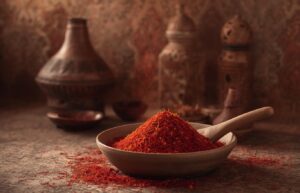
Your itinerary needn’t be a rigid schedule. Allow for spontaneity, especially when it comes to food. Some of the best meals are discovered by wandering into a local eatery, following your nose, or accepting an invitation for mint tea. Integrate cultural experiences naturally: a visit to a tanneries in Fes isn’t just about leather goods; it’s about witnessing centuries-old craftsmanship. A stroll through a spice market is a feast for the senses, providing context for the ingredients you’ll encounter in your meals. Think about how to combine these elements effectively. A morning exploring a historical site, followed by a cooking class learning about local spices, and then an evening enjoying a traditional meal you’ve helped prepare – that’s a food lover’s dream itinerary.
Immersive Dining Experiences: Booking Your Flavorful Adventures
For true food lovers, a Morocco travel planner must include more than just dining in restaurants. Immersive culinary experiences are key. High on this list should be a Moroccan cooking class. You can find these in most major cities, particularly Marrakech and Fes. These classes often start with a market visit, where you learn about local ingredients, spices, and bargaining techniques. Back in the kitchen, under the guidance of a local chef or a Dadda (traditional Moroccan cook), you’ll learn to prepare classic dishes like tagine, couscous, pastilla, or various salads. This isn’t just about cooking; it’s a deep dive into Moroccan hospitality, traditions, and the stories behind the food.
Consider private dining experiences or meals in local homes, which offer a unique perspective on Moroccan culture and domestic life. Many riads can arrange these, or you might find them through specialized tour operators. Street food tours are another fantastic way to get acquainted with local flavors – think harira soup, chebakia (honey cakes), maakouda (potato fritters), or grilled meats. Booking these experiences in advance, especially during peak season, is highly recommended to secure your spot. Research reputable providers, read reviews, and clarify what’s included. Do they accommodate dietary restrictions? Is transportation provided? These small details can make a big difference in your experience.
Navigating the Souks: Where Culture and Cuisine Intersect
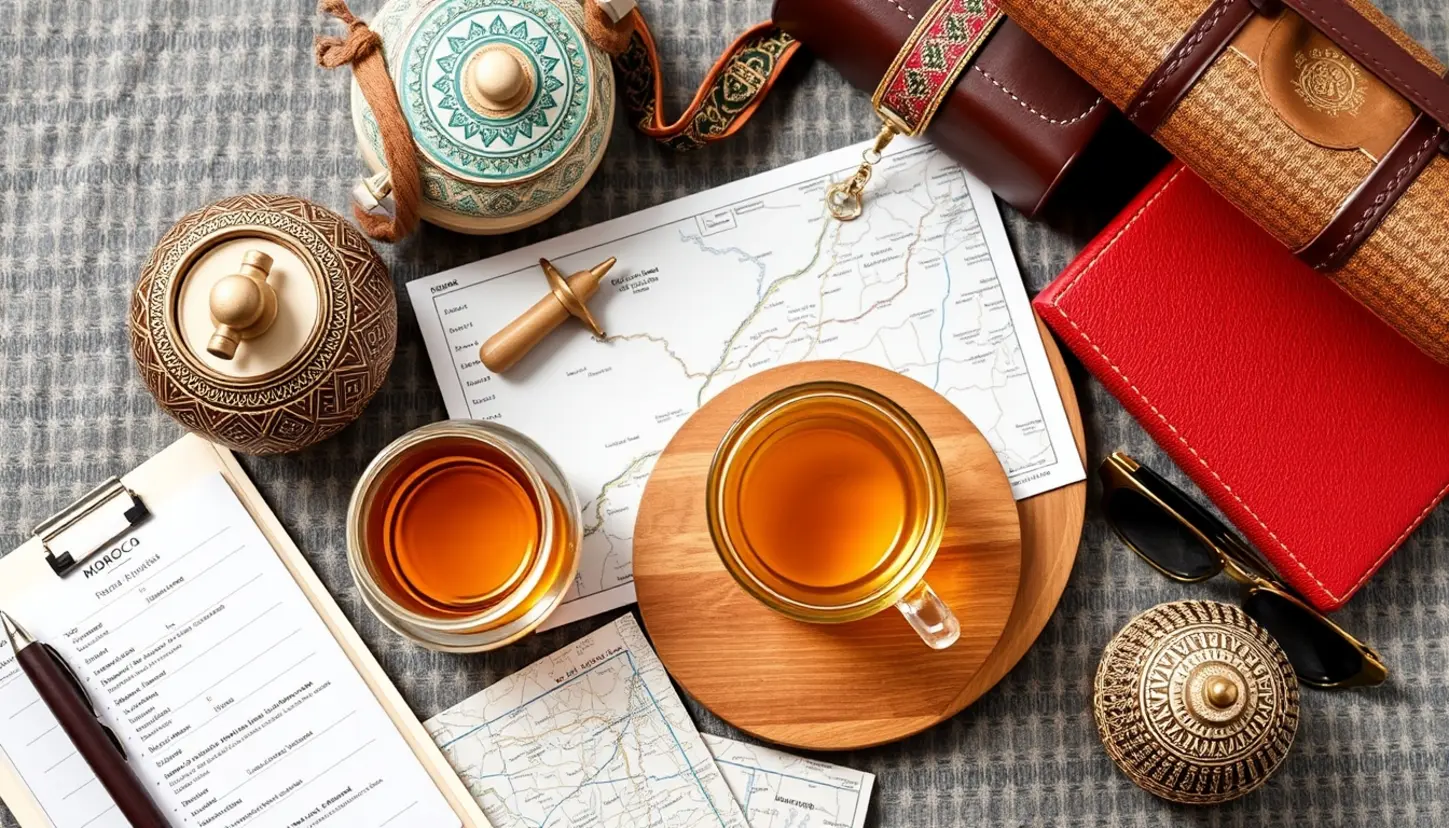
The souks are the beating heart of Moroccan cities, and for a culture seeker and food lover, they are treasure troves. More than just shopping destinations, they are vibrant ecosystems where traditions thrive, and daily life unfolds. When incorporating souk exploration into your Morocco travel planner, approach it with an open mind and a sense of adventure.
In the souks, you’ll find everything from shimmering lanterns and hand-woven carpets to aromatic spices and fresh produce. For the food lover, this is where you connect directly with the raw ingredients that make Moroccan cuisine so distinctive. Engage with vendors, ask about their wares, and don’t be afraid to sample. You might discover rare spices, unique local olives, or exotic dried fruits. Beyond the food, the souks offer an unparalleled insight into Moroccan craftsmanship. Watch artisans at work – silversmiths, leather tanners, weavers – and appreciate the heritage behind the items. This is where you can find authentic, handmade souvenirs that carry a story, far removed from mass-produced trinkets. Remember to practice the art of polite bargaining; it’s an expected and integral part of the souk experience. A good Morocco travel planner includes budgeting for these unique finds!
Budgeting for a Flavorful Cultural Journey: Smart Spending for Maximized Experience
Budgeting for your Morocco travel planner is crucial, especially when you want to indulge in culinary and cultural experiences without overspending. Morocco can be surprisingly affordable, but costs can quickly add up if you’re not strategic. Accommodation will likely be your biggest expense. Riads, traditional Moroccan guesthouses, offer an authentic cultural experience and range from budget-friendly options to luxurious stays. Booking in advance, particularly in popular cities like Marrakech and Fes, can often secure better rates.
Food is generally very affordable, especially if you embrace local eateries, street food, and cooking classes rather than upscale tourist restaurants. A typical meal at a local “snack” could cost as little as 30-50 MAD (Moroccan Dirhams), while a nicer sit-down meal might be 100-200 MAD per person. Cooking classes, private dinners, and specialty food tours will naturally be a higher cost but offer immense value in terms of experience. Set aside a daily food budget, and consider having one “splurge” meal or experience per city to savor unique offerings.
Cultural activities, such as museum entries, guided tours, and hammam experiences, also need to be factored in. Fees are generally modest. Transportation costs will depend on your chosen method; shared taxis (grands taxis) and local buses are economical, while private transfers offer convenience at a higher price. Having a clear budget for different categories will prevent unexpected financial surprises and allow you to prioritize experiences that truly matter to you as a food and culture enthusiast. This is a key component of any effective Morocco travel planner.
Practicalities for the Discerning Traveler: Essential Pre-Trip Preparation
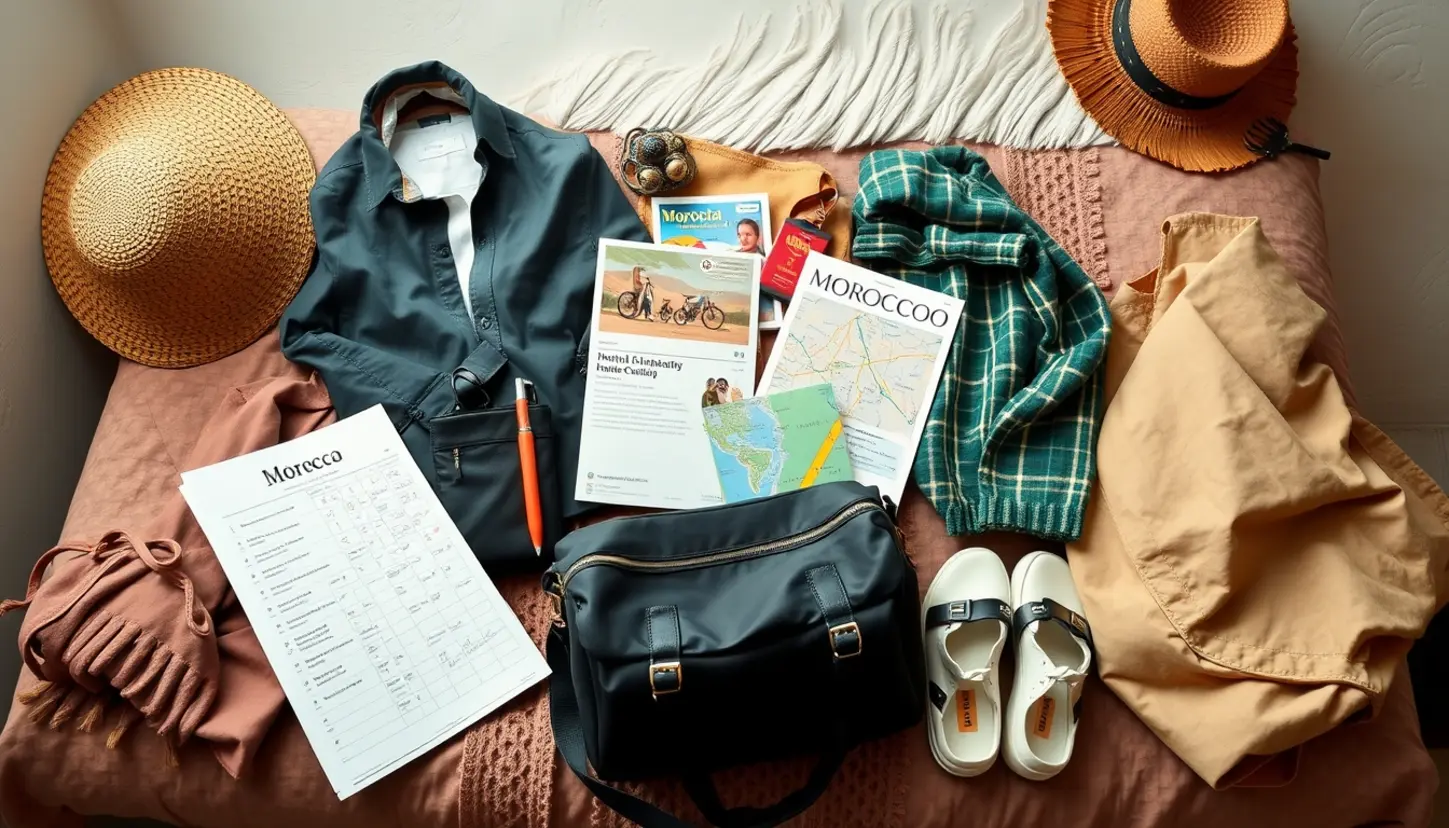
A well-organized Morocco travel planner encompasses more than just bookings; it’s about preparing for a smooth and enjoyable trip. Start with documentation: ensure your passport is valid for at least six months beyond your intended departure date and check visa requirements for your nationality well in advance. While many nationalities enjoy visa-free entry for tourism, always confirm.
Health and safety are paramount. Consult your doctor about recommended vaccinations. Tap water in Morocco is generally not safe to drink, so plan to buy bottled water or bring a filtered water bottle. Petty crime can occur, especially in busy tourist areas, so take precautions like keeping valuables secure and being aware of your surroundings. Learning a few basic phrases in Darija (Moroccan Arabic) or French will greatly enhance your interactions and show respect for the local culture. Even “Salam alaikum” (hello) and “Shukran” (thank you) go a long way.
For internet access, consider purchasing a local SIM card upon arrival; it’s affordable and provides reliable data. Regarding currency, the Moroccan Dirham (MAD) is a closed currency, meaning you can’t officially import or export it. Exchange money at airports, banks, or official exchange bureaux. ATMs are widely available in cities. A useful tip for your Morocco travel planner: bring both cash and cards, as many smaller shops and stalls in the souks only accept cash.
Cultural Etiquette and Respect: Enhancing Your Moroccan Immersion
For culture seekers, understanding and respecting local customs is paramount to a successful and enriching trip. Morocco is an Islamic country with deeply rooted traditions. Modesty in dress, especially when visiting religious sites, is appreciated. For women, this means covering shoulders and knees; for men, avoiding overly casual attire in more traditional settings. While not strictly enforced in tourist areas, dressing respectfully demonstrates your appreciation for local culture.
When interacting with locals, always ask for permission before taking photographs, especially of people. Politeness and patience are key. Hasty or aggressive behavior is generally frowned upon. Bargaining is a cultural norm in markets, but do so with a smile and good humor. Remember, it’s a social dance, not a battle.
Eating with your right hand, particularly when sharing food from a communal dish, is customary. If you’re invited for mint tea, accept graciously; it’s a symbol of Moroccan hospitality. Avoid public displays of affection, and be mindful of your tone and language. Understanding these nuances will not only prevent misunderstandings but also open doors to more authentic and meaningful interactions, making your Morocco travel planner truly shine.
Logistics of Movement: Getting Around to Taste and Explore
Efficient transportation planning is vital for maximizing your time as a food and culture enthusiast in Morocco. The country offers a variety of transport options, each with its own advantages. For inter-city travel, the ONCF train network is excellent, connecting major cities like Casablanca, Rabat, Fes, and Marrakech. It’s affordable, comfortable, and generally reliable, offering a scenic way to see the landscape between cultural hubs.
For routes not covered by train, especially to smaller towns or desert regions, private taxis (often shared, known as grand taxis) or CTM and Supratours buses are popular choices. Buses are very economical and reach almost every corner of the country. If you’re traveling with more luggage or value convenience and direct routes, private transfers are a good investment, though more expensive.
Within cities, particularly the medinas, walking is often the best and only way to truly explore. Marrakech and Fes medinas are largely pedestrian, with narrow alleys that cars cannot access. For longer distances outside the medinas, petit taxis (smaller, metered city taxis) are readily available and affordable. Always ensure the meter is used or agree on a price beforehand to avoid disputes. Ride-sharing apps are also slowly gaining traction in major cities. Your Morocco travel planner should account for travel time between destinations, remembering that distances can be deceptive, and roads, particularly in mountainous regions, can be winding. To truly connect with local culture and cuisine, consider hiring a local guide for a day or two in complex medinas – they can navigate the labyrinthine alleys and introduce you to hidden culinary gems or artisan workshops that you might otherwise miss.
Conclusion
Creating an effective Morocco travel planner for food lovers and culture seekers is an art form. It’s about meticulously blending the aromatic spices of its cuisine with the intricate patterns of its history and the warm hospitality of its people. By focusing on immersive experiences like cooking classes and souk explorations, budgeting wisely, and respecting local customs, you’re not just taking a trip; you’re embarking on a sensory journey that will linger in your memory long after you’ve returned home. Whether you’re seeking the perfect tagine recipe or an artisan’s secret workshop, a well-thought-out Morocco travel planner ensures every moment is savored. For deeper culinary insights and to book unique food experiences, consider checking out Moroccan cooking classes.
FAQs
### What’s the best way to find authentic cooking classes for my Morocco travel planner?
The best way to find authentic cooking classes is to research reputable culinary schools or riads in major cities like Marrakech and Fes. Many offer immersive experiences that include a market visit. Check reviews online and consider booking through a trusted tour operator or through your accommodation for reliable recommendations.
### How can I ensure my food experiences are safe and hygienic?
To ensure safe and hygienic food experiences, stick to reputable restaurants, clearly busy street food stalls with high turnover, and avoid raw or unpeeled fruits from questionable sources. Drink bottled water and ensure any ice is made from purified water. For cooking classes, choose establishments that emphasize cleanliness.
### What cultural sites should I prioritize for a first-time culture seeker?
For a first-time culture seeker, prioritize the medinas of Fes and Marrakech for their ancient architecture, souks, and traditional crafts. Also, aim to visit iconic landmarks like the Hassan II Mosque in Casablanca (if your itinerary allows), the historical sites of Volubilis (Roman ruins), or a traditional hammam for a cultural spa experience.
### Is it necessary to hire a guide for navigating the medinas as part of my Morocco travel planner?
While not strictly necessary, hiring a local, certified guide for at least a half-day or a full day, especially in the larger, more complex medinas like Fes, is highly recommended. They can navigate the labyrinthine alleys, provide historical and cultural context, help with bargaining, and lead you to hidden gems, significantly enriching your cultural and food exploration.




 Covers cities, coast, mountains, desert & food