Navigating Morocco can be an incredibly rewarding experience, but without the right insights, it’s easy to overspend or fall into common tourist traps. This guide is all about essential Morocco travel hacks designed to save you money and ensure an authentic, hassle-free journey. From haggling like a local to understanding cultural nuances that protect your pocket and your peace of mind, we’ll uncover the practical strategies that seasoned travelers use to maximize their adventure. Forget the usual tourist-brochure advice; these are the real Morocco travel shortcuts to smarter, richer exploration.
Mastering Moroccan Money: Smart Spending and Savvy Exchange
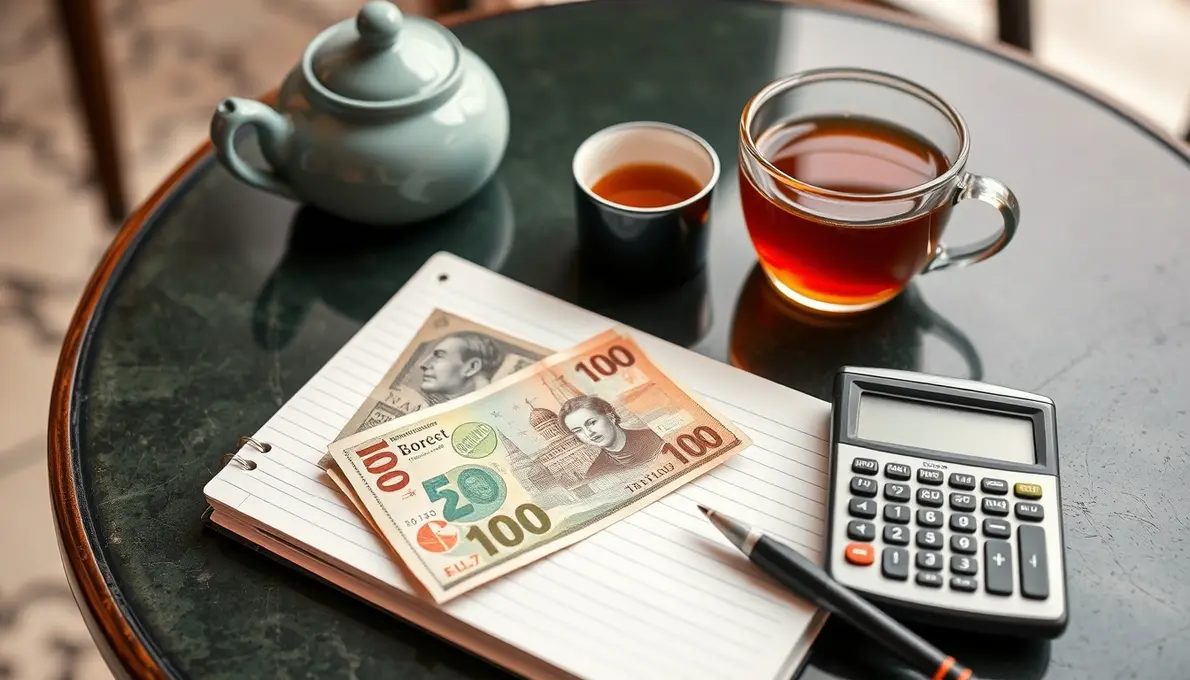
The first step to saving money in Morocco involves understanding the local currency and how to effectively manage your spending. The Moroccan Dirham (MAD) is a closed currency, meaning you can’t officially import or export it. This isn’t a problem, just something to be aware of. The best exchange rates are generally found at ATMs (Banque Marocaine du Commerce Extérieur – BMCE, Attijariwafa Bank, etc.), which are widespread in cities and larger towns. However, always inform your bank before traveling to avoid card blockers and be mindful of foreign transaction fees. While ATMs offer convenience, cash is king in Morocco, particularly in souks, smaller shops, and for street food. Many smaller establishments won’t accept cards, so always carry a mix of smaller denominations for everyday purchases and larger notes for bigger transactions.
When it comes to exchanging currency, avoid airport exchange bureaus if possible, as their rates are often less favorable. Banks in city centers offer competitive rates, as do official exchange offices (bureaux de change) found in bustling areas. Always compare rates and ask about commissions before committing. A simple Morocco travel hack here is to exchange a small amount at the airport for immediate needs, then seek better rates in the city.
One of the most crucial money-saving skills in Morocco is haggling. In souks and many independent shops, prices are rarely fixed. This is part of the shopping culture, not an attempt to overcharge unsuspecting tourists. Start by offering about 30-50% of the initial asking price and work your way up. Remain polite, smile, and be prepared to walk away if you don’t reach a price you’re happy with. Often, the vendor will call you back. This isn’t just about saving money; it’s an engaging cultural interaction. Don’t haggle in supermarkets, government fixed-price stores, or most restaurants, where prices are clearly displayed. Understanding where and when to haggle is a key Morocco travel hack that separates savvy travelers from those who pay inflated prices.
Navigating Transport Like a Local: Efficient and Economical Movement
Getting around Morocco efficiently and affordably can significantly impact your budget and overall experience. For inter-city travel, trains and long-distance buses are your best friends. ONCF (Office National des Chemins de Fer) operates Morocco’s excellent train network, connecting major cities like Marrakech, Casablanca, Fes, and Tangier. Trains are comfortable, generally punctual, and much more cost-effective than flying domestic or hiring private transfers for long distances. Book in advance, especially for popular routes or during peak seasons, to secure your preferred class and seat.
For destinations not served by trains, particularly smaller towns or more remote areas, CTM and Supratours are the leading bus companies. They offer reliable services with air-conditioned coaches and designated stops. While local buses can be cheaper, CTM and Supratours provide a more comfortable and structured experience, often dropping you off at central bus stations. Buying tickets directly from the station a day or two in advance is advisable, or you can check their websites.
Within cities, taxis are prevalent but require a strategic approach. Always ensure the meter is running (ask for “le compteur, s’il vous plaît”) or agree on a price before starting your journey. Petit taxis (smaller, city-specific cabs) operate within city limits and are usually metered. Grand taxis (larger, shared taxis) operate on fixed routes within cities or between cities and towns, often taking multiple passengers. They are cheaper for inter-city travel than private grand taxis but less flexible. Learning a few basic Darija phrases for directions and prices can also be a valuable Morocco travel shortcut. For example, “ça coûte combien?” (How much does it cost?) is always useful.
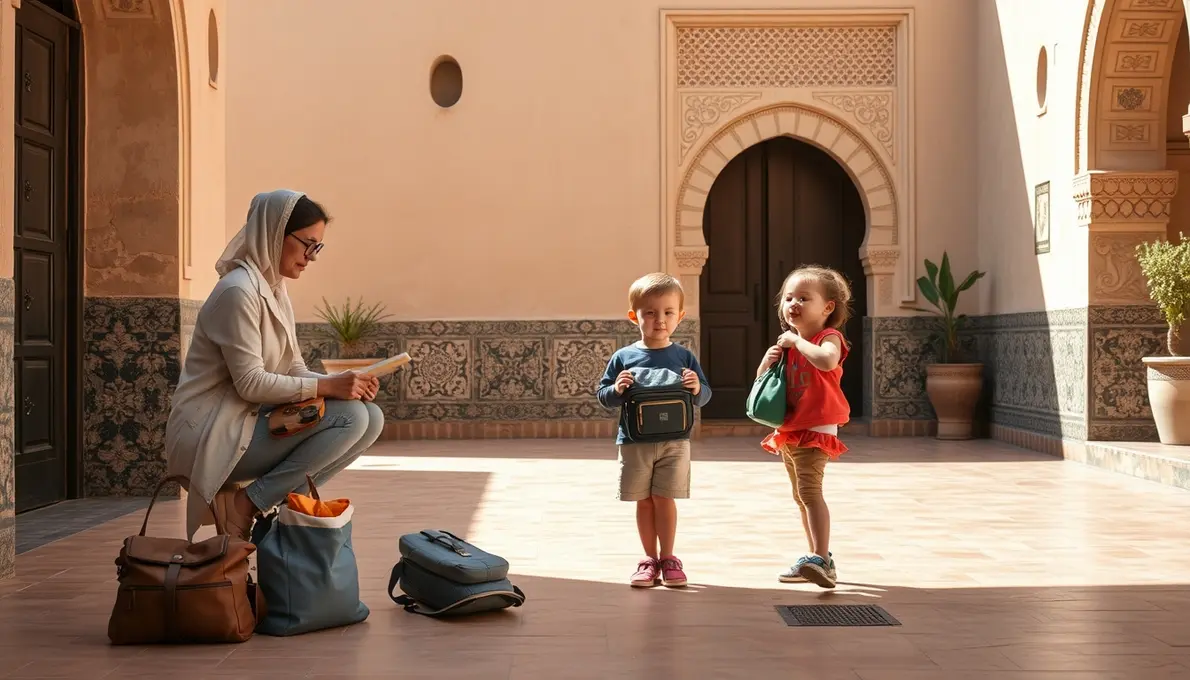
Avoid unofficial “guides” offering tours or transport services around taxi ranks or bus stations. While some might be legitimate, many are trying to overcharge. Stick to licensed taxis or pre-arranged transport through your accommodation. Another excellent Morocco travel hack for short distances within medinas is simply walking. It’s free, offers an immersive experience, and many medinas are car-free anyway. Consider also using ride-sharing apps like Careem in larger cities if you prefer documented journeys and cashless payments, though their availability is not as widespread as traditional taxis.
Culinary Adventures on a Budget: Eating Well for Less
Moroccan cuisine is a highlight for many travelers, and happily, eating well doesn’t have to break the bank. One of the best Morocco travel hacks for foodies is to embrace street food and local eateries. Forget the fancy restaurants with tourist menus; head to where the locals eat. In Marrakech’s Djemaa el-Fna square, stall numbers 1, 14, and 30 are well-known for their delicious and affordable tagines, harira soup, and kebabs. Look for bustling stalls with high turnover—this indicates freshness and popularity. Just be sure to pick stalls where food is cooked to order and looks visibly hot and fresh.
For breakfast, skip expensive hotel options. Many local cafes offer traditional Moroccan breakfast – a simple spread of bread, olives, argan oil, honey, and mint tea – for a fraction of the price. Lunch can often be found at hole-in-the-wall establishments or local markets. For example, in seaside towns like Essaouira, you can buy fresh fish directly from fishermen and have it grilled for a small fee at nearby restaurants.
Mint tea, a staple of Moroccan hospitality, is often offered for free when browsing in shops or can be bought for a very modest price at cafes. Avoid places that cater exclusively to tourists, as prices will inevitably be higher. A key Morocco travel hack is to observe where locals gather and join them. Not only will you save money, but you’ll experience more authentic flavors and interactions.
Another money-saving tip is to purchase fresh produce from local souks and prepare your own simple meals if your accommodation has kitchen facilities. Fresh fruits, vegetables, and bread are incredibly cheap and delicious. Bottled water is essential, and buying large bottles from supermarkets is significantly cheaper than purchasing smaller ones from kiosks or tourist shops. Remember to carry a reusable water bottle to refill and reduce plastic waste.
Avoiding Tourist Traps: Savvy Cultural Navigation
Morocco is incredibly welcoming, but like any popular destination, it has its share of “tourist traps” – situations designed to extract more money from visitors. A primary Morocco travel hack is to understand the local etiquette and be assertive yet polite.
One common scenario involves unsolicited “guides.” As you walk through medinas, especially in cities like Fes or Marrakech, people might approach you offering to show you directions or guide you to a specific place. Politely but firmly decline if you don’t need assistance, or be clear from the outset that you are not interested in a paid tour. If you accept help, agree on a price beforehand to avoid surprises. If you simply ask for directions, a small tip (5-10 MAD) is appropriate if they actually help you considerably, but it’s not always expected. Learning essential phrases in Darija, like “La, shukran” (No, thank you), “Ma fhemt-sh” (I don’t understand), and “wash kayen l’compteur?” (Is there a meter?) can be incredibly empowering.
Tannery visits in Fes are often accompanied by “guides” who lead you through shops, expecting you to buy something. While the tanneries are fascinating, be prepared for sales pressure. You can often visit independently or negotiate a fixed price with a legitimate guide through your riad.
Be wary of exaggerated stories about places being “closed” or “only for locals.” This is a common tactic to redirect you to a specific shop or tour operator. Trust your gut and consult a reliable map or your accommodation for accurate information.
Another savvy Morocco travel shortcut involves understanding tipping culture. While tipping is customary, especially for services, it should be proportionate. A few dirhams for a small service (like someone helping with luggage or giving directions) is fine. For restaurant meals, 10% is generous. Avoid giving money to children, as it can encourage begging rather than schooling. Instead, consider donating to local charities or buying from street vendors.
Remember that photography can also be a source of potential friction. Always ask for permission before taking photos of people, especially vendors or performers. Some may expect a small tip in return, or they may simply decline. Respect their wishes. In busy squares, some individuals may dress in traditional attire or have animals (like snakes or monkeys) and will expect payment if you take their picture. This is a common tourist trap to be aware of; approach with caution or enjoy from a distance.
Smart Accommodation Choices: From Riads to Rentals
Choosing the right accommodation is not just about comfort; it’s a significant factor in managing your budget and enhancing your experience. While luxury hotels are available, one of the most beloved Morocco travel hacks is to opt for a traditional riad or guesthouse, especially within the medinas. Riads offer an authentic Moroccan experience with beautiful architecture, inner courtyards, and often home-cooked meals, usually at a much more competitive price point than international chain hotels. Many riads are family-run, providing personalized service and invaluable local insights.
When booking, use reputable sites but also consider contacting riads directly. Sometimes, they offer better rates or special packages that aren’t available through online travel agencies. Look for accommodations that include breakfast in the price, as this can save you a daily expense. Some even offer dinner upon request, which can be a delicious and convenient way to experience local cuisine without the hassle of finding a restaurant every evening.
For longer stays or group travel, consider Airbnb or other vacation rental platforms. Renting an apartment or even an entire riad can be incredibly cost-effective per person, offering amenities like kitchens, which are perfect for those who want to prepare some of their own meals using fresh market produce. This aligns perfectly with deeper Morocco travel hacks for budget-conscious travelers. Always read reviews thoroughly and look for properties with superhosts or strong positive feedback to ensure reliability and avoid any unexpected issues.
If you’re traveling on a shoestring budget, hostels in major cities like Marrakech and Fes offer dormitory beds and private rooms. Many are well-maintained, sociable, and provide an excellent opportunity to meet fellow travelers. They often organize affordable tours and activities, which can be another great way to save money and find companions for exploring. Regardless of your choice, booking in advance, especially during peak seasons or popular festivals, is a smart Morocco travel shortcut to secure better prices and availability. Consider locations slightly outside the immediate tourist hotspots within the medina; they might be a short walk further but often offer quieter surroundings and better value.
Connectivity and Communication: Staying Smart and Safe
Staying connected in Morocco is surprisingly easy and affordable if you know the right Morocco travel hacks. Avoid relying solely on international roaming, which can be exorbitantly expensive. The best option for most travelers is to purchase a local SIM card upon arrival. Leading providers like Maroc Telecom, Orange, and Inwi offer prepaid SIMs with generous data packages for very reasonable prices. You can usually find kiosks at airports, train stations, or official stores in any major city.
To activate a SIM, you’ll typically need your passport. Staff will usually help you install and activate it. A data-only SIM is often sufficient, allowing you to use messaging apps for calls and maps for navigation. This gives you internet access for research, communication, and real-time translation, all without incurring hefty charges. This is a fundamental Morocco travel hack for safety and convenience.
While Wi-Fi is available in most hotels, riads, and many cafes, having your own data connection ensures you’re never stranded without access to information, especially when navigating the labyrinthine medinas or coordinating with local contacts. Remember that the internet speed and reliability can vary, particularly in more remote areas.
For communication with locals who might not speak English or French, translation apps are incredibly useful. Google Translate, with its offline download feature for languages like Arabic, can be a lifesaver for deciphering menus, asking for directions, or understanding prices.
Regarding safety, one of the most overlooked Morocco travel shortcuts is to simply practice common sense and situational awareness. Keep your valuables secure and out of sight, especially in crowded souks. While pickpocketing can occur, it’s generally no more prevalent than in other major tourist destinations. Be mindful of your surroundings, especially at night, and avoid walking alone in poorly lit areas. Trust your instincts. If a situation feels off, politely remove yourself. Carrying a copy of your passport (digital and physical) in a separate place from the original is a good practice. Most importantly, remain open and friendly, but don’t be afraid to assert yourself and say “no” firmly when necessary. These basic precautions, combined with your connectivity, will ensure a smoother, safer journey.
Packing Smart: Maximizing Comfort and Minimizing Expenses
Packing for Morocco, particularly using savvy Morocco travel hacks, can significantly enhance your trip and save you money. The climate varies drastically from north to south and coast to interior, so versatile layering is key. Lightweight, breathable fabrics like cotton and linen are ideal for warmer days, while a warm sweater or jacket is essential for surprisingly chilly desert nights or mountainous regions. Modest clothing is respectful of local culture and can also help you avoid unwanted attention, particularly for women. Long skirts, loose trousers, and tops that cover the shoulders and chest are recommended.
One effective hack is to pack a scarf or sarong. It’s incredibly versatile: it can be used for sun protection, to cover your head when visiting religious sites, as a makeshift blanket on a chilly bus, or even as a cover-up if you feel underdressed. A sturdy pair of comfortable walking shoes is non-negotiable, as you’ll likely be doing a lot of walking, especially in the medinas and souks with their uneven surfaces.
To save on costs, bring your own basic toiletries rather than buying them new in Morocco, where prices might be higher for familiar brands. A small first-aid kit with essentials like pain relievers, band-aids, antiseptic wipes, and any personal medications is also a smart move, avoiding potential difficulties in finding specific items or dealing with language barriers at pharmacies.
For desert excursions, which are a highlight for many, a separate packing strategy is crucial. Morocco travel hacks often emphasize efficient packing for the Sahara Desert – think sunscreen, sunglasses, lip balm, and warm layers for the cold desert nights. A daypack for daily excursions, alongside your main luggage, is also very practical for carrying water, snacks, and personal items.
Finally, consider the weight and size of your luggage. If you plan to travel by local transport like trains or buses, lighter luggage is always easier to manage. Avoid overpacking; you’ll likely want to pick up some souvenirs, and extra space will save you from buying an additional bag or incurring excess baggage fees. By packing strategically, you’re not just saving money, but also ensuring greater comfort and flexibility throughout your Moroccan adventure.
Conclusion
Embracing these Morocco travel hacks isn’t just about saving a few dirhams; it’s about enriching your experience by interacting more authentically with the local culture and avoiding common pitfalls. From mastering the art of negotiation in the souks and navigating public transport like a local, to savoring affordable, delicious street food and connecting smartly, each tip empowers you to travel with confidence and independence. These Morocco travel hacks are your shortcut to a more memorable, budget-friendly, and truly immersive journey through this captivating country.
FAQs
Can I really haggle for everything in Morocco?
Haggling is expected and part of the shopping culture in souks and many independent shops, particularly for items like carpets, leather goods, and souvenirs. However, it’s not appropriate in supermarkets, modern stores with fixed prices, or most restaurants where prices are clearly displayed. Learn to differentiate where to haggle and where not to.
Is it safe to use ATMs for cash in Morocco?
Yes, ATMs are generally safe and widely available in cities and larger towns. Major banks like BMCE and Attijariwafa Bank are reliable. Always use ATMs located inside or directly outside bank branches for added security, and cover the keypad when entering your PIN. Inform your bank of your travel plans beforehand to prevent card issues.
How can I avoid getting lost in the medinas?
Medinas can be confusing labyrinths! A good Morocco travel hack is to download offline maps (like Google Maps or Maps.me) on your phone before you go. Many riads also provide small local maps. Don’t be afraid to ask for directions, but always confirm the price if someone offers to guide you, or politely decline if you prefer to navigate solo.
What’s the best way to get from the airport to my accommodation cheaply?
For most major airports (like Marrakech Menara or Casablanca Mohammed V), registered grand taxis or airport buses are the best options. While grand taxis are plentiful, always agree on a price before getting in. Airport buses are significantly cheaper and drop you at central locations, from where you might take a petit taxi or walk to your accommodation. Avoid unofficial solicitations.





 Covers cities, coast, mountains, desert & food