Morocco, a land of captivating contrasts, offers an unparalleled journey for those who cherish rich cultural immersion and exquisite culinary experiences. This comprehensive Morocco travel guide is crafted specifically for culture lovers and food enthusiasts, promising to steer you through the intricate planning stages. From navigating bustling souks to savoring tagine perfected over generations, understanding the nuances of Moroccan life is key to unlocking its magic. Our aim is to equip you with practical insights and expert advice, ensuring your adventure through this vibrant North African nation is nothing short of extraordinary.
Decoding Moroccan Culture: Beyond the Souks and Spices
For the culture lover, Morocco is a living museum. Its history is etched in the imperial cities of Fes, Marrakech, Rabat, and Meknes, each offering a distinct cultural tapestry. Engaging with Moroccan culture means more than just sight-seeing; it’s about experiencing the rhythm of daily life. This includes understanding local customs, the importance of hospitality, and the respectful ways to interact. For instance, walking through an ancient medina, you’ll witness traditional artisans at work – tanners, dyers, weavers – each preserving crafts passed down through centuries. Embrace the opportunity to learn a few basic Darija (Moroccan Arabic) phrases like “Salam Alaikum” (hello) and “Shukran” (thank you); these small gestures open doors and foster genuine connections. Photography within private spaces or of individuals often requires permission, a simple yet vital act of respect. Public displays of affection are generally frowned upon, and dressing modestly, especially in religious areas, shows deference to local norms. This thoughtful approach enriches your experience and allows for deeper cultural penetration, making your Morocco travel guide truly come alive.
A Gastronomic Odyssey: Exploring Moroccan Cuisine
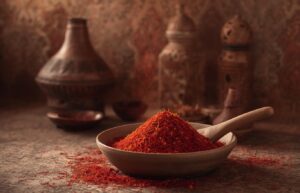
Food is the soul of Morocco, and for the food enthusiast, it’s a journey of discovery. Moroccan cuisine is a vibrant fusion of Berber, Arab, Andalusian, and French influences, characterized by rich spices, fresh ingredients, and slow-cooked perfection. Your Morocco travel guide shouldn’t just list dishes, but describe the experience. Imagine the aroma of cumin, turmeric, ginger, and saffron wafting from a bustling market, leading you to a street vendor selling grilled kefta skewers or a steaming bowl of harira soup.
The iconic tagine, a slow-cooked stew named after the conical clay pot it’s prepared in, comes in countless variations – lamb with prunes, chicken with preserved lemons and olives, or purely vegetarian. Couscous, traditionally served on Fridays, is another cornerstone, often prepared with seven vegetables. Don’t miss out on pastilla, a savory-sweet pigeon or chicken pie, or the delicate pastries like chebakia. Exploring these culinary delights often involves visiting local markets (souks) to see the fresh produce, spices, and ingredients firsthand. Consider taking a cooking class; it’s an incredibly immersive way to understand the techniques and history behind the dishes, transforming a meal into a cultural lesson. Learning to make mint tea, the quintessential Moroccan welcome drink, is also a must. The ritual of its preparation and serving is as important as its refreshing taste.
Crafting Your Itinerary: Tailoring for Culture and Cuisine
Designing an itinerary that prioritizes both cultural immersion and culinary exploration requires conscious choices. Unlike a standard tourist dash, you’ll want to allocate time for deeper engagement. For example, in Fes, dedicate at least two full days to its ancient medina, not just for sightseeing, but for getting lost, observing local life, and discovering hidden eateries that serve authentic local fare. Consider a half-day food tour in Marrakech’s Djemaa el-Fna square, not merely to eat but to understand the history of the square’s food stalls and the stories behind the sellers. For a comprehensive Morocco travel guide, weaving in a stay at a traditional riad is essential. These guesthouses, often renovated historic homes, offer an intimate cultural experience with authentic décor and often home-cooked meals.
Think about incorporating experiences like visiting a Berber village in the Atlas Mountains to understand their way of life and share a meal, or exploring the coastal town of Essaouira for its fresh seafood and bohemian atmosphere. Instead of rushing between major cities, consider focusing on a few regions and delving deeper. For instance, combine Marrakech and the surrounding Atlas villages, or Fes with a trip to Meknes and Volubilis. This slower pace allows for more meaningful interactions and better opportunities to sample diverse regional cuisines and traditions. Your itinerary should factor in ample time for leisurely meals and unexpected discoveries, which are often the most rewarding aspects of a cultural and culinary journey.
Practical Logistics for a Seamless Moroccan Exploration
Planning the practicalities of your Morocco travel guide ensures your focus remains on the enriching experiences rather than logistical headaches. Transportation within Morocco is varied. For inter-city travel, the ONCF train network offers comfortable and efficient service between major cities like Casablanca, Rabat, Fes, and Marrakech. For reaching smaller towns or exploring scenic routes, private taxis, grand taxis (shared taxis), or pre-booked private transfers are often necessary. In cities, petit taxis are readily available, but always confirm the use of the meter or agree on a fare beforehand. Navigating medinas is best done on foot, and hiring a local guide, especially in Fes, can be invaluable for uncovering hidden gems and avoiding getting lost.
Accommodation choices range from luxurious riads and hotels to charming guesthouses and budget-friendly hostels. Booking in advance, particularly during peak seasons (spring and autumn), is highly recommended, especially for popular riads. Regarding currency, the Moroccan Dirham (MAD) is a closed currency, meaning it can only be bought and sold within Morocco. ATMs are widely available in cities, and credit cards are accepted in larger establishments, but cash is essential for souks, local cafes, and smaller purchases. Don’t forget travel insurance – it’s a non-negotiable for any international trip. Your Morocco travel guide should emphasize adaptability, as plans might shift, and a relaxed attitude will ensure these moments become part of the adventure.
Embracing Local Etiquette and Cultural Nuances
A truly enriching Moroccan journey for culture lovers hinges on understanding and respecting local customs. Morocco is a predominantly Muslim country, and a mindful approach to local etiquette will enhance your interactions. When visiting mosques or religious sites, modest dress (covering shoulders and knees) is essential, and non-Muslims are generally not permitted inside mosques, with few exceptions like the Hassan II Mosque in Casablanca. Bargaining is an integral part of shopping in souks; approach it with good humor and respect, rather than aggression. It’s a cultural exchange, not just a transaction.
Public displays of affection are generally not common, and it’s advisable to keep them discreet. If invited for tea or a meal, it’s customary to accept, demonstrating appreciation for Moroccan hospitality. Always use your right hand when eating or passing food, as the left hand is traditionally considered unclean. While alcohol is available in tourist establishments and larger cities, public consumption is rare. Be aware of Ramadan dates, as daily routines and business hours can change significantly during this holy month. A little preparation and insight into these cultural nuances will go a long way in ensuring a respectful and enjoyable experience for both you and the locals you encounter. For an even deeper dive into this fascinating culture, consider checking out this detailed Moroccan cuisine guide.
Health, Safety, and Essential Preparations
Ensuring your health and safety is paramount for any Morocco travel guide. Before you embark, consult your doctor about recommended vaccinations; typically, routine vaccines are sufficient, but Hepatitis A and Typhoid might be advised. Pack a basic medical kit including pain relievers, antiseptic Wipes, band-aids, and any personal medications. Staying hydrated is crucial, especially in warmer months; drink bottled water exclusively and avoid ice in drinks unless you’re certain it’s made from filtered water. Be mindful of street food hygiene – while often delicious, choose vendors with high turnover and visibly clean stalls.
Morocco is generally a safe country for tourists, but petty crime like pickpocketing can occur, especially in crowded areas. Keep valuables secure and out of sight, and avoid walking alone in deserted areas at night. Consider using a money belt for passports and larger sums of cash. Local guides can enhance your safety and experience, particularly in complex medinas. Women travelers should dress modestly to avoid unwanted attention and consider traveling in groups or with a companion. This Morocco travel guide stresses the importance of common sense and awareness; by taking these precautions, you can fully relax and immerse yourself in the wonders of Morocco.
Budgeting for a Culture and Cuisine Focused Trip
Budgeting effectively for your Morocco travel guide allows you to indulge in those special cultural and culinary experiences without financial stress. Morocco can be a very affordable destination, but costs vary widely depending on your style of travel. Accommodation can range from $30-50 USD a night for a comfortable riad to upwards of $100-200+ for luxury options. Food is generally inexpensive, especially if you eat at local eateries and street stalls; a delicious meal can cost as little as $5-10 USD. Dining in tourist restaurants or hotels will be higher, around $20-40 USD per person.
Transportation costs depend on your chosen method; trains are budget-friendly, while private drivers offer convenience at a higher price. Activities like cooking classes, guided tours of medinas, or excursions to the desert will be additional expenses, typically ranging from $50-150 USD per person per activity. Don’t forget to factor in entrance fees for historical sites, which are usually quite modest. Set a daily budget, and try to stick to it. Remember that bargaining in the souks can save you money on souvenirs, but do so respectfully. A well-planned budget ensures you can enjoy every tagine, every mosaic, and every cultural encounter without worry.
Conclusion
Embarking on a journey through Morocco as a culture lover and food enthusiast promises an unforgettable adventure. This Morocco travel guide has aimed to equip you with the essential knowledge and practical advice needed to navigate this incredible country. By embracing local customs, seeking out authentic culinary experiences, and planning with thoughtful intention, you will unlock the true essence of Morocco. From the bustling medinas to the serene desert landscapes, and from the aromatic spices to the heartwarming hospitality, Morocco awaits to charm and delight you.
FAQs
What is the best time of year for a culture and food-focused Morocco travel guide?
The best times to visit Morocco for cultural and culinary exploration are spring (March to May) and autumn (September to November). During these seasons, the weather is pleasantly mild, making it ideal for walking through medinas, exploring historical sites, and enjoying outdoor markets without the extreme heat of summer or the chill of winter, especially in the north and mountainous regions.
Is it safe to eat street food in Morocco, as recommended by this Morocco travel guide?
Yes, it can be very safe and is highly recommended for an authentic culinary experience. However, exercise caution. Look for street food vendors with a high turnover of customers, visible cleanliness, and food that is cooked fresh in front of you. Avoid anything that looks like it has been sitting out for too long. Trust your instincts; if a stall looks questionable, move on.
How should I dress as a culture lover visiting Morocco?
As a sign of respect for local customs, it’s advisable to dress modestly, especially when in cities, rural areas, or visiting religious sites. For women, this typically means covering shoulders and knees. Loose-fitting clothing made from breathable fabrics is ideal, especially in warmer climates. For men, shorts that reach the knee are generally acceptable, but long trousers are always a safe bet.
Do I need to learn Arabic for my Morocco travel guide experience?
While learning a few basic phrases in Darija (Moroccan Arabic) like “Salam Alaikum” (hello), “Shukran” (thank you), and “La shukran” (no thank you) is always appreciated by locals and enhances interaction, it’s not strictly necessary. French is widely spoken, especially in tourist areas and cities, and many people involved in tourism also speak English. However, making an effort with a few words can significantly enrich your cultural immersion.



 Covers cities, coast, mountains, desert & food