
Embarking on a journey through Morocco for the first time is an exhilarating prospect, brimming with vibrant souks, ancient medinas, and breathtaking landscapes. To navigate this fascinating country efficiently and enhance your experience, considering well-planned tours in Morocco can be incredibly beneficial. This guide aims to equip first-time travelers with essential insights into choosing, planning, and optimizing their Moroccan adventures, ensuring a seamless and memorable trip. From understanding different tour styles to managing logistics and expectations, we’ll cover the crucial aspects that will transform your initial thoughts of travel into a concrete, fantastic itinerary.
Deciphering Your Tour Style: Group vs. Private Morocco Tours
One of the first decisions you’ll grapple with when planning tours in Morocco is whether to opt for a group tour or a private one. Each offers distinct advantages and caters to different travel preferences. Understanding these differences is key to selecting the option that best suits your needs as a first-time visitor.
Group tours typically involve traveling with a larger contingent of fellow tourists, often in a bus or minivan, following a pre-set itinerary. These can be more budget-friendly as the costs of transportation, accommodation, and guide services are shared among many. They also offer a built-in social aspect, allowing you to meet new people and share experiences. However, group tours can sometimes feel rushed, with less flexibility to deviate from the schedule or linger longer in places that pique your interest. You’re often beholden to the pace and preferences of the group, which might not always align with your own. For first-timers who appreciate structure and the camaraderie of fellow travelers, and are comfortable with a more fixed pace, a well-vetted group tour can be an excellent introduction to Morocco.
Conversely, private tours offer unparalleled flexibility and personalization. You’ll typically have a dedicated driver and/or guide, allowing you to tailor the itinerary to your specific interests, pace, and schedule. Want to spend an extra hour wandering through a particular souk, or deviate to a small village not on the typical tourist circuit? A private tour makes this possible. While generally more expensive, the investment often pays off in terms of a more intimate, bespoke experience. You gain deeper cultural insights from your private guide, who can often adapt explanations and recommendations to your level of curiosity. For those seeking a deeper dive, more personalized attention, and the freedom to explore at their own rhythm, private tours in Morocco are usually the superior choice. Consider your budget, travel companions, and preferred level of independence when making this crucial decision.
Crafting Your Moroccan Itinerary: Key Considerations for First-Timers
Once you’ve considered your tour style, the next step in planning tours in Morocco is to think about the itinerary itself. For a first-time visitor, a carefully crafted itinerary can make all the difference in experiencing the country’s diverse offerings without feeling overwhelmed. It’s not just about what you see, but how you connect the dots between destinations.
A typical first-time itinerary often focuses on the “Imperial Cities” – Marrakech, Fes, Meknes, and Rabat – along with a journey into the Sahara Desert. Marrakech, with its bustling Djemaa el-Fna square, vibrant souks, and stunning palaces, often serves as a fantastic starting point. From there, many first-timers venture to the Atlas Mountains and then onwards to the desert for an unforgettable overnight camel trek and star-gazing experience. Fes, with its ancient medina and rich cultural heritage, offers a stark contrast to the energy of Marrakech.
When building your itinerary, consider the amount of time you have available. For a week, focusing on Marrakech, the Atlas Mountains, and the desert is a popular and manageable choice. For two weeks, you can comfortably incorporate Fes and perhaps a coastal city like Essaouira. Don’t try to cram too much in; Morocco is best enjoyed at a leisurely pace, allowing you time to absorb the atmosphere and interact with locals. Think about your interests: are you an adventurer, a history buff, a foodie, or a photography enthusiast? Tailor your stops and activities accordingly. For instance, if you’re keen on photography, ensure your itinerary allows for early morning or late afternoon light in scenic locations.
Logistics are paramount. How will you travel between cities? If you’re on a guided tour, this is usually pre-arranged. If you’re planning a private tour, discuss transport options with your provider – comfortable, air-conditioned vehicles are essential, especially during warmer months. Also, consider the flow of your journey. It’s often more efficient to travel in a loop or a linear path that minimizes backtracking, maximizing your time spent exploring rather than commuting. A well-designed itinerary will balance cultural immersion, natural beauty, and relaxation, offering a comprehensive yet enjoyable introduction to Morocco.

Navigating Tour Operators and Booking Your Moroccan Adventure
Selecting the right tour operator is perhaps the most critical step when planning tours in Morocco. The quality of your trip will largely depend on the expertise, reliability, and responsiveness of the company you choose. This decision-making process requires diligence and a clear understanding of what makes a reputable operator.
Start by researching different companies online. Look for operators specializing in Morocco, as they will have in-depth local knowledge and established networks. Read reviews on independent travel platforms like morocco travel guide or through fellow travelers’ blogs and forums. Pay attention to comments regarding communication, guide quality, vehicle comfort, accommodation standards, and overall flexibility or problem-solving skills. A company with consistently positive feedback and transparent practices is a good indicator of reliability.
Once you’ve shortlisted a few operators, reach out to them directly. Pay attention to how quickly and thoroughly they respond to your inquiries. A good operator will be happy to answer all your questions, offer suggestions, and work with you to customize an itinerary that fits your interests and budget. Don’t hesitate to ask specific questions about what’s included and excluded in the tour price. This includes accommodation specifics (e.g., type of riad/hotel, en-suite bathrooms, air conditioning), meals (e.g., breakfast, lunch, dinner, drinks), entrance fees to attractions, guide services (local vs. national guide), and transportation details (vehicle type, driver’s English proficiency). Clarify payment terms, cancellation policies, and what happens in unforeseen circumstances.
It’s also wise to inquire about the experience and language proficiency of their guides. A knowledgeable, personable guide can elevate your trip from good to extraordinary, providing cultural context, facilitating local interactions, and helping you navigate unfamiliar situations. While comparing prices, remember that the cheapest option isn’t always the best. Value often lies in the quality of service, the expertise of the guide, and the overall reliability of the operation. Booking well in advance, especially during peak seasons, is highly recommended to secure your preferred dates and avoid last-minute availability issues.
Essential Preparations: What to Pack and Know Before You Go
Successfully embarking on tours in Morocco involves more than just booking; it requires smart preparation. Knowing what to pack, understanding local customs, and handling practicalities can significantly enhance your first-time travel experience.
When it comes to packing, versatility is key. Morocco experiences diverse climates, from the heat of the desert to cooler mountain evenings, and even chilly winters, depending on the season. Layering is your best friend. Pack lightweight, breathable clothing made from natural fibers like cotton or linen for warmer areas. For cooler evenings or early mornings, especially in the desert or mountains, a light jacket or fleece is essential. Modesty in dress is appreciated, particularly in religious sites and more conservative areas. For women, this means covering shoulders and knees; for men, long shorts or trousers are generally appropriate. Comfortable walking shoes are a must for exploring medinas and historical sites. Don’t forget swimwear if your accommodation has a pool, and a sturdy pair of sandals for warmer days.
Beyond clothing, a few essentials should not be overlooked. Sunscreen, sunglasses, and a wide-brimmed hat are vital for protection against the strong Moroccan sun. A small daypack for carrying water, snacks, and personal items during daily excursions will be invaluable. Consider bringing a universal travel adapter, a portable power bank, and any necessary personal medications. While many pharmacies are well-stocked, having your prescriptions on hand is always advisable.
Regarding local customs, a little understanding goes a long way. Politeness and respect are highly valued. Learn a few basic Arabic or Berber phrases like “Salam Alaikum” (hello) and “Shukran” (thank you) – locals will appreciate the effort. Bargaining is expected in the souks, but always do so with a smile and good humor. Tipping is customary for guides, drivers, and restaurant staff; carry small denominations of Moroccan Dirhams for this purpose. Be mindful of public displays of affection and respect religious practices, especially during prayer times. Drinking tap water is generally not recommended; stick to bottled water. Finally, ensure your passport is valid for at least six months beyond your intended departure date, and check visa requirements for your nationality well in advance.

Budgeting for Your Moroccan Tour: What to Expect and How to Save
Understanding the financial aspects of tours in Morocco is crucial for first-time travelers to avoid surprises and enjoy their trip without constant money worries. While Morocco can be an affordable destination, costs can vary significantly depending on your choices.
The primary cost components of your tour will be the tour package itself, flights, accommodation (if not fully included in the tour), food, activities not covered by the tour, and souvenirs. Tour packages for first-timers can range widely. A budget-friendly, multi-day group tour might start from a few hundred dollars per person, while a luxurious, bespoke private tour extending over ten days could run into thousands. Factors influencing tour prices include the duration, the number of people, the standard of accommodation (budget riads vs. luxury hotels), the type of transportation (basic minivan vs. comfortable 4×4), and the inclusions (meal plan, entrance fees, specific activities).
To save money without compromising experience too much, consider traveling during the shoulder seasons (spring or fall), when prices for flights and tours might be slightly lower than peak times. Opting for a smaller group tour can offer a good balance between cost and flexibility. When it comes to accommodation, selecting well-reviewed mid-range riads or guesthouses can provide an authentic experience at a fraction of the cost of international hotels. Eating like a local at smaller, family-run restaurants or street food stalls in the medinas will be significantly cheaper and often more delicious than tourist-oriented establishments.
Remember to factor in discretionary spending. Budget for unique experiences like a traditional hammam, cooking classes, or hot air balloon rides over the desert. Alcohol can be expensive outside of specific tourist hotels, so account for this if you plan to partake. Always carry some cash in Moroccan Dirhams (MAD) for small purchases, tips, and places that don’t accept cards. ATMs are widely available in major cities, but some remote areas might not have them. While credit cards are accepted in larger hotels and shops, cash remains king for many transactions. By carefully planning and making informed choices, your tours in Morocco can be both enriching and budget-conscious.
Beyond the Brochure: Unexpected Delights and Cultural Etiquette
While brochures highlight the iconic sights, the true magic of tours in Morocco often lies in the unexpected encounters and cultural nuances you discover along the way. Preparing yourself for these aspects as a first-time traveler will enrich your journey immensely.
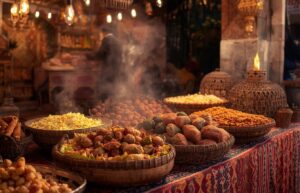
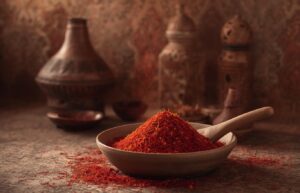
Morocco is a land of sensory overload, in the best possible way. Be ready for the cacophony of the souks, the vibrant colors of spices, the intricate patterns of crafts, and the pervasive aroma of mint tea. Embrace the chaos, particularly in cities like Marrakech and Fes. It’s part of the authentic experience. Don’t be afraid to get a little lost in the medinas; it’s often how you stumble upon hidden gems, quaint artisan workshops, or secret garden riads. Many tour guides are excellent at helping you navigate, but give yourself some free time to wander without a strict agenda.
Engaging with locals is a highlight. Moroccans are generally warm, hospitable, and friendly. However, be prepared for persistent vendors in tourist areas. A polite “la shukran” (no, thank you) or simply ignoring them usually suffices. If someone offers to guide you, especially in Fes, clarify if they expect payment upfront to avoid misunderstandings. Photography is generally welcomed, but always ask permission before taking close-up shots of people, especially women. A simple gesture and “mumkin nsawar?” (May I take a photo?) works wonders.
The culture of hospitality, “Diyafa,” is deeply ingrained. If you’re offered mint tea, it’s considered impolite to refuse. Enjoy the ritual; it’s a significant part of Moroccan social interaction. Understand that Moroccan time can sometimes be more fluid than Western schedules. Patience is a virtue, particularly with transport or service. Embrace the slower pace, if it arises, as part of the cultural immersion. These small cultural insights, combined with the stunning landscapes and historical sites, are what create truly unforgettable tours in Morocco for first-time visitors.
Conclusion
Embarking on tours in Morocco as a first-time traveler promises an adventure filled with discovery, vibrant culture, and stunning landscapes. From choosing between a private or group experience to meticulously planning your itinerary, selecting a reputable tour operator, and packing smartly, each step contributes to a rewarding journey. By embracing the unexpected, respecting local customs, and managing your budget, you’ll be well-equipped to navigate this enchanting country and create lasting memories. Morocco is ready to captivate you, and with this guide, you’re ready to explore.

FAQs
What is the best time of year to take tours in Morocco?
The best time for tours in Morocco is generally spring (March to May) and autumn (September to November). During these months, the weather is pleasant across most of the country, making it ideal for exploring cities, trekking in the Atlas Mountains, and experiencing the Sahara Desert without extreme heat or cold. Summers (June to August) can be very hot, especially in the south and desert regions, while winters (December to February) can be chilly, particularly in the mountains.
How many days are ideal for a first-time tour in Morocco?
For a comprehensive first-time experience, a minimum of 7 to 10 days is recommended for tours in Morocco. This allows enough time to visit a few key cities like Marrakech and Fes, enjoy an overnight desert excursion, and perhaps explore the Atlas Mountains without feeling rushed. If you have two weeks, you can delve deeper into multiple regions or add a coastal town like Essaouira.
Do I need a visa to visit Morocco?
Visa requirements for Morocco depend on your nationality. Many countries, including the USA, Canada, UK, Australia, and EU member states, do not require a visa for stays of up to 90 days. However, it is essential to check the most up-to-date visa regulations specific to your nationality well in advance of your trip through your country’s Ministry of Foreign Affairs or the Moroccan embassy/consulate.
Is it safe for solo female travelers to take tours in Morocco?
Yes, Morocco is generally safe for solo female travelers, especially when taking organized tours in Morocco. Tour operators prioritize traveler safety and handle many logistical aspects. However, like any destination, it’s wise to exercise caution, be aware of your surroundings, dress modestly, and avoid walking alone in secluded areas at night. Opting for reputable accommodations and being confident in interactions can enhance your safety and overall experience.



 Covers cities, coast, mountains, desert & food