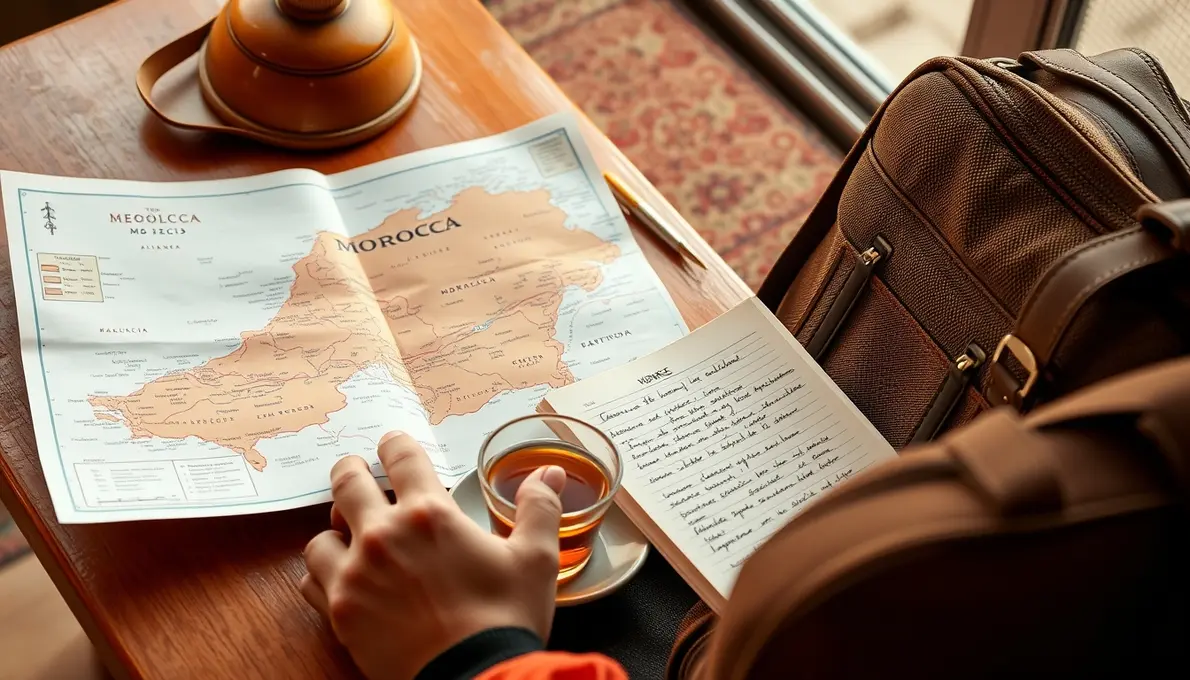
Embarking on a solo adventure in Morocco is an incredibly rewarding experience, offering a deep dive into a vibrant culture and breathtaking landscapes. To ensure your journey is not just exciting but also safe and truly memorable, understanding key Morocco solo travel tips is essential. This guide is crafted specifically for independent travelers, providing practical advice to navigate Morocco confidently, from bustling souks to tranquil desert oases. By focusing on smart preparation and mindful travel, you can fully embrace the magic of solo travel Morocco without unnecessary worries.
Prioritizing Personal Safety: Essential Foundations for Solo Explorers
When traveling alone, personal safety becomes paramount. Morocco is generally a safe country for tourists, but like any destination, being prepared and aware makes all the difference. For solo travelers, especially women, it’s wise to adopt specific strategies that enhance security and comfort.
Firstly, consider your accommodation choices. Opt for established guesthouses (riads) or hotels with good reviews, particularly those mentioning attentive staff and secure access. Many riads offer a serene sanctuary away from the street, providing a safe haven at the end of a day of exploration. Always check the neighborhood beforehand – a central location often means more foot traffic and a quicker return to your lodging after dark.
Secondly, transportation requires a thoughtful approach. While grand taxis are common for inter-city travel, for solo travelers, it’s often more comfortable and safer to pre-book private transfers or use certified petit taxis within cities. Agree on the fare before starting your journey, especially with petit taxis that don’t use meters. When using trains or CTM/Supratours buses for longer distances, opt for first-class tickets if budget allows, as they offer more space and are generally perceived as more comfortable.
Thirdly, be mindful of your belongings. Pickpocketing can occur in crowded areas like markets and main squares (Djemaa el Fna in Marrakech is a prime example). Use a cross-body bag that’s difficult to snatch, keep valuables out of sight, and avoid flashing expensive items. It’s also a good practice to only carry what you need for the day, leaving passports and excess cash locked securely at your accommodation. Make copies of important documents and store them separately, or keep digital copies accessible on your phone or cloud storage.
Finally, trust your instincts. If a situation or an interaction feels off, politely remove yourself. Do not feel pressured to engage with overly persistent vendors or guides. A firm but polite “La, shukran” (No, thank you) is usually sufficient. Remember, your comfort and safety are your top priorities.
Navigating Cultural Nuances: Respectful Engagement for a Richer Journey
Morocco’s rich culture is a significant draw for solo travelers, but understanding and respecting local customs is key to a smooth and enriching experience. These Morocco solo travel tips specifically address cultural sensitivity, empowering you to interact respectfully and avoid misunderstandings.
Dress code is an important consideration. While there’s no strict enforced dress code for tourists, dressing modestly is a sign of respect, particularly when visiting religious sites or smaller, more conservative towns. For women, this typically means covering shoulders and knees; loose-fitting clothing is also more comfortable in the Moroccan climate. Men should also avoid overly revealing attire. Dressing respectfully often leads to more positive interactions with locals and fewer unwanted stares.
Language can be a barrier, but even a few basic Arabic or French phrases can go a long way. “Salam alaikum” (peace be upon you) as a greeting, “Shukran” (thank you), “Afak” (please), and “La” (no) are excellent starting points. Moroccans often appreciate the effort, and it can facilitate friendlier exchanges, especially in markets or when asking for directions. Google Translate can be a helpful tool for more complex conversations.
Bargaining is an integral part of Moroccan commerce, particularly in the souks. Embrace it as a cultural exchange rather than a confrontation. Start by offering about one-third to half of the asking price and negotiate calmly and with good humor. If you’re genuinely not interested in buying, it’s best to move on rather than engage in lengthy negotiations for items you don’t intend to purchase. Remember, the goal isn’t necessarily the lowest possible price, but a fair price for both buyer and seller.
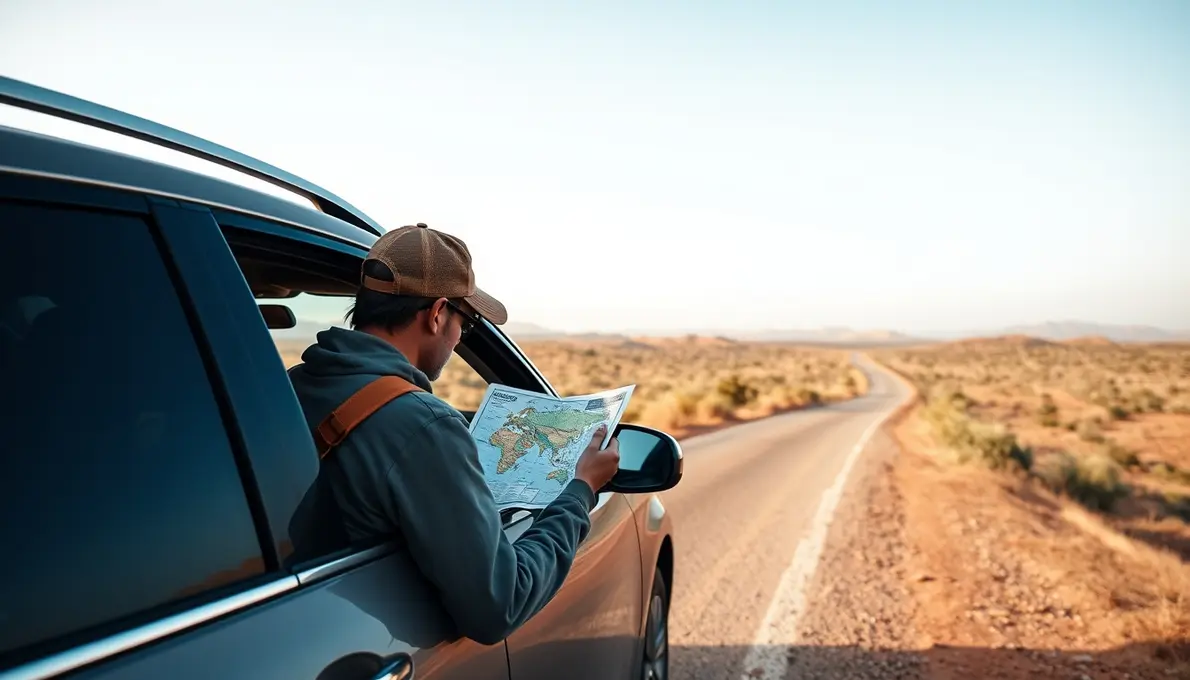
Photography etiquette also deserves attention. Always ask for permission before taking photos of people, especially women and children. Some individuals may decline, and their wishes should be respected immediately. In certain areas, particularly some religious sites or private residences, photography might be forbidden or require a small fee. Be discreet and always respectful of people’s privacy.
Finally, understand the local pace of life. Things might operate on “Moroccan time,” meaning schedules can be flexible. Embrace this relaxed approach, and avoid showing frustration if things don’t happen exactly as planned. Patience and a good sense of humor are invaluable assets for any solo traveler in Morocco.
Health and Well-being on Your Solo Journey
Maintaining your health and well-being is crucial for an enjoyable solo trip. These Morocco solo travel tips focus on practical measures to stay healthy and manage any potential issues, allowing you to fully immerse yourself in your adventure.
Hydration is key, especially when traveling in warmer months or to desert regions. Always carry a refillable water bottle and ensure you’re drinking purified or bottled water. Avoid tap water, as it can cause stomach upsets for those not accustomed to it. Be cautious with ice in drinks unless you’ve confirmed it’s made from bottled water.
When it comes to food, exploring Moroccan cuisine is a highlight, but solo travelers should exercise some caution. Stick to freshly cooked meals from reputable restaurants or popular street food stalls with high turnover. Observing where locals eat is usually a good indicator of quality and freshness. Be wary of salads or uncooked vegetables washed with tap water. While tagines and kebabs are generally safe, always ensure the meat is thoroughly cooked. Consider packing some over-the-counter medication for upset stomachs, just in case.
Sun protection is non-negotiable. The Moroccan sun can be intense year-round. Pack a wide-brimmed hat, good quality sunglasses, and high-SPF sunscreen. Seek shade during the hottest parts of the day, typically between 12 PM and 3 PM. Light, breathable clothing will also help keep you cool.
Ensure your vaccinations are up to date and consult your doctor or a travel clinic before your trip for any specific recommendations. While specific vaccinations might not be mandatory, checking for typhoid, hepatitis A, and tetanus is often advised. Pack a basic first-aid kit with essentials like pain relievers, antiseptic wipes, bandages, and any personal prescription medications, along with their doctor’s note.
Finally, mental well-being is just as important. Solo travel can be incredibly empowering, but it can also be isolating at times. Don’t hesitate to connect with other travelers – hostels and communal riad courtyards are great places for this. Allow yourself time to relax and recharge. Have a way to contact loved ones back home regularly. Remember why you embarked on this solo adventure and cherish the freedom and self-discovery it offers.
Mastering Money Matters: Smart Financial Strategies for Solo Travelers
Effective money management is one of the most practical Morocco solo travel tips that can greatly enhance your trip. From budgeting to managing cash and cards, strategic financial planning ensures you can enjoy your adventure without unnecessary stress or security concerns.
Budgeting is your first step. Morocco can be a very affordable destination, but costs vary widely depending on your travel style. Accommodation can range from budget hostels to luxurious riads. Food is generally inexpensive, especially if you eat at local eateries. Transportation costs also vary; local buses and shared taxis are budget-friendly, while private drivers offer more comfort at a higher price. Allocate a daily budget and try to stick to it, building in a buffer for unexpected costs or spontaneous splurges.
Cash is king in Morocco, especially for smaller purchases, local markets, and street food. While larger hotels and some restaurants accept credit cards, many establishments, particularly outside major cities, operate on a cash-only basis. It’s wise to always have a decent amount of Moroccan Dirhams (MAD) on hand. You can withdraw cash from ATMs found in most towns and cities. Inform your bank of your travel plans beforehand to avoid your cards being flagged for suspicious activity.
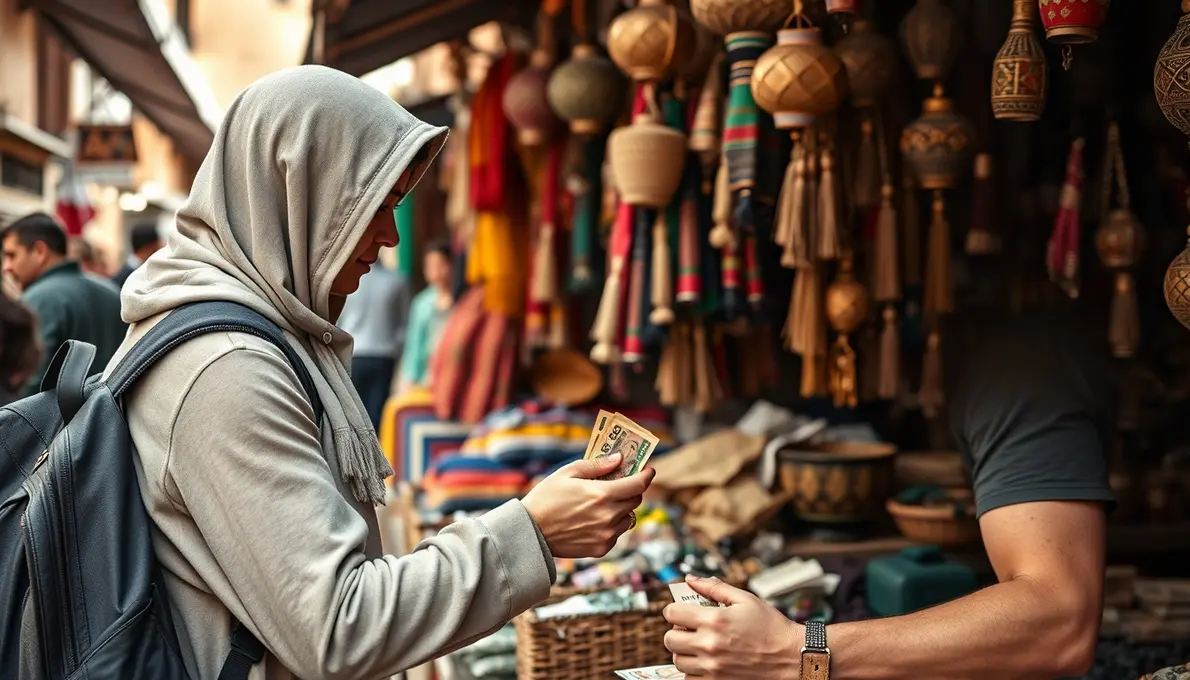
Currency exchange offices are prevalent, but ATMs generally offer the best exchange rates. Be mindful of ATM fees and try to withdraw larger amounts less frequently to minimize these charges. When paying with cash, try to break larger bills at larger stores or restaurants before using them for small purchases; vendors for small items might not have change for large denominations.
Be cautious of scams related to money or exchange. Only exchange money at official exchange offices or banks. Never change money with individuals on the street who offer “better rates.” They are almost certainly trying to con you. When counting change, always double-check. While most Moroccans are honest, small errors can happen, especially in busy environments.
Consider travel insurance. It’s an invaluable investment for any solo traveler. It can cover medical emergencies, lost luggage, trip cancellations, and other unforeseen circumstances. Ensure your policy covers the activities you plan to undertake. Researching providers and policies before you travel is a smart move. For more general travel insights, explore resources like solo travel Morocco.
Preparing for Adventure: Booking, Packing, and Connectivity
Effective preparation is key to a smooth and enjoyable solo journey. These Morocco solo travel tips cover essential pre-trip arrangements, from smart booking strategies to packing wisely and staying connected, ensuring you’re ready for anything Morocco throws your way.
Booking your accommodation in advance, especially for your first few nights, is highly recommended. Arriving in a new city alone, particularly after a long flight, can be disorienting. Having a confirmed place to stay simplifies your arrival and allows you to settle in comfortably before venturing out. For popular times like peak season or specific festivals, booking well ahead is crucial. Read recent reviews thoroughly to get a sense of the atmosphere and suitability for solo travelers.
When planning your itinerary, strike a balance between structure and spontaneity. While a general route is helpful, leave room for unexpected discoveries and flexible changes. Solo travel offers the freedom to adapt your plans based on current interests or recommendations from locals or fellow travelers. Consider booking some activities, such as a desert tour or cooking class, in advance if they’re a high priority. For specific desert preparations, our detailed Morocco solo travel tips for the Sahara Desert packing list can be incredibly helpful.
Packing smart is crucial. Moroccan weather can vary significantly between regions and seasons. Layering is always a good idea. Include lightweight, breathable clothing, comfortable walking shoes (you’ll do a lot of walking!), and modest attire for cultural respect. Don’t forget essentials like a universal travel adapter, power bank, and any specific toiletries you might need. A small daypack for daily excursions is also invaluable.
Staying connected involves a couple of options. Purchasing a local SIM card upon arrival is often the most cost-effective way to get data for maps, communication, and online research. Major providers like Maroc Telecom, Orange, and Inwi offer affordable tourist SIMs. Alternatively, rely on Wi-Fi, which is generally available in most hotels, riads, cafes, and some restaurants in larger cities. Having a charged phone with offline maps downloaded is a great backup, especially when navigating unfamiliar areas.
Finally, develop a communication plan with family or friends back home. Let them know your itinerary, and establish a regular check-in schedule. This provides peace of mind for both you and your loved ones. Utilize technology like WhatsApp for free international messaging and calls over Wi-Fi.
Conclusion
Embarking on a solo adventure in Morocco promises an extraordinary journey of discovery and personal growth. By implementing these comprehensive Morocco solo travel tips, you’re not just preparing for a trip; you’re setting the stage for a safe, respectful, and profoundly memorable experience. From meticulous personal safety planning and understanding rich cultural nuances to smart money management and thorough pre-trip preparations, every piece of advice is designed to empower you. Embrace the independence, savor the vibrant atmosphere, and allow Morocco to captivate your spirit. Your solo journey awaits, full of invaluable lessons and unforgettable moments.
FAQs
Why is personal safety emphasized so much for Morocco solo travel?
Personal safety is a priority for any solo traveler, but it’s especially emphasized for Morocco solo travel to ensure visitors, particularly women, feel confident and secure. While Morocco is generally safe, being aware of common practices like securing accommodation, choosing reliable transport, and safeguarding belongings significantly reduces potential risks and enhances the overall travel experience.
What are the most important cultural etiquette tips for solo travelers in Morocco?
The most important cultural etiquette tips for solo travelers in Morocco include dressing modestly, especially when visiting religious sites, asking permission before taking photos of people, and engaging respectfully in bargaining at markets. Learning a few basic Arabic or French phrases like “Shukran” (thank you) and “Salam alaikum” (hello) can also go a long way in fostering positive interactions.
Is it better to use cash or credit cards in Morocco as a solo traveler?
As a solo traveler in Morocco, it’s generally better to use cash for most transactions, especially for smaller purchases, local markets, and street food. While major hotels and some larger restaurants accept credit cards, many smaller establishments are cash-only. Always carry a supply of Moroccan Dirhams and use ATMs for withdrawals, informing your bank of your travel plans beforehand.
How can solo travelers stay connected with family and friends while in Morocco?
Solo travelers in Morocco can stay connected by purchasing a local SIM card upon arrival, which offers affordable data for maps, communication, and online searches. Alternatively, rely on Wi-Fi, which is widely available in hotels, riads, and many cafes. Informing family and friends of your itinerary and setting up regular check-in times can also provide peace of mind for everyone.



 Covers cities, coast, mountains, desert & food