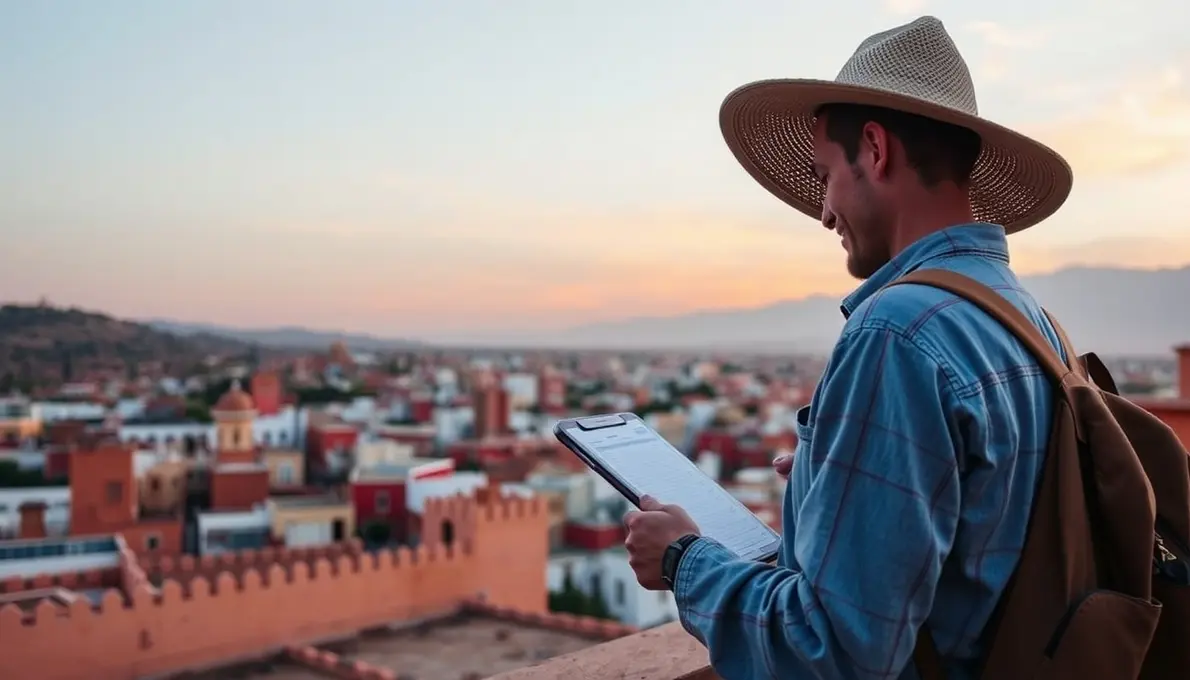
Embarking on a Morocco road trip offers an unparalleled way to delve into the country’s diverse landscapes, vibrant cultures, and historical treasures. From the dramatic Sahara dunes to the bustling imperial cities and the serene Atlantic coast, a self-drive adventure grants you the freedom and flexibility to explore at your own pace. This guide provides essential Morocco road trip tips, ensuring you can plan the perfect adventure, navigate the unique challenges, and fully savor the magic of this North African gem. Mastering these tips is key to transform a good trip into an unforgettable journey through Morocco’s heartland.
Mastering the Logistics: Vehicle Choice and Documentation
Planning a successful Morocco road trip begins with robust preparation, especially concerning your vehicle and necessary documentation. The type of car you choose will significantly impact your experience, dictating where you can comfortably go and how smoothly you’ll travel. While a standard sedan might suffice for major highways between cities like Marrakech, Fes, and Casablanca, venturing into the Atlas Mountains or along some more remote routes in the south will benefit immensely from a 4×4. These vehicles offer higher clearance and better traction, crucial for navigating unpaved roads or unexpected terrain. When hiring, always opt for a reputable rental company, and ensure comprehensive insurance coverage that explicitly includes Morocco. Read the fine print to understand what’s covered, especially regarding sand damage if you plan to explore desert fringes, and always inspect the vehicle thoroughly before driving off, noting any existing scratches or dents.
Beyond the car itself, preparing your personal and vehicle documentation is paramount. You’ll need a valid driver’s license from your home country; an International Driving Permit (IDP) is highly recommended and often required by rental agencies and local authorities, serving as a translation of your license. Ensure your passport has at least six months of validity beyond your intended stay. Vehicle registration documents, proof of insurance, and rental agreement papers should always be kept accessible within the car. A critical piece of documentation for any international driver is the “Carte Grise” (vehicle registration) and insurance certificate, which your rental company will provide. Having digital copies of all these documents on your phone or in a cloud storage service can be a lifesaver in case originals are lost or stolen. These meticulous steps in vehicle and document preparation form the bedrock of excellent Morocco road trip tips, saving you potential headaches down the road.
Crafting Your Itinerary: Routes That Deliver
Designing your Morocco road trip itinerary is where the adventure truly begins to take shape. Morocco boasts an incredible variety of landscapes and cultural experiences, making route planning both exciting and, at times, a little overwhelming. The key is to balance ambitious exploration with realistic driving times and adequate stops for genuine immersion. A popular choice for first-time road trippers is the imperial cities loop, connecting Marrakech, Fes, Meknes, and Rabat, offering a deep dive into Morocco’s rich history and vibrant souks. This route primarily uses well-maintained highways. For those seeking dramatic scenery and traditional Berber culture, a journey through the Dades and Todra Gorges, culminating in a desert experience in Merzouga, is unbeatable. This often involves more winding mountain roads and some unpaved sections, where a 4×4 becomes an advantage.
Consider allocating more time than you initially think necessary to account for unexpected stops, photo opportunities, and simply soaking in the atmosphere. Driving through Morocco is not just about getting from point A to B; it’s about the journey itself – the roadside tea stalls, the donkey carts sharing the road, and the ever-changing vistas. When planning, factor in rest days or half-days to explore cities on foot without the pressure of driving. For example, after a long drive to Fes, dedicate a full day to getting lost (in a good way!) in its ancient medina. Similarly, an overnight stay in the Sahara desert will require a dedicated amount of time, including the camel trek to and from your camp. Researching local festivals or weekly souks along your route can also add unique cultural dimensions to your trip. Remember, flexibility is a traveler’s best friend in Morocco, so build in some wiggle room.
The coastal route, stretching from Tangier through cities like Casablanca, Agadir, and Essaouira, presents a different appeal with stunning ocean views and relaxed beach towns. Combining elements of these routes, perhaps linking the imperial cities with a desert excursion via the Atlas Mountains, offers a comprehensive picture of Morocco. When researching, leverage online maps to estimate driving durations, but always add a buffer, as real-world conditions can vary. It’s also wise to pre-book accommodation, especially in popular areas or during peak season, to avoid last-minute stress. By carefully crafting your itinerary, you ensure your Morocco road trip is a seamless blend of adventure and discovery.
On the Road: Navigating Moroccan Driving Conditions and Etiquette
Driving in Morocco presents a unique blend of experiences that can range from smooth highway cruising to navigating bustling city streets and winding mountain passes. Understanding Moroccan driving conditions and local road etiquette is crucial for a safe and enjoyable Morocco road trip. On major highways, conditions are generally good, and toll roads are common, offering a faster way to travel between larger cities. However, off these main arteries, roads can vary significantly in quality, from well-paved secondary routes to gravel tracks, especially in rural and mountainous areas. Always be prepared for unexpected potholes, speed bumps (often unmarked until you’re right on them), and debris on the road.
One of the most distinctive aspects of driving in Morocco is the diverse mix of road users. You’ll share the road not only with other cars and trucks but also with motorcycles, bicycles, donkey carts, pedestrians, and livestock. Animal encounters are particularly common in rural areas, so maintaining a moderate speed and being constantly vigilant is key. In urban centers, traffic can be chaotic, especially in medinas where streets are narrow and crowded. Honking is common and often used as a form of communication – a polite “I’m here” rather than an aggressive gesture. Patience and defensive driving are your best allies in these environments.
Regarding regulations, speed limits are generally 40-60 km/h in urban areas, 80-100 km/h on rural roads, and 120 km/h on highways. Police checkpoints are frequent, especially on main roads. Always slow down and be prepared to show your documents. Flashing headlights from an oncoming vehicle often signals an upcoming police control or hazard. It is illegal to use a mobile phone while driving without a hands-free kit. While not explicitly codified, giving a friendly wave or a smile to locals who might be sharing the road (or wandering onto it) can go a long way. When making a stop, especially in smaller towns, secure parking may be available with attendants (gardiens) who will expect a small tip (a few dirhams). By staying alert, adapting to local driving styles, and respecting the rules, you’ll find that navigating Morocco by car is an incredibly rewarding experience. For more detailed insights, the Morocco driving tips section on World Travel Guide can be a helpful resource.
Safety and Security: Ensuring a Smooth Journey
A key aspect of planning the perfect Morocco road trip is prioritizing safety and security. While Morocco is generally a safe country for tourists, particularly those on self-drive adventures, taking sensible precautions will significantly enhance your peace of mind and the overall enjoyment of your trip. The first rule of road safety is to drive defensively and be aware of your surroundings. As mentioned earlier, roads can be unpredictable, and shared with various forms of traffic, so avoid driving at night, especially on rural roads or through mountainous terrain, where visibility is poor and unlit hazards are common.
Vehicle security is also vital. Always park your car in well-lit, secure areas, preferably in guarded hotel car parks or designated parking lots, particularly overnight. When leaving your car, ensure all windows are fully closed, and doors are locked. Avoid leaving valuables visible in the car; it’s best to keep them out of sight in the boot. While opportunistic petty theft can occur, it’s relatively rare, but why take the chance? When stopping in remote areas, remain cautious and trust your instincts.
Personal safety also extends to your well-being. Stay hydrated, especially if traveling in warmer months or in desert regions. Protect yourself from the sun with appropriate clothing, hats, and sunscreen. It’s advisable to carry a basic first-aid kit in your vehicle, along with any personal medications. Familiarize yourself with emergency contact numbers in Morocco, including the police (19) and medical assistance. While a physical map is always a good backup, a reliable GPS or offline maps on your phone are essential for navigation. Ensure your phone is fully charged and consider carrying a portable power bank.
Finally, while Moroccans are generally welcoming and hospitable, particularly in rural areas, be aware of “fake guides” or overly persistent sellers, particularly in tourist-heavy médinas. A firm but polite “no, thank you” is usually sufficient. Dressing modestly, especially when visiting religious sites or conservative areas, is also a sign of respect and can help you blend in more comfortably. By being prepared, vigilant, and respectful of local customs, your Morocco road trip will be not only adventurous but also incredibly safe and hassle-free.
Essential Gear and Packing for Your Morocco Road Trip
Packing smartly is another crucial aspect when planning your Morocco road trip. The diverse landscapes and climates you’ll encounter mean you need a versatile set of gear and clothing. Even within a single trip, you might experience the heat of the desert, the chill of mountain evenings, and mild coastal breezes. Layering is key: pack lightweight, breathable clothing for daytime activities, and warmer layers for evenings, especially if your itinerary includes the desert or high-altitude areas like the Atlas Mountains. Modest clothing is respectful of local culture, particularly in conservative regions and when visiting religious sites; think long trousers, skirts, and shirts that cover shoulders.
Footwear should be practical and comfortable. Sturdy walking shoes or hiking sandals are ideal for exploring medinas, historical sites, and light trails. If you plan any serious trekking, dedicated hiking boots are a must. Don’t forget swimwear if your accommodations include pools or if you’re hitting the coast.
Beyond clothing, a well-stocked car kit is essential. This should include plenty of water, snacks (especially for longer drives between towns), a basic toolkit (for minor repairs or tire changes), jumper cables, and a working flashlight. A spare tire in good condition and the knowledge of how to change it can save you significant time and hassle. Consider carrying a small cooler for drinks and perishable snacks, particularly if traveling in warmer months. A good quality camera will be invaluable for capturing Morocco’s stunning scenery, and don’t forget extra batteries or charging capabilities. For specific items tailored to desert excursions, check out our comprehensive Morocco road trip tips packing list for the Sahara Desert.
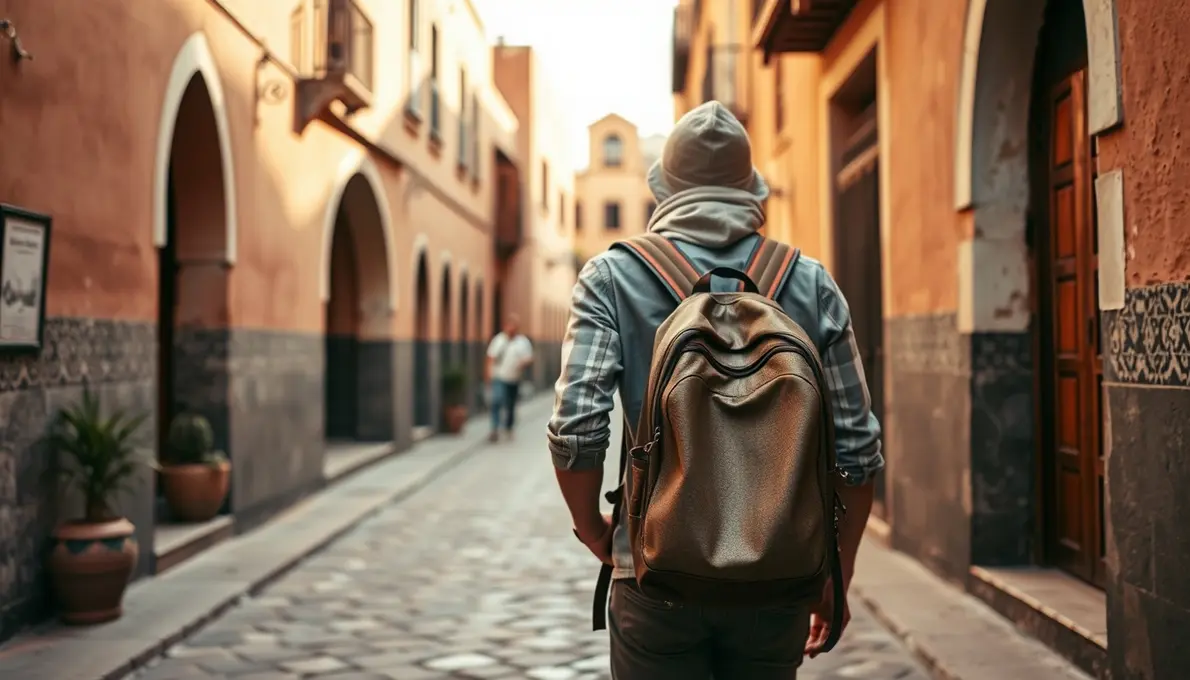
Finally, prepare a tech kit: universal travel adapters, power banks for your phone and other devices, and a car charger. While Wi-Fi is increasingly available in hotels and guesthouses, a local SIM card with data or an eSIM can be incredibly useful for navigation and staying connected on the go. Always carry a small backpack for daily excursions, allowing you to carry water, sun protection, and any purchases. By thinking ahead about what you’ll need on the road and at your destinations, you can ensure a comfortable, convenient, and well-equipped Morocco road trip.
Cultural Immersion and Respectful Travel on Your Drive
A genuine Morocco road trip goes beyond just seeing the sights; it’s about connecting with the local culture and landscapes in a meaningful and respectful way. This deep immersion is one of the most rewarding aspects of a self-drive adventure, as it often leads to unexpected encounters in smaller towns and villages that larger tours might miss. To truly embrace this, familiarize yourself with some basic aspects of Moroccan culture and etiquette. Politeness and respect are highly valued. A simple “Salam Alaikum” (peace be upon you) when greeting locals, or “Shukran” (thank you), can open doors and create friendly interactions.
Bargaining is a common practice in souks and markets. Approach it with good humor and a relaxed attitude; it’s part of the experience, but always be fair and respectful. Remember that a few dirhams, while significant to a local vendor, might be negligible to your travel budget. When offering or receiving items, use your right hand, as the left hand is considered unclean in Islamic culture. Similarly, when passing by mosques or religious sites, dress modestly out of respect. If invited for tea, accept graciously; it’s a significant gesture of hospitality.
Photography is an integral part of travel, particularly on a scenic Morocco road trip. However, always ask for permission before taking photos of people, particularly women and children. A simple gesture or asking “Mumkin taswira?” (Can I take a picture?) is usually appreciated. Avoid taking photos of military or police installations. In more remote villages, an offer to show them the photo you’ve taken or a small tip can be a kind gesture.
Supporting local communities is another way to ensure respectful travel. Choose locally owned accommodations, eat at local restaurants, and purchase handicrafts directly from artisans where possible. This ensures your tourism directly benefits the people whose culture you’re enjoying. Being open to new experiences, patient with cultural differences, and always maintaining a respectful demeanor will not only make your Morocco road trip smoother but also far more enriching, leaving you with authentic memories and connections.
Budgeting for Your Morocco Road Trip
Successfully planning a Morocco road trip also hinges on a realistic budget, ensuring you can enjoy your adventure without financial stress. The cost of a road trip in Morocco can vary significantly depending on your travel style, vehicle choice, and duration, but generally, it’s considered a relatively affordable destination. The main components of your budget will include car rental, fuel, accommodation, food, and activities.
Car rental costs will be one of your largest expenses. As discussed, a 4×4 will be more expensive than a sedan, with prices also fluctuating based on the season and duration of your rental. Factor in insurance costs too. Fuel prices in Morocco are moderate and comparable to many European countries, but regular top-ups will add up over a long trip. Plan your routes to identify major towns with petrol stations, as they can be sparse in very remote areas.
Accommodation options range from budget-friendly guesthouses (riads and dars) and hostels to mid-range hotels and luxurious boutique properties. Booking in advance, especially during peak season, can often secure better rates. Eating out can be very economical, particularly if you embrace local cuisine from street food vendors or small local restaurants (known as snack or restaurant populaire). A delicious tagine or couscous meal can be very inexpensive. Even in tourist areas, you can find good value. If you prefer more upscale dining or international cuisine, costs will naturally increase. Always carry small denominations of Moroccan Dirham for immediate purchases, tips, and parking attendants.
Activities and entrance fees should also be accounted for. These can range from guided tours in medinas, museum entries, camel treks in the desert, cooking classes, or artisan workshops. While some activities are free, like exploring a souk, many popular attractions have a nominal fee. Don’t forget miscellaneous expenses like parking fees, road tolls, and unforeseen incidentals. Having an emergency fund is always a wise budget component for any road trip. Overall, Morocco offers options for various budgets, and with careful planning, you can tailor your expenses to match your financial comfort zone while still enjoying an incredible journey.
Conclusion
Embarking on a Morocco road trip is an adventure that promises unparalleled freedom, breathtaking scenery, and profound cultural immersion. By meticulously planning your vehicle and documentation, crafting an engaging itinerary, understanding local driving conditions, prioritizing safety, packing resourcefully, embracing cultural nuances, and budgeting wisely, you set the stage for an unforgettable journey. The diverse landscapes, from the vibrant imperial cities to the serene Sahara dunes and the rugged Atlas Mountains, are best experienced at your own pace, with the flexibility a self-drive offers. These essential Morocco road trip tips are designed to empower you, transforming potential challenges into smooth experiences and ensuring your Moroccan quest is nothing short of perfect.
FAQs
What is the best time of year for a Morocco road trip?
The best time for a Morocco road trip is generally spring (March to May) and autumn (September to November). During these seasons, temperatures are pleasant across most of the country, making it ideal for driving, exploring cities, and enjoying outdoor activities like desert treks or mountain hikes. Summer (June to August) can be extremely hot, especially in the interior and desert regions, while winter (December to February) can bring cold temperatures and even snow to the Atlas Mountains, potentially affecting road access.
Do I need an International Driving Permit (IDP) to drive in Morocco?
Yes, it is highly recommended to obtain an International Driving Permit (IDP) before your Morocco road trip. While some rental companies might accept a foreign license alone, many require an IDP, and local police may also request it during standard checkpoints. The IDP serves as a translation of your national driver’s license and is easily obtainable through your local automotive association before you travel.
Are roads in Morocco safe and well-maintained?
Roads in Morocco vary significantly. Major highways connecting imperial cities are generally well-maintained and safe, though you should expect toll booths. Secondary roads, especially in rural and mountainous areas, can be less predictable, with varying surfaces from paved to gravel, and may have unmarked speed bumps or potholes. It’s crucial to drive defensively, be aware of shared road users (pedestrians, animals, carts), and avoid driving at night, especially on unlit rural routes.
What should I do if I get pulled over by the police during my road trip?
If you are pulled over by the police during your Morocco road trip, remain calm and cooperative. Slow down safely, pull over to the side of the road, and turn off your engine. Have your documents readily accessible: passport, driver’s license (and IDP), vehicle registration (Carte Grise), and rental agreement/insurance papers. Police checks are common, and typically they will just ask for your documents. If there’s an alleged infraction, understand the reason, and if a fine is issued, ensure you receive an official receipt. Avoid any attempts at bribery.





 Covers cities, coast, mountains, desert & food