Embarking on a road trip through Morocco promises an unparalleled adventure, a journey where every turn reveals a new shade of ochre, a different scent of spice, and a fresh discovery. Crafting the perfect Morocco road trip planner isn’t just about plotting points on a map; it’s about curating an experience that blends breathtaking landscapes with authentic cultural encounters and, of course, a delightful exploration of local cuisine. This guide will walk you through the essential steps to design a road trip that not only navigates Morocco’s diverse terrain but also immerses you in its vibrant heart, ensuring you discover hidden gems and savor every bite.
Designing Your Moroccan Road Trip: Beyond the Standard Itinerary
When you begin to conceptualize your Morocco road trip planner, resist the urge to simply follow established tourist trails. While iconic cities like Marrakech and Fes are undeniably captivating, the true magic often lies in the detours and the less-traveled routes. Think about what truly excites you: ancient kasbahs, pristine coastlines, the quietude of the Sahara, or perhaps the bustling local souks of a lesser-known town. A successful road trip is dynamic, allowing for spontaneous stops and unexpected discoveries. Consider starting with a broad geographic area – perhaps a loop through the Atlas Mountains and a desert excursion, or a coastal journey punctuated by visits to artistic towns. This initial framework gives you flexibility to adapt as you research, rather than locking you into a rigid schedule from the outset.
Mastering Vehicle Selection and Rental Logistics
The vehicle you choose is arguably the most critical component of your Morocco road trip planner. Morocco’s roads vary significantly, from well-maintained highways connecting major cities to winding mountain passes and unpaved tracks leading to remote villages and desert camps. For most routes, a standard sedan is perfectly adequate, especially if you plan to stick to paved roads and major thoroughfares. However, if your itinerary includes venturing deep into the Sahara, exploring off-road tracks, or tackling challenging mountain passes, a 4×4 vehicle becomes a wise investment.
When renting, opt for reputable international or well-established local agencies. Always book well in advance, especially during peak seasons, to secure the best rates and vehicle availability. Thoroughly inspect the car before you leave the lot, noting any existing damage, and take photos or videos as proof. Understand the insurance coverage provided and consider adding extra coverage, particularly if you’re exploring more rugged terrain. Driving in Morocco can be an experience in itself – be prepared for varying driving styles, shared roads with donkeys and pedestrians, and the occasional unannounced speed bump. Familiarize yourself with local traffic laws; seatbelts are mandatory, and speed limits are enforced.
Navigating Moroccan Culinary Adventures: A Roadside Feast
No Morocco road trip planner is complete without a deep dive into the country’s incredible culinary landscape. Forget fast-food chains; Morocco offers a feast for the senses, and a road trip is the perfect opportunity to sample regional specialties that you might not find in major tourist hubs. As you drive, keep an eye out for roadside stalls selling seasonal fruits, fresh bread baked in traditional ovens, and local honey.
Beyond the ubiquitous tagine and couscous, seek out:
- Tanjia: A slow-cooked lamb or beef dish, often prepared in clay pots over hot coals – a Marrakchi specialty you might find in local eateries.
- Harira: A hearty, comforting lentil and tomato soup, perfect for cooler evenings in the mountains.
- Pastilla: A savory-sweet pastry, traditionally made with pigeon, though chicken or seafood versions are common.
- Sardines: Especially along the Atlantic coast, grilled fresh sardines are an absolute must.
- Amlou: A delicious Berber dip made from roasted almonds, argan oil, and honey, often served with bread for breakfast.
- M’smen and Harcha: Flaky pan-fried bread and griddled semolina bread, perfect with mint tea.
Don’t be afraid to pull over in smaller towns and villages. Look for busy local eateries – a good sign of fresh, authentic food. Learning a few basic Darija phrases like “Bchhal hada?” (How much is this?) and “Bnin!” (Delicious!) will enhance your interactions and often lead to even more memorable culinary experiences. Exploring Morocco road food is as much a part of the adventure as the scenic drives.
Crafting Your Itinerary: Balancing Discovery and Drive Time
The art of a fulfilling Morocco road trip planner lies in striking a balance between seeing as much as possible and allowing ample time to truly experience each location. Over-scheduling is a common pitfall. Instead of rushing from one sight to the next, allocate sufficient time for exploration, relaxation, and unexpected detours.
Consider these approaches to itinerary building:
- Theme-Based Journeys: Do you love ancient history? Focus on imperial cities and Roman ruins. Are you an adventurer? Prioritize the Atlas Mountains for hiking and the Sahara for trekking. This helps narrow down your focus.
- Geographic Loops: Rather than an A-to-B route, design a circular path that brings you back to your starting point (often a major airport like Casablanca or Marrakech). This can save on one-way car rental fees.
- The 3-Day Rule (or 2-Night Minimum): For major cities or significant natural attractions, try to spend at least two nights. This gives you a full day of exploration without feeling rushed by constant packing and unpacking. For smaller towns or overnight desert camps, one night might suffice.
- Integrate “Down Time”: Build in days for relaxing by a pool, wandering aimlessly through a souk, or simply enjoying the atmosphere of a cafe. A road trip isn’t a race.
- Morning Starts: Early mornings are often the best time to drive in Morocco – roads are quieter, temperatures are cooler, and you have more daylight for sightseeing. Aim to reach your next destination by late afternoon to settle in before sunset.
When planning your route, be realistic about average speeds. While distances on a map might seem short, winding mountain roads, city traffic, and occasional stops for photos or tea can significantly extend driving times. Always add a buffer to your estimated Google Maps timings. For a comprehensive overview of popular routes and how to combine them, consult a detailed morocco road trip planner tailored for diverse interests.
Budgeting for the Open Road: Making Your Dirhams Stretch
A crucial element of any Morocco road trip planner is, of course, the budget. Morocco can be an incredibly affordable destination, but costs can quickly add up if not managed correctly.
Here’s a breakdown of key budgeting considerations:
- Car Rental: This will likely be one of your largest expenses. Expect to pay anywhere from €30-€80 per day for a basic sedan, rising significantly for 4x4s or automatic transmissions. Factor in unlimited mileage, insurance, and any additional driver fees.
- Fuel: Gas prices in Morocco are comparable to many European countries. Diesel is generally cheaper. Account for daily fuel consumption based on your planned routes.
- Accommodation: Morocco offers a wide range of options, from budget hostels and guesthouses starting at €20-€30 per night to mid-range riads (€50-€100) and luxury hotels (upwards of €150+). Consider staying in more local guesthouses (dars or riads) outside the main tourist centers for better value and a more authentic experience.
- Food: Eating local is both delicious and budget-friendly. Street food, local cafes, and market stalls offer meals for as little as €3-€7. Even in a sit-down restaurant, a good meal can be had for €10-€20. If you enjoy cooking, consider accommodations with kitchenettes.
- Activities & Entrance Fees: Many attractions like museums, kasbahs, and gardens have modest entrance fees (€1-€7). Guided tours, especially in the desert (camel treks, overnight camps), can be more significant expenses (€50-€150+ per person, depending on duration and luxury).
- Tolls and Parking: Some highways have tolls, typically a few dirhams. Parking in cities usually involves a small fee to an attendant.
- Miscellaneous: Don’t forget a buffer for souvenirs, tips (for guides, petrol attendants, etc.), and emergency funds.
A good rule of thumb for a comfortable, mid-range road trip (excluding international flights) might be to budget €70-€120 per person per day, depending on your choices in accommodation and activities.
Essential Practicalities for a Smooth Journey
Beyond the itinerary and budget, a savvy Morocco road trip planner addresses practical details that can make or break your adventure.
- Navigation: Google Maps works well in Morocco for major roads. However, for more rural areas or if you lose internet signal, a downloaded offline map (like Maps.me) is invaluable. A physical map can also be a useful backup.
- Connectivity: Purchase a local SIM card upon arrival (Maroc Telecom, Inwi, Orange) for affordable data, essential for navigation and staying connected.
- Currency: The Moroccan Dirham (MAD) is a closed currency, meaning you can’t officially import or export it. Exchange foreign currency upon arrival at airports or banks. ATMs are widely available in cities and larger towns.
- Language: Moroccan Arabic (Darija) is the local language, but French is widely spoken, especially in tourist areas and by older generations. English is increasingly common in major tourist centers. Learning a few basic phrases in Darija will go a long way.
- Safety: Morocco is generally safe for tourists. Exercise common sense: avoid walking alone in deserted areas at night, be aware of your belongings in crowded souks, and politely decline persistent hawkers. Be respectful of local customs and dress modestly, especially when visiting religious sites.
- Health and Medications: Consult your doctor about recommended vaccinations. Pack any prescription medications you need, along with a basic first-aid kit. Stay hydrated by drinking bottled water.
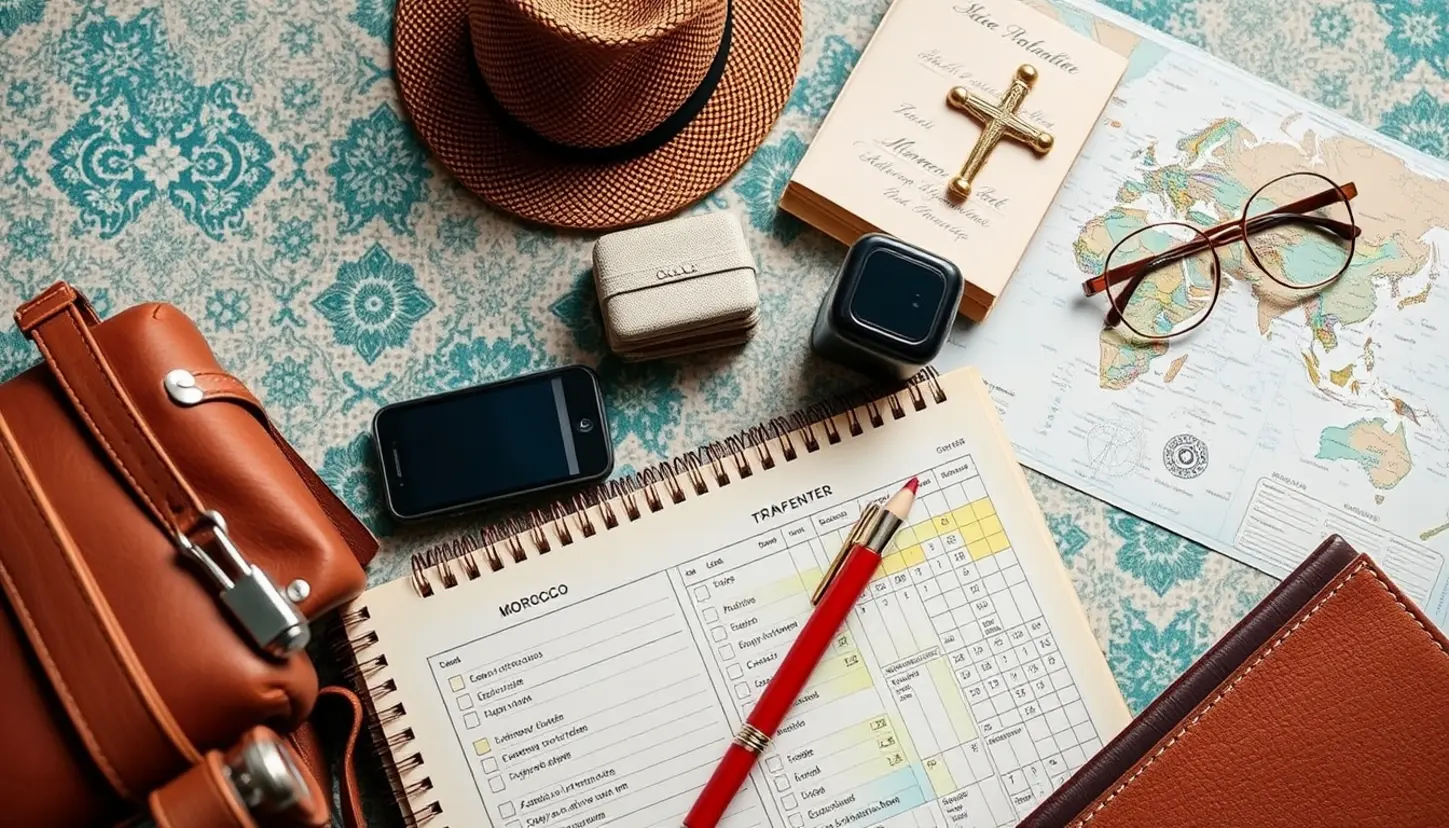
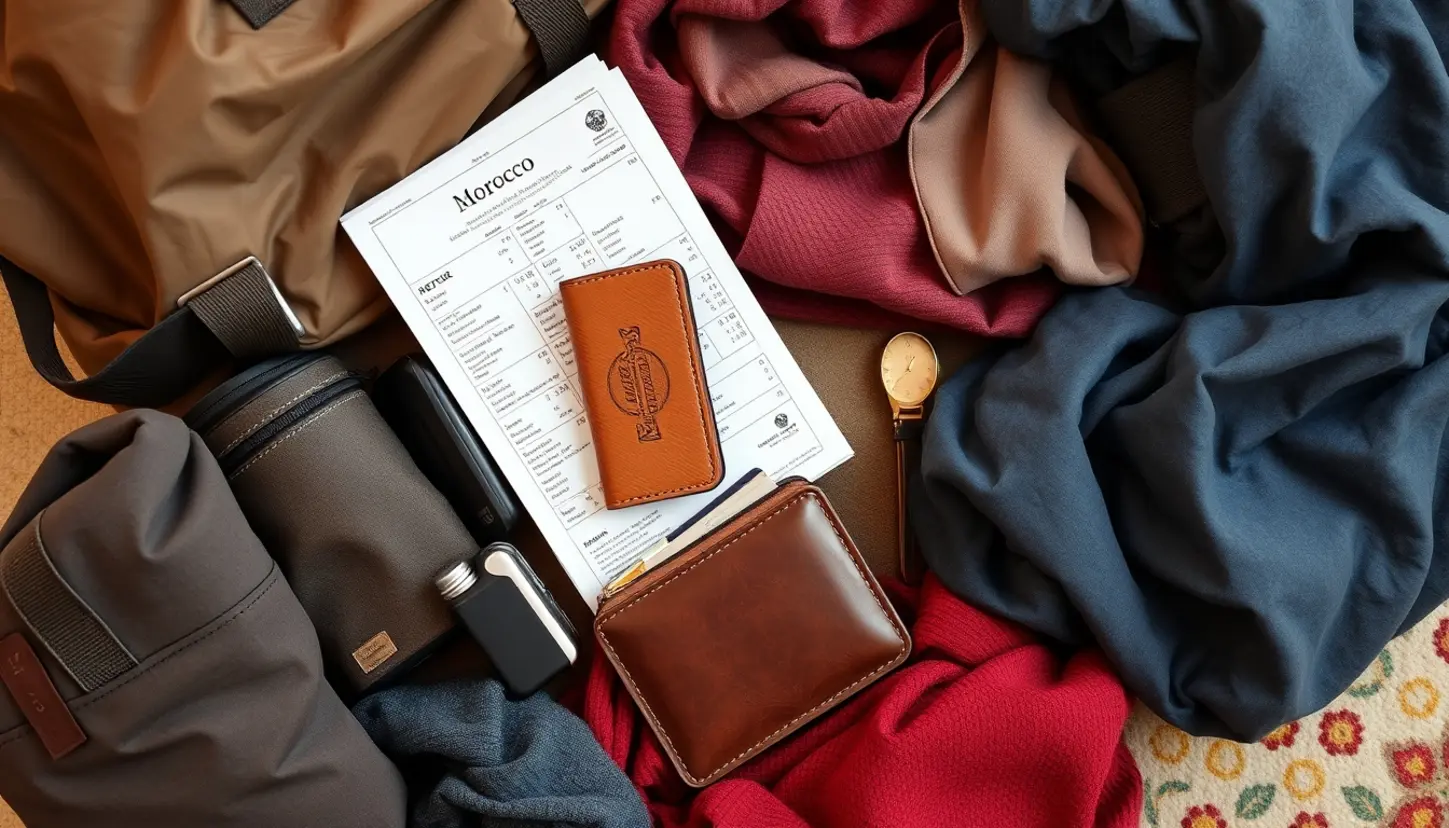
- Packing: Layers are key, especially if your trip includes both desert and mountain regions. Comfortable walking shoes are a must. Don’t forget sunscreen, a hat, sunglasses, and a good camera to capture the stunning landscapes.
Conclusion
Embarking on a Morocco road trip means much more than simply driving; it’s an invitation to engage with a country rich in history, culture, and flavor. By thoughtfully planning your route, choosing the right vehicle, embracing the local culinary scene, and preparing for practical considerations, your Morocco road trip planner will transform from a simple outline into a vibrant itinerary of discovery. From the bustling medinas to the serene desert dunes, every mile reveals a new story, a new taste, and an unforgettable memory waiting to be made.
FAQs
### What’s the best time of year for a Morocco road trip?
The shoulder seasons (April-May and September-October) are generally considered the best for a Morocco road trip. The weather is pleasant across most regions, avoiding the extreme heat of summer in the desert and the colder temperatures of winter in the Atlas Mountains. Winter (November-March) can also be wonderful, especially for desert travel, but mountain passes might be closed due to snow.
### Is it safe to drive in Morocco as a tourist?
Yes, driving in Morocco is generally safe for tourists. The main roads are well-maintained, and local drivers, while sometimes assertive, are generally predictable. The key is to be aware of your surroundings, anticipate unexpected obstacles (like people, animals, or potholes), and drive defensively, especially in cities and rural areas.
### Should I book accommodations and activities in advance on a road trip?
For a smooth Morocco road trip planner, booking key accommodations, especially in popular cities like Marrakech or Fes, and any desert excursions in advance is highly recommended, particularly during peak season. This ensures you get your preferred choices and often better rates. For smaller towns or more flexible travelers, leaving some nights open for spontaneous decisions is also possible, but might require more on-the-spot searching.
### Can I rely on GPS or do I need a physical map for a Morocco road trip?
While GPS apps like Google Maps or Maps.me (download offline maps!) are generally reliable for major routes, it’s always wise to have a physical map as a backup, particularly when venturing into more remote or mountainous areas where cell service might be spotty. Road signs are often in Arabic and French, so familiarizing yourself with key place names in both languages will be helpful.



 Covers cities, coast, mountains, desert & food