Planning a trip to Morocco is an exciting endeavor, especially for those eager to dive deep into its vibrant culture and exquisite culinary scene. When it comes to preparing for your adventure, getting your packing right is crucial. These essential morocco packing tips are designed specifically for culture and food lovers, ensuring you’re comfortable, respectful, and fully equipped to savor every moment, from bustling souks to serene tagine cooking classes. It’s not just about what fits in your suitcase, but what helps you seamlessly engage with local traditions and truly appreciate the sensory feast awaiting you.
Dressing for Cultural Immersion: Navigating Modesty and Comfort
Morocco is a predominantly Muslim country with a strong emphasis on modesty, particularly outside of major tourist hubs. For culture and food lovers keen on engaging respectfully with locals and visiting historical sites like mosques or madrasas, understanding this unspoken dress code is paramount. This isn’t about conforming or sacrificing your personal style entirely, but rather about making smart choices that enhance your experience. Think layers, breathable fabrics, and covering shoulders and knees.
For women, this often translates to loose-fitting trousers, maxi skirts or dresses, tunics, and shirts with sleeves. A lightweight scarf is an absolute game-changer; it can cover your head when entering religious sites, provide warmth on cooler evenings, or simply add a touch of color to your outfit. Men will find comfortable long shorts or trousers, and t-shirts or collared shirts suitable. Avoid overly revealing clothing – leave the short shorts, tank tops, and skimpy attire for beach resorts elsewhere, if at all. Beyond respect, modest clothing also offers practical benefits: protection from the sun, and sometimes, a barrier against unwanted attention. Prioritize natural fibers like cotton and linen, which are excellent for Morocco’s often warm climate, helping you stay cool and comfortable while exploring ancient medinas.
Culinary Adventures Await: Practical Gear for Food Enthusiasts
For those whose travel revolves around the next delicious meal or cooking experience, certain items will elevate your Moroccan culinary journey. Beyond just eating, you might find yourself participating in a market tour to source ingredients, joining a tagine workshop, or simply wanting to bring home some of Morocco’s incredible spices. This section of morocco packing tips focuses on the practicalities for the gourmet traveler.
First, consider a reusable shopping bag, preferably something sturdy and foldable. You’ll inevitably wander through spice markets, artisan shops, and even local grocery stores, wanting to pick up treasures like saffron, argan oil, or a unique ceramic bowl. Having a dedicated bag avoids plastic waste and makes carrying your finds much easier. Secondly, a small, sealable container or even a specialized spice tin can be invaluable if you plan to buy loose spices. This keeps them fresh and prevents any accidental spills in your luggage. For those who enjoy cooking, a small, sharp paring knife might seem excessive, but if you’re staying in an Airbnb with a kitchen and anticipate preparing some local dishes, a good personal knife can make a world of difference. Lastly, don’t forget a refillable water bottle. Staying hydrated is key, especially when navigating warm markets or enjoying a full day of food exploration.
Navigating the Moroccan Climate: Adapting Your Wardrobe Seasonally
Morocco’s climate varies dramatically depending on the season and region, and smart packing means understanding these nuances. These morocco packing tips will help you prepare for the weather, ensuring comfort whether you’re basking in desert sun or strolling through a chilly mountain town.
Spring (March-May) and Autumn (September-November): These are arguably the best times to visit for culture and food lovers. The weather is generally pleasant, with warm days and cooler evenings. Layering is your best friend. Pack light trousers or skirts, long-sleeved shirts, and a light jacket or cardigan. A pashmina or scarf is also versatile for added warmth or sun protection. Rain is possible, especially in spring, so a light, packable rain jacket or umbrella is a wise addition.
Summer (June-August): Be prepared for intense heat, particularly in Marrakech, Fes, and the desert. Focus on very light, loose-fitting, breathable fabrics. Cotton and linen are essential. While it’s tempting to wear less, remember the cultural guidelines for modesty. Long, loose dresses, wide-leg trousers, and long-sleeved shirts are actually more comfortable as they protect you from the sun. A wide-brimmed hat, sunglasses, and high-SPF sunscreen are non-negotiable. Evenings can still be warm, but a light cover-up might be useful if you’re sensitive to air conditioning.
Winter (December-February): Don’t underestimate Moroccan winters; they can be surprisingly cold, especially in the Atlas Mountains and at night in cities. You’ll need warmer clothing than you might expect. Pack jeans, thicker trousers, sweaters, long-sleeved tops, and a warm jacket or coat. Layers, again, are key. If you plan to visit the mountains, thermal underwear and proper cold-weather gear are necessary. Even in the desert, nights can drop below freezing, so a warm hat and gloves are advisable. Good walking shoes are important year-round, but especially in winter when wet cobblestones can be slick.
The Art of Accessorizing: Enhancing Your Experience and Security
Beyond clothing, a thoughtfully curated selection of accessories can significantly enhance your Moroccan adventure, especially for those immersed in cultural exploration and culinary delights. These morocco packing tips focus on items that blend practicality, respect, and security.
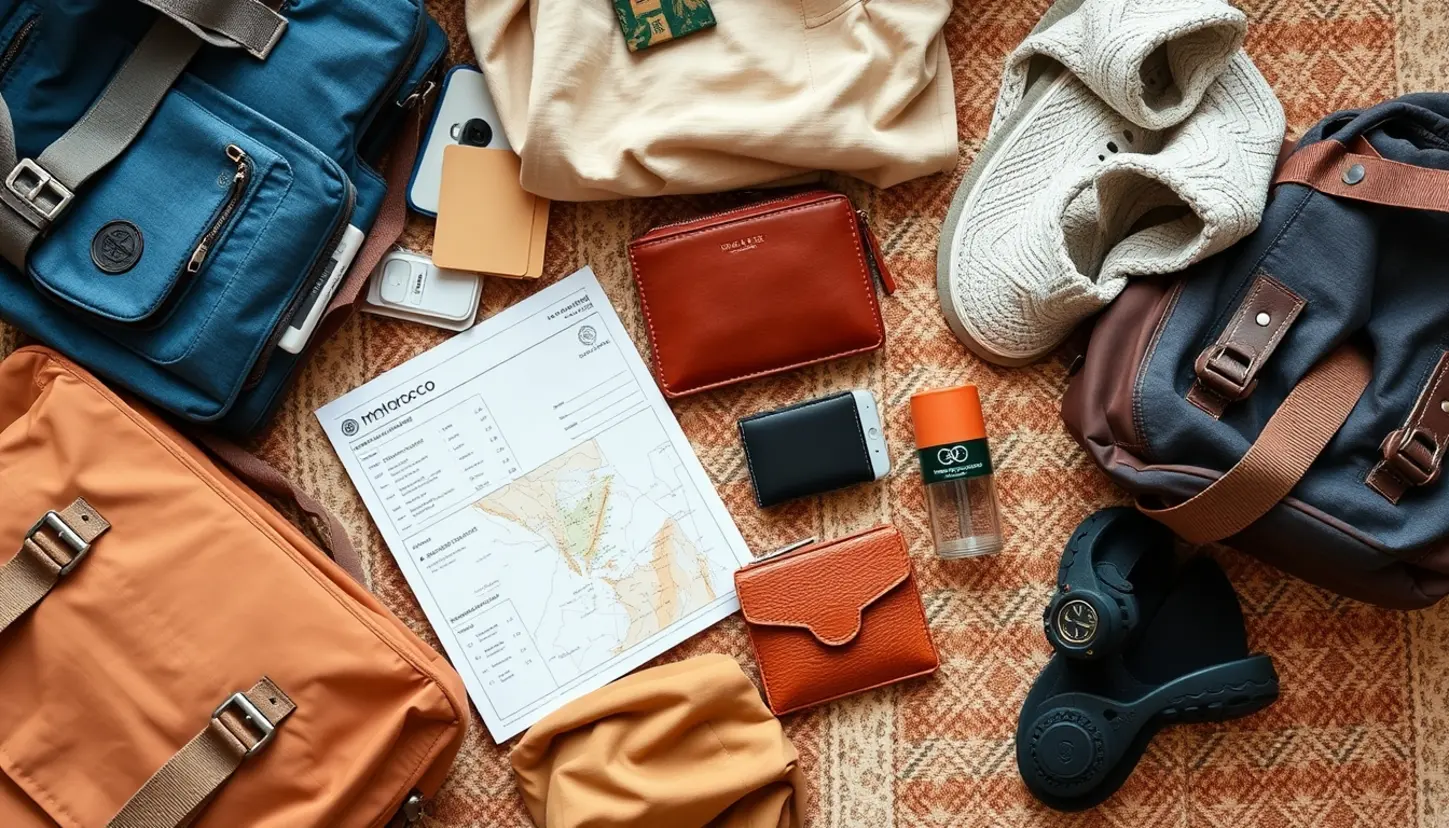
A good quality, comfortable pair of walking shoes or sandals is paramount. You’ll be spending a lot of time on your feet, navigating uneven medina streets, exploring ancient kasbahs, or bustling through a market. Ensure they are broken in before your trip. For women, a small crossbody bag that zips securely is ideal for keeping essentials like your phone, wallet, and passport close and safe, minimizing the risk of pickpocketing in crowded areas. Men might prefer a travel vest with secure inner pockets or a money belt worn under clothing for valuables.
Consider bringing a universal travel adapter for your electronics. Moroccan outlets are typically Type C or Type E. A portable power bank is also invaluable, ensuring your phone (for photos, maps, and translation apps) stays charged throughout long days of exploration. A small first-aid kit with basics like pain relievers, band-aids, antiseptic wipes, and any personal medications is always a good idea. For the food lover, a small, empty bottle or two for local olive oil or argan oil can be a delightful souvenir. Don’t forget a pen and a small notebook – perfect for jotting down new Arabic phrases, restaurant recommendations, or spice names you discover.
Health, Hygiene, and Comfort: Staying Prepared for the Unexpected
Even the most seasoned travelers focusing on culture and cuisine can encounter minor health or hygiene challenges. Smart morocco packing tips include preparing for these possibilities to ensure your trip remains enjoyable and uninterrupted. This is where practicality meets peace of mind.
Firstly, pack any prescription medications in their original containers, along with a copy of the prescription. It’s also wise to carry a few days’ extra supply. Over-the-counter essentials are equally important: anti-diarrhea medication (a common traveler’s companion, unfortunately!), stomach settlers, pain relievers, and allergy medication. While pharmacies are accessible in Moroccan cities, having your preferred brands on hand saves time and potential language barrier issues.
Hygiene-wise, small bottles of hand sanitizer are indispensable, especially before and after eating, or after handling money in busy markets where soap and water might not be readily available. Wet wipes are also incredibly versatile for a quick refresh or cleaning up minor spills. For women, consider bringing enough personal hygiene products for your entire trip, as specific brands might be hard to find.
Beyond medication, think about comfort. Earplugs can be a lifesaver in noisy medinas or hotels, especially if you’re a light sleeper. A comfortable neck pillow can make train or bus journeys more pleasant. If you’re particular about your coffee or tea, a small, collapsible travel mug can be handy for enjoying beverages on the go. Finally, consider a small, quick-drying travel towel – useful for unexpected situations or if you find yourself in accommodation where towels aren’t provided or meet your standards. For specific desert considerations, don’t forget to check out these morocco packing tips dedicated to the Sahara.
Essential Documents and Digital Preparedness
Beyond physical items, your digital and paper preparedness is a cornerstone of smart morocco packing tips. Having the right documents and technological setup organized can save you a lot of hassle and enhance your ability to connect with the culture.
Start with the basics: your passport (with at least six months validity beyond your intended departure date and sufficient blank pages), and any necessary visas. Make several copies of your passport and visa – keep one set separate from your original documents, leave one with someone at home, and ideally, have digital copies stored securely in the cloud (e.g., Google Drive, Dropbox) or emailed to yourself. Your travel insurance details, including policy number and emergency contact, should also be readily accessible. Bookings for flights, accommodations, and tours should be printed and also stored digitally.
For digital readiness, ensure your smartphone is unlocked if you plan to purchase a local SIM card upon arrival, which is often the most cost-effective way to stay connected for data and local calls. Download offline maps (Google Maps or Maps.me are great options) for the cities you’ll visit, as Wi-Fi isn’t always reliable, and data can be spotty. Translation apps can also be incredibly useful for navigating menus, market haggling, or just having simple conversations. Consider downloading a few local music playlists to get into the Moroccan spirit, or audiobooks for long journeys. Don’t forget your camera gear, extra memory cards, and chargers for all your devices. Having everything backed up and redundant ensures you’re rarely caught off guard. For more general advice on what to bring, this resource offers comprehensive Morocco travel essentials.
Conclusion
Careful planning with these morocco packing tips will ensure your adventure is as rich and rewarding as the country itself. By prioritizing respectful attire, practical culinary gear, climate-appropriate clothing, useful accessories, essential health items, and robust digital preparedness, you’re set to fully immerse yourself in Morocco’s culture and savor its incredible food scene without a hitch. Remember, smart packing allows you to focus on the experiences, the tastes, the sounds, and the vibrant interactions that make Morocco truly unforgettable.
FAQs
What type of clothing is most appropriate for cultural sites in Morocco?
For most cultural sites like mosques (where non-Muslims are often allowed in designated areas) and madrasas, it’s best to wear conservative clothing that covers your shoulders and knees. Long pants, maxi skirts or dresses, and shirts with sleeves are ideal. Women should also carry a lightweight scarf to cover their heads if required for entry to certain religious sites.
Should I bring a specific type of bag for shopping in Moroccan souks?
Absolutely! A lightweight, foldable, and sturdy reusable shopping bag is highly recommended. You’ll likely want to purchase spices, textiles, pottery, or other souvenirs, and having your own bag makes carrying these items much easier and reduces plastic waste. A crossbody bag with secure zippers is also excellent for personal items to deter pickpockets.
Is it necessary to pack warm clothes for Morocco, even in summer?
While Moroccan summers are generally very hot, especially in inland cities like Marrakech and Fes, evenings can still cool down, particularly in the desert or at higher elevations. More importantly, winter months (December-February) can be surprisingly cold, requiring warm jackets, sweaters, and even thermal layers, especially if you plan to visit the Atlas Mountains. Always check the specific seasonal forecast for your itinerary.
What are some essential health and hygiene items to include in my Morocco packing tips?
Key health and hygiene items include any personal prescription medications (with copies of prescriptions), anti-diarrhea medication, pain relievers, hand sanitizer, and wet wipes. A small first-aid kit with band-aids and antiseptic is also wise. These items can be hard to find in specific brands or quickly when needed, so having them on hand provides peace of mind.


 Covers cities, coast, mountains, desert & food