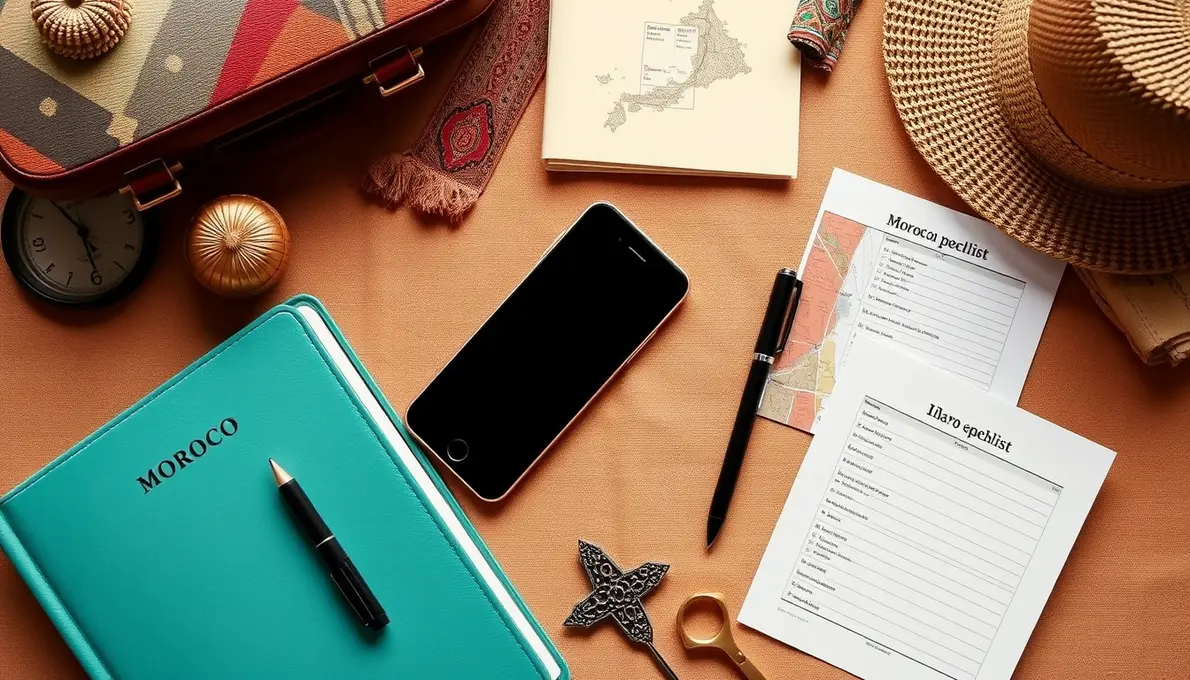
Navigating Morocco means embracing vibrant souks, breathtaking landscapes, and a rich cultural tapestry. To truly savor this experience, smart packing is essential. This guide provides essential Morocco luggage tips, detailing what to pack and, just as importantly, what to leave behind, ensuring your travel is as smooth and enjoyable as possible. Understanding the local climate, customs, and activities will greatly influence your packing choices, helping you avoid unnecessary bulk and discomfort.
Understanding Morocco’s Climate and Cultural Nuances for Smart Packing
Before you even think about tossing items into your suitcase, grasp Morocco’s diverse climate. From the scorching Sahara desert to the cooler Atlas Mountains and the temperate coastal cities, weather can vary dramatically depending on your itinerary and the time of year. Summer (June-August) is hot, especially inland, while winter (December-February) can be surprisingly cold, particularly at night and in higher altitudes, with some regions even experiencing snow. Spring and autumn offer the most pleasant weather, but layers are always your best friend.
Culturally, Morocco is a predominantly Muslim country with conservative dress norms, especially outside of major tourist resorts. Respectful attire is not just about avoiding unwanted attention; it’s a sign of appreciation for the local culture. This directly impacts your Morocco luggage tips, as certain clothing items will be more appropriate than others. Flowing fabrics, longer sleeves, and covering shoulders and knees are generally recommended, particularly when visiting religious sites or traditional villages. This doesn’t mean you need to forgo comfort or style, but rather adapt them to fit the local context.
The Absolute Essentials: What Must Go Into Your Morocco Luggage
When it comes to essential Morocco luggage tips, certain items are non-negotiable for a comfortable and respectful trip. Think practical, versatile, and culturally appropriate.
Clothing: Layers and Modesty are Key
- Lightweight, Breathable Fabrics: Cotton, linen, and moisture-wicking materials are your allies against the heat. Pack t-shirts, long-sleeved tops (for sun protection and modesty), and comfortable trousers or maxi skirts.
- Modest Attire: This is paramount. For women, bring loose-fitting tops that cover your shoulders and cleavage, and skirts or trousers that go past your knees. A lightweight scarf is invaluable – it can be used to cover your head when visiting mosques or simply as a shawl for cooler evenings. For men, shorts should ideally be knee-length, and t-shirts are generally acceptable, though collared shirts can be more appropriate in some settings.
- Warm Layer: Even in summer, evenings can get cool, especially in the desert or mountainous regions. A light jacket, fleece, or cardigan is essential. In winter, this will need to be a much warmer coat.
- Swimsuit: If your accommodation has a pool or you plan on visiting coastal areas, don’t forget it.
- Comfortable Walking Shoes/Sandals: You’ll be doing a lot of walking, often on uneven surfaces in cities like Fes or Marrakech. Sturdy, broken-in shoes or comfortable walking sandals are a must. Avoid brand new shoes that could cause blisters.
Footwear that Matters:
Beyond the general advice, consider the specific terrains. For city exploration, comfortable, closed-toe shoes are good to protect your feet from dust and uneven pavements. If you are venturing into the Sahara, Morocco luggage tips specifically recommend loose-fitting, comfortable shoes that you can easily shake sand out of, or sturdy sandals.
Health and Safety Kit:
- Personal Medications: Always pack these in your carry-on with copies of prescriptions.
- Basic First-Aid: Band-aids, antiseptic wipes, pain relievers, anti-diarrhea medication (just in case!), and motion sickness pills if needed.
- Sun Protection: High SPF sunscreen, a wide-brimmed hat, and sunglasses are non-negotiable. The Moroccan sun is intense.
- Hand Sanitizer: Public restrooms and street food stalls may not always have soap and water readily available.
- Insect Repellent: Especially if visiting during warmer months or rural areas.
- Reusable Water Bottle: Staying hydrated is crucial. You can often refill at your accommodation or buy large bottles of water.
- Small Pack of Tissues/Wet Wipes: Useful for many situations, including public toilets.
Beyond the Basics: Smart Additions to Your Morocco Luggage
Once the essentials are covered, a few smart additions can significantly enhance your Moroccan adventure. These are not strictly necessary but often prove incredibly useful.
Practical Gadgets and Accessories:
- Universal Travel Adapter: Morocco uses Type C and Type E sockets. Ensure your adapter covers these.
- Portable Power Bank: Keep your phone and other devices charged, especially on long travel days or desert excursions.
- Camera and Extra Memory Cards: You’ll want to capture the stunning landscapes and vibrant street scenes.
- Headlamp/Small Flashlight: In case of power outages or for navigating dimly lit paths, especially in older medinas or desert camps.
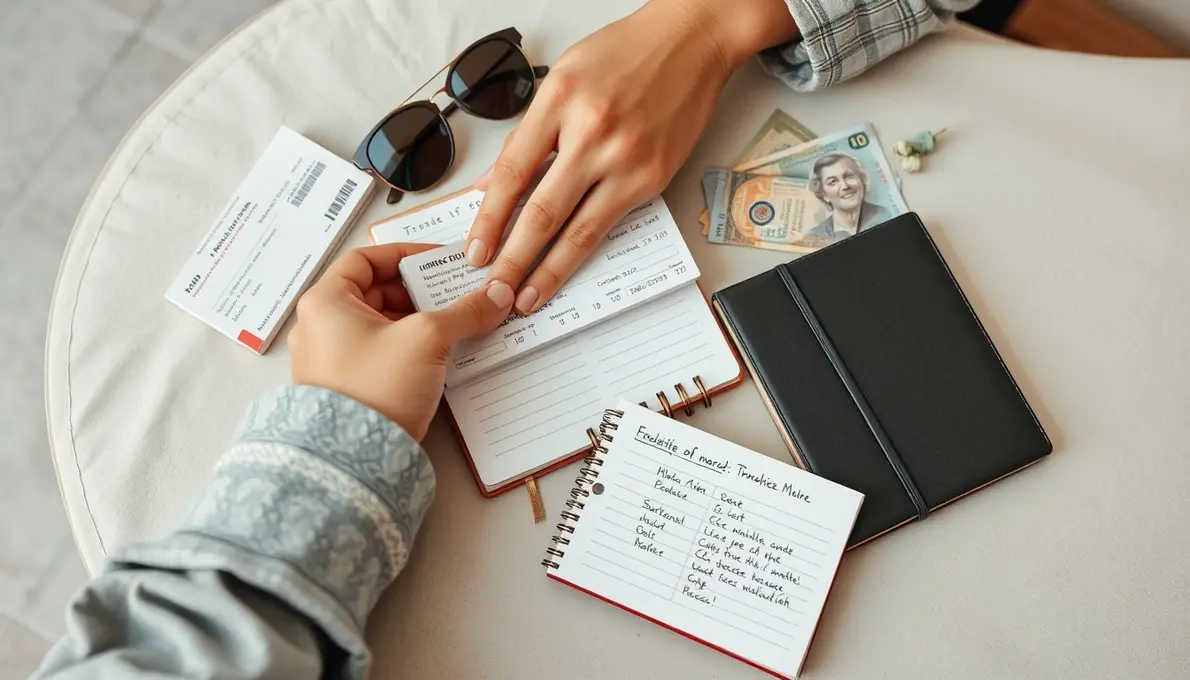
Documents and Money:
- Passport and Visa (if applicable): Keep them secure and consider digital copies on your phone and cloud storage.
- Copies of Important Documents: Flight tickets, hotel bookings, travel insurance.
- Local Currency (Dirhams): While cards are accepted in many places, cash is king in souks, for small purchases, and in rural areas. Arriving with some Dirhams or knowing where to find an ATM is wise.
- Credit/Debit Cards: Inform your bank of your travel plans to avoid card freezes.
- Small Daypack/Crossbody Bag: For daily excursions, to carry water, snacks, sunscreen, and valuables securely.
Comfort and Convenience Enhancements:
- Lightweight Scarf/Sarong: As mentioned, incredibly versatile – for modesty, sun protection, warmth, or even as an impromptu picnic blanket.
- Small Lock: For lockers in some accommodations or to secure your luggage if travelling by bus or train.
- Earplugs and Eye Mask: For light sleepers, especially in bustling medina accommodations or during long journeys.
- Book/E-reader: For downtime during travel or relaxing evenings.
What to Leave Behind: Common Packing Mistakes for a Morocco Trip
Just as important as knowing what to pack is knowing what not to bring. Overpacking can be a major burden, especially when navigating crowded souks or carrying your own bags up multiple flights of stairs in a riad. Avoiding certain items can save you hassle, space, and even potential cultural misunderstandings.
Excessive Clothing:
Resist the urge to pack an outfit for every single day. Opt for versatile pieces that can be mixed and matched. You can handwash lighter items and they’ll dry quickly in the Moroccan sun. Remember, many riads offer affordable laundry services if needed. A common mistake is packing too many fancy outfits; while Morocco has beautiful upscale restaurants, most daytime activities call for casual, comfortable, and practical wear.
Valuable Jewelry and Electronics:
While generally safe, it’s always wise to leave expensive, flashy jewelry at home to avoid drawing unnecessary attention. The same applies to high-end electronics you don’t genuinely need. If it’s not essential for photography or communication, consider leaving it behind. Focus on the experience, not on safeguarding excessive gadgets.
Revealing or Immodest Clothing:
This is one of the most crucial Morocco luggage tips. Tank tops, very short shorts, miniskirts, and low-cut tops are best left out of your suitcase. While you might see tourists wearing them in very specific beach resorts or international hotels, wearing them in cities, towns, or traditional areas can come across as disrespectful and may attract unwanted attention. Embrace the opportunity to try out some new, modest styles.
Bulky Toiletries/Excessive Makeup:
You can buy most standard toiletries in Morocco, so don’t pack full-sized bottles of shampoo, conditioner, and body wash unless you have specific brands you can’t live without. Travel-sized versions will suffice for shorter trips. Similarly, heavy makeup isn’t conducive to the Moroccan heat and active exploration. Keep it minimal and natural.
Unnecessary High Heels:
Unless you’re attending a very specific formal event, high heels are incredibly impractical for Morocco’s often cobbled, uneven, and sometimes dusty streets. Prioritize comfort and stability for your feet. Even for evenings out, stylish flats or sensible wedges will serve you far better.
Large, Heavy Books:
While reading is a great pastime, large physical books add significant weight to your luggage. An e-reader or a lightweight paperback is a much more practical choice.
Special Considerations: The Atlas Mountains and Sahara Desert
Your itinerary plays a huge role in refining your Morocco luggage tips. If your trip includes specific adventures like trekking in the Atlas Mountains or an overnight stay in the Sahara Desert, you’ll need a few additional items.
Atlas Mountains Trekking:
- Sturdy Hiking Boots: Essential for rocky paths and varied terrain. Ensure they are broken-in.
- Layered Clothing: Temperatures can drop significantly at higher altitudes and rapidly change throughout the day. Include thermal layers, a good fleece, and a waterproof/windproof outer shell, even outside of winter.
- Warm Hat and Gloves: Especially important for early mornings or evenings, and absolutely crucial in winter.
- Trekking Poles: Can be very helpful for stability and reducing strain on your knees.
- Snacks: High-energy snacks like nuts, dried fruit, or energy bars are good to have.
- Camelbak/Hydration System: For accessible water during your trek.
Sahara Desert Excursion:
- Loose, Lightweight, Long-Sleeved Clothing: Protects from the intense sun and sand.
- Wide-brimmed Hat/Turban: The desert sun is unforgiving. A traditional shesh (turban) can be purchased locally and offers excellent protection.
- Strong Sunscreen and Lip Balm with SPF: Crucial to prevent sunburn and chapped lips.
- Warm Layers for Night: Desert nights are surprisingly cold, even after scorching days. A fleece or down jacket is a must.
- Comfortable, Closed-Toe Shoes: For walking in sand and protecting your feet from potential scorpions (though sightings are rare, it’s better to be safe). Hiking sandals are also a good option.
- Small Backpack: For your camera, water, and essentials during camel treks.
- Scarf/Bandana: To cover your face from sand and wind.
- Eye Drops: The dry, dusty environment can irritate eyes.
- Plastic Bags: To protect electronics from sand.
Packing Smarter for a Smoother Morocco Trip
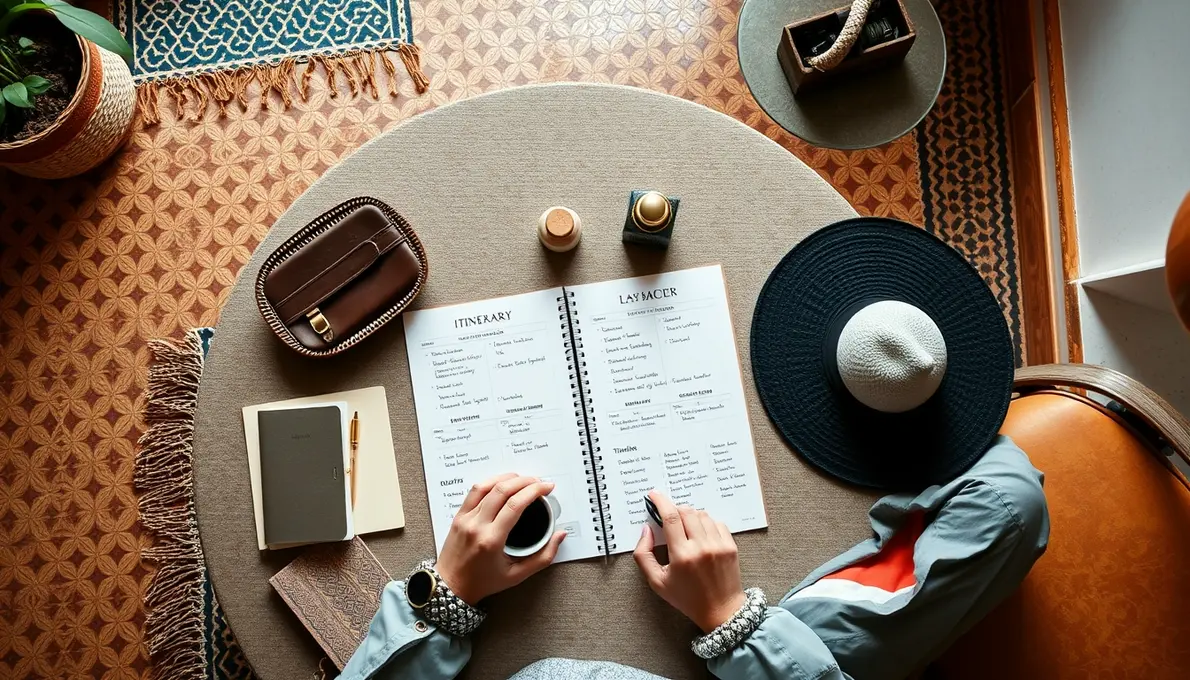
Efficiency in packing is key to a stress-free journey. These Morocco luggage tips focus on organization and practical strategies to maximize space and minimize hassle.
Use Packing Cubes:
These are game-changers for organizing your clothes and compressing them, saving valuable space. You can separate outfits, categorize by type, or even by cleanliness. When you arrive at your destination, simply transfer the cubes directly into drawers, making unpacking (and repacking) a breeze. This also makes it easy to find specific items without rummaging through your entire suitcase.
Roll Your Clothes (Instead of Folding):
Rolling clothes tightly not only saves space but also helps reduce wrinkles – especially for fabrics like linen and cotton. It also makes it easier to see all your items at a glance.
Wear Your Bulkiest Items on the Plane:
This includes your heaviest shoes (like hiking boots) and your bulkiest jacket. This frees up significant space and weight in your checked or carry-on luggage.
Plan Your Outfits:
Before you pack, lay out your clothes and think about combinations. Can that shirt go with two different pairs of trousers? Does that scarf elevate multiple outfits? Focus on versatile items that can be mixed and matched. This prevents overpacking and ensures you have coordinated, appropriate attire for various situations. Check out Morocco packing tips from seasoned explorers for more insights on versatility.
Allocate Space for Souvenirs:
Morocco is a shopping paradise! You’ll encounter beautiful leather goods, ceramics, textiles, and spices. Ensure you leave a reasonable amount of space in your luggage for purchases. Alternatively, consider packing a foldable duffel bag that can expand for overflow items or souvenirs on your return journey. This eliminates the last-minute stress of trying to squeeze everything in or having a separate purchase bag.
Keep an Eye on Airline Luggage Restrictions:
Always double-check your airline’s specific baggage allowance for both carry-on and checked luggage regarding weight and dimensions. Low-cost carriers, in particular, can be strict, and unexpected fees can quickly add up. Adhering to these limits is a crucial part of smart Morocco luggage tips.
Conclusion
Packing for Morocco doesn’t have to be daunting. By prioritizing modesty, practicality, and layers, and paying attention to your specific itinerary, you’ll ensure your Morocco luggage is perfectly suited for your adventure. Remember these essential Morocco luggage tips to pack smart, travel light, and fully immerse yourself in the magic of Morocco without unnecessary burdens.
FAQs
What kind of power adapter do I need for Morocco?
Morocco primarily uses Type C and Type E electrical outlets. A universal travel adapter that covers these types will ensure you can charge all your electronic devices without any issues. It’s always a good idea to bring one with multiple USB ports as well.
Is it safe to drink tap water in Morocco?
Generally, it is not recommended to drink tap water in Morocco. It’s safest to stick to bottled water, which is widely available, or to use a water filter bottle if you prefer to avoid single-use plastics. Always ensure bottled water has a sealed cap.
What is the best way to carry money in Morocco?
A combination of cash (Moroccan Dirhams) and a credit/debit card is ideal. Cash is essential for souks, small purchases, and rural areas, while cards are accepted in larger hotels, restaurants, and shops. It’s wise to distribute your money across different secure locations (e.g., wallet, money belt, separate bag) and avoid carrying large sums on you at any one time.
Should I pack formal wear for Morocco?
Unless you plan on attending a very specific formal event, formal wear is generally not necessary for a trip to Morocco. The dress code is more about modesty and comfort. Even for upscale restaurants, smart casual attire that aligns with cultural sensibilities (e.g., long trousers, collared shirts for men; elegant but modest dresses or trousers for women) is usually sufficient.


 Covers cities, coast, mountains, desert & food