Planning a trip to Morocco is an exciting endeavor, promising a vibrant tapestry of culture, tantalizing food, and hidden gems around every corner. Crafting the perfect Morocco itinerary template isn’t just about ticking off famous sights; it’s about weaving together experiences that resonate with your travel style, pace, and interests. This guide aims to help you build a comprehensive itinerary that balances iconic must-sees with authentic local encounters, ensuring your Moroccan adventure is truly unforgettable.
Decoding Your Moroccan Journey: Initial Considerations
Before diving into specific routes, it’s crucial to lay some groundwork. Your ideal Morocco itinerary template starts with understanding the basic parameters of your trip. How long do you have? What’s your budget? Are you looking for a fast-paced exploration or a more leisurely immersion? Morocco offers everything from bustling imperial cities like Fes and Marrakech to serene desert landscapes and charming coastal towns. Deciding on your priorities early will significantly shape your route. For instance, a 7-day trip will require a much more focused approach than a 14-day excursion, which allows for deeper dives and exploring further afield. Consider the time of year you’re traveling too; while spring and autumn offer pleasant weather, summer can be intensely hot, especially in the desert, and winter can be chilly in higher altitudes. These initial choices are the cornerstones of your personalized Morocco itinerary template.
Building Your Multi-Faceted Morocco Itinerary Template
Creating a balanced Morocco itinerary template means strategically combining different types of experiences. You’ll want to integrate the sensory overload of the souks with the tranquility of a riad courtyard, the historical depth of ancient medinas with the natural beauty of the Atlas Mountains or the Sahara. Think of your itinerary as a journey through Morocco’s diverse offerings.
For culture, cities like Fes and Marrakech are non-negotiable. Fes, with its ancient tanneries and labyrinthine medina, feels like stepping back in time. Marrakech, on the other hand, is a vibrant kaleidoscope of sound, scent, and color, centered around the Djemaa el-Fna square. Don’t overlook Meknes or Rabat for a different imperial city flavor.
When it comes to food, every region has its specialties. From tagines and couscous to pastilla and fresh pastries, Moroccan cuisine is a highlight. We’ll delve deeper into incorporating food experiences, including cooking classes and market visits, to truly savor the local flavors.
Hidden gems require a bit more planning but offer immense rewards. Imagine wandering through the blue city of Chefchaouen, trekking in the less-visited High Atlas villages, or discovering the ancient granaries in the Anti-Atlas. These provide a contrasting, often more tranquil, perspective to the bustling main attractions.
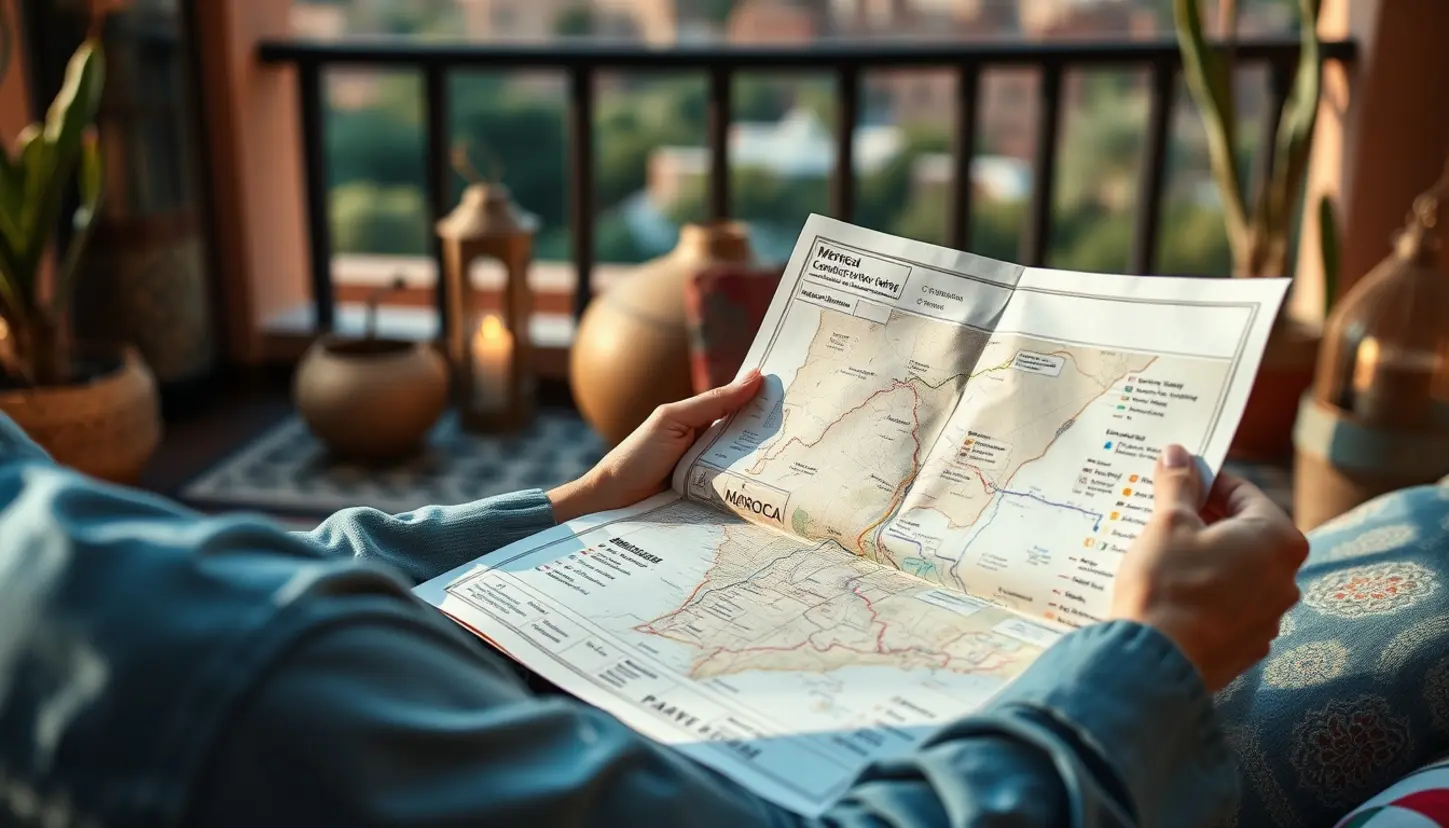
A practical Morocco itinerary template will always factor in travel time between destinations. Moroccan distances can be deceptive, and road travel, while scenic, can take longer than anticipated. Prioritize efficient transport options, whether it’s renting a car, using Moroccan trains, or hiring a private driver for specific legs of your journey.
Crafting Cultural Immersion: Beyond the Postcards
A true Morocco itinerary template goes beyond just seeing the sights; it encourages genuine cultural immersion. This means seeking out experiences that connect you with local life and traditions. In the medinas, beyond the main tourist arteries, you’ll find artisan workshops where centuries-old crafts are still practiced. Taking time to observe a leather tanner, a potter, or a weaver (and perhaps even attempting a few steps yourself) offers invaluable insight into Moroccan heritage.
Consider incorporating a traditional hammam visit into your schedule for a relaxing and authentic local experience. Participating in a mint tea ceremony, learning the etiquette (which often includes pouring the tea from a height to create froth), and sharing stories with locals is another beautiful way to connect. Many riads offer these experiences, or you might find them in local homes through specific tours.
Attending a local market (souk) is essential, not just for shopping but for observing daily life. The vibrancy, the bartering, the array of goods – it’s a feast for the senses. Look for less tourist-centric markets if possible, where you’ll see Moroccans going about their daily routines. Understanding basic Moroccan food etiquette will also enhance these interactions, particularly if you are invited to share a meal. Remember to greet people, ask permission before taking photos, and always be respectful of local customs and dress codes.
Culinary Adventures: Eating Your Way Through Morocco
Moroccan cuisine is a central pillar of its culture and should be a cornerstone of any well-designed Morocco itinerary template. It’s an adventure in itself, rich in spices, fresh ingredients, and diverse regional variations. Don’t just eat in your hotel or tourist restaurants; seek out local eateries, street food stalls, and cooking classes.
A cooking class is an excellent way to dive deep into Moroccan flavors. Many cities offer half-day or full-day classes where you’ll typically visit a local market to source ingredients, then learn to prepare traditional dishes like tagine, harira soup, or various salads. This hands-on experience provides not only delicious food but also practical skills and a deeper appreciation for the country’s culinary traditions.
Street food in Morocco is a must-try. In Marrakech’s Djemaa el-Fna, after sunset, the square transforms into a massive open-air restaurant. From grilled meats and snails to various stews and fresh juices, it’s an incredible (and often very affordable) dining experience. In Fes, explore the street food scene in the blue gate area or seek out local bakeries.
Beyond the iconic dishes, look for regional specialties. In the coastal towns like Essaouira or Agadir, fresh seafood is paramount. In the south, you might find more Berber-influenced dishes, while the imperial cities offer a blend of refined palace cuisine and bustling medina fare. Don’t shy away from trying different types of bread, olives, and of course, copious amounts of mint tea. Factor these culinary explorations into each day of your Morocco itinerary template.
Unearthing Morocco’s Hidden Gems
While the major cities are undoubtedly captivating, a truly enriching Morocco itinerary template makes time for discovering lesser-known treasures. These hidden gems often provide a more intimate and authentic glimpse into Moroccan life, away from the main tourist circuits.
Chefchaouen, the Blue Pearl: Tucked away in the Rif Mountains, Chefchaouen is instantly recognizable by its striking blue-painted buildings. It’s a photographer’s dream and offers a much more relaxed pace than Marrakech or Fes. Spend a couple of days wandering its charming medina, hiking in the surrounding mountains, or simply enjoying the tranquil atmosphere. Getting there usually involves a bus or private transfer from Fes or Tangier, but the journey is well worth it.
Ait Benhaddou: While not entirely “hidden,” Ait Benhaddou is a UNESCO World Heritage site and a stunning fortified village (ksar) that often gets overshadowed by the desert tours it’s near. Its mud-brick architecture is incredibly evocative, having served as a backdrop for numerous films and TV series. It’s typically visited as a stop on the way to or from the Sahara Desert, and spending an hour or two exploring its winding paths and enjoying the views is highly recommended.
Taroudant: Often called “Little Marrakech,” Taroudant is a walled city in the Souss Valley, known for its vibrant souks and well-preserved ramparts. It’s much less touristy than Marrakech, offering a more authentic souk experience where you can browse local crafts like leather goods, spices, and argan oil. The city sits close to the Anti-Atlas mountains and offers great opportunities for day trips into Berber villages.
The Todra Gorges and Dades Valley: Often part of a desert tour, these dramatic canyon landscapes are worth more than a quick photo stop. Hike through the Todra Gorges, admire the “monkey fingers” rock formations in Dades, or explore the traditional kasbahs (fortresses) that dot the valleys. These areas offer stunning natural beauty and a chance to experience rural Moroccan life.
Sidi Ifni: For those looking for a laid-back coastal retreat with a touch of art deco charm, Sidi Ifni in the south offers a unique vibe. Once a Spanish enclave, its architecture and pace of life set it apart from other Moroccan beach towns. It’s perfect for surfing, relaxing on the beach, and enjoying fresh seafood without the crowds of Agadir or Essaouira.
Integrating one or two of these unique destinations will elevate your Morocco itinerary template from a standard tour to a truly bespoke adventure.
Logistics: Navigating Your Morocco Itinerary Template
Efficient logistics are key to a smooth Moroccan journey. How you get around, where you stay, and what you book in advance can significantly impact your experience.
Transportation:
- Trains: Morocco has an excellent and comfortable train network connecting major cities like Casablanca, Rabat, Fes, Marrakech, and Tangier. They are generally punctual and a great way to cover long distances.
- Buses: CTM and Supratours are the two main reputable bus companies offering connections to almost every corner of the country, including smaller towns where trains don’t go. They are reliable and often more economical than trains.
- Grand Taxis: These are shared taxis that operate on fixed routes between towns. They are quicker than buses for shorter distances but can be less comfortable as they often pack in more passengers. Agree on the price before getting in.
- Private Drivers/Tours: For certain routes, especially desert tours or covering areas not well-served by public transport, hiring a private driver or joining an organized tour is a stress-free option. This is particularly recommended for the Fes/Marrakech to Sahara Desert routes.
- Rental Cars: While feasible for independent exploration, driving in Moroccan cities can be chaotic. However, a rental car offers flexibility for exploring rural areas and hidden gems once you’re outside the main urban centers. Just be prepared for different driving styles and sometimes less-than-perfect road conditions. Consider distances, for example, the morocco itinerary template from Spain.
Accommodation:
- Riads: For an authentic Moroccan experience, staying in a Riad within the medina is highly recommended. These traditional guesthouses offer beautiful architecture, tranquil courtyards, and personalized service. Book well in advance, especially for popular seasons.
- Hotels: Modern hotels are available in new towns and offer international standards.
- Kasbahs/Guesthouses: In rural areas, particularly around the Atlas Mountains and the desert, you’ll find charming kasbahs or guesthouses that offer a more rustic, local experience.
Booking in Advance:
- Riads/Hotels: Essential, especially if traveling during peak season or to popular destinations like Marrakech and Fes.
- Desert Tours: If you plan a Sahara excursion (highly recommended!), book your tour in advance with a reputable company. This usually includes transport, accommodation, and activities.
- Train Tickets: While you can often buy tickets at the station, booking a day or two ahead can secure your preferred class and time, especially for popular routes.
- High-Demand Activities: Cooking classes, specific guides, or popular hammams might also benefit from prior booking.
Having a robust Morocco itinerary template means anticipating these logistical needs and making arrangements well ahead of time.
Budgeting for Your Moroccan Adventure
Understanding the financial aspects is crucial for setting up a realistic Morocco itinerary template. Morocco can be surprisingly affordable, but costs vary widely depending on your travel style and choices.
Accommodation:
- Budget (Hostels/Basic Riads): €15-€30 per night for a dorm bed or a very basic private room.
- Mid-Range (Comfortable Riads/3-4 Star Hotels): €50-€100 per night for a well-located riad with good amenities.
- Luxury (Boutique Riads/5-Star Hotels): €150+ per night.
Food:
- Street Food/Local Eateries: €3-€7 per meal (delicious and authentic!)
- Mid-Range Restaurants: €10-€20 per meal.
- Fine Dining: €30+ per meal.
- Breakfast: Often included with Riad stays.
Transportation:
- Trains/Buses: Inter-city connections typically cost €10-€30, depending on distance and class.
- Grand Taxis: Variable, but often comparable to bus prices if shared. Exclusive rides will cost more.
- Private Drivers/Tours: Can range from €100-€300+ per day depending on itinerary and vehicle. Desert tours are generally around €150-€300 per person for a 3-day trip (including accommodation/food).
- Local Taxis: Short rides within cities are usually €2-€5. Always confirm the price beforehand or insist on the meter.
Activities & Entrance Fees:
- Museums/Historic Sites: Most entrance fees are modest, around €2-€7.
- Guides: Hiring a licensed guide for a half-day or full-day city tour can cost €20-€50 (for the group).
- Cooking Classes: Typically €40-€70 per person.
Miscellaneous:
- Souvenirs: This is entirely discretionary! Be prepared to haggle.
- Tips: Tipping is customary for various services. Keep small bills handy.
A daily budget of €50-€80 can suffice for a comfortable mid-range traveler (excluding major tour costs like a desert trip), while budget travelers can manage on less. Luxury travelers can easily spend upwards of €150-€200+ per day. Always have some cash (dirhams) on hand, especially for smaller purchases and local interactions, though cards are accepted in many larger establishments.
Refining Your Morocco Itinerary Template: Avoiding Common Pitfalls
Even with the best intentions, planning a trip can have its challenges. Here are some common mistakes to avoid when solidifying your Morocco itinerary template:
Underestimating Travel Times: Distances on a map can be deceiving. Roads may be meandering, and traffic, particularly in and around major cities, can cause delays. Always add buffer time between destinations. A good rule of thumb is to allow half a day for travel between significant locations.
Packing Too Much In: Morocco offers so much, it’s tempting to try and see everything. Resist the urge to cram too many places into a short trip. Quality over quantity ensures you can truly savor each experience. For example, trying to visit Fes, Marrakech, Chefchaouen, and the Sahara in 7 days will leave you exhausted and feeling rushed. Pick 2-3 main regions and explore them more deeply.
Ignoring Seasonal Variations: Travel during summer (June-August) can mean intense heat, especially in the desert and interior cities. Conversely, winter (December-February) can be chilly, particularly in the mountains and surprisingly, even in the desert at night. Plan your activities and packing accordingly. The spring (April-May) and autumn (September-October) offer the most pleasant weather.
Not Embracing the Local Pace: Moroccan life, particularly in the medinas, operates at a different rhythm. Things might not always run exactly on schedule, and interactions often extend beyond quick transactions. Patience and an open mind will greatly enhance your experience. Don’t rush; take time to sip mint tea, observe, and engage.
Forgetting to Haggle (Respectfully): In the souks, haggling is part of the culture. It’s expected and can be a fun interaction if done respectfully. Start by offering around half of the initial asking price and work your way up. Know your budget and don’t be afraid to walk away if the price isn’t right.
Being Overly Dependent on Technology: While Google Maps can be helpful, medinas are notoriously complex. Your phone’s GPS might struggle. Learn to navigate the old-fashioned way using landmarks, or hire a local guide, especially for your first exploration of Fes or Marrakech medinas. Embrace getting a little lost – it often leads to unexpected discoveries!
By keeping these points in mind, you can fine-tune your Morocco itinerary template for a smoother and more enjoyable journey.
Conclusion
Crafting the ultimate Morocco itinerary template is an exciting part of the adventure. By thoughtfully considering your interests, budget, and desired pace, you can design a journey that perfectly blends the cultural richness, culinary delights, and hidden wonders of this enchanting country. Whether you’re navigating the bustling souks, feasting on tagines, or discovering a serene mountain village, your personalized Morocco itinerary template will be your key to unlocking an unforgettable experience.
FAQs
How many days are ideal for a first-time Morocco itinerary?
For a comprehensive first-time visit, 10 to 14 days is ideal. This allows you enough time to explore at least two major imperial cities (like Marrakech and Fes), experience the Sahara Desert, and perhaps visit a coastal town or a mountain region without feeling rushed. A 7-day trip is possible but will require a more focused selection of destinations.
Is it safe to travel in Morocco as a solo female traveler?
Morocco is generally safe for solo female travelers, but like anywhere, it requires common sense and awareness. Dress modestly, particularly in religious areas and rural towns, avoid walking alone late at night in unfamiliar areas, and be prepared for some unwanted attention or persistent hawkers, especially in tourist areas. Staying in reputable riads and using official taxis or reputable tour companies enhances safety.
What should I pack for a Morocco trip?
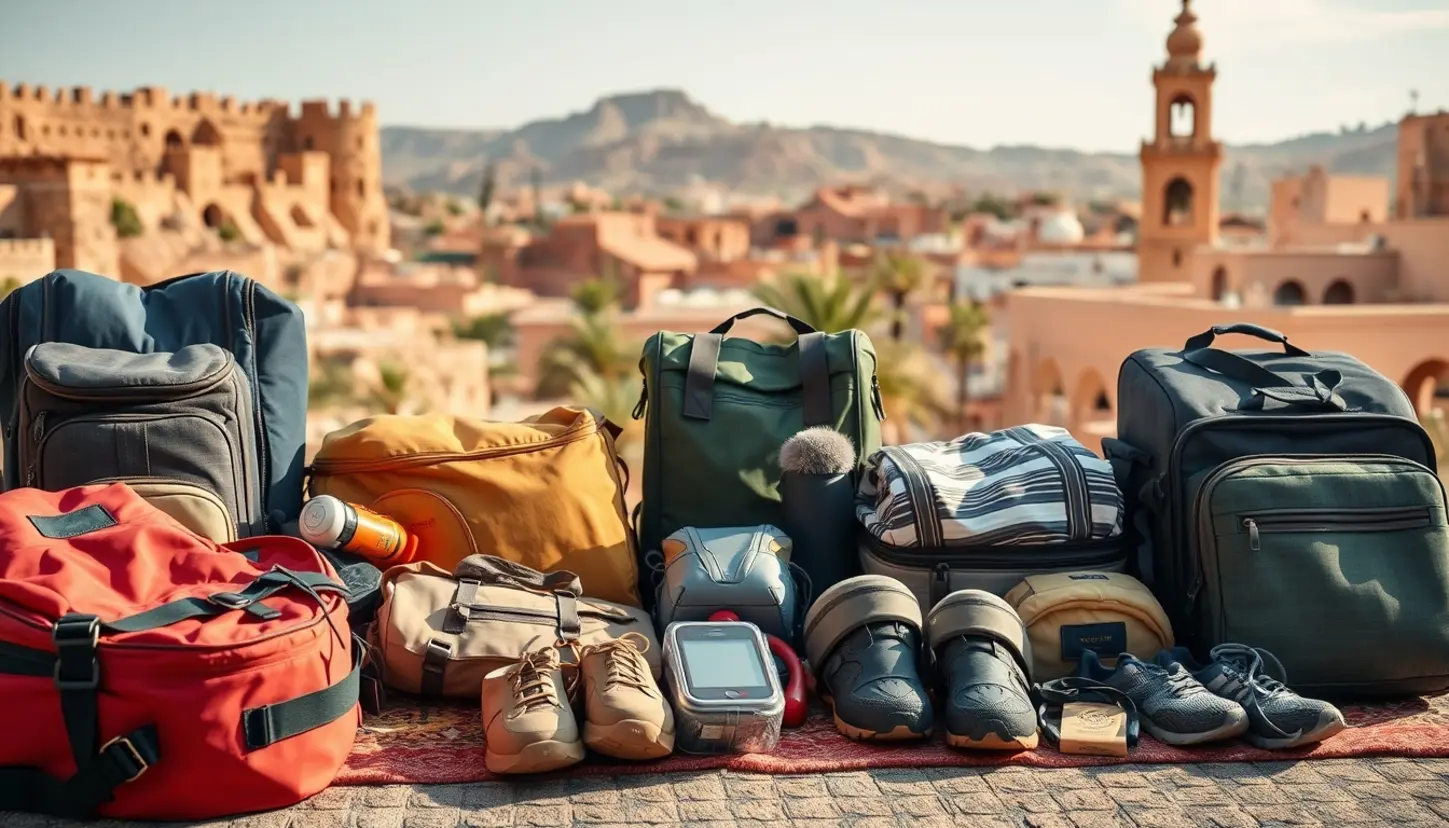
Pack light, comfortable clothing suitable for warm weather (especially during spring/autumn/summer), but also include layers for cooler evenings and mornings, particularly in the desert or mountains. Modest attire (shoulders and knees covered) is recommended, especially for women, out of respect for local culture. Essential items include comfortable walking shoes, a wide-brimmed hat, sunglasses, sunscreen, a scarf for women (versatile for sun protection or covering head/shoulders), and basic toiletries.
Do I need a visa to visit Morocco?
Visa requirements for Morocco depend on your nationality. Many nationalities, including those from the USA, Canada, EU countries, UK, Australia, and New Zealand, do not require a visa for stays of up to 90 days. However, it’s crucial to check the most current visa regulations with the Moroccan embassy or consulate in your country before planning your trip, as requirements can change.





 Covers cities, coast, mountains, desert & food