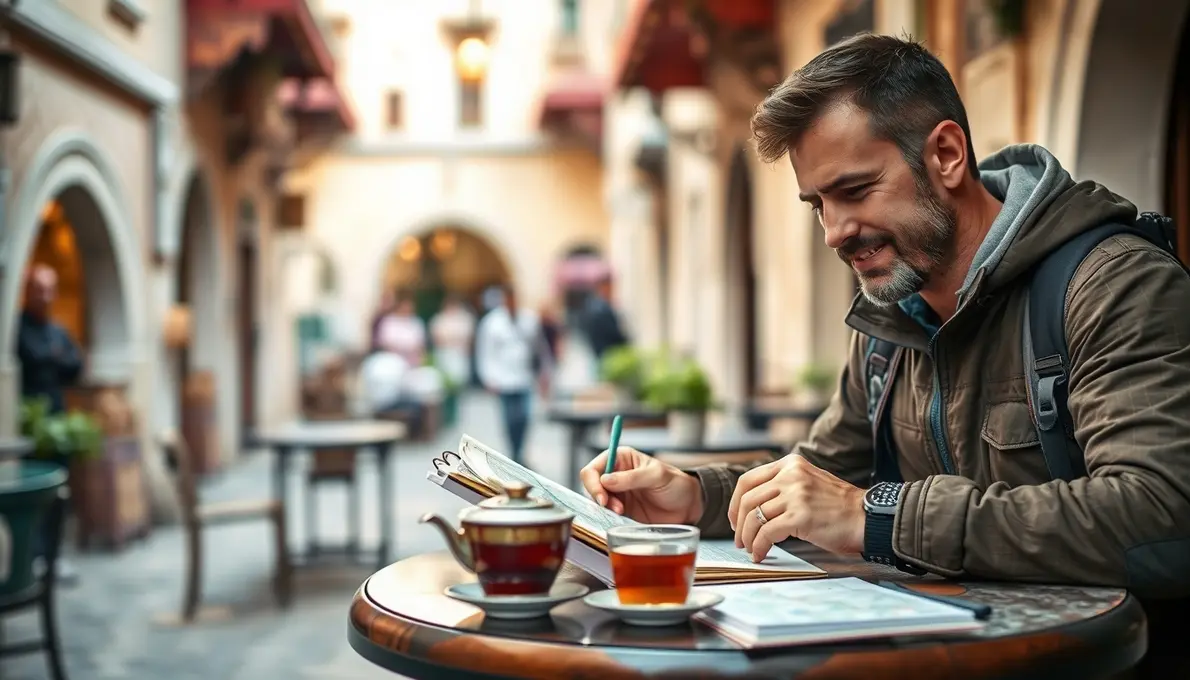
Morocco is a country steeped in rich traditions and Islamic customs, making an understanding of essential Morocco cultural etiquette paramount for any traveler seeking a respectful and enriching experience. Navigating the social landscape with grace and consideration not only enhances your interactions with locals but also deepens your appreciation for this vibrant North African nation. This guide will outline the key dos and don’ts, ensuring your journey through Morocco is marked by mutual respect and positive encounters, covering everything from everyday greetings to appropriate attire.
Understanding the Foundations of Moroccan Culture and Etiquette
Moroccan culture is deeply rooted in hospitality, family values, and religious observance, primarily Islam. These elements form the bedrock of Morocco cultural etiquette, guiding daily interactions and societal norms. While Moroccans are generally welcoming and understanding towards foreigners, making an effort to learn and adhere to their customs demonstrates genuine respect and appreciation. This foundational understanding helps travelers anticipate social situations and react in ways that show deference to local traditions. It’s about more than just avoiding offense; it’s about actively engaging with the culture in a meaningful way.
One of the most important aspects to grasp is the concept of hshuma, which roughly translates to shame or embarrassment. Moroccans often avoid situations that might cause hshuma for themselves or others, leading to a generally polite and indirect communication style. Understanding this can help you interpret social cues and respond appropriately, particularly in situations involving negotiation, bargaining, or even simple requests. Patience and a gentle approach are always valued.
Public displays of affection, for instance, are generally frowned upon, reflecting a more conservative societal outlook. While hand-holding between same-sex friends is common and perfectly acceptable, romantic gestures between couples in public should be kept discreet. Similarly, showing anger or raising your voice in public is considered impolite and can lead to a loss of face, both for you and for those you are interacting with. Maintaining a calm and composed demeanor, even when faced with challenges, is a key aspect of respectful interaction.
Food and drink also play a significant role in Moroccan social life. Sharing meals is a central act of hospitality, and refusing an offer of tea or food can sometimes be seen as an insult. It’s important to accept what is offered, even if you only take a small portion. When eating with your hands, traditionally only the right hand is used, as the left is considered unclean. These small details collectively contribute to a deeper understanding of morocco cultural etiquette.
Navigating Social Interactions: Greetings, Gestures, and Communication
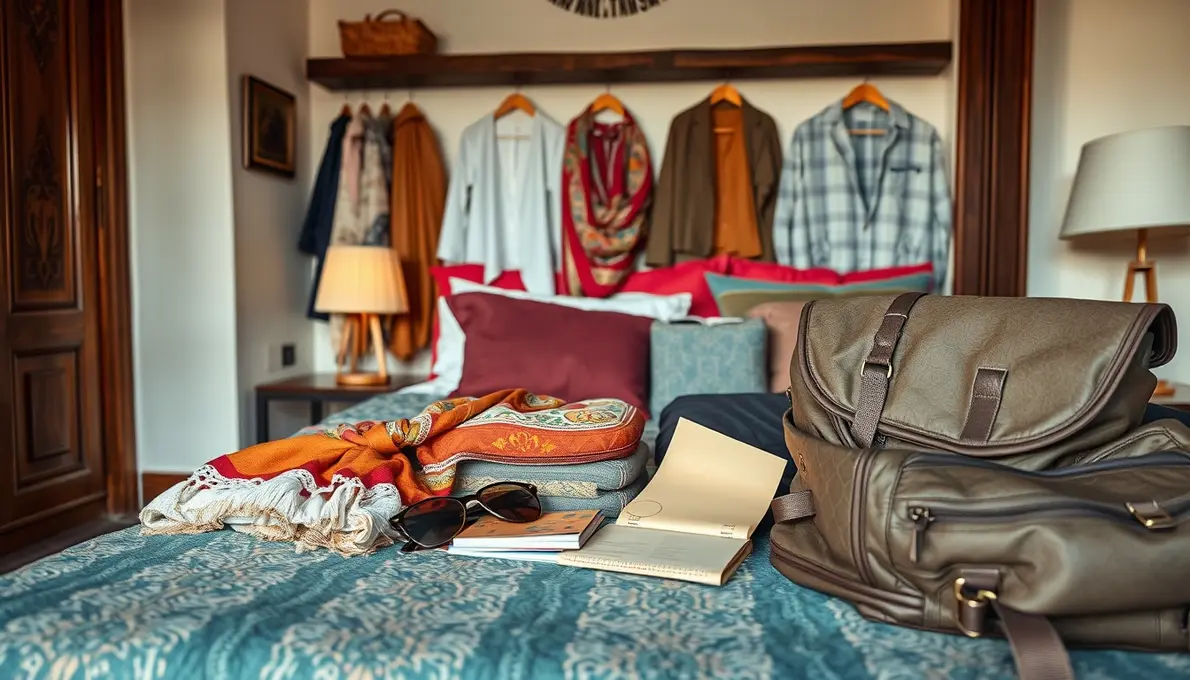
Greetings in Morocco are more elaborate than in many Western cultures and are a cornerstone of morocco cultural etiquette. When meeting someone, especially an elder or someone in a position of respect, a handshake is common. For individuals of the same sex, a light kiss on each cheek (starting with the right) is a customary greeting among friends and family. However, it’s generally best to wait for a local to initiate this. For interactions between men and women, a simple nod or a hand over the heart is often appropriate, particularly if you are unsure about extending a handshake. It’s always safest for women to wait for a Moroccan man to offer his hand, and if he doesn’t, a polite smile and nod are perfectly acceptable.
Verbal greetings are equally important. Learning a few basic Arabic phrases can go a long way. “Salam Alaikum” (peace be upon you) is the universal greeting, to which the reply is “Wa Alaikum Salam” (and upon you be peace). Other useful phrases include “Labas?” (How are you?), “Alhamdulillah” (Praise be to God – often used as a response to ‘How are you?’), and “Shukran” (Thank you). Even a few words in Darija (Moroccan Arabic) demonstrate effort and respect.
When communicating, indirectness is often preferred over directness. Moroccans tend to be polite and may avoid saying “no” outright. Instead, they might use phrases like “Insha’Allah” (God willing), which can sometimes imply a polite refusal or an intention that might not materialize. Patience and understanding this cultural nuance will prevent misunderstandings. Bargaining in souks is an expected part of the interaction, but it should always be done with a smile and good humor. Aggressive or disrespectful bargaining will not be well-received.
Gestures are also significant. Pointing with your index finger is considered rude; instead, use your whole hand. Showing the sole of your foot to someone is also disrespectful, as feet are considered unclean. When seated, try to avoid having the soles of your feet pointing towards another person, especially an elder or someone you respect. Always pass and receive items, especially food, money, or gifts, with your right hand. These small but crucial details underscore the intricacies of morocco cultural etiquette.
Respecting Religious Observances and Sacred Spaces
Morocco is a predominantly Muslim country, and respect for Islamic practices is a fundamental aspect of morocco cultural etiquette. The five daily prayers are an integral part of life, and you’ll hear the call to prayer (Adhan) echoing from mosques throughout the day. During prayer times, you may notice shops temporarily closing or people heading to mosques. It’s respectful to simply observe and allow them to carry out their religious duties without disruption.
Visiting mosques: While non-Muslims are generally not permitted to enter mosques in Morocco, with the notable exception of the Hassan II Mosque in Casablanca, it’s important to be aware of the etiquette if you are invited into a sacred space, even if it’s a mausoleum or a less formal place of worship. Always remove your shoes before entering. Women should ensure their heads, shoulders, and knees are covered. Speaking loudly, taking flash photography, or otherwise being disruptive within or near religious sites is considered highly disrespectful.
The holy month of Ramadan is a particularly significant period. During Ramadan, Muslims fast from dawn till dusk. While tourists are not expected to fast, it is polite to be mindful of those who are. Avoid eating, drinking, or smoking in public during fasting hours. Many restaurants outside of tourist-heavy areas may be closed during the day. After sunset, the atmosphere transforms into a festive one, with families breaking their fast together. If you are invited to an Iftar (the meal breaking the fast), it’s a great honor and a wonderful cultural experience.
Religious holidays and festivals are also periods of celebration and family gatherings. While these times often offer unique cultural insights, they can also mean that some businesses operate on modified schedules. Always approach these periods with sensitivity and understanding. Your awareness of these practices greatly demonstrates your respect for Moroccan traditions.
Dress Code: Adapting Your Attire for Moroccan Sensibilities
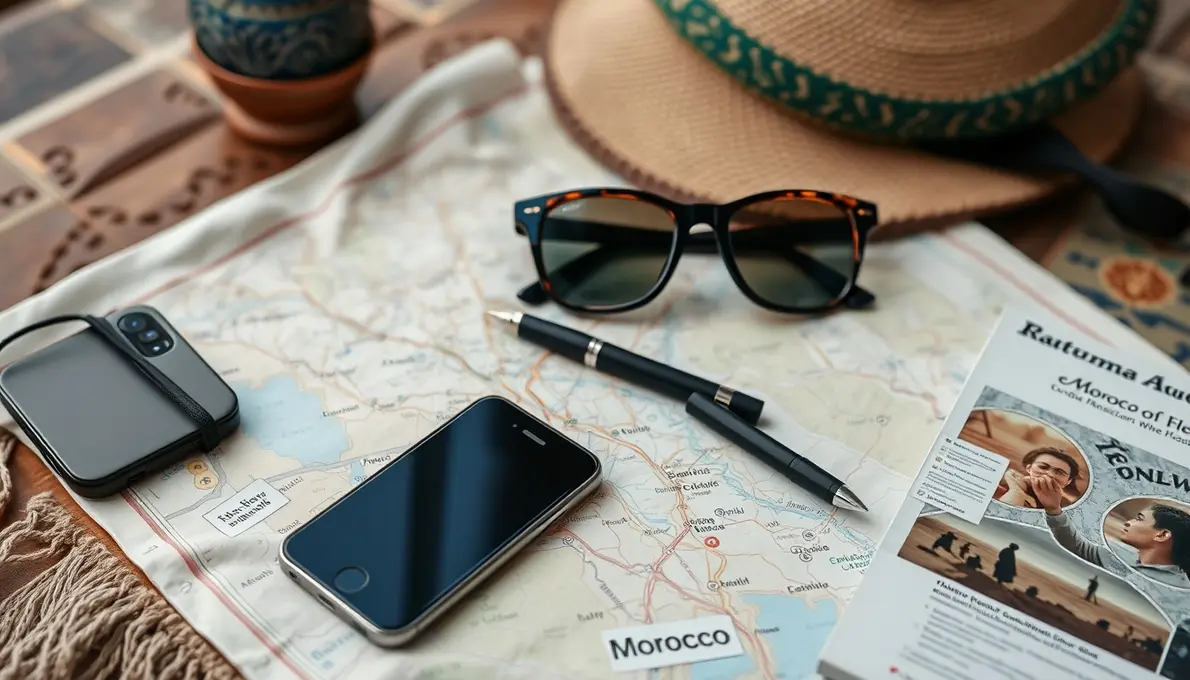
The Morocco dress code is an important aspect of cultural etiquette, reflecting the country’s conservative values. While there isn’t a universally strict enforcement for tourists, dressing modestly is a sign of respect and can significantly enhance your interactions with locals, often leading to more welcoming responses. It also helps you avoid unwanted attention, particularly for women.
For women, this generally means covering shoulders and knees. Loose-fitting clothing is preferred over tight or revealing attire. Long skirts, trousers, and dresses that reach below the knee are excellent choices. Tops with sleeves, even short sleeves, are better than sleeveless or spaghetti strap options. Scarves are incredibly versatile – they can be used for extra coverage over shoulders, for sun protection, or to cover your head if entering a religious site or visiting a more conservative rural area. While not strictly mandatory for everyday wear in cities like Marrakech or Fes, having a scarf on hand is always a good idea.
For men, modesty also applies. While shorts are generally acceptable in tourist areas, especially during hot weather, long trousers are often preferred, particularly when visiting towns, local markets, or more traditional settings. Avoiding sleeveless tops (tank tops) is also advisable, especially outside of beach or resort areas. In general, aim for comfortable, breathable fabrics that cover a good portion of your body.
When visiting beaches or pools within hotels, swimwear is completely acceptable. However, outside of these specific contexts, such as walking through a town to get to the beach, it’s best to cover up with a sarong or light clothing. The key is to blend in rather than stand out, and dressing modestly helps achieve this. Being mindful of your attire shows that you acknowledge and respect the local way of life, a crucial element of morocco cultural etiquette.
Photography Etiquette: Capturing Moments Thoughtfully
Photography is an enticing part of any trip to Morocco, with its vibrant colors, bustling souks, and stunning landscapes. However, it’s crucial to approach photography with sensitivity and adhere to specific morocco cultural etiquette to ensure you’re respectful and avoid causing offense. The general rule of thumb is: when in doubt, ask.
Never take photos of people, especially women and children, without their explicit permission. Many Moroccans, particularly women, may be uncomfortable with being photographed due to religious or cultural reasons. A polite request, often accompanied by a smile or a gesture, can go a long way. If someone refuses, respect their decision immediately and move on. Attempting to take photos covertly or persisting after a refusal is highly disrespectful. Sometimes a small tip (1-5 dirhams) might be an acceptable form of thanks for their cooperation, particularly if you are in a situation where street performers or craftspeople are used to being photographed for payment.
Be particularly careful in souks or markets. While the scenes are incredibly captivating, remember that these are people’s workplaces and homes. Some vendors may not appreciate having their stalls or goods photographed without permission, especially if you’re not planning to make a purchase. Asking “Mumkin nsawwar?” (May I take a photo?) can often open a dialogue and lead to a more positive interaction.
Religious sites, even those accessible to non-Muslims, often have restrictions on photography, particularly inside prayer halls or mausoleums. Always look for signs indicating prohibitions, and if unsure, refrain from taking pictures. When shooting landscapes or general street scenes, be mindful of your surroundings and ensure that individuals are not unintentionally centered or made the subject of your photo without their consent. Your camera can be a powerful tool for capturing memories, but it must be wielded with cultural awareness and respect.
Respecting Privacy and Personal Space
In Morocco, the concept of privacy extends beyond what might be common in some Western cultures. Homes are considered private sanctuaries, and entering a Moroccan home is a privilege that indicates a special level of trust and hospitality. If invited, it’s customary to remove your shoes before entering. Bringing a small gift, such as pastries or tea, is also a thoughtful gesture. Once inside, be mindful of personal spaces and avoid intrusive questions, especially about family matters unless the host initiates such conversations.
Bargaining in souks is common, but it’s important to remember that it’s an interaction between two people, not just a transaction. While you can negotiate prices, pushing too aggressively or being rude is a breach of etiquette. Maintaining a friendly demeanor, even when haggling, is key. Give vendors space and don’t touch items excessively unless you intend to buy them. If you’re not interested, a polite “La, shukran” (No, thank you) is sufficient.
When interacting with children, be mindful and respectful. While it might be tempting to photograph or engage playfully with children, always ensure that their parents or guardians are present and give their consent. Unsolicited attention to children can sometimes be misinterpreted. As a general rule, maintain a respectful distance in all your interactions.
Public displays of affection are generally frowned upon, as mentioned earlier. Even holding hands between unmarried or non-local couples can draw stares or cause discomfort, particularly in more conservative areas. These small considerations contribute significantly to navigating morocco cultural etiquette smoothly and respectfully.
Conclusion
Embracing Morocco cultural etiquette is not just about avoiding faux pas; it’s about opening yourself to a deeper, more meaningful travel experience. By showing respect for local customs, traditions, and values—from your greetings and dress to your interactions and photography—you build bridges of understanding and foster positive connections with the Moroccan people. This mindful approach transforms a simple trip into an enriching journey, leaving you with cherished memories and a profound appreciation for Morocco’s vibrant culture.
FAQs
What should I say when greeting someone in Morocco?
The most common and respectful greeting is “Salam Alaikum” (peace be upon you). You can expect the reply “Wa Alaikum Salam” (and upon you be peace). Learning a few additional phrases like “Labas?” (How are you?) and “Shukran” (Thank you) will also be greatly appreciated.
Is it acceptable for women to wear shorts in Morocco?
While shorts are common in tourist resorts, it is generally recommended for women to dress modestly in public spaces, especially when visiting towns, markets, or religious sites. This means covering shoulders and knees. Loose-fitting long skirts, dresses, or trousers are preferred. Dressing modestly shows respect for local culture and can help you blend in more comfortably.
Can I take photos of people in Morocco?
Always ask for permission before taking photos of individuals, especially women and children. Many Moroccans prefer not to be photographed for personal or religious reasons. If someone declines, respect their decision immediately. For street performers or vendors, a small tip might be customary if you’re taking their picture.
What are the dining customs I should be aware of?
When eating with your hands, always use your right hand, as the left is considered unclean. When offered food or mint tea, it’s polite to accept, even if you only take a small amount. Sharing meals is a central act of Moroccan hospitality, so embrace the communal experience. Avoid pointing with your finger at food; instead, use your open right hand.




 Covers cities, coast, mountains, desert & food