Arriving in a new country can often feel like navigating a maze, and Morocco is no exception. Understanding Morocco airport customs procedures is key to ensuring your entry into this vibrant North African nation is as smooth and stress-free as possible. From knowing what to declare to understanding the local regulations, preparing yourself for what to expect at various Moroccan airports can significantly ease your transition from airplane to an authentic Moroccan experience. This guide will walk you through the essential tips for a seamless arrival, covering everything you need to know about navigating customs regulations Morocco.
Pre-Arrival Preparation: What to Know Before You Land A1
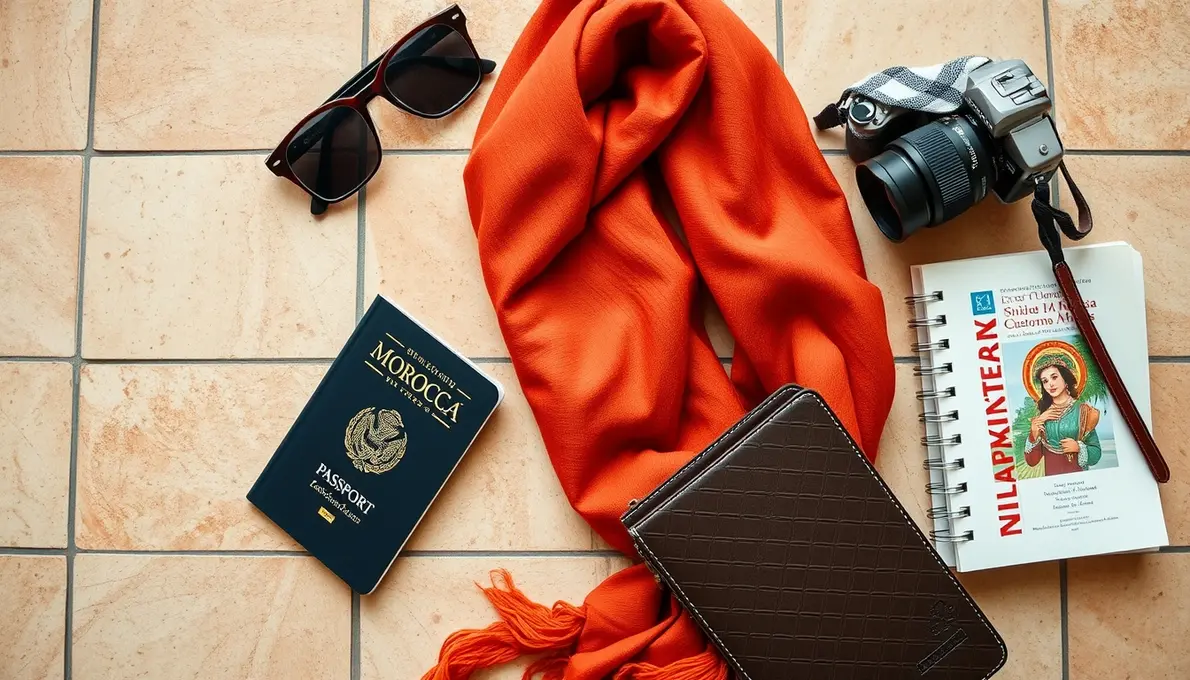
Before your plane even touches down, a little bit of preparation can go a long way in expediting your passage through Morocco airport customs. The primary document you’ll need is your passport, which should be valid for at least six months beyond your intended departure date. While many nationalities enjoy visa-free entry for tourism purposes, it’s always wise to double-check the current visa requirements for your specific country of origin well in advance of your trip. You can usually find this information on the official website of the Moroccan Embassy or Consulate in your country, or by consulting reputable travel information sites.
Beyond your passport, understanding the general customs rules regarding what you can and cannot bring into Morocco is crucial. Like most countries, Morocco has strict prohibitions on certain items, such as illegal drugs, firearms, and subversive materials. There are also limitations on quantities for certain goods, which we’ll delve into in more detail. Familiarizing yourself with these restrictions beforehand will help you avoid any awkward situations or delays upon arrival. It’s also helpful to have the address of your first accommodation handy, as you might need to fill this out on an arrival card provided either on the plane or at the airport. Keeping a pen readily accessible for this purpose can save you time.
Navigating the Immigration and Customs Process
Once you disembark, your first stop will typically be immigration control. Follow the signs, which are usually in Arabic, French, and English, to the “Police” or “Passports” area. Here, you’ll present your passport and the filled-out arrival card. An immigration officer will review your documents, possibly ask about the purpose of your visit, and stamp your passport. This process is usually straightforward, but patience is a virtue, especially during peak travel times when queues can be long. Keep your documents ready and be prepared to answer polite questions about your stay.
After clearing immigration, you’ll proceed to the baggage claim area to collect your luggage. Once you have your bags, you’ll then move towards the Morocco airport customs checkpoints. This is where your understanding of Moroccan customs regulations becomes most important. There are typically two lanes: a “Green Channel” for those with nothing to declare, and a “Red Channel” for those with goods that need to be declared or for those who are unsure. When in doubt, it’s always safer to use the Red Channel and speak to a customs officer. Honesty is the best policy here, as attempting to conceal dutiable or prohibited items can lead to significant penalties.
Understanding Customs Regulations: What You Can and Cannot Bring
Morocco airport customs has specific regulations regarding certain categories of goods. Being aware of these limits will ensure a hassle-free entry.
Alcohol and Tobacco
For personal consumption, travelers are generally allowed to bring in reasonable quantities of alcohol and tobacco. Specifically, this usually means up to one liter of spirits or two liters of wine, and 200 cigarettes, 50 cigars, or 400 grams of tobacco. These amounts are strictly for personal use and any attempt to bring in larger quantities without declaring them could lead to confiscation and fines. It’s important to remember that Morocco is a Muslim country, and while alcohol is available, its public consumption is less common, and strict rules apply.
Currency Regulations
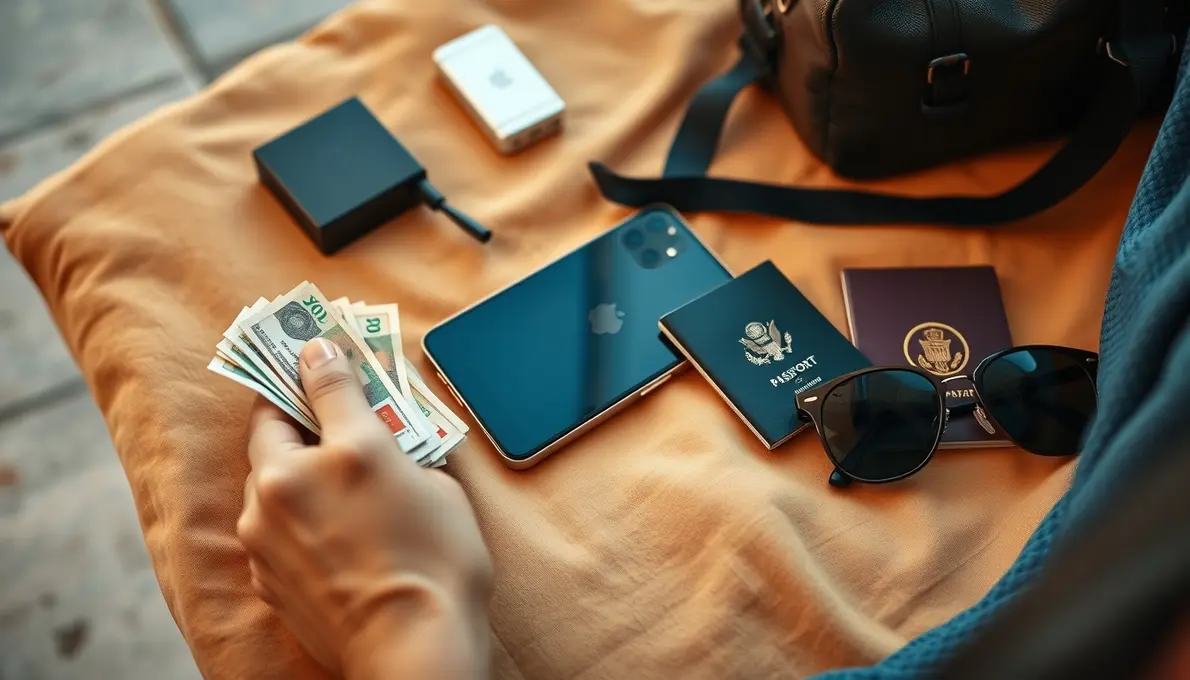
When it comes to currency, there are specific rules for both Moroccan Dirhams (MAD) and foreign currency. You are generally not allowed to bring in or take out Moroccan Dirhams in excess of a certain small amount (usually around 1,000 MAD). This is to control the local currency exchange. However, you can bring in foreign currency without restriction, but if the amount exceeds a certain threshold (typically around 100,000 MAD equivalent), you must declare it upon entry. This declaration is important because if you wish to export any remaining foreign currency that exceeds the small undeclared allowance upon departure, you will need proof that you brought it into the country. Keeping your currency exchange receipts can also be useful.
Medications
Bringing personal medications into Morocco is generally permitted, provided they are for your own use and quantities are reasonable for the duration of your stay. It’s highly advisable to carry prescription medications in their original packaging, along with a copy of the prescription or a doctor’s note explaining the need for the medication. This is especially crucial for controlled substances or strong painkillers, to avoid any misunderstanding at Morocco airport customs. If you are carrying a larger quantity or specialized medication, it’s always best to consult the Moroccan Embassy in your country of residence beforehand.
Food and Agricultural Products
Bringing food items into Morocco can be a grey area. While small, commercially packaged snacks for personal consumption are usually fine, perishable goods, fresh produce, meat, and dairy products are often subject to strict import restrictions due due to agricultural and sanitary regulations. To avoid potential issues, it’s best to err on the side of caution and limit bringing such items unless absolutely necessary and properly documented.
Prohibited Items
Beyond the obvious illegal drugs and weapons, Morocco also prohibits the import of obscene materials, certain types of satellite dishes, and items that could be considered a threat to public order or morality. Be mindful of what you pack, especially in terms of media or literature that might be misinterpreted. When preparing for your trip, consider what you’re bringing into the country, whether it’s for a relaxed beach vacation or an adventurous desert trek. For desert adventures, don’t forget to review a comprehensive Morocco airport customs list to ensure you have all essentials without falling foul of any regulations.
Making a Declaration: When and How
If you have items that need to be declared, the process at Morocco airport customs is straightforward. As mentioned, you will use the Red Channel. A customs officer will ask you to fill out a declaration form, detailing the items you are bringing in. Be accurate and honest. They may inspect your luggage. If duties or taxes are applicable, you will be informed of the amount and guided on how to pay. Keep all receipts for high-value items purchased abroad, as this can facilitate the declaration process. Not declaring items that exceed personal allowances or fall into restricted categories can lead to confiscation, fines, or even more severe legal consequences. For further information on global travel regulations, you might also consult resources like customs regulations Morocco.
Exiting Customs and Your Next Steps
Once you’ve cleared Morocco airport customs, you’re officially in Morocco! At this point, you’ll typically find yourself in the arrivals hall. Here, you’ll have access to various services such as currency exchange, ATMs, car rental desks, and official airport taxis. It’s advisable to use official services for currency exchange and transportation to ensure fair rates and safe travel. Avoid unofficial touts who may approach you offering services, as they often charge inflated prices or provide unreliable service. Many major airports, such as Mohammed V International Airport in Casablanca or Marrakech Menara Airport, have clear signage leading to these services. Having a pre-booked transfer or a clear plan for reaching your accommodation will help complete your smooth arrival experience.
Language and Communication at Customs
While airport staff at major Moroccan airports may speak some English, French and Arabic are the most commonly used languages. Having a few basic French phrases ready can be helpful, especially in smaller airports or if you encounter an officer who speaks limited English. Phrases like “Bonjour” (Hello), “Merci” (Thank you), and “Je ne comprends pas” (I don’t understand) can go a long way in facilitating communication. Most importantly, remain polite and cooperative, even if there’s a language barrier. Officers at Morocco airport customs are there to ensure security and adherence to regulations, and a respectful demeanor can significantly smooth your interaction. Keep all your travel documents, including your passport, arrival card, and any medical prescriptions, easily accessible to present upon request, this ensures a quick and efficient passage through the airport.
Conclusion
Navigating Morocco airport customs doesn’t have to be a daunting experience. With a bit of foresight and an understanding of the regulations, your arrival can be just as exciting and hassle-free as the rest of your trip. Remember to check visa requirements, pack thoughtfully, be aware of what you need to declare, and always approach interactions with customs officials with politeness and honesty. By following these essential tips, you’ll be well on your way to enjoying the magic of Morocco from the moment you step off the plane. A smooth entry through Morocco airport customs sets the perfect tone for an unforgettable adventure.

FAQs
What are the key documents needed for Morocco airport customs?
You will need a valid passport, which should be valid for at least six months beyond your intended departure date. Depending on your nationality, you might also need a visa. An arrival card, usually distributed on the plane or available at the airport, will also need to be filled out. It’s advisable to have your accommodation details handy as well.
Can I bring alcohol and tobacco into Morocco?
Yes, for personal consumption, you are generally allowed to bring in up to one liter of spirits or two liters of wine, and 200 cigarettes, 50 cigars, or 400 grams of tobacco. These limits are strictly enforced, and larger quantities must be declared or may be confiscated.
What are the rules for bringing money into Morocco?
You cannot bring in or take out Moroccan Dirhams (MAD) exceeding a small amount, typically around 1,000 MAD. However, you can bring in unlimited foreign currency. If you’re carrying foreign currency equivalent to or over 100,000 MAD, you must declare it upon entry. This is important if you plan to convert large sums or export any remaining foreign currency upon departure.
What should I do if I have items to declare at customs?
If you have items that exceed personal allowances or fall into restricted categories, you must use the “Red Channel” at Morocco airport customs. You will be asked to fill out a declaration form for these items. Be honest and accurate in your declaration to avoid potential fines or confiscation.




 Covers cities, coast, mountains, desert & food