
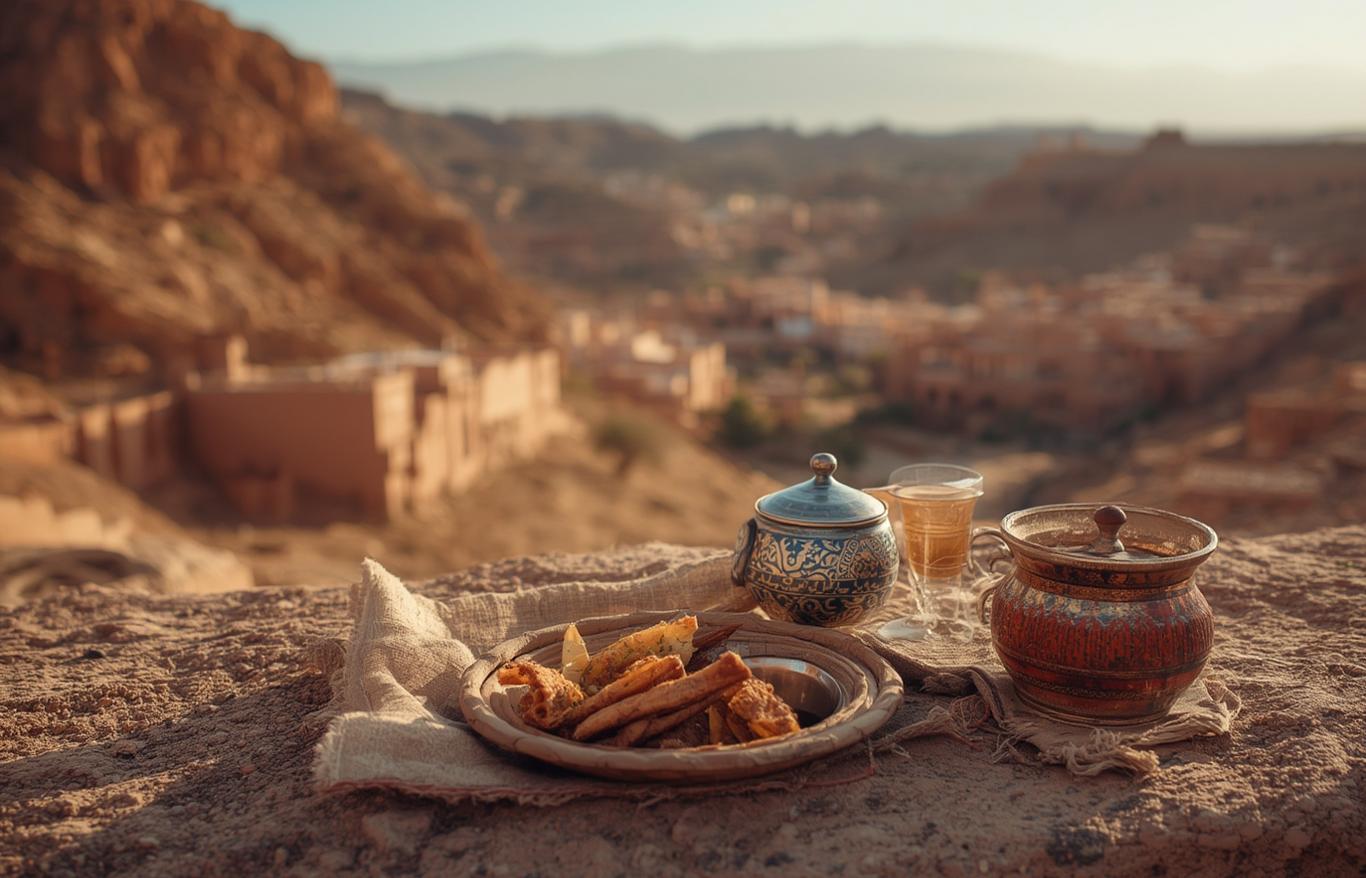
Nestled between the High Atlas and Jbel Saghro mountain ranges, the Dades Valley is a breathtaking landscape of ancient kasbahs, towering gorges, and verdant date palms. While its dramatic scenery often steals the spotlight, the valley offers a rich tapestry of flavors, making Moroccan food in Dades Valley a truly immersive cultural experience. Beyond the well-trodden paths of Marrakech or Fes, here you’ll discover the authentic heart of Moroccan culinary traditions, deeply rooted in Berber heritage and adapted to the rhythms of mountain life. This article will guide you through the traditional dishes, hidden culinary gems, and the unique food culture that defines this spectacular region.
The Heartbeat of Berber Cuisine: Staples and Sustenance
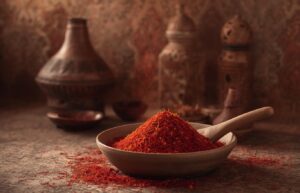
Moroccan food in the Dades Valley is a testament to resilience and resourcefulness, a cuisine shaped by history, geography, and the daily lives of its Berber inhabitants. The food here isn’t just about taste; it’s about warmth, hospitality, and communal sharing. Staple ingredients like barley, wheat, dates, olives, and fresh vegetables – often grown in the valley’s fertile oases – form the foundation of most meals. Lamb, goat, and chicken, often raised locally, provide the protein. You’ll find a distinct emphasis on slow-cooked dishes, often prepared in tagines or traditional earthen ovens, allowing flavors to meld beautifully. Herbs like parsley, cilantro, and mint are abundant, alongside spices such as cumin, turmeric, ginger, and a touch of saffron, contributing to the region’s distinctive aromatic profile.
Tagine: The Unmistakable Symbol of Dades Valley Dining
No discussion of Moroccan food in Dades Valley would be complete without highlighting the tagine. While ubiquitous across Morocco, the Dades Valley offers its own regional nuances. Here, you’ll encounter hearty tagines featuring preserved lemons and local olives, tender chicken or lamb, and a generous medley of seasonal vegetables like carrots, potatoes, zucchini, and sometimes even local artichokes or broad beans. The slow cooking process in the conical clay pot ensures the meat is fall-off-the-bone tender and the vegetables are infused with a rich, savory broth. Dining on a tagine in a local guesthouse or a roadside eatery along the Dades Gorge is an essential experience, often served with freshly baked bread for scooping up every last drop of the delicious sauce. It’s more than just a meal; it’s a ceremonial act of breaking bread and sharing stories.
Beyond the Tagine: Lesser-Known Delights of the Dades Region
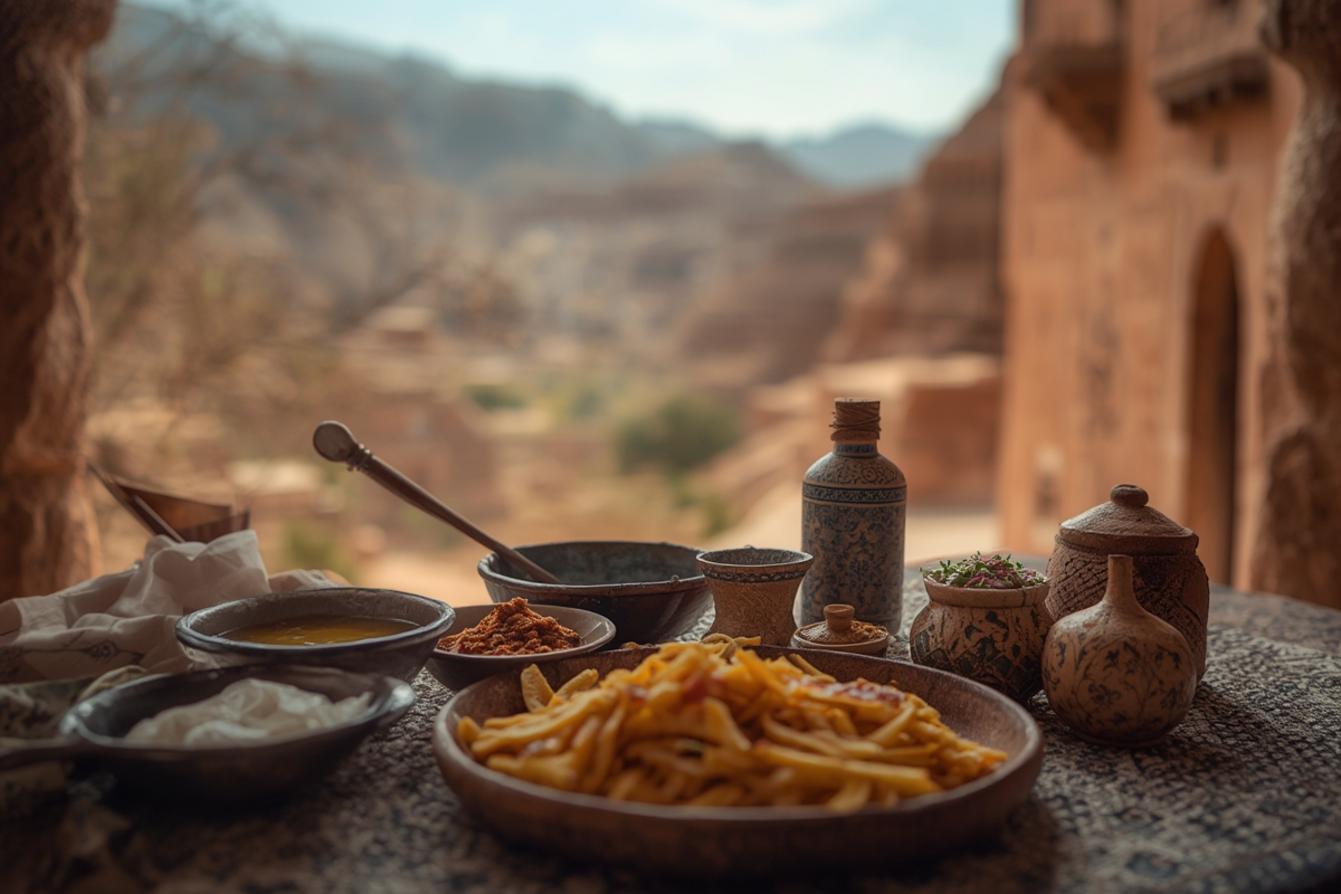
While tagine might be the star, the Dades Valley’s culinary repertoire extends far beyond. Keep an eye out for Mechoui, especially if you’re visiting during a local festival or market day. This slow-roasted lamb, often cooked in an underground oven, is incredibly tender and flavorsome, a real treat for meat lovers. Harira, the traditional Moroccan soup, is a comforting and nutritious choice, especially during cooler evenings. In the Dades, it’s often thicker and heartier, sometimes including barley or lentils from local harvests. For something lighter, there’s often a variety of fresh salads, often simple combinations of diced tomatoes, cucumbers, and onions dressed with olive oil and spices. And of course, no meal is complete without mint tea, poured with flair and offered as a symbol of hospitality. Each glass is a tiny ritual, a moment of connection.
A Sweet Interlude: Dates and Local Pastries
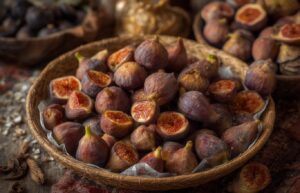
Given the abundance of palm groves, dates are a significant part of the Dades Valley diet and a beloved sweet snack. You’ll find a wide variety, from soft and succulent to drier, more fibrous types, often served as a natural accompaniment to mint tea. Local pastries, while perhaps less ornate than those found in larger cities, are often rustic and satisfying. Look for ghriba, a type of butter cookie, or simple honey-drenched semolina cakes that offer a wonderful end to a meal. These sweets reflect the region’s simpler, more natural approach to desserts, relying on staple ingredients and traditional methods.
Eating Like a Local: Guesthouses and Roadside Gems
To truly immerse yourself in Moroccan food in Dades Valley, consider staying in a traditional guesthouse or auberge. Many of these family-run establishments pride themselves on serving home-cooked meals prepared with local ingredients. This is where you’ll taste the most authentic flavors, often prepared by Berber women whose culinary skills have been passed down through generations. Don’t shy away from smaller, unassuming roadside kasbahs or cafes, particularly around Boumalne Dades or the more remote sections of the valley. These often offer incredibly fresh and flavorful dishes at very reasonable prices. For visitors looking to dine out, you can explore establishments in Boumalne Dades, many of which are listed on Moroccan culinary traditions, providing a taste of the region’s hospitality.
Sustainable Practices and the Berber Table
The food culture in the Dades Valley is inherently sustainable. Ingredients are typically sourced locally, often directly from family gardens or nearby markets. This farm-to-table approach isn’t a trend here; it’s a way of life, minimizing waste and supporting local communities. When you enjoy a meal in the Dades Valley, you’re not just consuming food; you’re participating in a centuries-old cycle of agricultural rhythm and community support. Understanding this connection to the land enhances the appreciation for every dish served. This holistic approach makes exploring Moroccan food Dades Valley not just a culinary journey, but a cultural one too, especially if you consider when to go to Morocco to experience seasonal ingredients at their best.
Conclusion
The culinary landscape of the Dades Valley offers an authentic and unpretentious glimpse into traditional Moroccan food. Far from the bustling medinas, the food here is a reflection of the rugged beauty and rich heritage of its people. From the aromatic tagines bubbling over warm coals to the sweet, sun-kissed dates, every meal tells a story of the land and its history. Exploring Moroccan food in Dades Valley is an adventure for the senses, a chance to connect with Berber hospitality, and an unforgettable journey into the heart of regional Moroccan flavors.
FAQs
What are the most common ingredients in Dades Valley cuisine?
The most common ingredients include barley, wheat, dates, olives, fresh seasonal vegetables (like carrots, potatoes, zucchini), lamb, goat, chicken, and a variety of herbs and spices such as cumin, turmeric, ginger, and saffron. These staples reflect the region’s agricultural bounty and Berber culinary traditions.
Is vegetarian food readily available in the Dades Valley?
Yes, vegetarian options are very common. Many tagines are prepared with just vegetables, or you can request a vegetable tagine. Fresh salads, lentil soups, and bread are also widely available and make for satisfying vegetarian meals. Just be sure to specify sans viande (without meat) when ordering.
How does Dades Valley food differ from other parts of Morocco?
While many dishes like tagine and couscous are found throughout Morocco, Dades Valley cuisine has a distinct Berber influence. It tends to be heartier, relying on local mountain produce and meats. Dishes might be simpler and less ornate than in cities like Fes or Marrakech, emphasizing robust, earthy flavors and traditional slow-cooking methods.
What should I drink with my meals in the Dades Valley?
Mint tea is the quintessential drink, offered before, during, and after meals. You’ll also find fresh orange juice, often made from locally grown oranges, which is a refreshing choice. Bottled water is readily available. Alcohol is not commonly served outside of a few specific tourist-oriented establishments, as it’s not part of the local cultural practice.



 Covers cities, coast, mountains, desert & food