
Stepping into Meknes feels like turning a page in a living history book. This imperial city, often overshadowed by its more famous counterparts, holds a treasure trove of Meknes historic sites that whisper tales of sultans, grand ambitions, and architectural prowess. From colossal gates to ancient granaries, every corner offers a glimpse into a glorious past, making it an essential stop for any history enthusiast exploring Morocco. If you’re looking to immerse yourself in the rich heritage of an authentic Moroccan city, Meknes delivers an unforgettable experience, far from the madding crowds.
Unveiling the Sultan’s Grand Vision: Bab Mansour El Aleuj
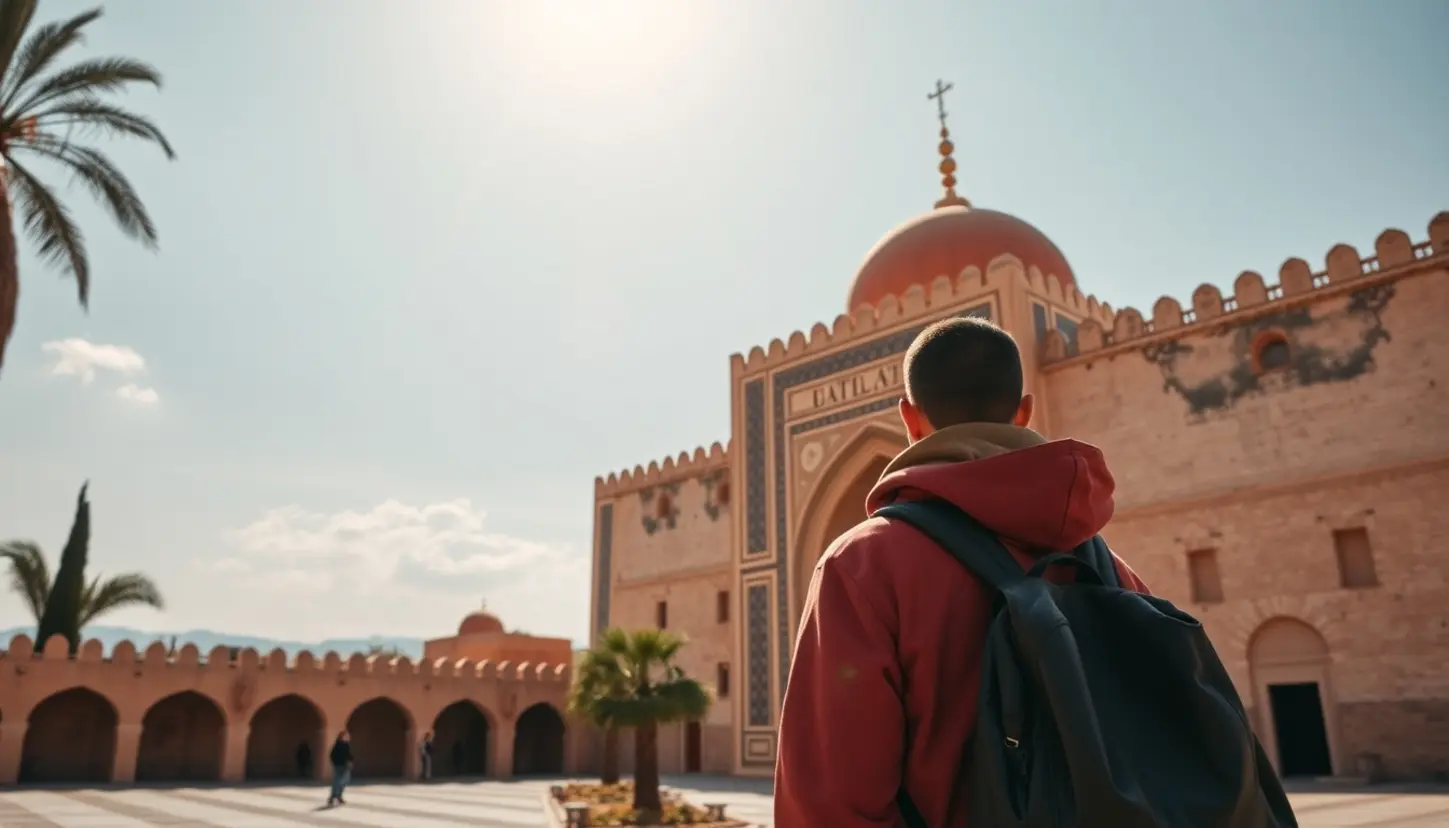
The sheer scale and intricate beauty of Bab Mansour El Aleuj are enough to take your breath away. This monumental gate, often hailed as one of Morocco’s most magnificent, perfectly encapsulates the grand vision of Sultan Moulay Ismail, who chose Meknes as his imperial capital in the late 17th century. As you approach, you’re immediately struck by its imposing size, framed by vibrant green and white zellij tiles, and delicate stucco work. It’s more than just an entrance; it’s a statement, a gateway designed to impress and awe visitors entering the Imperial City.
The archway itself is massive, allowing horse-drawn carriages and dignitaries to pass through with ease. Look closely at the details: the inscriptions in Kufic script, the carved chevrons, and the green ceramic roof tiles, all speaking to the craftsmanship of an era long past. While you can’t pass through the main arch anymore, it serves as a stunning backdrop for photos and a powerful reminder of the city’s golden age. Take your time to really absorb its majesty, imagining the processions and daily life that once flowed through this impressive portal.
The Imperial City Within: Exploring Méchouar and Dar El Makhzen
Beyond Bab Mansour, lies the vast expanse of the Imperial City, or the Royal Palace complex, known as Dar El Makhzen. While much of this area remains inaccessible to the public, the sheer scale of what was once here is mind-boggling. Sultan Moulay Ismail envisioned a city that would rival Versailles, and he spared no expense in its creation. Think of expansive courtyards, lush gardens, vast stables, and numerous palaces, all protected by formidable walls.
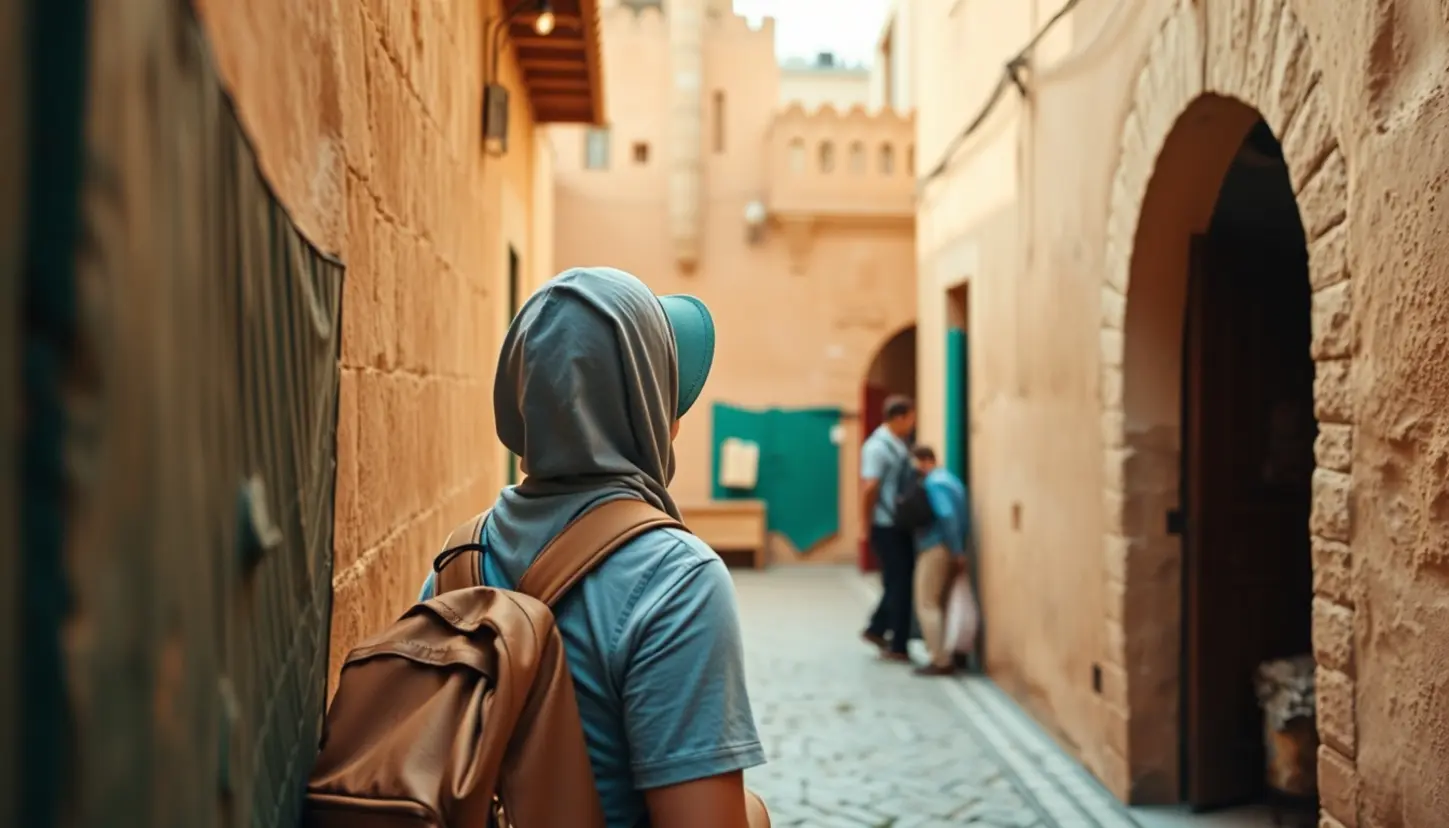
The Méchouar, the parade ground outside the main palace, is still a buzzing hub, especially on market days. It’s a place where you can feel the pulse of local life, observe the daily routines, and picture the grandeur that once unfolded here. Although you can only see the exterior walls of the palace, standing in the Méchouar gives you a sense of the immense scale of Moulay Ismail’s ambition. This area truly defines the essence of the Meknes historic sites and their significance in Moroccan history.
The Architectural Majesty of Lahboul Gardens and the Royal Golf Course
While not strictly ancient ruins, the Lahboul Gardens offer a tranquil escape and a historical connection to the city’s past. These beautifully maintained gardens provide a serene contrast to the bustling medina, offering shady pathways, vibrant flowerbeds, and a picturesque pavilion. They’re a testament to the Moroccan tradition of elaborate garden design, providing a cool oasis in the imperial city. Nearby, you’ll also find the Royal Golf Course, which, though a modern amenity, is built on land that once formed part of the extensive royal grounds, connecting it directly to the city’s imperial heritage.
Wandering through Lahboul Gardens, you’re walking on grounds that have witnessed centuries of change in Meknes. It’s a peaceful spot perfect for a leisurely stroll, offering fantastic views of the city walls and a chance to reflect on the historical layers of Meknes. The pavilion often houses small exhibitions or offers a quiet place to sit and enjoy the beauty, making it a delightful addition to your exploration of the city’s treasures.
Sizing Up the Storerooms: Heri es-Souani and Agdal Basin
Prepare to be astounded by the sheer engineering marvel of Heri es-Souani. This colossal complex, once a massive granary and stable, is a highlight among the Meknes historic sites. Sultan Moulay Ismail built this structure to house thousands of horses and store enormous quantities of grain, ensuring the city’s self-sufficiency even during sieges. As you walk through the vast, vaulted chambers, supported by rows upon rows of massive stone pillars, you can almost feel the presence of the past – the bustling activity, the smell of grain, and the rhythmic movements of horses.
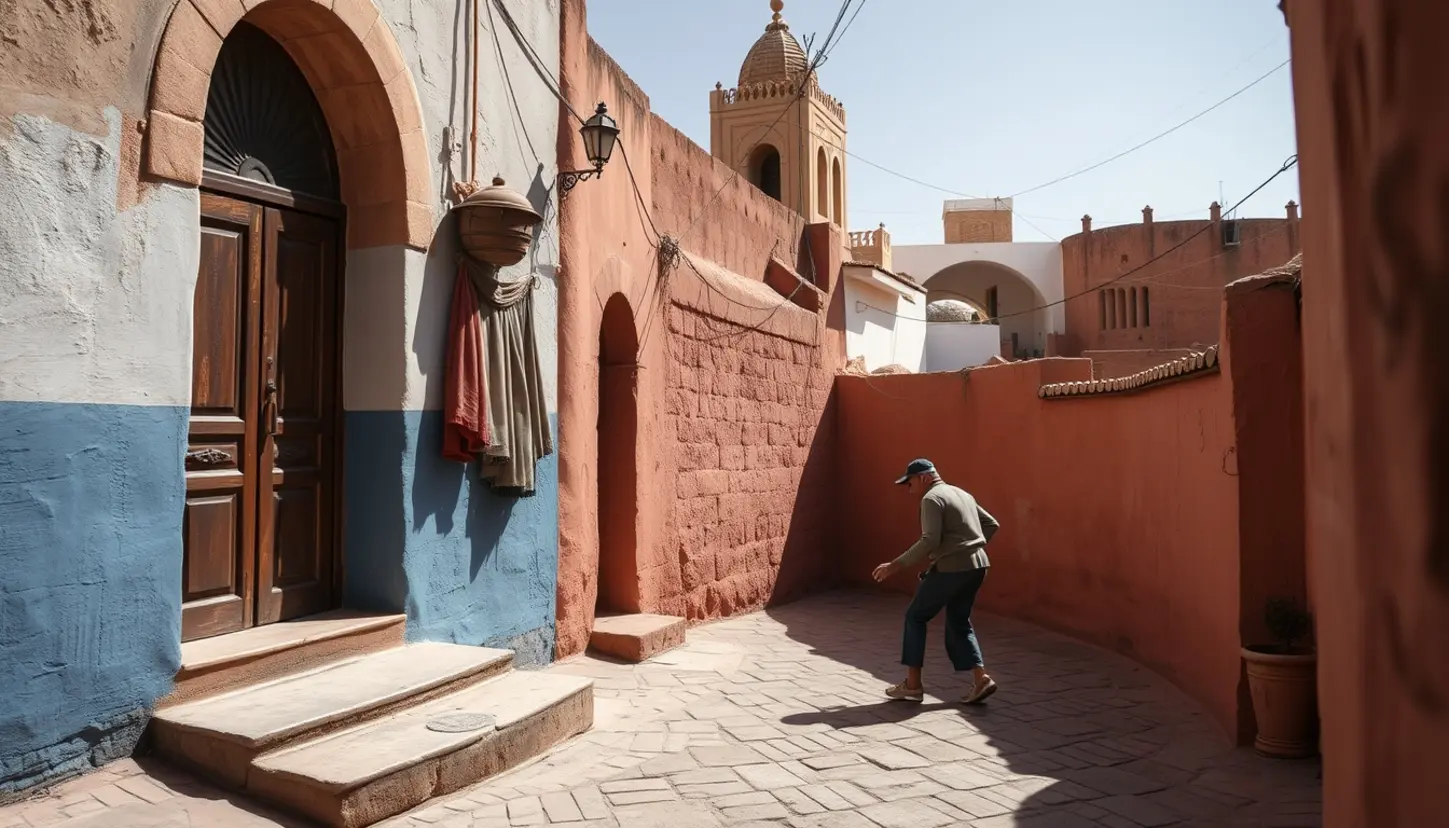
The clever design of Heri es-Souani incorporated an ingenious underground irrigation system that kept the granaries cool and the grain preserved. Adjacent to it is the Agdal Basin, an enormous artificial lake that not only served as a reservoir for the granaries and gardens but also provided a strategic retreat for the sultan and his court during the hot summer months. Imagine royal boats gliding across its surface, creating a tranquil scene in the heart of the imperial city. The scale of these structures is a powerful testament to the ambition and technical skill of the era, truly offering a peek into the heart of imperial power and ingenuity.
The Mausoleum of Moulay Ismail: A Sultan’s Final Resting Place
No visit to Meknes would be complete without paying respects at the Mausoleum of Moulay Ismail. This beautifully ornate tomb is the final resting place of the formidable sultan who transformed Meknes into an imperial capital. Unlike many other religious sites in Morocco, the mausoleum is largely accessible to non-Muslim visitors, offering a unique opportunity to witness intricate Moroccan artistry up close.
As you enter, you’ll be struck by the serene atmosphere and the exquisite craftsmanship. The tomb chamber itself is a masterpiece of zellij tiling, stucco work, and carved cedarwood, reflecting the highest standards of Moroccan decorative arts. The peaceful courtyard leading to the mausoleum is also stunning, with fountains and orange trees adding to the tranquil ambiance. Exploring this site not only gives you a tangible connection to the sultan who shaped Meknes but also showcases the spiritual and artistic depth of Moroccan culture. Remember to dress respectfully, covering shoulders and knees, as a sign of deference.
Reaching Back Further: Volubilis, the Roman Legacy Near Meknes
While technically outside the imperial city of Meknes, no exploration of the region’s historical significance would be complete without a mention of Volubilis. This ancient Roman city, a designated UNESCO World Heritage site, lies just a short drive from Meknes and offers a captivating glimpse into a much older civilization. Here, you can wander among the remarkably well-preserved Meknes ruins of temples, basilicas, triumphal arches, and residential villas, many adorned with breathtaking mosaic floors.
Volubilis demonstrates the far-reaching influence of the Roman Empire and how different cultures converged in this part of North Africa. The setting, nestled against the foothills of the Zerhoun Massif, is equally stunning, adding to the site’s allure. It’s a powerful experience to walk on the same stones as Romans did two millennia ago, contemplating their daily lives, their governance, and their eventual departure. Combining a visit to Volubilis with your exploration of Meknes offers a comprehensive historical journey from the Roman era to the imperial age of Moroccan sultans, making for an incredibly rich and educational travel experience.
The Storied Walls and Gates of the Medina
Meknes’ medina, a vibrant labyrinth of narrow alleyways, bustling souks, and hidden riads, is itself a grand historic site. Encircling it are impressive walls studded with numerous gates, each with its own story. Beyond the famous Bab Mansour, gates like Bab el-Khemis and Bab Berdaine offer equally captivating architectural details and serve as bustling entry points into traditional Moroccan life. Walking along the ramparts, wherever accessible, provides panoramic views of the city’s rooftops and a sense of its historical defenses.
Within the medina walls, you’ll encounter a different kind of history – the living, breathing history of commerce, craftsmanship, and community. The souk in Meknes is less overwhelming than in larger cities like Fes, making it a more intimate experience to browse for spices, leather goods, textiles, and traditional crafts. Getting lost (and found!) in these ancient passages is part of the charm, as you stumble upon hidden squares, artisan workshops, and local eateries that have been around for generations. This immersive experience completes the picture of Meknes as a city deeply rooted in its past, offering a captivating journey through its every street and corner.
Planning Your Historical Immersion in Meknes
To truly appreciate the Meknes historic sites, careful planning can enhance your experience. Consider staying within or very close to the medina, as many of the key attractions are within walking distance or a short taxi ride, like those to Heri es-Souani or the mausoleum. Meknes is generally a more laid-back city than Marrakesh or Fes, offering a chance to explore at a more relaxed pace. However, don’t underestimate the size of its imperial city complex; wear comfortable shoes!
For those arriving from other major Moroccan cities, Meknes is well-connected by train and bus. If you’re coming from Casablanca, consider making a stop in Meknes as part of a broader itinerary, perhaps even as a day trip incorporated into a longer tour, which could include a comprehensive exploration like the Meknes historic sites. Engaging a local guide, especially for your first day, can provide invaluable context and help navigate the often-complex layouts of historical sites like Heri es-Souani and the medina, unlocking stories and details you might otherwise miss.
Conclusion
Meknes stands as a formidable testament to Morocco’s imperial past, offering an unparalleled journey through its rich history. From the monumental gates of Bab Mansour to the engineering marvels of Heri es-Souani and the ancient Roman whispers at Volubilis, the city’s historic sites provide a profound and inspiring travel experience. It’s a city that invites you to slow down, absorb its grandeur, and truly connect with the legacy of sultans and civilizations. For anyone seeking to delve deep into authentic Moroccan heritage, exploring the Meknes historic sites is an absolute must.
FAQs
What are the main historic sites to see in Meknes?
The must-see historic sites in Meknes include the majestic Bab Mansour gate, the vast Heri es-Souani complex (granaries and stables), the Mausoleum of Moulay Ismail, and the Agdal Basin. A short trip outside the city will also take you to the ancient Roman ruins of Volubilis, a UNESCO World Heritage site that offers exceptional insight into the region’s deeper past.
How much time should I allocate to explore the historic sites of Meknes?
To properly explore the main historic sites within Meknes itself, including a leisurely stroll through the medina, you’ll want at least one full day. If you plan to include a day trip to Volubilis and the nearby sacred town of Moulay Idriss, it’s best to allocate two full days to enjoy the region’s history without feeling rushed.
Is Meknes a walkable city for exploring its historic sites?
Many of Meknes’s key historic sites, particularly within the medina and the imperial city complex, are accessible on foot. However, due to the spread-out nature of some attractions like Heri es-Souani and the Royal Golf Course, and the distance to Volubilis, taxis or rented transport will be necessary for certain parts of your exploration. Comfortable walking shoes are highly recommended.
Are there any specific cultural considerations when visiting Meknes historic sites?
When visiting religious sites like the Mausoleum of Moulay Ismail, it’s respectful to dress modestly, covering shoulders and knees. When entering homes, riads, or mosques (if permitted), it’s customary to remove your shoes. Always ask for permission before photographing people, especially women. Embracing the local customs enhances the experience for both visitors and residents.





 Covers cities, coast, mountains, desert & food