
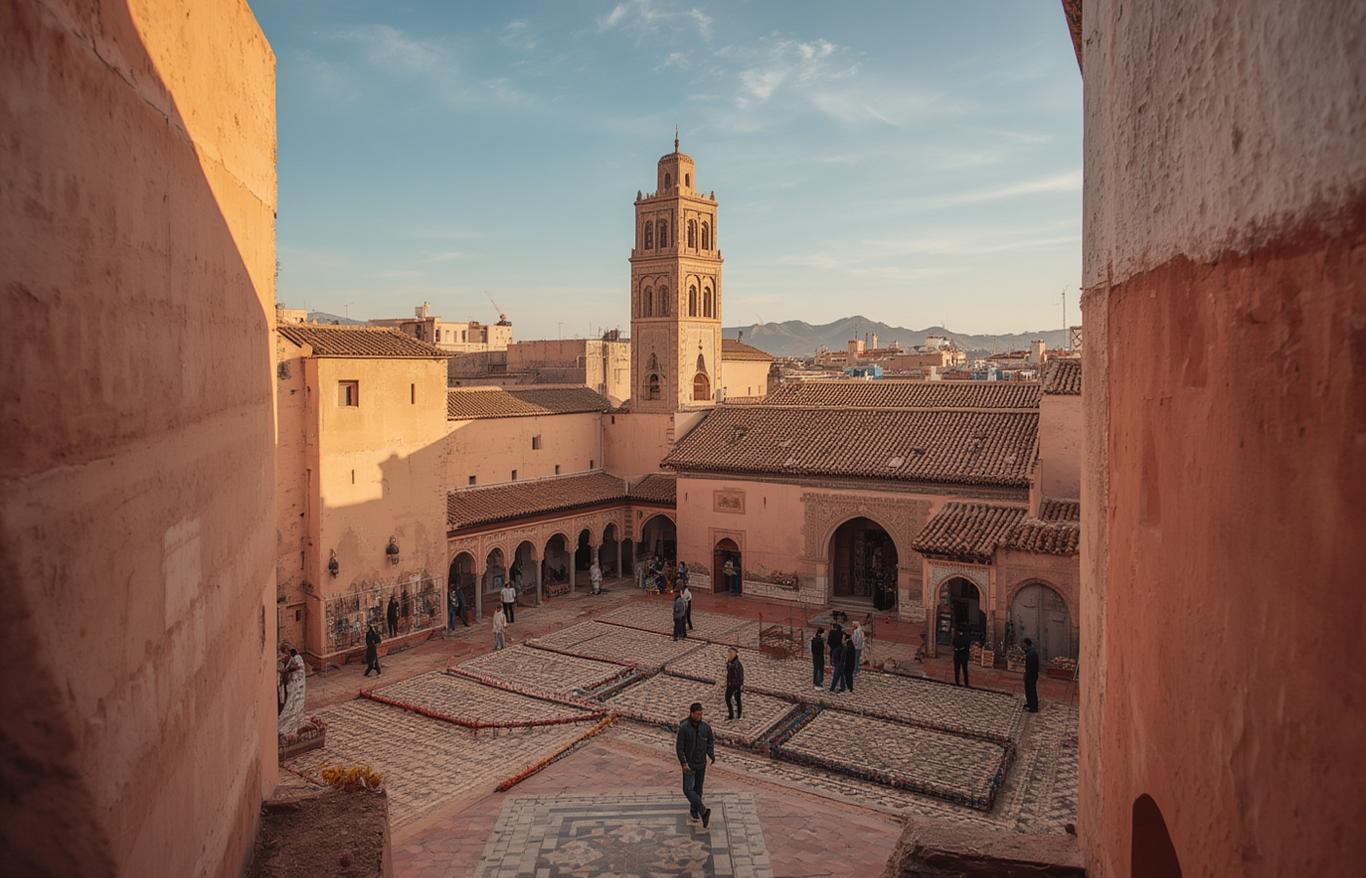
Planning a Casa Blanca tour involves more than just booking flights; it’s about crafting an immersive experience in Morocco’s dynamic economic heart. Often seen as a gateway rather than a destination in itself, Casablanca offers a unique blend of Art Deco architecture, bustling souks, and modernist marvels that truly define contemporary Morocco. This guide will walk you through everything you need to know to create a memorable and efficient visit, ensuring you make the most of your time in this iconic city. Whether you’re passing through or dedicating several days, understanding the city’s pulse is key to a successful Casablanca travel itinerary.
Crafting Your Casablanca Itinerary: From Layover to Immersion
When planning your Casa Blanca tour, the first decision is often the duration of your stay. Casablanca can serve as an excellent one-day stopover, a two-day deep dive into its unique history and culture, or a launching point for further Moroccan adventures. For a brief visit, focusing on the Hassan II Mosque, the Corniche, and the Habous Quarter (New Medina) offers a comprehensive snapshot. These three locations showcase the city’s religious grandeur, modern leisure, and traditional commercial life respectively. Efficient transportation is crucial here to maximize limited time.
For those with two or three days, you can expand your exploration to include the vibrant local markets, the Notre Dame de Lourdes Cathedral – a stunning example of brutalist architecture with breathtaking stained glass – and a deeper dive into the Art Deco architecture that defines much of the city center. Consider a guided architectural walking tour to truly appreciate the historical significance and beauty often overlooked by casual visitors. Don’t forget to factor in leisurely meals, as Casablanca boasts excellent seafood and diverse culinary experiences.
If Casablanca is your entry point to Morocco and you plan to venture north, integrating your visit with a casa blanca tour to Rabat for example, requires careful consideration of train schedules and accommodation logistics. Rabat, while close, offers a distinctly different historical and cultural experience, making it an excellent pairing.
Essential Casablanca Logistics: Getting Around and Staying Connected
Navigating Casablanca efficiently is paramount for any successful Casa Blanca tour. The city is vast, but its public transport network, while improving, can be challenging for first-time visitors. Taxis are ubiquitous, identifiable by their red color (for petit taxis within the city) and cream color (for grand taxis, often used for inter-city travel or longer routes). Always ensure the meter is running, or agree on a fare beforehand to avoid misunderstandings. Bargaining is acceptable, but be reasonable.
The tramway system provides a modern and clean way to traverse key areas, connecting Sidi Moumen in the east to Ain Diab beach and the city center. It’s an excellent option for reaching attractions like the Hassan II Mosque with ease. Purchase tickets or a rechargeable card at tram stations. For longer distances or a more comfortable experience, private drivers or ride-sharing apps (like Careem or InDrive) are available and can be pre-booked, especially for airport transfers.
Staying connected is easy with local SIM cards, readily available at the airport or kiosks downtown. Major providers like Maroc Telecom, Orange, and Inwi offer affordable data packages crucial for GPS navigation, communication, and sharing your experiences. Remember to unlock your phone before arriving.
Budgeting for Your Casablanca Adventure: Smart Spending Strategies
Budgeting for a Casa Blanca tour requires understanding the local cost of living and making informed choices. Accommodation ranges from budget-friendly hostels and guesthouses to luxurious international hotels. Expect to pay anywhere from $30-50 for a clean, basic room, to $100-200+ for mid-range to upscale options. Booking in advance, especially during peak season, often secures better rates. Consider locations carefully; staying near the city center or tram lines can save on transportation costs.
Food is generally affordable and delicious. Street food, like harira soup, tagine, and grilled sardines, offers fantastic value and an authentic culinary experience for just a few dollars per meal. Regular restaurant meals can range from $10-25 per person, depending on the establishment. High-end dining will naturally be more expensive. Factor in roughly $30-50 per day for food if you mix street food with casual restaurant dining.
Transportation costs will depend on your preferred method. Taxis within the city generally cost $2-5 per ride, while a tram ticket is less than a dollar. If you plan extensive day trips or prefer private transport, these costs will increase. Entrance fees for attractions like the Hassan II Mosque are around $13-15 (for foreign visitors), while many other sites, like the Habous Quarter, are free to explore.
Don’t forget to set aside a budget for souvenirs, tips, and unexpected expenses. A reasonable daily budget, excluding accommodation and international flights, would be around $50-80 per person for an enjoyable mid-range experience. Being mindful of these figures will help you plan a seamless and stress-free financial aspect of your Casa Blanca tour.
Must-See Attractions and Cultural Encounters on Your Casa Blanca Tour
A comprehensive Casa Blanca tour wouldn’t be complete without experiencing its iconic landmarks and engaging with its vibrant culture. The Hassan II Mosque is undeniably the city’s crown jewel. As one of the largest mosques in the world, its sheer scale, intricate craftsmanship, and stunning seaside location are breathtaking. Guided tours are available and highly recommended to understand its architectural significance and cultural importance. Remember to dress modestly.
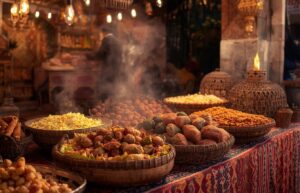
Beyond the mosque, immerse yourself in the Habous Quarter, or New Medina. Unlike the centuries-old medinas of Fes or Marrakech, this area was constructed in the 1930s by the French, designed with wider streets and a more organized layout, yet retaining the authentic charm of Moroccan souks. Here, you’ll find traditional crafts, leather goods, spices, and delicious pastisserie. It’s an excellent place for souvenir shopping and people-watching.
For a glimpse into Casablanca’s modernist heritage, explore the Art Deco architecture prevalent in the city center, particularly around Mohammed V Square. Many buildings still showcase the elegant lines and intricate details of the 1920s and 30s. A stroll through these streets feels like stepping back in time.
The Corniche (Ain Diab) offers a different side of Casablanca – a modern promenade lined with cafes, restaurants, and beach clubs. It’s perfect for a relaxing evening walk, enjoying the ocean breeze, and perhaps catching a beautiful sunset. It provides a stark contrast to the city’s historic quarters, highlighting Casablanca’s multifaceted identity. Consider exploring more about arranging a Casablanca travel itinerary via TripAdvisor for further activity inspiration.
Practical Preparations for a Smooth Casablanca Experience
Embarking on a Casa Blanca tour requires some practical groundwork to ensure a smooth and enjoyable trip. First, visa requirements: always check the latest regulations for your nationality well in advance of your travel dates. Morocco generally offers visa-free entry for tourists from many countries for stays up to 90 days, but confirming this is essential.
Health and safety: Morocco is a relatively safe country for tourists, but standard precautions apply. Be aware of your surroundings, especially in crowded areas, and keep valuables secure. It’s advisable to have travel insurance that covers medical emergencies and trip cancellations. While tap water is generally treated, many travelers opt for bottled water to avoid stomach upsets. Pack any necessary prescription medications, along with a basic first-aid kit.
Currency and payments: The Moroccan Dirham (MAD) is the official currency. Major credit cards are accepted in larger hotels, restaurants, and shops, but cash is essential for smaller purchases, taxis, and souks. ATMs are widely available, but inform your bank of your travel plans to avoid card issues. It’s a good idea to exchange a small amount of currency before you arrive or at the airport.
Cultural etiquette: Moroccans are known for their hospitality. Dressing modestly, especially when visiting religious sites, is a sign of respect. Learning a few basic Arabic or French phrases (like “Shukran” for thank you, or “Bonjour”) will be appreciated. Bargaining is customary in souks, so enjoy the process! Always ask permission before taking photos of people. Being respectful of local customs will enhance your interactions and overall experience.
Navigating Beyond the City: Casablanca as a Gateway
While your Casa Blanca tour focuses on the city itself, its excellent transport links make it a prime starting point for exploring other regions of Morocco. The Casa Port and Casa Voyageurs train stations are major hubs, connecting you to destinations like Rabat, Fez, Marrakech, and Tangier with comfortable and efficient rail services. Booking tickets in advance, especially for popular routes or during peak travel times, is highly recommended. The ONCF website (Moroccan railways) is a good resource for schedules and online booking.
For those looking to venture into the Atlas Mountains or the desert, group tours or private car hires are readily available from Casablanca. Many operators offer multi-day excursions that depart directly from the city, saving you the hassle of connecting flights or multiple bus transfers. This option allows for a seamless transition from urban exploration to rugged landscapes.
Alternatively, if you’re keen to explore the historical northern cities like Meknes and Fes, a Casa Blanca tour combined with a direct train journey makes perfect sense. This sequential planning allows you to experience the modern dynamism of Casablanca before delving into the ancient imperial cities. Consider the time of year for your travels, as different regions experience varying climates. Summer can be very hot inland, while coastal Casablanca enjoys a more temperate climate.
The Best Time for Your Casa Blanca Tour: Seasonal Considerations
Choosing the right time for your Casa Blanca tour significantly impacts your experience. Casablanca enjoys a Mediterranean climate, characterized by mild, wet winters and warm, dry summers.
Spring (March to May) is arguably the best time to visit. The weather is pleasantly warm, with average temperatures ranging from 15°C to 25°C (59°F to 77°F). The city is lush, and the skies are generally clear. This period is ideal for walking tours, enjoying the Corniche, and exploring outdoor markets without the intense heat of summer. It’s also before the peak tourist rush, meaning fewer crowds and potentially better rates for accommodation.
Autumn (September to November) is another excellent choice. Temperatures are similar to spring, ranging from 18°C to 28°C (64°F to 82°F), and the summer crowds have dispersed. The sea is still warm enough for a swim, and the city’s vibrant life is in full swing. This season offers a comfortable balance of pleasant weather and fewer tourists.
Summer (June to August) can be quite hot, with temperatures often exceeding 30°C (86°F), though the coastal breeze can provide some relief. This is peak tourist season, especially for European travelers, meaning higher prices and larger crowds. If you visit in summer, plan your outdoor activities for early mornings or late afternoons, and spend the midday hours exploring indoor attractions or relaxing by the pool.
Winter (December to February) is mild and can be quite rainy, with average temperatures around 10°C to 18°C (50°F to 64°F). While it’s generally not cold, you’ll need to pack layers and an umbrella. This is the off-peak season, offering lower prices and a more authentic local experience without the tourist buzz. However, some attractions might have reduced hours, and beach activities will be less appealing.
Ultimately, balancing desirable weather with crowd avoidance and budget considerations will help you determine the ideal window for your Casa Blanca tour.
Conclusion
A Casa Blanca tour offers a unique lens through which to view Morocco, blending modernity with tradition, and serving as both a dynamic hub and a beautiful destination in its own right. From the awe-inspiring Hassan II Mosque to the charming Habous Quarter and the city’s impressive Art Deco architecture, Casablanca provides a rich tapestry of experiences. By carefully planning your itinerary, understanding local logistics, and budgeting wisely, you can transform a simple visit into an unforgettable journey. Embrace the energy of this iconic city, and let it surprise you with its hidden gems and vibrant culture. Your adventure in Morocco begins here.
FAQs
How many days are ideal for a Casa Blanca tour?
For a comprehensive Casa Blanca tour, 2 to 3 days are ideal. This allows sufficient time to visit major attractions like the Hassan II Mosque, explore the Habous Quarter, appreciate the Art Deco architecture, and experience the Corniche without feeling rushed. If you’re using it as a stopover, one full day can cover the highlights with efficient planning.
Is Casablanca safe for tourists?
Yes, Casablanca is generally safe for tourists. Like any large city, it’s advisable to be aware of your surroundings, especially in crowded areas and at night. Petty crime, such as pickpocketing, can occur, so keeping valuables secure and being vigilant is recommended. Exercising common sense and respecting local customs will contribute to a safe experience.
What is the best way to get from Casablanca airport to the city center?
The most convenient way to get from Mohammed V International Airport (CMN) to Casablanca city center is by train. The train service connects the airport directly to Casa Port and Casa Voyageurs stations. Taxis are also available, but confirm the fare beforehand or ensure the meter is used. Private transfers can be pre-booked for a hassle-free option.
What should I wear when visiting Casablanca?
When visiting Casablanca, it’s advisable to dress respectfully, especially if you plan to visit religious sites like the Hassan II Mosque. For women, this typically means covering shoulders and knees. While Casablanca is more liberal than some other Moroccan cities, modest clothing is always appreciated. For general sightseeing, comfortable, breathable clothing is best, and layers are recommended for varying temperatures throughout the day.




 Covers cities, coast, mountains, desert & food