
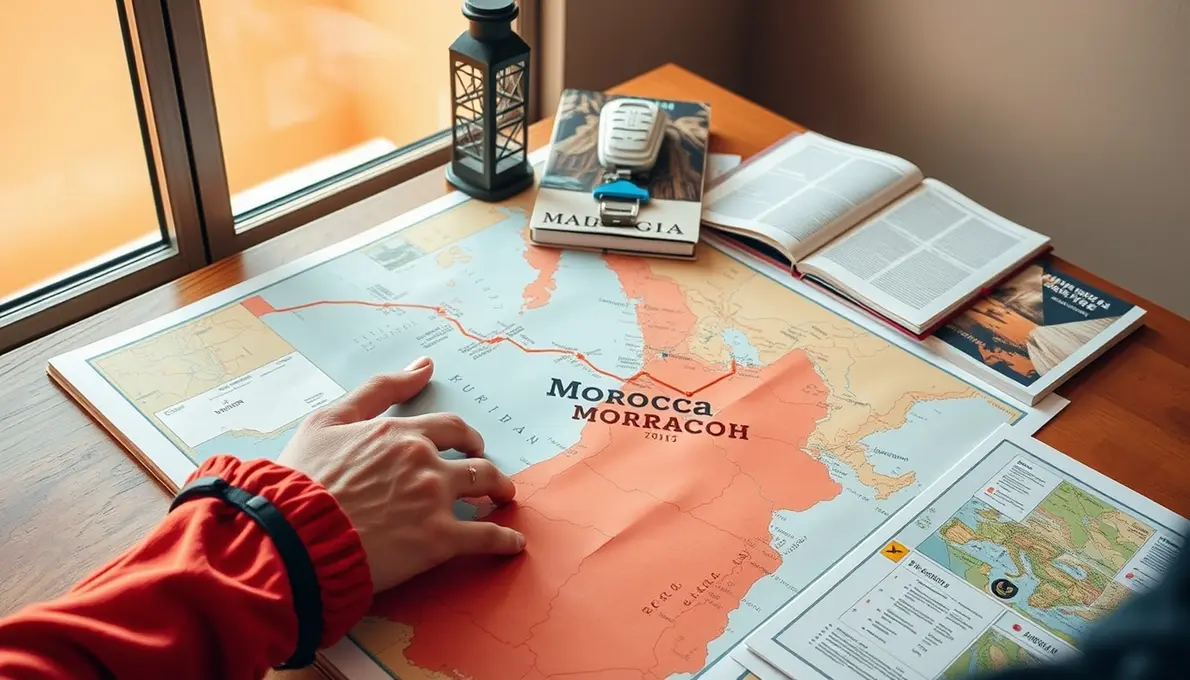
Welcome to the exhilarating world of Marrakech! If you’re planning a trip to this vibrant Moroccan city, you’re in for an unforgettable experience. This essential Marrakech travel advice guide is designed to equip you with insider tips, ensuring your adventure is not just good, but truly perfect. From navigating the bustling souks to understanding local customs and keeping safe, we’ll cover everything you need to know to make the most of your time in the Red City.
Mastering the Medina: Navigation and Immersion Tips for Marrakech Travel
Stepping into the Medina of Marrakech is like entering a living, breathing labyrinth. Its narrow alleys buzz with activity, sounds, and smells, creating an immersive experience unlike any other. For effective Marrakech travel advice when tackling the Medina, start with a good map, but be prepared to get (pleasantly) lost. Google Maps works surprisingly well in the main arteries, but the smaller derbs (alleys) can be tricky. Don’t be afraid to ask for directions, but be aware that some locals might offer to guide you for a fee, even if you didn’t ask. A polite “No, thank you” (‘La, shukran’) usually suffices.
Embrace the art of wandering. Some of the most charming riads, artisan workshops, and hidden gem eateries are found by simply letting your curiosity lead the way. Pay attention to landmarks – a distinctive archway, a colorful door, or a fountain can help you orient yourself. Early mornings are ideal for exploring before the crowds and heat peak. This is when the Medina stirs to life, offering a more tranquil, authentic glimpse into daily local routines.
When navigating the souks, remember that shopkeepers are often keen to engage. A friendly greeting and a browse are perfectly acceptable, but if you’re not interested in buying, a firm but polite ‘La, shukran’ and moving on is fine. Haggling is expected (and part of the fun!) for most purchases, especially for textiles, leather goods, and souvenirs. Start at about a third to half of the asking price and negotiate upwards. Patience and a sense of humor are your best tools here.
For a deeper dive into the Sahara beyond Marrakech, understanding what to pack is crucial. Make sure to check out our detailed guide on a Marrakech travel advice. This will ensure you’re well-prepared for any desert excursions from Marrakech.
Cultural Sensitivity and Etiquette: Enhancing Your Marrakech Experience
Understanding and respecting local customs is paramount for a perfect Marrakech experience. Morocco is a predominately Muslim country, and while Marrakech is accustomed to tourists, a mindful approach to local traditions goes a long way. Modest dress is advisable, especially for women. Covering shoulders and knees isn’t strictly enforced everywhere but is appreciated, particularly when visiting religious sites or less touristy areas. Loose, breathable fabrics are perfect for the climate.
Greetings are an important part of Moroccan culture. A simple “Salam Alaikum” (Peace be upon you) is always well-received, followed by “Bonjour” or “Bonsoir.” If offered mint tea, accept it gracefully; it’s a sign of hospitality. When eating, especially from communal dishes, use your right hand. Public displays of affection are generally frowned upon.
Photography is an area where cultural sensitivity is particularly important. Always ask for permission before taking photos of people, especially women and children. Some performers or vendors in Djemaa el-Fna may expect a small tip if you photograph them or their wares. Be discreet and respectful. On the other hand, panoramic shots of architecture and landscapes are usually fine.
Tipping, or ‘baksheesh,’ is customary for various services. For restaurant staff, 10-15% is standard for good service. For guides, drivers, and hotel porters, a few dirhams are appreciated. It’s often helpful to have small denominations of dirhams on hand for these instances. This practical Marrakech travel advice will help you navigate daily interactions smoothly.
Marrakech Safety Tips: Staying Secure in the Red City
Safety is a common concern for travelers, and while Marrakech is generally a safe city, understanding local nuances and taking sensible precautions will significantly enhance your peace of mind. One of the most important Marrakech safety tips is to be aware of your surroundings, especially in crowded areas like Djemaa el-Fna and the souks. Pickpocketing can occur, so keep valuables secure and out of sight. A cross-body bag or a money belt is a good idea. Avoid flaunting expensive jewelry or electronics.
When venturing out, particularly at night, it’s wise to stick to well-lit, busy areas. If you’re going to or from your accommodation after dark, consider arranging for your riad or hotel to call a licensed taxi. Agree on the fare before starting your journey, as taxis in Marrakech don’t always use meters for tourists.
Scams, while not dangerous, can be an annoyance. Be wary of unsolicited “guides” who offer to show you around the souks for free; they will inevitably expect payment at the end, often aggressively. Similarly, ignore anyone claiming a path is “closed” or “private” to divert you to a specific shop. A polite but firm “No, thank you” and continuing on your way is usually the best approach. Trust your instincts; if something feels off, it probably is.
For women traveling alone, you might encounter more unsolicited attention than in other destinations. Modest dress can help reduce this, but also confidently ignoring comments or making eye contact and saying “no” firmly can be effective. If you feel genuinely uncomfortable, duck into a busy shop or restaurant. Morocco is generally very polite; most interactions will be friendly and helpful. For a comprehensive resource on global travel safety, refer to Marrakech safety tips.
Health and Well-being: Essential Marrakech Travel Advice
Prioritizing your health and well-being is a key part of any good Marrakech travel advice. The Moroccan sun, especially during the warmer months, can be intense. Stay hydrated by drinking plenty of bottled water (tap water is not recommended for drinking). Carry a reusable water bottle and refill it frequently. Wear sunscreen, a wide-brimmed hat, and sunglasses, even on cloudy days.
Food safety is another important consideration. While Moroccan cuisine is delicious, be mindful of where you eat. Stick to busy establishments, where food turnover is high. Street food, particularly in Djemaa el-Fna, is an integral part of the Marrakech experience, but observe hygiene practices before ordering. Opt for food that is freshly cooked in front of you and served hot. Washing your hands frequently, or using hand sanitizer, is also crucial.
It’s advisable to check with your doctor about any recommended vaccinations well in advance of your trip. Also, ensure you have comprehensive travel insurance that covers medical emergencies and potential evacuations. Pack a small first-aid kit with essentials like pain relievers, antiseptic wipes, plasters, and stomach upset medication. Jet lag and changes in diet can sometimes lead to minor digestive issues, so being prepared is always a smart move.
Getting Around Marrakech: Transport and Logistics
Navigating the city effectively is crucial for maximizing your Marrakech experience. The Medina is largely pedestrianized, meaning you’ll do a lot of walking. Comfortable, sturdy shoes are a must. For longer distances outside the Medina or when carrying luggage, taxis are your primary option.
There are two types of taxis: “petit taxis” (small beige cars) and “grand taxis” (larger mercedes or Dacias). Petit taxis operate within the city limits and can take up to three passengers. Grand taxis are for inter-city travel or can be hired for longer excursions. Always negotiate the fare before getting into a petit taxi, especially as many drivers will initially quote inflated prices for tourists. A common strategy is to know the approximate fair beforehand (ask your riad or a local) and propose it. If the driver refuses, you can try another. Taxis from the airport have fixed rates, which should be displayed openly.
Another popular and unique way to get around shorter distances, especially around the Djemaa el-Fna, is by horse-drawn carriage (calèche). Again, agree on the price beforehand. While they can be a charming way to see the city sights, ensure the horses appear well-cared for.
For those planning day trips, private drivers or organized tours are excellent options. Your riad or hotel can usually arrange these, or you can book through reputable tour operators. This ensures comfortable, reliable transport to places like the Ourika Valley, Agafay Desert, or Essaouira. These logistical insights are key Marrakech travel advice for a smooth journey.
Accommodation Choices: Finding Your Perfect Oasis
Choosing the right accommodation is fundamental to a perfect Marrakech adventure. The city offers a diverse range of options, each with its own charm and benefits, catering to various budgets and preferences.
Riads within the Medina: For an authentic, immersive experience, a riad is highly recommended. These traditional Moroccan houses or palaces, converted into guesthouses, feature an interior courtyard or garden, often with a fountain or small pool. Riads offer a tranquil escape from the bustling streets, providing personalized service, intricate decor, and often delicious home-cooked meals. Choosing a riad means you’re right in the heart of the action, within walking distance of the souks, Djemaa el-Fna, and historical sites. However, navigating the Medina at night to find your riad can be a challenge, so ensure your riad provides clear directions or offers a pick-up service upon arrival.
Hotels in Gueliz and Hivernage: If you prefer a more modern, European-style experience with amenities like larger pools, gyms, and international dining options, the new city districts of Gueliz and Hivernage are ideal. These areas offer wider streets, less chaotic traffic, and are home to many international hotel chains, boutiques, and contemporary restaurants. While you’ll be further from the historical heart of the Medina, taxis are readily available to get you there, usually within 10-15 minutes. These districts offer a different vibe – more cosmopolitan and relaxed – which some travelers prefer.
Luxury Resorts: For the ultimate indulgence, Marrakech boasts a selection of opulent resorts, often situated just outside the city center, offering extensive grounds, multiple swimming pools, spas, and gourmet dining. These provide a serene and exclusive retreat, ideal for those seeking relaxation and comfort away from the urban hustle. Many offer shuttle services to the Medina, ensuring you can still easily explore the city’s main attractions.
Regardless of your choice, book well in advance, especially during peak seasons. Read recent reviews to get an accurate picture of the service and facilities. This comprehensive Marrakech travel advice on accommodation will help you select the perfect base for your visit.
Making the Most of Your Money: Budgeting and Bargaining
Effective money management is a crucial piece of Marrakech travel advice. The local currency is the Moroccan Dirham (MAD), and while some larger establishments and tourist shops accept credit cards, cash is king, especially in the souks, for small purchases, and for taxis. It’s always a good idea to have small denominations on hand for tips and minor transactions.
ATMs are widely available in the modern parts of the city and some within the Medina. Inform your bank of your travel plans to avoid any issues with card usage. Exchange offices are also easy to find, offering competitive rates. Avoid exchanging money at the airport unless absolutely necessary, as rates are usually less favorable.
Bargaining is a deeply ingrained cultural practice in Marrakech, particularly in the souks and for taxis. It’s not just about getting a good price; it’s an interactive social ritual. For goods in the souks, a general rule of thumb is to start negotiating at about 30-50% of the initial asking price, aiming to settle somewhere in the middle. Be patient, polite, and be prepared to walk away if you can’t reach an agreeable price. Often, if you start to leave, the vendor will call you back with a better offer.
When it comes to food, prices in established restaurants are usually fixed, but small local eateries and street food vendors might have some room for negotiation, especially if you’re buying multiple items. For taxis, always agree on the fare before starting your journey to avoid disputes at the destination. Knowing general prices for common routes (e.g., airport to Medina, Djemaa el-Fna to Gueliz) can give you an advantage. This budgeting and bargaining Marrakech travel advice will not only save you money but also enrich your cultural interactions.
Conclusion
Marrakech is a city that captivates and enchants, offering a sensory overload in the most wonderful way. By following this comprehensive Marrakech travel advice, you’re well-equipped to navigate its bustling streets, embrace its rich culture, and stay safe while creating unforgettable memories. From the art of bargaining to understanding local etiquette, these insider tips are designed to ensure your Moroccan adventure is nothing short of perfect. Dive in, explore, and let the magic of Marrakech unfold around you.
FAQs
What is the best time of year to visit Marrakech?
The best times to visit Marrakech are during spring (March to May) and autumn (September to November) when the weather is pleasantly warm, and you can enjoy exploring without the scorching heat of summer or the cooler, sometimes rainy, winter days. These shoulder seasons offer comfortable temperatures for walking and sightseeing.
Is it safe for a solo female traveler to visit Marrakech?
Yes, Marrakech can be safe for solo female travelers, but it’s important to be aware and practice common-sense precautions. Dressing modestly, being confident in your interactions, and using reliable transportation at night can help. While you might receive more unsolicited attention than male travelers, most encounters are harmless. Many female travelers have wonderful experiences in Marrakech by being prepared and staying vigilant.
How many days are enough to explore Marrakech?
Ideally, 3 to 5 days are sufficient to experience the main attractions of Marrakech. This allows enough time to explore the Medina, souks, Djemaa el-Fna, visit key historical sites like Bahia Palace and Jardin Majorelle, and perhaps enjoy a hammam experience. If you plan to take a day trip to the Atlas Mountains or the Agafay Desert, allocating an extra day or two would be beneficial.
What local currency should I use, and where can I exchange money?
The local currency is the Moroccan Dirham (MAD). While some tourist-oriented places accept euros, it’s best to use Dirhams for most transactions. You can exchange currency at numerous exchange offices located throughout the city, including within the Medina and modern areas like Gueliz, which often offer better rates than the airport. ATMs are also widely available for withdrawing cash. It’s advisable to have small denominations for everyday purchases and tipping.



 Covers cities, coast, mountains, desert & food