
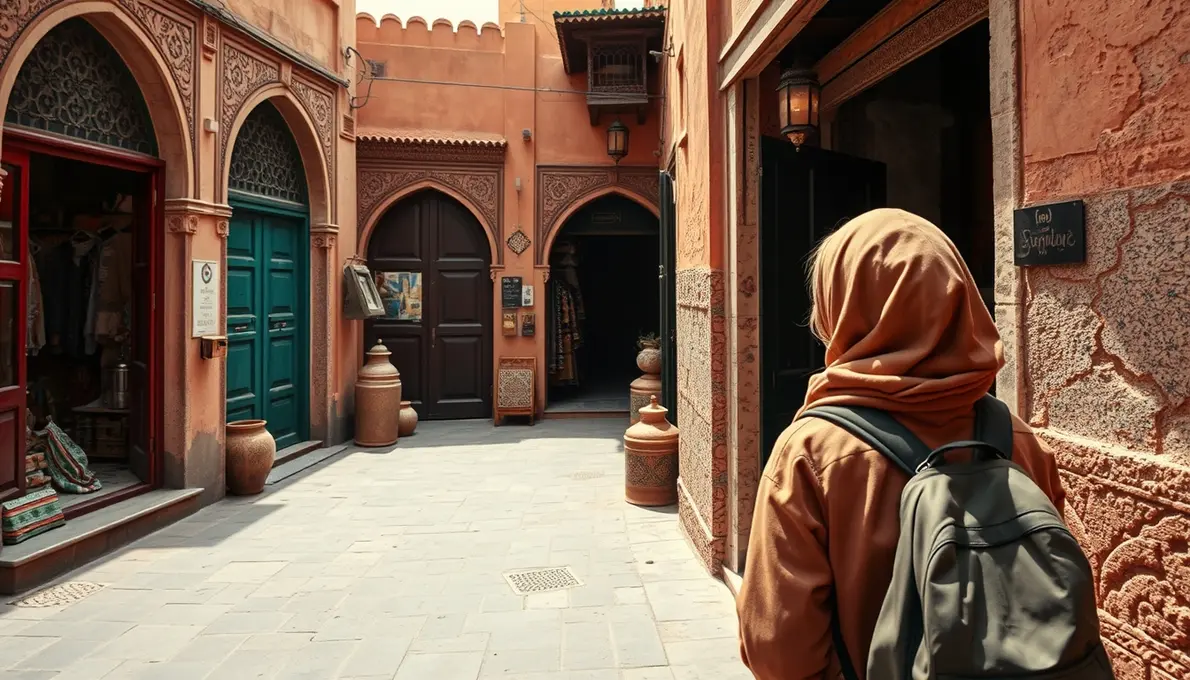
Marrakech. The very name evokes images of vibrant colours, exotic spices, and the hypnotic rhythm of a city steeped in history. For many, the heart of this ancient imperial city beats strongest within its labyrinthine souks. This ultimate Marrakech souks guide is designed to navigate you through the bustling alleyways, reveal the secrets to smart shopping, and uncover some of the hidden gems tucked away from the main thoroughfares. More than just a marketplace, the Marrakech souks are a theatre of daily life, a sensory overload that defines the city’s unique charm, and an unmissable experience for any visitor.
Navigating the Labyrinth: An Overview of the Marrakech Souks
Stepping into the Marrakech souks is like entering another dimension. It’s an intricate web of narrow passages, each spilling into the next, creating a glorious maze that can be both exhilarating and a little overwhelming. Forget pre-designed grid systems; the souks evolved organically over centuries, growing around mosques, fondouks (caravanserais), and workshops. While it might seem chaotic, there’s an underlying logic to their arrangement, with different crafts traditionally occupying specific areas. Understanding this general layout can be your first step to unlocking their magic.
The main entrance points to the souks are usually around Djemaa el-Fna, the city’s iconic main square. From here, you’ll find main arteries branching off, which then fragment into countless smaller lanes, each promising new discoveries. Unlike modern shopping malls, the souks aren’t about sleek displays or quiet browsing. Here, negotiation is an art form, and interaction with merchants is part of the cultural experience. You’ll encounter everything from intricate leather goods to shimmering textiles, aromatic spices to hand-carved wooden treasures. It’s a journey for all the senses, where the scent of cedarwood mingles with mint tea, and the call of a merchant harmonizes with the distant rhythm of Gnawa music. Don’t be afraid to get a little lost; often, the most rewarding finds are stumbled upon unexpectedly.
Mastering the Art of Souk Shopping: Tips for a Rewarding Experience
Shopping in the Marrakech souks is less about simply buying an item and more about the entire interaction. It’s a dance between buyer and seller, a friendly negotiation that’s deeply ingrained in Moroccan culture. Approaching it with the right mindset will not only get you better deals but also enhance your overall enjoyment.
Firstly, patience is paramount. Don’t rush into a purchase. Browsing is encouraged, and it’s perfectly acceptable to inquire about prices without an immediate commitment to buy. Merchants can be persistent, but a polite “La, shukran” (No, thank you) or “Ghali bzaf” (Too expensive) with a smile usually suffices if you’re not interested.
Bargaining, or “haggling,” is expected. It’s a cornerstone of the souk experience. A good starting point is to offer between 30% to 50% of the initial asking price, then slowly work your way up. The key is to keep it light-hearted and respectful. If you genuinely want an item, show enthusiasm, but also be prepared to walk away if the price isn’t right. Often, a merchant will call you back with a better offer. Always remember to agree on a final price before handing over any money. If you’re unsure about fair pricing for typical goods, a quick search on other travel blogs or asking a local guide can provide a baseline, though prices can always fluctuate.
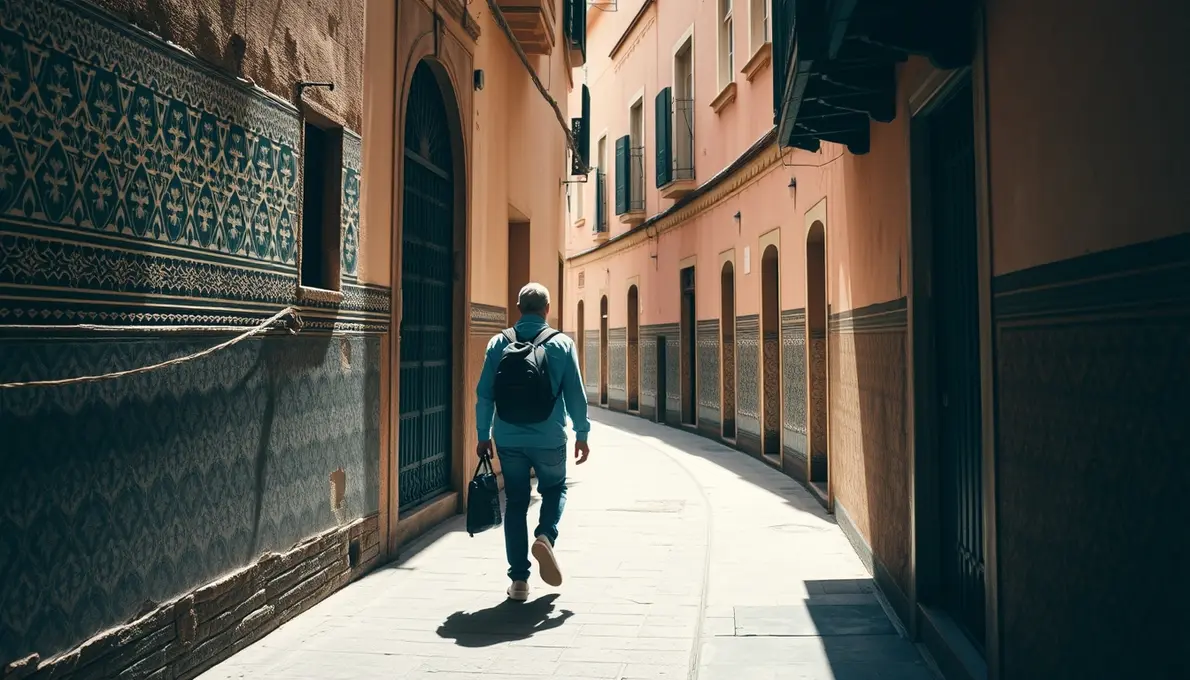
Cash is king in the souks. While some larger shops might accept cards, many smaller stalls operate purely on cash. Having a mix of smaller denominations (dirhams) will make transactions smoother and is especially useful for smaller purchases or if you decide to buy something from a street vendor. Keep your cash in a secure place, ideally not all in one pocket.
Consider the time of day. The souks are busiest in the late morning and late afternoon, and these are often the most atmospheric times, but can also be the most crowded. Early mornings can offer a calmer experience with dedicated sellers reopening their stalls. In the heat of the afternoon, some smaller stalls might temporarily close. This Marrakech souks guide recommends setting aside a good few hours, or even multiple visits, to truly absorb the atmosphere and find what you’re looking for.
Beyond the Baubles: Unearthing Hidden Gems and Authentic Experiences
While the main arteries of the Marrakech souks are brimming with popular tourist items, some of the most authentic and rewarding experiences lie off the beaten path. These hidden gems offer a glimpse into the traditional crafts and daily life that have sustained the souks for centuries.
One such area is the Souk des Teinturiers, the dyers’ souk. Even if you don’t plan to buy textiles, the sight of vibrant wools and silks hanging to dry from wooden beams, filling the air with their rich pigments, is a photographer’s delight and a truly authentic Moroccan scene. You might even observe artisans at work, dipping fabrics into large vats of natural dyes made from saffron, indigo, and henna.
Another fascinating stop is the Rahba Lakdima, or the old spice square. This isn’t just where you buy spices for your kitchen; it’s where traditional apothecaries sell an incredible array of herbs, natural remedies, and traditional cosmetics. The air here is thick with the scent of cumin, turmeric, ras el hanout, and intriguing concoctions. Don’t be shy about asking questions; the herbalists often have fascinating stories and knowledge to share about the ancient uses of these natural products.
For those interested in traditional Moroccan leatherwork, venture into the Souk Cherratine, the leatherworkers’ souk. Here, you can observe craftsmen creating everything from embossed poufs to intricate handbags and babouches (traditional slippers). The sight of artisans meticulously tooling leather is a testament to the enduring skills passed down through generations. While this area sells some of the same goods you’d see elsewhere, watching the creation process adds a layer of appreciation.
Finding these spots often involves a bit of informed wandering or asking locals for directions (though be wary of “helpful” people who might lead you to a relative’s shop). Some riads or local guides can point you in the right direction or even offer specific souk tours focused on crafts or food, which can be an excellent way to uncover these less-obvious treasures and gain deeper insights into the culture.

A Taste of the Souks: Culinary Delights and Refreshing Pauses
The Marrakech souks aren’t just about shopping; they’re also a vibrant culinary landscape. As you navigate the winding alleyways, you’ll undoubtedly encounter a myriad of enticing aromas and opportunities for delicious refreshments. Street food is an integral part of the souk experience and offers a chance to refuel and immerse yourself further in local life.
Keep an eye out for small, unassuming stalls selling M’semen, a delicious flaky Moroccan pancake, often served with honey or cheese. It’s a perfect quick breakfast or snack. You might also find Harira, a traditional Moroccan lentil and chickpea soup, especially popular during cooler evenings or for breaking the fast during Ramadan. It’s hearty, flavourful, and incredibly comforting.
For a refreshing break from the heat and the hustle, omnipresent juice stalls offer freshly squeezed orange juice, often made right before your eyes. Pomegranate, grapefruit, and mixed fruit juices are also common and brilliantly revitalizing. These are incredibly affordable and a quintessential souk experience. Then there’s the famous Moroccan mint tea – a ritual more than just a drink. Many shops will offer you a complimentary glass of sweet mint tea (Atay bi naanaa) while you browse, a gesture of hospitality that shouldn’t be refused. It’s part of the charming sales approach.
Beyond the immediate souks, but often accessed from within, you’ll find small local eateries offering tagines, couscous, and grilled meats. These hole-in-the-wall spots are where locals eat, offering authentic flavors at very reasonable prices. Don’t expect fine dining; do expect delicious, unpretentious Moroccan cuisine. This Marrakech souks guide encourages you to be adventurous and try some of the local delicacies – it’s an essential part of understanding the city’s soul. Remember to carry hand sanitizer, and if you’re concerned about water, stick to bottled water.
Respecting Local Customs & Staying Mindful
While the Marrakech souks are generally welcoming and vibrant, being mindful of local customs and exercising smart travel practices will significantly enhance your visit. Morocco is a conservative, predominantly Muslim country, and showing respect for local culture is greatly appreciated.
When it comes to dress, modest attire is advisable, especially for women. Covering shoulders and knees will help you blend in more and avoid unwanted attention, particularly when venturing into less touristy areas of the souks or visiting religious sites nearby.
Photography is an art and a privilege. While general scenes in the souks are often splendid to capture, always ask permission before taking close-up photos of individuals, especially merchants at their stalls or street performers. Some may expect a small gratuity for being photographed, especially the snake charmers and storytellers in Djemaa el-Fna. A polite “mumkin nsuwwar?” (Can I take a photo?) goes a long way.
Beggars are present in some areas of the souks and the main square. While it is entirely your discretion whether to give money, doing so can sometimes attract more attention. If you wish to contribute to the local community, consider buying from local artisans or donating to reputable charities.
Regarding safety, the souks are generally safe during the day, but like any crowded marketplace, pickpocketing can occur. Keep your valuables secure and out of sight. A cross-body bag or a money belt worn under clothing is a good idea. At night, while parts of the souks remain open and lively, some of the narrower, less-lit alleyways can feel less secure, so it’s generally recommended to stick to well-trafficked areas or return to your accommodation before it gets too late. Navigating the dense network of stalls can be disorienting, so consider carrying a reliable map app on your phone (downloaded offline, as connectivity can be patchy) or a physical map to help with orientation.
If you’re planning on venturing further afield into Morocco’s stunning desert landscapes after your souk adventure, remember to consult a comprehensive Marrakech souks guide for your desert packing list essentials. And for general travel advice and destination insights, a global resource like Marrakech market tips can offer broader perspectives.
This comprehensive Marrakech souks guide aims to equip you with the knowledge and confidence to explore these magnificent marketplaces. From the vibrant colours of the dyers’ souk to the enticing aromas of the spice square, each corner holds a story waiting to be discovered.
Conclusion
The Marrakech souks are more than just a collection of shops; they are the pulsating heart of the Red City, a living museum of Moroccan culture, craftsmanship, and trade. To truly experience Marrakech, you must dive headfirst into this vibrant marketplace, letting your senses guide you through its intricate network of stalls and workshops. Be prepared for a sensory explosion, embrace the friendly haggling, and allow yourself to get delightfully lost in the magic. Following this ultimate Marrakech souks guide, you’ll uncover both well-known treasures and hidden gems, leaving with not just souvenirs, but unforgettable memories of an truly authentic Moroccan adventure.

FAQs
What are the main types of goods I can find in the Marrakech souks?
The Marrakech souks offer an incredible variety of goods. You can find exquisite leather products like bags, shoes (babouches), and poufs; intricate metalwork including lamps, trays, and jewellery; hand-woven carpets and textiles; aromatic spices and traditional remedies; ceramics, pottery, and vibrant tagines; beautiful wooden carvings, especially cedarwood items; and a vast array of argan oil products and traditional Moroccan cosmetics.
Is it safe to wander the Marrakech souks alone?
Generally, yes, it is safe to explore the Marrakech souks during the day. Locals are usually friendly and helpful. However, like any busy tourist area, it’s wise to be aware of your surroundings, keep an eye on your belongings to prevent pickpocketing, and try to avoid very narrow, dimly lit alleyways, especially after dark. Getting lost is part of the experience, but having a map or offline GPS can be reassuring.
How much should I haggle when buying items in the souks?
Haggling is an expected and integral part of shopping in the Marrakech souks. A good starting point is to offer between one-third and half of the initial asking price. From there, you engage in a friendly negotiation to reach a mutually agreeable price. The key is to be polite, have fun with it, and be prepared to walk away if you can’t agree on a fair price. Don’t show too much eagerness for an item right away.
What is the best time of day to visit the Marrakech souks?
The souks are generally lively from late morning through to the evening. Late morning (around 10-11 AM) and late afternoon (after 4 PM) are often the most atmospheric times, with the markets buzzing with activity. If you prefer a quieter experience with fewer crowds and more attentive vendors, visiting earlier in the morning can be a good option. Some stalls might close for a few hours in the peak heat of the afternoon.



 Covers cities, coast, mountains, desert & food