
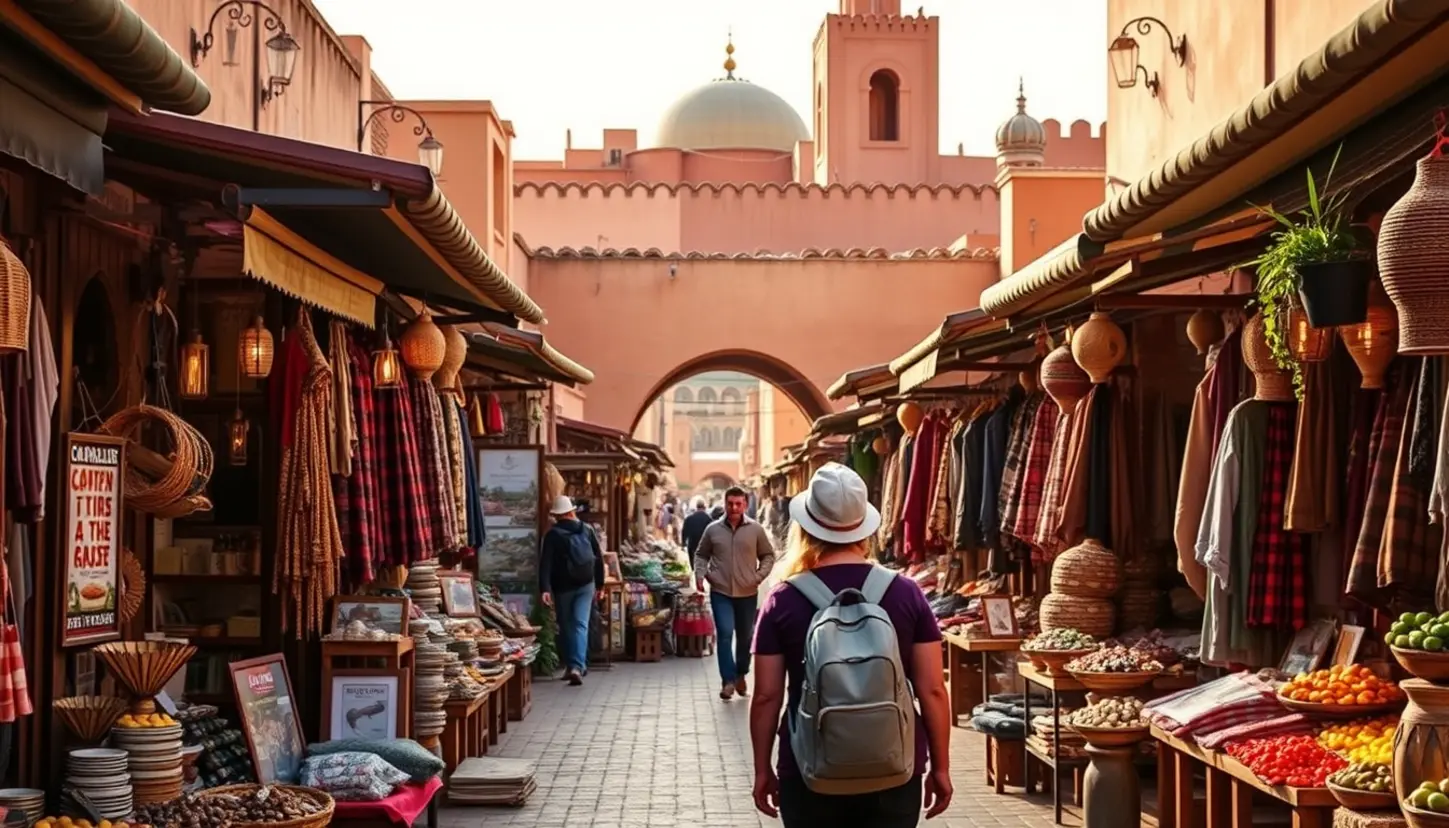
Stepping into the Marrakech souks is like entering a vibrant, sensory kaleidoscope. The sheer energy, the dazzling array of goods, and the labyrinthine alleyways create an unforgettable experience that defines much of what a visit to the Red City is all about. This comprehensive Marrakech souks guide will take you through the intricacies of navigating these ancient markets, offering essential tips, revealing hidden gems, and helping you master the art of Moroccan shopping. Get ready to dive into the heart of Marrakech’s commerce and culture.
Unraveling the Labyrinth: Understanding the Souk Structure
The Marrakech souks aren’t a single market but rather a vast collection of smaller, specialized markets, each dedicated to a particular craft or commodity. This ancient organizational system, dating back centuries, is both fascinating and, at first glance, incredibly confusing. Picture a sprawling, organic network of narrow pathways, some covered, some open to the sky, all stemming from the Djemaa el-Fna square. As you delve deeper, you’ll notice the souks often branch out like arteries from major veins. Understanding this structure is half the battle; it helps you appreciate the history and makes it a bit easier to find your way back out! Each souk has its own distinct character, specializing in anything from leather goods to spices, pottery to intricate lanterns. Knowing what you’re looking for can help you pinpoint the right section, but sometimes, getting lost is part of the adventure.
Essential Tactics for Navigating the Souks
Navigating the Marrakech souks can feel overwhelming, but a few key strategies will enhance your experience immensely. First and foremost, embrace the organized chaos. It’s a place to wander, explore, and let your senses guide you. Dress respectfully and comfortably – you’ll be doing a lot of walking, and covering your shoulders and knees is always a good idea in Moroccan markets. While getting deliberately “lost” can be charming, it’s wise to carry a small, locally purchased map or use an offline map app on your phone as a backup. Note prominent landmarks near your entry points. When you first enter, avoid making eye contact with every vendor; a polite glance is fine, but sustained eye contact can be an invitation to engage in conversation. Most importantly, learn a few basic Darija phrases like “La shukran” (no, thank you) to politely decline offers. This shows respect and can save you from unwanted pressure.
The Art of Moroccan Bartering: Mastering the Negotiation
Ah, bartering! This is arguably the most intimidating aspect for many first-time visitors to the Marrakech souks, yet it’s an integral part of the shopping culture. Think of it not as a confrontation, but as a friendly game, a social interaction that’s expected and often enjoyed by both buyer and seller. The golden rule: never accept the first price. A good starting point is to offer between 30% and 50% of the initial asking price. Be polite, patient, and good-humored. If you’re not interested, a firm but gentle “La shukran” and walking away is perfectly acceptable. If you are interested, take your time, inspect the item, and engage in a back-and-forth until you reach a price you’re both happy with. It’s also wise to have small denominations of dirhams on hand. Remember, once you agree on a price, you are generally expected to purchase the item, so only negotiate for things you genuinely want. This art of negotiation is a true immersion into local customs and an essential part of any Marrakech souks guide.
Distinct Souks and Their Specialties: A Shopper’s Guide
Exploring the varied sections of the Marrakech souks is a journey in itself, each area offering unique treasures.
- Souk Semmarine: This is often the main entry point from Djemaa el-Fna, and it’s a bustling thoroughfare. Here, you’ll find everything from leather goods, clothing, and textiles to ceramics and metalwork. It’s a great place to start, but prices here can be higher due to its prime location.
- Souk Cherratine: Dedicated to leather, this souk is where you’ll find an incredible array of bags, belts, wallets, and traditional poufs. The quality varies, so inspect items carefully.
- Souk des Teinturiers (Dyers’ Souk): A photographer’s dream! You’ll be captivated by the vibrant skeins of dyed wool hanging to dry above the alleyways. While beautiful, this is a working souk, and you might find more raw materials than finished products, though some textile shops are nearby.
- Souk Haddadine (Blacksmiths’ Souk): The rhythmic clang of hammers on metal fills the air here. Artisans craft beautiful lanterns, metal tables, and various decorative items. It’s fascinating to watch them work.
- Souk el Khemis (Thursday Market): A little further afield, often requiring a taxi, this is a massive flea market held on Thursdays. It’s less touristy and more authentic, offering antiques, vintage items, and everyday goods at potentially better prices.
- Souk Smata: The slippers and shoes souk, particularly known for its colorful babouches (traditional Moroccan slippers).
- Souk Sebbaghine (Dyeing Souk): This is where you might still see traditional dying methods in action, though it’s less prevalent now.
- Souk Chouari: Dedicated to woodworking, this souk showcases beautifully carved cedar boxes, chess sets, and furniture. The smell of cedar is intoxicating.
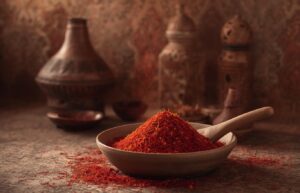
- Souk des Epices (Spice Souk): Found near Rahba Kedima square, this aromatic market is packed with exotic spices, argan oil, traditional medicines, and dried fruits. The vendors here are often very knowledgeable about their products. Just be aware of potential tourist traps – not all saffron is real saffron.
Each souk tells its own story, and finding your way through them is a key part of the Marrakech souks guide experience.
Hidden Gems and Authentic Experiences Within the Markets
Beyond the main thoroughfares, the Marrakech souks hold countless hidden treasures and authentic experiences. Don’t be afraid to venture down smaller, less crowded passages. You might stumble upon tiny workshops where artisans practice centuries-old crafts, oblivious to the bustling crowds just meters away. Look out for individual ateliers specializing in intricate jewelry, often passed down through generations. These small, family-run shops offer a more personal shopping experience and often higher quality goods. Keep an eye out for local eateries tucked away in corners, serving delicious tagines or pastilla to local workers – these are real culinary gems, often offering a more authentic taste of Moroccan cuisine than the larger restaurants. Another hidden gem is finding a rooftop café within the souks themselves. These offer a tranquil escape from the noise and incredible panoramic views over the market, providing a unique perspective on the intricate tapestry below. These are the moments that truly make your Marrakech souks guide come alive.
Practical Considerations: Money, Safety, and Communication
When exploring the Marrakech souks, a few practicalities can make all the difference. Always carry small denominations of Moroccan Dirhams (MAD). While some larger shops might accept credit cards, most smaller vendors and street stalls operate on cash only. This also makes bartering easier. Be mindful of your belongings; pickpocketing can occur in crowded areas, so keep wallets and phones secured. It’s generally safe, but common sense precautions apply. If you feel lost or overwhelmed, look for a landmark, or ask a shopkeeper for directions – they are often helpful, though some might offer to guide you for a small fee. Politely decline if you prefer to find your own way, or negotiate a small fee upfront if you accept their help. Learning a few basic Arabic or French phrases like “Shukran” (thank you), “Afak” (please), and “Kam el taman?” (how much is it?) will go a long way in facilitating pleasant interactions. Remember, patience and a good sense of humor are your best allies in the vibrant, bustling environment of the souks.
Beyond Shopping: Soaking in the Souk Atmosphere
While the irresistible allure of shopping defines much of the Marrakech souks experience, it’s just as much about soaking in the unique atmosphere. Take a moment to simply observe. Watch the donkeys laden with goods, the vendors expertly stacking their wares, the constant flow of people from all walks of life. The smells are a heady mix of exotic spices, fresh mint, tanned leather, and burning cedarwood. The sounds comprise the call to prayer, the chatter of merchants, the clatter of artisans at work, and the occasional scooter weaving through the crowds. These sensory details create a living, breathing tapestry that is uniquely Moroccan. Find a quiet corner café, order a mint tea, and just watch the world go by. This is where you connect with the pulse of the city, understanding why these markets have been the heart of Marrakech for centuries. It’s an experience that transcends mere commerce and becomes a profound cultural immersion. This holistic approach is crucial for any effective Marrakech shopping tips.
Conclusion
The Marrakech souks are more than just markets; they are the beating heart of the city, a vibrant ecosystem where history, craftsmanship, and daily life converge. From the thrill of bartering for exquisite goods to discovering hidden artisan workshops, and simply absorbing the intoxicating atmosphere, navigating these ancient alleyways is an adventure in itself. Armed with this Marrakech souks guide, you are now ready to dive deep into this sensory wonderland, find your treasures, and create unforgettable memories.
FAQs
What is the best time of day to visit the Marrakech souks?
The souks are generally busiest in the late morning and late afternoon. Visiting early in the morning, right after they open (around 9-10 AM), can offer a slightly calmer experience with fewer crowds. Late afternoon (after 4 PM) offers cooler temperatures and a different atmosphere as the light changes, leading up to the night-time buzz of Djemaa el-Fna.
Is it safe to wander through the souks alone, especially as a woman?
Yes, it is generally safe to wander through the souks alone. However, like any crowded tourist area, it’s wise to be aware of your surroundings, keep your belongings secure, and ignore persistent touts or unsolicited guides. Dressing modestly can also help in feeling more comfortable and respectful of local customs.
How do I handle street vendors and unsolicited guides in the souks?
Politely but firmly say “La shukran” (no, thank you) and keep walking if you’re not interested. Avoid engaging in long conversations if you don’t intend to buy, as this can be mistaken for interest. If someone claims a path is closed or tries to lead you somewhere, verify with a legitimate shopkeeper or politely decline. Trust your instincts.
What are some unique items I should look for when shopping in the Marrakech souks?
Beyond the well-known items like leather poufs and spices, consider looking for unique hand-painted ceramics (especially from the Fes region), intricate silver jewelry with Berber designs, high-quality argan oil (ensure it’s pure and from a reputable seller), cedarwood carvings, traditional brass lanterns, and hand-woven rugs or textiles that reflect local craftsmanship.



 Covers cities, coast, mountains, desert & food