
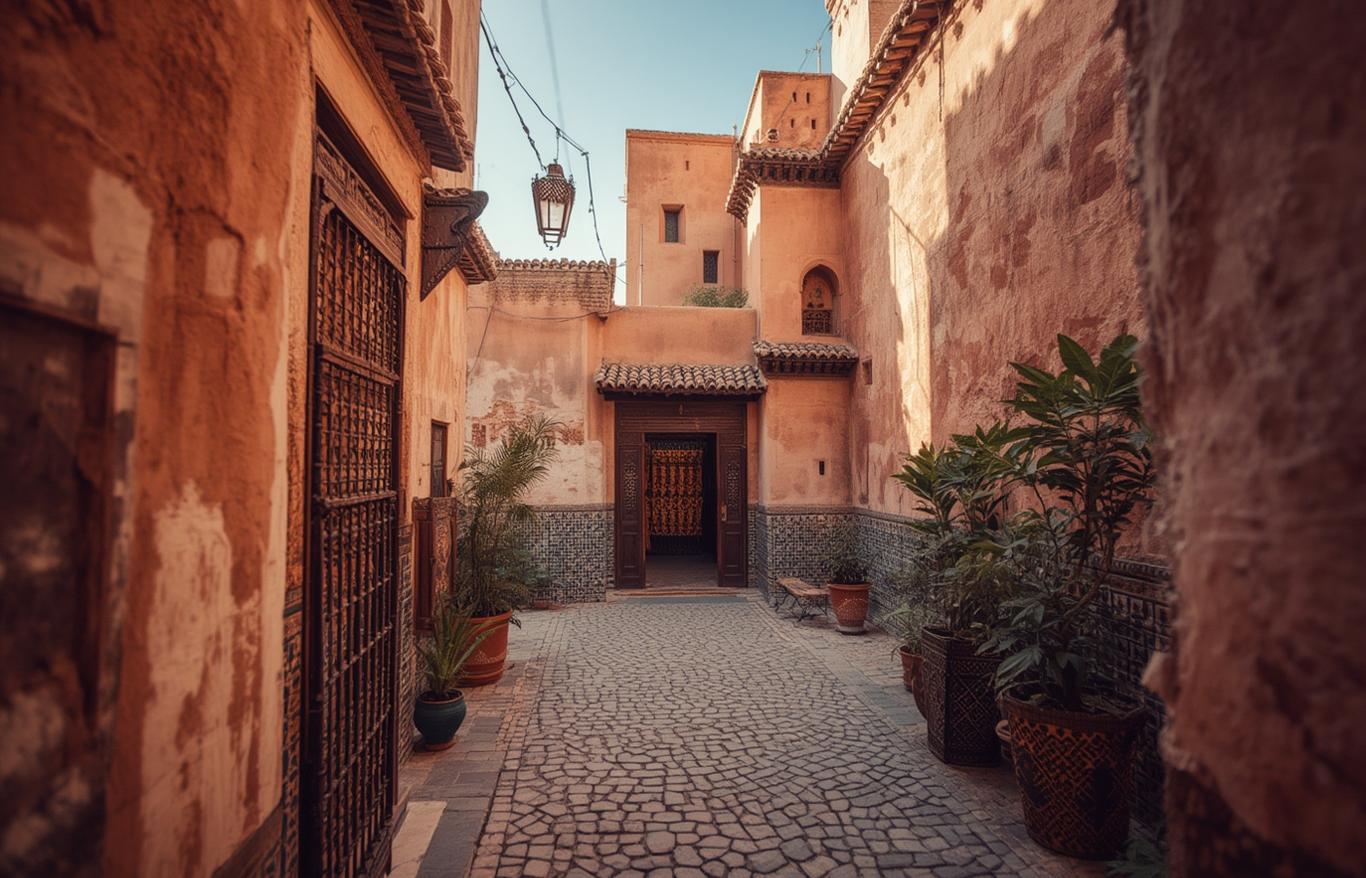
When you step into marrakech morocco, you enter a city that feels like it exists in two worlds at once. The call to prayer echoes over ancient medina walls while European tourists sip espresso in rooftop cafés. Donkey carts piled with oranges weave between motorbikes, and the air smells of spice, leather, and mint tea simmering on a hundred tiny stoves. This isn’t just Morocco’s most famous destination—it’s a living theater where centuries of history collide with modern ambition, creating an energy you won’t find anywhere else.
Known as the Red City for its distinctive ochre-colored buildings, Marrakech sits at the foot of the snow-capped Atlas Mountains, a geographical position that has made it a crossroads of culture, trade, and conquest for nearly a thousand years. Today, it draws millions of visitors annually, yet somehow retains an authenticity that keeps travelers coming back. Whether you’re navigating the labyrinthine souks, watching snake charmers in Jemaa el-Fnaa, or escaping into the tranquility of the Majorelle Garden, Marrakech reveals itself slowly, rewarding curiosity with unforgettable moments.
The Beating Heart: Jemaa el-Fnaa and the Medina Quarter
At the center of Marrakech’s old city lies Jemaa el-Fnaa, a sprawling square that transforms throughout the day. In the morning, it’s relatively calm—orange juice vendors squeeze fresh fruit while a few storytellers gather small crowds. By afternoon, the energy builds: acrobats tumble across worn stones, henna artists beckon tourists, and musicians play traditional Gnawa rhythms. Come sunset, the square explodes into Morocco’s greatest open-air spectacle. Food stalls appear as if by magic, smoke billowing from grills loaded with merguez sausages, lamb skewers, and snail soup. The cacophony is overwhelming—hawkers shouting, drums beating, crowds pressing forward—but there’s something magnetic about it.
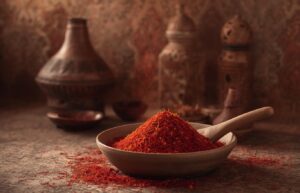
Beyond the square, the medina unfolds like a medieval puzzle. Streets narrow into alleys barely wide enough for two people, then open into hidden squares where neighborhood residents chat on benches. Getting lost here isn’t a problem—it’s part of the experience. The souks specialize by trade: you’ll wander through the metal-workers’ quarter where artisans hammer brass trays, then into the textile district where silk scarves cascade from ceiling hooks. Leather tanners work in the northeast corner, their centuries-old vats creating one of Morocco’s most pungent (and photographed) scenes. Each turn reveals carpet sellers sipping tea, spice merchants displaying pyramid mounds of saffron and cumin, or children playing soccer in courtyards visible through half-open doors.
The medina’s architecture tells its own story. Riads—traditional houses built around interior courtyards—line these streets, their plain exteriors hiding lavish interiors with carved cedar ceilings, zellige tilework, and bubbling fountains. Many now operate as boutique hotels, offering travelers authentic accommodation within walking distance of the action.
Architectural Treasures That Define the City
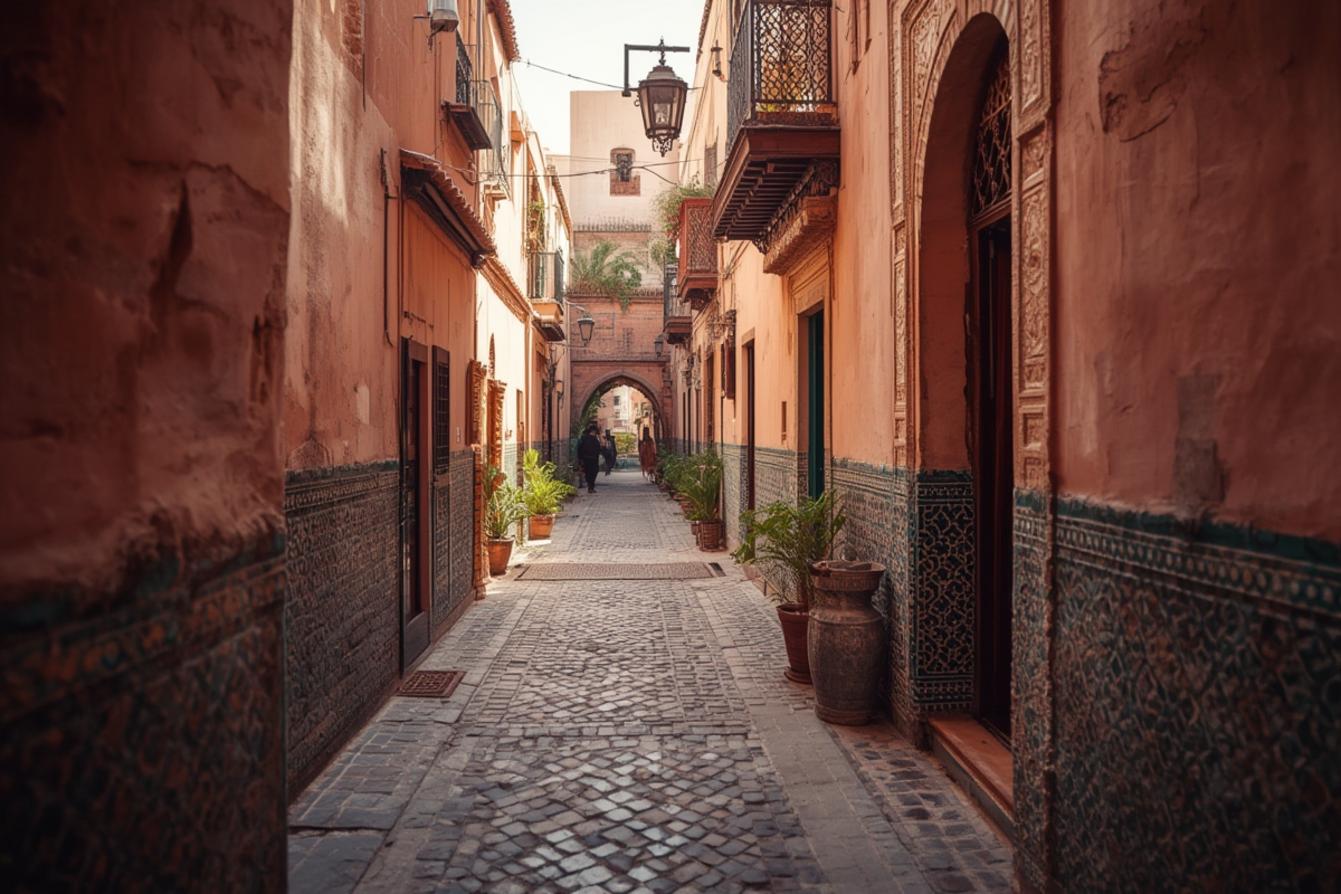
The Koutoubia Mosque dominates Marrakech’s skyline with its 70-meter minaret, visible from almost everywhere in the old city. Built in the 12th century, it serves as the city’s architectural reference point—no building can legally exceed its height. While non-Muslims cannot enter, the exterior alone warrants a visit, especially at sunset when the call to prayer rings out and the stone glows amber in the fading light. The gardens surrounding the mosque offer a peaceful retreat from the medina’s intensity.
For interior splendor, the Bahia Palace delivers in spectacular fashion. This 19th-century masterpiece was built for Si Moussa, a former slave who became Grand Vizier, and its name means “brilliance.” Wandering through its rooms and courtyards, you’ll encounter hand-painted cedar ceilings, intricate stucco work, and marble fountains. Each wife and concubine had separate quarters decorated in slightly different styles, creating a fascinating study in Islamic architectural variation. The palace gardens, with their orange trees and shaded pavilions, provide context for how Morocco’s elite once lived.
The Saadian Tombs, rediscovered in 1917 after being sealed for centuries, contain the remains of Saadian dynasty rulers. The mausoleums feature some of Morocco’s finest tilework and woodcarving, with the Hall of Twelve Columns serving as the centerpiece. Though small, the site offers concentrated beauty and historical weight—standing where Moroccan sultans were laid to rest connects visitors directly to the city’s royal past.
Ben Youssef Madrasa, once North Africa’s largest Islamic college, educated students for centuries before closing in 1960. Today it operates as a museum where you can explore student cells (tiny by modern standards) and marvel at the prayer hall’s carved plaster and cedar wood. The central courtyard, with its reflecting pool and geometric perfection, embodies Islamic architectural philosophy where beauty serves spiritual contemplation.
Gardens as Urban Sanctuaries
Marrakech’s intense energy makes its gardens not just attractions but necessary breathing spaces. The Majorelle Garden, created by French painter Jacques Majorelle in the 1920s and later restored by Yves Saint Laurent, offers a botanical escape painted in vivid cobalt blue. Bamboo groves, cactus gardens, and pools filled with water lilies create a microclimate that feels worlds away from the surrounding city. The garden stays crowded, particularly mid-morning when tour groups arrive, but early visitors can enjoy relative peace. The Berber Museum on-site provides excellent context for Morocco’s indigenous culture.
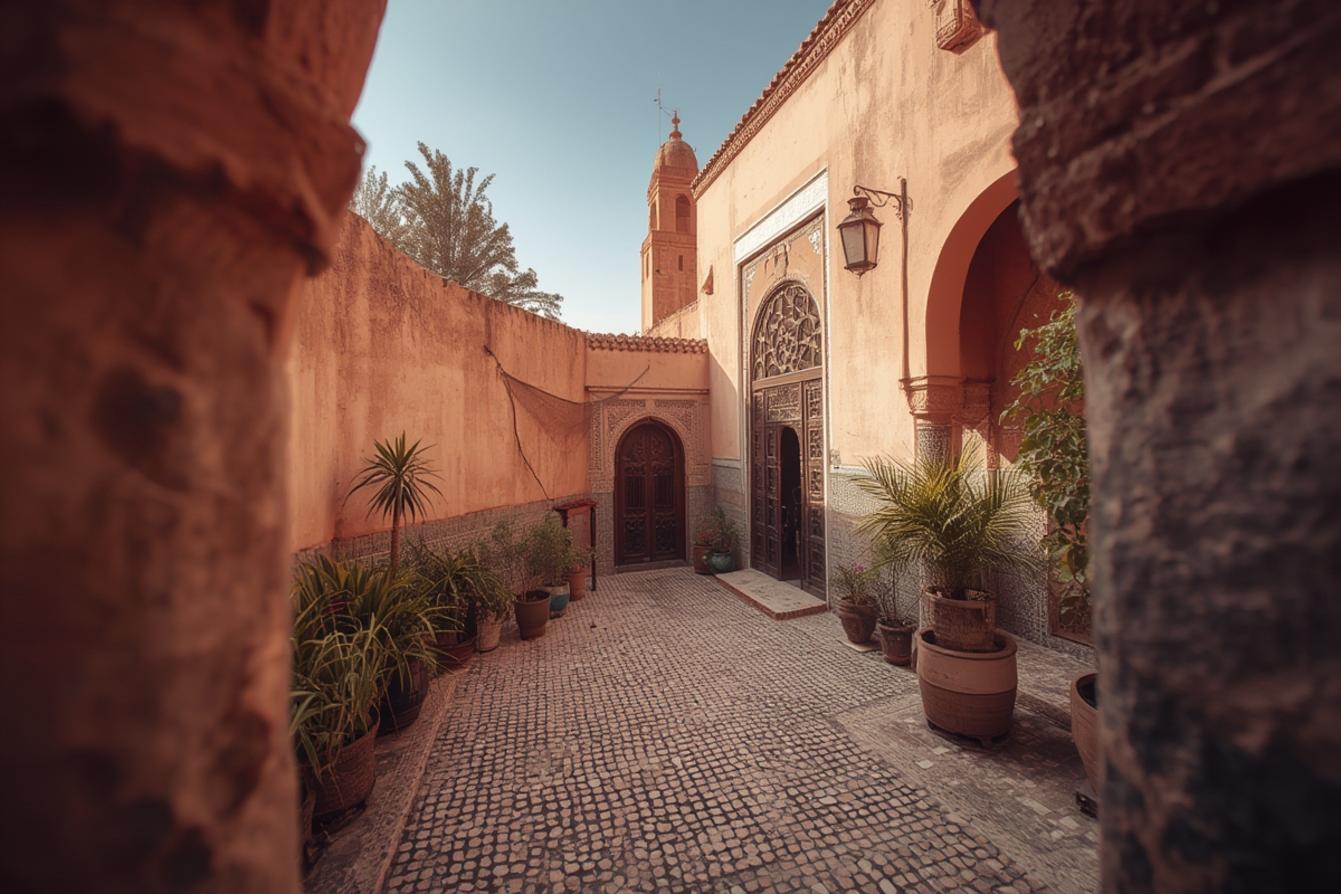
Less famous but equally valuable, the Menara Gardens extend across olive groves west of the medina. The central pavilion overlooks a reflecting pool with Atlas Mountain views—this is where locals come to picnic, couples stroll, and photographers wait for perfect sunset light. Unlike Majorelle’s curated landscape, Menara feels functional and unpretentious, a working agricultural space that happens to be beautiful.
The Secret Garden (Le Jardin Secret) in the medina demonstrates Islamic garden design principles with its exotic and Islamic garden sections. Restored over several years, it reveals how Marrakech’s wealthy merchants created private paradises within the city’s dense fabric. The tower offers panoramic medina views—particularly useful for understanding how the city is laid out.
Culinary Adventures Beyond Tagine
While tagine and couscous anchor Moroccan cuisine, marrakech morocco offers food experiences that go far deeper. Start mornings at local cafés where residents dunk msemen (flaky flatbread) into olive oil and honey, washing it down with strong café au lait. Street vendors sell fresh orange juice squeezed to order—it’s become touristy but remains genuinely good and ridiculously cheap.
For lunch, follow locals to neighborhood spots like those around Mouassine Mosque where tangia slow-cooks in clay urns, creating fall-apart-tender meat infused with preserved lemon and spices. Sandwich shops stuff khobz (Moroccan bread) with kefta, fried sardines, or vegetable combinations that cost less than two dollars and satisfy completely.
Evening brings opportunities for more elaborate dining. Restaurants in the medina serve mechoui (whole roasted lamb), pastilla (sweet-savory pigeon pie), and harira soup ladled from copper tureens. Rooftop restaurants offer atmosphere alongside food—watching the medina transition to night while eating is part of Marrakech’s appeal. Places like Nomad and Cafe Clock blend traditional recipes with modern presentation, attracting travelers who want authenticity without sacrificing comfort.
Food tours reveal layers most visitors miss: where to buy the best dates, which stall makes superior olive bread, how to distinguish high-quality argan oil from diluted versions. These experiences, often led by Marrakchi natives, transform eating from sustenance into cultural education. The Amal Women’s Training Center offers cooking classes where Moroccan women teach traditional recipes while building professional skills—your tagine lesson supports real community development.
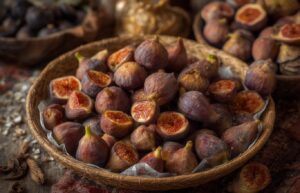
Don’t overlook dessert. Pastry shops display mountains of chebakia (sesame cookies), kaab el ghazal (gazelle horn pastries), and fresh dates stuffed with almond paste. Moroccan sweets pair perfectly with the mint tea that flows constantly throughout the city.
Navigating Marrakech’s Dual Identity: Old and New
Understanding Marrakech requires recognizing its split personality. The medina represents historical Morocco—chaotic, traditional, trading on centuries-old practices. Across Avenue Mohammed VI lies Gueliz, the ville nouvelle (new city) built during French colonial rule, where wide boulevards host international brands, modern cafés, and Morocco’s emerging middle class going about daily business.
Gueliz offers relief when the medina overwhelms. Tree-lined streets, reliable restaurants with posted prices, and shopping without negotiation provide familiar comfort. The contrast between these zones—sometimes just a ten-minute walk apart—illustrates Morocco’s ongoing negotiation between tradition and modernity.
Getting around requires strategy. The medina remains largely car-free, meaning walking is primary. Taxis (petit taxis for in-city, grand taxis for longer distances) are cheap but require negotiation or insisting on the meter. Many visitors hire private drivers for day trips—this costs more but eliminates transport stress. For the adventurous, local buses connect major areas for minimal money, though routes can confuse newcomers.
Calèches (horse-drawn carriages) circle the medina walls and Menara Gardens, offering leisurely tours though animal welfare concerns make some travelers uncomfortable. Increasingly, bicycle rental shops cater to visitors wanting active exploration of Gueliz and the Palmeraie.
The Atlas Mountains: Marrakech’s Mountain Backdrop
Part of what makes Marrakech magical is what surrounds it. The Atlas Mountains rise dramatically south of the city, their snow-capped peaks visible on clear days from rooftop terraces. Day trips into these mountains transform your Marrakech experience from urban to wild within an hour’s drive.
The Ourika Valley, closest to the city, follows a river through Berber villages where mountain life continues largely unchanged. You can hike to waterfalls, visit traditional homes, and buy local crafts directly from artisans. Further adventures lead to Imlil, the gateway for trekking North Africa’s highest peak, Jebel Toubkal. Even without summiting, the mountain villages around Imlil offer spectacular scenery, welcoming guesthouses, and genuine cultural exchange.
Winter visitors can actually ski in the Atlas—Oukaimeden ski resort operates from January through March, creating the surreal possibility of skiing in the morning and having mint tea in Jemaa el-Fnaa by evening. The mountains also provide summer escape when Marrakech’s heat becomes oppressive; temperatures drop significantly with altitude.
These mountain excursions aren’t technically Marrakech, but they’re so integrated into the visitor experience and so accessible from the city that they function almost as extended neighborhoods. Many travelers specifically choose Marrakech as their Moroccan base precisely because of this mountain access, unavailable from coastal cities like Casablanca.
For those looking to understand where marrakech morocco fits within the country’s broader tourism landscape, these mountain connections provide crucial context—the city serves as Morocco’s adventure capital precisely because of its geographical position.
Practical Wisdom for First-Time Visitors
Visiting Marrakech successfully requires preparation beyond basic travel planning. The city rewards those who understand its rhythms while remaining flexible when things don’t go as expected.
Accommodation choice significantly affects your experience. Staying in a medina riad immerses you in traditional architecture and culture, with breakfast on rooftop terraces and proprietors who guide you to their favorite spots. However, medina locations mean navigating narrow streets with luggage and tolerating nighttime mosque loudspeakers. Gueliz hotels offer modern amenities, easier taxi access, and quieter nights, but you’ll need transport to reach major attractions.
Dress considerations matter more here than in coastal Morocco. While Marrakech sees enough tourists that locals tolerate various clothing styles, covering shoulders and knees shows respect and reduces unwanted attention, particularly for women. The city feels less conservative than rural Morocco but more traditional than Casablanca.
Negotiation is fundamental to medina commerce. Initial asking prices often triple reasonable amounts. Polite haggling—done with humor and patience—is expected and even enjoyed. Walking away often produces dramatic price drops. For goods with more standardized costs like food and transport, asking locals about fair prices helps avoid overpaying.
French works as a second language throughout Morocco, and basic phrases help significantly. Arabic (specifically Darija, Moroccan Arabic) is appreciated but not required. Many medina merchants speak impressive English, particularly those in tourist-heavy areas.
According to morocco tourism historical records, the city’s founding in 1062 by Abu Bakr ibn Umar established it as an imperial capital whose influence continues today—understanding this historical weight adds depth to your wandering.
Conclusion
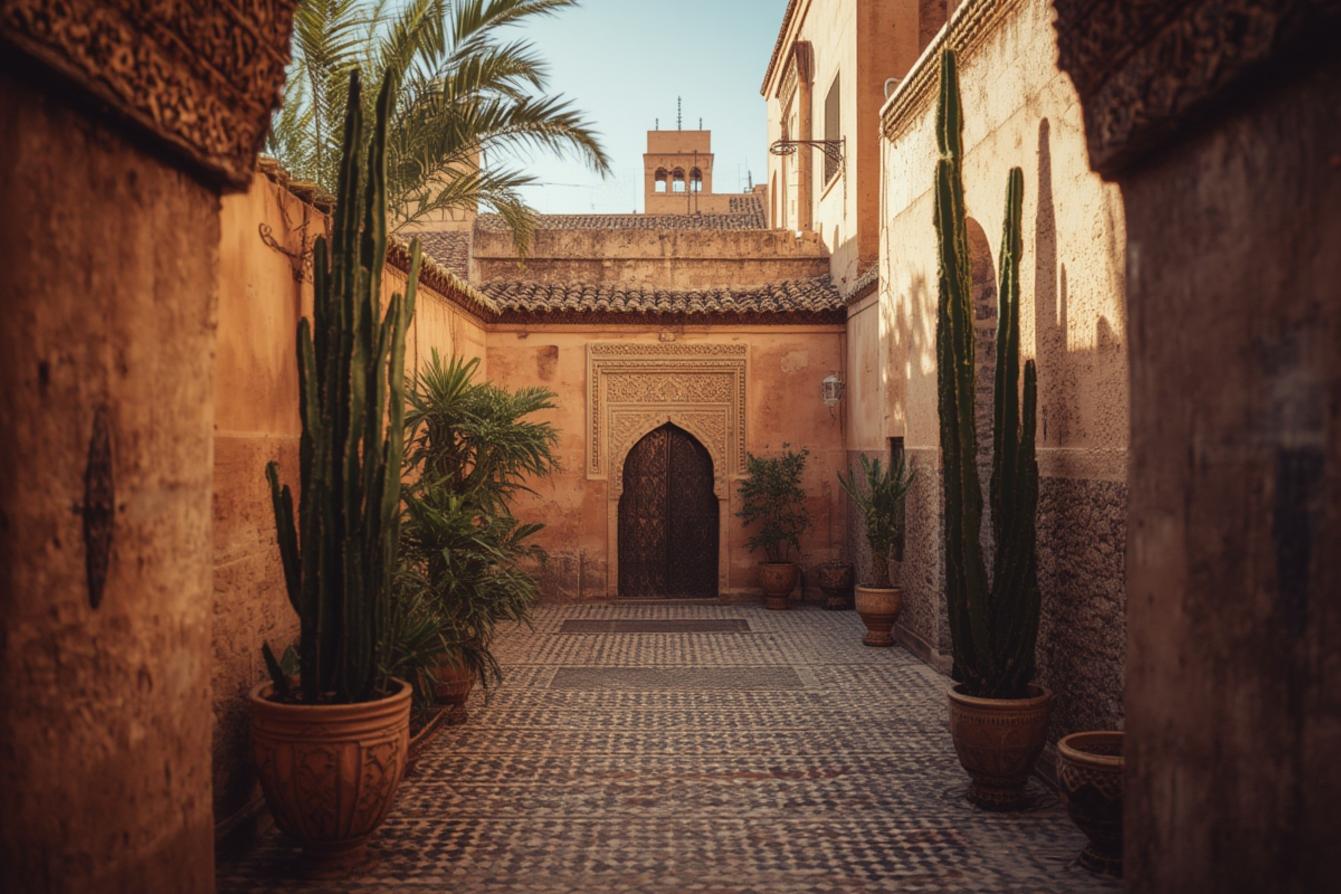
Marrakech morocco refuses simple categorization. It’s simultaneously overwhelming and intimate, ancient and evolving, chaotic and somehow functional. The city demands engagement—passive tourism doesn’t work here. You’ll negotiate prices, navigate confusing streets, and occasionally feel frustrated. Yet these very challenges create the city’s addictive quality. Marrakech isn’t just a destination; it’s an experience that tests comfort zones while rewarding curiosity with moments of unexpected beauty and connection.
The magic lies not in checking off attractions but in absorbing the city’s rhythm. It’s watching sunset light turn the Koutoubia Mosque golden while merchants pack up their stalls. It’s getting thoroughly lost in the souks, then stumbling onto a quiet square where old men play checkers. It’s the mint tea offered by a carpet seller even after you decline to buy. Marrakech gives back what you invest—approach it with patience and openness, and you’ll understand why this desert city has captivated travelers for centuries.
Whether you spend three days or three weeks, whether you base yourself here to explore wider Morocco or make it your single destination, Marrakech delivers an intensity of experience hard to match. It’s Morocco’s crown jewel not because it’s easy or comfortable, but because it concentrates Moroccan culture, history, and energy into one intoxicating place where the past constantly intersects with the present.
FAQs
How many days should I spend in Marrakech?
Three to four days allows you to explore the main attractions without rushing. This gives time for medina wandering, major sites like Bahia Palace and Jardin Majorelle, a day trip to the Atlas Mountains, and absorbing the atmosphere without constant hurry. Many travelers stay a full week, using Marrakech as a base for deeper Atlas exploration and nearby destinations like Essaouira. Two days is possible but feels cramped. The medina alone deserves at least two full days to properly explore beyond the obvious tourist paths.
Is Marrakech safe for tourists?
Marrakech is generally safe for visitors, with violent crime against tourists extremely rare. The main concerns involve petty theft, aggressive vendors, and occasional scams in tourist areas. Use standard precautions: watch belongings in crowded spaces, be cautious of overly friendly guides offering unsolicited help, and avoid isolated areas after dark. Women traveling alone should expect some verbal attention but typically face no serious harassment, especially when dressed modestly. The tourist police patrol major sites, and most Moroccans are genuinely helpful when you need assistance.
What’s the best time to visit Marrakech weather-wise?
Spring (March to May) and fall (September to November) offer ideal conditions with comfortable temperatures and minimal rain. Summer (June to August) brings intense heat—often exceeding 40°C (104°F)—making midday exploration exhausting, though hotels offer good deals and crowds thin. Winter (December to February) stays mild during the day but can be surprisingly cold at night, especially in unheated riads. Rain occasionally falls in winter but rarely disrupts travel plans. Consider that major Islamic holidays like Ramadan affect restaurant hours and city rhythms regardless of season.
How do I avoid overpaying in the souks?
Research approximate prices for items that interest you before shopping. Ask your riad staff or local contacts what reasonable prices look like. Start negotiating at roughly one-third of the initial asking price and slowly work upward. Stay pleasant but firm—aggressive haggling backfires. Be willing to walk away; sellers often chase with better offers. Compare prices at multiple shops before committing. Cooperative shops and fixed-price stores (like Ensemble Artisanal) show government-suggested rates, providing useful reference points even if prices run slightly higher than negotiated souk deals.



 Covers cities, coast, mountains, desert & food