
Tracing Centuries: Unveiling the Soul of Marrakech Through Its Grand Past
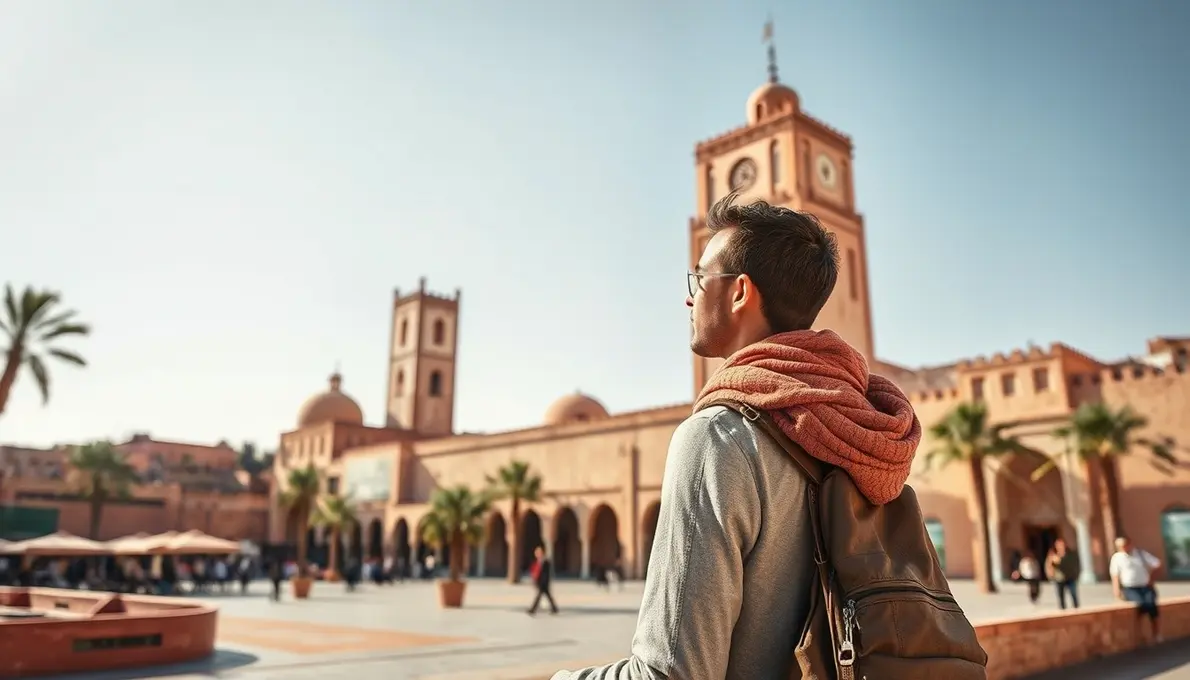
Marrakech, often dubbed the ‘Red City,’ is a living museum, a vibrant tapestry woven from centuries of rich history, cultural confluence, and architectural marvels. To truly experience Marrakech, one must delve into its incredible past, exploring the very foundations upon which this bustling metropolis was built. This guide offers an immersive journey through Marrakech historic sites, revealing the stories, secrets, and enduring legacy embedded within its ancient walls. From royal palaces to sacred gardens, each landmark offers a unique window into the soul of a city that has captivated travelers for generations.
Imperial Grandeur: Palaces and Royal Tombs
The history of Marrakech is intrinsically linked to its successive ruling dynasties, each leaving an indelible mark on its architecture and urban landscape. Among the most significant Marrakech historic sites are its imperial palaces and the resting places of its rulers.
One cannot speak of Marrakech’s royal past without mentioning the Bahia Palace. “Bahia” translates to “brilliance” or “beauty,” and the palace certainly lives up to its name. Constructed in the late 19th century, it was intended to be the greatest palace of its time, designed for Si Moussa, Grand Vizier of the Sultan. Later expanded and embellished by his son and successor, Abu Boubakar, the palace boasts 150 rooms, a central courtyard, and intricate gardens. The detail in its zellige tilework, painted cedar wood ceilings, and carved stucco is breathtaking. Wandering through its reception halls, private apartments, and patios, you get a palpable sense of the opulent lifestyle of the ruling elite and the exquisite craftsmanship of Moroccan artisans. Every doorway and archway tells a story of power, artistry, and the pursuit of beauty.
Equally compelling are the Saadian Tombs, a hidden gem rediscovered only in the early 20th century. These tombs, dating back to the Saadian Dynasty (1578-1603), were sealed off and hidden for centuries, accessible only through a narrow passage from the Kasbah Mosque. When they were finally brought to light, they revealed a stunning collection of finely decorated mausoleums sheltering the remains of over 100 Saadian princes and their families. The Chamber of the Twelve Pillars is particularly magnificent, with its Italian Carrara marble, gilded cedarwood, and elaborate stucco carvings. The precision and artistry involved in its creation are astounding, making it one of the most significant Marrakech historic sites in terms of funerary architecture and royal reverence.
A Spiritual Heart: Mosques, Madrasas, and Sacred Spaces
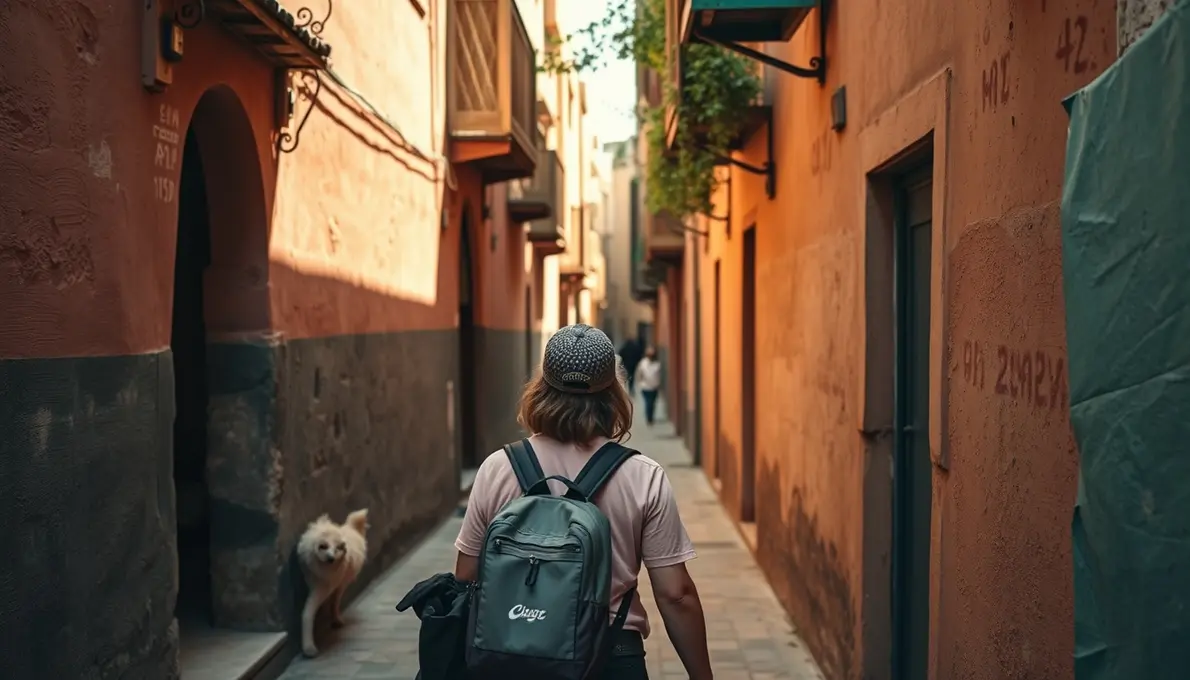
Beyond the grandeur of palaces, Marrakech’s history is deeply intertwined with its spiritual life, reflected in its remarkable mosques, theological colleges, and other sacred spaces. These buildings not only served as places of worship and learning but also as centers of community life and cultural exchange.
The Koutoubia Mosque, with its towering minaret, is arguably the most iconic symbol of Marrakech. Visible from miles around, this structure dominates the city skyline and serves as a vital navigational landmark. Its name, “Koutoubia,” derives from kutubiyyin, or booksellers, referring to the vibrant book market that once thrived around its base. Built in the 12th century by the Almohad dynasty, its minaret stands at approximately 77 meters tall and is a prime example of Hispano-Moresque architecture, characterized by its intricate archways, geometric patterns, and glazed tilework. While non-Muslims cannot enter the prayer hall, the exterior and the surrounding gardens offer ample opportunity to admire its exquisite details and appreciate its historical significance. It’s a testament to the city’s enduring spiritual core.
Adjacent to the present-day Rue de la Koutoubia, and a short walk from the mosque, you can explore the ruins of an older Koutoubia Mosque, which was reportedly misaligned with Mecca and rebuilt to perfection. This provides a fascinating glimpse into the meticulous design and spiritual precision of the era.
Another paramount spiritual and educational landmark is the Ben Youssef Madrasa. Once one of the largest Islamic colleges in North Africa, it operated for over five centuries, attracting students from across the region to study Islamic law, philosophy, and classical sciences. Walking into its expansive courtyard is like stepping back in time. The madrasa’s architecture is a feast for the eyes, showcasing the zenith of Moroccan craftsmanship: zellige mosaic tiles, carved stucco, intricate cedarwood lattice screens, and a serene central basin reflecting the light. The small student dorms, arranged around tranquil courtyards, offer a glimpse into the ascetic life of its scholars. It’s a powerful place that evokes a sense of deep learning and reflection, underscoring the city’s historical role as an intellectual hub.
The Mellah and Jewish Quarter: A Story of Coexistence
Marrakech’s historical fabric isn’t solely woven from Islamic dynasties. The city has long been home to a vibrant Jewish community, whose presence is most palpable in the Mellah, the old Jewish quarter. Established in the 16th century, the Mellah was a designated area where the Jewish population resided, typically adjacent to the royal palace for protection.
Walking through the Mellah today, you’ll notice a distinct architectural style compared to the rest of the Medina. Homes often feature larger balconies and windows, reflecting different cultural practices. While much of the Jewish population has emigrated since the mid-20th century, the district still retains its unique character. The Lazama Synagogue, one of the oldest and most active synagogues in Marrakech, remains a testament to this enduring community. Its beautiful interior, often adorned with traditional Moroccan tiles and textiles, offers a peaceful sanctuary and a deep connection to a lesser-known but equally vital part of Marrakech historic sites. Visiting the Mellah provides a crucial understanding of the city’s multicultural past and its history of religious coexistence. The bustling spice market and the vibrant craft shops within the Mellah also offer a sensory experience, intertwining history with the present-day commercial life of the area.
The Pulse of the Past: Djemaa el-Fna and the Ancient Souks
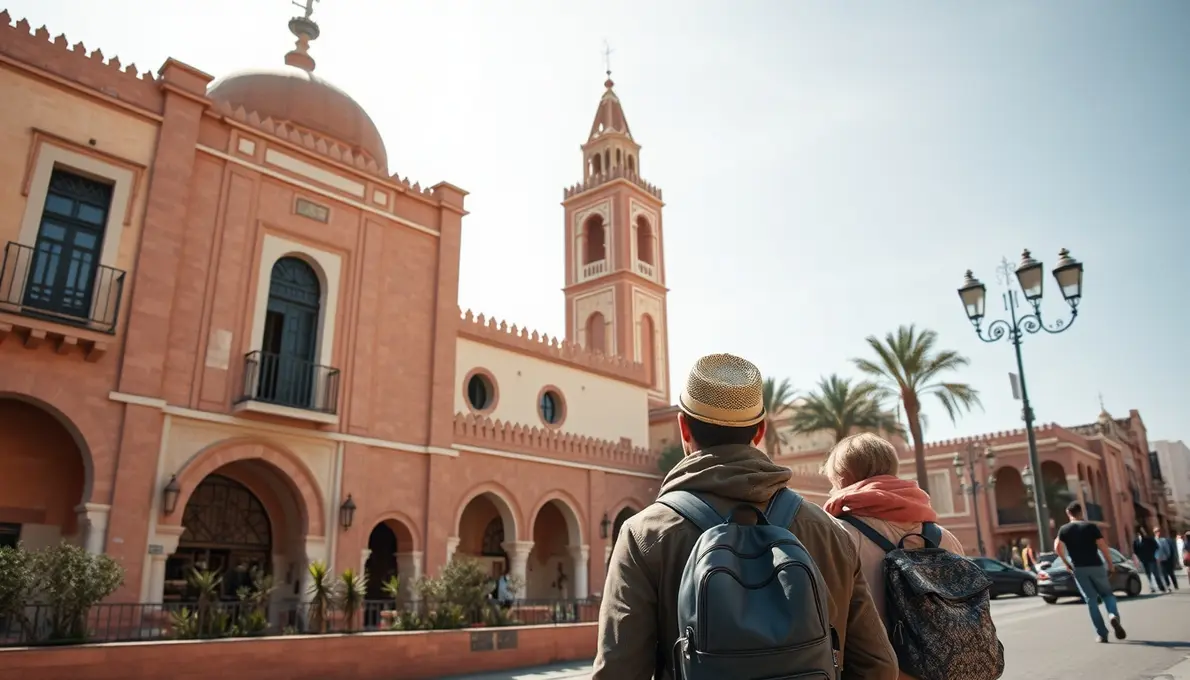
While specific structures often define Marrakech historic sites, the very air, the sounds, and the activities in places like Djemaa el-Fna and the ancient souks are living components of its heritage. These areas have been the heartbeat of Marrakech for centuries, maintaining traditions that date back to its founding.
Djemaa el-Fna, a UNESCO Intangible Cultural Heritage site, is more than just a square; it’s a theater of Moroccan life that has played out for millennia. By day, it’s a bustling marketplace with orange juice stalls, snake charmers, and storytellers. As dusk falls, it transforms into an open-air food festival, a symphony of aromas, music, and performance. Generations of acrobats, musicians, Gnawa dancers, and traditional medicine sellers have plied their trades here, keeping ancient oral traditions alive. The square itself has witnessed countless historical events, from public announcements to festivals, and remains the social and economic nerve center of the old city. Experiencing Djemaa el-Fna is to directly engage with the timeless spirit of Marrakech.
Radiating from Djemaa el-Fna are the labyrinthine alleys of the Marrakech souks. These ancient marketplaces are a universe unto themselves, each section specializing in a particular craft or commodity – leather goods, spices, textiles, metalwork, ceramics. The souks are not just places of commerce; they are repositories of traditional artisanship and economic history. The art of bartering, the skill of the artisans, and the network of traders have remained largely unchanged for centuries. As you navigate the winding paths, the vibrant colors, the heady scents of spices and leather, and the incessant hum of activity transport you back to a historical era of trade and craftsmanship. These marketplaces are fundamental to understanding the economic and cultural evolution of Marrakech. For those seeking unique souvenirs or simply a glimpse into traditional Moroccan commerce, exploring the Marrakech souks is an essential activity.
Gardens of History: From Agdal to Majorelle’s Legacy
While often renowned for its bustling souks and desert proximity, Marrakech also holds a fascinating history of lush gardens, many of which are themselves Marrakech historic sites. These green spaces offer a tranquil counterpoint to the city’s vibrant energy and reflect different periods of its development, from imperial orchards to modern artistic oases.
The Agdal Gardens, for instance, are one of the oldest and most extensive imperial gardens in Marrakech, dating back to the 12th century Almohad dynasty. Spreading over several hundred hectares, these UNESCO-listed gardens were primarily designed for agricultural purposes, cultivating olive, orange, fig, and pomegranate trees. A sophisticated system of khettaras (underground irrigation channels) and water basins, fed by water from the Atlas Mountains, irrigates these vast orchards – a testament to the advanced hydraulic engineering of the era. While access is sometimes restricted as they remain royal property, glimpses of their immense scale and historical significance can be caught, revealing a forgotten aspect of royal life centered on self-sufficiency and strategic agriculture.
In contrast, the Menara Gardens, also dating from the 12th century, are more accessible and famous for their large central basin overlooked by a Saadian pavilion, all set against the backdrop of the Atlas Mountains. The basin was and still is a vital reservoir for irrigating the surrounding olive groves. It’s a popular spot for locals seeking respite from the city heat, demonstrating the enduring importance of water and green spaces in Marrakech’s urban planning and cultural life.
More recently, the Majorelle Garden offers a vibrant historical narrative of art and identity. Created by French Orientalist artist Jacques Majorelle over forty years starting in the 1920s, and later meticulously restored and expanded by Yves Saint Laurent and Pierre Bergé, it’s a striking example of a private oasis with public appeal. Its intense cobalt blue (Majorelle Blue), exotic plant collection from around the world, and art deco influences make it a distinct historical landmark, showcasing the intersection of European artistic sensibilities with Moroccan landscape. It’s a peaceful, visually stunning space that speaks to Marrakech’s allure for artists and creatives throughout history.
Historical Stays: Riads, Dar, and Kasbah Fortifications
A truly immersive experience of Marrakech historic sites extends beyond public landmarks to the very places where travelers choose to rest. The city’s traditional accommodations, particularly riads and dars, are themselves living pieces of history, offering insights into traditional Moroccan domestic architecture and lifestyle.
Riads are traditional Moroccan houses, typically with an interior garden or courtyard, offering privacy from the bustling streets. These homes, often centuries old, have been meticulously restored into boutique hotels, preserving their intricate zellige tile work, carved plaster, and cedarwood ceilings. Staying in a riad is to inhabit history, to wake up in a space that has witnessed generations of Moroccan life, built around family, tranquility, and aesthetic beauty. Each riad has its own story, its own unique blend of historical features and modern comforts, making the choice of accommodation an integral part of exploring Marrakech’s past.
The term “dar” is another type of traditional house, generally smaller than a riad and usually built around a central patio rather than a full garden. These too have been converted into charming guest houses, providing an intimate connection to the urban architectural heritage of Marrakech.
Further afield, but still within the historical context of the region, stand the majestic Kasbahs. While the Marrakech city center doesn’t feature monumental Kasbahs like those found in the Atlas Mountains or along the Road of a Thousand Kasbahs, the Kasbah district within the Medina historically housed the royal palace and its administrative quarters. The city’s original fortifications, including parts of its enduring ramparts and gates (like Bab Agnaou or Bab Mansour), are also significant historical remnants. These massive defensive walls, punctuated by impressive gates, narrate a history of sieges, defenses, and the control of trade routes that once converged on this vital imperial city. Exploring these kasbah walls and gates gives a powerful sense of the city’s strategic importance and its robust, medieval fortifications.
Conclusion
Marrakech is a city that breathes history. From the ancient imperial palaces that whisper tales of bygone sultans to the spiritual serenity of the Ben Youssef Madrasa, and from the vibrant, timeless theater of Djemaa el-Fna to the tranquil beauty of its historical gardens, every corner offers a profound connection to the past. Exploring Marrakech historic sites is not just about ticking off landmarks; it’s about immersing oneself in the layers of culture, artistry, and human endeavor that have shaped this incredible city. As you wander through its ancient streets, haggle in the souks, or find peace in a quiet courtyard, you’ll feel the脉动 of centuries of stories. Don’t forget to pack wisely for your adventures, especially if you plan an excursion into the surrounding landscapes – a good packing list for the desert can be essential when exploring beyond the city’s walls, intertwining your urban exploration with the wider Moroccan context. For more practical advice on preparing for wider Moroccan adventures, consider consulting a comprehensive Marrakech historic sites guide. The rich tapestry of Marrakech’s past awaits your discovery.
FAQs
What are the must-see Marrakech historic sites for a first-time visitor?
For a first-time visitor, the essential Marrakech historic sites include the Djemaa el-Fna square and its surrounding souks for an authentic experience of the city’s pulse, the Bahia Palace for its stunning architecture, the Saadian Tombs for their historical significance, and the Ben Youssef Madrasa for a glimpse into traditional Islamic education and artistry. The Koutoubia Mosque, while not open to non-Muslims inside, is also a crucial landmark to admire from its exterior and gardens.
Can I explore the Marrakech historic sites on my own, or do I need a guide?
Many Marrakech historic sites, such as the Bahia Palace, Saadian Tombs, and Ben Youssef Madrasa, can be explored independently, as they are well-signposted and offer information plaques. However, hiring a local guide, especially for the intricate souks or for a deeper dive into the historical nuances of the Medina, can significantly enhance your experience. A guide can provide context, share stories, and help navigate the labyrinthine alleys more efficiently.
Are there any specific cultural etiquettes to observe when visiting sacred Marrakech historic sites?
When visiting sacred Marrakech historic sites like mosques (from the exterior) or madrasas, it’s respectful to dress modestly, covering shoulders and knees. While head coverings are generally not required for women in public spaces outside of mosques, it’s a good practice to have one available if you wish to enter an open madrasa or Jewish synagogue. Always be mindful of local customs, avoid loud conversations, and ask for permission before taking photos of people.
What’s the best way to get between different Marrakech historic sites in the Medina?
The best way to navigate between most Marrakech historic sites within the Medina is on foot. The narrow, winding alleys are largely pedestrianized, and walking allows you to truly soak in the atmosphere. For longer distances or when you’re tired, small green petit taxis are readily available on the main roads outside the Medina, or you can use horse-drawn carriages (caleches) for a more traditional experience, particularly around the Koutoubia Mosque and Djemaa el-Fna.




 Covers cities, coast, mountains, desert & food