Dipping into the Delights of Djemaa el-Fna’s Culinary Heartbeat
Stepping into Marrakech is an assault on the senses, in the best possible way. The sheer vibrancy of the city’s medina, the calls of vendors, the shimmer of spices, and the aroma of exotic dishes all converge to create an unforgettable experience. For any visitor, understanding the heart of this sensory explosion begins with exploring the bustling Marrakech food markets. These aren’t just places to buy groceries; they are social hubs, culinary classrooms, and open-air restaurants rolled into one magnificent, chaotic package. Forget your preconceived notions of quiet, organized aisles; here, food is an event, a performance, and a way of life, especially in and around the iconic Djemaa el-Fna.
Beyond the Souk Stalls: Hunting Down Marrakech’s Edible Treasures
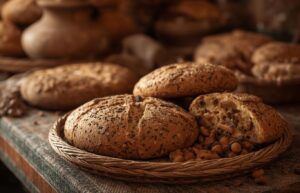
While the term “souk” often brings to mind handicrafts and leather goods, many of Marrakech’s souks are dedicated purely to food, or at least have a significant food component. Venture slightly off the main thoroughfares, and you’ll discover stalls brimming with olives of every hue and marinade, towering pyramids of dates, and baskets overflowing with freshly baked bread. These are the unsung heroes of the Marrakech food markets, often overlooked by those who stick to the main square. Getting lost here is part of the fun. Follow your nose to find a stall offering tanjia, slow-cooked lamb or beef typically prepared in an earthen pot over embers, a specialty truly unique to Marrakech. Or stumble upon a vendor expertly frying maakouda, savory potato fritters, served with a spicy harissa dip. This kind of exploration isn’t just about finding food; it’s about connecting with the rhythm of local life.
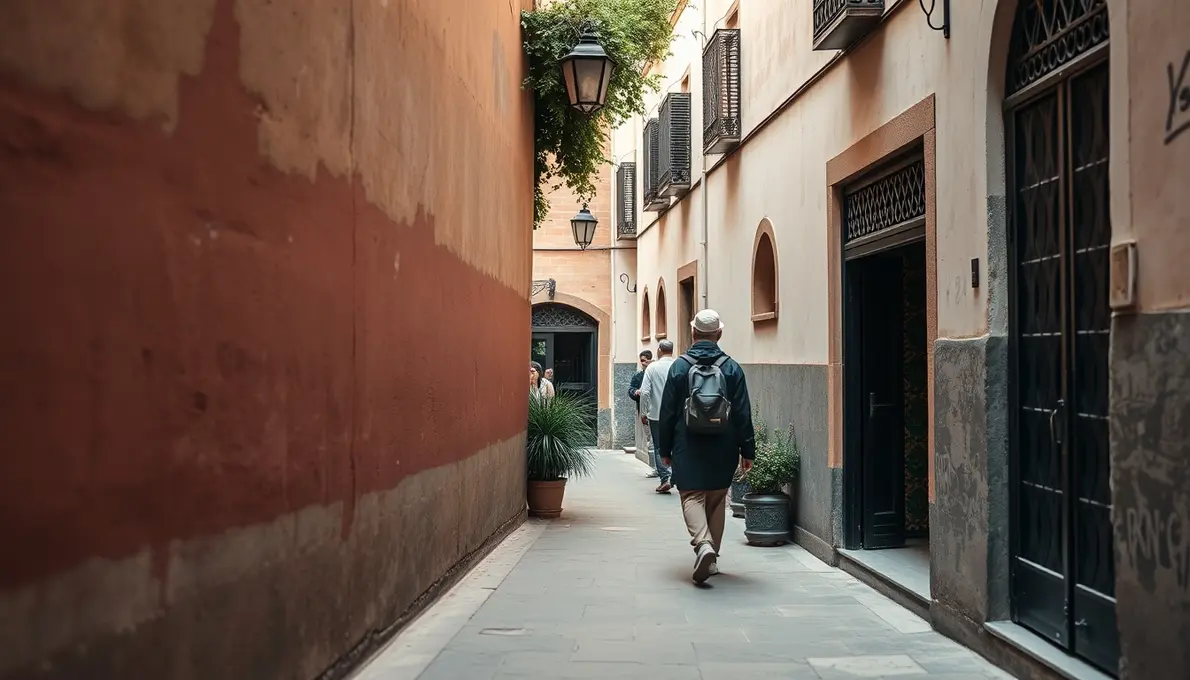
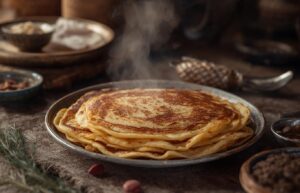
One prime example of these dedicated food souks is the Souk Cherifia, though better known for its fabric and leather, look closely: you’ll find small, independent spice merchants whose knowledge is encyclopedic. They’ll tell you not just what to buy, but how to use each fragrant powder and seed, whether for tagines, medicinal purposes, or the perfect cup of mint tea. Nearby, the smaller, unnamed alleys are where the real hidden gems lie. You might find a pop-up stall selling zalabia, a sweet, fried pastry drenched in honey, made right before your eyes. These are the moments that define a true foodie adventure through the Marrakech souks.
The Epicentrum of Flavor: Djemaa el-Fna as the Ultimate Night Market
By day, Djemaa el-Fna is a stage for storytellers, snake charmers, and musicians. But as dusk descends, the square undergoes a magical transformation, becoming the most famous of all Marrakech food markets. Hundreds of food stalls are wheeled into place, their smoky grills and flickering lanterns creating an intoxicating atmosphere. Navigating this gastronomic wonderland can be overwhelming, but it’s an essential Marrakchi experience. Each stall, identified by a number, specializes in specific dishes, and the cheerful, sometimes insistent, calls of the chefs and waiters are all part of the charm.
Here’s a breakdown of what not to miss:
- Harira and Tagines: Most stalls will offer this traditional lentil and chickpea soup, often served with dates, and a variety of tagines, from chicken with preserved lemon and olives, to tender beef with prunes and almonds. Look for the busiest stalls, as this often indicates freshness and flavor.
Grilled Meats (Méchoui & Brochettes): Head to Stall 14 for méchoui, whole roasted lamb cooked in an underground oven until it’s fall-off-the-bone tender. It’s often served simply with cumin salt. Other stalls offer succulent brochettes* (skewers) of chicken, beef, or kefta (minced meat), grilled over charcoal.
- Snails (Ghlal): For the adventurous eater, try the piping hot bowl of snails from a vendor like Stall 37. Served in a savory, aromatic broth said to have medicinal properties, it’s a truly local delicacy.
- Tangia & Tanjia Marrakchia: While found elsewhere, Djemaa el-Fna is a great place to sample this slow-cooked delight. It’s distinct from a tagine in its preparation and deeper, richer flavour profile.
- Fresh Orange Juice: Throughout the square, you’ll find vibrant orange juice stalls. Freshly squeezed on the spot, it’s incredibly refreshing and surprisingly inexpensive. Just ensure the oranges are peeled and juiced in front of you.
Chebakia & Moroccan Pastries: Towards the edges of the square, especially in the mornings, you’ll find stalls laden with traditional sweets like chebakia (sesame cookies soaked in honey), ghoriba* (almond cookies), and various other sticky, sweet treats perfect with a glass of mint tea.
Don’t be afraid to pull up a stool at a communal table and share the experience with locals and fellow travelers. It’s part of the magic of the Marrakech food markets experience. Just remember to agree on prices before ordering, especially for larger plates of méchoui.
From Farm to Table (or Basket): The Melons and Olives of Bab Doukkala
While Djemaa el-Fna gets all the fame for its evening spectacle, other Marrakech food markets offer a more authentic, daytime glimpse into the city’s culinary backbone. Head north from the medina center, towards the Bab Doukkala gate, and you’ll discover a bustling local market that feels miles away from the tourist crowds. This is where Marrakchis come to do their daily shopping.
Here, the focus shifts to raw ingredients. You’ll find an astonishing array of fresh produce: vibrant red tomatoes, heaps of fresh herbs like cilantro and parsley, pyramids of sweet oranges and pomegranates, and seasonal specialties such as plump melons and juicy watermelons in the warmer months. The olive section alone is a sight to behold – barrels upon barrels filled with green, black, red, and purple olives, each with its unique marinade of harissa, lemon, garlic, or various spices. It’s a sensory overload of briny, spicy, and earthy aromas.
Beyond fresh produce, this market also has sections dedicated to poultry, butchers, and local dairy products. You might see a woman selling fresh jben (a soft, fresh goat cheese) or homemade smen (fermented butter). This is a fantastic place to observe the meticulous selection process, the friendly haggling, and the sheer volume of ingredients that go into Moroccan home cooking. It’s a living, breathing testament to the rich agricultural bounty of the region surrounding Marrakech. Remember that some of the vendors might not speak English, so a few basic French or Arabic phrases (like “how much?” – qaddash? and “thank you” – shukran) will go a long way.
Navigating the Spice Labyrinth: Understanding Moroccan Flavors
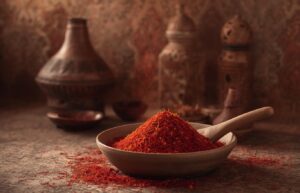
No exploration of Marrakech food markets would be complete without delving into the world of spices. Morocco is renowned for its aromatic cuisine, and the souks are a treasure trove of dried herbs, vibrant powders, and potent blends. Strolling through the spice sections is like walking through a perfumery, with each stall emitting unique fragrances.
Key spices to look out for include:
- Cumin: A staple in almost every savory dish, from tagines to grilled meats.
- Paprika: Adds color and a mild, sweet heat to many Moroccan recipes.
- Ginger: Used fresh and dried, for both savory and sweet preparations.
- Turmeric: Prized for its earthy flavor and brilliant yellow color, often used in tagines.
- Cinnamon: Not just for sweets, cinnamon is a key ingredient in many savory stews, especially those with lamb or prunes.
- Ras el Hanout: Perhaps the most famous Moroccan spice blend, its name means “head of the shop,” indicating it’s the finest mixture the merchant can offer. It can contain dozens of spices, from cardamom and nutmeg to rosebuds and lavender. Each blend is unique to the seller.
- Saffron: Morocco produces high-quality saffron, especially from the Taliouine region. It’s expensive but adds an unmistakable aroma and color to specific dishes.
- Mint: While technically an herb, fresh mint is central to Moroccan culture, used constantly for the ubiquitous mint tea and in many salads.
When buying spices, especially blends like Ras el Hanout, don’t be afraid to ask for a sniff. Reputable vendors will happily explain the ingredients and uses. It’s also worth considering argan oil from the region, often sold in these markets – make sure to distinguish between culinary argan oil (toasted nuts, darker color) and cosmetic argan oil (untoasted, lighter). Finding a good spice vendor means you’ll have a delightful taste of the Marrakech food markets to take home with you.
Beyond the Plate: Etiquette and Experience at the Stalls
Eating at the Marrakech food markets is more than just sampling delicious food; it’s a cultural immersion. Understanding a few local customs can enhance your experience and show respect for the local way of life.
- Bargaining: While less common for prepared food at the Djemaa el-Fna night stalls (prices are often standard), you might try a little friendly haggling for fresh produce, spices, or larger quantities of items outside of the main tourist hubs. Keep it light-hearted and never aggressive.
- Hygiene: Look for stalls that appear clean and busy. High turnover usually means fresher ingredients. While street food always carries some risk, observe preparation and choose wisely. Many locals eat at these stalls daily, so trust popular opinions.
- Photography: Always ask permission before taking photos of people, especially vendors or other diners. A simple “Mumkin soura?” (Can I take a picture?) or just a gesture with your camera and a smile often works. Be respectful if they decline.
- Eating with your Right Hand: If you’re sharing a communal dish, or eating with your hands, traditionally you should use your right hand.
- Mint Tea: Expect to be offered mint tea, especially if you spend some time at a stall or purchase goods. It’s an act of hospitality and often comes with no obligation to buy. Accepting it is a warm gesture.
- Small Denominations: It’s helpful to carry small Moroccan dirham notes and coins. While some larger stalls might have card machines, cash is king, especially in the smaller, more traditional Marrakech food markets.
Navigating these vibrant markets offers an unparalleled opportunity to connect with the city’s soul. It’s a chance to taste authentic flavors, meet local people, and witness the enduring traditions that make Marrakech so captivating. For more insights on Moroccan travel, consult resources like Marrakech souks.
Conclusion
The Marrakech food markets are not merely places to eat; they are the throbbing heart of the city’s social and cultural life. From the kaleidoscopic visual feast of Djemaa el-Fna at night to the quieter, fresh produce markets of Bab Doukkala, each offers a unique window into Moroccan culinary traditions. Exploring these vibrant hubs is an adventure for all the senses, promising unforgettable tastes, fascinating encounters, and a deeper understanding of this mesmerizing city. Dive in, be adventurous, and savor every moment of your gastronomic journey through the Marrakech food markets.

FAQs
What are the must-try dishes at Djemaa el-Fna night market?
At Djemaa el-Fna, definitely try the grilled meats, especially méchoui (slow-roasted lamb), brochettes (skewers of meat), and kefta. Don’t miss classic Moroccan tagines, the hearty harira soup, and for the adventurous, the unique snail soup (ghlal). Fresh orange juice is also a popular and refreshing choice.
Is it safe to eat street food in Marrakech food markets?
Generally, yes, it is safe to eat street food in Marrakech. Look for stalls that are busy and have a high turnover of food, as this usually indicates freshness. Observe the hygiene practices of the vendors. While no travel eating is without some risk, most locals regularly eat at these markets without issues, and good common sense goes a long way.
How do I navigate the extensive Marrakech food markets for the best experience?
Embrace getting a little lost! Many of the best food stalls and spice vendors are found in the labyrinthine alleyways off the main squares. Use your senses – follow enticing aromas, observe where locals are gathering, and don’t be afraid to ask for recommendations. For the Djemaa el-Fna night market, take a full walk around before choosing a stall, and perhaps compare prices if you’re looking for specific items like méchoui.
What should I bring when visiting the food markets for the day or evening?
For ease and convenience, carry small denominations of Moroccan dirhams for purchases. A reusable market bag is handy for any produce or spices you buy. If visiting in the evening, a light scarf or jacket might be useful as temperatures can drop. And, of course, an adventurous spirit and an open mind to try new flavors!

 Covers cities, coast, mountains, desert & food