
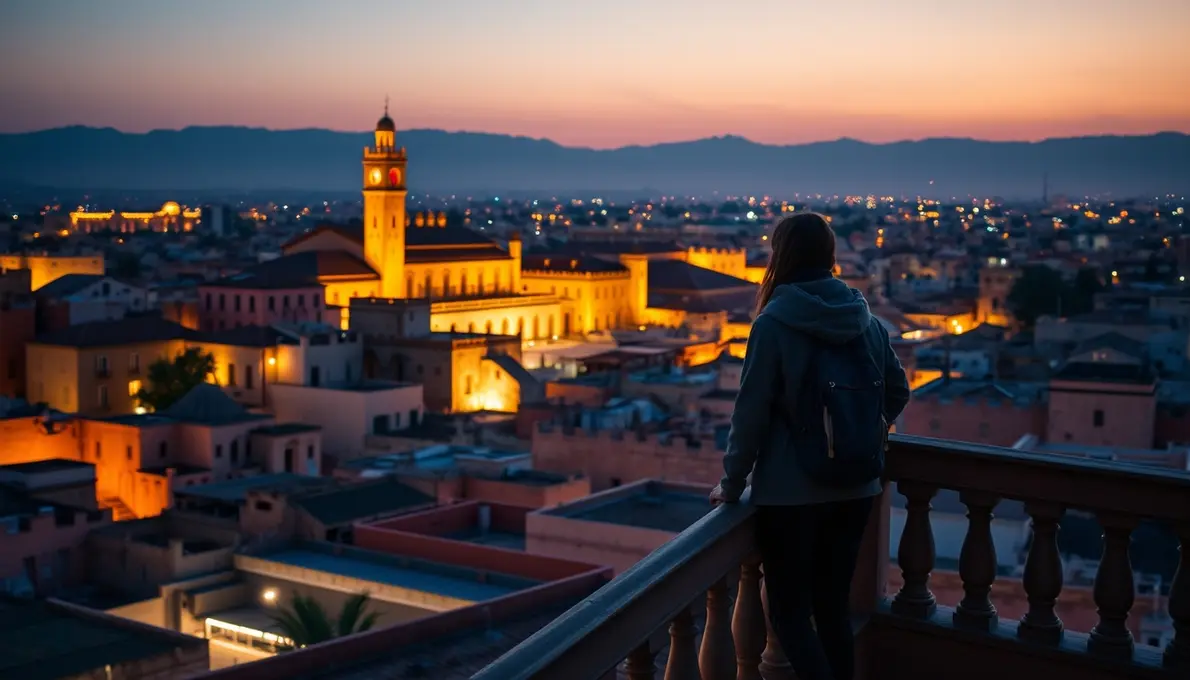
Fes, a city that whispers tales of empires and artisans, truly comes alive within the labyrinthine embrace of its old medina. For travelers seeking an authentic plunge into Moroccan history and culture, the Fes old medina is not just a destination; it’s an immersive, sensory journey. This walled city within a city, Fes el-Bali, is a UNESCO World Heritage site and famously the largest car-free urban area in the world. As you navigate its intricate alleys and bustling squares, you’re stepping back centuries, where age-old traditions thrive amidst the rhythm of daily life. This guide will help you uncover the top attractions, vibrant souks, and hidden gems that define this extraordinary place, ensuring your visit is rich with discovery and unforgettable experiences.
Navigating the Labyrinth: Essential Pathways of Fes El-Bali
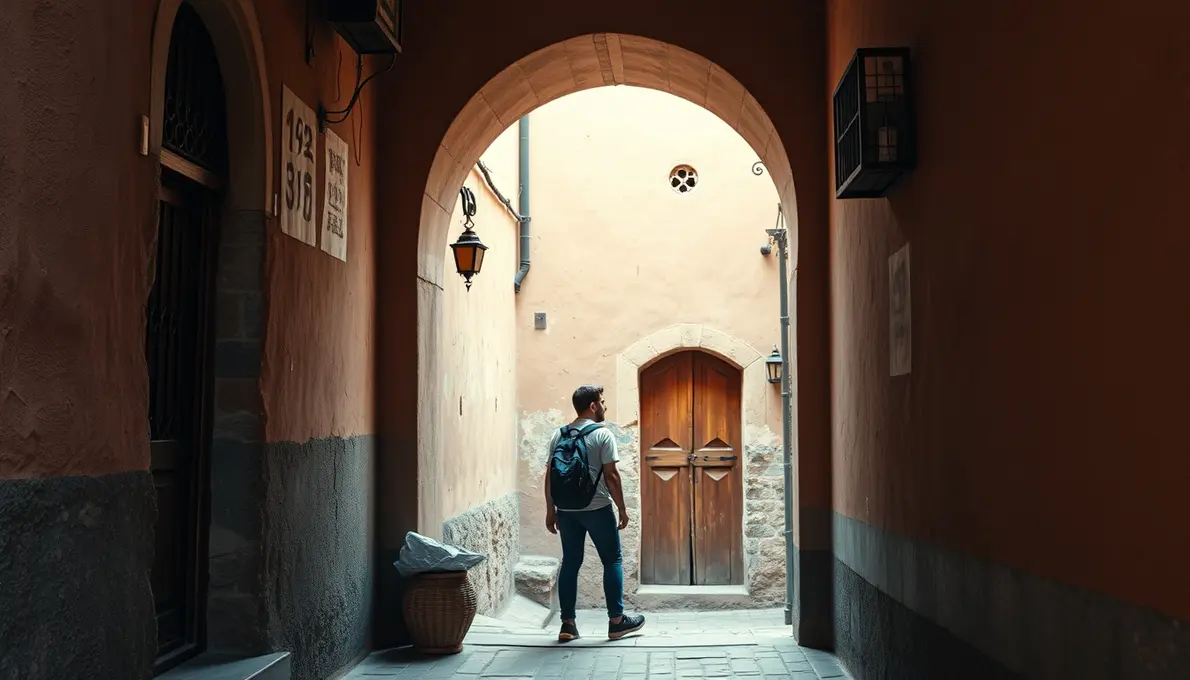
The sheer scale and complexity of the Fes old medina can be daunting at first glance. Imagine 9,000 narrow streets and alleyways, some barely wide enough for a single person, others bustling thoroughfares for donkeys laden with goods. Far from being a chaotic maze, it’s a meticulously organized system that, with a little guidance, reveals its secrets. Understanding its primary arteries is key to unlocking its magic. The two main thoroughfares, Talaa Seghira and Talaa Kebira, wind their way from Bab Bou Jeloud (the Blue Gate) deep into the medina virtually parallel to each other. These aren’t just paths; they’re living markets, lined with shops selling everything from spices to ceramics, fresh produce to traditional clothing.
Exploring the medina often starts at the iconic Bab Bou Jeloud. Its intricate blue and green tiles welcome you into a vibrant world. From here, you can choose to dive immediately into the flurry of activities or hire a local guide for a few hours – a highly recommended option for first-timers to get their bearings and discover hidden corners. Guides can lead you efficiently through the bewildering network, sharing historical anecdotes and pointing out details you might otherwise miss. They’re also invaluable in helping you navigate the sometimes-insistent shopkeepers without feeling overwhelmed, leading you to reputable artisans and ensuring you get a fair deal. Think of these main pathways as the branches of a grand tree, with countless smaller alleys branching off, each leading to a new discovery, a quiet courtyard, or a bustling cooperative.
The Heartbeat of Commerce: Immersive Fes Souks Shopping Experiences
No visit to the Fes old medina is complete without diving headfirst into its legendary souks. These aren’t just markets; they are the pulsing veins of the city’s economy and culture, each alley dedicated to a specific craft or trade. The sensory experience is magnificent: the intense aroma of leather, the fragrant spices, the shimmering silks, and the incessant chatter of vendors and shoppers. This is where the art of Moroccan craftsmanship truly shines, offering an extensive range of products that make for splendid souvenirs and timeless treasures.
Start your Fes souks shopping journey in the Seffarine Square, the beating heart of the copper workers. Here, artisans loudly hammer intricate designs into brass and copper pots, trays, and lamps, a testament to generations of skill. The rhythmic clanging echoes through the square, a captivating soundtrack to a dying art. Just nearby, you’ll find the legendary Chouara Tannery, arguably the most iconic sight in Fes. While the smell can be overpowering (mint sprigs are often offered at entry, use them!), witnessing the ancient process of tanning and dyeing leather in vast, colorful vats is a profound experience. You’ll see hides being soaked in traditional mixtures, then dyed with natural pigments like indigo, poppy, and henna. The leather goods produced here, from bags to slippers to jackets, are of exceptional quality. When planning your Fes old medina adventures, remember to prioritize comfortable shoes for extensive walking here!
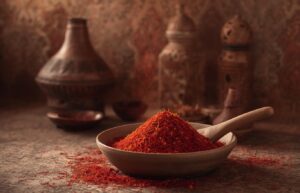
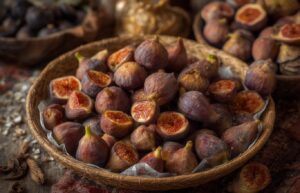
Beyond leather and metalwork, the souks offer an Aladdin’s cave of delights. The Attarine Souk, near the Medersa Bou Inania, is a fragrant paradise, specializing in spices, perfumes, and dried fruits. Its narrow passages are lined with colorful pyramids of saffron, cumin, paprika, and endless exotic blends. You’ll also find exquisite argan oil, black soap, and ghassoul clay – natural Moroccan beauty products. Next, wander into the Nejjarine Souk, the carpenters’ square, where beautifully carved cedar wood furniture, chests, and decorative items are crafted. Don’t forget the textile souk for vibrant silks, intricately embroidered caftans, and hand-woven carpets. Bargaining is an integral part of the experience; approach it with a cheerful demeanor and a sense of humor. Offering about half to two-thirds of the initial asking price is a good starting point, and remember, it’s not just about the final price, but the interaction itself. It’s a dance, a ritual, and a core part of the Moroccan shopping culture. For more insight into global shopping experiences, consider having a look at the comprehensive guides on Fes souks shopping.
Crafting Memories: Pottery and Ceramics of Fes
Beyond the main souks, venture to the outskirts of the medina, or just outside the city walls, to discover the source of Fes’s celebrated blue and white pottery. Known for its intricate geometric patterns and vibrant cobalt hues, Fassi pottery is highly prized. You can visit cooperatives where you’ll see artisans skillfully molding clay on ancient wheels, hand-painting delicate designs, and firing their creations in traditional kilns. Many shops within the medina also showcase spectacular examples. Purchasing a tagine, a set of hand-painted bowls, or an elaborate platter is a fantastic way to bring a piece of Fes’s artistic heritage into your home. The quality, durability, and beauty of these items truly make them a worthwhile investment.
Architectural Wonders and Spiritual Sanctuaries
The Fes old medina is a treasure trove of historical architecture, with centuries of Islamic design embedded in its very fabric. From grand madrasas to serene mosques and ornate palaces, each structure tells a story. While non-Muslims cannot enter many mosques, their exquisite exteriors and towering minarets are still breathtaking to behold.
One of the most impressive examples is the Medersa Bou Inania, a theological college dating back to the 14th century. Unlike many other mosques and madrasas, non-Muslims are permitted to enter its serene courtyard and admire its stunning zellij tile work, intricate carved stucco, and elaborate cedarwood ceilings. The attention to detail is simply mesmerizing, a testament to the skill of Merinid-era artisans. The courtyard, with its central ablution fountain and precise geometric patterns, offers a moment of tranquility amidst the medina’s hustle.
Another crucial historical site is the Al-Attarine Madrasa, smaller and perhaps more intimate than Bou Inania, but equally captivating. Tucked away near the spice souk, its compact size allows for an even closer appreciation of the delicate craftsmanship. The carved cedar panels and colorful tiles are simply exquisite, and standing in its quiet courtyard transports you back to a time of academic pursuit and spiritual contemplation. For centuries, these madrasas were not just schools but also places of lodging for students, fostering a lively intellectual atmosphere.
The Kairaouine: A Center of Learning and Faith
At the very core of the Fes old medina lies the University of Al-Karaouine (often spelled Al-Kairaouine), considered the oldest continuously operating university in the world, founded in 859 AD. Its mosque is one of the largest in Morocco, a sprawling complex that has expanded over centuries. While access to the main prayer halls is restricted for non-Muslims, you can often peek through its grand doorways to catch a glimpse of the vast courtyards and intricate arches. The library within the university holds an incomparable collection of ancient manuscripts and is a testament to Fes’s long-standing role as a beacon of scholarship and religious study. Its significance in intellectual history cannot be overstated, shaping Islamic thought and contributing to global knowledge for over a millennium.
A Taste of Fes: Culinary Delights and Dining Experiences
Moroccan cuisine is renowned globally, and Fes, with its deep historical roots, offers some of the most authentic and delectable culinary experiences in the country. Eating in the Fes old medina isn’t just sustenance; it’s an exploration of flavors, textures, and traditions, often enjoyed in atmospheric settings ranging from bustling street stalls to elegant riad restaurants.
Start your culinary journey with a tagine, the quintessential Moroccan clay pot stew. In Fes, you’ll find endless variations – lamb with prunes and almonds, chicken with preserved lemon and olives, or succulent vegetable tagines. Each offers a symphony of slow-cooked flavors, infused with saffron, ginger, turmeric, and a blend of secret spices. Couscous, typically served on Fridays, is another staple, often prepared with meat and seven vegetables, a hearty and communal dish.
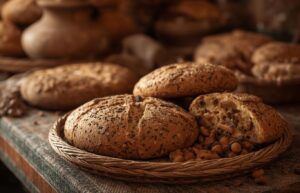
Beyond the main dishes, explore the street food. Look for harira, a nourishing lentil and chickpea soup, perfect for a cool evening. Msemmen (layered flatbread) and baghrir (honeycomb pancakes) are breakfast favorites, often served with honey and mint tea. For a sweet treat, try `chebakia` (honey-sesame cookies) or `makouda` (potato cakes). One local specialty unique to Fes is `pastilla` – a surprisingly delicious savory-sweet pie, traditionally made with pigeon, but also available with chicken or even seafood, encased in delicate warqa pastry and dusted with cinnamon and powdered sugar. Don’t leave without trying it!
Rooftop Views and Hidden Riads for Dining
Many riads (traditional Moroccan houses converted into guesthouses) in the Fes old medina offer exquisite dining experiences, often on their stunning rooftop terraces. These are perfect for enjoying a romantic dinner with panoramic views of the medina, especially as the sun sets and the city lights begin to twinkle. The ambiance is usually serene and intimate, a stark contrast to the lively streets below. Reservations are often required, and these establishments excel in providing a gourmet Moroccan feast, complete with multiple courses, from fresh salads to slow-cooked main dishes and elaborate pastries. For a more casual but equally authentic experience, seek out small, family-run restaurants tucked away in side alleys. These often serve home-style cooking at very reasonable prices and are excellent places to try local dishes prepared with passion and tradition.
Stepping Beyond the Bustle: Medina’s Tranquil Escapes
While the Fes old medina is known for its vibrant energy and constant activity, it also holds numerous serene havens where you can find peace and reflection. These hidden gems offer a different perspective of the city, revealing its quiet dignity and timeless beauty away from the main tourist circuits.
One such escape is the Jardin Jnan Sbil, often referred to as the Bou Jeloud Gardens. Located just outside one of the medina’s main gates, Bab Bou Jeloud, these gardens are a wonderful respite. With their tall date palms, bamboo groves, gurgling fountains, and a serene lake, they offer a lush, green oasis perfect for a leisurely stroll or a quiet moment of contemplation. It’s a favorite spot for locals to relax and is a testament to the city’s ability to blend urban life with natural beauty. You’ll find families picnicking, children playing, and couples enjoying the cool shade, offering a glimpse into everyday life in Fes outside the strict confines of the ancient walls.
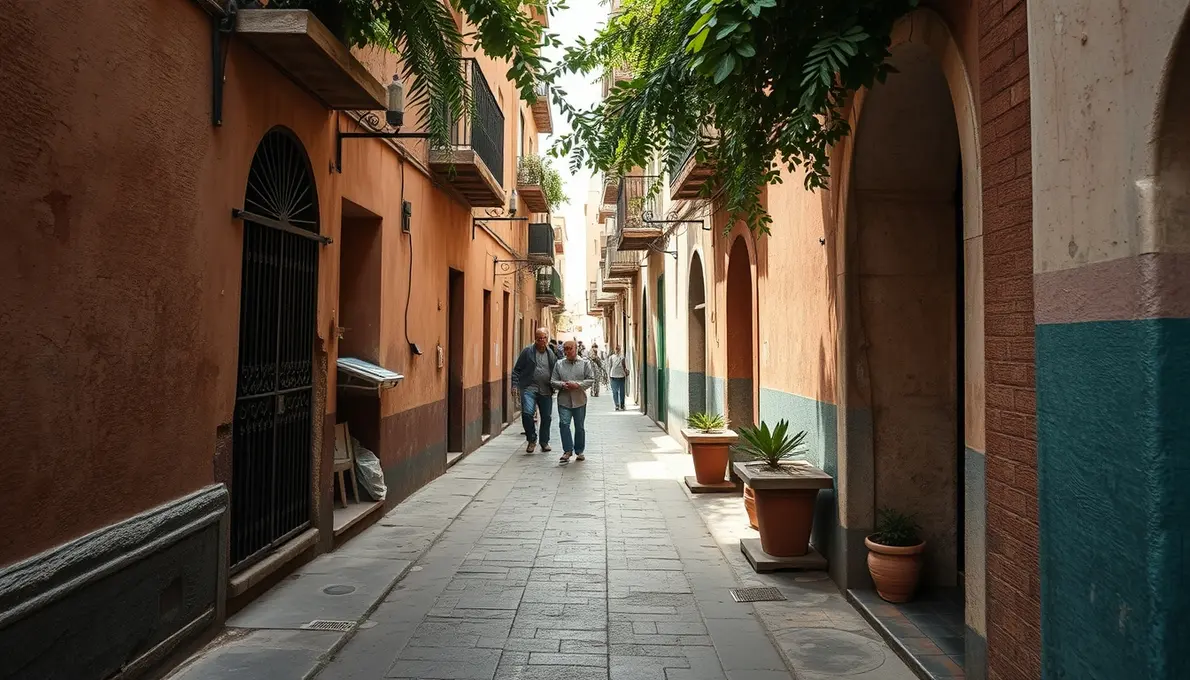
Another type of tranquil escape is simply wandering aimlessly down the quieter, residential alleys. Here, you’ll encounter beautifully carved doors, colorful geometric tiles adorning entryways, and the occasional glimpse into a private courtyard garden. The sounds are different here: less haggling, more the gentle hum of daily life, perhaps a cat stretching in the sun or the distant call to prayer. These moments of unplanned exploration often lead to the most memorable discoveries, showcasing the intimate charm of the medina away from the main tourist paths.
Hammams and Relaxation: Rejuvenation in the Medina
For ultimate relaxation, consider indulging in a traditional Moroccan hammam experience. These ancient bathhouses are an integral part of Moroccan culture, offering a ritual of cleansing, exfoliation, and massage. There are public hammams, often more traditional and basic, where locals go regularly, and more luxurious, private hammams often found within upscale riads. Whichever you choose, it’s a wonderfully authentic way to unwind after a day of exploring the bustling Fes old medina. The combination of steam, black soap scrub, and a soothing massage leaves you feeling refreshed and rejuvenated, ready for more adventures. It’s not just a spa treatment; it’s a social ritual and a vital part of well-being in Moroccan society.
Practicalities for a Fulfilling Medina Exploration
To truly enjoy the Fes old medina, a little preparation goes a long way. Comfortable walking shoes are an absolute must, as you’ll be on your feet for extended periods on uneven cobblestone paths. Dress modestly out of respect for local customs, especially when visiting religious sites. Loose-fitting clothing that covers shoulders and knees is ideal. Carry a small daypack with water, sunscreen, and perhaps a light scarf.
Negotiating prices in the souks is expected, but always do so respectfully and with a smile. If you’re unsure about getting lost (it happens to everyone!), don’t hesitate to hire an official guide for a half or full day. They are readily available through your riad or at the main gates. Be wary of unofficial “guides” who might approach you unsolicited; ensure your guide is licensed. Tipping is customary for guides, drivers, and service staff, usually around 10% for restaurant bills if service isn’t included.
The best time to explore the medina is mornings, when the light is beautiful, temperatures are cooler, and the city slowly wakes up. Evenings offer a different charm, with lanterns illuminating the alleys and the aroma of street food filling the air. Embrace the sensory overload, the unexpected turns, and the constant hum of life. The Fes old medina is a captivating place, and allowing yourself to get wonderfully, safely lost in its embrace is part of its undeniable allure.
Conclusion
The Fes old medina is an open-air museum, a living, breathing testament to a rich and vibrant past that continues to thrive. From the relentless rhythm of its artisan souks to the tranquil beauty of its madrasas and the inviting aromas of its kitchens, every corner offers a new discovery. As you navigate its storied alleys, you’ll not only uncover historical treasures but also experience the enduring warmth and hospitality of its people. This ancient city promises an unforgettable journey, a deep dive into the heart of Moroccan culture that leaves an indelible mark on every traveler.
FAQs
What are the must-see attractions in Fes old medina?
The must-see attractions include the Chouara Tannery, Medersa Bou Inania, Al-Attarine Madrasa, and the Nejjarine Museum of Wood Arts and Crafts. Don’t miss exploring the vibrant souks like Attarine (spices) and Seffarine Square (metalworkers) for an immersive cultural experience.
Is it safe to explore the Fes medina on my own?
Yes, the Fes medina is generally safe to explore on your own during the day. However, it can be very easy to get lost due to its labyrinthine layout. It’s advisable for first-timers to hire an official guide for at least a half-day to get their bearings and discover hidden gems, especially in the evening. Always be aware of your surroundings and consider carrying a map or having an offline GPS.
What is the best way to get around the Fes old medina?
The Fes old medina is entirely car-free, so the best and only way to navigate its narrow streets is on foot. Donkeys are often used for transporting goods, adding to the unique atmosphere. Wear comfortable walking shoes, as you’ll be doing a lot of walking on uneven surfaces.
What should I buy in the Fes souks?
The Fes souks are famous for a variety of traditional Moroccan crafts. Popular items to buy include high-quality leather goods (bags, shoes, jackets) from the tanneries, intricate ceramics and pottery (especially the distinctive blue and white Fassi designs), aromatic spices and argan oil, hand-woven textiles and carpets, carved cedar wood items, and traditional Moroccan slippers (babouches). Remember to haggle respectfully for the best prices.


 Covers cities, coast, mountains, desert & food