
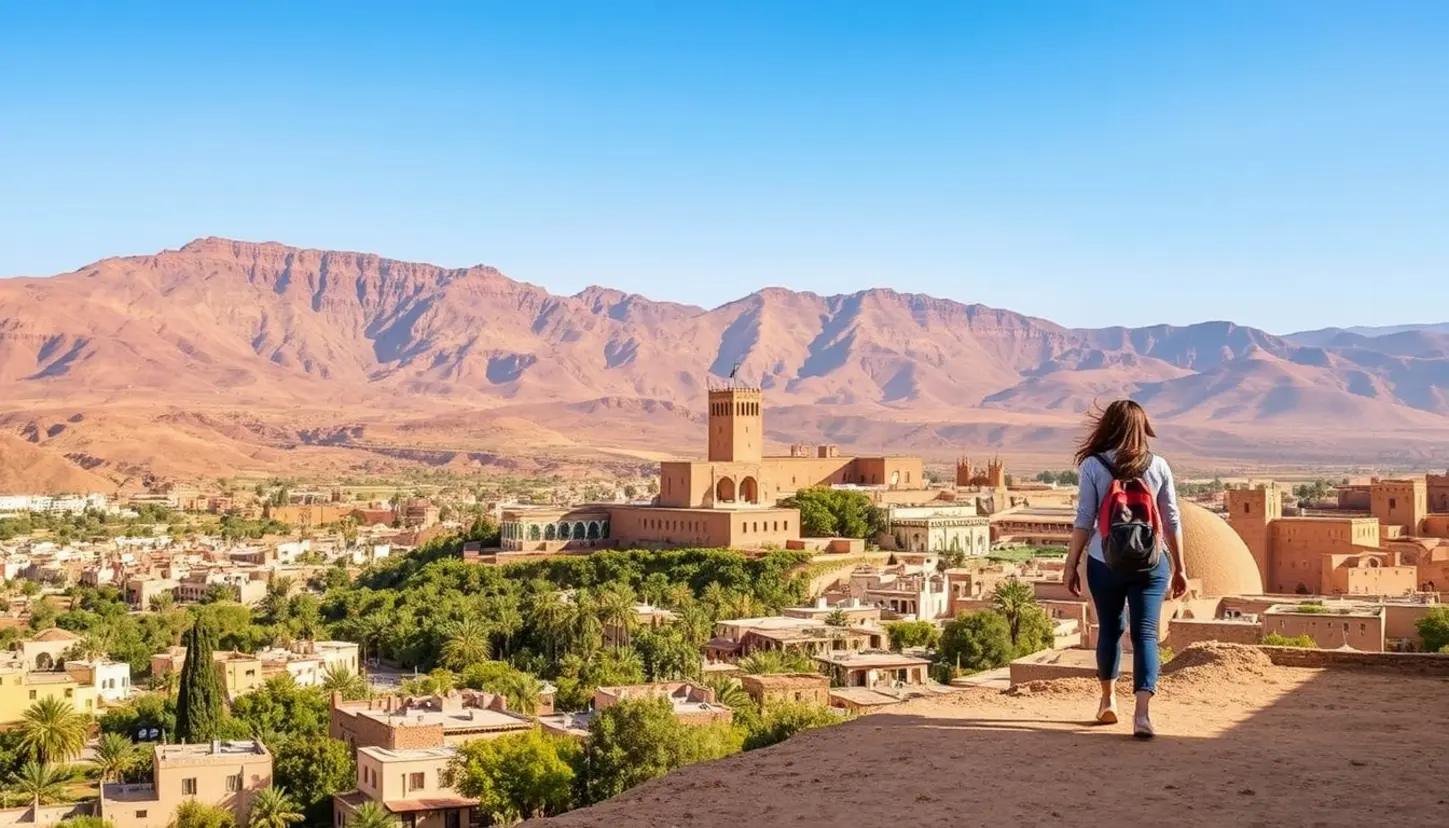
Stepping into the Fes medina is like walking through a portal to another era. For anyone dreaming of an authentic Moroccan experience, this ancient walled city, a UNESCO World Heritage site, is an absolute must-visit. This Fes medina guide is designed to help you navigate its labyrinthine alleyways, uncover its hidden treasures, and truly immerse yourself in its vibrant culture. Forget everything you know about modern city planning; Fes el-Bali operates on a different, centuries-old logic, and embracing that is the key to unlocking its magic.
Unraveling the Labyrinth: What Makes the Fes Medina Unique
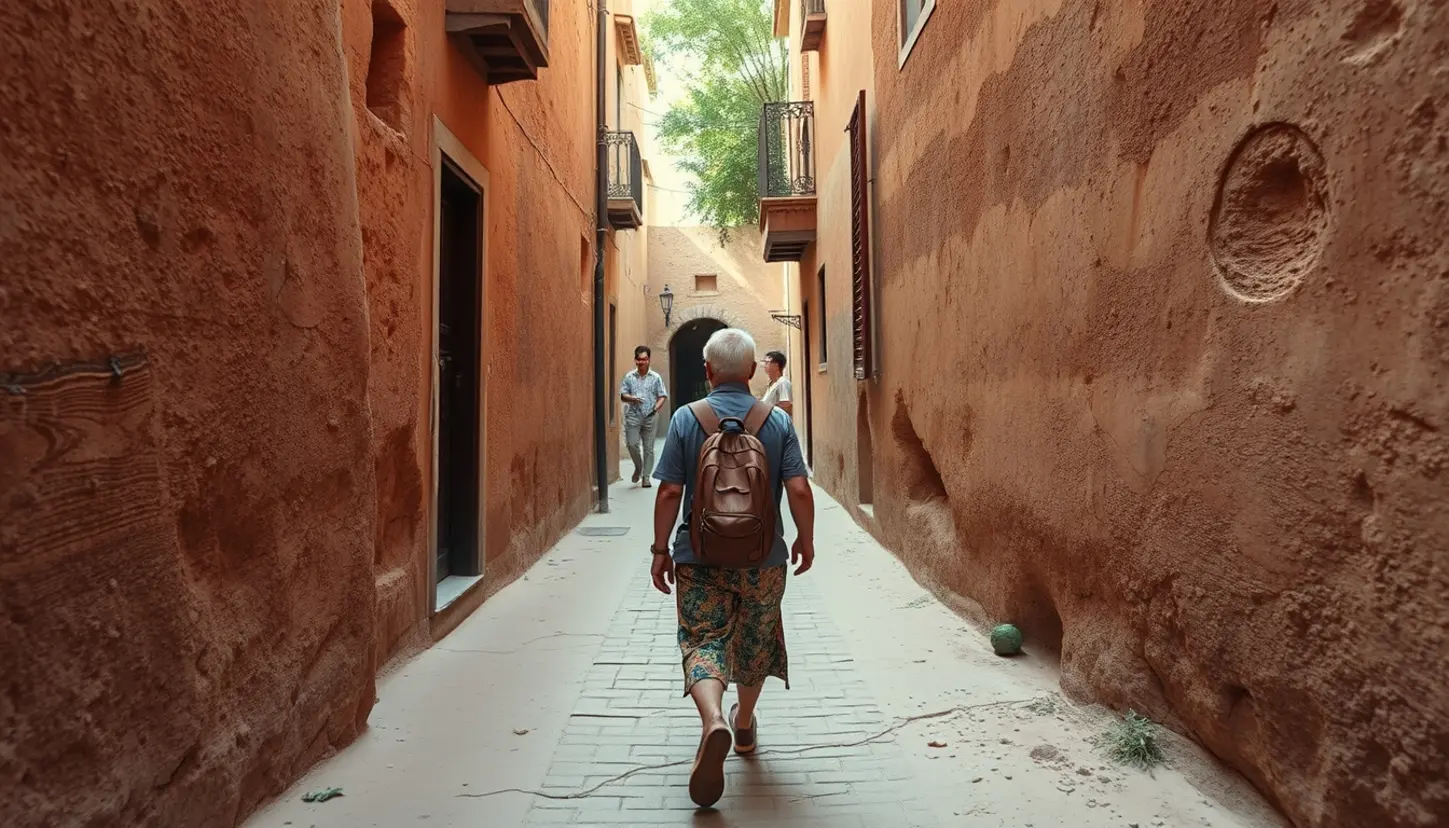
The Fes medina, Fes el-Bali, is often cited as the world’s largest car-free urban area. This isn’t just a fun fact; it fundamentally shapes the entire experience. Donkeys and mules are the primary mode of transport for goods, their rhythmic clopping often the loudest sound you’ll hear amidst the human chatter. This creates an atmosphere utterly distinct from other imperial cities. It’s a living, breathing museum, not preserved for tourists but continuing to function as it has for over a millennium. Every turning, every narrow passage, seems to hold another surprise – a hidden riad, a bustling souk, or a quiet mosque. Understanding this scale and the organic growth of the medina is crucial to appreciating its profound historical and cultural significance. It’s not just a collection of buildings; it’s an intricate web of life.
Immersing in the Artisanal Heart: Fes’s Enduring Souks and Crafts
The Fes souks are the beating heart of the medina, and exploring them is an adventure in itself. Forget modern shopping malls; these aren’t just places to buy things, but workshops where ancient crafts are still practiced with skill passed down through generations. From the famed Chouara Tannery, where animal hides are processed using traditional, intensely aromatic methods, to the vibrant dye pits of the Dyer’s Souk, you’ll witness artisans at work. The textile souk overflows with beautiful fabrics, carpets, and traditional garments, while the carpentry souk echoes with the sounds of wood being carved into intricate designs. Don’t miss the metalworkers hammering brass and copper into stunning lamps and trays, or the intricate mosaics being laid by hand. Each souk specializes in a particular craft, creating a sensory overload of sights, sounds, and smells. Engaging with the artisans, even if just to observe, provides a deeper appreciation for the resilience of these ancient traditions.
Architectural Wonders: Uncovering the Medina’s Historic Gems
Beyond the bustling souks, the Fes medina holds an incredible concentration of architectural masterpieces that tell the story of its rich past. Start with the Al-Attarine Madrasa, a masterpiece of Merinid architecture with its exquisite zellij tilework, carved cedarwood, and delicate stucco. The Bou Inania Madrasa is another stunning example, boasting a clock with an intricate hydraulic mechanism. Don’t just peek; step inside these former theological colleges to truly appreciate their serene beauty and intricate details. The Kairaouine Mosque and University, founded in 859 AD, is one of the oldest universities in the world and a spiritual cornerstone of Fes, though non-Muslims can typically only view parts of its courtyard from the outside. The El-Nejjarine Museum of Wooden Arts & Crafts, housed in a beautifully restored fondouk (caravanserai), offers a fascinating look at traditional woodwork and the history of the inn itself. Each of these sites contributes to the narrative of Fes as a center of learning, faith, and artistic innovation.
Navigating the Medina with Confidence: Essential Tips and Tricks
The sheer scale and complexity of the Fes medina can be daunting, but with a few tips, you can embrace its maze-like charm rather than be overwhelmed. First and foremost, embrace getting lost – it’s part of the experience! However, always carry a physical map or have an offline map downloaded on your phone. Hiring a licensed local guide for at least your first day is highly recommended. They can not only help you navigate but also provide invaluable historical context and local insights you’d never discover on your own. Negotiating prices for goods is expected and part of the cultural exchange, but always do so respectfully and with a smile. Dress modestly to show respect for local customs, and be prepared for plenty of walking on uneven surfaces. Remember to look up – many of the medina’s most beautiful architectural details are above eye level. Staying hydrated is also key, especially in warmer months. A good Fes medina guide always emphasizes preparedness over panic.
Culinary Journey: Savoring the Flavors of Fes
No visit to Fes is complete without indulging in its incredible culinary scene, which is deeply rooted in Moroccan tradition. From humble street food stalls to elegant riad restaurants, there’s a taste for every palate. Seek out a traditional tagine, slow-cooked to perfection with tender meats, vegetables, and aromatic spices. Try Pastilla, a savory-sweet pigeon or chicken pie dusted with cinnamon and powdered sugar, a true Fassi specialty. Harira, a hearty lentil and chickpea soup, is perfect for a cooler evening. For street food, sample the various brochettes (kebabs), msemen (flaky Moroccan pancakes), and the freshly squeezed orange juice. Don’t shy away from eating at small, local eateries; they often serve the most authentic and delicious meals. Many riads offer cooking classes, providing a fantastic opportunity to learn about Moroccan ingredients and techniques, and to recreate these flavors long after you’ve left the medina. This culinary exploration is an integral part of the immersive experience offered by any good Fes medina guide.
Stepping Beyond the Walls: The New City and Surrounding Areas
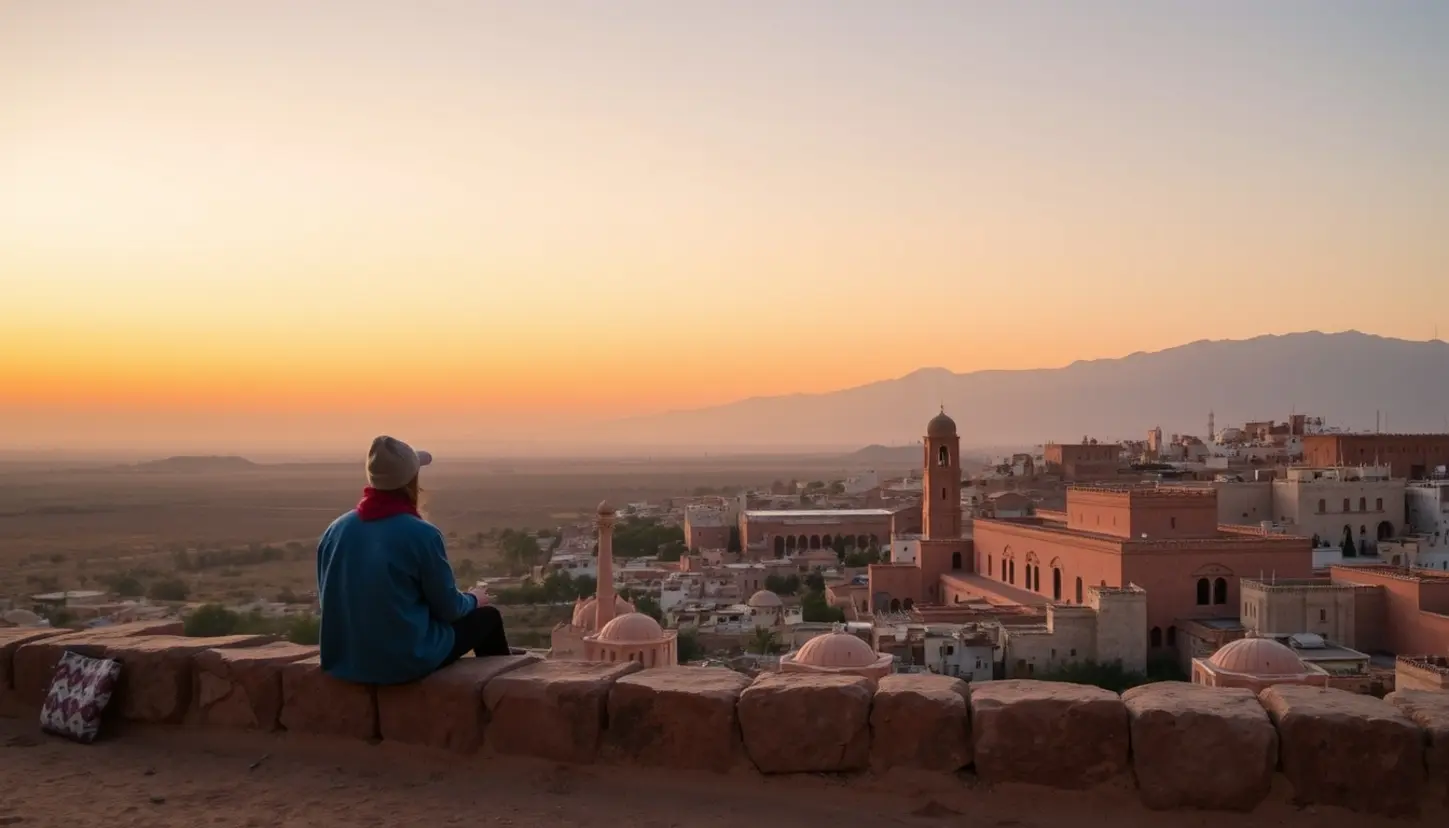
While the allure of the Fes medina is undeniable, it’s worth noting that Fes is a city of two halves. The Ville Nouvelle (New City), built during the French protectorate, offers a contrast with its wide boulevards, modern cafes, and contemporary shops. It’s a good place to find different dining options or simply to experience the other side of Fes. Beyond the immediate city, there are several worthwhile excursions. The Merinid tombs, perched on a hill overlooking the medina, offer panoramic views, especially stunning at sunset. A day trip to Meknes, another imperial city with its grand gates and vast granaries, or to Volubilis, the remarkably well-preserved Roman ruins, makes for an excellent combination with your Fes explorations. These sites offer fascinating historical perspectives and provide a broader understanding of Morocco’s rich heritage. For those interested in exploring more of Morocco, consulting an Fes medina guide can offer insights into how Fes fits into a larger travel itinerary.
Choosing Your Haven: Accommodation Within the Medina
Deciding where to stay in Fes is a significant part of planning your trip, and for an authentic experience, a riad within the medina is highly recommended. Riads are traditional Moroccan homes or palaces converted into guesthouses, characterized by an enclosed courtyard or garden at their center, offering a tranquil escape from the bustling streets outside. They often feature stunning architecture, intricate tilework, and personalized service. Staying in a riad allows you to truly feel immersed in the medina’s rhythm, waking to the call to prayer and experiencing its unique atmosphere around the clock. Options range from budget-friendly guesthouses to luxurious boutique riads, many with rooftop terraces offering incredible views over the city. When booking, consider the proximity to Bab Bou Jeloud (the Blue Gate) for easier access, though getting deeper into the medina often means more profound tranquility. Research reviews regarding ease of access, especially if you have heavy luggage, as cars cannot enter the medina, and porters will be needed.
Embracing the Authenticity: Avoiding Common Visitor Missteps
While the Fes medina is generally safe and welcoming, a few common oversights can detract from your experience. One mistake is underestimating the medina’s size and complexity. Don’t try to see everything in a single day; pace yourself and allow time for spontaneous discoveries. Another common trap is falling for “false guides” who offer to “help” you navigate but then lead you to specific shops where they receive a commission. Politely but firmly decline their services if you haven’t pre-arranged a licensed guide. Be aware of your belongings in crowded areas, as with any busy destination. While photography is often welcomed, always ask permission before taking close-up shots of individuals. Try to learn a few basic Arabic phrases like “Shukran” (thank you) and “La shukran” (no thank you); a little effort goes a long way. Finally, manage your expectations regarding scents; the medina is a city of life, and with life comes strong smells, particularly around the tanneries – it’s all part of the authentic experience. For more detailed practical information, refer to a comprehensive Fes souks.
Conclusion
The Fes medina is more than just a destination; it’s an experience that awakens all the senses and transports you to a bygone era. From the artistry of its souks to the grandeur of its ancient madrasas, and the simple beauty of everyday life unfolding in its countless alleyways, it offers an unparalleled journey into Moroccan culture and history. Don’t just visit Fes; allow yourself to get lost in its magic, embrace its quirks, and uncover its many hidden gems. A well-prepared Fes medina guide is your key to unlocking this incredible ancient city.
FAQs
Is it safe to wander the Fes medina on my own?
Yes, the Fes medina is generally safe for tourists during the day. However, it is very easy to get lost due to its labyrinthine nature. It’s highly recommended to hire a licensed guide for your first day or two to help you get acquainted with its layout and major attractions. At night, stick to well-lit main thoroughfares or walk with companions.
What is the best way to get around the Fes medina given it’s car-free?
Inside the medina walls, the primary modes of transport are walking and mules/donkeys, which carry goods. For navigating, put on comfortable walking shoes! If you have luggage, porters with hand-carts (or donkeys for heavier items) can be arranged through your riad or guide to help transport your bags to and from the nearest accessible drop-off point.
How much time should I allocate to exploring the Fes medina?
To truly experience the Fes medina and its surrounding areas without feeling rushed, aim for at least 3 to 4 full days. This allows you to explore the souks, visit the historical sites, enjoy some culinary experiences, and perhaps take a day trip to Meknes or Volubilis. You could certainly spend longer and still find new things to discover.
What should I wear when visiting the Fes medina?
Morocco is a Muslim country, and particularly in traditional areas like the Fes medina, it’s respectful to dress modestly. This means covering your shoulders and knees. Loose-fitting clothing made of breathable fabrics is ideal, especially during warmer months. Comfortable walking shoes are a must due to the uneven surfaces and extensive walking.





 Covers cities, coast, mountains, desert & food