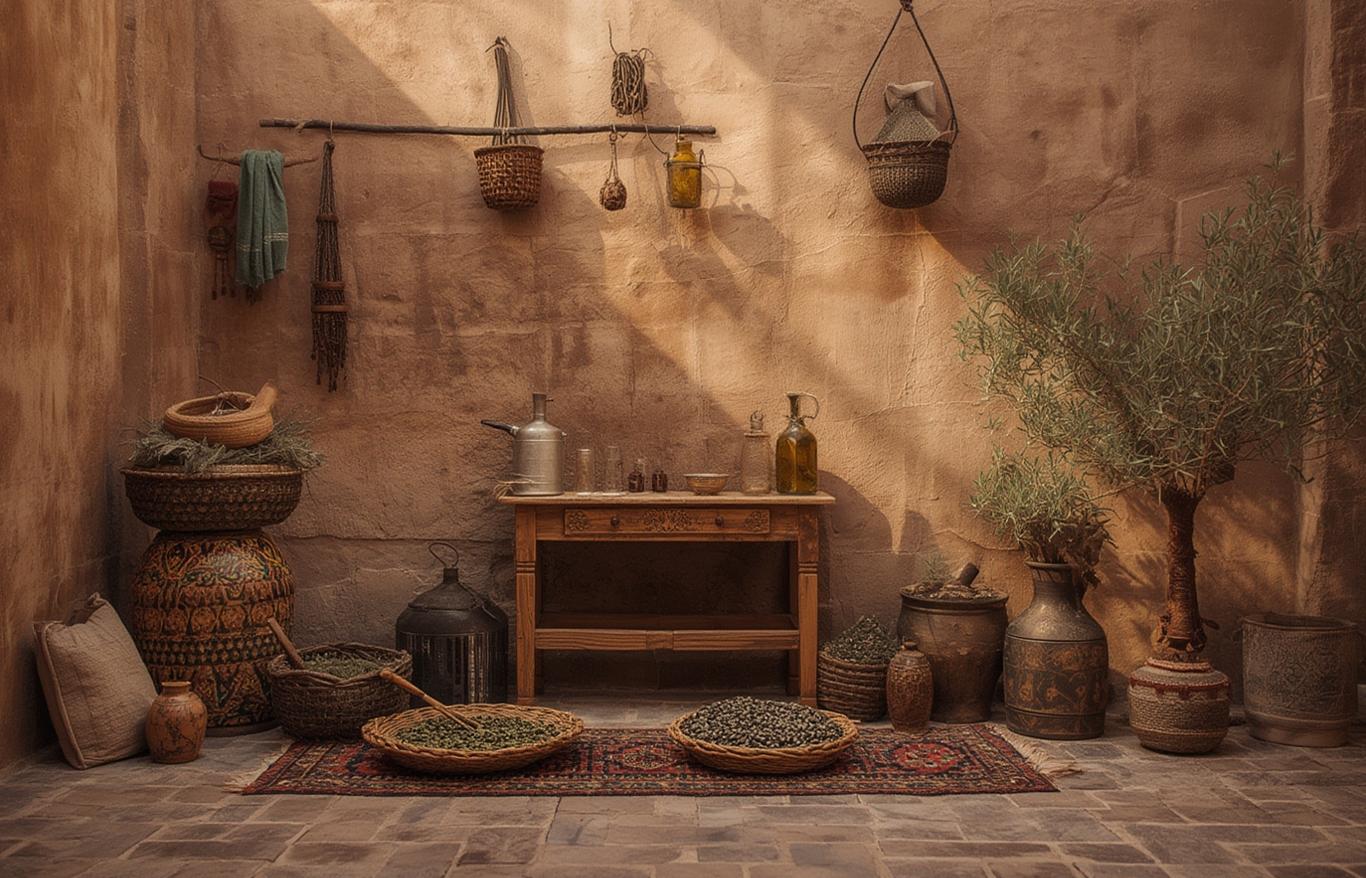
Morocco, a land steeped in ancient history and vibrant culture, offers a sensory journey unlike any other. Among its most revered treasures are the age-old Moroccan olive oil traditions, a practice that transcends mere agriculture to become an intrinsic part of the nation’s identity. From the sun-drenched groves to the artisanal presses, the story of Moroccan olive oil is one of heritage, community, and an unwavering connection to the land. This liquid gold isn’t just a culinary staple; it’s a symbol of hospitality, health, and a way of life that has been carefully preserved over millennia. Understanding these traditions offers a profound insight into the heart of Moroccan culture.
The Deep Roots of Moroccan Olive Cultivation
The history of olive cultivation in Morocco dates back thousands of years, long before the arrival of the Arabs, with evidence suggesting Phoenician and Roman influences. The climate – hot, dry summers and mild, wet winters – combined with the fertile soils, create the perfect conditions for olive trees to thrive. Across the country, particularly in regions like Meknes, Marrakech, and the Atlas foothills, you’ll find ancient olive groves, some trees bearing fruit for centuries, silently witnessing the passage of time. These trees are more than just agricultural assets; they are living monuments, deeply woven into the agricultural tapestry and daily lives of Moroccans. The resilience of these trees mirrors the resilience of the Moroccan people, enduring through seasons and generations, always yielding their precious harvest.
From Grove to Press: The Rhythmic Dance of Moroccan Olive Harvesting
The annual olive harvest is a truly communal affair, a testament to the enduring Moroccan olive oil traditions that celebrate collective effort and shared reward. Typically commencing in late autumn and extending into early winter, this period transforms the countryside into a hub of activity. Families, often entire villages, gather to meticulously hand-pick olives – a method favored for preserving the fruit’s quality and preventing damage to the trees. Some regions also employ traditional long poles to gently dislodge the olives, which are then caught on tarpaulins spread beneath the trees. This isn’t just labor; it’s a festival, marked by chatter, laughter, and shared meals under the olive branches. The air becomes thick with the scent of fresh earth and ripe olives, a pervasive aroma that signals the season of abundance. The harvested olives are then quickly transported to local mills, ensuring their freshness and the purity of the oil. This swift transition from tree to press is crucial for producing high-quality extra virgin olive oil, a cornerstone of Moroccan cuisine.
The Art of Extraction: Traditional Methods and Artisan Mills
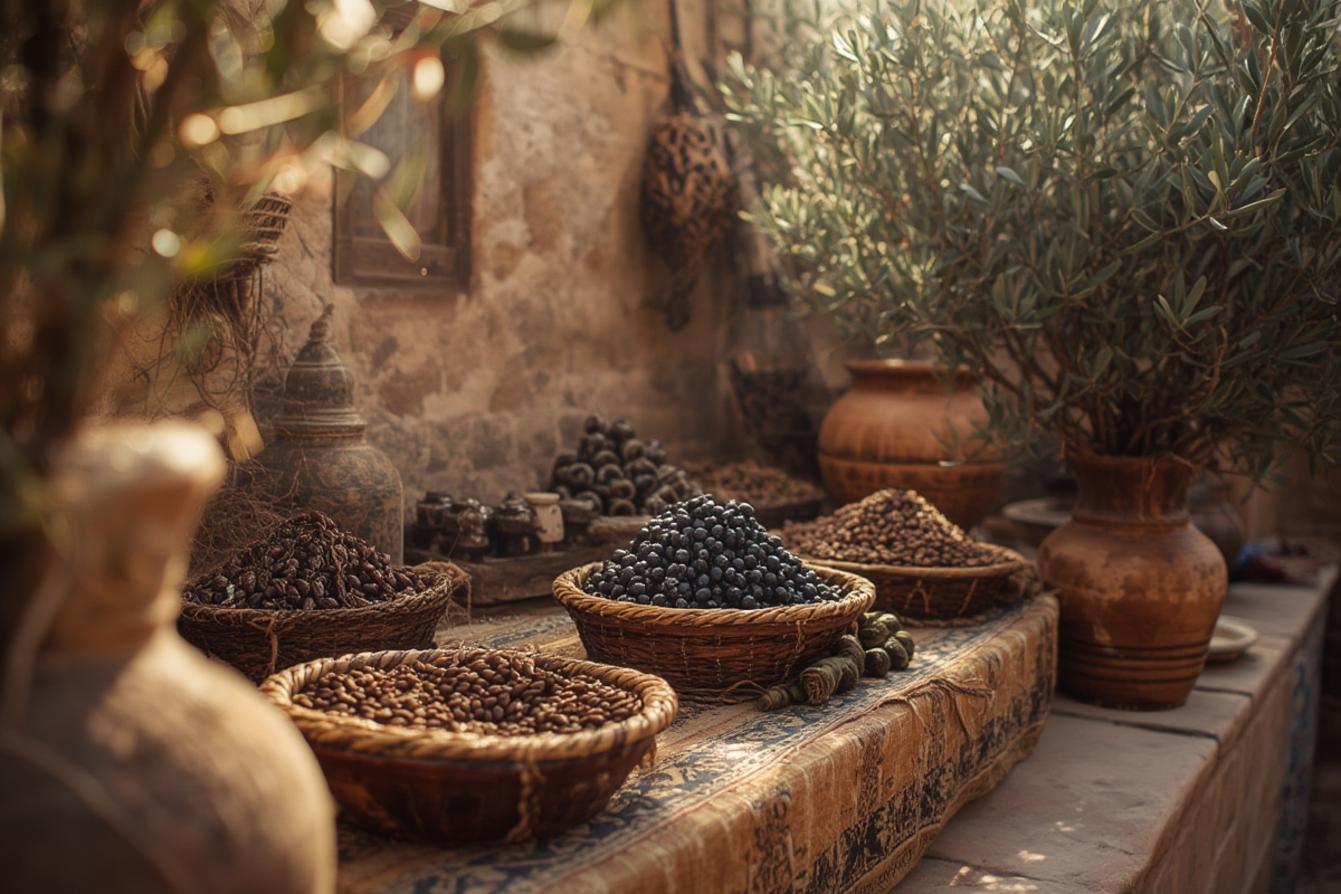
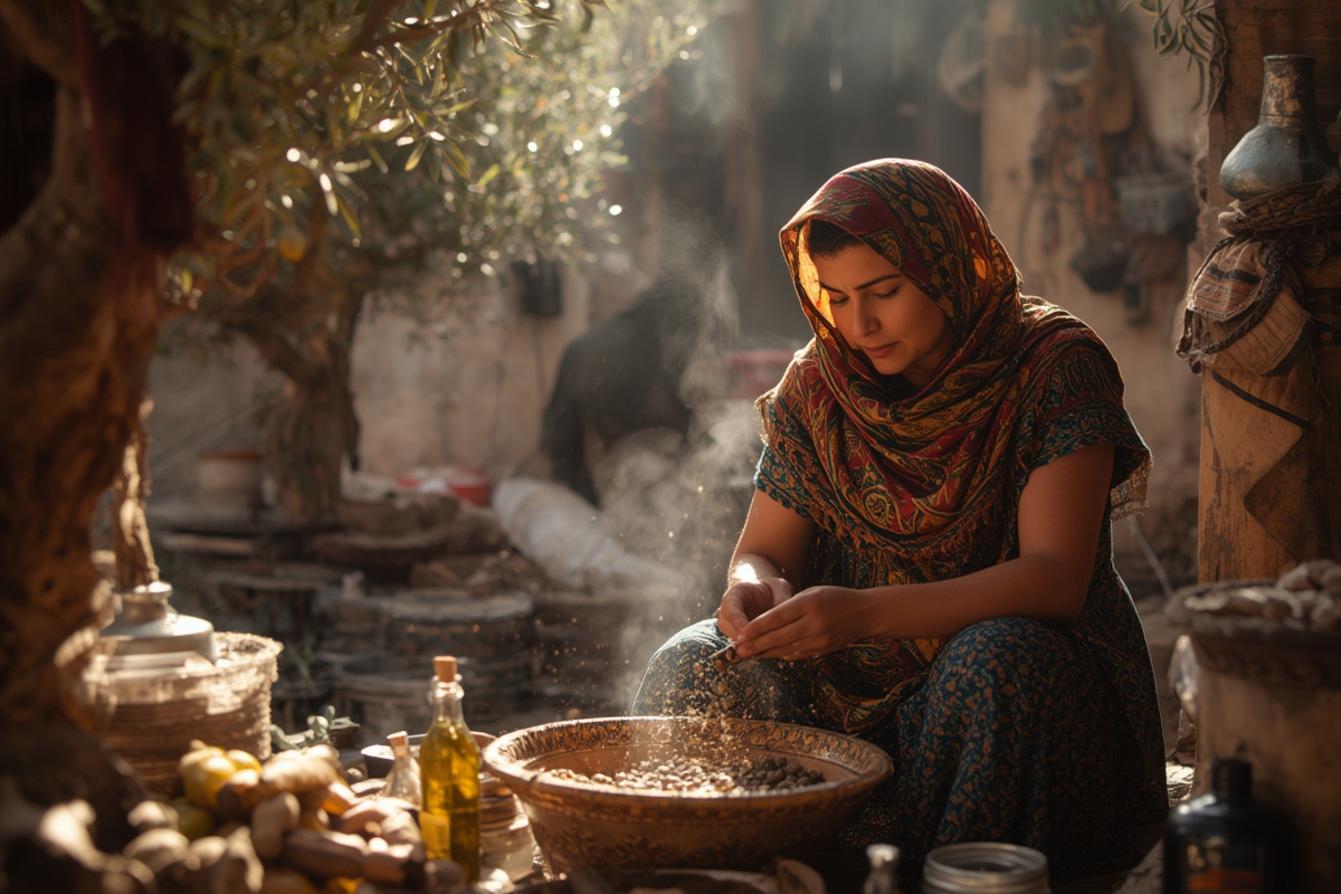
While modern machinery has made inroads, many Moroccan olive oil traditions still cling to time-honored extraction methods, particularly in smaller, family-run mills. These traditional presses, often powered by animals or manually operated, are a fascinating window into the past. Olives are first crushed into a paste, typically using stone mills, which slowly grind the fruit, pits and all, to release its oils. This paste is then spread onto woven mats and pressed, separating the oil from the solids and water. The result is a robust, often unfiltered, oil with a distinctive peppery finish and a vibrant green hue. Walking into one of these traditional mills, often nestled within a village or a remote farm, assaults the senses. The rhythmic creak of the press, the earthy aroma of crushed olives, and the sight of golden-green oil slowly trickling out of the spouts create an unforgettable experience. These artisan producers pride themselves on the quality and purity of their oil, often passing down their knowledge through generations, preserving a vital part of Morocco’s culinary heritage.
The Golden Elixir in Moroccan Cuisine and Culture
Moroccan olive oil isn’t merely an ingredient; it’s a foundational element of the national diet and a strong symbol of Moroccan hospitality. From the simple dipping of fresh bread in a bowl of golden oil, often served with a sprinkle of cumin and salt, to its central role in tagines, salads, and couscous, it infuses nearly every meal with its characteristic flavor. In Moroccan homes, offering a guest bread and olive oil is an act of profound welcome and respect. Beyond the kitchen, olive oil holds significant cultural and even medicinal importance. It’s believed to have numerous health benefits, making it a cornerstone of traditional remedies. The oil is also used symbolically in spiritual practices and rites of passage, underlining its deep connection to Moroccan life and belief systems. Understanding its pervasive use helps travelers appreciate the depth of flavor in Moroccan dishes and the warmth behind every shared meal. Moroccan olive harvesting is not just about producing food, but about nurturing culture.
Experiencing Moroccan Olive Oil Traditions as a Traveler
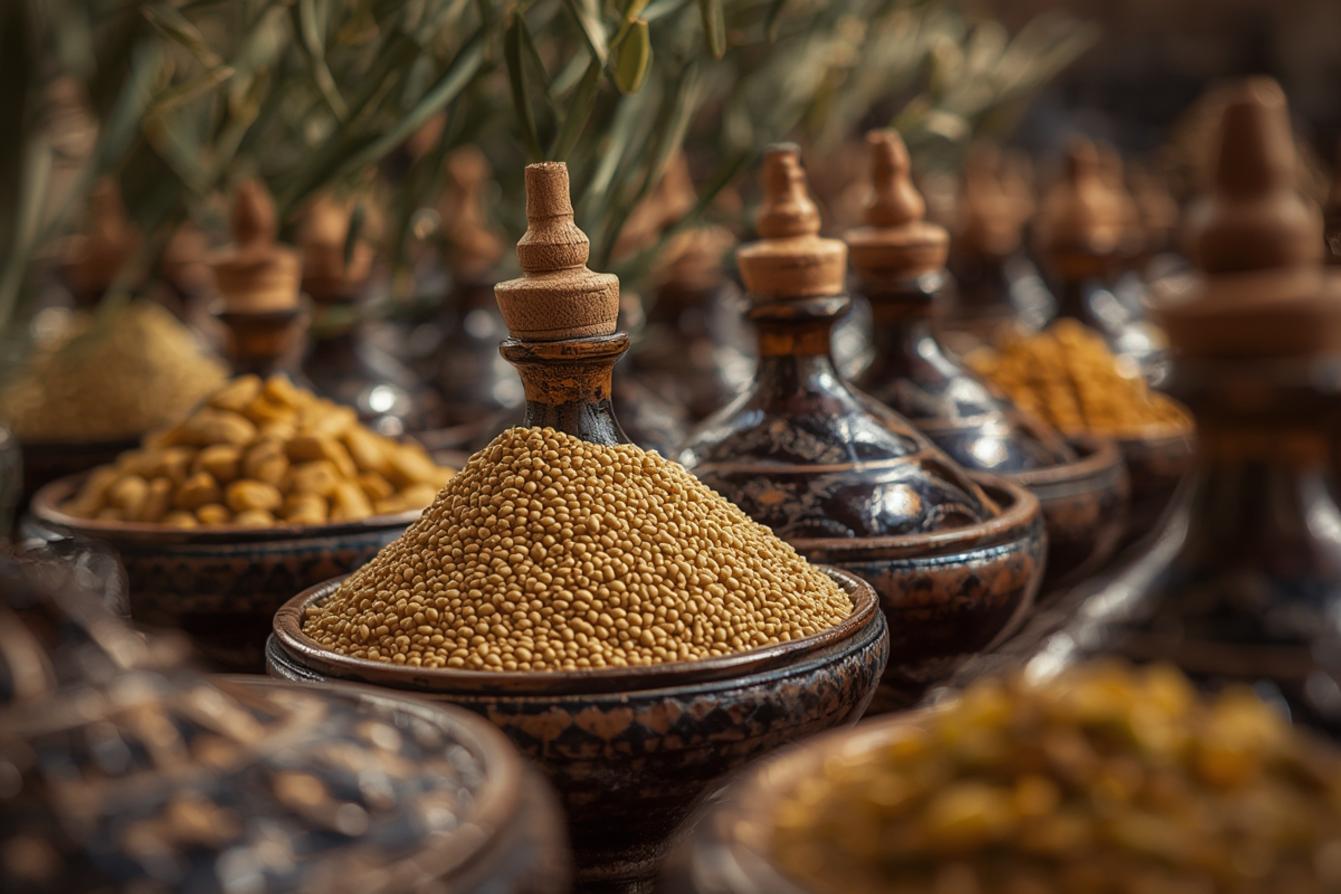
For visitors to Morocco, delving into its olive oil traditions offers a unique and authentic cultural immersion. The ideal time to explore this world is during the harvest season (typically October to December). Many rural areas and agrotourism initiatives now offer opportunities for visitors to participate in the harvest, providing a hands-on experience of this ancient practice. Imagine spending a morning under the warm Moroccan sun, picking olives alongside local families, sharing mint tea, and learning about their way of life. Beyond the harvest, visits to local olive oil cooperatives and mills, particularly around Meknes (often dubbed the ‘olive capital’ of Morocco) or the Moroccan olive oil traditions of the Atlas Mountains, offer guided tours and tastings. These experiences allow you to witness the extraction process firsthand, from crushing to pressing, and, of course, to sample the freshly pressed oil. A tasting session of various local oils, each with its unique flavor profile – from fruity and mild to intensely peppery – is a revelation for the palate. It’s an opportunity to connect with the land, the people, and the flavors that define Morocco.
Regional Variations and Distinctive Flavors
Just as Moroccan cuisine boasts regional specialties, so too do its olive oils exhibit distinct characteristics depending on the variety of olive, the microclimate, and the traditional pressing methods employed. The predominant olive variety in Morocco is the Picholine Marocaine, known for its high oil content and fruity, slightly peppery flavor. However, other indigenous and introduced varieties contribute to a spectrum of tastes. Oils from the northern regions, like Meknes and Fez, are often celebrated for their robust, intense flavors, reflecting the fertile plains and ancient trees. Further south, oils from the Atlas foothills can be milder, with nutty undertones, influenced by different soil compositions and a slightly harsher climate. Exploring these regional variations is akin to embarking on a wine tasting journey, each oil telling a story of its origin. Seek out small, local producers and ask about the specific origins of their oil; you’ll be rewarded with a deeper appreciation for the nuanced flavors and the dedicated craftsmanship embedded in Moroccan olive oil traditions.
Conclusion
The enduring legacy of Moroccan olive oil traditions is a powerful testament to the country’s rich agricultural heritage and its deep connection to the land. From the communal spirit of the harvest to the meticulous craft of the artisan press, and its omnipresent role in Moroccan cuisine and cultural life, olive oil is far more than just a foodstuff. It is a symbol of generosity, health, and a way of life that has been cherished and preserved for centuries. As travelers, experiencing these traditions offers an authentic and enriching glimpse into the very heart of Morocco, leaving you with not just a taste of its liquid gold, but a profound appreciation for its vibrant culture.
FAQs
What is the best time of year to witness Moroccan olive harvesting?
The olive harvesting season in Morocco typically runs from late October to December, making autumn and early winter the ideal time to witness or even participate in the process. During these months, many rural areas and small farms are bustling with activity as families gather their annual harvest.
How does Moroccan olive oil differ from olive oils from other regions, like Italy or Spain?
Moroccan olive oil, particularly that made from the native Picholine Marocaine variety, often has a distinct robust, slightly peppery, and intensely fruity flavor profile. While sharing similarities with Mediterranean oils, its unique terroir and traditional pressing methods often result in a bolder, more rustic character compared to some of the milder, more refined oils found in Italy or Spain.
Can tourists visit olive oil mills in Morocco?
Yes, many olive oil mills and cooperatives throughout Morocco welcome visitors, especially in regions known for olive cultivation like Meknes, Fez, and parts of the Atlas Mountains. These visits often include guided tours explaining the extraction process and opportunities for olive oil tastings. It’s advisable to check in advance or arrange through a local tour operator.
Is Moroccan olive oil considered healthy?
Absolutely. Moroccan olive oil, especially extra virgin varieties produced traditionally, is renowned for its health benefits. It’s rich in monounsaturated fats, antioxidants, and anti-inflammatory compounds, contributing to heart health and overall well-being. It forms a cornerstone of the healthy Mediterranean diet prevalent in Morocco.



 Covers cities, coast, mountains, desert & food