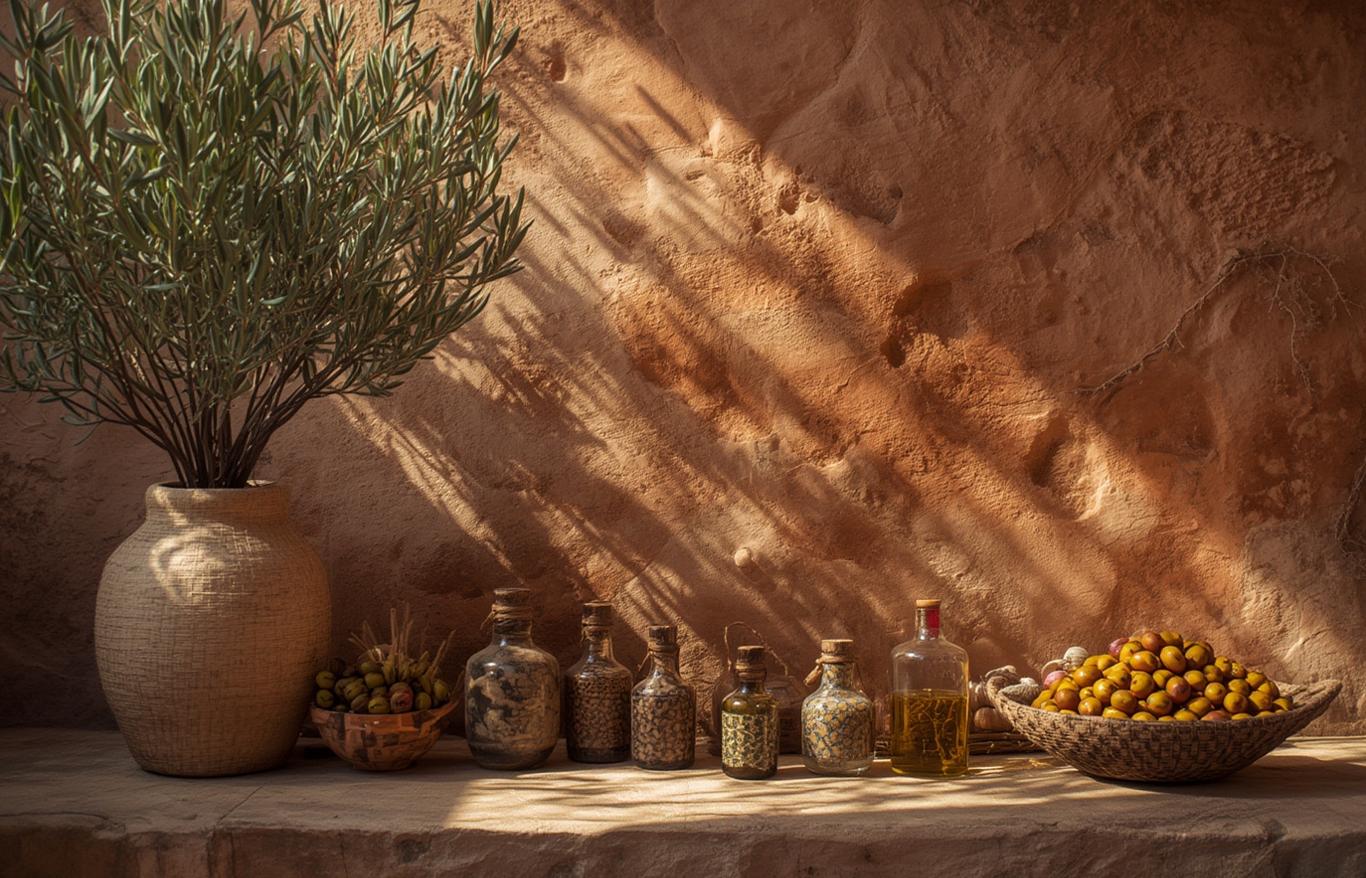
Morocco, a land steeped in history and vibrant culture, offers a sensory journey unlike any other. Among its most cherished treasures are the country’s ancient olive groves and the liquid gold they yield. Exploring Moroccan olive oil traditions reveals not just a culinary staple, but a profound connection to the land, a living heritage passed down through generations. From sun-drenched orchards to bustling souks, olive oil is woven into the very fabric of Moroccan life, influencing its cuisine, its rituals, and its economy. This article delves into the fascinating world of Moroccan olive oil, uncovering its rich history, diverse uses, and undeniable cultural significance.
The Enduring History of Olive Cultivation in Morocco
Long before Morocco was even a concept, the olive tree thrived on its fertile lands. The history of Moroccan olive cultivation stretches back thousands of years, with archaeological evidence suggesting Phoenician and Roman influences. These ancient civilizations recognized the ideal climate and soil conditions, fostering the growth of olive groves that would eventually become a cornerstone of the Moroccan agricultural landscape. Over centuries, various dynasties and local communities continued to nourish and expand these traditions. The Almoravids and Almohads, for instance, significantly contributed to irrigation techniques and introduced new varieties, solidifying the olive tree’s place in both the economy and the daily lives of Moroccans.
Beyond its economic value, the olive tree holds symbolic weight. It represents peace, prosperity, and longevity, often mentioned in religious texts and proverbs. Walking through an old olive grove, you can almost feel the whispers of history, imagining farmers for generations tending to the same trees, meticulously harvesting their bounty. This deep historical roots differentiate Moroccan olive oil traditions from mere agricultural practice; it’s a legacy.
From Grove to Table: The Craft of Traditional Moroccan Olive Oil Making
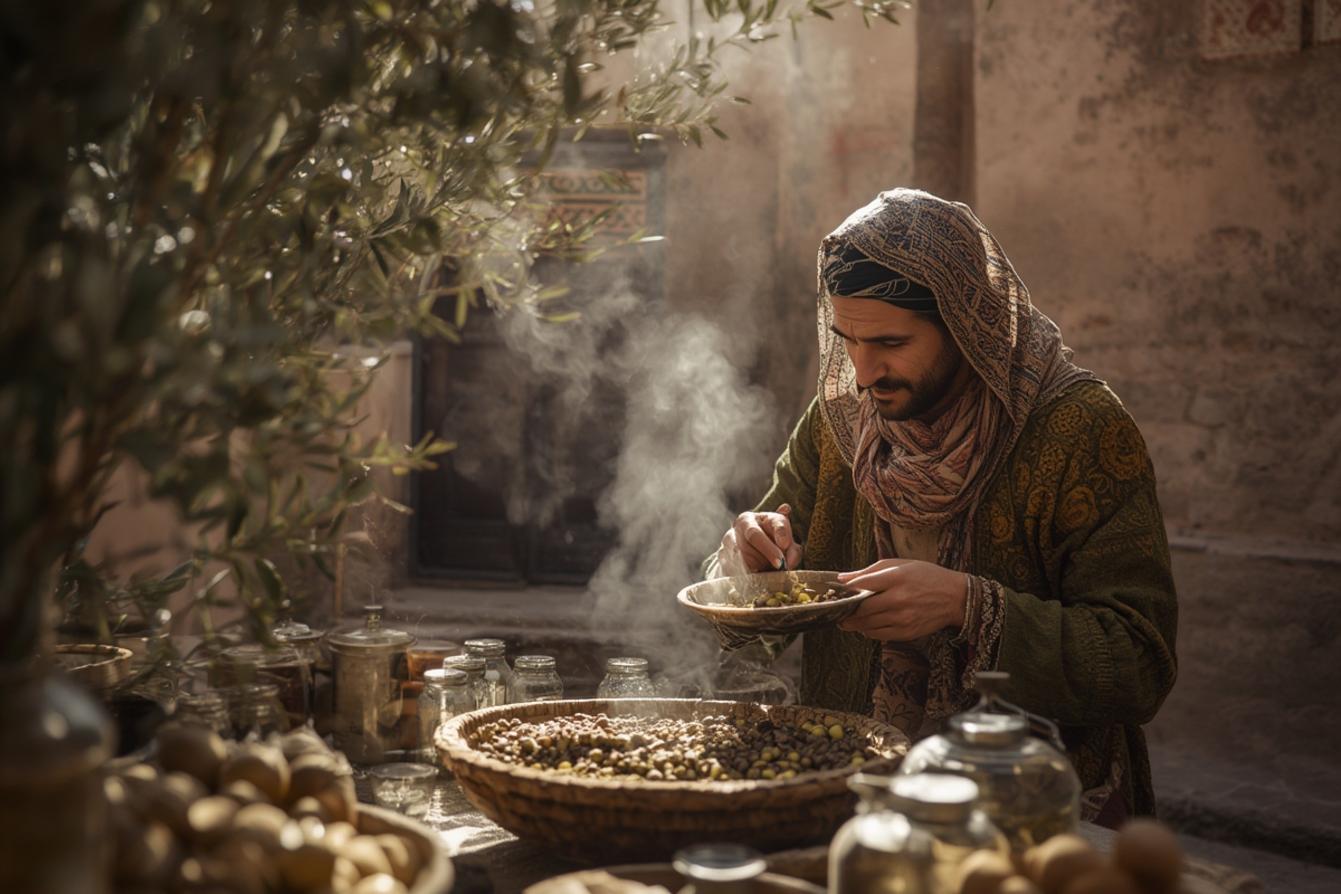
The journey of Moroccan olive oil from tree to table is a testament to tradition and craftsmanship. While modern techniques have certainly found their place, many regions still uphold time-honored methods that prioritize quality and authenticity. The harvest, typically from late autumn to early winter, is a community event, often involving families and neighbors meticulously hand-picking the olives or gently raking them from the branches. This careful handling minimizes bruising, a crucial step for producing high-quality oil.
Once harvested, the olives are transported to local presses. Traditionally, stone mills were used to crush the olives into a paste, which was then pressed to extract the oil. Today, while some traditional presses still operate, many smaller cooperatives and larger producers use more efficient, modern machinery that still respects the integrity of the fruit. However, the underlying principle remains the same: extracting the oil with minimal heat and chemical intervention to preserve its natural flavors, aromas, and nutritional benefits. The result is often a robust, fruity, and sometimes peppery oil, characteristic of Morocco’s rich terroir.
The Culinary Heartbeat: Olive Oil in Moroccan Cuisine
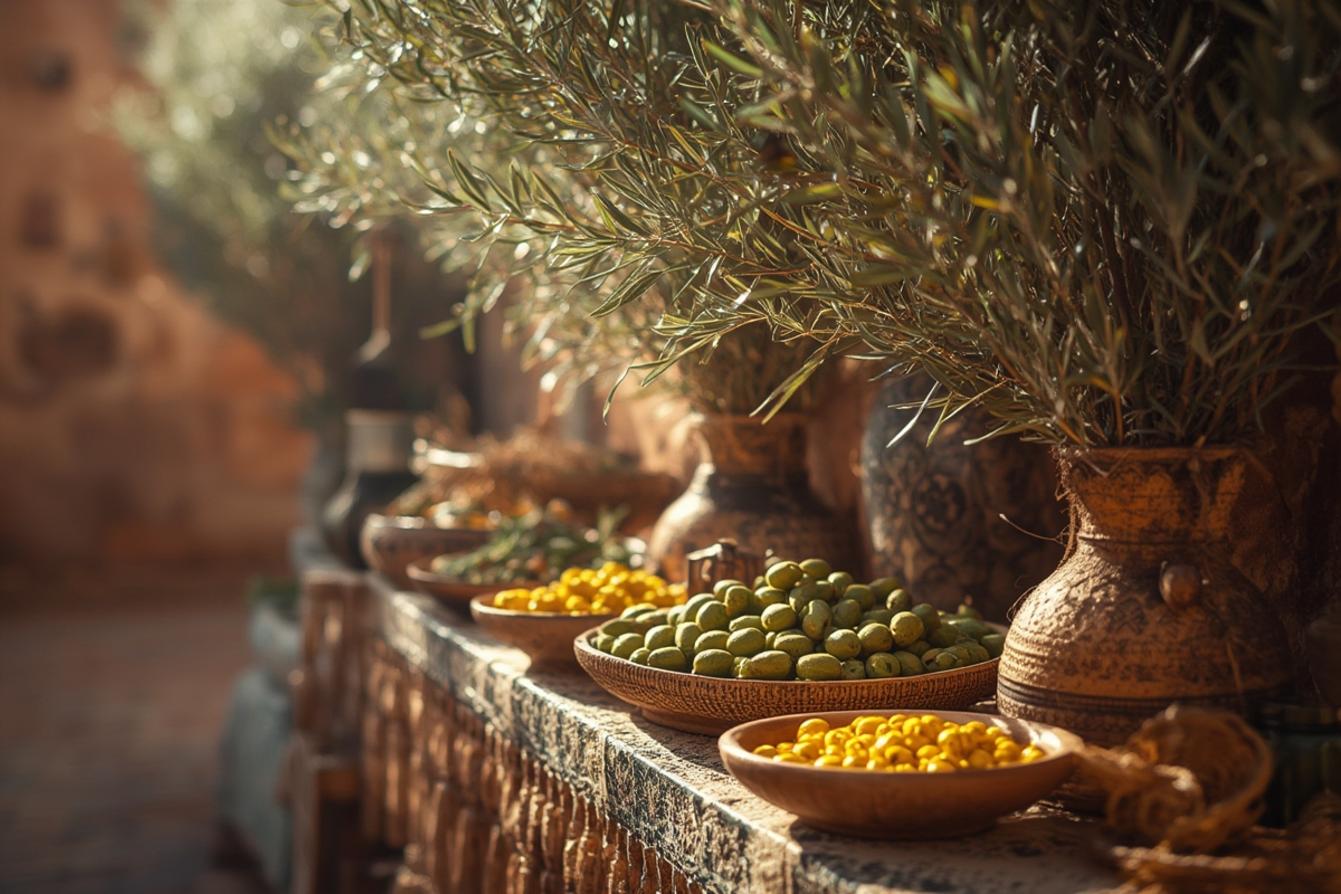
Moroccan cuisine is renowned for its vibrant flavors and aromatic spices, and at its heart lies olive oil. It is far more than just a cooking fat; it is an essential ingredient that defines the taste profile of countless dishes. From the initial sautéing of aromatics in a tagine to the final drizzle over a warm salad, olive oil is ubiquitous. It’s used generously in traditional Moroccan salads like taktouka (a cooked pepper and tomato salad) and zaalouk (eggplant dip), where its rich fruitiness beautifully complements the fresh vegetables.
Beyond cooking, Moroccan olive oil holds a special place at the dining table. Often, a small bowl of extra virgin olive oil is served alongside bread – a simple yet profound gesture that embodies Moroccan hospitality. Dipping freshly baked khobz (Moroccan bread) into pure, unadulterated olive oil is a quintessential Moroccan experience, allowing the nuanced flavors of the oil to shine. It’s also a key component in marinades for meats and fish, infusing them with depth, and in many sweet preparations, adding a unique richness. The quality of the oil directly impacts the flavor of the final dish, making the choice of Moroccan olive cultivation a critical aspect of culinary excellence.
Beyond the Plate: Cultural and Ritualistic Uses
The influence of Moroccan olive oil traditions extends well beyond the kitchen. It plays a significant role in various cultural and ritualistic practices, underscoring its deep spiritual and symbolic meaning. In traditional medicine, olive oil is a revered remedy, used for everything from treating skin ailments to promoting digestive health. Its anti-inflammatory and antioxidant properties have been recognized by Moroccans for centuries, forming part of a holistic approach to well-being.
Furthermore, olive oil is often used in religious ceremonies and personal care. It can be found in traditional soaps, shampoos, and beauty balms, prized for its moisturizing and nourishing qualities. In some regions, it is still used to anoint the body for purification or to celebrate special occasions. The burning of olive oil in traditional lamps illuminates homes and mosques, symbolizing light, purity, and spiritual guidance. This multi-faceted role highlights how profoundly integrated olive oil is into Moroccan daily life, touching on every aspect from physical health to spiritual practices.
Experiencing Moroccan Olive Oil as a Traveler
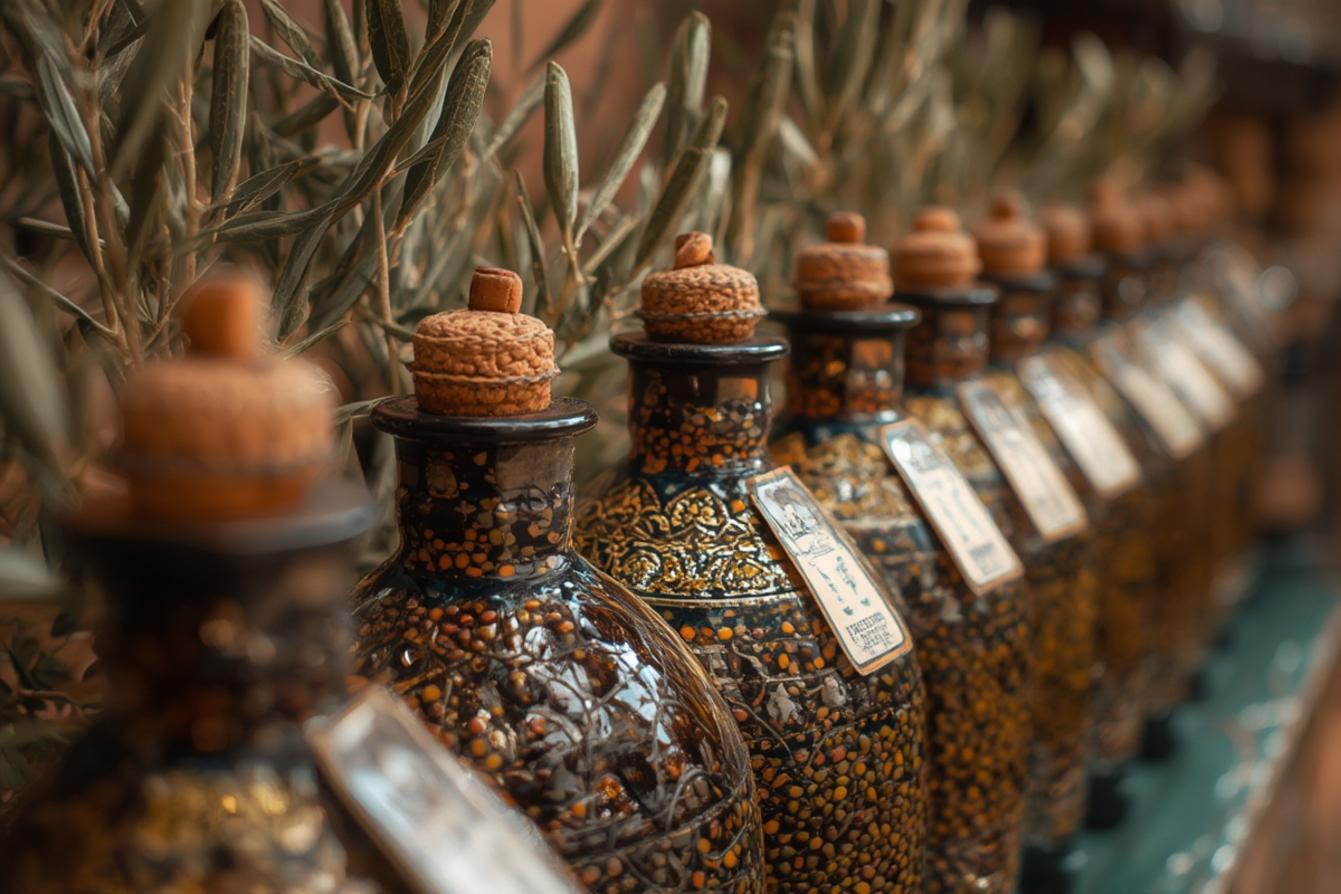
For travelers venturing into Morocco, experiencing its olive oil traditions firsthand offers a delightful and authentic cultural immersion. One of the best ways to do this is by visiting local souks and markets. Here, you’ll often find vendors proudly displaying large containers of house-pressed olive oil, inviting you to taste before you buy. Don’t be shy – a sample of rich, green oil with a peppery finish is an unforgettable experience.
Beyond the markets, consider exploring the countryside. Many regions, particularly around Meknes, Fes, and Marrakech, are dotted with olive groves and even small family-run presses. While formal tours might not always be readily available, a local guide can often arrange a visit to a village co-operative or a producer, especially during harvest season. This provides a genuine insight into the cultivation and pressing process. Staying in a riad or a guesthouse might also offer opportunities to learn more, as many hosts are keen to share their knowledge of local produce. Moreover, dining in traditional restaurants will inevitably introduce you to the generous use of this liquid gold in authentic Moroccan dishes. For those interested in the rural tapestry that supports these traditions, exploring the Moroccan olive oil traditions and visiting the charming villages dotted amongst the groves is highly recommended.
Sourcing the Best: Varieties and Quality Indicators
Morocco boasts several olive varieties, each contributing unique characteristics to its oil. The most common and celebrated is the Picholine Marocaine, a native variety known for producing robust, fruity, and often spicy oils with a beautiful green hue. Other varieties, like the Meski and Dahbia, also contribute to the diverse flavor profiles found across the country.
When selecting Moroccan olive oil, look for terms like “extra virgin” or “vierge extra,” which indicate the highest quality – meaning the oil is mechanically pressed without chemical solvents and has very low acidity. Cold-pressed is another good indicator. Pay attention to the color, though it can vary from golden to deep green and isn’t a definitive indicator of quality on its own. Instead, focus on the aroma: a fresh, grassy, or fruity scent is a good sign. When tasting, a slight peppery finish at the back of the throat is often desired, indicating the presence of polyphenols, beneficial antioxidants. Buying directly from small producers or reputable local markets is often the best way to ensure authenticity and freshness, supporting the continued legacy of Moroccan olive oil traditions.
Conclusion
Moroccan olive oil traditions are a vibrant expression of the country’s rich cultural tapestry. From ancient cultivation methods to its central role in cuisine, medicine, and spiritual practices, olive oil is much more than a commodity; it is a symbol of heritage, hospitality, and healthful living. For anyone seeking to delve deeper into the heart of Moroccan culture, exploring its “liquid gold” offers a truly authentic and unforgettable experience. Tasting, learning, and appreciating the journey of Moroccan olive oil from tree to table profoundly connects you to this remarkable land.
FAQs
What is the most common olive variety used in Moroccan olive oil?
The most common and highly regarded olive variety in Morocco is the Picholine Marocaine. This indigenous cultivar is prized for producing high-quality extra virgin olive oils with a distinct fruity, sometimes grassy, and often subtly peppery flavor profile, contributing significantly to Moroccan olive oil traditions.
How is Moroccan olive oil traditionally harvested?
Traditionally, Moroccan olive oil is harvested by hand or using long sticks to gently knock the olives from the branches onto nets spread beneath the trees. This meticulous process helps prevent bruising the olives, which is crucial for producing high-quality oil with low acidity and superior flavor.
Can travelers visit olive groves or presses in Morocco?
Yes, travelers can often visit olive groves and local presses, especially in agricultural regions like Meknes, Fes, and the areas surrounding Marrakech. While formal tours might be limited, hiring a local guide can help arrange visits to family-run operations or cooperatives, particularly during the harvest season (late autumn to early winter), offering insight into Moroccan olive oil traditions.
What are the key characteristics of good quality Moroccan olive oil?
Good quality Moroccan olive oil, especially extra virgin, should have a fresh, fruity, or grassy aroma. When tasted, it often presents a robust, sometimes buttery flavor, followed by a pleasant peppery kick or bitterness at the back of the throat – a sign of beneficial polyphenols. Its color can range from deep green to golden, depending on the olive variety and ripeness.



 Covers cities, coast, mountains, desert & food