Marrakech, the Red City, is an intoxicating blend of ancient traditions and vibrant modern life. Before you embark on your journey to this captivating Moroccan metropolis, arming yourself with some essential Marrakech travel tips can transform your trip from good to truly unforgettable. From navigating the bustling medina to understanding local customs, preparation is key to fully immersing yourself in its unique charm and avoiding common pitfalls.
Navigating the Labyrinth: First Steps in the Medina
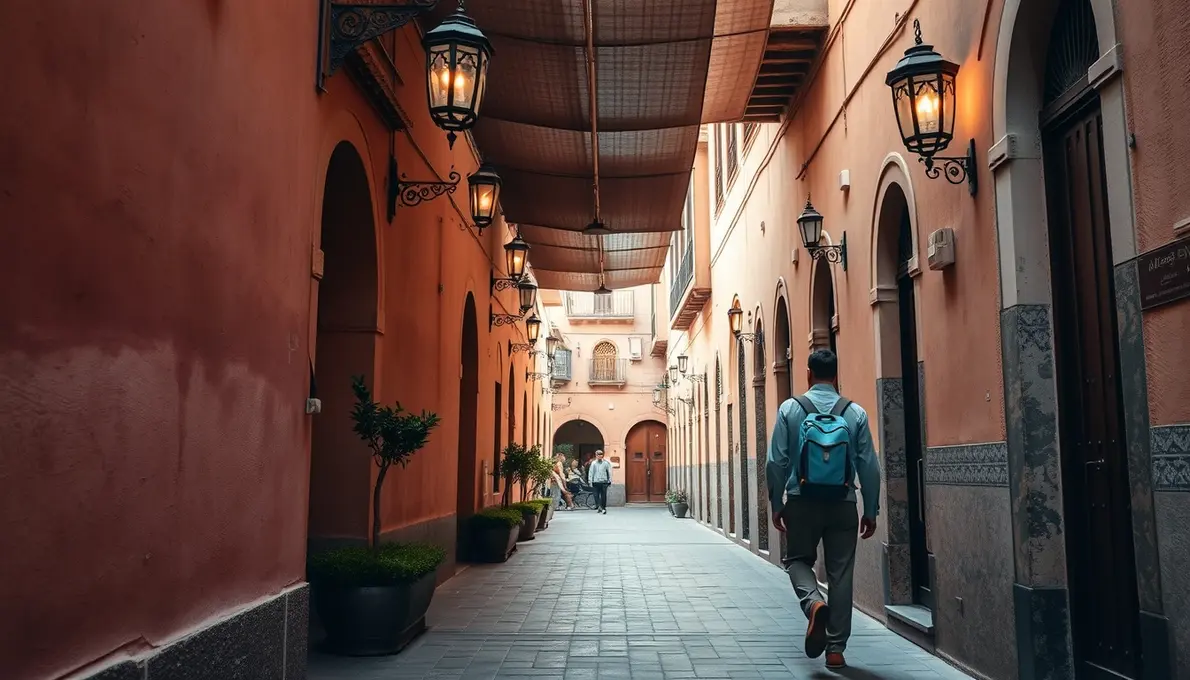
Stepping into Marrakech’s medina is like entering another world. It’s a sensory overload in the best possible way – the scent of spices and leather, the cacophony of vendors hawking their wares, the vibrant colours of textiles, and the constant hum of scooters and donkeys. For first-timers, this ancient walled city can feel overwhelming. My primary advice? Embrace getting lost. Seriously. The winding alleyways and hidden souks are where the true magic of Marrakech lies. While GPS can be helpful (download offline maps!), often the best discoveries happen when you let go of your itinerary and simply follow your nose.
Many of Marrakech’s most iconic sites, like Djemaa el-Fna square and the Bahia Palace, are concentrated within or near the medina. You’ll spend most of your time exploring on foot, so comfortable shoes are non-negotiable. Taxis can drop you at the medina gates, but vehicles are generally not allowed inside the narrower lanes. Be prepared for a short walk to your riad or destination once you’ve been dropped off. This intense pedestrian experience is part of what makes Marrakech so special, allowing for serendipitous encounters and discoveries around every corner.

Decoding Marrakech’s Landscape: Beyond the Souks
While the medina is undoubtedly the heart and soul of Marrakech, the city extends far beyond its ancient walls, offering different facets of Moroccan life. Understanding these distinct areas is crucial for painting a complete picture (and for effective travel planning).
Gueliz, for instance, is Marrakech’s “new city” – a stark contrast to the medina. Here, you’ll find wide boulevards, modern cafes, international brands, and a more European feel. It’s a great place for a change of pace, perhaps a quiet coffee or a meal in a contemporary restaurant. It’s also where many modern hotels are located.
Then there’s Hivernage, an upscale residential and hotel district known for its luxurious resorts, gardens, and nightlife. For those seeking a more relaxed, five-star experience away from the medina’s hustle, Hivernage offers a tranquil retreat.
Further afield, beyond the clamour, you’ll find areas like Palmeraie, famous for its thousands of palm trees and camel rides, offering a taste of the desert without venturing too far. Knowing these different Marrakech neighborhoods allows you to tailor your experiences. You might choose to stay in a traditional riad within the medina for an authentic experience, but venture out to Gueliz for dinner, or spend an afternoon exploring the serene Jardin Majorelle, which is located conveniently between the medina and Gueliz. This blend of old and new, tradition and modernity, is what gives Marrakech its dynamic character. For an in-depth exploration of what to see and do, check out this guide to Essential Marrakech travel tips.
Mastering the Art of Interaction: Culture and Etiquette
Moroccan culture is deeply rooted in hospitality, respect, and tradition. As a visitor, understanding and observing local customs will greatly enhance your experience. These essential Marrakech travel tips focus on respectful engagement.
When interacting with locals, a few basic Arabic phrases like “Salam alaikum” (hello), “Shukran” (thank you), and “La shukran” (no thank you) go a long way. Always use your right hand when shaking hands, passing objects, or eating, as the left hand is considered unclean in Islamic culture.
Dress modestly, especially when away from hotel pools or beach clubs. For women, this means covering shoulders and knees; for men, long shorts or trousers and shirts are appropriate. While Marrakech is cosmopolitan, especially in tourist areas, showing respect for local dress codes is appreciated and can help you blend in more comfortably.
Bargaining is an intrinsic part of shopping in the souks. It’s not just about getting a good price; it’s a cultural exchange. Start with an offer around half to two-thirds of the asking price and negotiate good-naturedly. If you’re not interested in buying, a polite “la shukran” is usually enough to move on, though some vendors can be quite persistent. A firm but friendly “no” combined with walking away is generally effective.
Photography also requires a thoughtful approach. Always ask for permission before taking someone’s photo, especially children. Many performers in Djemaa el-Fna, like snake charmers and water sellers, expect a small fee if you photograph them, so be prepared with small denominations. Respect their wishes if they decline. Tipping, while not mandatory in all situations, is customary for services rendered, whether it’s a taxi driver, restaurant server, or someone who helped you with directions. Small amounts are generally sufficient.
Savoring the Flavors: A Culinary Journey in Marrakech
Moroccan cuisine is a highlight of any trip, and Marrakech offers an incredible array of culinary experiences. From street food stalls to elegant riad dining, exploring the local gastronomy is one of the most delicious essential Marrakech travel tips.
Start with the iconic dishes. Tagine, a slow-cooked stew named after the conical clay pot it’s cooked in, comes in countless varieties – chicken and preserved lemon, lamb and prunes, or vegetarian with seasonal vegetables. Couscous, typically served on Fridays, is another staple. Don’t miss pastilla, a sweet and savory pastry, often with pigeon, almonds, and spiced with cinnamon.
Street food in Djemaa el-Fna after sunset is an adventure in itself. Temporary food stalls pop up, serving everything from grilled meats and harira soup to snail soup and tangia (a slow-cooked lamb dish unique to Marrakech). Be adventurous, but also keep an eye on hygiene. Look for stalls that are busy with locals – a good sign of both popularity and freshness. Always ask for prices before you order to avoid any surprises.
For a more refined dining experience, many riads offer excellent Moroccan cuisine, often prepared with fresh, local ingredients. A cooking class is also a fantastic way to delve deeper into the local food culture, allowing you to learn about spices and techniques firsthand.
When it comes to drinks, mint tea (atay) is ubiquitous and a symbol of Moroccan hospitality. You’ll be offered it everywhere, and it’s polite to accept. Freshly squeezed orange juice is readily available and wonderfully refreshing. Alcohol is not widely consumed by locals, but it is available in hotels, some restaurants in Gueliz and Hivernage, and a select number of establishments in the medina.

Practicalities and Peace of Mind: Staying Safe and Sound
While Marrakech is generally a safe city for tourists, being prepared and aware of your surroundings is always a good idea. These practical essential Marrakech travel tips can help ensure a smooth and enjoyable trip.
Money Matters: The local currency is the Moroccan Dirham (MAD). While credit cards are accepted in larger hotels, restaurants, and shops, cash is king, especially in the souks and for smaller purchases. ATMs are widely available in Gueliz and throughout the medina, but it’s wise to carry small denominations for ease of transactions and tipping. Be mindful of pickpockets in crowded areas, especially Djemaa el-Fna.
Health and Hydration: Tap water in Morocco is generally not safe for drinking. Stick to bottled water, which is readily available. Stay hydrated, especially during the hotter months. If you have a sensitive stomach, be a bit cautious with street food and salads washed in tap water. Over-the-counter medications for common ailments are available at pharmacies, identifiable by a green cross sign.
Transportation within the City: Inside the medina, you’ll be mostly walking, or, for longer distances, you might hire a small handcart (charrette) to carry luggage. Outside the medina, petit taxis (small, beige taxis) are the main mode of transport. Ensure the meter is running or agree on a price beforehand to avoid inflated fares. For longer distances or airport transfers, grand taxis (larger, usually white vehicles) are available, or you can arrange private transfers through your accommodation. Alternatively, ride-sharing apps are becoming more common and offer a set price.
Dealing with “Guides” and Hawkers: In the medina, you might encounter people offering to “guide” you, sometimes insisting you are going the wrong way. If you don’t want a guide, a firm but polite “la shukran” is usually enough. If they persist, keep walking purposefully. Many are harmless, but some might try to lead you to specific shops where they get a commission. Similarly, shopkeepers can be very persuasive. Remember, you are under no obligation to buy.
Communication: While French is widely spoken in Morocco, especially in tourist areas and among the educated population, some English speakers can be found. Having a basic French phrasebook or translation app can be very useful. Ensure your phone has roaming or purchase a local SIM card (available cheaply at the airport or phone shops) for navigation and emergencies.
Accommodation Choices: Marrakech offers a diverse range of accommodation. Riads, traditional Moroccan houses with inner courtyards, provide an authentic and often luxurious experience within the medina. Hotels in Gueliz and Hivernage offer more modern amenities and sometimes, a quieter atmosphere. Booking in advance, especially during peak season, is highly recommended. Understanding these practical aspects will contribute significantly to your confidence and enjoyment while exploring this vibrant city. For more detailed insights on global travel, World Travel Guide provides excellent resources for Marrakech neighborhoods.
Beyond the Gates: Day Trips from Marrakech
While Marrakech itself could fill weeks of exploration, its central location makes it an ideal base for experiencing more of Morocco’s stunning diverse landscapes. Expanding your itinerary to include a day trip or two is one of the most rewarding essential Marrakech travel tips.
The Atlas Mountains: Just a short drive from the city, the Atlas Mountains offer a dramatic change of scenery. You can visit charming Berber villages, hike to waterfalls, or even visit Toubkal, North Africa’s highest peak (though that requires more than a day). A popular day trip is to Ourika Valley, known for its lush river, walking trails, and traditional markets.
Essaouira: This charming coastal city, a UNESCO World Heritage site, is about a two-and-a-half-hour drive from Marrakech. Known for its breezy atmosphere, vibrant blue and white medina, active fishing port, and strong Atlantic winds, it’s a popular spot for kite surfers. It offers a relaxed contrast to the hustle of Marrakech and is famous for its fresh seafood.
Agafay Desert: For a taste of the desert without trekking all the way to the Sahara, the Agafay Desert is a rocky, barren landscape just an hour outside Marrakech. Here you can enjoy quad biking, camel rides, or even a magical dinner under the stars at a desert camp. It’s a convenient option for experiencing the tranquility of the Moroccan landscape.
Ouzoud Falls: A bit further afield, approximately three hours’ drive, are the impressive Ouzoud Falls, Morocco’s tallest waterfalls. A visit here offers stunning views, opportunities to spot Barbary apes, and a refreshing break from the city heat.
These excursions are easily arranged through your riad, a local tour operator, or by hiring a grand taxi for the day. Be sure to agree on the price and itinerary beforehand. Incorporating one or more of these day trips not only broadens your Moroccan experience but also provides a different perspective on the country’s varied natural beauty, offering a well-rounded adventure to complement your time in the Red City.
Conclusion
Marrakech is a city that engages all the senses, a place where ancient traditions blend seamlessly with a vibrant contemporary pulse. By keeping these essential Marrakech travel tips in mind – from navigating the bustling medina and respecting local customs to savoring its incredible cuisine and venturing beyond its walls – you’ll be well-prepared to embrace all that this captivating destination has to offer. The Red City promises an unparalleled adventure, a journey into a world unlike any other, and with a little preparation, it will undoubtedly leave an indelible mark on your memories.
FAQs
Is Marrakech safe for solo female travelers?
Marrakech is generally safe for solo female travelers, but it’s important to be aware and practice common sense safety measures. Dressing modestly, avoiding walking alone at night in poorly lit areas, and being firm but polite with unwanted attention can help ensure a comfortable experience. Many female travelers find Morocco welcoming and enjoy their solo adventures.
What’s the best way to get from Marrakech Menara Airport (RAK) to the city center?
The most convenient ways are via a pre-booked airport transfer (many riads and hotels offer this), a grand taxi, or the Alsa bus. Grand taxis will be waiting outside the terminal, but negotiate the fare before getting in. The Alsa bus (Line 19) is a budget-friendly option, with stops in Gueliz and Djemaa el-Fna.
What should I pack for a trip to Marrakech?
Pack lightweight, breathable clothing, preferably cotton or linen, that covers your shoulders and knees out of respect for local customs. Comfortable walking shoes are a must for exploring the medina. Include a light scarf (for women, useful for covering hair when visiting religious sites or for warmth in the evenings), sunglasses, a hat, sun cream, and a reusable water bottle. A small backpack or cross-body bag for essentials is also recommended.
Can I drink alcohol in Marrakech?
Yes, alcohol is available in Marrakech, though Morocco is a Muslim country, so it’s not as widely available as in some Western cities. Many hotels, particularly those in Gueliz and Hivernage, have bars and serve alcohol. Some upscale restaurants, particularly in the new town, also offer alcoholic beverages. Within the medina, a select number of riads and restaurants cater to tourists with alcohol licenses. It’s usually consumed discreetly and not openly on the streets.



 Covers cities, coast, mountains, desert & food