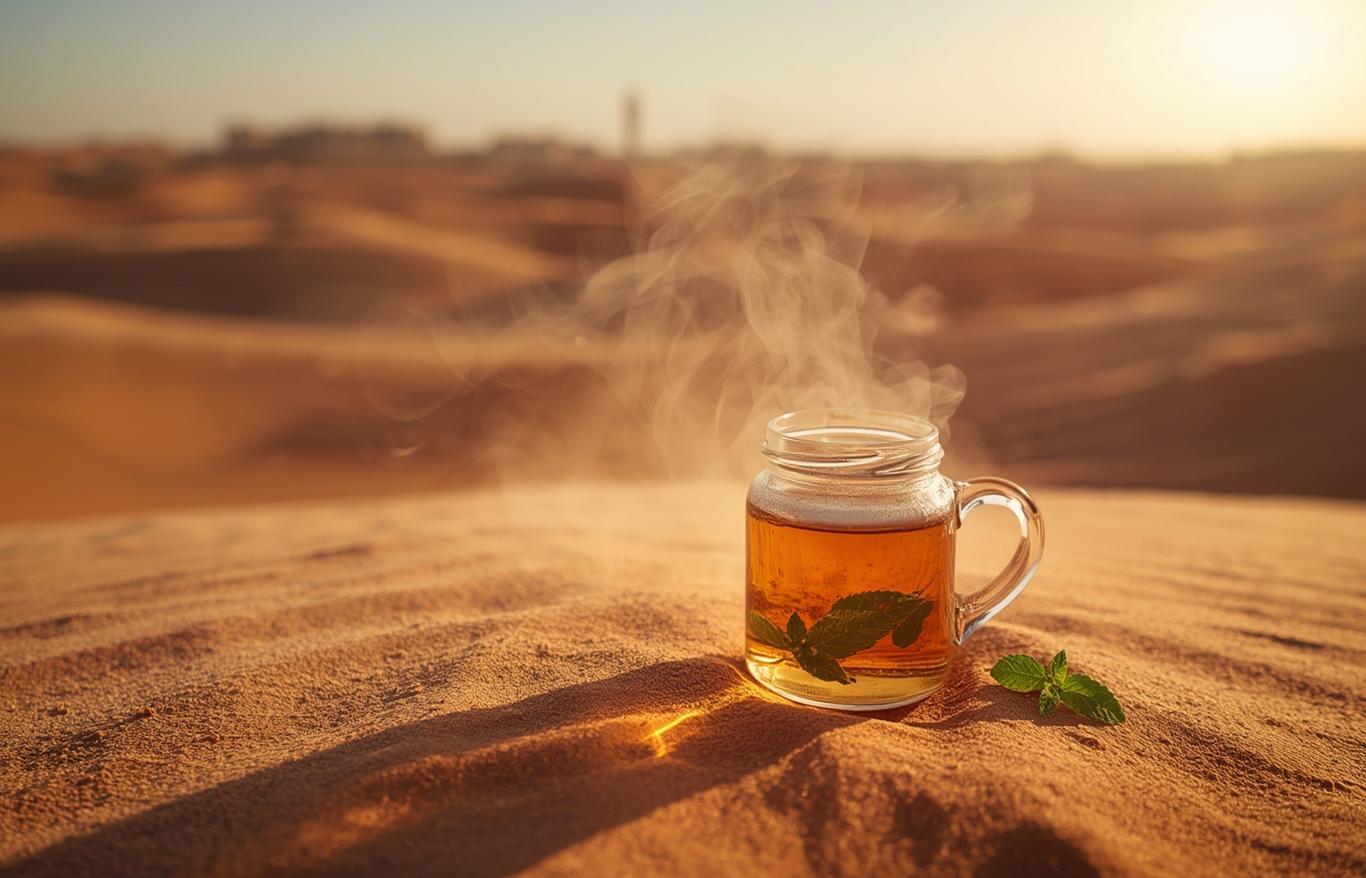
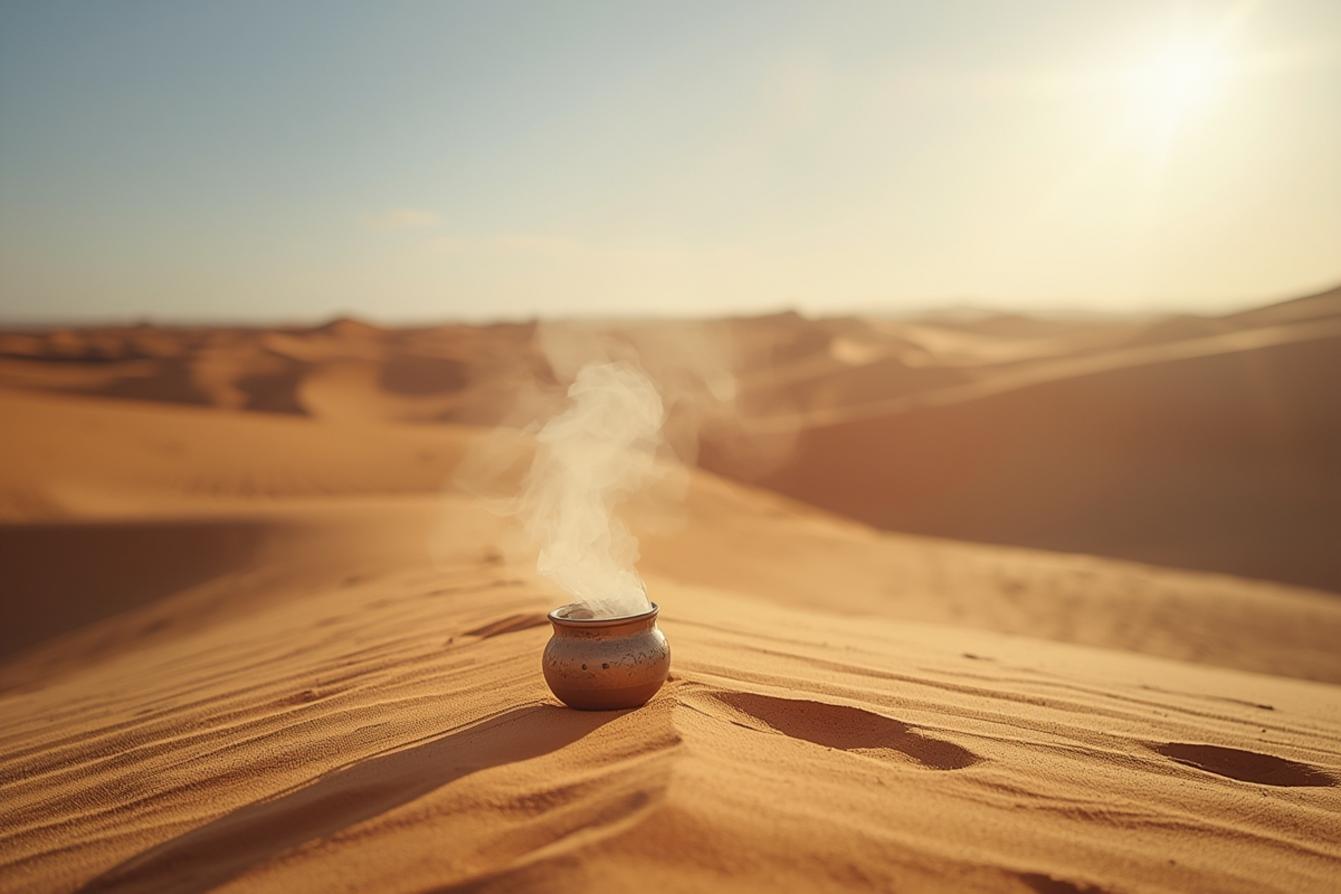
As the sun dips below the towering dunes of the Sahara, painting the sky in hues of orange and purple, a different kind of warmth spreads through the desert air. It’s the aroma of fresh mint, steeped in a silver teapot, a smell as synonymous with Moroccan hospitality as the captivating landscape itself. The tradition of serving mint tea Sahara desert isn’t just about a beverage; it’s a profound cultural ritual, a welcome, and a moment of shared humanity in one of the world’s most remote and majestic settings. For those venturing into this breathtaking expanse, experiencing this timeless ceremony is as essential as riding a camel or stargazing. It’s an immersive, sensory connection to the heart of Bedouin life and Moroccan identity.
The Desert’s Liquid Gold: More Than Just a Drink
Stepping into the Sahara, you quickly realize that time takes on a different meaning. Rhythms are slower, dictated by the sun, the sand, and the ancient customs of its inhabitants. Among these customs, the preparation and serving of mint tea stand out. Far from a mere refreshment, it’s often the first gesture of welcome extended to a traveler, an invitation into a temporary home, be it a nomadic tent or a desert camp. This “liquid gold,” as some call it, is a symbol of friendship, hospitality, and respect. It’s a social lubricant, a conversation starter, and an essential part of daily life, particularly in an environment where resources are precious and shared moments are treasured. The warmth of the tea contrasts beautifully with the often-cool desert nights, providing comfort and invigoration in equal measure.
The Art of “Berber Whiskey”: A Ceremony of Hospitality
The preparation of mint tea in the Sahara is a performance in itself, a graceful dance of tradition passed down through generations. Often referred to affectionately as “Berber Whiskey” – though entirely alcohol-free – its making is an indicator of respect for the guests. It typically begins with green tea leaves, often gunpowder tea, steeped with a generous bunch of fresh spearmint. Sugar, another vital ingredient, is added not just for sweetness but also for its symbolic value, representing the sweetness of life and friendship. The tea is then poured from height, aerating it and creating a delicate foamy head, a sign of a perfectly brewed cup. This pouring is often repeated multiple times, back and forth between the glass and the pot, further mixing the ingredients and enhancing the flavor. Each stage of this ritual is performed with care and intention, transforming a simple drink into an elaborate expression of desert hospitality.
Sensory Delights: The Taste, Sight, and Sound of Sahara Tea
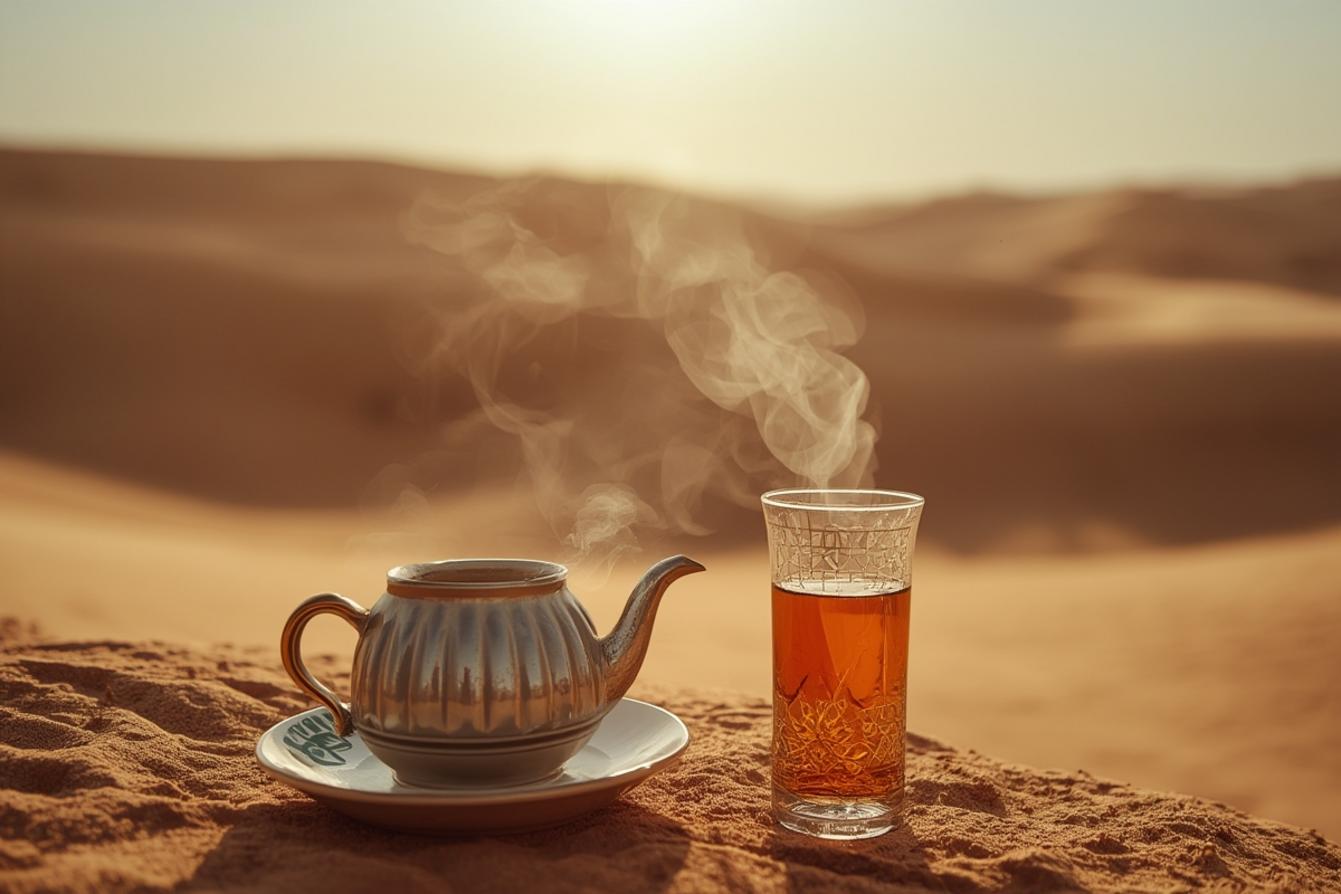
Imagine settling into a low cushion around a flickering campfire, the vast, star-studded sky stretching endlessly above. A silver teapot gleams in the firelight, and the sweet, herbaceous aroma of mint begins to waft through the air. This multisensory experience is central to enjoying mint tea in the Sahara desert. The sound of the boiling water, the gentle clinking of tiny ornate glasses, and the rhythmic pour from the pot held high above the cups all contribute to the atmosphere. Visually, the tea is often a rich amber color, sparkling in the light, sometimes served in beautifully decorated glasses that reflect the artistry of Moroccan craftsmanship. And then there’s the taste: a perfect balance of bitter green tea, refreshing mint, and invigorating sweetness, leaving a lingering warmth that soothes both body and soul. It’s a flavor that becomes inextricably linked with the memory of the desert, a taste of tranquility and timelessness.
Embracing the Ritual: What Travelers Can Expect
For travelers venturing into the Sahara, participating in a mint tea ceremony is not just an opportunity; it’s an expectation. Whether you’re welcomed into a family tent, a desert camp, or even offered a glass by a lone camel guide, accepting the tea is a sign of respect. This isn’t a quick gulp-and-go affair; it’s meant to be savored. You’ll likely be served at least three rounds, each with its own symbolism: the first as strong as life, the second as sweet as love, and the third as gentle as death. Refusing tea can be seen as an insult, so embrace the moment, sit back, and allow yourself to be absorbed into the unhurried pace of desert life. It’s a chance to connect with locals, share stories (even if through gestures), and witness traditions that have endured for centuries. This shared experience is often a highlight of any desert adventure, a genuine interaction that transcends language barriers.
Beyond the dunes: Sourcing Your Own Taste of Moroccan Mint Tea
While the experience of drinking mint tea in the heart of the Sahara is unparalleled, you don’t have to be in the desert to appreciate its significance. Back in Morocco’s bustling souks and vibrant cities, the traditions surrounding tea continue to thrive. Many shops specialize in high-quality green tea leaves, bundles of fresh spearmint (often called na’na), and an array of beautiful silver teapots and ornate glasses. Engaging with vendors about the nuances of tea preparation, or even participating in a local tea-making demonstration, can deepen your appreciation for this cultural staple. Consider seeking out tours that specifically highlight this aspect of Moroccan life, as some operators focus on immersive cultural experiences. For instance, you could explore options like those offered by mint tea Morocco experiences in various cities. Taking home a special teapot or a fresh packet of tea leaves allows you to recreate a piece of the desert magic in your own home, a fragrant reminder of your Moroccan adventure.
The Enduring Legacy of Tea in Nomadic Life
The importance of mint tea in the Sahara extends beyond mere hospitality; it’s intricately woven into the fabric of nomadic survival and social structure. In a harsh desert environment, gathering around a warm cup of tea provides a much-needed respite, a moment of community, and a chance to deliberate and share news. Historically, tea caravans played a crucial role in trade routes, bringing this precious commodity across vast distances. For the Bedouin people, the ritual continues to symbolize resilience, connection, and the value of simple pleasures. It’s an act of pause, a deliberate slowing down in a fast-paced world, allowing for contemplation and genuine human connection. Understanding this deeper context enriches the experience of sipping mint tea in the Sahara, transforming it from a simple beverage into a profound cultural immersion.
Conclusion
The tradition of enjoying mint tea Sahara desert is more than just a culinary highlight; it’s a living, breathing testament to Moroccan culture and hospitality. It’s a ritual that encapsulates the warmth, generosity, and resilience of the people who call this magnificent landscape home. For any traveler, the shared moments over a steaming glass of “Berber Whiskey” under the vast desert sky will undoubtedly be among the most cherished memories, a genuine taste of Morocco’s heart.
FAQs
What is the significance of mint tea in the Sahara Desert?
Mint tea, often called “Berber Whiskey,” holds immense cultural significance in the Sahara. It’s a symbol of hospitality, friendship, and respect. Offering tea to guests is a deep-rooted tradition, serving as a welcoming gesture and a way to foster connection and conversation in the remote desert environment.
How is mint tea typically prepared in the Sahara?
The preparation is a ceremonial art. It usually involves green tea leaves (often gunpowder tea), a generous amount of fresh spearmint (na’na), and plenty of sugar. The tea is brewed, then poured from a height multiple times between the pot and glasses to aerate it and create a frothy top, enhancing its flavor and presentation.
Is it rude to refuse mint tea when offered in the desert?
Yes, it is generally considered impolite or even insulting to refuse mint tea when offered, particularly by a host in the Sahara. It’s best to accept the tea warmly, even if you only take a few sips. It’s an important part of the cultural exchange and hospitality.
Can I find the ingredients to make authentic Moroccan mint tea outside of Morocco?
Absolutely! While fresh Moroccan spearmint (na’na) is ideal, good quality green tea (like Chinese gunpowder tea) and various types of mint are widely available. Specialty spice shops or international food stores often carry Moroccan mint varieties and traditional teapots, allowing you to recreate the experience at home.



 Covers cities, coast, mountains, desert & food