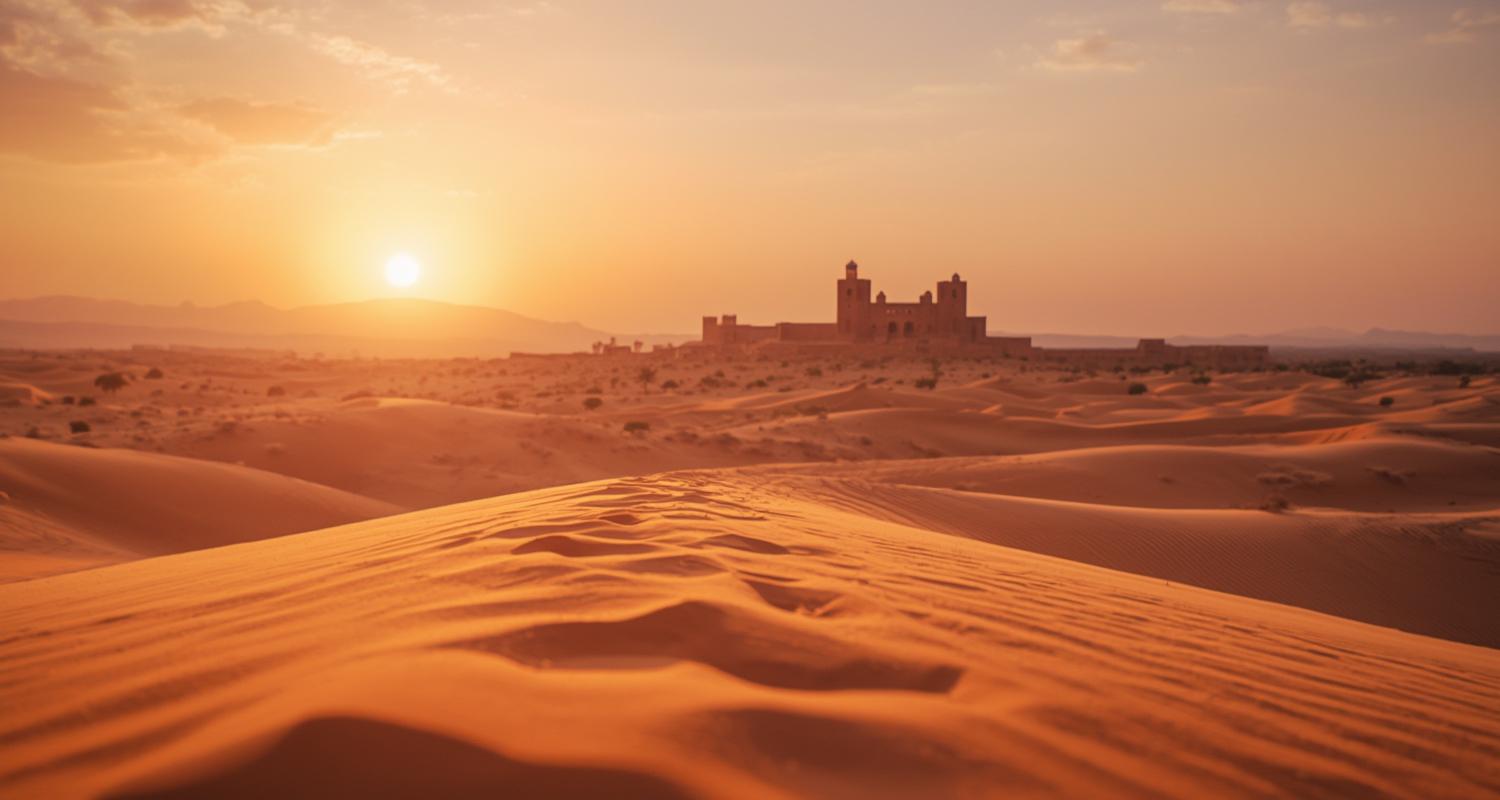
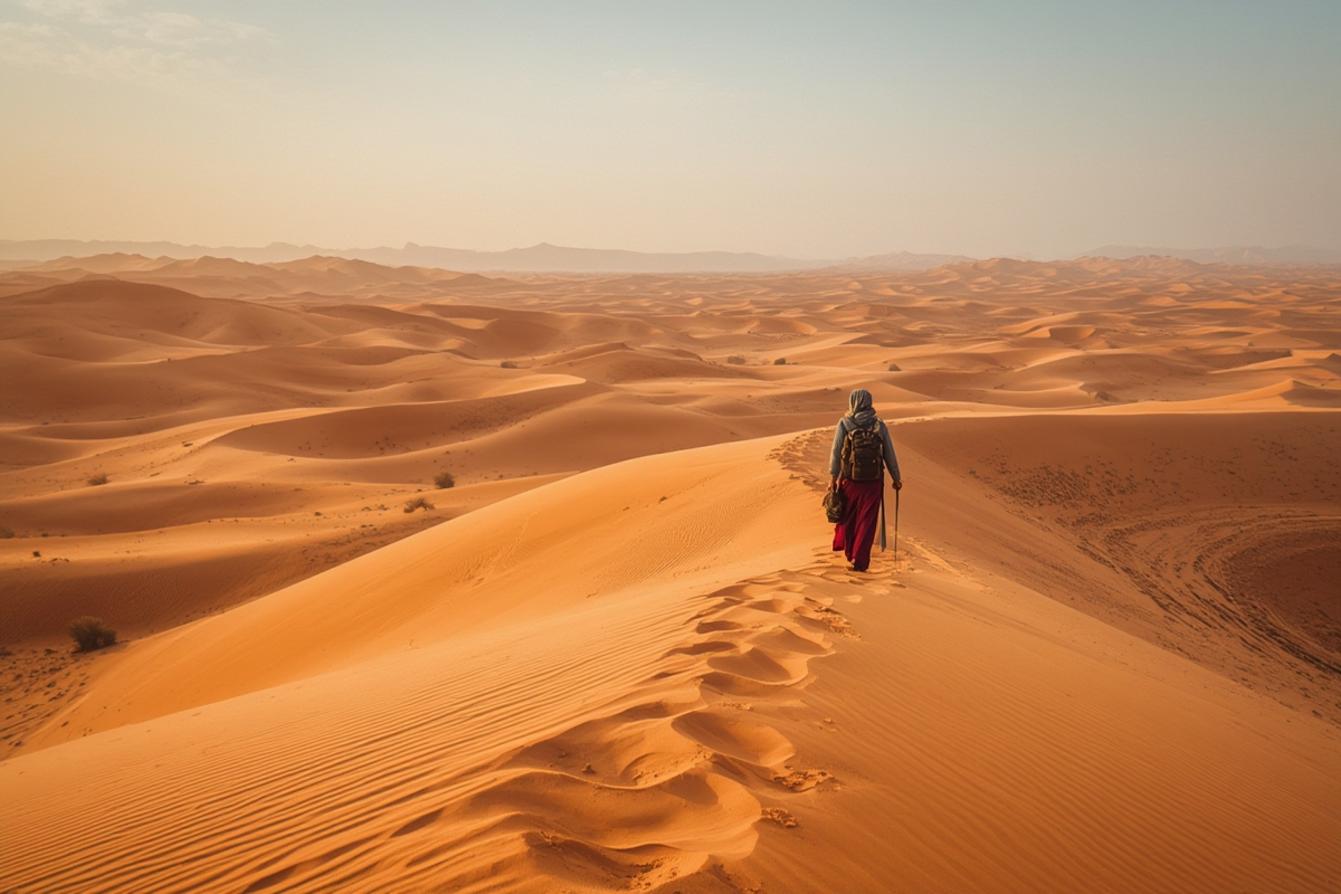
Stepping into the morocco desert is like entering a whole other world. It’s an experience that transcends mere tourism, offering a profound connection to nature, culture, and yourself. I remember my first time, the sheer scale of the dunes, the way the light played across them, painting endless canvases of orange and gold. It’s a place that whispers ancient stories and offers a silence so deep it feels almost spiritual. No matter how many photos you’ve seen, nothing quite prepares you for the immensity and raw beauty of standing amidst the towering sandscapes. From vibrant oases to ancient kasbahs, the morocco desert is a tapestry woven with adventure, tranquility, and a rich history that beckons every traveler. It’s an escape from the frantic pace of modern life, a chance to disconnect and truly immerse yourself in a landscape that feels both timeless and otherworldly.
Why Visit morocco desert
There are countless reasons to venture into the heart of the morocco desert, but for me, it boils down to an unparalleled sense of wonder and adventure. First and foremost, it’s the sheer natural beauty. The Erg Chebbi dunes, near Merzouga, are legendary for their height and their ever-shifting patterns. Watching the sunrise or sunset over these colossal sand mountains is an experience that imprints itself on your soul. The colors change from soft pinks and purples to fiery oranges and deep reds, a spectacle that truly takes your breath away.
Beyond the aesthetics, the morocco desert offers a unique cultural immersion. You get to experience the traditional Berber way of life, from their hospitality to their music and daily routines. Spending a night in a desert camp, under a sky ablaze with stars, and listening to the rhythmic beat of drums around a campfire, is an authentic encounter you won’t forget. These moments of connection with the local people, sharing stories and mint tea, are what make a trip to the morocco desert so much more than just a sightseeing tour.
It’s also an incredible escape from the everyday. The vastness and silence of the desert provide a rare opportunity for introspection and solitude. There’s something incredibly humbling about being surrounded by such an immense natural landscape. It truly puts things into perspective. For those seeking adventure, there’s no shortage of activities, from camel trekking to quad biking, offering different ways to explore the sandy terrain. And let’s be honest, who hasn’t dreamed of riding a camel across towering dunes? It’s the stuff of legends, and in the morocco desert, that dream becomes a vivid reality.
Best Things to Do in morocco desert
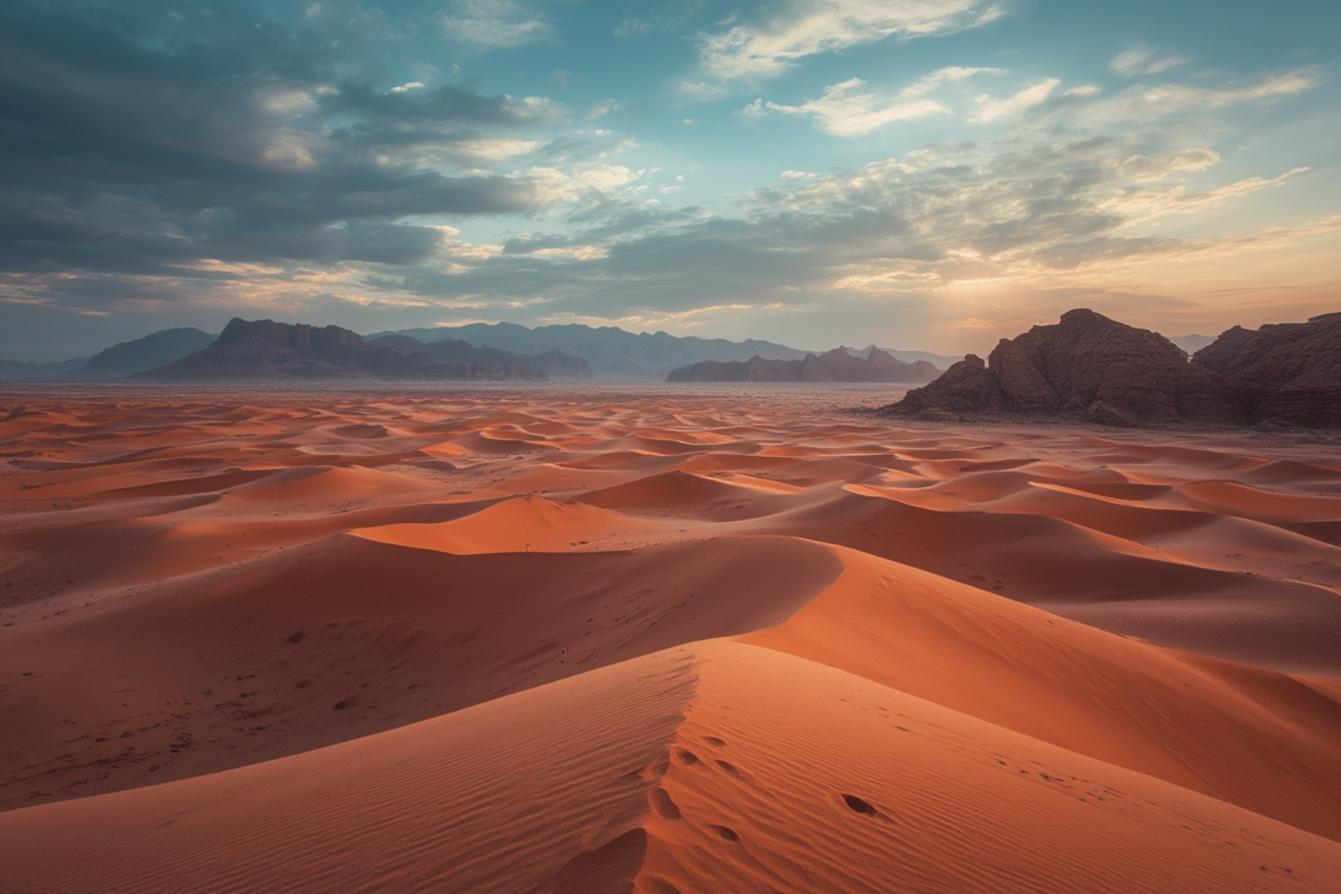
The morocco desert is a playground for adventurers and a sanctuary for those seeking peace. The iconic camel trek is, without a doubt, a must-do. Imagine swaying gently atop a dromedary, traversing the golden dunes as the sun dips below the horizon, painting the sky in a riot of colours. It’s an authentic, timeless way to experience the desert, leading you to your magical overnight camp.
Once at the desert camp, the experience truly begins. Nights under the unbelievably starry sky are a highlight. Far from city lights, the Milky Way sprawls across the heavens in a dazzling display. Coupled with traditional Berber music – rhythmic drumming and singing around a crackling campfire – it’s an evening of unforgettable cultural immersion and natural spectacle. I still remember the clarity of the stars; it was unlike anything I had ever seen before.
For the more adventurous, quad biking or sandboarding down the colossal dunes offer an exhilarating rush. Zooming over the sandy hills, feeling the wind in your hair, is an incredible way to explore the vast landscape at a faster pace. Sandboarding provides a unique twist on snowboarding, a thrilling descent down the sandy slopes, often ending with a face full of sand and a big grin.
Beyond the dunes, exploring the surrounding areas reveals hidden gems. The small village of Khamlia, often visited from Erg Chebbi, is known for its Gnaoua music. These talented musicians, descendants of West African slaves, share their soulful, trance-inducing rhythms, offering a powerful cultural performance that tells stories of their heritage. You can also visit local oases, vibrant pockets of greenery amidst the endless sand, showcasing the ingenuity of human survival in harsh environments. Don’t forget to look out for ancient fossils, particularly around areas like Erfoud, which was once submerged by the sea. This region is a paleontologist’s dream, offering a glimpse into prehistoric life.
Best Time to Visit morocco desert
Timing your visit to the morocco desert is crucial for an optimal experience. Generally, the shoulder seasons – spring (March to May) and autumn (September to November) – are considered the best. During these months, the temperatures are much more agreeable, making outdoor activities like camel trekking and exploring the dunes a real pleasure. You’ll find warm, sunny days with pleasant evenings, perfect for enjoying a campfire under the stars without shivering or sweating excessively.
During spring, the desert can even see a touch of green in some areas if there have been recent rains, adding another layer of beauty to the landscape. The daylight hours are long, giving you ample time for exploration. Autumn brings similar comfortable temperatures, often with incredibly crisp, clear skies, enhancing the stargazing experience.
Summer (June to August) should generally be avoided if possible. The desert heat during these months can be intense, soaring well above 45°C (113°F). While some brave souls do visit, most activities become challenging and potentially uncomfortable during the day. Many desert camps scale back their operations or close entirely, and it can significantly impact your enjoyment. If you must travel during summer, be prepared for early morning and late evening activities, and prioritize staying hydrated.
Winter (December to February) brings cooler temperatures, especially at night. While daytime temperatures can be mild and pleasant, evenings can drop significantly, sometimes even below freezing. You’ll need to pack warm layers, including a good jacket and hat, for the desert nights. However, winter days are often sunny and clear, and it’s a beautiful time to visit if you don’t mind the cold evenings and are prepared for it. For stargazing, winter often offers some of the clearest skies. Ultimately, for a comfortable and comprehensive morocco desert adventure, spring and autumn win hands down.
How to Get to morocco desert
Reaching the morocco desert, particularly the popular Erg Chebbi dunes near Merzouga, is part of the adventure itself. No matter where you start in Morocco, it’s a journey that takes you through diverse landscapes, from the bustling cities to the majestic Atlas Mountains and finally, into the arid expanse of the desert.
Most travelers start their desert journey from Marrakech or Fes. From Marrakech, the drive to Merzouga is approximately 10-12 hours, often broken up with overnight stops along the way. This route typically takes you over the dramatic Tizi n’Tichka pass in the High Atlas Mountains, passing through Ouarzazate (known as the “Gateway to the Sahara”), Rose Valley, and Todra Gorges. Many multi-day desert tours departing from Marrakech include these scenic stops, making the long journey feel like an integral part of the experience rather than just a transfer.
From Fes, the drive to Merzouga is also around 8-10 hours. This route often goes through the cedar forests near Ifrane and Azrou, into the Ziz Valley, and past Erfoud, a town famous for its fossil workshops. Similar to Marrakech, many tour operators offer multi-day trips from Fes that encompass these interesting sights.
The most common way to get to the morocco desert is by joining a guided tour. These tours typically include transportation, accommodation (often a mix of hotels and desert camp), meals, and activities like camel trekking. They take care of all the logistics, allowing you to relax and enjoy the scenery. This is often the most convenient and hassle-free option, especially for first-time visitors.
Alternatively, you can rent a car and drive yourself. This gives you more flexibility to explore at your own pace and discover hidden gems. However, be aware that driving in Morocco can be challenging, and some roads leading to the desert are less developed. A 4×4 vehicle is recommended for closer access to the dunes, but regular cars can reach Merzouga village. Always ensure you have a reliable GPS and contingency plans.
Another option is to take a public bus to Merzouga. CTM and Supratours are reliable national bus companies that operate routes to the region. While more budget-friendly, this option is longer and requires you to arrange your desert camp transfer from Merzouga village independently. It’s a great choice for independent travelers seeking a more authentic, local experience, though it requires more planning. Whichever method you choose, embrace the journey, as the landscapes you’ll encounter en route to the morocco desert are spectacular in their own right.
Travel Tips for Visiting morocco desert
Visiting the morocco desert is an unforgettable experience, but a little preparation goes a long way to ensure it’s comfortable and enjoyable.
Pack Smart: Temperatures in the desert can vary wildly between day and night. Even if days are scorching, nights can be surprisingly cold, especially in winter. Pack layers: lightweight, breathable clothing for the day (think long sleeves and trousers to protect from the sun), and warm sweaters, a jacket, and even a hat for the evenings. Don’t forget a headscarf (like a chech or shemagh) – it’s invaluable for sun protection, dust, and even adding a touch of traditional desert style! I found mine to be a lifesaver in every situation.
Footwear Matters: For camel treks and walking in the sand, comfortable closed-toe shoes or sandals are best. Avoid flip-flops for long walks as sand can get everywhere. If you plan on sandboarding, shoes that offer some grip and protection are a good idea.
Stay Hydrated: This cannot be stressed enough. The desert climate is dry, and you’ll be exerting yourself. Drink plenty of water throughout the day. Most tours provide water, but it’s always wise to carry extra, especially for walks or excursions.
Sun Protection is Key: The desert sun is intense. A wide-brimmed hat, good quality sunglasses (essential for reducing glare from the sand), and high-factor sunscreen are non-negotiable.
Tech Essentials: While you’ll want to disconnect, don’t forget a camera to capture the incredible landscapes (and endless battery life or power bank!). A portable charger is also a good idea as electricity at desert camps can be limited. Consider protecting your phone and camera from fine sand using Ziploc bags or specialized covers. The sand truly gets everywhere!
Cash is King: While some larger camps might accept cards, many smaller vendors, and especially tipping opportunities, require cash (Moroccan Dirhams). Make sure you carry enough small denominations.
Respect Local Culture: Remember you are a guest in a different culture. Dress modestly, particularly if visiting local villages. Always ask permission before taking photos of people. Embrace the local traditions, try a glass of mint tea, and be open to learning.
Choose Your Tour Wisely: If booking a multi-day tour, research reputable companies. Read reviews, check what’s included (food, water, activities, camp amenities), and be clear about your expectations. A good tour operator will ensure safety and a high-quality experience.
Embrace the Disconnect: One of the greatest gifts of the morocco desert is the opportunity to truly disconnect. Cell service can be spotty or non-existent in deeper desert areas. See this as an advantage: put your phone away, look up at the stars, engage with your travel companions and guides, and simply be present in the moment. This is where the magic truly happens. For more advice, check out this great guide on the merzouga desert.
Where to Stay in morocco desert
The accommodation options in the morocco desert are primarily centered around desert camps, offering a range of experiences from rustic and traditional to luxurious glamping. Most of these camps are located in the Erg Chebbi dunes near Merzouga, or the Erg Lihoudi dunes closer to M’Hamid.
For the quintessential morocco desert experience, staying in a traditional Berber desert camp is a must. These camps typically consist of well-appointed tents, often with comfortable beds, communal dining areas, and shared bathroom facilities. They strive to offer an authentic experience, prioritizing the breathtaking surroundings and cultural immersion. Nights are spent under the stars, enjoying traditional music around a campfire, and waking up to incredible desert sunrises. Options range from basic but comfortable setups to those with slightly more amenities.
If you’re looking for something more upscale, “luxury desert camps” or “glamping” options have become incredibly popular. These camps elevate the desert experience with spacious, beautifully decorated tents that often include private ensuite bathrooms with flush toilets and hot showers, proper beds, and even plush lounge areas. Some even boast amenities like electricity (often solar-powered), heating, and air conditioning. While they offer more creature comforts, they still aim to maintain the authentic feel of the desert. The price point for these can vary significantly, so it’s worth researching to find one that aligns with your budget and desired level of luxury.
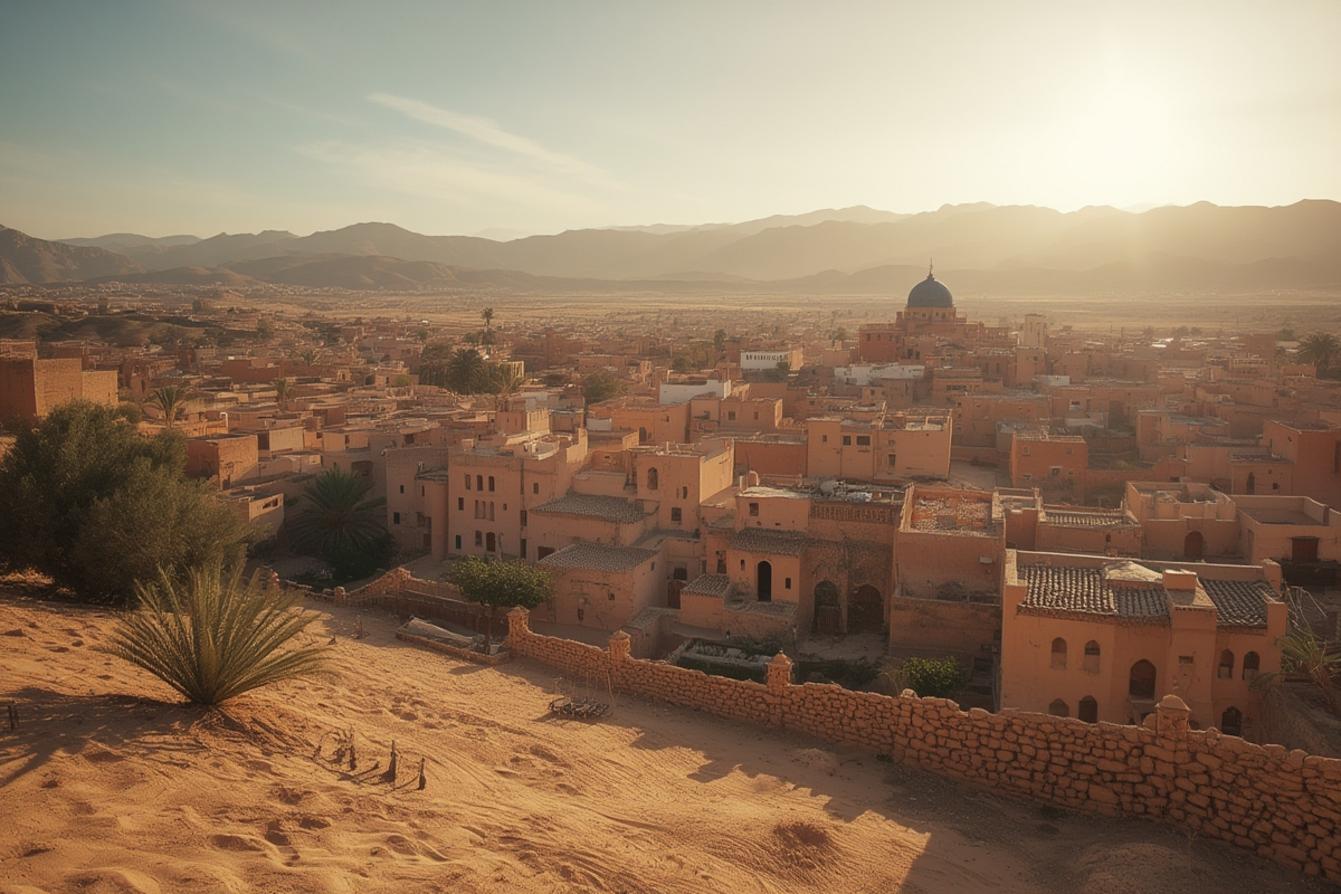
Beyond the camps, small guesthouses and auberges (inns) can be found in the villages surrounding the desert, such as Merzouga itself. These are excellent options for a night or two before or after your desert camp experience, offering a chance to refresh in a more conventional setting. They often have swimming pools, a welcome respite from the desert heat, and provide opportunities to interact with local villagers. Many tours will utilize these guesthouses for their first and last nights, transitioning you smoothly to and from the desert.
When choosing where to stay, consider the level of comfort you desire, your budget, and how authentic an experience you’re seeking. Most desert camps, regardless of their luxury level, include dinner and breakfast, and transport via camel or 4×4 from designated pick-up points. Always check what’s included to avoid any surprises. Whether you choose a simple tent under the stars or a lavish desert suite, sleeping in the morocco desert is an experience that will stay with you long after you’ve left.
Conclusion
The morocco desert isn’t just a destination; it’s an adventure for the senses, a journey into ancient cultures, and an opportunity to witness some of the most awe-inspiring natural beauty on Earth. From the towering dunes of Erg Chebbi, painted in hues of orange and gold by the rising and setting sun, to the rhythmic beats of Berber music echoing under a canopy of a million stars, every moment spent here is steeped in magic. It’s a place to disconnect from the noise of the modern world and reconnect with something more profound, whether that’s the vastness of nature, the warmth of local hospitality, or simply the quiet contemplation of your own thoughts. My travels through this incredible landscape have left an indelible mark, reminding me of the simple wonders and profound experiences that await us when we step outside our comfort zones. The morocco desert calls, promising memories that will last a lifetime.
FAQs
Is it safe to visit the morocco desert?
Yes, generally visiting the morocco desert is very safe. Tour operators are experienced, and locals are very welcoming. The main risks are environmental (sun exposure, dehydration), so proper preparation and following guide advice are crucial.
What should I wear for a camel trek?
For a camel trek in the morocco desert, wear comfortable, loose-fitting clothing that covers your arms and legs to protect from the sun and sand. A headscarf (chech) is highly recommended. Flat, closed-toe shoes or sturdy sandals are best.
How many days should I spend in the morocco desert?
Most travelers find that a 2-night desert camp experience in the morocco desert (usually part of a 3-day or 4-day tour from Marrakech or Fes) provides a perfect balance of immersion and adventure without feeling rushed. This allows for two sunsets/sunrises and plenty of activities.
Can I visit the morocco desert with children?
Yes, many families visit the morocco desert with children. Reputable tour operators can arrange family-friendly camps and activities. Ensure your children are well-hydrated, protected from the sun, and prepared for the camel trek. Younger children might find the long drives challenging, so plan accordingly.




 Covers cities, coast, mountains, desert & food