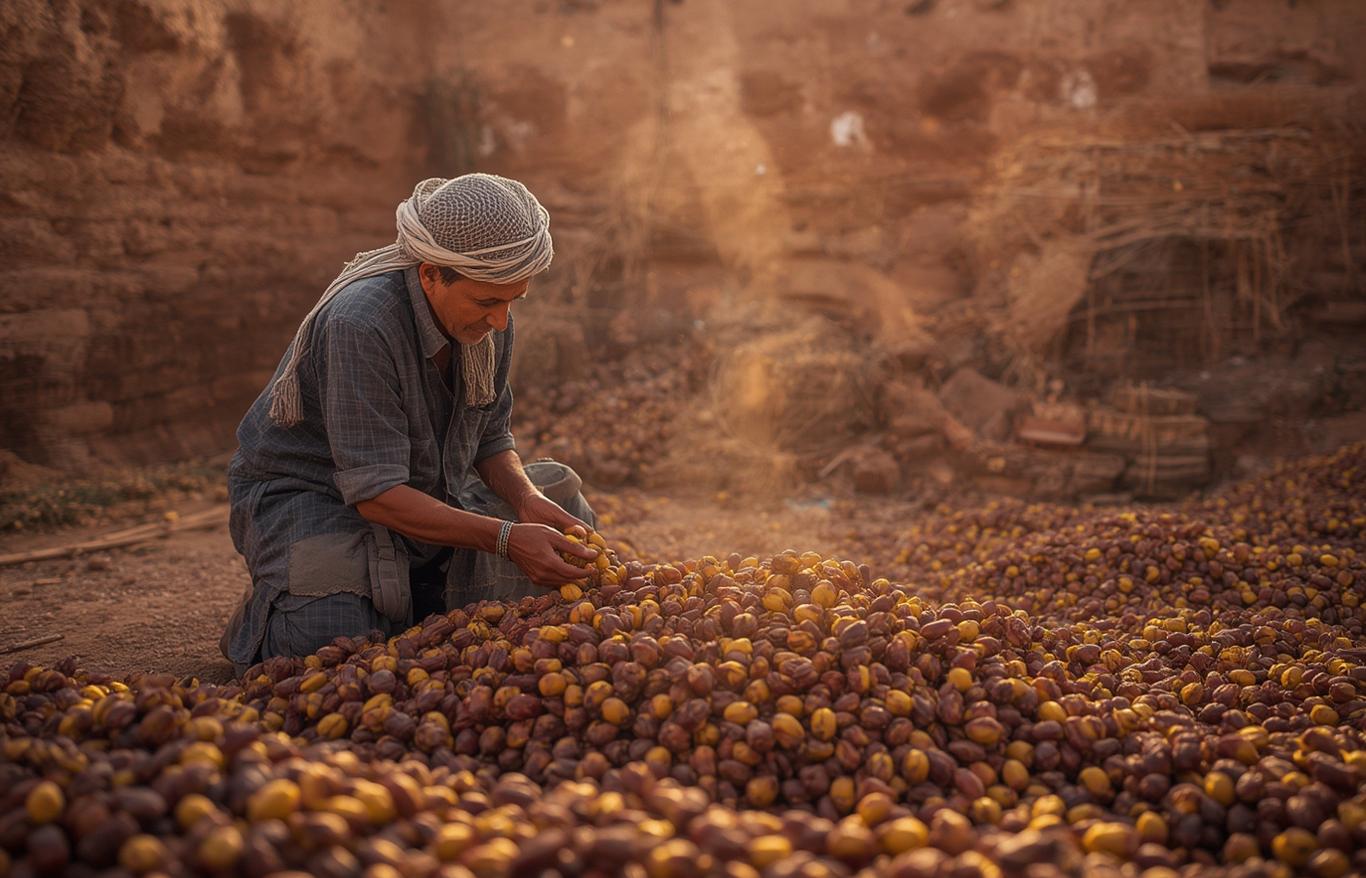
Morocco, a land of enchanting landscapes and ancient customs, holds a deep reverence for the date palm. The Moroccan date harvest traditions are not merely an agricultural practice; they are a vibrant celebration woven into the very fabric of the nation’s culture, history, and culinary identity. From the sun-drenched oases of the Sahara to the bustling souks of Marrakech, dates symbolize sustenance, hospitality, and life itself. This annual ritual, passed down through generations, offers a profound glimpse into the heart of Moroccan life, far beyond what any guidebook might convey. It’s a time when communities unite, working together under the fierce Moroccan sun, celebrating the bounty of nature, and preparing for the culinary delights that fresh dates bring.
The Seasonal Rhythm: Understanding the Moroccan Date Harvest Cycle
The journey of the date palm, or nakhl as it’s known locally, is a year-long cycle culminating in the much-anticipated harvest, typically occurring between late September and mid-November. This period varies slightly depending on the region and the specific date variety. Before the actual harvesting begins, there’s meticulous preparation. In early spring, the date palms are pollinated, often by hand, a delicate and essential task to ensure a robust yield. As summer progresses, the dates ripen, changing color from green to yellow, then amber, and finally a deep brown, becoming soft and succulent.
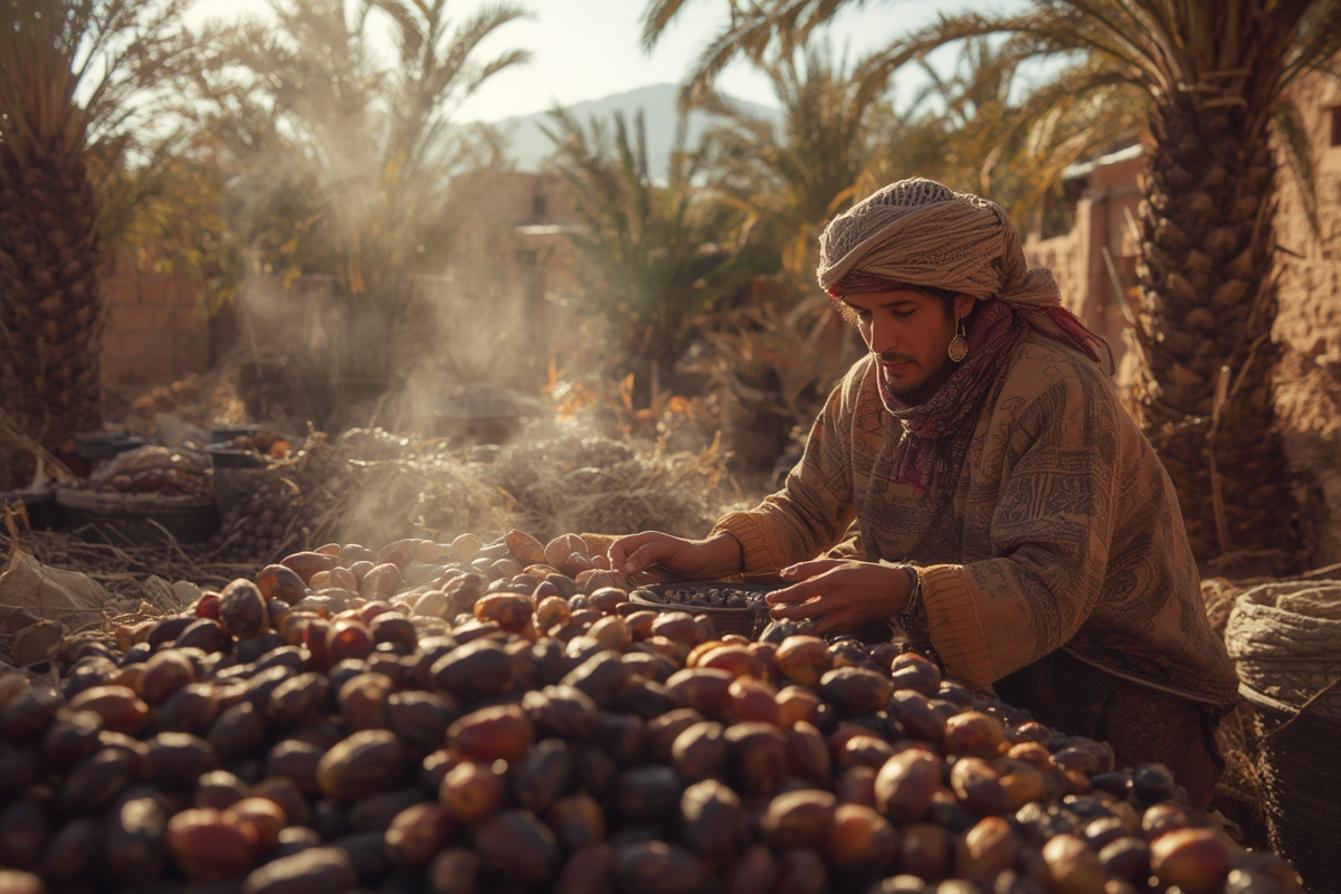
The actual Moroccan date harvest traditions are a sight to behold. In many oasis communities, particularly in the Draa Valley, Tafilalet, and Tata regions, families gather early in the morning, their laughter and chatter filling the date groves. Skilled climbers, often agile young men, ascend the towering palms using ancient techniques, sometimes with ropes or simply by hand and foot, to reach the heavy clusters of ripe dates. They carefully cut down the date bunches, which are then meticulously collected below by other family members. This collective effort underscores the communal spirit that defines much of Moroccan life, a spirit you can feel when exploring areas like the Moroccan date harvest traditions.
The variety of dates harvested in Morocco is astounding, each with its unique flavor and texture. The most famous is the ‘Medjool’, often called the ‘King of Dates’, prized for its large size, rich caramel-like taste, and soft, chewy flesh. Other popular varieties include ‘Deglet Nour’ (the ‘date of light’), ‘Boufekouss’, and ‘Aziza Bouzid’, each contributing its distinct character to Moroccan cuisine and hospitality.
Celebrating the Abundance: Local Moroccan Date Festivals
The end of the harvest season is met with vibrant celebrations across Morocco, particularly in the date-growing regions. These aren’t just festivals; they are deeply ingrained cultural events, some of which have been celebrated for centuries. The grandest and most famous is often considered the Erfoud Date Festival, or Festival International des Dattes de l’Erfoud, held annually in October. This festival transforms the quiet town of Erfoud into a bustling hub of activity, drawing visitors from across Morocco and around the world.
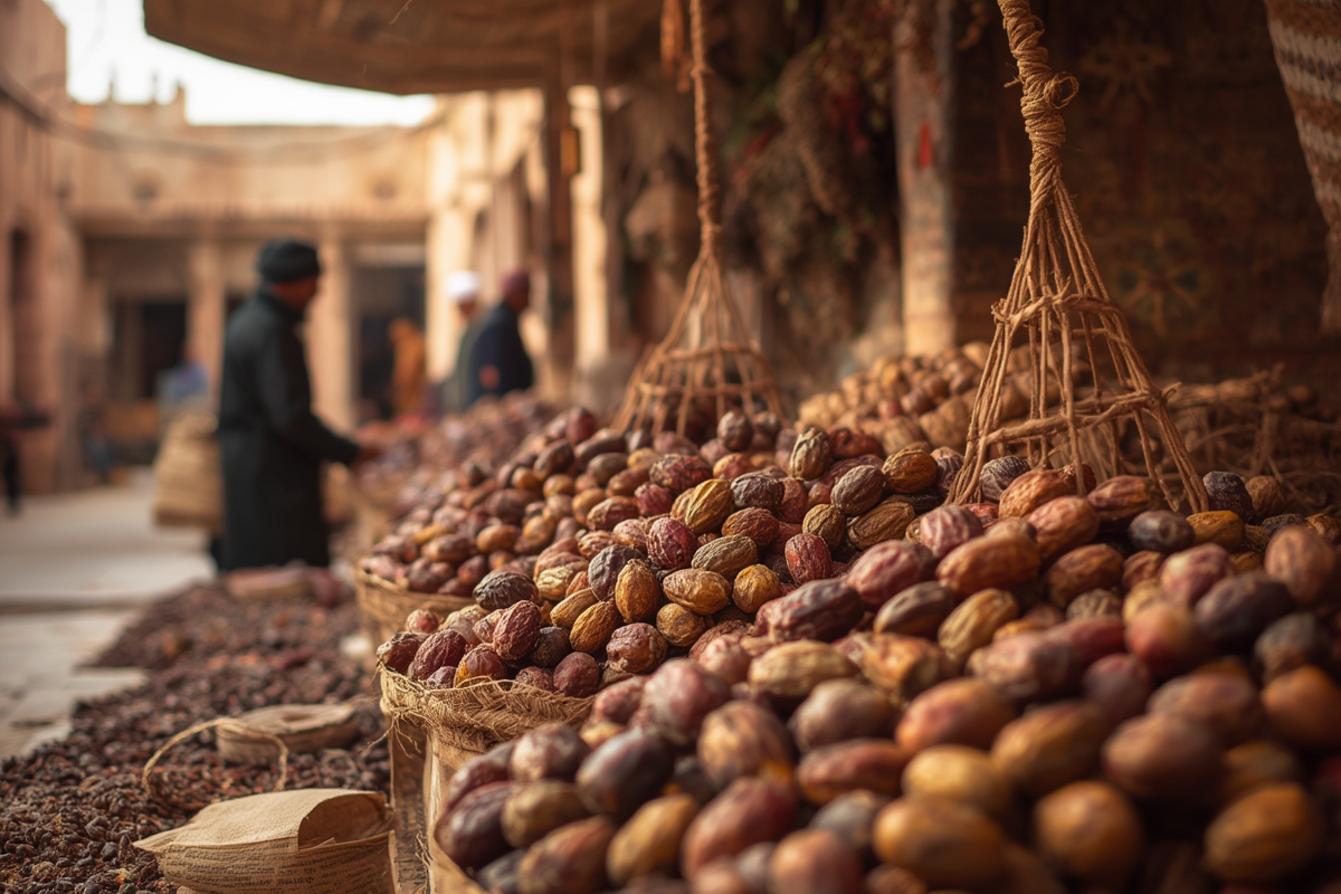
At these festivals, the focus is squarely on dates. You’ll find stalls laden with freshly harvested dates of every variety imaginable, meticulously arranged and ready for tasting. Beyond the bounty of dates, these festivals showcase aspects of traditional Moroccan life. You can expect to see lively folk music and dance performances, camel races, and demonstrations of traditional crafts. It’s also an important economic event, providing a marketplace for farmers to sell their harvest and for local artisans to display their wares. The atmosphere is electric, filled with the aroma of spices, the sweet scent of dates, and the joyous sounds of celebration. For travelers, attending one of these festivals offers an unparalleled opportunity to immerse themselves in authentic Moroccan date festivities and connect directly with the warm, hospitable culture. You can learn more about Moroccan culture and traditions through reputable sources like Moroccan date festivals.
Dates in Moroccan Cuisine: Beyond the Sweet Snack
While dates are undoubtedly a beloved snack on their own, their role in Moroccan cuisine extends far beyond simple consumption. They are a versatile ingredient, integral to both sweet and savory dishes, reflecting the creativity and depth of Moroccan culinary traditions. During and after the harvest, dates become a staple in every Moroccan kitchen.
One of the most common ways to enjoy dates is alongside a fragrant glass of mint tea, offered as a symbol of hospitality to guests. They are also frequently paired with nuts and dried fruits, forming part of the traditional breakfast or a healthy energy boost throughout the day. In terms of savory dishes, dates lend a beautiful sweetness and depth to tagines, especially those featuring lamb, chicken, or beef, often combined with prunes, apricots, or olives. The natural sugars caramelize, creating a rich, complex sauce that is utterly delicious.
Dates are also a key ingredient in many Moroccan pastries and sweets. Ma’amoul, delicate shortbread cookies often filled with date paste, are popular, as are various date-stuffed cakes and confections. During Ramadan, dates take on an even greater significance. It is traditional to break the fast (iftar) with dates and water, symbolizing blessings and sustenance. This tradition highlights the date’s spiritual and practical importance in Moroccan life, making the Moroccan date harvest traditions even more meaningful.
Preserving the Harvest: Traditional Methods and Modern Practices
Successfully gathering the harvest is only half the battle; preserving the dates for year-round consumption is equally crucial. Traditionally, Moroccan communities have employed time-honored methods to ensure their precious harvest lasts. Sun-drying is the most prevalent and ancient technique. After being picked, the dates are spread out on mats or specially constructed drying racks under the intense desert sun. This natural process reduces their moisture content, concentrating their sugars and developing their characteristic chewy texture and rich flavor.
Another traditional method involves pressing dates into compact blocks or pastes, often combined with olive oil or local butter (smen). These date pastes are highly nutritious and can be stored for extended periods, serving as a vital energy source, especially in remote areas. Some dates are also pitted and stuffed with almonds or walnuts, a delicious preparation that also aids in preservation.
While traditional methods endure, modern practices have also been integrated to enhance the longevity and quality of dates. Controlled storage facilities and improved packaging techniques help maintain freshness and prevent spoilage, particularly for dates destined for export. Despite these advancements, the core principles of the Moroccan date harvest traditions remain committed to respecting the natural product and ensuring its availability throughout the year, sustaining both daily life and festive occasions.
Dates and Moroccan Hospitality: A Sweet Invitation
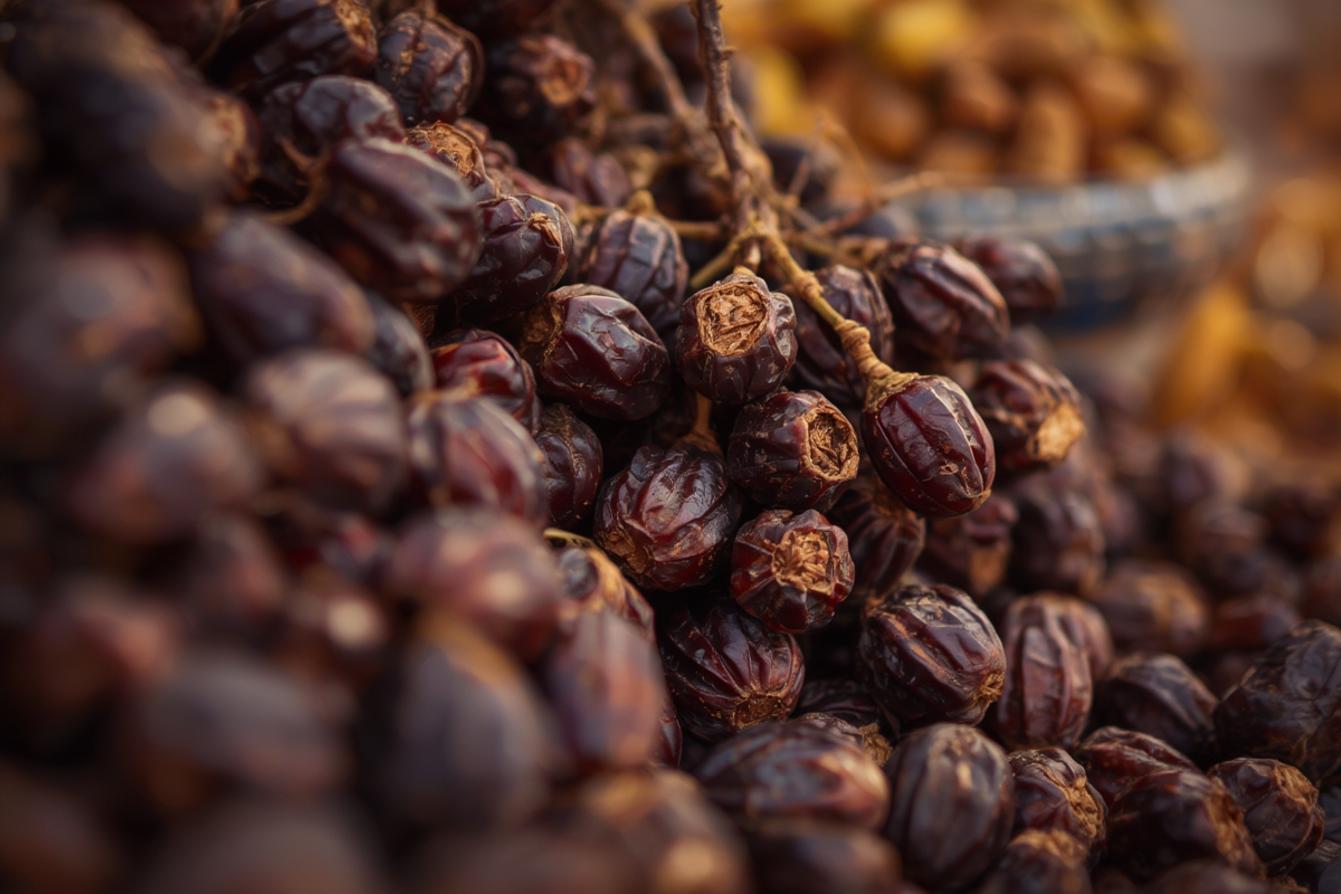
In Morocco, hospitality is more than a custom; it’s a way of life, and dates play a significant role in this cultural cornerstone. Offering dates to guests is a gesture of welcome, respect, and warmth, a sweet invitation into the home and heart of the host. From the moment you step foot into a Moroccan household or even a traditional guesthouse, you’re likely to be greeted with a tray of fresh dates.
This simple act carries deep meaning. Dates symbolize generosity, abundance, and the desire to share the best of what the land provides. They are often presented alongside a pot of steaming mint tea, a quintessential Moroccan offering. This small ritual embodies the essence of Moroccan hospitality – a genuine desire to make visitors feel comfortable, valued, and nourished.
For travelers, partaking in this tradition is a beautiful way to connect with local culture. Accepting dates when offered is a sign of respect and appreciation. It’s also an opportunity to savor the incredible variety and quality of Moroccan dates firsthand. Whether in a bustling urban riad or a humble desert dwelling, the presence of dates signals that you are among friends, welcomed into a tradition that stretches back centuries. The Moroccan date harvest traditions ensure that this sweet symbol of welcome is always available.
Conclusion
The Moroccan date harvest traditions are a beautiful testament to the country’s rich agricultural heritage, deep-seated cultural values, and unwavering community spirit. From the arduous work of harvesting to the joyous celebrations and the central role dates play in Moroccan cuisine and hospitality, this annual cycle is more than just a season; it’s a living tradition that connects Moroccans to their land and their past. Experiencing it firsthand, whether by visiting a date palm oasis or attending a vibrant date festival, offers an unparalleled insight into the soul of Morocco. These ancient customs ensure that the sweet bounty of the date palm continues to nourish both body and spirit, defining a significant part of traditional Morocco.
FAQs
When is the best time to experience the Moroccan date harvest?
The best time to experience the Moroccan date harvest is typically from late September to mid-November. This is when dates are fully ripe and actively being picked. If you wish to attend a date festival, late October is often ideal, as this is when the famous Erfoud Date Festival usually takes place.
What are the most popular types of dates found in Morocco?
While many varieties exist, the most popular and renowned Moroccan date is the Medjool, famous for its large size, rich flavor, and soft texture. Other common types include Deglet Nour, Boufekouss, and Aziza Bouzid, each offering distinct characteristics in taste and texture.
Can tourists participate in the date harvest?
Direct participation in the date harvest is often limited to local communities and families. However, many tour operators offer cultural experiences that include visits to date oases during harvest season, allowing tourists to observe the process, learn about the traditions, and taste fresh dates directly from the palm. Attending a date festival is also an excellent way to experience the harvest’s celebratory atmosphere.
How are dates used in Moroccan culinary traditions besides eating them fresh?
Dates are incredibly versatile in Moroccan cuisine. Beyond being a fresh snack or an accompaniment to mint tea, they are frequently used in savory tagines (especially with lamb or chicken), giving dishes a unique sweet and savory depth. Dates are also a popular ingredient in many traditional Moroccan pastries and sweets, and they are crucially used to break the fast during Ramadan.



 Covers cities, coast, mountains, desert & food