
Why Tangier Travelers Are Looking Beyond the Coast
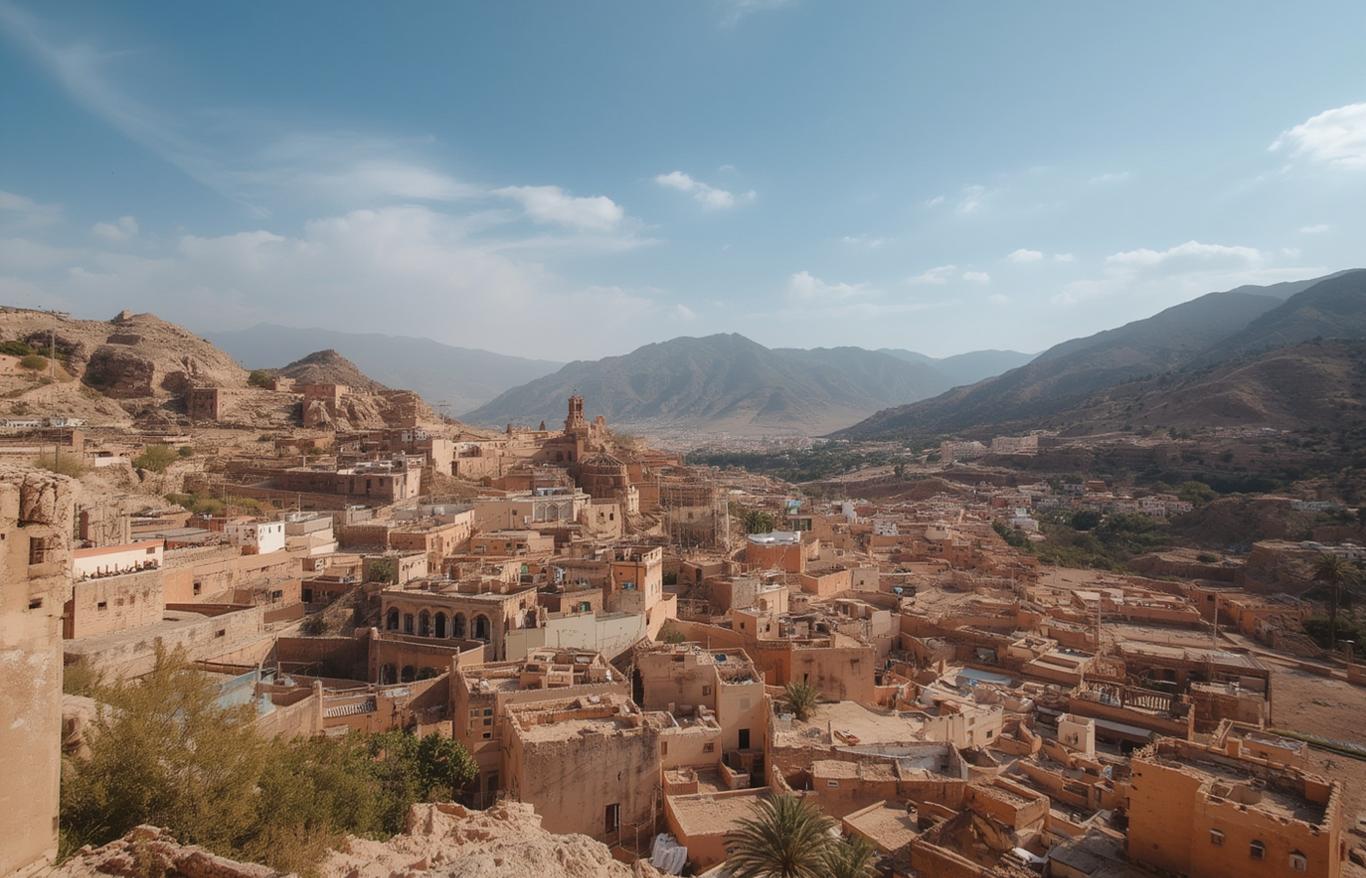
The Tangier Atlas Mountains connection might seem geographically puzzling at first—Tangier sits proudly on Morocco’s northern coast, while the Atlas ranges tower in the country’s interior and south. Yet this very distance creates one of Morocco’s most rewarding travel opportunities. Savvy visitors using Tangier as their entry point are discovering that the city serves as an exceptional launchpad for authentic mountain experiences that contrast beautifully with coastal life.
Many travelers arrive in Tangier via ferry from Spain or through its international airport, initially planning just a day or two in the port city. But the growing trend shows visitors extending their stays to arrange organized excursions into the Middle Atlas and Rif Mountains, accessing traditional Berber villages and landscapes that remain refreshingly untouched by mass tourism. These journeys typically span two to five days, offering a cultural immersion that complements Tangier’s cosmopolitan energy with rural authenticity.
The logistics make sense: Tangier’s tour operators have refined multi-day circuits that transport you from Mediterranean shores to mountain peaks, often including stops in Chefchaouen’s blue-washed streets before venturing deeper into highland territories. This routing allows travelers to experience Morocco’s remarkable geographic diversity without the complicated planning of independent mountain travel.
The Rif Mountains: Tangier’s Closest Highland Escape
Before reaching the distant Atlas peaks, the Rif Mountains present an accessible mountain introduction just hours from Tangier. This northern range rises dramatically behind the coastal cities, its green slopes and terraced valleys offering a complete environmental shift from the sea.
Day trips from Tangier frequently target the Rif’s accessible corners, particularly around Chefchaouen, positioned roughly two and a half hours southeast by road. The journey itself reveals the landscape transition—olive groves giving way to pine forests, then rocky outcrops wrapped in morning mist. Local guides based in Tangier arrange hiking excursions through Talassemtane National Park, where trails wind past cascading waterfalls and through cedar forests inhabited by Barbary macaques.
The Rif region remains predominantly Berber, with villages maintaining traditional agricultural practices and architectural styles distinct from coastal influences. Travelers seeking Tangier Atlas Mountains experiences often begin here, where the cultural patterns and mountain rhythms prepare visitors for the more remote Atlas encounters ahead.
Multi-day Rif circuits arranged from Tangier typically include homestays in Berber families’ guesthouses, where you’ll share mint tea, observe daily routines, and learn about regional challenges like water management and seasonal migration patterns. These intimate encounters provide context that luxury hotels cannot replicate.
Reaching the Middle Atlas From Tangier: Practical Routes
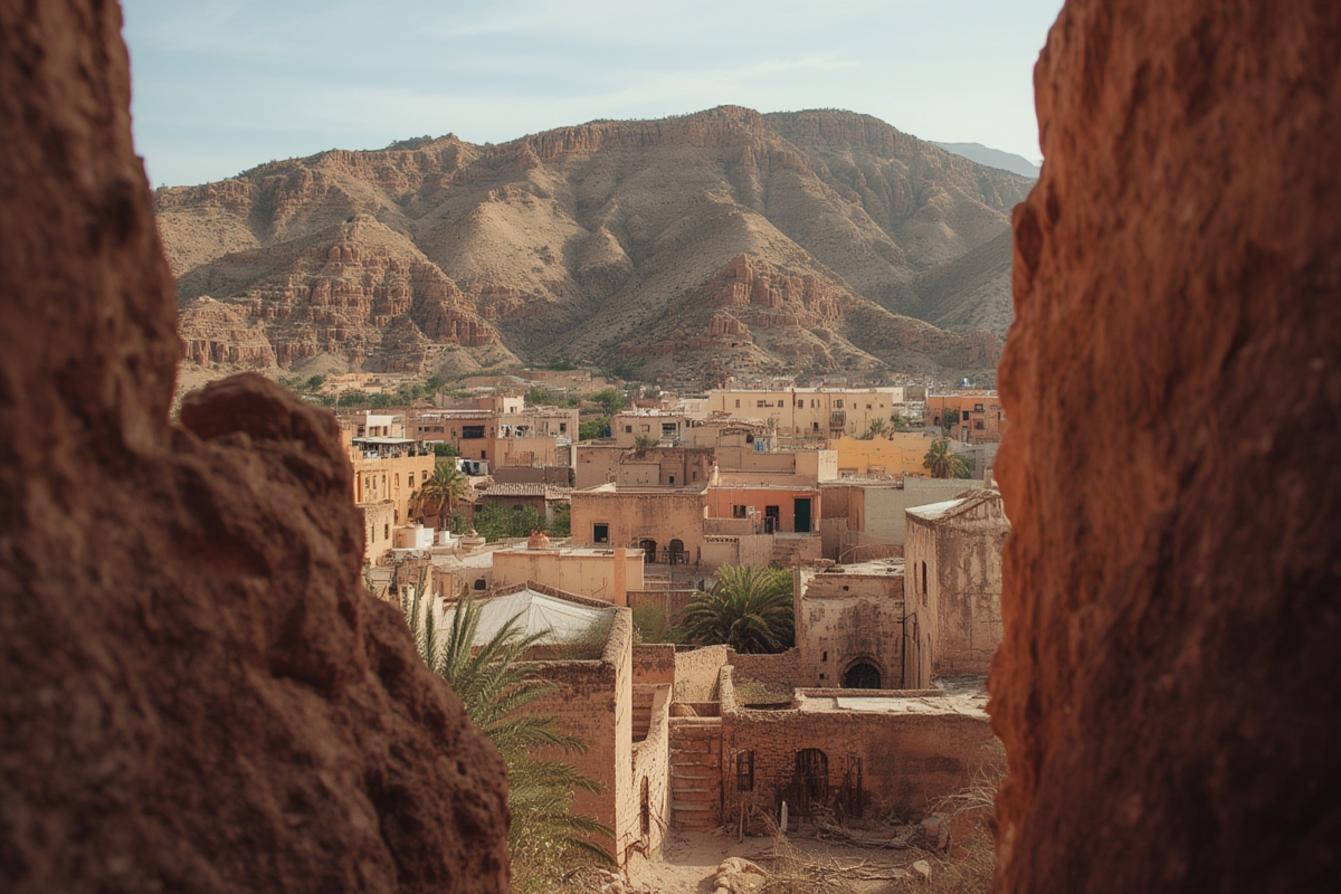
The Middle Atlas represents the most feasible Atlas destination for Tangier-based travelers, lying roughly 250 kilometers southeast through landscapes that showcase Morocco’s central plateau. Tour operators typically structure these journeys as three to four-day circuits, traveling via Meknes or Fes before ascending into the mountains.
The most popular routing brings travelers through the Imperial City of Fes—itself worthy of a full day’s exploration—before continuing to Ifrane, often called “Morocco’s Switzerland” for its Alpine-style architecture and surrounding cedar forests. From there, the route penetrates deeper into Berber territories around Azrou and the Michlifen ski region, where traditional life persists despite increasing tourism infrastructure.
Road conditions vary significantly. Main highways connecting Tangier to Fes maintain good asphalt and clear signage, but mountain roads narrow considerably as you approach remote villages. Expect sharp switchbacks, unpaved stretches during secondary route detours, and occasional livestock crossings. Independent drivers should rent vehicles with adequate clearance and prepare for longer travel times than GPS estimates suggest.
Organized tours solve these complications while adding valuable context. Your Tangier-based guide typically partners with local mountain guides who know seasonal trail conditions, family-run guesthouses accepting visitors, and the cultural protocols important in conservative rural areas. This collaborative approach creates smoother experiences than solo travelers usually achieve.
Authentic Berber Village Experiences in the Atlas
The heart of any Tangier Atlas Mountains journey lies in village encounters where Berber (Amazigh) communities maintain centuries-old traditions. These experiences distinguish Morocco from typical Mediterranean destinations—you’re not observing recreated folklore, but participating in living culture.
Village visits arranged through reputable Tangier operators typically include shared meals in family homes, where women demonstrate traditional bread-making in outdoor clay ovens and prepare tagines using vegetables from terraced gardens. Language barriers exist—many older villagers speak only Tamazight and Arabic—but guides translate while the universal gestures of hospitality transcend words.
Expect demonstrations of crafts that sustain household economies: carpet weaving on vertical looms using hand-dyed wool, pottery shaping for cooking vessels, and olive oil pressing during autumn harvest. These aren’t staged performances but genuine daily activities you’re privileged to witness. Responsible tourism means purchasing directly from artisans when interested, ensuring your spending benefits the community rather than urban middlemen.
Sleeping arrangements in village guesthouses vary from simple mattress rooms with shared facilities to more developed riads with private bathrooms, depending on your tour level. What remains constant is the warmth—Berber hospitality traditions compel hosts to provide their best regardless of economic means. Many travelers cite these nights as their most memorable Moroccan experiences, where smartphone signals disappear and conversations happen by candlelight.
Seasonal Considerations for Mountain Excursions
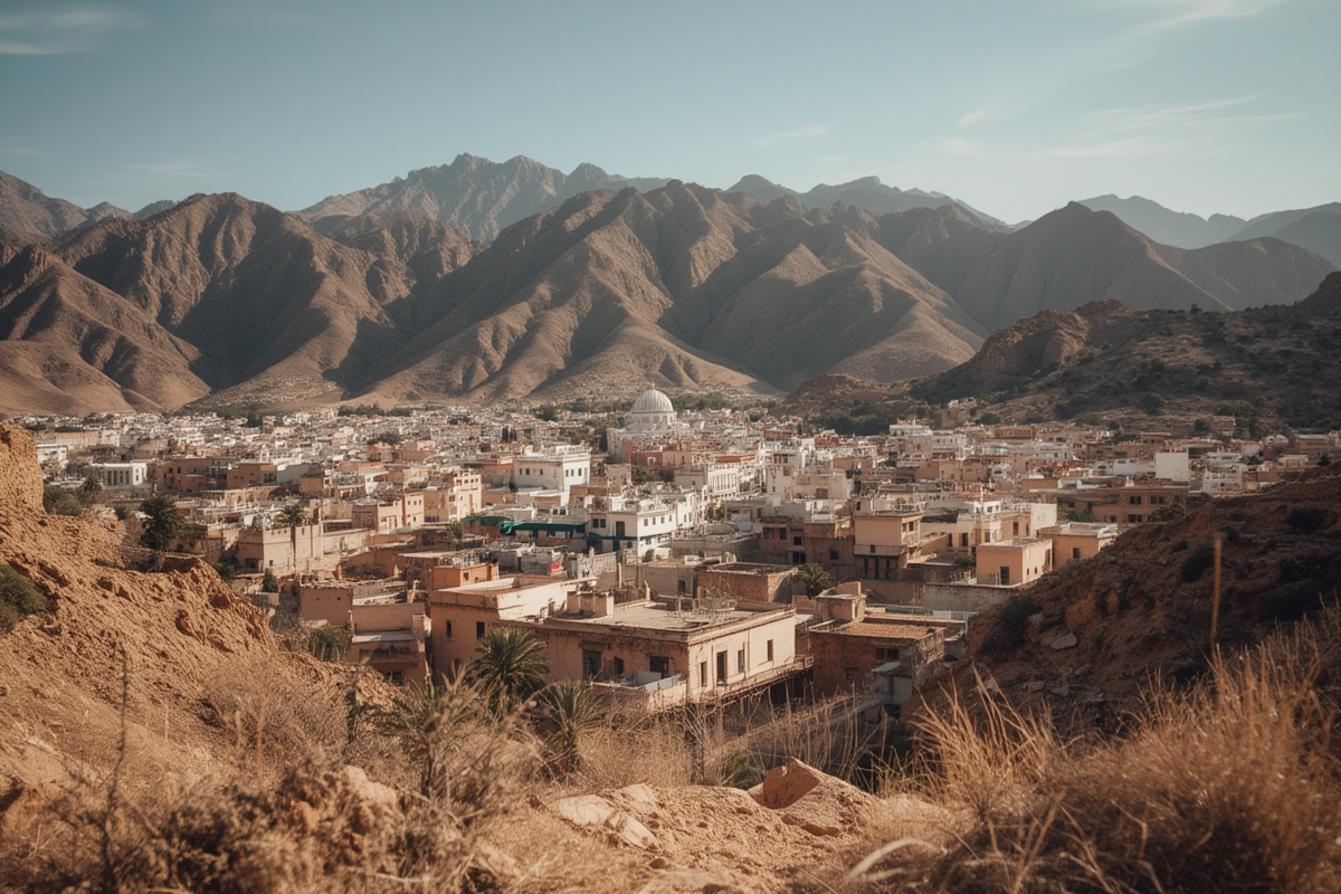
Timing dramatically affects your Tangier Atlas Mountains experience. While Tangier enjoys mild Mediterranean weather year-round, the mountains experience genuine winters and scorching summers that demand different preparation.
Spring (March through May) ranks as the ideal window. Mountain meadows explode with wildflowers, snowmelt swells rivers and waterfalls, and temperatures remain comfortable for hiking—typically 15-22°C at mid-elevations. Villages celebrate seasonal festivals tied to agricultural cycles, and shepherds begin moving flocks to higher pastures. Roads remain mostly clear, though late-season snow can temporarily close high passes.
Summer brings challenges. July and August see temperatures exceeding 35°C in valleys, making midday hiking uncomfortable. However, this season allows access to the highest elevations where cooler air persists. Some travelers specifically target summer for its extended daylight and the chance to witness harvest activities. Book accommodations well ahead—Moroccan families vacation during this period, filling mountain guesthouses.
Autumn (September through November) offers another excellent period. Harvest activities dominate village life—olives, walnuts, apples—and communities welcome extra hands. The landscape transitions to golden hues, and pleasant temperatures return. This season sees fewer international tourists than spring.
Winter (December through February) appeals to specific travelers: skiers heading to Michlifen, photographers seeking snow-draped peaks, or those comfortable with limitations. Many high-elevation villages become difficult to access, and some guesthouses close entirely. However, winter visits to accessible Rif areas remain feasible and offer solitude.
Combining Atlas Adventures With Sahara Extensions
The geographic relationship between the Tangier Atlas Mountains and Tangier Sahara Desert creates Morocco’s ultimate diversity circuit. While neither mountain range nor desert sits near Tangier, the city’s position as an international gateway makes it the logical starting point for comprehensive tours spanning both environments.
Extended tours (typically seven to ten days) depart Tangier heading southeast through the Middle Atlas, continuing across the High Atlas via the Tizi n’Tichka pass toward desert edges near Merzouga or M’Hamid. This routing reveals Morocco’s complete geographic spectrum: Mediterranean coast, green mountains, arid plateaus, and finally the Sahara’s sand seas.
The Middle Atlas serves as both physical and cultural bridge in these circuits. As you descend the Atlas’s southern slopes, villages shift architecturally—flat-roofed kasbahs replace pitched mountain homes, palm groves appear in valleys, and the light quality changes from mountain clarity to desert shimmer. Berber communities persist throughout, though desert-dwelling groups developed distinct traditions around water conservation and date cultivation.
Tour operators based in Tangier design these comprehensive circuits to include signature experiences: mountain hiking, village homestays, camel treks into erg dunes, and overnight camps under Sahara stars. The diversity prevents monotony—each day presents different landscapes and activities. Travelers consistently rate these multi-environment tours as worth the additional time and investment over single-destination trips.
Budget-conscious travelers can achieve similar diversity through public transport, though it requires significant trip planning, multiple bus connections, language skills, and substantial time. The comfort gap between organized tours and independent travel widens considerably for mountain and desert combinations.
Selecting Responsible Tour Operators From Tangier
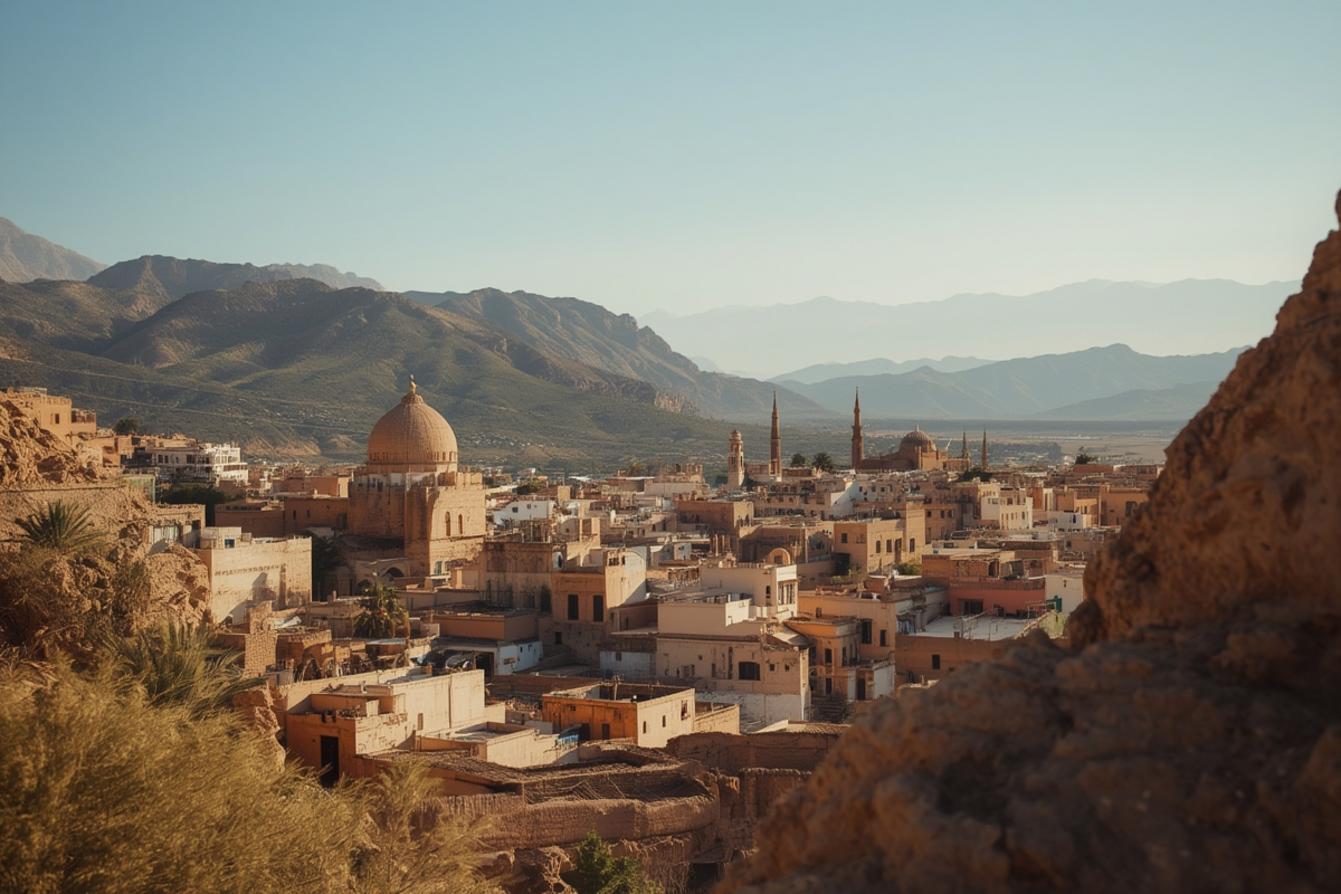
Quality varies dramatically among Tangier operators offering Tangier Atlas Mountains experiences. Selecting carefully ensures both personal satisfaction and positive community impact.
Reputable operators maintain transparent relationships with mountain communities, paying fair wages to local guides, using family-owned accommodations, and ensuring tourist spending reaches villages directly. Ask specific questions: Which villages will we visit? Are accommodations locally owned? What percentage of guides are from mountain communities? Ethical operators answer proudly; others deflect.
Check for specialized mountain experience rather than generic Morocco tours. Operators focused on Atlas regions understand seasonal trail conditions, carry appropriate emergency equipment, and maintain relationships with mountain rescue services. Verify that guides possess official credentials—Morocco requires professional guides to hold government licenses after completing training programs.
Review policies around group sizes. Smaller groups (six to eight participants) create better village experiences and reduce environmental impact. Massive tour buses cannot navigate narrow mountain roads and overwhelm small communities unprepared for crowds.
Examine what’s included in pricing. Cheaper tours often exclude meals, accommodation, and guide gratuities, with these “extras” dramatically increasing final costs. Mid-range operators typically include all meals, standard accommodations, transport, and guide services, with only personal purchases and tips remaining extra. Luxury operators add upgraded accommodations and private transport but follow similar mountain routes.
Read recent reviews focusing on guide knowledge, cultural sensitivity, and how operators handle inevitable complications (vehicle breakdowns, weather changes, illness). Responsive problem-solving distinguishes professional operations from opportunistic ones.
Conclusion
The Tangier Atlas Mountains connection exemplifies Morocco’s genius for contrasts—a single journey transporting you from bustling Mediterranean ports to silent mountain villages where time flows to agricultural rhythms. While geography separates Tangier from the Atlas ranges, modern touring infrastructure bridges this distance effectively, allowing visitors to anchor in the familiar coastal city while accessing authentic highland experiences.
These journeys demand more time than simple city breaks, but the rewards justify the commitment. You’ll return with layered understanding of Moroccan diversity—not just postcard images but lived experiences of sharing meals in family homes, hiking trails used for centuries, and witnessing traditions that persist despite globalization pressures. The Tangier Atlas Mountains experience ultimately reveals Morocco’s deepest gift: a country where ancient and modern, coastal and highland, urban and rural coexist in fascinating proximity, waiting for curious travelers willing to venture beyond conventional itineraries.
FAQs
How long does it take to reach the Atlas Mountains from Tangier?
The travel time depends on which Atlas region you’re targeting. The Rif Mountains, while not technically part of the Atlas system, sit closest at two to three hours away. The Middle Atlas, which most tours focus on, requires approximately six to seven hours of driving to reach primary destinations like Ifrane and Azrou. The High Atlas sits considerably farther, typically requiring an overnight stop in Fes or Meknes, making it part of extended multi-day tours rather than direct excursions. Most organized tours structure these journeys across multiple days with strategic stops, turning the distance into an advantage by showcasing Morocco’s geographic transitions.
Can I visit Atlas Mountain villages independently from Tangier without a guide?
While technically possible, independent Atlas village visits present significant challenges. Public transportation exists but requires multiple bus connections, limited schedules, and knowledge of Arabic or French for navigation. More critically, many Berber villages welcoming organized groups lack public accommodations or restaurants—homestays require advance arrangements through local contacts. Cultural protocols around appropriate dress, photography permissions, and social interactions become complicated without guides who understand regional customs. Solo travelers risk inadvertently offending hosts or missing experiences entirely. If independence matters, consider hiring a local guide just for mountain portions while traveling independently elsewhere.
What should I pack differently for Atlas Mountains compared to Tangier?
Mountain conditions differ dramatically from coastal Tangier. Pack layered clothing regardless of season—temperatures drop significantly at elevation, especially mornings and evenings. Sturdy hiking boots with ankle support prove essential for rocky trails and uneven village paths. Bring warmer layers than Tangier’s weather suggests: fleece jacket, warm hat, and gloves during cooler months. Sun protection intensifies at altitude, so pack high-SPF sunscreen, lip balm, and sunglasses. A headlamp helps in villages with limited electricity. Modest clothing matters more in conservative mountain communities—long pants and covered shoulders for both genders. Include basic first aid supplies, as mountain villages lack pharmacies.
Are Atlas Mountain tours from Tangier suitable for families with children?
Many Atlas tours accommodate families well, though age and fitness levels matter. Children above eight typically manage moderate hiking and village visits, finding the cultural differences fascinating and animal encounters (mules, sheep, mountain wildlife) engaging. Younger children struggle with long drives and basic accommodation facilities common in mountain guesthouses. Tour operators often customize family itineraries with shorter hiking segments, more vehicle-based sightseeing, and stays in better-equipped accommodations. Discuss your children’s ages and capabilities honestly when booking—reputable operators will advise whether specific itineraries suit your family or suggest modifications. The cultural exposure offers tremendous educational value for children mature enough to appreciate it.





 Covers cities, coast, mountains, desert & food