
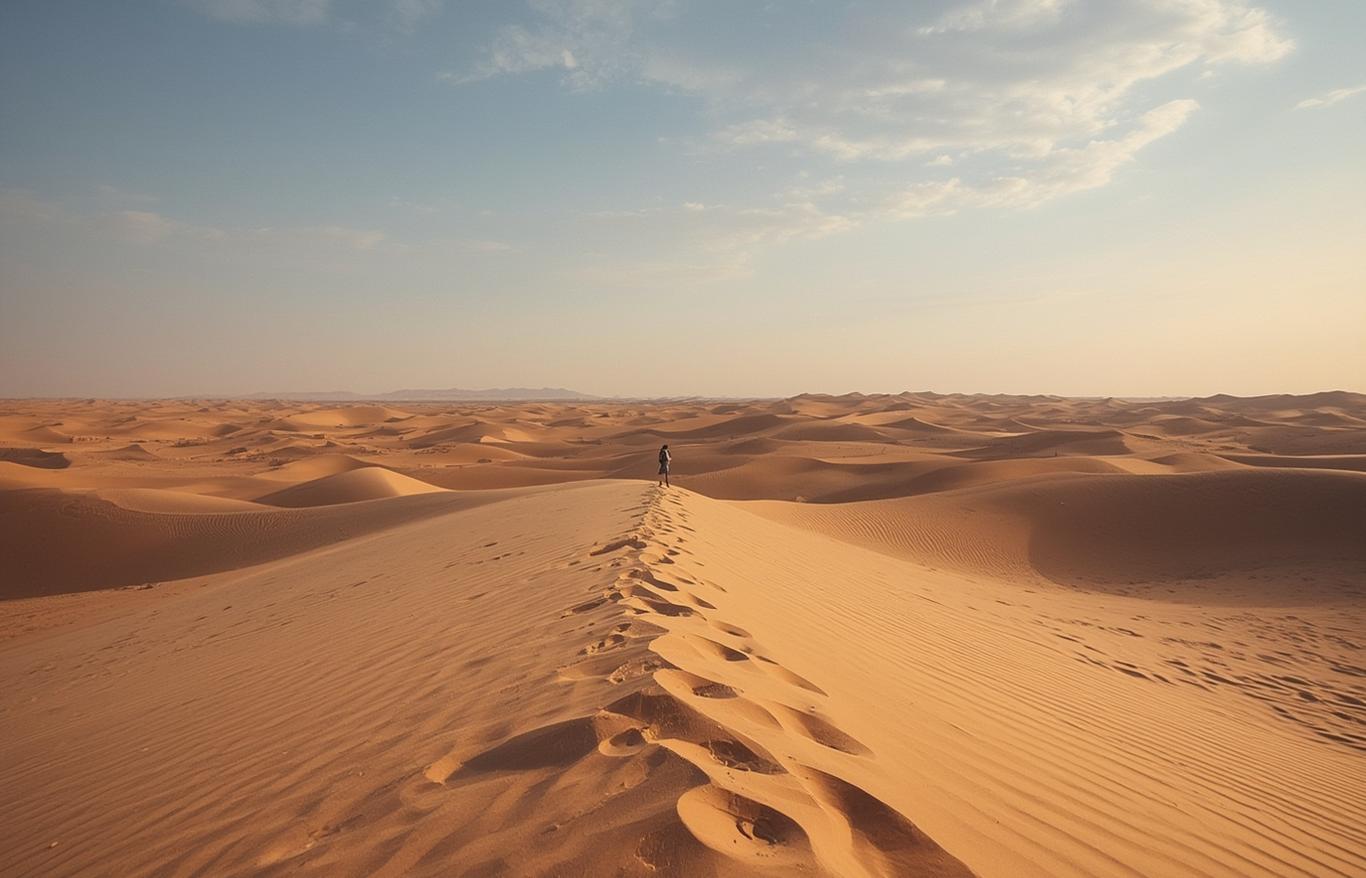
Booking morocco sahara desert tours from marrakech opens the door to one of the world’s most captivating landscapes, where endless golden dunes meet impossibly blue skies and ancient Berber traditions come alive under canopies of stars. Marrakech serves as the perfect launchpad for desert adventures, sitting just a day’s scenic drive from the majestic Sahara. These tours blend natural wonder with cultural immersion, offering everything from camel treks and nomadic camp stays to dramatic mountain crossings and visits to centuries-old kasbahs. Whether you’re seeking a quick overnight escape or an extended journey through Morocco’s diverse terrain, desert tours from Marrakech cater to every traveler’s dream.
Why Marrakech Makes the Perfect Desert Gateway
Marrakech’s strategic location makes it Morocco’s premier starting point for Sahara expeditions. The city sits at the northwestern edge of the Atlas Mountains, providing natural access routes to both the Zagora desert region and the more remote Erg Chebbi dunes near Merzouga. This positioning means travelers can experience Morocco’s dramatic geographical diversity within a single journey—from the bustling medina squares to cedar forests, river valleys, and finally the open desert.
The infrastructure supporting desert tours from Marrakech is exceptionally well-developed. Experienced tour operators maintain comfortable 4×4 vehicles, establish relationships with authentic Berber camps, and employ knowledgeable guides who understand both the terrain and cultural nuances. Most importantly, the journey itself becomes part of the experience. The drive from Marrakech traverses the spectacular Tizi n’Tichka pass, winds through traditional villages like Aït Benhaddou, and follows ancient caravan routes that traders have used for centuries.
Tour flexibility from Marrakech is another significant advantage. Travelers can choose from 2-day express tours to Zagora, 3-day adventures to Merzouga, or extended 4-5 day expeditions that incorporate additional stops like the Todra Gorge, Dades Valley, and rose-growing regions. This variety allows visitors to match their desert experience to their schedule, budget, and preferred level of adventure.
Choosing Between Zagora and Merzouga Desert Destinations
Understanding the differences between desert destinations helps travelers select the right tour. Zagora lies approximately 350 kilometers southeast of Marrakech, requiring about seven hours of driving. This proximity makes it ideal for shorter 2-day tours. The desert landscape here consists of smaller dunes and rocky hammada, offering an authentic taste of Sahara life without the extreme remoteness. Zagora tours typically include overnight stays in traditional nomadic tents, camel rides during sunset, and opportunities to meet local communities.
Merzouga sits much further—roughly 560 kilometers from Marrakech—creating a nine to ten-hour journey. However, this distance rewards adventurers with access to Erg Chebbi, Morocco’s most impressive dune field. These massive sand mountains reach heights of 150 meters, creating the iconic Sahara landscape that fills travelers’ imaginations. The deeper orange-red color of the sand, the dramatic scale of the dunes, and the complete silence of the desert wilderness make Merzouga worth the extra travel time for those who can spare at least three days.
Climate considerations also differ between locations. Zagora tends to be hotter year-round due to its lower elevation and more southerly position. Merzouga experiences more temperature variation, with cooler nights that can drop significantly, especially between November and February. Both destinations offer incredible stargazing, though Merzouga’s remote location provides even darker skies and more spectacular celestial displays.
What to Experience During Multi-Day Desert Tours
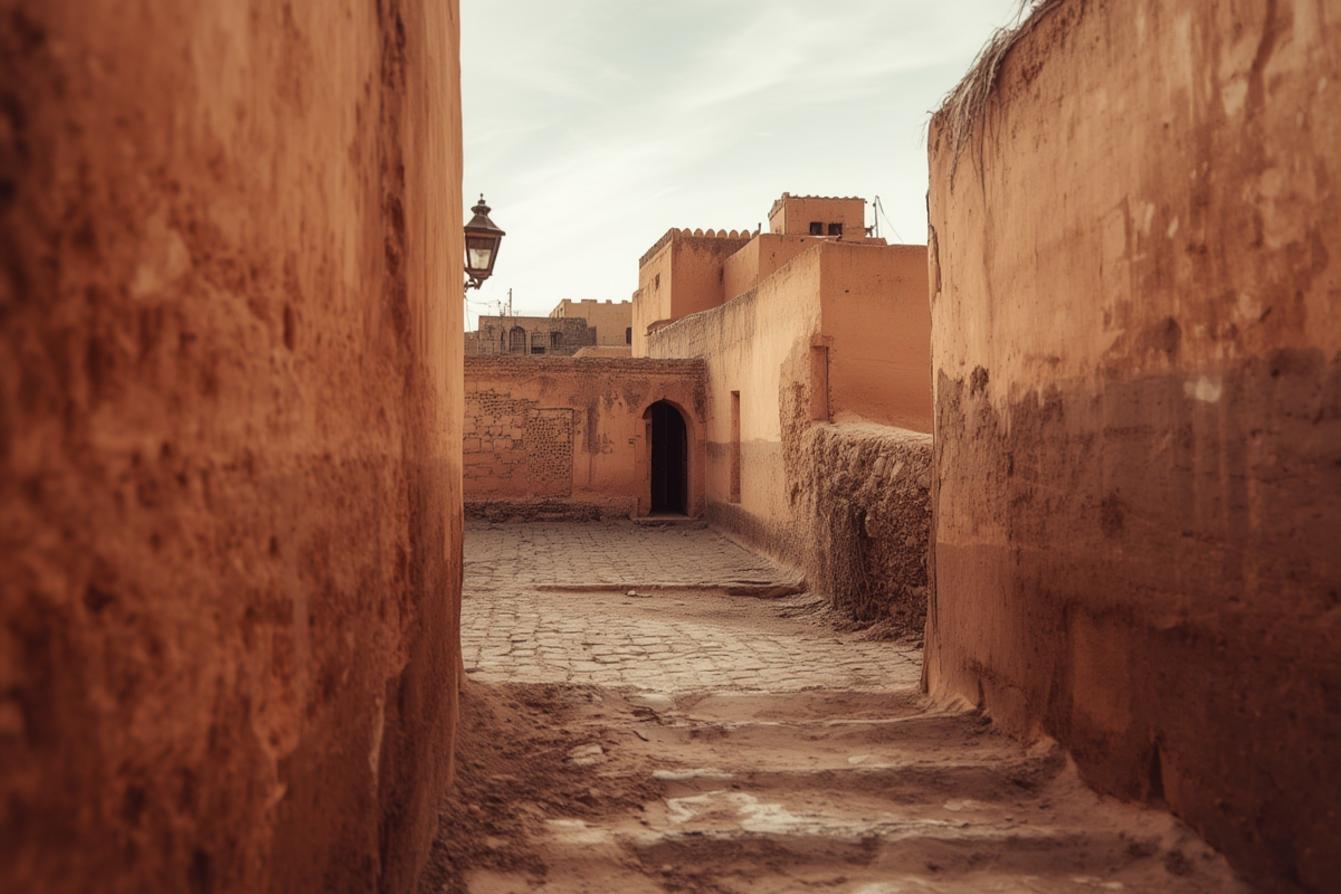
The journey itself forms a substantial part of morocco sahara desert tours from marrakech. Most tours follow the spectacular Route of a Thousand Kasbahs through the High Atlas Mountains, stopping at Aït Benhaddou—a UNESCO World Heritage fortified village that has appeared in countless films from Lawrence of Arabia to Gladiator. Walking through this ancient ksar provides tangible connection to Morocco’s architectural heritage and trading history.
As tours descend into the Draa or Ziz valleys, the landscape transforms into lush palm groves contrasting sharply with surrounding arid mountains. These oasis regions support traditional agriculture and showcase ingenious irrigation systems developed over centuries. Many tours include stops in Ouarzazate, often called the “Hollywood of Morocco,” where visitors can tour film studios or explore the impressive Taourirt Kasbah.
The Dades and Todra gorges represent another highlight, particularly on longer tours. These dramatic rock formations create narrow canyons with towering limestone cliffs reaching 300 meters high. Walking through these natural corridors offers perspective on the geological forces that shaped this region and provides excellent photography opportunities.
Desert camps themselves range from basic nomadic-style tents to luxury accommodations with proper beds, private bathrooms, and gourmet dinners. Regardless of comfort level, the evening experience remains consistent: traditional Berber music around campfires, mint tea ceremonies, hearty tagine meals, and the profound experience of sleeping under Sahara stars far from any light pollution.
Practical Tour Formats and What They Include
Two-day desert tours from Marrakech focus exclusively on reaching the desert, experiencing it briefly, and returning. These intensive trips suit travelers with limited time but strong desire to witness the Sahara. The first day involves eight to ten hours of driving with scenic stops, arriving at desert camps by evening for camel rides and overnight stays. The second day features sunrise viewing before the return journey. While rushed, these tours successfully deliver authentic desert encounters.
Three-day tours strike an ideal balance for most visitors. The extra day reduces driving stress, allows for more cultural stops, and provides time to genuinely relax in the desert environment. These tours typically spend one night in a mountain kasbah and one night in desert camps, creating varied experiences. Travelers enjoy unhurried exploration of places like Aït Benhaddou and have longer periods to appreciate the desert’s changing light and atmosphere.
Four and five-day extended tours transform the experience into comprehensive regional exploration. These itineraries incorporate additional valleys, gorges, and towns while maintaining quality time in the desert. Some include opportunities for sandboarding, quad biking, or extended camel trekking. The sahara desert tours from fes alternative provides different perspectives on Morocco’s diverse landscapes, though Marrakech remains the more popular starting point.
Private tours offer maximum flexibility, allowing travelers to adjust schedules, choose accommodation standards, and focus on personal interests. Small group tours provide social interaction and cost savings while maintaining reasonable comfort and attention from guides. Budget shared tours accommodate tight budgets but may involve larger groups and more basic facilities.
Essential Preparation Tips for Desert Adventures
Packing appropriately makes significant difference to comfort during morocco sahara desert tours from marrakech. Temperature fluctuations between day and night require layered clothing—light breathable fabrics for daytime heat and warmer layers for cool evenings. Long sleeves and pants protect from sun exposure and blowing sand. A good scarf serves multiple purposes: sun protection, dust filter, and warmth after sunset.
Footwear should include comfortable closed-toe shoes for walking and climbing dunes, plus sandals for relaxing at camps. Sunglasses, high-SPF sunscreen, and lip balm with UV protection are essential, as the desert sun reflects intensely off sand surfaces. A headlamp or small flashlight proves invaluable for navigating camps at night.
Photography enthusiasts should bring extra batteries and memory cards, as charging opportunities are limited at basic camps. Protecting camera equipment from sand requires careful attention—a plastic bag provides emergency protection during windy conditions. The dramatic lighting during golden hour and the brilliant stars at night reward photographers who prepare properly.
Health considerations include staying well-hydrated throughout long driving days and carrying personal medications, as remote areas lack immediate pharmacy access. Most tours provide bottled water, but bringing a refillable water bottle reduces plastic waste. Basic toiletries should be packed, though luxury camps provide amenities. Wet wipes and hand sanitizer prove extremely useful given limited water access in desert camps.
Authentic Cultural Encounters Along Desert Routes
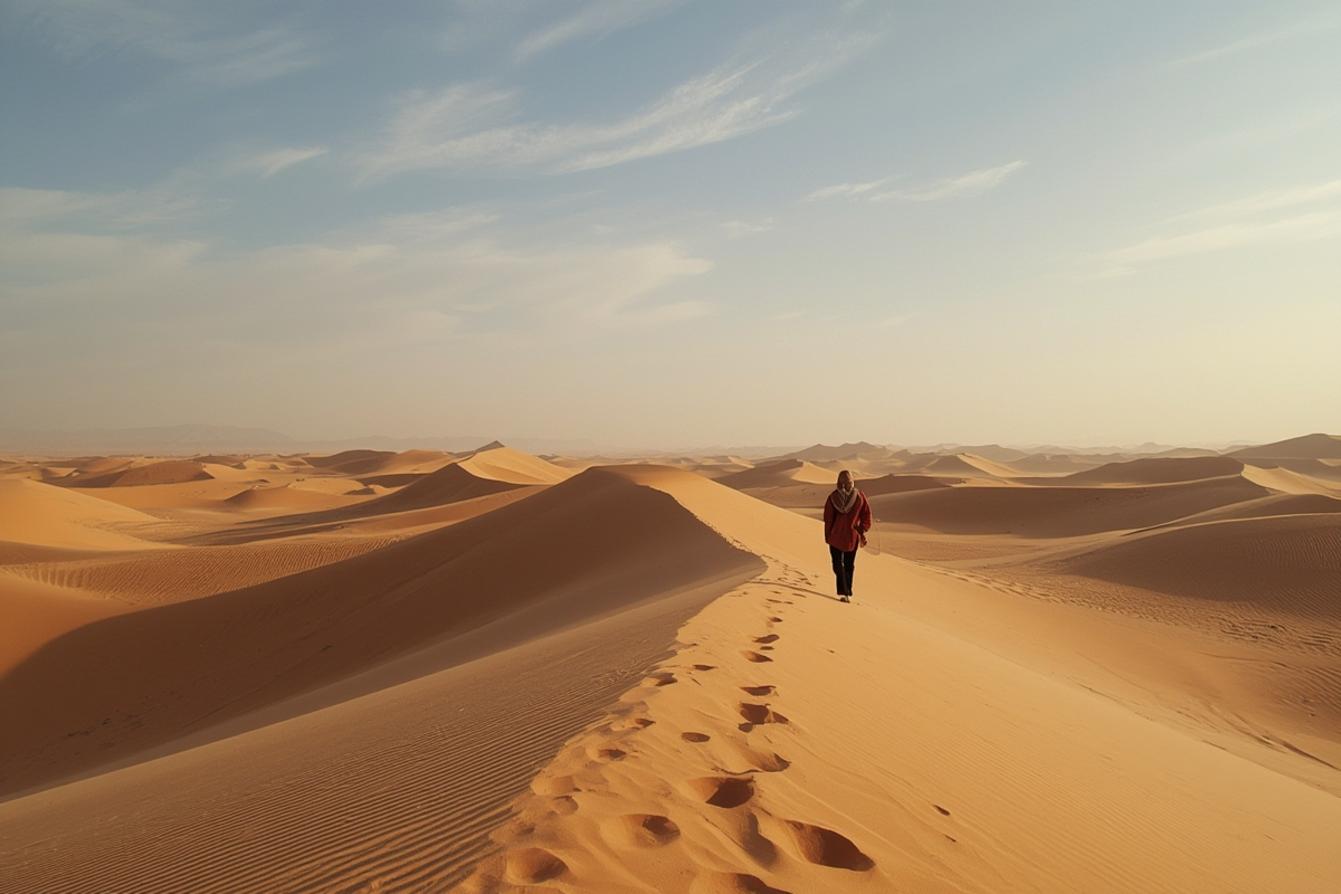
One of the most meaningful aspects of these tours involves authentic interaction with Berber communities who maintain traditional lifestyles in Morocco’s challenging environments. Many tours include visits to family homes where hosts demonstrate bread-making in clay ovens, explain carpet weaving techniques passed through generations, and share mint tea while discussing daily life in mountain villages.
These encounters provide context that transforms the journey from simple sightseeing into cultural education. Berber guides often share stories about nomadic traditions, explain how communities adapt to harsh climates, and describe seasonal migrations that some families still undertake. Understanding these human dimensions of desert life creates deeper appreciation for the landscape’s significance beyond its visual beauty.
Music forms an integral part of desert camp experiences. Traditional Berber drumming and singing around evening fires creates atmosphere that no luxury amenity can replicate. Many travelers identify these musical gatherings as tour highlights, finding the rhythms and melodies emotionally powerful even without understanding Arabic or Tamazight lyrics.
Respectful engagement enhances these cultural exchanges. Learning basic Arabic or French greetings, showing genuine interest in traditional crafts, and asking permission before photographing people demonstrates cultural sensitivity that locals appreciate. Purchasing handicrafts directly from artisans in mountain villages provides meaningful economic support to communities while offering authentic souvenirs.
Making the Most of Your Desert Experience
Timing significantly impacts desert tours. Spring (March to May) and autumn (September to November) offer ideal conditions with moderate temperatures and clear skies. Summer months bring intense heat that can reach 45°C during midday, making activities uncomfortable despite being low season with better prices. Winter provides cool pleasant days but very cold nights, requiring warm sleeping bags at camps.
Sunrise and sunset represent magical periods in the Sahara when temperatures moderate and light transforms the dunes into constantly shifting palettes of orange, pink, and purple. Setting alarms for early morning may test resolve after late nights around campfires, but witnessing dawn break over the dunes ranks among travel’s most memorable moments. The silence, the changing colors, and the play of light and shadow create scenes that photographs struggle to capture fully.
Camel rides, while iconic, can feel uncomfortable for those unaccustomed to the swaying motion. Starting with shorter rides helps build adjustment. Alternatively, most tours offer 4×4 transportation to camps for those who prefer to skip camel trekking. Walking directly on dunes provides wonderful sensory experiences—the texture of sand underfoot, the challenge of climbing steep slopes, and the exhilaration of running down dune faces.
Stargazing in the Sahara reveals celestial displays that urban dwellers rarely witness. With zero light pollution, the Milky Way stretches clearly across the sky, satellites trace paths overhead, and meteor showers provide natural fireworks. Bringing star chart apps on phones enhances identification of constellations, though simply lying back and absorbing the vastness creates profound experiences.
Conclusion
Embarking on morocco sahara desert tours from marrakech delivers far more than simple desert viewing. These journeys weave together natural beauty, cultural immersion, historical exploration, and personal challenge into comprehensive Moroccan adventures. From traversing dramatic mountain passes and exploring ancient kasbahs to experiencing nomadic hospitality and sleeping beneath infinite stars, every element combines to create transformative travel experiences. The diversity of available tours ensures options for every schedule, budget, and comfort preference, while the journey from morocco sahara desert tours from marrakech itself becomes as memorable as the destination. Whether you choose the accessible dunes near Zagora or venture to the magnificent Erg Chebbi near Merzouga, the Sahara’s timeless landscapes and the warmth of Berber hospitality will leave lasting impressions long after the desert sand has been shaken from your shoes.
FAQs
How long do desert tours from Marrakech typically take?
Desert tours from Marrakech range from 2 to 5 days depending on destination and itinerary depth. Two-day tours focus on Zagora desert with overnight camps, involving approximately 14-16 hours of total driving. Three-day tours to Merzouga provide more balanced pacing with additional sightseeing stops and less rushed schedules. Four and five-day extended tours incorporate multiple regions including Dades Valley, Todra Gorge, and extended desert time, creating comprehensive southern Morocco exploration. Your available time and desired experience depth should guide tour length selection.
What is the best time of year to book Sahara desert tours?
Spring months from March through May and autumn months from September through November offer ideal conditions with comfortable temperatures ranging from 20-30°C during daytime and cool but not freezing nights. These shoulder seasons provide pleasant desert experiences without extreme temperatures. Summer brings intense heat that can exceed 45°C, making midday activities uncomfortable though nights remain pleasant. Winter features mild days but very cold nights often dropping near freezing, requiring warm sleeping equipment. Consider your temperature tolerance and travel flexibility when selecting tour timing.
Are private tours worth the extra cost compared to group tours?
Private tours provide significant advantages including flexible schedules, personalized attention from guides, ability to adjust itineraries based on interests, and choice of accommodation standards. Families, couples seeking romance, or travelers with specific interests benefit most from private arrangements. Small group tours balance cost savings with quality experiences, typically limiting groups to 8-15 participants while maintaining comfort. Budget shared tours accommodate tight budgets but involve larger groups and less flexibility. The value proposition depends on your priorities—flexibility and personalization versus cost efficiency and social interaction.
What should I expect for accommodation during desert tours?
Desert camp accommodation ranges dramatically based on tour category. Standard camps offer traditional Berber tents with shared bathroom facilities, mattresses on rugs, and communal dining areas—authentic experiences emphasizing cultural immersion. Mid-range camps add proper beds, improved facilities, and sometimes private tent bathrooms. Luxury desert camps feature hotel-quality beds, private en-suite bathrooms with hot showers, electricity, and gourmet meals while maintaining aesthetic charm. Mountain stops typically involve riads or kasbahs with varying comfort levels. Clearly understanding accommodation standards when booking ensures expectations align with actual experiences and prevents disappointment.





 Covers cities, coast, mountains, desert & food