
Embarking on a Casa Blanca tour offers a vibrant introduction to Morocco, a city that seamlessly blends historical depth with modern ambition. Often seen as the gateway to the kingdom, Casablanca presents a dynamic urban experience, distinct from the ancient medinas and desert landscapes found elsewhere. This guide is crafted to help you navigate Casablanca’s must-see spots and prepare for an unforgettable visit, ensuring your travel planning is as smooth as possible. From iconic architecture to bustling markets, planning your casablanca travel guide well in advance ensures you make the most of every moment in Morocco’s largest city.
Crafting Your Casablanca Tour Itinerary: Beyond the Obvious
Many travelers view Casablanca primarily as an arrival and departure point, but this city holds its own unique charm and essential sights. A well-planned Casa Blanca tour should allow for at least one full day, and ideally two, to truly appreciate its character. Don’t just tick off a list; immerse yourself in the blend of French colonial architecture, Art Deco gems, and contemporary Moroccan life. Think about what truly captivates you – whether it’s grand religious sites, artistic endeavors, or simply soaking in local life. Planning your itinerary around these interests will yield a far richer experience than a standard rush-through.
Essential Stops for Your Casa Blanca Tour: Unveiling the City’s Soul
No Casa Blanca tour is complete without visiting its most iconic landmarks. These aren’t just photo opportunities; they are windows into the city’s identity and Morocco’s cultural fabric.
The Hassan II Mosque is unequivocally the highlight. Perched majestically on a promontory overlooking the Atlantic Ocean, its sheer scale and intricate artistry are breathtaking. It’s one of the few mosques in Morocco open to non-Muslims, offering guided tours that delve into its history, architecture, and religious significance. Allocate at least 1.5 to 2 hours here, considering the tour schedule.
Next, explore the Habous Quarter, also known as the New Medina. Built by the French in the 1930s, it offers a more organized and accessible souk experience compared to older medinas, yet maintains traditional Moroccan charm. Here, you’ll find artisan shops selling leather goods, textiles, and traditional clothing, as well as quaint cafes. It’s an excellent spot for souvenir shopping and observing local crafts.
For a taste of Casablanca’s Art Deco heritage, take a stroll through the downtown area, particularly around Mohammed V Square and the Boulevard Mohammed V. You’ll discover numerous elegant buildings with distinct architectural details from the 20th century. These grand structures tell a visual story of Casablanca’s colonial past and its early development as a modern metropolis.
The Corniche, stretching along the Atlantic coastline, offers a pleasant escape, especially during sunset. Lined with restaurants, cafes, and beach clubs, it’s a popular spot for locals to relax and socialize. While not a swimming beach in the traditional sense, it provides refreshing ocean breezes and scenic views.
Navigating Casablanca: Practical Transport and Logistics
Getting around Casablanca efficiently is key to maximizing your Casa Blanca tour. The city has a comprehensive public transport system, but for tourists, a combination of taxis and the tramway is often the most practical.
Petits taxis (red cars) are abundant and metered. Always insist on the meter (compteur) or negotiate a fare beforehand to avoid overpaying. For longer distances or group travel, grand taxis (white Mercedes vehicles) operate on fixed routes or can be hired for private trips, though they are usually more expensive.
The Casablanca Tramway is a modern and reliable way to connect major districts and attractions. It’s clean, efficient, and offers a comfortable ride. Consult a tramway map to see if your intended destinations are along its routes. For instance, the tram can take you close to the Habous Quarter or connect you to different parts of the city center.
Renting a car in Casablanca is an option, especially if you plan extensive day trips outside the city. However, within the city, traffic can be heavy and navigation challenging for first-time visitors. Parking can also be difficult to find. For a focused Casa Blanca tour, relying on taxis and the tram is often less stressful. Ride-sharing apps are also available and can offer convenience and transparent pricing.
Budgeting for Your Casablanca Experience: Costs and Savings
A successful Casa Blanca tour also depends on smart budgeting. Casablanca, while not as expensive as some European capitals, can surprise travelers expecting consistently low prices. Accommodation will likely be your largest expense. You can find everything from luxury international hotels to charming mid-range options and budget-friendly guesthouses. Booking in advance, especially during peak seasons, is advisable to secure better rates.
Food costs can vary widely. Eating at local street food stalls or small traditional restaurants (often called ‘snack’ places) will be very affordable, offering delicious and authentic Moroccan cuisine. Upscale restaurants, particularly those catering to tourists, will naturally be more expensive. A good strategy is to balance local eats with a few nicer dining experiences.
Transportation, as mentioned, is relatively inexpensive if you use taxis with meters or the tram. Entrance fees to attractions like the Hassan II Mosque are reasonable. Shopping for souvenirs in places like the Habous Quarter allows for bargaining, which can significantly impact your spending. Always have some Moroccan Dirhams (MAD) in small denominations for minor purchases and tipping. Remember that ATM withdrawals can incur fees, so plan your cash needs.

When to Plan Your Casa Blanca Tour: Seasonal Considerations
Timing your Casa Blanca tour can greatly enhance your experience. Casablanca enjoys a Mediterranean climate, characterized by warm, dry summers and mild, wet winters.
Spring (April to May) and Autumn (September to October) are generally considered the best times to visit. During these months, temperatures are pleasant and comfortable for sightseeing, usually ranging from the high teens to mid-twenties Celsius (60s to 70s Fahrenheit). The crowds are manageable, and there’s less chance of extreme heat or significant rainfall, making it ideal for walking tours and exploring outdoor attractions.
Summer (June to August) can be very hot, with temperatures often exceeding 30°C (86°F), coupled with high humidity. While seaside breezes can offer some relief, extensive daytime exploration might be less comfortable. This is peak tourist season for many, meaning potentially higher prices and larger crowds, especially around coastal areas.
Winter (November to March) is mild, but can be quite rainy, particularly from December to February. Temperatures typically range from 10°C to 20°C (50s to 60s Fahrenheit). If you don’t mind cooler weather and the possibility of rain, winter offers fewer tourists and a different, perhaps more serene, atmosphere. Just be sure to pack layers and waterproof gear.
Considering local holidays and festivals is also important. The month of Ramadan, for instance, sees adjusted business hours and a different pace of life, which can impact your travel plans. While a unique cultural experience, it requires extra planning.
Essential Documents and Preparing for Your Casablanca Trip
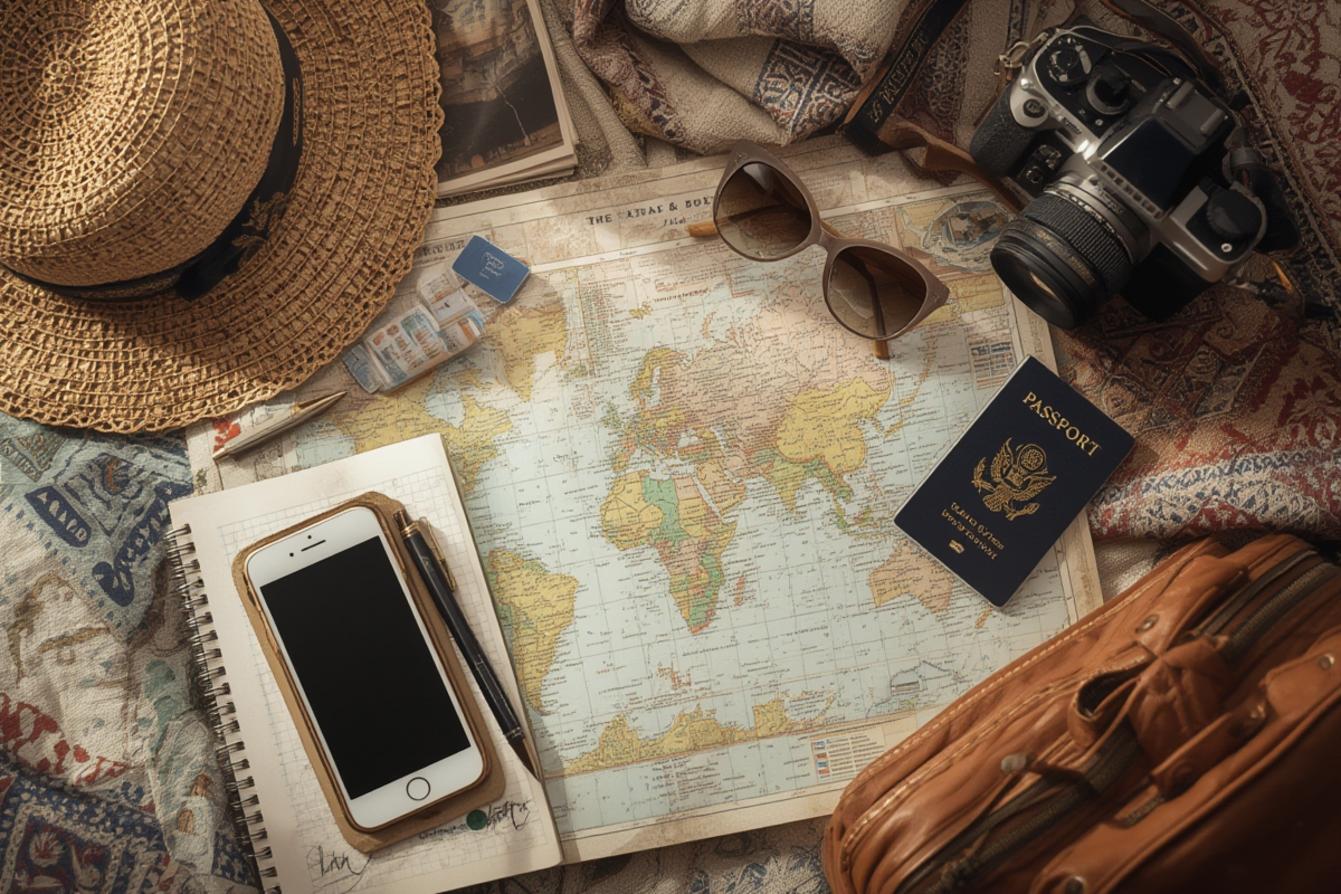
Before you embark on your Casa Blanca tour, ensure all your travel documents are in order and you’ve completed essential preparations.
Passport and Visa: Your passport should be valid for at least six months beyond your intended departure date from Morocco. Check visa requirements for your nationality well in advance; many nationalities can enter Morocco visa-free for up to 90 days, but it’s crucial to confirm.
Travel Insurance: Never underestimate the importance of comprehensive travel insurance. It should cover medical emergencies, trip cancellations, lost luggage, and other unforeseen circumstances.
Health Precautions: Consult your doctor about recommended vaccinations for Morocco. While no specific vaccines are usually required for entry, routine vaccinations should be up to date. Pack any personal medications you need, with copies of prescriptions. Consider bringing a basic first-aid kit.
Currency: The local currency is the Moroccan Dirham (MAD). It is a closed currency, meaning you cannot legally import or export it. You’ll need to exchange foreign currency upon arrival or withdraw from ATMs. Major credit cards are accepted in larger hotels, restaurants, and shops, but cash is king for smaller purchases and in local markets.
Cultural Sensitivity: Morocco is a predominantly Muslim country with strong cultural traditions. Dress modestly, especially when visiting religious sites. Being aware of local customs, such as asking permission before photographing people, can greatly enhance your interactions and show respect. A little knowledge of basic Arabic or French phrases like “Salam Alaikum” (hello) and “Shukran” (thank you) goes a long way.
Connectivity: Decide whether to purchase a local SIM card (available cheaply at the airport or mobile stores) or rely on international roaming/Wi-Fi. Staying connected is helpful for navigation, translation, and communication during your casablanca travel guide.
Expanding Your Moroccan Horizon: Combining Casablanca with Other Destinations
While a Casa Blanca tour offers a compelling experience in itself, many travelers choose to combine it with other Moroccan cities. Its prime location and role as a major transport hub make it an excellent starting or ending point for a broader Moroccan adventure.
For those interested in imperial cities, Rabat, Morocco’s capital, is just an hour away by train. Rabat offers a more relaxed pace than Casablanca, with historical sites like the Hassan Tower, the Mausoleum of Mohammed V, and the Chellah Necropolis. A combination of a casa blanca tour and a visit to Rabat provides a fascinating contrast between Morocco’s economic heart and its political and historical core.
Further afield, the iconic cities of Fes, Marrakech, and Meknes are accessible by train or bus. Fes, with its ancient medina, offers a deep dive into traditional Moroccan life, while Marrakech provides a sensory overload of vibrant souks, Jemaa el-Fna square, and beautiful gardens. Integrating Casablanca into an itinerary that includes these destinations allows for a comprehensive overview of Morocco’s diverse landscape and culture. Consider the efficient rail network; Morocco’s ONCF trains are comfortable and connect major cities seamlessly, making multi-city trips manageable and enjoyable.
Conclusion
A well-planned Casa Blanca tour can be a truly enriching experience, revealing a different facet of Morocco often overshadowed by the well-trodden paths to Marrakech or Fes. By understanding the city’s key attractions, logistical nuances, and cultural context, you’re set to uncover Casablanca’s unique blend of history, modernity, and Moroccan charm. Don’t underestimate this vibrant metropolis; it holds hidden gems and memorable moments for those willing to explore beyond the airport.

FAQs
What is the absolute must-see attraction on a Casa Blanca tour?
The Hassan II Mosque is undoubtedly the must-see attraction in Casablanca. Its architectural grandeur, size, and stunning oceanfront location make it an unforgettable experience. As one of the few mosques in Morocco open to non-Muslims for guided tours, it offers a unique insight into Islamic art and culture.
Is Casablanca safe for tourists?
Casablanca is generally safe for tourists, but like any large city, it’s wise to exercise caution. Be aware of your surroundings, especially in crowded areas like markets or at night. Petty crime like pickpocketing can occur, so keep valuables secure. Using reputable taxis and being mindful of local customs will contribute to a safe trip.
How many days are sufficient for a solid Casa Blanca tour?
While you can cover the main highlights in one very busy day, 1.5 to 2 full days are ideal for a solid Casa Blanca tour. This allows enough time to explore the Hassan II Mosque thoroughly, wander through the Habous Quarter, take in the Art Deco architecture, and perhaps enjoy the Corniche without feeling rushed.
Can I include Casablanca in a broader Morocco itinerary easily?
Yes, Casablanca is an excellent city to include in a broader Morocco itinerary. As Morocco’s largest city and a major transport hub with an international airport and extensive train connections, it’s often a convenient entry or exit point. You can easily connect to other imperial cities like Rabat, Fes, and Marrakech by train from Casablanca.





 Covers cities, coast, mountains, desert & food