
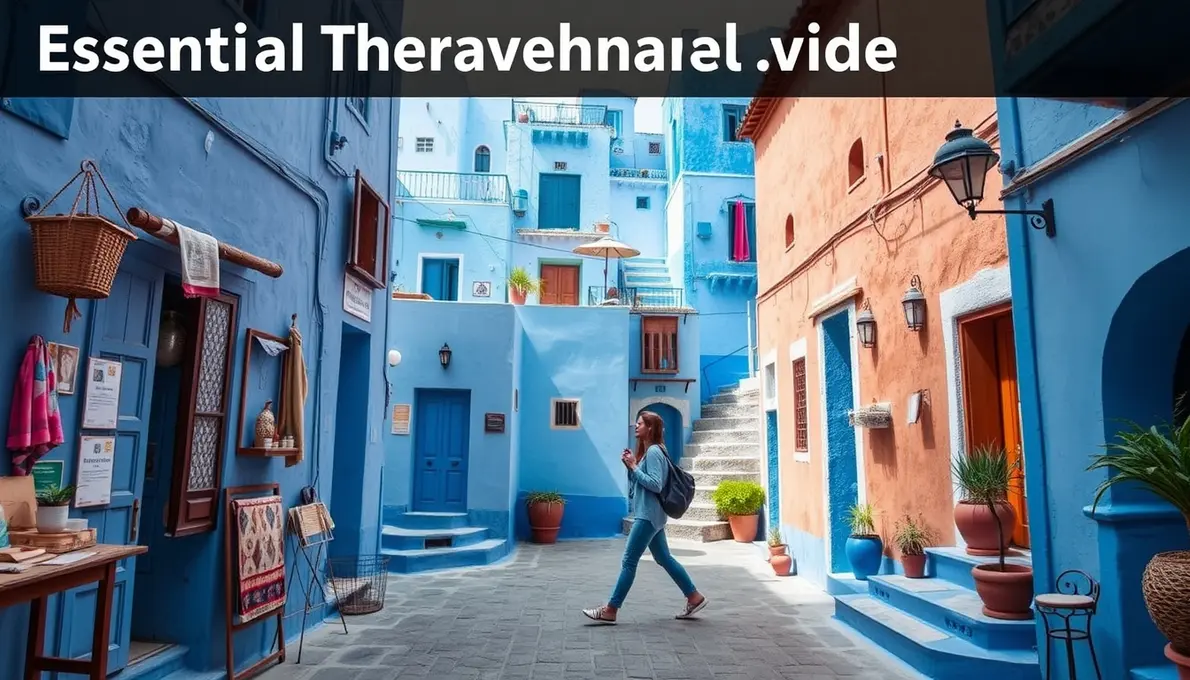
Stepping into Chefchaouen, Morocco’s famed Blue City, feels like entering a dream. This essential Chefchaouen travel guide unveils the magic woven into its azure alleyways, offering insights into what to see, do, and experience. Every corner, every doorway, and every vibrant pot plant exudes an ethereal charm that captivates visitors from the moment they arrive. It’s a place where time seems to slow down, inviting you to wander, explore, and simply breathe in the unique atmosphere. For anyone planning a Moroccan adventure, understanding how to best immerse yourself in this tranquil mountain town is key, and this Chefchaouen travel guide aims to equip you with all the necessary knowledge.
The Allure of the Blue City: Chefchaouen’s Unique Ambiance
Chefchaouen isn’t just blue; it’s a symphony of blues, from the palest sky to the deepest indigo. This iconic aesthetic is the city’s most striking feature and undoubtedly its primary draw. Local legend offers various reasons for the pervasive blue wash: some say it wards off mosquitoes, others believe it symbolizes the sky and heaven, or perhaps it represents the Jewish community that settled here in the 1930s. Regardless of its origin, the blue creates an incredibly photogenic and serene environment that sets Chefchaouen apart from any other city in Morocco.
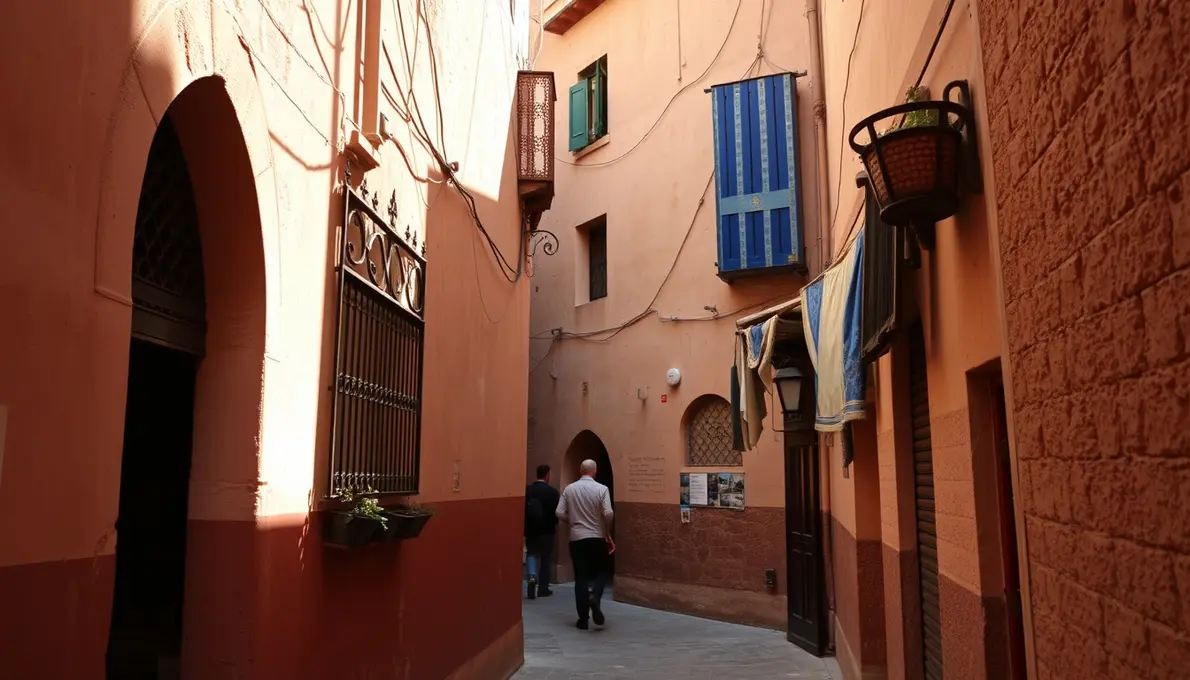
Beyond the color, the city’s ambiance is defined by its relaxed pace. Unlike the bustling medinas of Fes or Marrakech, Chefchaouen’s old town, or “medina,” is relatively small and easy to navigate. The streets are steep and winding, perfect for leisurely explorations without the constant pressure of vendors or the noise of motorbikes (which are largely absent from the medina). You’ll find locals going about their daily lives, women doing laundry in communal wash areas, children playing in the alleyways, and artisans crafting their wares. This allows for a more intimate and authentic encounter with Moroccan culture. The air is often crisp, thanks to its Rif Mountain setting, and the views of the surrounding peaks are spectacular, adding another layer to its undeniable charm.
Navigating the Labyrinthine Blues: Essential Sights in the Medina
The heart of any Chefchaouen travel guide lies within its medina, a pedestrian paradise where every turn offers a new visual delight. Your primary activity here will be, quite simply, wandering. Get lost (you invariably will, and it’s part of the fun!) and discover hidden squares, elaborate doorways, and friendly cats lounging in sunbeams.
One of the most prominent landmarks, and an excellent starting point, is Place Outa el Hammam. This bustling central square is dominated by the Grand Mosque with its unique octagonal minaret and the formidable Kasbah Museum. The Kasbah, a fortified complex with gardens and an ethnographic museum, provides a fascinating glimpse into the region’s history and culture. Climbing its tower offers panoramic views over the blue city, making it a must-do for photographers.
From the square, venture into the surrounding alleyways. Seek out the vibrant, stepped street known for its colorful plant pots and often teeming with visitors capturing that perfect Instagram shot. Don’t shy away from smaller, quieter lanes, as these often reveal local life unadulterated. Artisan shops selling wool garments, leather goods, intricate textiles, and traditional Chefchaouen souvenirs line many streets. Keep an eye out for local bakeries, where you can sample fresh bread and pastries. The simplicity of these experiences is what makes Chefchaouen so profoundly memorable.
Culinary Delights and Mountain Flavors: What to Eat and Drink
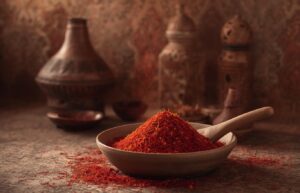
Moroccan cuisine is renowned globally, and Chefchaouen offers its own delightful spin on the country’s culinary traditions. Eating is an integral part of any Chefchaouen travel guide, providing a sensory journey through local flavors. Tagines are, of course, a staple – slow-cooked stews often featuring chicken, lamb, or vegetables, infused with aromatic spices. Chefchaouen’s mountain setting means you’ll often find more seasonal ingredients, and fresh, locally sourced produce is common.
A highlight unique to Chefchaouen is its goat cheese. Given its proximity to pastures and the traditional farming practices in the Rif Mountains, you’ll find fresh goat cheese sold in small shops and served in many restaurants. It’s often enjoyed with fresh bread, olives, and a drizzle of olive oil – simple, yet incredibly flavorful.
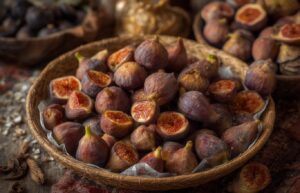
Make sure to try “Bissara,” a hearty fava bean soup, especially comforting on cooler evenings. It’s a local favorite, often served for breakfast, and provides a true taste of home-cooked Moroccan food. For something sweet, indulge in various Moroccan pastries, often made with almonds, honey, and sesame.
When it comes to drinks, the ubiquitous Moroccan mint tea (atay) is always available and always a welcoming gesture. Enjoy it slowly, perhaps while sitting at a café in Place Outa el Hammam, watching life unfold. Freshly squeezed orange juice is also widely available and incredibly refreshing, especially after a morning of exploring. Don’t forget to sample local olives, which are often served as an appetizer and come in a delicious variety of brines and marinades.
Beyond the Blue Walls: Exploring Chefchaouen’s Natural Surroundings and Day Trips
While the medina itself could occupy you for days, the natural beauty surrounding Chefchaouen is equally captivating and deserving of exploration. This section of our Chefchaouen travel guide focuses on extending your experience beyond the city limits. The Rif Mountains offer fantastic opportunities for hiking and connecting with nature.
One of the most popular excursions, often considered among the best Chefchaouen day trips, is to the Cascades d’Akchour. Located about 30 kilometers from the city, these waterfalls are a natural marvel. The journey typically involves a taxi ride to the trailhead, followed by a hike through a lush valley. There are two main trails: one leading to a smaller waterfall, and a longer, more challenging hike to the magnificent “God’s Bridge,” a natural rock arch spanning a river canyon. Along the way, you’ll find small cafés offering fresh tagines cooked right by the river. It’s an ideal escape for nature lovers and a refreshing contrast to the urban landscape. Remember to wear appropriate footwear for hiking.
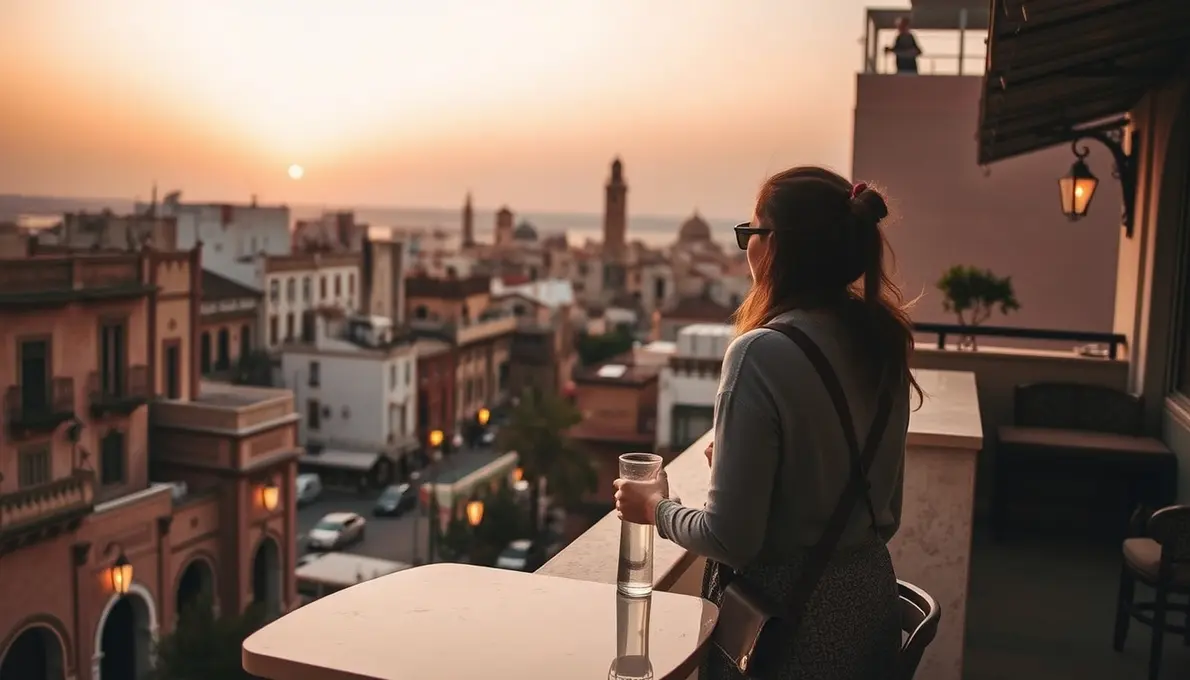
Another, less strenuous, option is to visit the Spanish Mosque (Jemaa Bouzafar) perched on a hill overlooking Chefchaouen. It’s a short, uphill walk from the medina, offering spectacular panoramic views of the entire blue city, especially at sunset when the light softens and highlights the varying shades of blue. While the mosque itself isn’t used for worship, the vista is unbeatable and a favorite spot for both locals and tourists to watch the sun dip below the Rif peaks.
For those interested in a deeper dive into the Rif region, exploring nearby villages or even considering an extended trek with a local guide can be incredibly rewarding. These excursions offer a glimpse into rural Moroccan life and the stunning, rugged landscapes that hug the Blue City. For longer trips into other parts of Morocco, particularly if you’re venturing towards the Sahara, make sure to consult a comprehensive Chefchaouen travel guide on packing essentials.
Practicalities for the Blue Explorer: Getting There and Getting Around
Planning your journey to Chefchaouen and navigating once you arrive is straightforward, though some local nuances are good to be aware of. This part of the Chefchaouen travel guide covers the logistics.
Getting to Chefchaouen:
Chefchaouen does not have its own airport, so most visitors arrive via bus or shared taxi (grand taxi) from other major Moroccan cities.
- From Fes: This is a very common route. The CTM bus company offers comfortable, reliable services several times a day. The journey takes around 4-5 hours, winding through picturesque mountain scenery. Shared taxis are also an option but can be less comfortable and typically drop you at the edge of town, requiring a shorter taxi or walk to the medina.
- From Tangier: Another popular entry point. Bus services (CTM and other local companies) operate regularly, with the journey lasting approximately 2-3 hours. Shared taxis are also plentiful from Tangier.
- From Casablanca/Rabat: Both cities have direct bus connections, though the journey will be longer, typically 6-8 hours. Many travelers opt to break up the journey with a stop in Fes or Tangier.
Upon arrival at Chefchaouen’s main bus station (Gare Routière), you’ll likely need to take a small local taxi (petit taxi) to the medina entrance. These are usually metered, but it’s always wise to confirm the price before getting in.
Getting Around Chefchaouen:
Once you’re within the medina, walking is the only and most enjoyable way to get around. The medina is entirely pedestrianized, a blessing for quiet exploration. Be prepared for uphill climbs and plenty of stairs – comfortable shoes are a must. For journeys just outside the medina, or for return trips to the bus station, petit taxis are readily available and affordable. If you’re considering Chefchaouen day trips, your accommodation can often help arrange shared grand taxis or private drivers to places like Akchour. For broader travel information, the Chefchaouen day trips resource can be helpful.
Accommodation:
Chefchaouen offers a range of accommodations, from charming guesthouses (dars and riads) within the medina to hotels outside the old city walls. Staying within the medina is highly recommended for the full immersive experience. Book ahead, especially during peak season, as smaller riads can fill up quickly.
Currency and Payments:
The local currency is the Moroccan Dirham (MAD). ATMs are available outside the medina walls and in the main square. While some larger shops and restaurants might accept credit cards, cash is king, especially in smaller establishments and for street vendors. It’s always good to have smaller denominations for purchases.
Language:
The primary languages are Darija (Moroccan Arabic) and Tarifit (Berber). Due to tourism, many people in the medina also speak Spanish, and a good number speak French and English, especially at hotels and tourist-oriented shops. Learning a few basic Arabic phrases like “Salam alikoum” (hello) and “Shukran” (thank you) will always be appreciated.
The Rhythm of Daily Life: Embracing Chefchaouen’s Unique Culture and Etiquette
To truly appreciate Chefchaouen, it’s essential to immerse yourself respectfully in its local culture. This final section of our Chefchaouen travel guide delves into the nuances that will enrich your visit. Chefchaouen is a conservative town, and while accustomed to tourists, a mindful approach to local customs is always appreciated.
Dress Code:
While there isn’t a strict requirement, dressing modestly is advisable, especially for women. This means covering shoulders and knees. This not only shows respect for local traditions but can also help you feel more comfortable. Loose-fitting, breathable clothing is ideal, especially during warmer months.
Photography:
Chefchaouen is incredibly photogenic, and you’ll want to capture its beauty at every turn. However, always be respectful when taking photos of people. It’s polite to ask permission before snapping a picture, especially of women or children. Often, a simple “Bonjour” or “Salam” followed by a gestured request will suffice. Some vendors might ask for a small fee if you photograph their stall, which is a common practice.
Shopping and Haggling:
Shopping for souvenirs in Chefchaouen is a delightful experience. You’ll find unique items made with local wool, leather, and wood. Haggling is a customary part of the shopping experience in Morocco, particularly in the souks. Be prepared to negotiate prices, but always do so politely and with a smile. It’s a friendly exchange, not a fierce battle. If you’re not interested in buying, a firm but polite “La shukran” (no, thank you) is usually enough.
Social Interactions:
Moroccans are generally warm and hospitable. Don’t be surprised if you’re invited for a glass of mint tea – it’s a sign of welcome. Politeness and patience go a long way. When greeting someone new, especially an elder, touching your heart as you say “Salam alikoum” is a nice gesture of respect.
Relaxing and Observing:
One of the most rewarding experiences in Chefchaouen is simply observing. Find a quiet spot in an alley, perch on a stone bench, and watch the world go by. Witness the blue being refreshed on walls, hear the distant call to prayer, smell the spices from a local kitchen, and feel the gentle mountain breeze. Chefchaouen encourages a slower pace, and truly embracing this rhythm will be the highlight of your journey.
Conclusion
Chefchaouen offers a truly unique and enchanting experience within Morocco. Its stunning blue architecture, relaxed atmosphere, and welcoming locals create an unforgettable destination. Whether you’re navigating its winding alleys, feasting on local goat cheese, or embarking on a hike to Akchour, this Chefchaouen travel guide has aimed to provide you with the essential information to make your visit seamless and memorable. It’s a place that lingers in the heart long after you’ve left its vibrant blue embrace, beckoning you to return.
FAQs
What is the best time of year to visit Chefchaouen?
The shoulder seasons (spring: April-May, and autumn: September-October) are generally considered the best times to visit Chefchaouen. The weather is pleasant, with comfortable temperatures for exploring and hiking, and the crowds are typically manageable compared to the peak summer months. Winter can be chilly and rainy, while summer can be very hot, though still popular.
Is Chefchaouen safe for solo female travelers?
Yes, Chefchaouen is generally considered a very safe city, including for solo female travelers. Like anywhere, it’s wise to be aware of your surroundings, especially after dark, and dress modestly to respect local customs. The medina is well-lit and usually has people about. Always trust your instincts, but many solo female travelers report feeling very comfortable and welcomed in Chefchaouen.
How many days should I spend in Chefchaouen?
Most travelers find that 2-3 full days in Chefchaouen are sufficient to explore the medina thoroughly, enjoy the local atmosphere, and undertake a popular day trip like Akchour or the Spanish Mosque. If you only have one day, you can still get a good feel for the city, but you’ll need to prioritize your activities. More time allows for a deeper immersion and slower pace.
Can I find guided tours or local guides in Chefchaouen?
Yes, you can easily find local guides in Chefchaouen. Many accommodations can arrange reputable guides for you, or you might be approached by unofficial guides in the main square. While the medina is small enough to explore independently, a local guide can offer deeper cultural insights, historical context, and help you discover hidden gems you might otherwise miss. They can also assist with arranging excursions to the surrounding areas.



 Covers cities, coast, mountains, desert & food