
Chefchaouen, the “Blue Pearl” of Morocco, is a dream destination for photographers. Its distinctive blue-washed buildings, set against the Rif Mountains, create a mesmerizing backdrop unlike any other. For anyone looking to capture truly unique images, understanding the best Chefchaouen photography spots is key to bringing home stunning visuals. This guide will walk you through where to point your lens, from bustling squares to serene alleyways, ensuring you capture the authentic magic of this enchanting city.
Navigating the Blue Labyrinth: Prime Photo Opportunities in the Medina
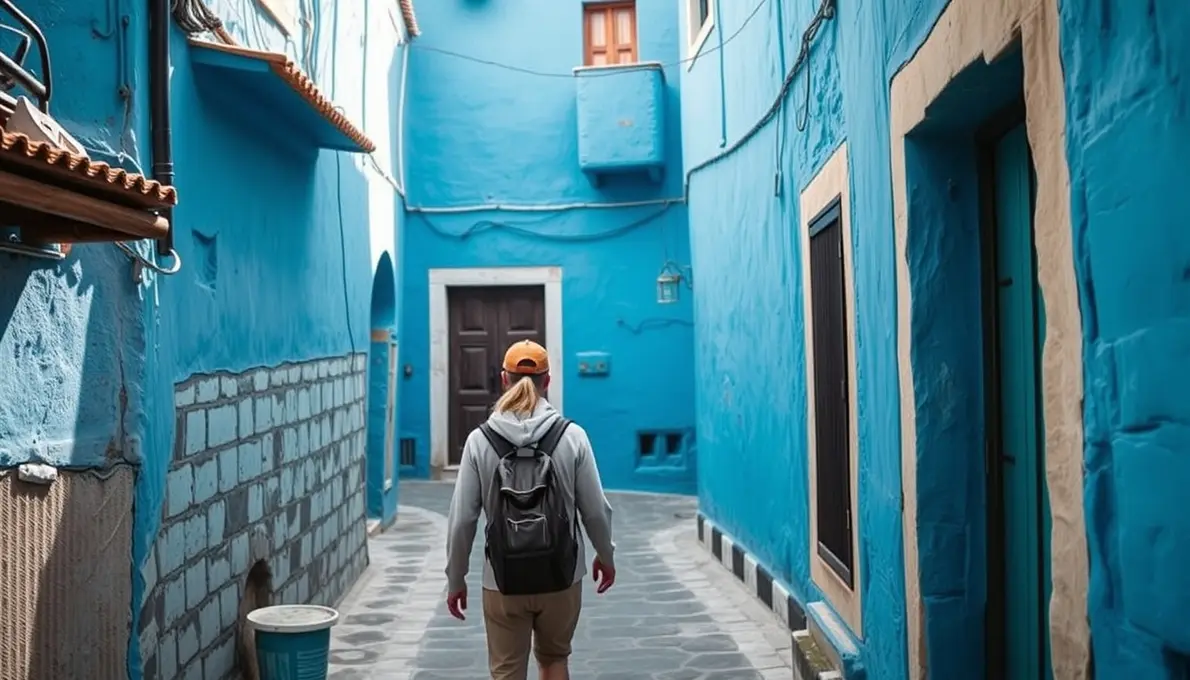
The medina undoubtedly holds the most iconic Chefchaouen photography spots. Its intricate network of narrow, winding alleys, all painted in varying shades of blue, creates a visual feast. As you explore, you’ll discover endless compositions. Start your photographic journey in the main square, Plaza Uta el-Hammam. While it’s often bustling, the square offers a great perspective of the Grand Mosque and the Kasbah. Frame your shots to include locals going about their daily lives – a tea vendor pouring mint tea, children playing, or artisans displaying their crafts.
Venturing deeper into the medina, don’t be afraid to get lost. The true gems are often found off the beaten path. Look for doorways of contrasting colors, vibrant flower pots hanging from walls, and intricate geometric patterns carved into wooden doors. Early mornings are magical here; the soft, diffused light brings out the nuances in the blue hues, and the streets are relatively quiet, allowing for unobstructed shots. Golden hour, just before sunset, also casts a warm glow, creating a beautiful contrast with the cool blues. Keep an eye out for clotheslines strung across alleys – they add an authentic touch of daily life to your photos. The play of light and shadow in these tight spaces can be incredibly dramatic; experiment with capturing the shafts of sunlight filtering through the narrow gaps between buildings.
Elevated Perspectives: Panoramic Vistas and Mountainous Backdrops
To truly appreciate the breathtaking scale of Chefchaouen, you need to seek out higher ground. There are several spots offering incredible panoramic views that are perfect for capturing the city’s unique charm, often with the majestic Rif Mountains as a dramatic backdrop.
The Spanish Mosque, perched on a hill just outside the medina, is perhaps the most famous of these viewpoints. The short, uphill walk from the Bab el-Ansar gate is well worth the effort, especially around sunset. From here, you get a sweeping vista of the entire blue city nestled in the valley, its multitude of rooftops creating a captivating pattern. The blue light of dusk, combined with the city lights twinkling on, makes for truly unforgettable photographs. Be prepared for crowds, especially at peak sunset times, but the view remains spectacular.
Another excellent vantage point, often less crowded than the Spanish Mosque, can be found by venturing past the ancient city walls towards the mountains. Ask locals for directions to higher paths or simply follow any trail leading upwards. These less-defined routes can sometimes lead to unexpectedly stunning frames, allowing you to capture the city in a more serene, untouched context. For wide-angle landscape shots, consider integrating the rugged texture of the Rif Mountains themselves into your composition, balancing the softness of the city’s blue tones with the harsh beauty of its natural surroundings. Don’t forget to look behind you as well; the views of the mountains can be just as impressive.
Beyond the Blues: Capturing Local Life and Vibrant Culture
While the blue streets are undeniably the main draw, some of the most compelling Chefchaouen photography spots delve into the city’s rich human element. Capturing the daily routines, the friendly faces, and the vibrant culture adds depth and narrative to your photographic collection.
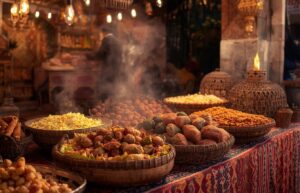
Visit the souks (markets) where local artisans display their wares. The colors of textiles, leather goods, and spices provide a beautiful contrast to the dominant blue theme. Seek out interactions – a merchant haggling over prices, a baker pulling fresh bread from an oven, or children playing in a courtyard. Always remember to ask for permission before taking close-up shots of people, especially in more conservative areas. A simple gesture or a smile often works wonders. The souks near Plaza Uta el-Hammam and along the main thoroughfares offer abundant photographic opportunities with their lively atmosphere and colorful merchandise.
The local cafes and restaurants also offer wonderful candid moments. People sipping mint tea, sharing meals, and engaging in conversation provide a glimpse into Moroccan social life. Look for interesting textures and props, like ornate tea sets, traditional tagines, or intricately carved wooden tables. These details enrich the story you’re telling through your photographs. Even the simplest scenes, like a local carrying a basket of goods or leading a donkey through an alley, can evoke the timeless charm of Chefchaouen. Remember to also capture the unique elements of Moroccan architecture that aren’t blue – the green-tiled minarets, the vibrant hand-painted ceramics, and the intricate plasterwork that hint at centuries of artistry.
The Serene Side of the Pearl: Waterfalls and Verdant Outskirts
While the urban environment of Chefchaouen offers endless photographic inspiration, stepping just slightly beyond the city limits reveals its tranquil, natural beauty. The areas surrounding Chefchaouen are surprisingly green and offer several peaceful Chefchaouen photography spots that provide a refreshing contrast to the bustling medina.
Ras el-Maa, the “Head of the Water,” is a natural spring located just a short walk past the city’s eastern gate. This is where Chefchaouen gets its fresh water, and it’s a popular spot for locals to do laundry and relax by the flowing stream. Here, you can capture scenes of daily life against a backdrop of lush greenery and bubbling water. The old water mills, some still in use, add a rustic charm. The light here, especially in the late morning, can be beautifully dappled as it filters through the trees, creating soft, ethereal effects. This area provides an opportunity to photograph nature alongside human activity, offering a different perspective of Chefchaouen life.
For those willing to venture a bit further, the Akchour waterfalls, a popular day trip from Chefchaouen, offer spectacular natural sceneries. While not strictly within Chefchaouen itself, they are easily accessible and provide stunning landscape photography opportunities. The trail to the waterfalls takes you through lush valleys and alongside a river, revealing dramatic rock formations and cascading water. The famous “God’s Bridge,” a natural rock arch, is a particularly striking subject. This trip offers a chance to photograph vibrant flora and fauna, serene pools, and powerful waterfalls, completing a holistic visual narrative of the region around the Blue City. For this kind of excursion, it’s worth considering a Chefchaouen photography spots for hiking.
Mastering the Light: Time of Day for Optimal Shots
Understanding how light interacts with Chefchaouen’s blue architecture is crucial for brilliant photography. The city’s unique color palette reacts differently to various times of day, offering distinct moods and textures.
Mornings, from sunrise until around 9 or 10 AM, provide the softest, most diffused light. This “blue hour” immediately followed by the early morning golden hour brings out the subtle nuances in Chefchaouen’s blues, making them appear richer and more saturated. The stillness of the early morning also means fewer people, allowing for clean, unobstructed shots of the alleys and architectural details. Shadows are long and dramatic, adding depth and dimension. This is the prime time for capturing the iconic empty blue streets and intricate doorways that define the city.
Midday can be challenging due to harsh overhead light, which can create strong contrasts and blown-out highlights. However, this intensity can also be used creatively. In the narrow alleys, the high sun often creates sharp, graphic shadows that can be excellent for abstract or geometric compositions. Seek out shaded courtyards or covered souks to escape the direct light and find more even illumination. The strong midday sun can also make the blues appear more vibrant and almost electric, a different aesthetic than the softer morning light.
Late afternoon, leading into sunset, known as the “golden hour,” casts Chefchaouen in a warm, ethereal glow. The warm light beautifully contrasts with the city’s cool blue tones, making the blues pop and creating a magical, almost painterly effect. This is an ideal time for capturing wide cityscapes from viewpoints like the Spanish Mosque, as the entire city is bathed in a golden hue. The deep colors of the sky as the sun dips below the Rif Mountains are also stunning. After the sun has set, the “blue hour” returns, offering another opportunity for dramatic, atmospheric shots as the city lights begin to flicker on. For night photography, long exposures can capture the quiet beauty of the illuminated medina, emphasizing the subtle glow of the blues under the moonlight.
Practical Photo Tips for the Blue City Explorer
Beyond knowing where to go, a few practical tips can significantly enhance your photographic journey through Chefchaouen. The unique environment of this city presents both opportunities and challenges for photographers.
First, consider your gear. While a professional DSLR or mirrorless camera will offer the most control and image quality, even a good smartphone can capture stunning shots here. A wide-angle lens (16-35mm equivalent) is invaluable for capturing the narrow alleys and expansive cityscapes. A prime lens (like a 50mm) can be great for street portraits and isolating details. Don’t forget extra batteries and memory cards; you’ll be shooting a lot! A lightweight travel tripod can be useful for low-light shots during blue hour or for capturing star trails against the clear mountain sky, especially from the higher viewpoints.
Secondly, respect local culture. Chefchaouen is a lived-in city, not just a backdrop. Always ask for permission before photographing people, especially women and children. A polite ” mumkin taswir? ” (May I take a picture?) or a simple smile and gesture goes a long way. Be discreet and avoid being overly intrusive. Dress modestly, especially when away from touristy areas, to show respect for local customs. When photographing in private businesses, consider making a small purchase as a thank you.
Third, look for unique details. While the overarching blue is captivating, the true artistry often lies in the smaller elements. Intricate tile work, decorative door knockers, aged wooden shutters, and the vibrant handicrafts sold in the souks all tell a story. Don’t just point and shoot; compose your images thoughtfully. Pay attention to leading lines created by the walls, the rhythm of repeating patterns, and the texture of weathered surfaces. The Chefchaouen blue streets are filled with such interesting architectural details.
Finally, embrace the unexpected. Chefchaouen is full of serendipitous photographic moments – a stray cat curled up in a blue doorway, a vendor skillfully arranging his spices, or the atmospheric mist rolling over the mountains in the early morning. Be flexible with your itinerary and allow yourself to wander without a strict plan. The “best” photo spots are often the ones you discover yourself, reflecting your unique experience of this magical blue city.
Conclusion
Chefchaouen is more than just a destination; it’s a profound visual experience, a mosaic of deep blues, vibrant culture, and stunning natural beauty. From the iconic blue alleys of the medina to the panoramic vistas from the Spanish Mosque, and the tranquil scenes around Ras el-Maa, every corner offers a unique opportunity for photographers. By understanding the best Chefchaouen photography spots, combined with an appreciation for light and local customs, you can capture the true essence and magic of this unforgettable Moroccan city. The resulting images will be a testament to its unique charm, preserving memories that are as vibrant and captivating as Chefchaouen itself.
FAQs
What’s the best time of day for photography in Chefchaouen’s medina?
The early morning (sunrise to around 9 AM) is ideal. The light is soft and diffused, creating beautiful tones of blue, and the streets are less crowded, allowing for unobstructed shots of the iconic alleys and doorways. Late afternoon, leading into sunset, also offers a warm, golden glow that beautifully contrasts with the blue buildings.
Do I need special equipment to get good photos in Chefchaouen?
While a professional camera with a wide-angle lens can be advantageous for capturing the narrow streets and cityscapes, a modern smartphone can also produce excellent results. The key is to pay attention to lighting and composition. Don’t forget extra batteries and memory cards, as you’ll likely be taking many photos!
Is it acceptable to photograph locals in Chefchaouen?
It’s always best practice to ask for permission before taking close-up photos of individuals, especially women and children, out of cultural respect. A simple gesture or a polite “mumkin taswir?” (May I take a picture?) can go a long way. Many locals are friendly and accustomed to tourists, but always prioritize respect and privacy.
Are there any non-blue photography spots in or around Chefchaouen worth visiting?
Absolutely! While the blue is iconic, don’t miss the vibrant colors of the local souks with their textiles, spices, and handicrafts. The natural spring of Ras el-Maa offers greenery and flowing water, providing a refreshing contrast. For a day trip, the Akchour waterfalls and “God’s Bridge” offer stunning natural landscapes with dramatic rock formations and lush vegetation.




 Covers cities, coast, mountains, desert & food