
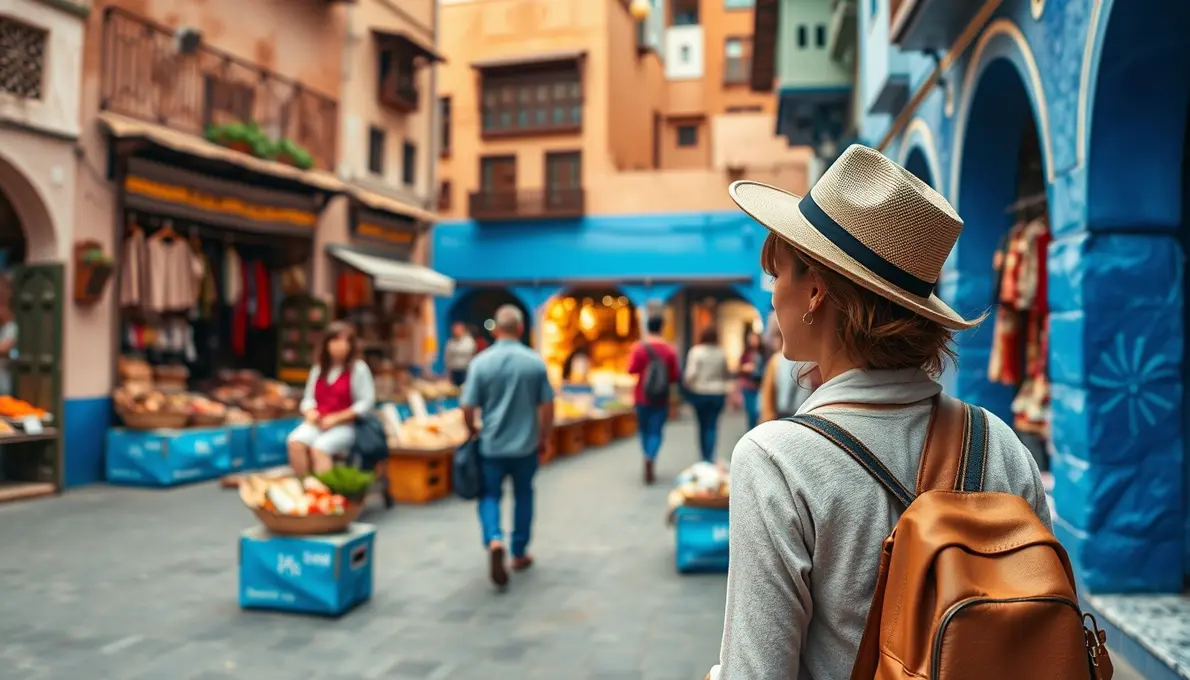
Nestled in the Rif Mountains, the captivating “Blue Pearl” of Chefchaouen is a destination that whispers tales of ancient artistry and vibrant local life. Beyond its iconic azure alleys, a true immersion into the city’s soul begins at the Chefchaouen local markets. These bustling hubs are not just places to shop; they’re living museums of Moroccan craftsmanship, an explosion of colors, scents, and sounds that offer the most authentic souvenirs imaginable. Forget mass-produced trinkets; here, you’ll uncover treasures handcrafted with generations of skill, carrying the essence of the “Blue City” home with you.
Navigating the Labyrinth: Understanding Chefchaouen’s Market Pulse
Chefchaouen’s markets aren’t neatly laid out like modern shopping malls. Instead, they’re an organic extension of the medina’s winding streets, a beautiful, charming labyrinth that beckons exploration. The main arteries pulse around Outa el Hammam square, fanning out into smaller lanes and tucked-away alcoves. Understanding this flow is key to a rewarding experience. While there isn’t one singular “souk,” like in Marrakech or Fes, the entire medina essentially transforms into a vibrant marketplace where artisans, vendors, and local shoppers converge.
You’ll find different areas specializing in specific goods, though a bit of friendly meandering often yields the best discoveries. For textiles, you might drift towards one section, and for leather goods, another. The beauty lies in the discovery, in stumbling upon a tiny workshop where a craftsman is diligently weaving or carving. These aren’t just transactions; they’re opportunities for cultural exchange. A polite greeting, a genuine interest in their craft, and a willingness to simply observe can open doors to deeper understanding, making your souvenir not just an item, but a memory laden with a unique narrative.
A Kaleidoscope of Crafts: What to Seek in the Blue City’s Souks
The array of goods available in Chefchaouen’s local markets is truly astounding, reflecting the region’s rich artisanal heritage. As you wander, certain items will undoubtedly catch your eye, each telling a story of Rif culture and Moroccan ingenuity.
Woolen Wonders: Chefchaouen is particularly renowned for its wool products. Keep an eye out for Djellabas (traditional Moroccan robes) woven from lustrous wool in deep blues, greens, and browns, often adorned with intricate embroidery. You’ll also find beautiful blankets, throws, and even sturdy wool bags that make for practical and stylish souvenirs. These aren’t just decorative; they’re made to last, often using natural dyes that give them a unique, earthy palette.
Leather Legends: The region has a long history of leatherworking, and this is evident in the quality of goods found here. From supple leather bags, often with traditional Berber motifs, to wallets, belts, and even poufs (floor cushions), the leather items are beautifully crafted. Don’t be afraid to smell the leather – a good sign of quality is that earthy, genuine scent. The prices here can be more competitive than in larger cities, but discerning buyers should still inspect stitching and finish.
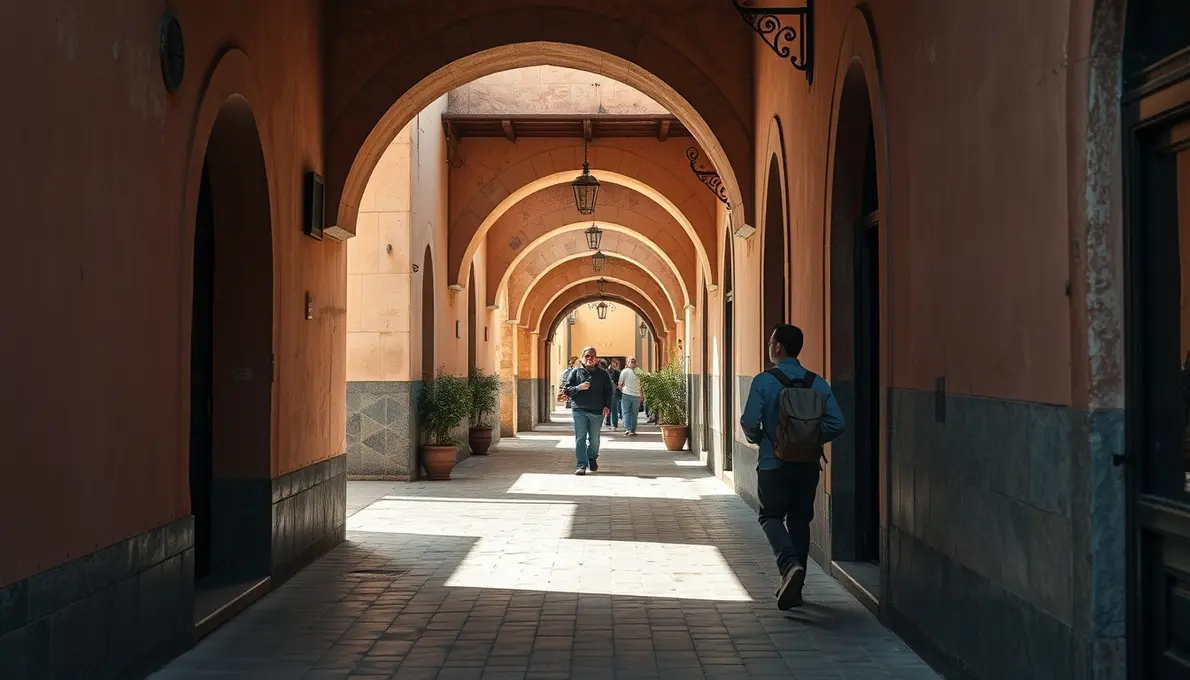
Argan Oil Elixirs: While typically associated with the south of Morocco, you’ll find pure argan oil and argan-based cosmetic products widely available. Many shops will offer samples, so you can test the quality. Look for reputable vendors who can tell you about the source of their oil. It’s a fantastic, natural souvenir for skincare and culinary enthusiasts alike.
Textiles and Weavings: Beyond wool, the markets are brimming with vibrant textiles. Scarves, hand-embroidered tablecloths, and colorful throws are plentiful. Keep an eye out for intricate hanbels, a type of flat-woven rug that can often feature geometric patterns and rich colors specific to the Rif region. These aren’t just floor coverings; they’re works of art that can adorn walls or furniture.
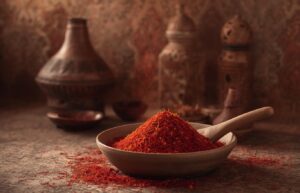
The Sweet Scents of Spices and Herbs: Morocco is a land of aromatic spices, and Chefchaouen is no exception. The spice stalls are a feast for the senses, offering everything for Moroccan tagines and teas. You’ll find saffron, cumin, turmeric, paprika, and a myriad of dried herbs, alongside the famous Ras el Hanout blend. Local herbal remedies are also commonly sold, with vendors often eager to explain their traditional uses. Buying spices here is a great way to bring the culinary essence of Morocco into your kitchen.
Pottery and Ceramics: While not as famous for pottery as cities like Safi or Fes, Chefchaouen offers a selection of beautiful ceramics. You’ll find tagines for cooking, intricately painted bowls, and decorative plates that often incorporate the city’s signature blue hues. These pieces make for lovely home decor or functional kitchenware, reminding you of the artistic spirit of the “Blue City.”
Mastering the Art of the Bargain: Etiquette in the Chefchaouen Local Markets
Bargaining is an integral part of the shopping experience in Moroccan souks, and the Chefchaouen local markets are no different. It’s not just about getting a good price; it’s a cultural dance, a friendly negotiation that’s often enjoyed by both parties. Stepping into the market without an understanding of this tradition is like trying to salsa without knowing the basic steps – you might get by, but you’ll miss the rhythm.
Start Low, Be Realistic: A general rule of thumb is to offer about 50% of the initial asking price and work your way up. However, this isn’t a hard science. Gauge the vendor’s reaction and the item’s value. For smaller, less expensive items, the margin for negotiation might be smaller. For larger purchases, like a rug or a high-quality leather bag, there’s more room to maneuver.
Friendly Persistence: The key is to be polite, smile, and engage in friendly banter. It’s never aggressive. If you show genuine interest in the item and the vendor’s craft, it often fosters a better negotiation. Don’t be afraid to walk away if the price isn’t right – sometimes, this will prompt the vendor to call you back with a better offer.
Know Your Limit: Before you start negotiating, have a price in mind that you’re willing to pay. This helps you stay firm and prevents overspending. Once you agree on a price, it’s considered poor etiquette to back out.
Cash is King: While some larger shops might accept cards, especially for bigger purchases, cash (Moroccan Dirhams) is overwhelmingly preferred in the smaller stalls and by individual vendors. It often gives you more leverage in negotiations too. Make sure you have plenty of small denominations.
Avoid Over-Complaining: While a bit of playful back-and-forth is expected, avoid excessive complaining about prices or comparing them harshly to other shops. It’s generally considered disrespectful. Treat the interaction as a game, not a confrontation. Remember, the goal is a mutually agreeable price, where both parties feel satisfied.
Unearthing Unique Finds: Beyond the Obvious Souvenirs
While the mainstays are wonderful, the true magic of the Chefchaouen local markets often lies in discovering something unexpected, a piece that truly tells a story. Look beyond the main thoroughfares and duck into smaller lanes.
Hand-painted Woodwork: You might stumble upon small shops selling beautifully hand-painted wooden boxes, trays, or even small furniture pieces. These often feature intricate geometric patterns or local motifs and are perfect for adding a touch of Moroccan artistry to your home.

Traditional Musical Instruments: From small, decorative drums to more complex string instruments like the oud or qanun, these make for unique and melodious keepsakes. Even if you’re not a musician, a beautifully crafted instrument can be a stunning display piece.
Berber Jewelry: Silver jewelry, often adorned with colorful stones or intricate filigree work, is a hallmark of Berber craftsmanship. You’ll find necklaces, bracelets, earrings, and rings, each piece telling a story of ancient traditions and symbols. Look for pieces with genuine character, perhaps a little worn, suggesting they have a history.
Locally Made Soap: Many small shops and cooperatives create natural soaps using local ingredients like argan oil, olive oil, and various herbs. These are wonderful, practical souvenirs that smell divine and are kind to the skin.
Art & Photography: Local artists often display their works inspired by the “Blue City,” from oil paintings of its iconic streets to intricate calligraphy. You might also find captivating black-and-white photographs capturing the timeless beauty of Chefchaouen. Buying directly from the artist provides a unique connection to the creative spirit of the city.
Remember, the goal isn’t just to accumulate items, but to find pieces that resonate with your experience in this enchanting city. These unique finds become tangible memories, offering a glimpse into the soul of Chefchaouen long after you’ve left its blue embrace.
Planning Your Shopping Expedition: Practical Tips for the Blue Souk
To make the most of your time exploring the Chefchaouen local markets, a little preparation goes a long way. This isn’t a stressful experience, but rather a delightful adventure that benefits from being a little informed.
Timing Your Visit: The markets are usually busiest in the late mornings and late afternoons. Mid-day can be quieter, especially in summer. Fridays, being a holy day, might see some shops closed or operating on reduced hours, particularly closer to prayer times. For a more relaxed experience, consider browsing during off-peak times, when you might have more personalized attention from vendors.
Dress Comfortably: You’ll be doing a lot of walking, often up and down narrow streets and steps. Comfortable shoes are essential. Dress modestly out of respect for local customs, especially when interacting with vendors. Lightweight, breathable clothing is ideal, particularly during the warmer months, but be prepared for cooler evenings due to the mountain elevation.
Stay Hydrated and Energized: Navigating the markets can be exhilarating but also tiring. There are plenty of cafes around Outa el Hammam square and within the medina where you can take a break, enjoy a mint tea, and refuel. Don’t forget to stay hydrated, especially if you’re visiting in warmer weather.
Safety First: Chefchaouen is generally a very safe city, but as with any bustling marketplace, it’s wise to be mindful of your belongings. Keep your wallet and phone secure, and avoid flashing large amounts of cash. Trust your instincts; if a situation feels off, politely excuse yourself.
Shipping Your Treasures: For larger purchases like rugs or bigger pottery pieces, inquire about shipping options. Some reputable vendors will be able to organize international shipping for you, though it’s always wise to get tracking information and insurance. Factor this cost into your overall budget.
Packing for More Than Just Souvenirs: While your shopping list might be focused on local crafts, don’t forget practicalities for your entire Moroccan adventure. If you’re heading off to the desert from Chefchaouen, remember to consult a Chefchaouen local markets for your Sahara Desert trip! Understanding what to pack for different regions will enhance your overall experience.
By keeping these practical tips in mind, you’ll be well-prepared to dive into the vibrant world of Chefchaouen’s markets, making your shopping not just successful but genuinely enjoyable.
The Blue City’s Echoes: Bringing Home a Piece of Chefchaouen’s Soul
Shopping in Chefchaouen is more than just acquiring souvenirs; it’s an immersive cultural experience that deepens your connection to this extraordinary city. Each item, whether it’s a handwoven rug, a fragrant spice blend, or a piece of silver jewelry, carries with it the spirit of the Rif Mountains, the artistry of generations, and the calming hues of the blue-washed alleyways. You’re not just buying an object; you’re taking home a memory, a story, a tangible piece of your Moroccan adventure.
The Chefchaouen local markets offer a chance to engage directly with local artisans, to understand their craft, and to support their livelihoods. It’s an authentic exchange that goes beyond commercialism. So, as you stroll through the captivating blue streets, with their vibrant stalls and welcoming smiles, remember to slow down, explore, and let the magic of the “Blue City” guide your choices. The souvenirs you find here will forever remind you of the enchanting allure of this Moroccan gem, a place unlike any other. For more general travel advice on destinations around the globe, you might find Chefchaouen blue city useful.
Conclusion
The Chefchaouen local markets are an absolute must-experience for anyone visiting this iconic blue city. They encapsulate the vibrant spirit, artistic heritage, and warm hospitality that Morocco is famous for. From bargaining over a hand-stitched leather bag to discovering a unique piece of pottery or a fragrant spice, every interaction becomes a cherished memory. These markets are a testament to Chefchaouen’s enduring charm and offer a truly authentic way to take a piece of its magic home with you. Embrace the adventure, engage with the locals, and prepare to be enchanted by the treasures that await in the heart of Chefchaouen’s bustling souks.
FAQs
What are the best items to buy in Chefchaouen’s markets?
Chefchaouen is particularly famous for its woolen goods (Djellabas, blankets), leather items (bags, poufs), local argan oil, and vibrant textiles like handwoven rugs and scarves. You’ll also find a wide selection of spices, handmade soaps, and unique pottery.
Is bargaining expected when shopping in Chefchaouen?
Yes, bargaining is an integral part of the shopping culture in Chefchaouen local markets. It’s a friendly negotiation process, so be prepared to offer a lower price and work your way up. Always be polite and respectful during the exchange.
What payment methods are commonly accepted in the markets?
Cash (Moroccan Dirhams) is overwhelmingly preferred, especially at smaller stalls and by individual vendors. It’s always a good idea to carry smaller denominations. Some larger shops might accept credit cards, but don’t count on it everywhere.
Are Chefchaouen’s markets safe for tourists?
Chefchaouen is generally considered a very safe city, and its markets are no exception. However, like any busy marketplace, it’s wise to be mindful of your belongings, keep valuables secure, and be aware of your surroundings. Pickpocketing can occur in crowded areas, so basic precautions are advised.

 Covers cities, coast, mountains, desert & food