Unveiling the Azure Charms of Chefchaouen
Stepping into Chefchaouen blue city feels like wandering into a dream. Nestled in the Rif Mountains of northwest Morocco, this enchanting town is famed globally for its striking blue-washed buildings, a palette that permeates everything from its ancient medina walls to its quiet alleyways. It’s a place where every corner begs for a photograph, where time seems to slow down, and where the air is imbued with a distinct sense of calm. Beyond its undeniable aesthetic appeal, the ‘Blue Pearl’ offers a rich tapestry of cultural experiences, historical insights, and unexpected delights for every traveler. If you’re planning a visit, understanding the best ways to immerse yourself in its unique atmosphere is key to unlocking its magic. Here are some of the most captivating experiences awaiting you in this extraordinary Moroccan gem.
Photography Perfection: Capturing Chefchaouen’s Iconic Hues
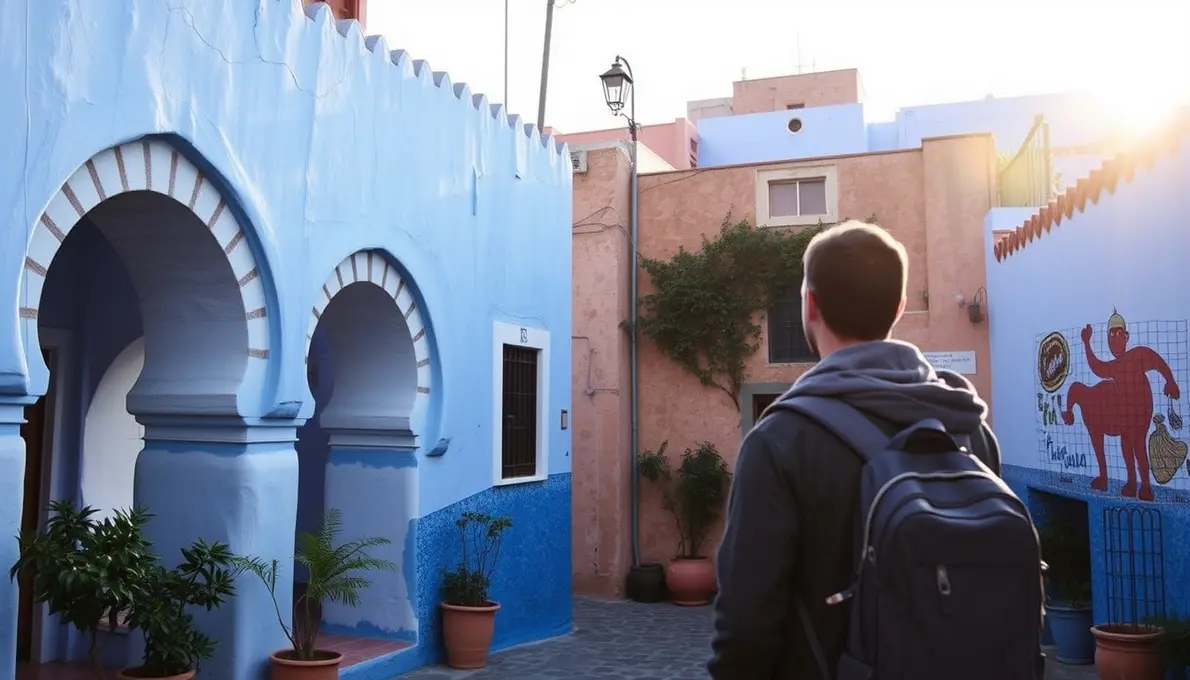
It’s impossible to talk about Chefchaouen without focusing on its most eye-catching feature: the pervasive blue. This isn’t just a gimmick; it’s a deeply ingrained tradition with various theories behind it – from warding off mosquitoes to symbolizing the sky and heaven or even representing a Jewish influence. Whatever its origin, the result is undeniably stunning, creating an otherworldly backdrop that is a paradise for photographers. From the narrow, winding lanes to the wide-open squares, every turn offers a new postcard-perfect scene.
To truly capture the essence of this Chefchaouen blue city, rise early. The morning light, soft and diffused, is ideal for photographs, casting gentle shadows and highlighting the varying shades of indigo, sky blue, and periwinkle. Plus, you’ll beat the crowds, allowing for unobstructed shots of the silent streets. Wander aimlessly (but carefully) through the medina. Some of the most iconic spots include the famous steps near the main square, Uta el-Hammam, where blue steps ascend between vibrant potted plants. Seek out the small, decorative doorways and archways, often adorned with traditional Moroccan patterns or unexpected bursts of color from local flower pots.
Don’t just focus on the architecture; observe the local life unfolding against this blue canvas. A street vendor pushing a cart, a local cat napping on a sun-drenched step, or children playing – these human elements add depth and authenticity to your visuals. Look for interesting textures, like stucco walls, old wooden doors, and intricate wrought-iron details, all painted in contrasting blues. The interplay of light and shadow changes throughout the day, so if you have the time, revisit your favorite spots in the afternoon for a different perspective, perhaps as the golden hour bathes the city in a warm glow, contrasting beautifully with the cool blues. Exploring the Chefchaouen photography spots is truly an art form in itself.
Delving into the Medina’s Heart: Beyond the Azure Walls
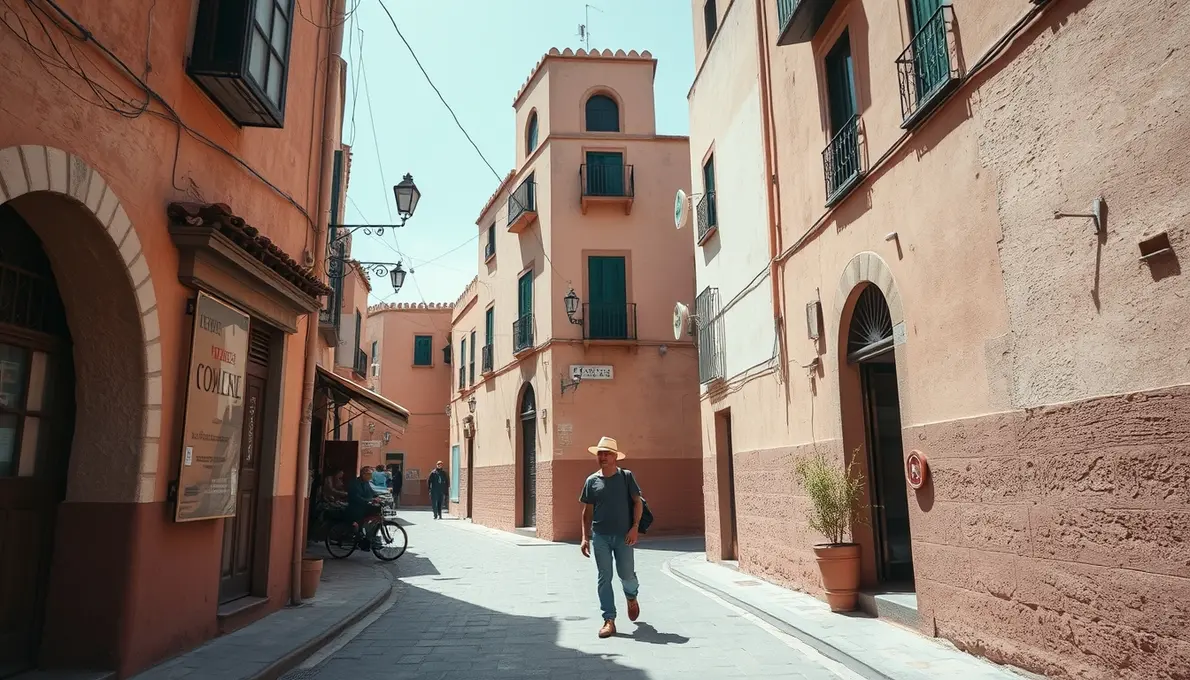
While the blue is the undeniable star, the medina of Chefchaouen is much more than just a pretty facade. It’s a living, breathing labyrinth that reveals its secrets to those who take the time to explore. The main square, Place Uta el-Hammam, is the social hub, buzzing with activity, especially in the evenings. Here, you’ll find cafes and restaurants, perfect for people-watching and soaking in the atmosphere. Dominating the square is the Grand Mosque and its distinctive octagonal minaret, a unique sight in Morocco.
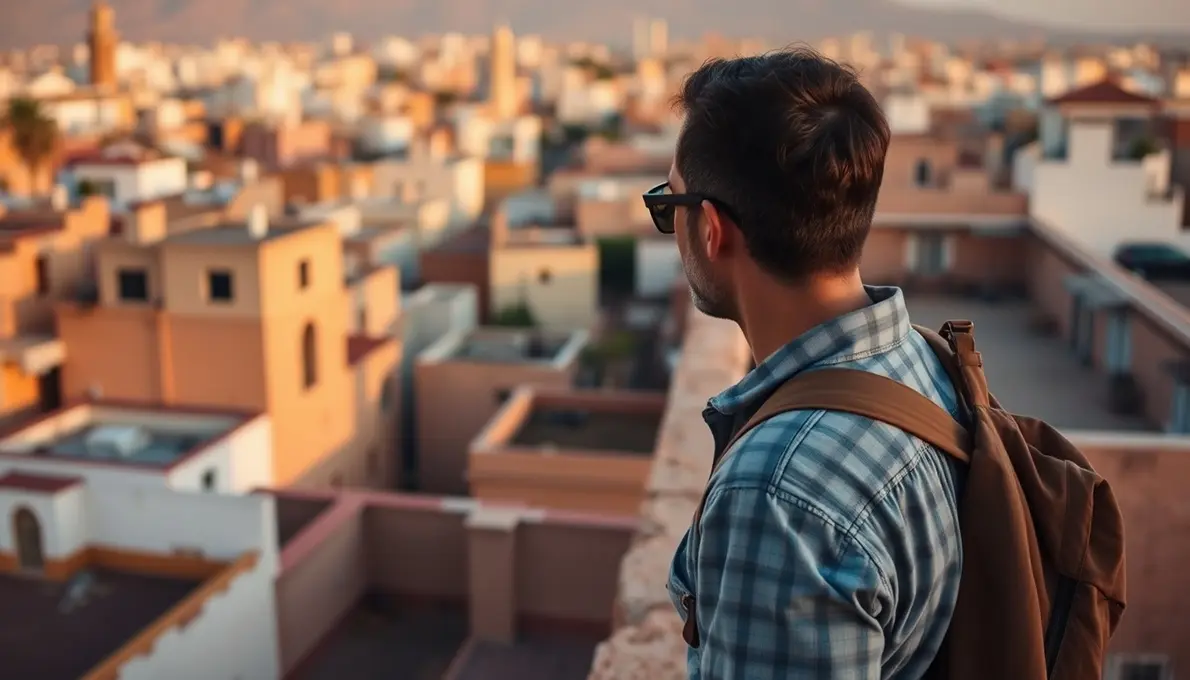
Adjacent to the square is the Kasbah Museum, housed within an 18th-century fortress. This isn’t just a historical curiosity; it offers a fantastic glimpse into the region’s past, with exhibits showcasing local crafts, traditional clothing, and historical artifacts. Climb to the top of the Kasbah’s tower for panoramic views of the medina and the surrounding mountains – an excellent vantage point to appreciate the scale of this blue city. The Kasbah’s garden is also a peaceful oasis, a welcome respite from the bustling square, filled with vibrant flowers and palm trees.
Beyond these main attractions, simply getting lost in the medina is an essential part of the Chefchaouen experience. There are countless souks (markets) selling everything from woven blankets and leather goods to spices, pottery, and vibrant clothing. Unlike the more aggressive selling tactics found in some larger Moroccan cities, the vendors here are generally more relaxed and friendly, making for a more enjoyable browsing experience. Pay attention to the details: the intricate tile work, the unique door knockers, and the friendly faces of the locals. You’ll discover artisan workshops tucked away in quiet alleys, where skilled craftsmen continue centuries-old traditions.
Culinary Journeys: Tastes of the Blue Pearl
Moroccan cuisine is renowned globally, and Chefchaouen offers its own delicious spin on traditional dishes, often with a fresh, mountain influence. Many restaurants in the medina and surrounding areas pride themselves on using locally sourced ingredients, including fresh herbs, vegetables, and, of course, the ubiquitous olive oil from the Rif valleys.
When in Chefchaouen blue city, sampling a traditional tagine is a must. You’ll find a wide variety, from tender chicken with preserved lemons and olives to succulent lamb with prunes and almonds. Vegetarian options, brimming with seasonal vegetables, are also plentiful and incredibly flavorful. Harira, a hearty and aromatic lentil and tomato soup, is another staple, especially comforting on a cooler evening. For something lighter, try bissara, a thick fava bean soup often served with a drizzle of olive oil and a dash of cumin – a popular breakfast or lunch dish, particularly among locals.
Don’t forget to indulge in Moroccan mint tea, a symbol of hospitality. It’s offered everywhere, and politely refusing is generally not done. It’s a sweet, refreshing drink, often poured from an impressive height to create a frothy top. For dessert, look out for local pastries, often made with honey, nuts, and filo pastry, or try a refreshing fruit salad made with the region’s fresh produce. Many restaurants also offer roof terraces, providing not just delicious food but also stunning views of the blue city, especially magical at sunset. Consider taking a cooking class to learn the secrets of Moroccan spices and techniques if you have a keen interest in food – it’s a fantastic way to engage with the local culture.
Nature’s Embrace: Hiking and Exploring the Rif Foothills
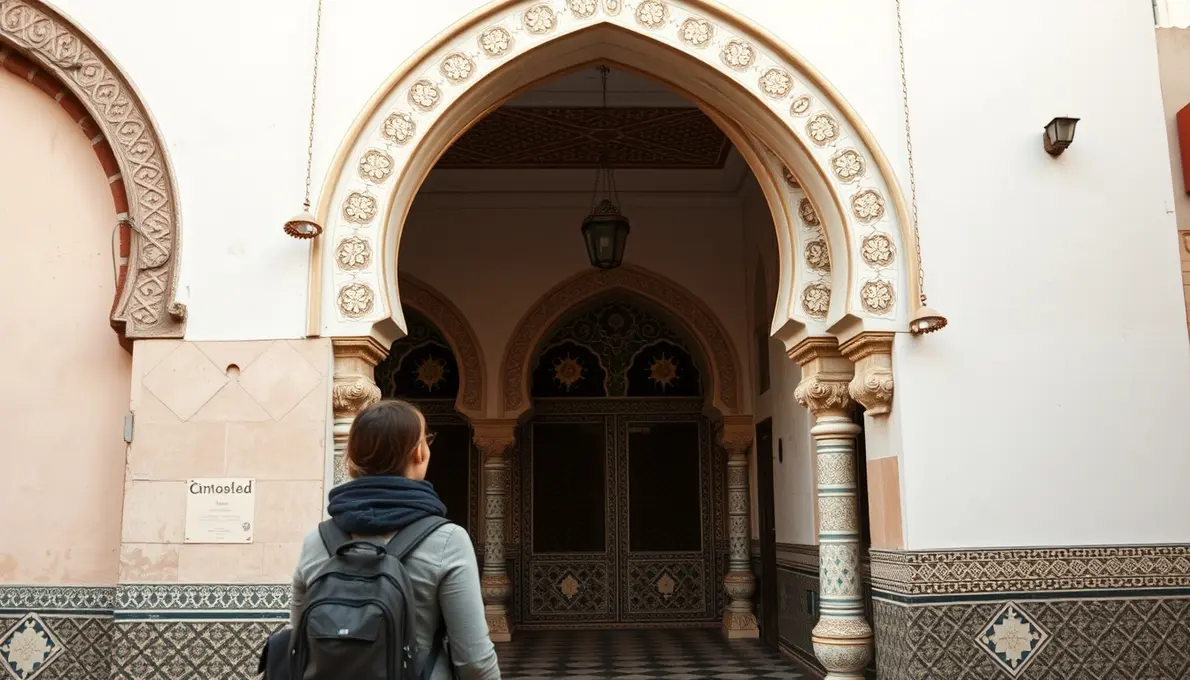
While the blue medina is undoubtedly the star attraction, the natural beauty surrounding Chefchaouen is equally captivating and offers a refreshing counterpoint to the town’s urban charm. Nestled in the dramatic Rif Mountains, the city serves as an excellent base for exploring the breathtaking landscapes and enjoying outdoor activities.
One of the most popular excursions is a hike to the Akchour Waterfalls and God’s Bridge. Located about an hour’s drive from Chefchaouen, this area boasts stunning natural rock formations, lush greenery, and crystal-clear pools. There are various trails catering to different fitness levels, from a relatively easy walk to the smaller waterfalls to a more challenging trek to the larger cascade. God’s Bridge is a magnificent natural arch spanning a river, a truly impressive geological wonder. You can swim in the cool, refreshing natural pools during warmer months, making it a perfect escape from the summer heat. Local guides are available to lead you through the trails, sharing insights into the local flora and fauna.
Another accessible natural experience is a moderate hike up to the Spanish Mosque (Jemaa Bouzafar). While not an ancient landmark (it was built in the 1920s during the Spanish Protectorate), its location on a hill overlooking the entire Chefchaouen blue city is what makes it a must-visit. The walk takes about 30-45 minutes from the medina, offering increasingly spectacular views as you ascend. It’s particularly popular around sunset when the sky erupts in a symphony of colors, painting the blue city below in a warm, ethereal light. It’s a moment of profound tranquility and offers some of the most iconic panoramic photo opportunities of Chefchaouen. Remember to wear comfortable walking shoes and bring water for any of these excursions.
For those interested in longer treks, the Rif Mountains offer numerous opportunities for multi-day hikes, often involving stays in remote villages. These can provide a deeper insight into the traditional Berber way of life in the mountains, far removed from the tourist bustle. Always consider hiring a certified local guide for more extensive or challenging hikes to ensure safety and to enrich your experience with local knowledge.
Artisan Workshops and Unique Souvenirs
Beyond the visual spectacle, Chefchaouen has a thriving artisan culture, providing visitors with unique and authentic souvenirs to take home. The medina’s numerous small shops and workshops are treasure troves of locally made goods, distinct from those found in the larger cities like Fes or Marrakech.
One of the most famous local products is wool. The Rif Mountains are known for sheep farming, and consequently, wool production is a significant craft. You’ll find beautifully woven blankets, rugs, and traditional jallabas (long, loose garments) made from high-quality wool, often dyed with natural pigments. Keep an eye out for the distinctive Chefchaouen stripes in their textiles. Leather goods are another specialty; from intricately designed bags and wallets to traditional slippers (babouches), the craftsmanship is excellent. Many small workshops openly display their process, allowing you to see artisans at work, a fascinating glimpse into their heritage.
Ceramics, while not as unique as the blue city’s textiles, are still worth exploring. You’ll find hand-painted tagines, bowls, and decorative plates, often reflecting patterns and colors inspired by the local environment. Another notable local product is goat cheese. Produced in the surrounding mountain villages, this artisanal cheese is a delightful treat and a popular item among visitors. Look for small stalls or dedicated shops selling fresh rounds of tangy goat cheese. For those interested in natural cosmetics and remedies, Chefchaouen is also a good place to find locally produced Argan oil (though it originates further south, it’s readily available here), rose water, and natural soaps. Remember to bargain politely when shopping – it’s part of the cultural experience in Moroccan markets.
Evening Ambiance and Local Life
As the sun sets and the blue city transitions into twilight, Chefchaouen takes on a different, more subdued charm. The blue hues deepen, and the soft glow of streetlights and shopfronts casts long shadows, creating a truly magical atmosphere. The evening is when the town’s social life truly comes alive, making it one of the most delightful times to be out and about.
Place Uta el-Hammam, the main square, once again becomes the focal point. Families stroll, friends gather for conversations over mint tea, and street performers sometimes appear, adding to the festive buzz. Find a comfortable spot at one of the many cafes encircling the square, order a glass of tea or fresh orange juice, and simply observe. This is an excellent opportunity to relax and feel the pulse of local life. The air is often filled with the gentle chatter of conversations, the clinking of glasses, and the occasional call to prayer from the minaret, creating a soothing soundtrack to your evening.
Exploring the medina at night is also a unique experience. While some shops close, many remain open, their wares glowing invitingly under warm lights. The winding alleys, which might seem confusing during the day, become even more enchanting by evening, with each turn revealing a new, dimly lit tableau. The blue walls seem to absorb the last vestiges of light, taking on deeper, more mysterious tones. Dining out is also a significant evening activity. Many restaurants offer rooftop terraces, providing stunning views of the illuminated city below. Savor a traditional Moroccan meal as the stars emerge over the Rif Mountains, an unforgettable experience that perfectly encapsulates the serene beauty of Chefchaouen blue city. Remember to carry a small flashlight as some of the smaller alleys can be quite dark after sunset.
Conclusion
Chefchaouen, the iconic blue city, is more than just a destination; it’s an immersive experience that stimulates all your senses. From the mesmerizing azure streets to the vibrant markets, the delicious cuisine, and the stunning mountain landscapes, every aspect of this Moroccan gem contributes to an unforgettable journey. Whether you’re an avid photographer, a cultural enthusiast, an adventurer seeking mountain treks, or simply looking for a peaceful escape, Chefchaouen offers a unique blend of experiences that will leave a lasting impression. Its charm lies not just in its famous blue paint, but in the warmth of its people, the richness of its heritage, and the serene rhythm of its daily life. Make sure to pack your sense of wonder (and perhaps a good camera!) for your visit to this truly enchanting corner of Morocco. If you’re wondering what else to prepare for Moroccan adventures, don’t forget to check out our Chefchaouen blue city packing guide.
FAQs
How do I get to Chefchaouen blue city?
Chefchaouen is accessible by bus from major Moroccan cities like Fes, Tangier, and Casablanca. CTM and Nejme Chamal are reputable bus companies offering comfortable journeys. You can also hire a grand taxi or arrange for a private transfer, especially if traveling with a group or seeking more flexibility. The nearest major airports are in Tangier (TNG) and Fes (FEZ).
Is Chefchaouen safe for tourists?
Yes, Chefchaouen is generally considered a very safe city for tourists. The crime rate is low, and locals are accustomed to visitors. Common sense precautions apply, such as being aware of your belongings and avoiding walking alone in very secluded, dark alleys at night. The atmosphere is typically relaxed and welcoming.
What is the best time of year to visit Chefchaouen?
The spring (April to May) and autumn (September to October) months are generally considered the best times to visit Chefchaouen. During these periods, the weather is pleasant, with comfortable temperatures for exploring. Summers can be quite hot, and winters can be chilly and sometimes rainy, though the blue city can look quite atmospheric under a winter sky.
How many days should I spend in Chefchaouen?
Most visitors find that 2 to 3 full days are sufficient to experience the main attractions of Chefchaouen blue city, explore the medina thoroughly, enjoy the local cuisine, and perhaps take a day trip to the surrounding mountains like Akchour. If you plan on more extensive hiking or simply want to relax and soak up the tranquil atmosphere, you might consider staying an extra day.

 Covers cities, coast, mountains, desert & food