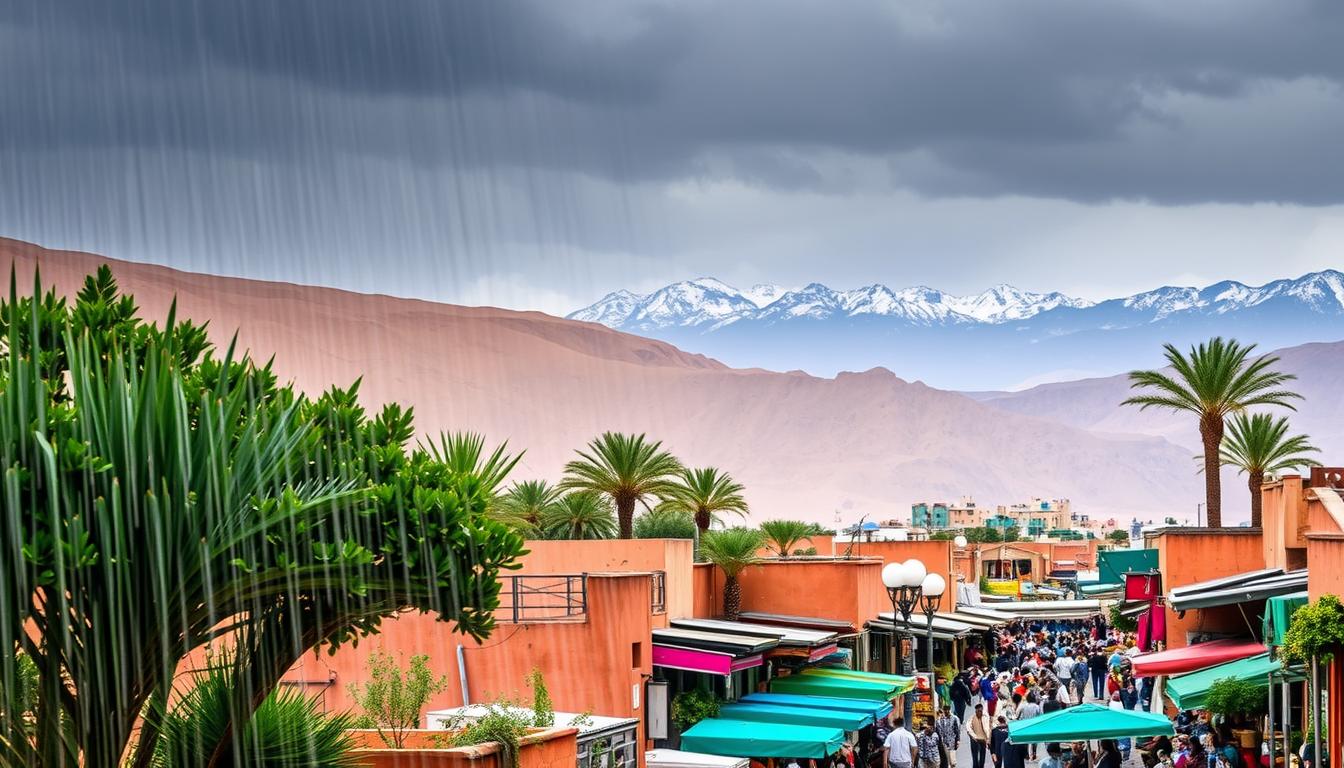
Planning a trip to Morocco can be exciting. But knowing the best and worst times to visit is key for a great trip. The country’s climate and cultural events can really affect your plans.
Morocco’s climate changes a lot from the coast to the desert. The coast is usually milder, but the desert gets very hot in summer. Knowing this helps you avoid bad weather that might mess up your trip.
By knowing the travel seasons in Morocco, you can pick a better time to visit. This way, you’ll have a comfortable and fun trip.
Key Takeaways
- Understand Morocco’s diverse climate regions.
- Plan around the extreme summer heat in the desert.
- Consider the mild climate of coastal regions.
- Be aware of cultural events that might impact your trip.
- Research the best travel seasons for your preferences.
Understanding Morocco’s Climate and Seasons
Morocco’s geography leads to a varied climate. It’s important to know the different seasons. The country’s climate changes from Mediterranean in the north to desert in the south. It also varies from coastal to mountainous regions.
Morocco’s Diverse Geographic Regions
Morocco is divided into four main regions. These are the coastal areas, the Atlas Mountains, the desert regions, and the fertile plains. The coastal regions are mild and temperate. The Atlas Mountains can be cold, especially in winter.
The desert regions are hot and dry. The fertile plains have a more moderate climate.
The Four Distinct Seasons
Morocco has four distinct seasons: spring, summer, autumn, and winter. Spring is pleasant, with mild temperatures and blooming flora. Summer is very hot, especially in the desert.
Autumn is warm and sunny. Winter can be cold, especially in the mountains.
The Worst Time to Visit Morocco: Summer Heat Challenges
Travelers to Morocco should be ready for the intense summer heat. This heat varies by region. The summer months, especially June, July, and August, are the worst for visiting Morocco. This is because of the extreme temperatures.
Extreme Heat in the Interior and Desert
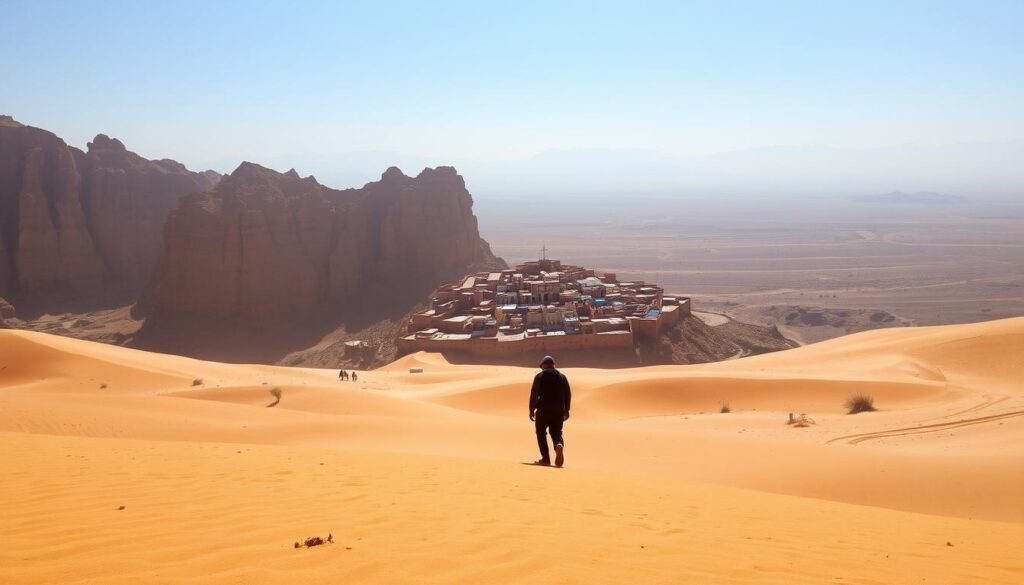
The interior and desert areas of Morocco face extreme heat in summer. Cities like Marrakech and Fez can get over 40°C (104°F). The desert, like the Sahara, can get even hotter, sometimes reaching 45°C (113°F) or more.
Visitors to these areas must stay cool and drink lots of water. It’s best to stay in the shade during the hottest times. This helps avoid heat exhaustion.
Humidity Issues in Coastal Areas
The coastal areas of Morocco have a different summer challenge: humidity. Cities like Casablanca and Rabat have higher humidity due to the Atlantic Ocean. This makes the heat feel more intense, even if temperatures aren’t as high as inland.
Travelers need to pack light, breathable clothes for these areas. Staying hydrated is also key to dealing with the humid climate.
| Region | Average High Temperature in Summer | Humidity Level |
|---|---|---|
| Marrakech | 38°C (100°F) | Low |
| Casablanca | 28°C (82°F) | High |
| Sahara Desert | 45°C (113°F) | Very Low |
July and August: Peak Heat and Tourist Crowds
Morocco’s peak tourist season is in July and August. This time brings very hot weather and lots of people at attractions. The cities feel even more lively because of the heat.
Temperature Extremes in Major Cities
Cities like Marrakech and Fez get extremely hot in summer. Temperatures often hit over 100°F (38°C). It’s crucial to drink lots of water and plan your day to avoid the heat.
Marrakech, with its desert climate, is especially hard. In July, it can get up to 104°F (40°C). Fez reaches about 98°F (36°C). Here’s a look at the average high temperatures in major Moroccan cities in July and August:
| City | July Avg High (°F) | August Avg High (°F) |
|---|---|---|
| Marrakech | 104 | 103 |
| Fez | 98 | 97 |
| Casablanca | 82 | 83 |
Overcrowded Tourist Attractions
Popular spots like the Bahia Palace in Marrakech and Essaouira are very crowded. It’s hard to enjoy them because of all the people.
To see these places without the crowds, go early in the morning or late at night. Also, try visiting less famous spots for a more real experience.
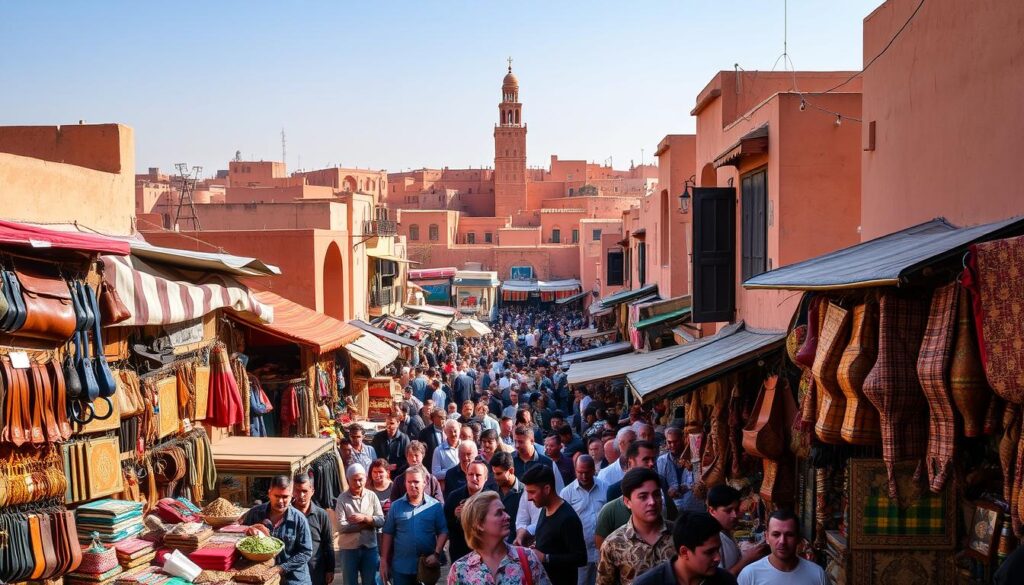
Winter Challenges in Morocco
Morocco is known for its warm weather, but winter can be tough in some places. When planning your trip, knowing the winter challenges is key.
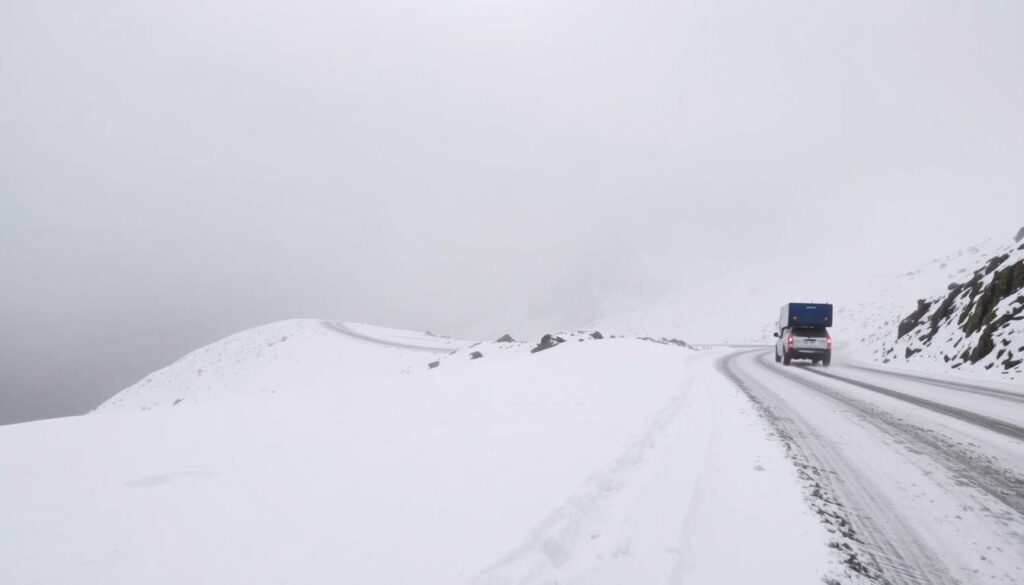
One big worry in Moroccan winters is the cold, especially in the Atlas Mountains.
Cold Temperatures in the Atlas Mountains
The Atlas Mountains see significant cold snaps in winter, with temps often below freezing. If you’re heading there, get ready for chilly conditions and snow. “The Atlas Mountains are a beautiful destination, but winter requires proper preparation,” says a seasoned traveler.
Rainfall Patterns and Their Impact
Morocco gets a lot of rain in winter, especially in the north. This can cause flooding and disruptions in some spots. Knowing the rain patterns helps you plan your itinerary better and avoid travel problems.
Being aware of these winter challenges helps you prepare for your trip to Morocco. This way, you can enjoy your travel experience more.
Ramadan: Considerations for Travelers
If you’re planning to visit Morocco during Ramadan, it’s important to know about the local traditions. Ramadan is a holy month for Muslims, where they fast from dawn to sunset. This fasting period can change how you travel in Morocco.
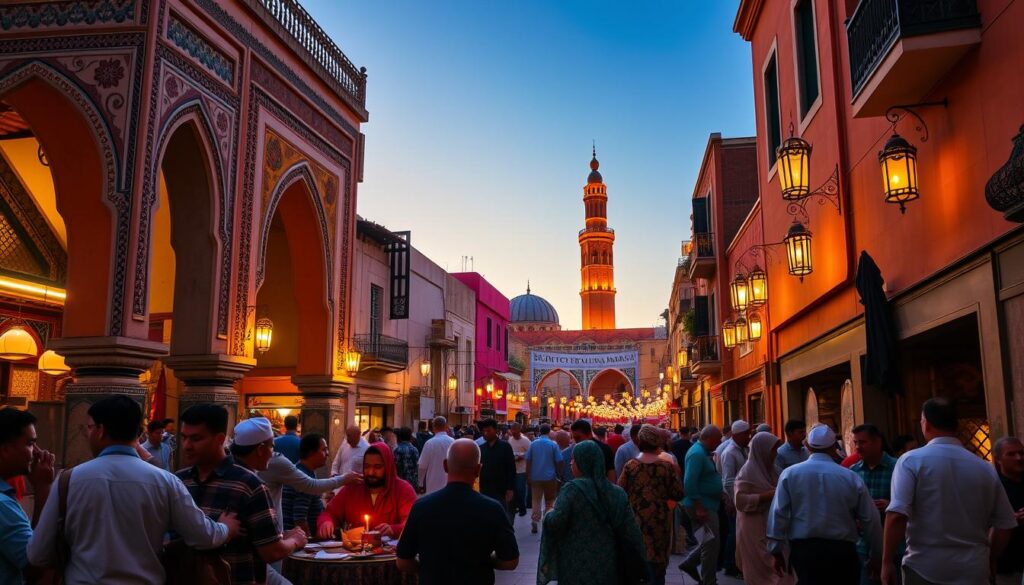
Operating Hour Limitations
Many restaurants and cafes close during the day in Ramadan. They open at sunset to serve meals. Some places might have limited operating hours, so plan your day well. You should also be ready for possible closures or less service.
- Check the opening hours of restaurants and attractions in advance.
- Plan your meals around iftar and suhoor (pre-dawn meal).
- Be flexible with your itinerary.
Cultural Sensitivity
Traveling in Ramadan means being culturally sensitive. It’s key to respect local customs. Don’t eat, drink, or smoke in public during fasting hours to show respect.
- Dress modestly, covering your shoulders and knees.
- Be mindful of your behavior and avoid loud or disruptive actions.
- Learn a few basic Arabic phrases to show respect.
By being considerate of local traditions, you can have a more positive and enriching experience in Morocco during Ramadan.
Regional Breakdown: Worst Times for Different Areas
The worst time to visit Morocco varies by region. This is because of its different landscapes. From coastlines to deserts and mountains, each area has its own climate.
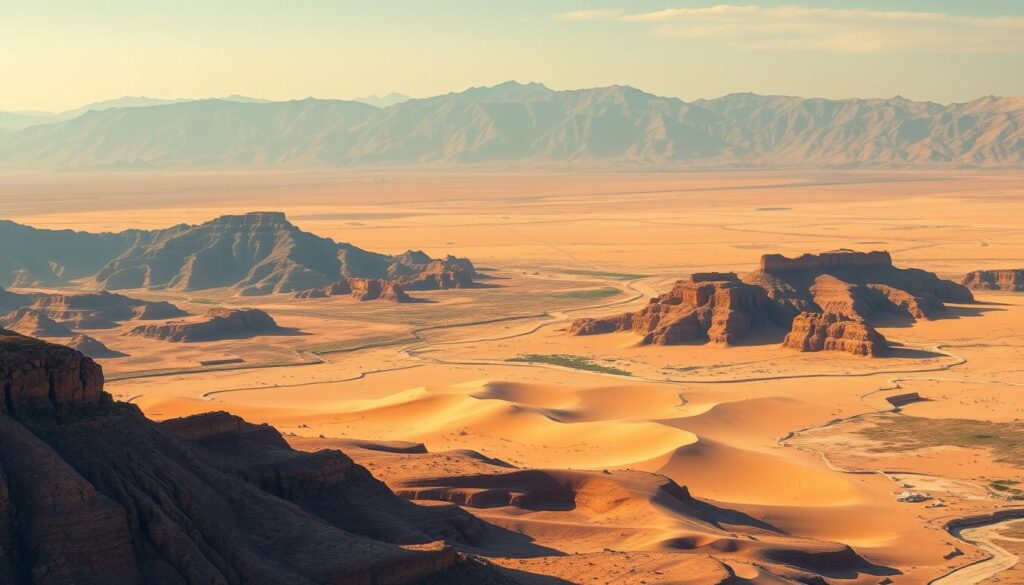
Marrakech and the South
Marrakech, a big tourist spot, gets very hot in summer. July and August are the worst months for visitors. The Sahara Desert in the south also gets extremely hot.
Visiting in April-May or September-October can be more comfortable. These months offer a break from the extreme heat.
Casablanca and the Coast
Casablanca and coastal areas have a milder climate than the interior. But, summer can still be warm, and humidity is high. This makes the heat feel worse.
Winters are mild but can be rainy. The best time to visit is in spring or early autumn. These seasons offer pleasant weather and fewer tourists.
Fez and the Interior
Fez and other interior cities have a continental climate. They have hot summers and cold winters. The summer months can be very uncomfortable.
Winters need warm clothes, especially in the evenings. Spring and autumn are the best times to visit. They have nice temperatures and fewer crowds.
| Region | Worst Time to Visit | Preferred Time to Visit |
|---|---|---|
| Marrakech and South | June to August | April-May, September-October |
| Casablanca and Coast | July to September | March-May, September-November |
| Fez and Interior | July to August, December to February | April-May, September-October |
Knowing the climate differences in Morocco helps plan your trip better. It ensures a better experience, no matter where you go in the country.
Holiday Seasons and Price Surges
Planning a trip to Morocco? Keep in mind the holiday seasons. They can make your trip different. Popular spots get crowded, and prices go up.
Several things make Morocco’s peak tourist season. European school holidays and Moroccan national holidays are big factors. Knowing these can help you plan better.
European School Holidays and Their Impact
European school holidays are key in Morocco’s peak season. Families from Europe flock to Morocco during school breaks. This means more people want places to stay and things to do.
- Accommodation prices go up
- Popular spots get too crowded
- Tour operators charge more during this time
Want to learn more about Morocco’s tourism trends? Check out this article. It dives into the growth of tourism in Morocco.
Moroccan National Holidays to Be Aware Of
Moroccan national holidays also affect your trip. Locals take time off, and places get busy.
- Prices for places to stay and flights rise
- Cultural events and festivals attract and challenge travelers
- More people at tourist hotspots
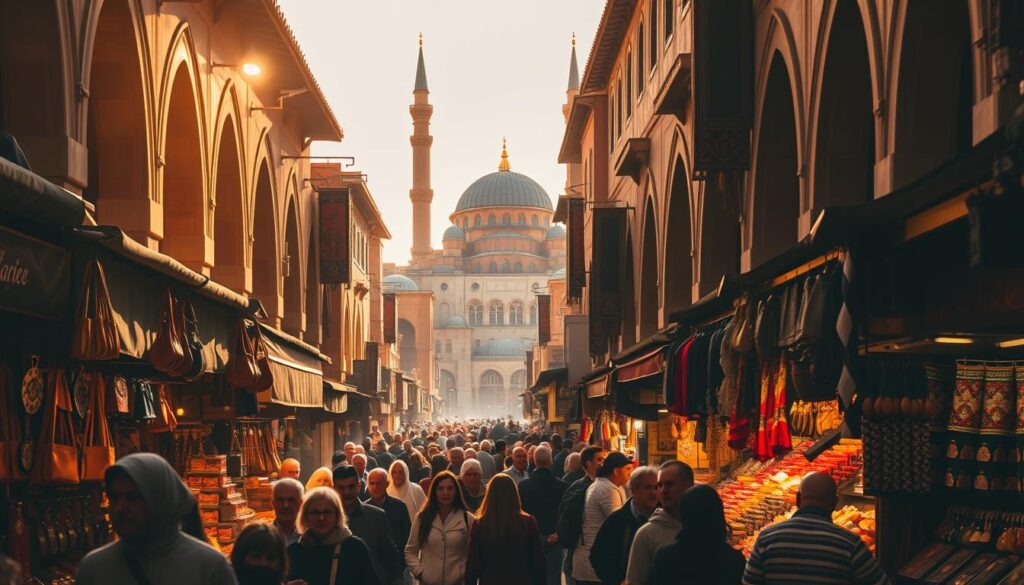
Knowing about these holiday seasons helps you plan your Morocco trip. You might save money and avoid the crowds.
The Sahara Desert: When to Avoid
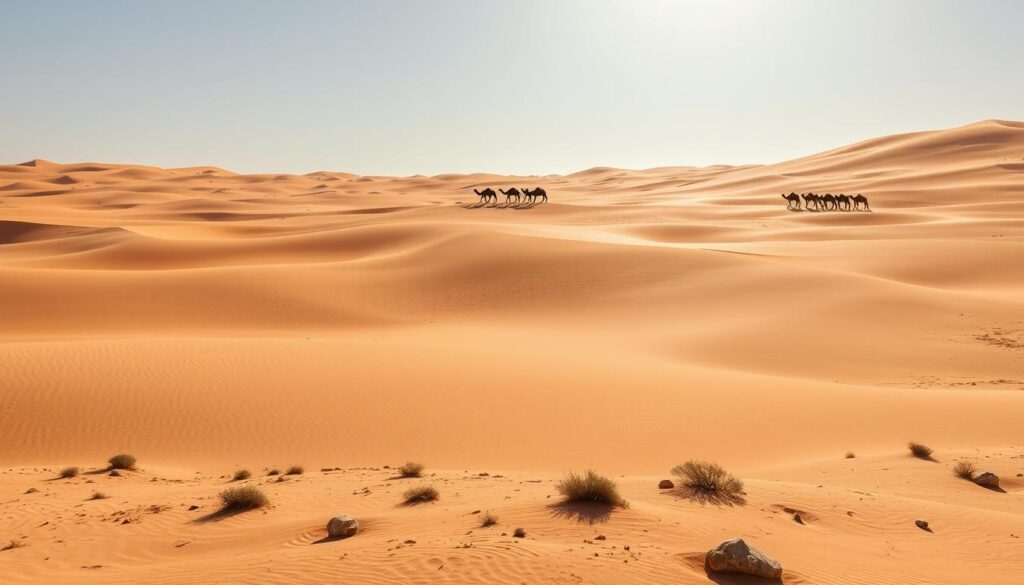
Planning a trip to the Sahara Desert? Knowing when to go can greatly improve your experience. The Sahara, with its endless sand dunes and harsh climate, presents challenges, especially at certain times.
Summer Dangers in the Desert
Summer is the toughest time to visit the Sahara. Temperatures can hit up to 122°F (50°C) during the day. This extreme heat can cause dehydration and heatstroke if you’re not careful.
Travelers should be aware of the dangers of summer travel in the Sahara. These include:
- Severe dehydration
- Heatstroke
- Limited access to amenities due to extreme heat
Sandstorm Seasons and Safety Concerns
Sandstorms are another big risk in the Sahara. They can pop up suddenly, making it hard to see and navigate.
| Season | Sandstorm Frequency | Safety Concerns |
|---|---|---|
| Spring | Moderate | Reduced visibility, respiratory issues |
| Summer | High | Extreme heat, sandstorms, dehydration |
| Autumn | Low to Moderate | Cooler temperatures, occasional sandstorms |
Knowing these risks and planning can make your Sahara trip safer and more enjoyable.
Coastal Areas: Seasonal Considerations
When planning your trip to Morocco’s coast, knowing the weather patterns is important. The country’s long coastline by the Atlantic and Mediterranean offers different climates and sights all year.
Atlantic Coast Weather Patterns
The Atlantic coast, home to cities like Casablanca and Rabat, has a mild oceanic climate. Winters are cool and wet, while summers are mild thanks to the ocean. But, winters here bring strong winds and rough seas.
| Season | Weather Conditions | Tourist Activity |
|---|---|---|
| Winter | Cool, wet, strong winds | Low |
| Summer | Mild, occasional fog | High |
Mediterranean Coast Variations
The Mediterranean coast, around Tangier and Nador, has a warmer climate. It has warm summers and mild, wet winters. This area is warmer than the Atlantic coast in summer.
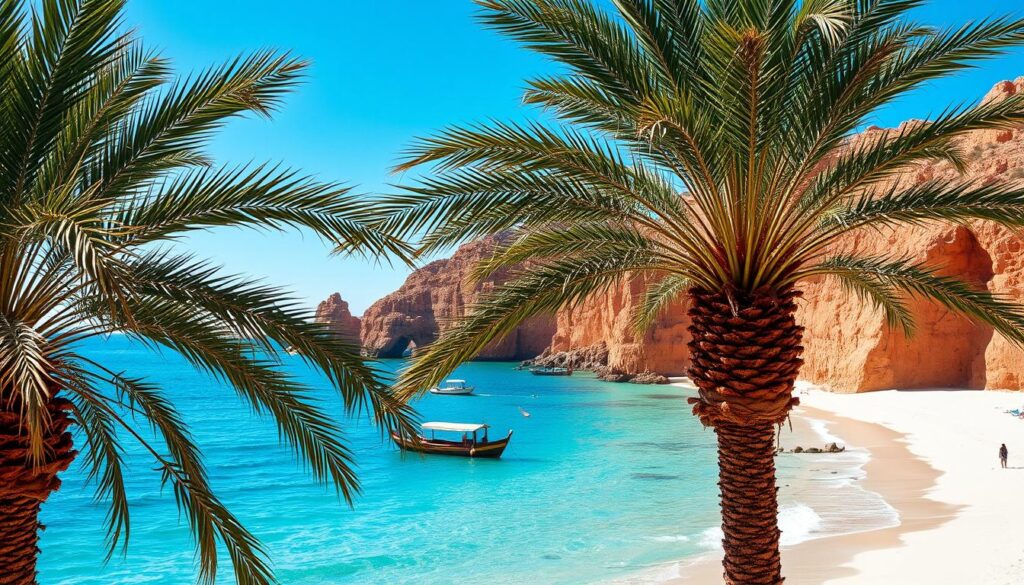
Knowing the seasonal changes is crucial for planning your coastal trip in Morocco. Whether you want to hit the beaches, explore cities, or dive into local culture, choosing the right time can greatly improve your experience.
Best Alternatives to the Worst Times
If you want to dodge the crowds and harsh weather in Morocco, check out the shoulder seasons. These times offer nice weather and fewer tourists.
Shoulder Seasons: April-May and September-October
The shoulder seasons, April-May and September-October, are perfect for Morocco visits. The weather is pleasant, and there are fewer people than in summer. April and May show Morocco’s spring beauty, with flowers and greenery everywhere. September and October have warm weather, ideal for desert adventures.
Shoulder seasons also mean you can enjoy festivals and events without the summer rush. For example, the Marrakech Popular Arts Festival happens in July. But, the shoulder season is still great for cultural experiences with fewer crowds.
Winter Benefits for Certain Regions
Winters in Morocco can be cool, especially in the mountains. But, coastal spots like Casablanca and Essaouira have mild winters. They’re perfect for a winter trip, with water sports, local food, and history to explore.
Winter is also a good time for the Sahara Desert, if you’re ready for cooler weather. The desert is peaceful, and the weather is better for walking and camel rides. Plus, many tours offer discounts in the off-season, making it cheaper to visit.
How to Cope If You Must Visit During Peak Summer
Traveling to Morocco in peak summer needs careful planning to beat the heat. It’s not the best time due to the high temperatures. But, there are ways to enjoy your trip.
Planning Your Day Around the Heat
Plan your day to avoid the hottest hours, from 11 am to 3 pm. Stay indoors or in the shade during this time. Use it to relax in your hotel or visit indoor spots like museums.
Early mornings and late evenings are best for seeing sights and doing outdoor activities. The weather is cooler, making it easier to explore places like Marrakech or hike in the Atlas Mountains.
Hydration and Health Tips
Drinking lots of water is key in summer Morocco. Carry a refillable water bottle and eat hydrating foods like watermelon and cucumber. This helps keep your body hydrated.
Watch for signs of heat exhaustion like dizziness, nausea, and headaches. If you see these, find shade or air-conditioning and drink water. For serious cases, get medical help.
Accommodation Considerations with Air Conditioning
Choose hotels or riads with air conditioning for a cool place. Many places in tourist areas have it. But, always check reviews or confirm with your hotel before booking.
Also, think about where you’re staying. Places higher up or with good shade can be much cooler.
Navigating Morocco During Rainy Season
The rainy season in Morocco has its ups and downs for travelers. It’s not the best time for outdoor fun. But, the rain makes the landscape green and vibrant. It’s perfect for checking out indoor spots and diving into local culture.
Potential Travel Disruptions in Mountain Regions
Traveling in Morocco’s mountains during the rainy season can be tough. Landslides and flash floods are common, especially in the Atlas Mountains. These can mess up roads and make some places hard to reach. Always check the weather forecast and plan your trip wisely. For more tips, visit Travel Evil for info on Morocco’s climate and events.
Indoor Activities and Cultural Experiences
The rainy season is great for exploring Morocco’s culture. Visit museums, historic sites, and try local foods. Cities like Marrakech and Fez have lots to see, like the Bahia Palace and the Al-Attarine Madrasa. You can also check out the souks for unique crafts and lively culture.
With the right mindset and planning, traveling in Morocco during the rainy season can be rewarding. Enjoy the indoor sights and the green landscapes the rain brings.
Budget Considerations: High Season vs. Low Season
Traveling to Morocco can cost a lot more if you go during peak tourist season or off-peak travel. Knowing these differences can help you save money on your trip.
Prices for places to stay and flights go up a lot in the summer and around holidays. But, traveling in the off-season can save you a lot of money.
Price Differences for Accommodations and Flights
Prices for places to stay in Morocco change a lot between high and low seasons. For example, a riad in Marrakech might cost $100 a night in peak season but only $60 in the off-season. Flight prices to Morocco also go up during peak times, especially from Europe or North America.
A recent travel report found that flights to Morocco can be 30% cheaper in the off-season. This makes it a great choice for those watching their budget.
Tour and Activity Pricing Fluctuations
Tour operators and activity providers in Morocco change their prices based on how busy they are. For instance, a desert tour might cost $200 per person in peak season but only $150 in the off-season.
Some tour operators offer deals or packages in the off-season to get more customers. As one tour operator said, “We offer discounts and promotions in the off-season to make our tours more affordable for budget travelers.”
Cultural Events Worth Planning Around
Morocco’s cultural calendar is packed with exciting festivals and events. These events give you a unique look into the country’s rich heritage. Morocco offers a lot, from vibrant festivals to significant cultural celebrations.
Festivals That Enhance Your Experience
Morocco hosts many festivals throughout the year. For example, the Marrakech International Film Festival draws celebrities and film lovers worldwide. The Essaouira Gnawa Music Festival celebrates Gnawa culture with music and dance.
These festivals are not just for fun. They also let you dive into local culture.
Events That May Disrupt Travel Plans
Some cultural events might change your travel plans. During Ramadan, many places have limited hours. Some attractions might also be closed.
Big events like the Fez Festival of World Sacred Music can draw huge crowds. This might cause traffic in some areas. Knowing about these events helps you plan better.
“The cultural events in Morocco are a testament to the country’s rich heritage and diversity.”
Understanding Morocco’s cultural events calendar helps you plan a better trip. This way, you can enjoy a more enriching experience.
Planning the Perfect Morocco Itinerary by Season
To make the most of Morocco, plan your trip with the season in mind. This way, you’ll have a trip to remember. Morocco’s weather changes a lot, so the best time to visit varies by region.
Seasonal Routing Recommendations
Think about the season when planning your Morocco trip. Spring (April-May) and autumn (September-October) are great for the Atlas Mountains. The weather is mild during these times. Summer is best for Sahara Desert adventures, even with the heat. Learn more about the best time to visit.
| Season | Ideal Activities | Regions to Visit |
|---|---|---|
| Spring (April-May) | Hiking, cultural tours | Atlas Mountains, Marrakech |
| Summer (June-August) | Desert adventures | Sahara Desert, Merzouga |
| Autumn (September-October) | City tours, coastal visits | Chefchaouen, Coastal towns |
Adjusting Your Expectations and Packing Accordingly
Knowing the weather and local events helps you pack right. For instance, during Ramadan, many places close for lunch. So, plan your meals for iftar. Also, summer means staying hydrated and protecting yourself from the sun.
Plan your trip with the season in mind and be ready. This way, your Morocco trip will be smooth and fun.
Conclusion: Making the Most of Your Morocco Trip
Knowing the worst times to visit Morocco is key for a great trip. Avoiding the hot summer, cold winter, and other bad times lets you enjoy Morocco fully.
The shoulder seasons, April-May and September-October, are the best. They have nice weather and fewer people. This makes it perfect for seeing Morocco’s cities, landscapes, and culture.
When planning, think about the worst times for places like Marrakech, Casablanca, and Fez. This helps you plan your trip well and enjoy Morocco more.
Being smart about Morocco’s travel seasons makes your trip better. You can see the Sahara, relax by the sea, or dive into local culture. With good planning, you’ll have a great time in Morocco.



 Covers cities, coast, mountains, desert & food