
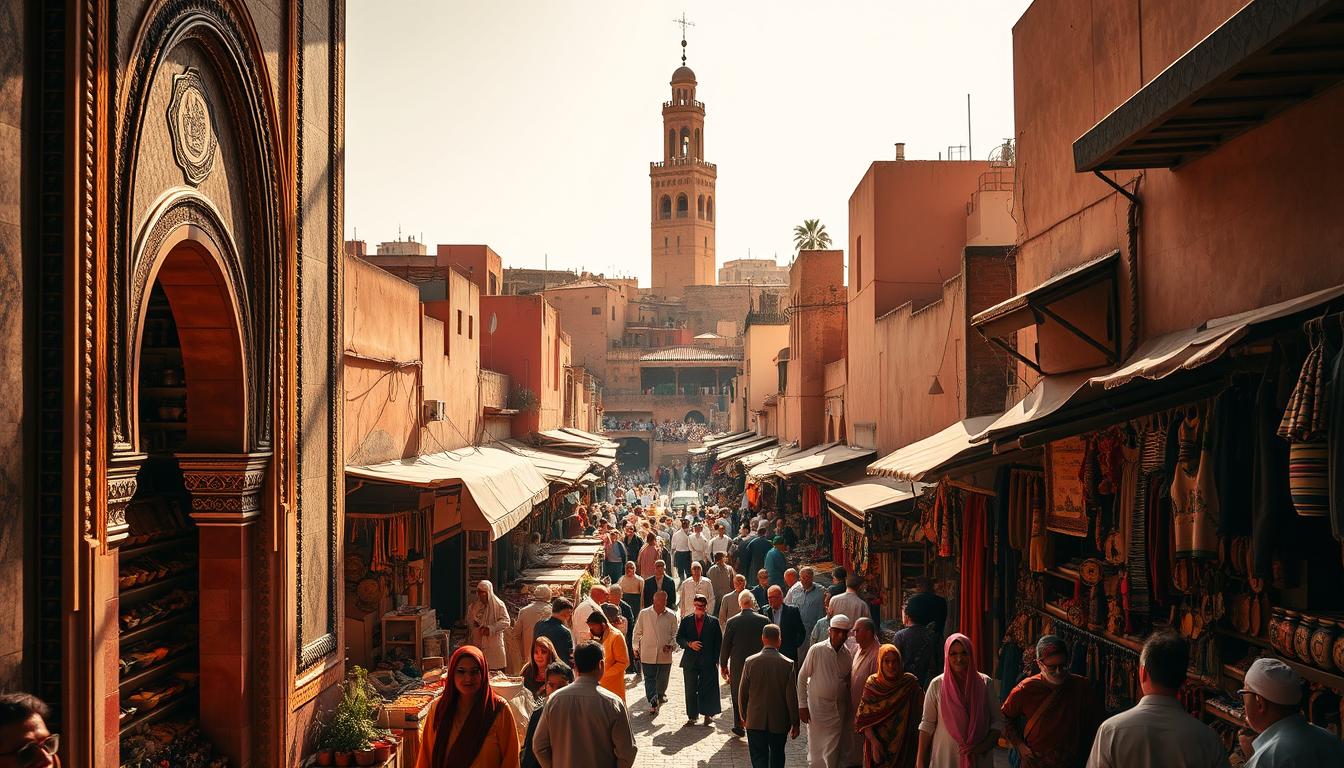
Planning your trip to Marrakech? You’re probably curious about what this lively city has to offer. Known as the Red City, Marrakech is filled with cultural, historical, and architectural gems.
The city has everything from bustling markets to peaceful gardens. In this article, we’ll show you the top 10 Marrakech attractions you can’t miss. We’ll help you make the most of your visit.
Key Takeaways
- Discover the top 10 attractions in Marrakech.
- Explore the city’s rich cultural heritage.
- Experience the vibrant markets and gardens.
- Learn about the historical significance of Marrakech.
- Plan your trip with our expert guide.
Discovering the Magic of Marrakech
Marrakech, known as the Red City, is a treasure trove of history, culture, and sensory delights. As you wander through its vibrant streets, you’ll discover Marrakech’s essence. You’ll see its architecture, taste its cuisine, and feel the warmth of its people.
The Red City’s Allure
Marrakech’s charm comes from its unique blend of traditional and modern elements. Its red buildings, bustling souks, and serene gardens create a captivating atmosphere. Whether you’re exploring the historic Medina, relaxing in a riad, or trying local cuisine, Marrakech has something for everyone.

A Brief History of Marrakech
Marrakech was founded in the 11th century. It has a rich history that has shaped the city. From the Almoravid dynasty to today, Marrakech has been a cultural and political center in Morocco. Its landmarks, like the Koutoubia Mosque and the Saadian Tombs, show its architectural and cultural heritage.
Overview of Marrakech’s Cultural Significance
Marrakech is a city of immense cultural significance. It reflects the diverse influences of its history. The city’s vibrant souks, traditional craftsmanship, and rich culinary heritage are all part of its cultural landscape. Visitors can experience this by exploring landmarks, attending festivals, and engaging with the local community.
Some of the must-visit places in Marrakech include Jemaa el-Fnaa square, the Bahia Palace, and Majorelle Garden. For the top things to do in Marrakech, exploring the Medina, visiting historical sites, and trying local delicacies are key.
- Explore the historic Medina and its labyrinthine streets
- Visit the iconic landmarks such as the Koutoubia Mosque and the Saadian Tombs
- Indulge in local cuisine and traditional Moroccan delicacies
- Relax in the serene gardens and riads
Jemaa el-Fnaa: The Heart of Marrakech
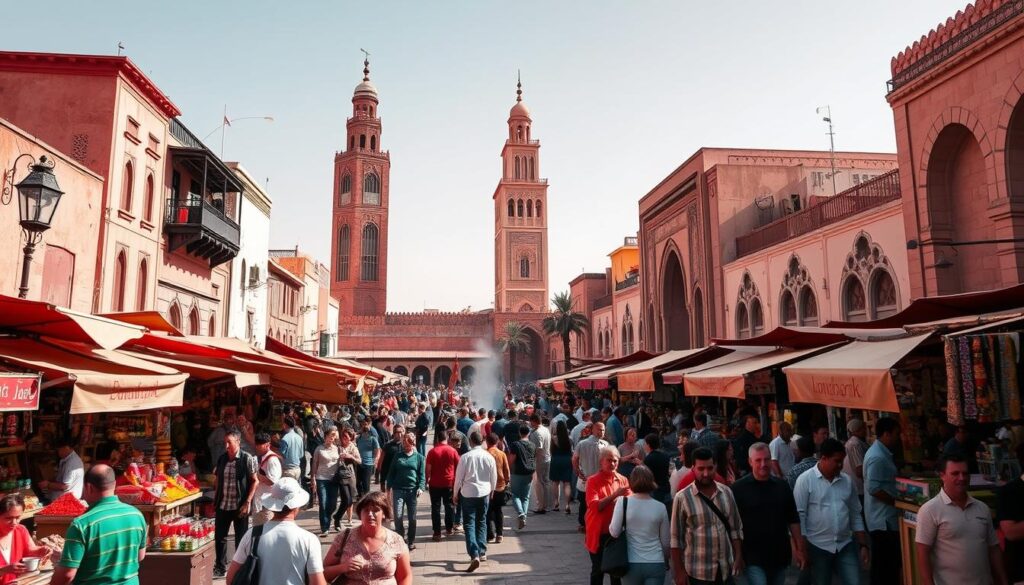
Jemaa el-Fnaa is at the heart of Marrakech. It’s a lively square that buzzes with energy all day and night. It’s a top spot for anyone wanting to feel the true spirit of Marrakech.
The Square by Day and Night
The square changes a lot from morning to evening. In the day, it’s a meeting place for locals and visitors. You’ll see snake charmers and street performers getting ready.
At night, the square lights up with food stalls and a lively vibe. It’s a time of celebration and fun.
Street Performers and Food Stalls
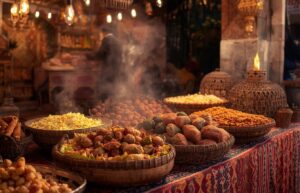
The square is famous for its street performers. You’ll see musicians, dancers, and snake charmers. The smell of local food makes everyone curious to try the dishes at the food stalls.
- Try traditional Moroccan cuisine like tagines and couscous.
- Watch snake charmers and other street performers.
- Explore the surrounding alleys for unique shopping experiences.
Shopping Opportunities
Jemaa el-Fnaa is great for shopping too. You can find traditional crafts and souvenirs. The alleys around the square are full of shops and stalls, perfect for shoppers.
Visitor Information and Safety Tips
To enjoy Jemaa el-Fnaa safely, know your surroundings. Here are some tips:
- Keep an eye on your belongings, as in any crowded place.
- Visit during the day and at night to see everything.
- Don’t be afraid to haggle when shopping.
By following these tips, you’ll have a safe and enjoyable time at Jemaa el-Fnaa. It’s one of the best places to visit in Marrakech for a full marrakech sightseeing experience.
Koutoubia Mosque: Marrakech’s Iconic Landmark
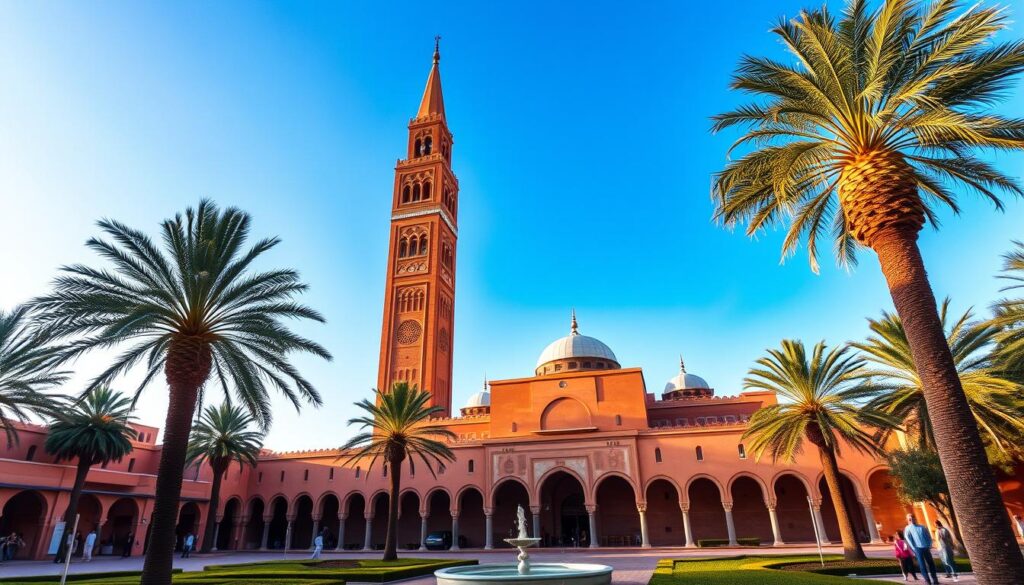
The Koutoubia Mosque stands tall in Marrakech, a symbol of the city’s rich history. It’s a key marrakech points of interest for anyone exploring the city. This mosque is not just a religious site but also a stunning architectural wonder that draws visitors worldwide.
Architectural Significance and History
Built in the 12th century, the Koutoubia Mosque is famous for its 69-meter-tall minaret. Its architecture showcases Almohad craftsmanship, known for its simplicity and elegance. The minaret, with its detailed stonework and geometric patterns, is a key feature of Marrakech’s skyline.
The Gardens and Surroundings
The mosque is surrounded by beautiful gardens, offering a peaceful retreat from the city’s hustle. These gardens are ideal for a calm walk, providing a serene atmosphere amidst the city’s energy. Visitors can enjoy the views and take memorable photos.
Photography Tips
Photography lovers will find the Koutoubia Mosque and its surroundings captivating. The best times for photos are early morning and late afternoon when the light is soft. A photo of the mosque’s minaret against the setting sun is particularly striking.
Practical Information for Visitors
When visiting the Koutoubia Mosque, remember to dress modestly, covering your shoulders and knees. The mosque welcomes visitors outside of prayer times. For a fuller experience, explore the area and check out the Marrakech destination guides for tips on what to see.
| Visitor Information | Details |
|---|---|
| Opening Hours | Open daily, except during prayer times |
| Dress Code | Modest clothing; cover shoulders and knees |
| Best Time to Visit | Early morning or late afternoon |
Bahia Palace: A Masterpiece of Moroccan Architecture
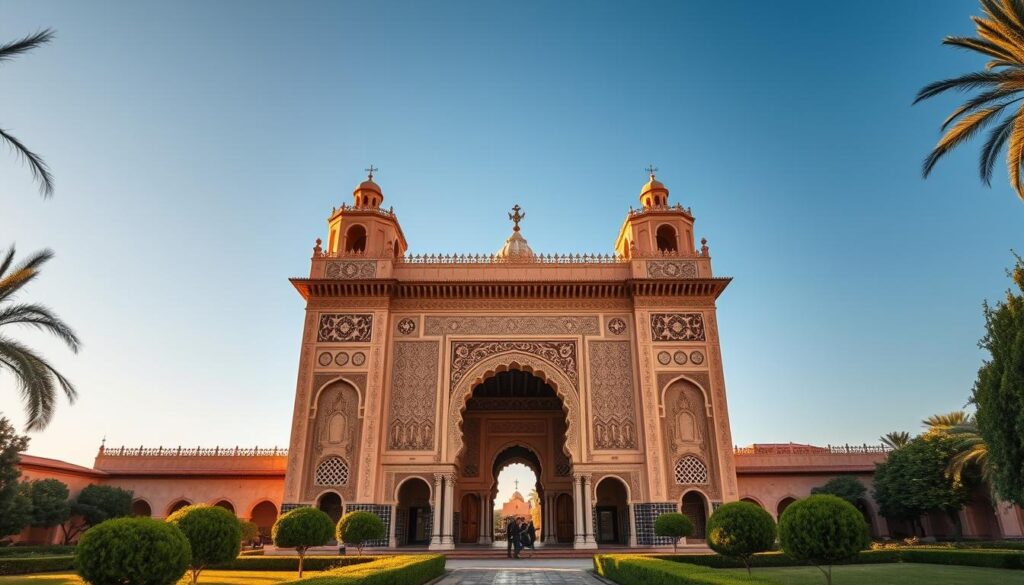
The Bahia Palace was built in the late 19th century. It shows the rich culture of Marrakech. This grand home was made to display the best of Islamic art and Moroccan skills.
Historical Background and Construction
The Bahia Palace was built during Sultan Abdelaziz’s rule. It was meant to be a grand home that showed off Moroccan architecture. The name “Bahia” means “brilliance” or “beauty,” showing the palace’s stunning looks.
Exploring the Palace Rooms and Gardens
Walking through the Bahia Palace, you’ll see amazing tile work, carved wood, and peaceful gardens. The palace has many beautiful rooms, including a grand courtyard at its heart.
The gardens are a highlight, offering a calm spot in the busy city. Visitors can walk through the gardens, enjoying the peaceful atmosphere.
Artistic Elements and Decorations
The Bahia Palace is famous for its beautiful art, like zellij tile work, carved cedar wood, and stucco. These decorations are not just pretty but also show Morocco’s rich culture.
| Artistic Element | Description |
|---|---|
| Zellij Tile Work | Intricate geometric patterns made from glazed tiles |
| Carved Cedar Wood | Delicate carvings on cedar wood, often featuring floral motifs |
| Stucco Decorations | Intricate plasterwork, often featuring calligraphic designs |
Visitor Tips and Information
To enjoy your visit to the Bahia Palace, keep these tips in mind:
- Visit during cooler times to avoid the heat.
- Take your time to see everything, as there’s a lot to explore.
- Be respectful of local customs and dress modestly.
By following these tips, you’ll have a memorable and enriching visit to this must-visit attraction in Marrakech.
Majorelle Garden: A Peaceful Oasis
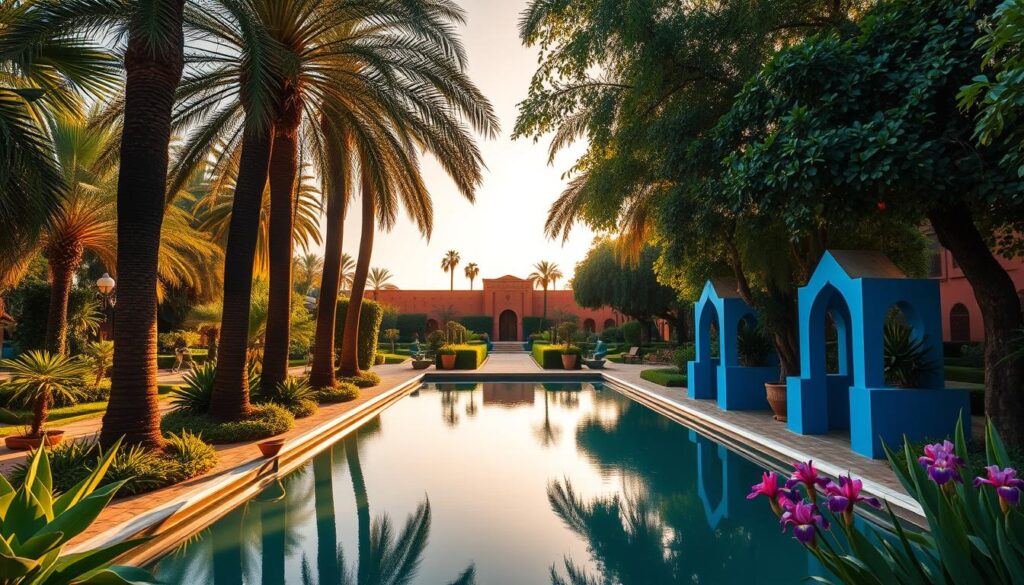
When you enter the Majorelle Garden, you’ll find a calm spot away from Marrakech’s busy streets. This beautiful garden mixes art and nature, making it a must-see in Marrakech.
Yves Saint Laurent’s Legacy
The garden was started by French artist Jacques Majorelle in the 1920s and 1930s. Later, Yves Saint Laurent and Pierre Bergé worked to restore it. They kept the garden’s charm and added their own artistic flair. For more on Yves Saint Laurent’s role, check out this page.
The Botanical Collection and Exotic Plants
The garden has a wide range of exotic plants, like cacti and bamboo. As you walk, you’ll hear water sounds and see colorful plants. It’s a peaceful place that shows nature’s beauty.
Berber Museum and Gift Shop
Inside the garden, there’s the Berber Museum. It shows the Berber culture with artifacts like clothes and jewelry. You can also buy unique souvenirs at the gift shop, supporting local artists.
Planning Your Visit and Photography Opportunities
Plan to visit early morning or late afternoon to beat the heat. The garden is great for photos, with its blue buildings and colorful plants. Don’t miss capturing its beauty during your visit.
| Tips for Visiting | Photography Opportunities |
|---|---|
| Arrive early or late to avoid heat | Stunning blue architecture |
| Bring sunscreen and a hat | Vibrant flora and fauna |
| Explore the Berber Museum | Water features and serene atmosphere |
Saadian Tombs: Hidden Historical Treasure
Discover the secrets of the Saadian Tombs, a hidden gem in Morocco. Located in Marrakech’s heart, these tombs are a key attraction for history and culture lovers.
Rediscovery and Restoration
In 1917, the Saadian Tombs were found after a nearly 100-year hiding. The restoration showed off the tombs’ beauty, highlighting the Saadian dynasty’s skill. Exploring the tombs, you’ll learn about the Saadian sultans and the site’s importance.
The Royal Chambers and Mausoleums
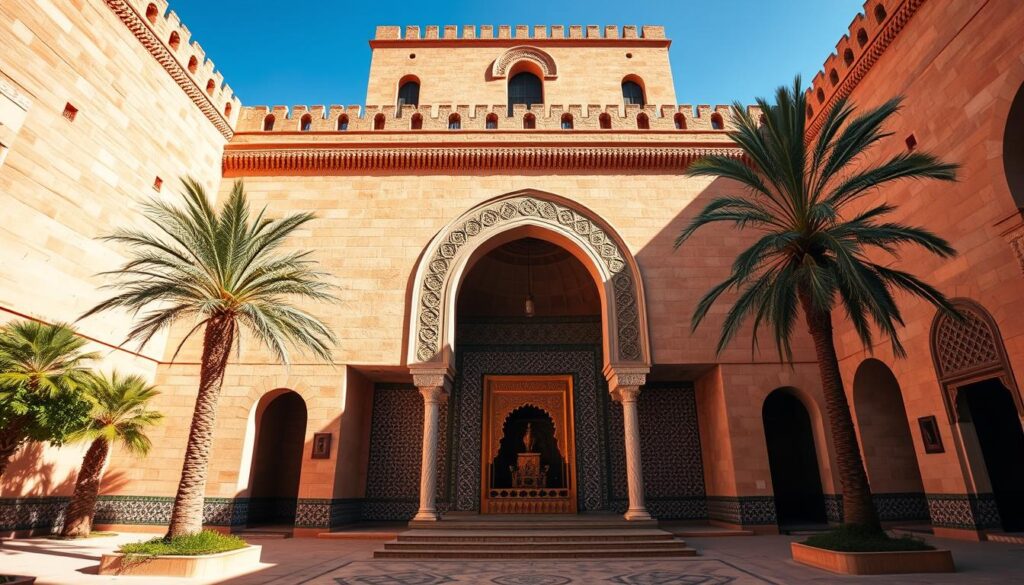
The tombs house Sultan Ahmad al-Mansur and other Saadian dynasty members. The Royal Chambers feature stunning tile work, marble, and wooden ceilings. The mausoleums showcase the Saadians’ architectural talent.
Architectural Details and Decorations
The tombs are famous for their detailed architecture. You’ll see zellij tile work, cedar carvings, and stucco. The light and shadow create a calm atmosphere, offering a peaceful escape in the city.
| Visitor Information | Details |
|---|---|
| Visiting Hours | 8:00 AM – 5:00 PM |
| Admission Fee | 70 MAD (approximately $8 USD) |
| Guided Tours | Available in multiple languages |
Visiting Hours and Admission Information
Plan your visit by checking the hours and admission details. For more on Morocco’s historical sites, see this guide on UNESCO sites in Morocco.
The Medina: Exploring Marrakech’s Ancient Walled City
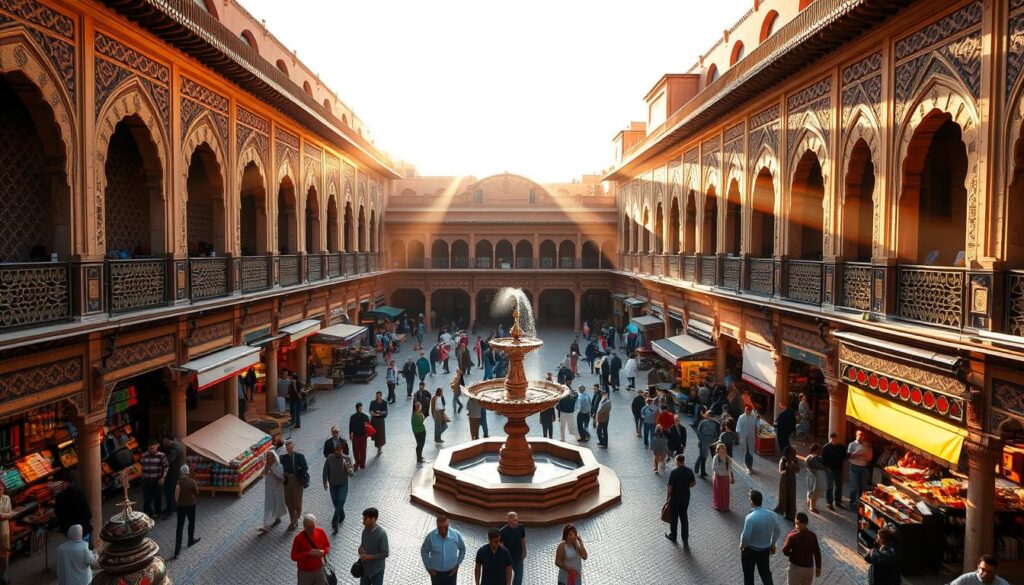
Marrakech’s Medina is a world where old and new meet. It’s a place full of history, markets, and culture. Walking through its alleys, you’ll find landmarks, markets, and a rich heritage. The Medina is Marrakech’s heart, full of life and energy.
Navigating the Labyrinthine Streets
Exploring the Medina’s streets is both a challenge and a joy. The alleys are filled with souks, monuments, and places to eat. For a better experience, consider a local guide to find hidden spots and avoid getting lost.
Historical Significance and UNESCO Status
The Medina of Marrakech is a UNESCO World Heritage Site. It shows Marrakech’s rich history through its architecture and traditions. The city’s past is seen in its Islamic, Arab, and Berber influences.
Must-See Spots Within the Medina
Don’t miss Jemaa el-Fnaa square, the Ben Youssef Madrasa, and the souks. These places offer everything from crafts to spices. Also, explore the serene courtyards and riads to see Marrakech’s architectural beauty.
Local Life and Cultural Experiences
Visiting the Medina lets you experience local life and culture. You can meet artisans, see crafts being made, and try local food. This experience will give you a deep understanding of Marrakech and create lasting memories.
| Must-See Spots | Description | Tips |
|---|---|---|
| Jemaa el-Fnaa | Vibrant square known for street performers and food stalls | Visit at night for a more vibrant atmosphere |
| Ben Youssef Madrasa | Historic Islamic college with intricate architecture | Hire a guide to learn about its history and significance |
| Souks | Bustling markets selling traditional crafts and local goods | Be prepared to haggle, and don’t be afraid to walk away |
Ben Youssef Madrasa: An Architectural Marvel
In the heart of Marrakech, the Ben Youssef Madrasa stands as a symbol of the city’s rich culture and stunning architecture. It’s a must-visit place in Marrakech that draws visitors from all over the world.
The History of Morocco’s Largest Islamic College
The Ben Youssef Madrasa is Morocco’s largest Islamic college, with a history spanning centuries. It was a key place for Islamic studies, attracting students from all over.
Intricate Decorations and Islamic Design
The madrasa is famous for its stunning tile work, called zellij, and its beautifully carved wood ceilings. These features are the epitome of Islamic design and craftsmanship.
Student Cells and Courtyard
Visitors can see the student cells and the peaceful courtyard. These areas give a glimpse into the lives of the students who studied here. The courtyard is a stunning example of Islamic architecture, with its geometric patterns and calm atmosphere.
Visitor Information and Photography Tips
When you visit the Ben Youssef Madrasa, remember to dress modestly and respect the site’s cultural importance. For those who love photography, the best time is in the morning or late afternoon. This is when the decorations shine the most.
| Visitor Information | Details |
|---|---|
| Opening Hours | 9:00 AM – 6:00 PM |
| Ticket Price | $10 per person |
| Best Time to Visit | Morning or Late Afternoon |
Seeing the Ben Youssef Madrasa is a top thing to do in Marrakech. It offers a unique look into the city’s history and culture.
What to See in Marrakech’s Souks: A Shopping Adventure
Marrakech’s souks are filled with traditional crafts and modern souvenirs. As you explore, you’ll see a world of colors, textures, and smells. It’s a journey that mixes culture, history, and fun, making it key to your Marrakech travel guide.
Different Types of Souks and Their Specialties
Marrakech’s souks are more than one market. They’re a mix of markets, each with its own special items. You can find souks for spices, textiles, jewelry, and more. For example, Souk Semmarine is great for olive oil and traditional medicines. Souk Attarine is known for its spices and perfumes.

Haggling Tips and Shopping Etiquette
Haggling is a skill in Marrakech’s souks. Knowing how to haggle can make your shopping better. First, research prices for what you want. Then, be ready to negotiate. Always be polite and respectful, as rude haggling can upset sellers. A smile and friendly attitude can help you get a good deal.
Best Souvenirs to Buy
Marrakech’s souks have many unique souvenirs. You can find handmade jewelry, textiles, and spices. Consider getting a Berber carpet or wooden furniture as a special keepsake.
Navigating Without Getting Lost
Finding your way in Marrakech’s souks can be tricky. Get a map and learn the layout. Don’t hesitate to ask for directions. Hiring a local guide can also help. Keep an eye on your things and stay aware of your surroundings.
| Souk | Specialty | Tips |
|---|---|---|
| Souk Semmarine | Olive oil and traditional medicines | Be prepared to haggle for the best prices |
| Souk Attarine | Aromatic spices and perfumes | Explore the surrounding alleys for unique finds |
| Souk Haddadine | Handmade ironwork and metal crafts | Look for intricate designs and patterns |
El Badi Palace: The Ruins of a Once-Magnificent Palace
The ruins of El Badi Palace tell stories of the past. They invite you to explore their secrets. Once the crown jewel of Moroccan architecture, El Badi Palace, or ‘The Incomparable,’ now shows the history of Marrakech.
The History of “The Incomparable”
Sultan Ahmad al-Mansur built El Badi Palace in the late 16th century. It was a symbol of the Saadi dynasty’s power and wealth. The palace took seven years to finish and was known for its beauty.
The use of Italian marble, precious woods, and intricate zellij tile work showed the sultan’s dream to create something unique.
Exploring the Ruins and Underground Chambers
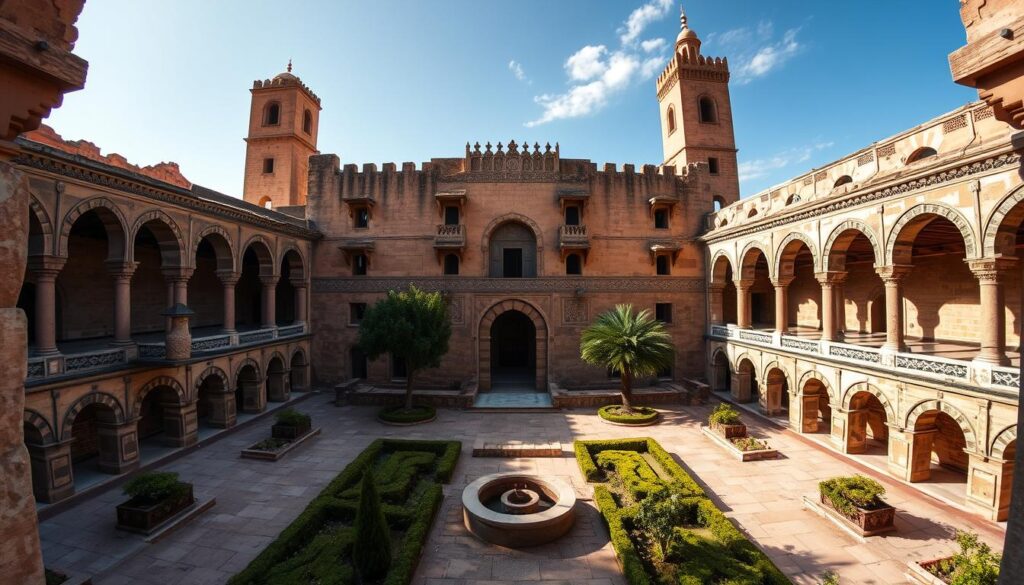
Exploring the ruins, you’ll see what once was a grand place for parties and meetings. The underground chambers show the palace’s engineering. Visitors can imagine the grandeur of the Saadi era as they walk the grounds.
The Museum and Artifacts
The museum inside El Badi Palace has artifacts that tell its story. From intricately designed wooden panels to ornate ceramics, the exhibits show Moroccan craftsmanship. The museum helps understand the palace’s history and significance.
Practical Information and Best Views
Wear comfortable shoes when visiting El Badi Palace. The best views are from the upper levels of the ramparts. Check the opening hours and ticket prices before you go.
| Practical Information | Details |
|---|---|
| Opening Hours | 9:00 AM – 5:00 PM |
| Ticket Price | $10 per person |
| Best Time to Visit | Early morning or late afternoon |
Menara Gardens: Scenic Beauty and Tranquility
Menara Gardens is a peaceful escape from Marrakech’s busy streets. It’s a beautiful oasis on the city’s edge. It’s perfect for those who want to see nature and history together.
The Pavilion and Reflecting Pool
The gardens feature a beautiful pavilion and reflecting pool. It’s a great place for relaxation and taking photos. The pavilion’s design adds to the garden’s charm, making it a perfect spot to relax.
Olive Groves and Orchards
Walking through Menara Gardens, you’ll see olive groves and orchards. They make the place even more beautiful and peaceful. It makes your visit even more enjoyable.
Historical Significance
Menara Gardens has a rich history, dating back to the 12th century. It was once an agricultural estate. Now, it’s a favorite spot for tourists, showing off Marrakech’s history.
Best Times to Visit and Photography Tips
Visit early morning or late afternoon to beat the heat. These times also give you the best light for photos. You can capture the gardens and pavilion’s beauty perfectly.
| Best Time to Visit | Photography Tips |
|---|---|
| Early morning | Use natural light to capture the pavilion and reflecting pool |
| Late afternoon | Focus on the olive groves and orchards during golden hour |
Menara Gardens is a great place to find peace and beauty in Marrakech. It’s perfect for relaxing, taking photos, or learning about history. It’s a must-see spot.
Day Trips from Marrakech
Day trips from Marrakech let you see Morocco’s varied landscapes and cultures. You can go hiking, visit historic sites, or just enjoy a new view. There’s a perfect day trip for everyone.
Atlas Mountains and Berber Villages
Visiting the Atlas Mountains and Berber villages is a top choice. You can hike, see traditional villages, and take in the beautiful views. For a guided tour, check out Atlas Mountains for a deep dive.
Essaouira: The Coastal Escape
Essaouira is a lovely coastal town for a day trip. It has a laid-back vibe, historic ramparts, and fresh seafood. The town is also famous for its arts and souks.
Ouzoud Waterfalls
Nature fans should see the Ouzoud Waterfalls. In the Atlas Mountains, they’re surrounded by olive trees and offer breathtaking views. You can hike, take a boat ride, or just relax.
Transportation Options and Tour Recommendations
Think about how you’ll get there for your day trip. You can drive, hire a driver, or take a guided tour. Tours often include transport, food, and activities, making them a hassle-free choice.
Practical Tips for Visiting Marrakech Attractions
Getting ready to explore Marrakech? Knowing the practical sides of your trip can make it even better. Marrakech mixes old Moroccan culture with new life, making it a great place to visit.
Transportation Options Around the City
Traveling in Marrakech is an adventure. You can take taxis, buses, or join guided tours. For a real feel, try local taxis or walk in the Medina. Guided tours are good for learning about the city’s history and culture. For more tips, check out Moroccan Journeys.
Cultural Etiquette and Dress Code
It’s important to respect local customs in Marrakech. Wear modest clothes, covering your shoulders and knees, especially in mosques or rural spots. Following these rules shows respect and improves your interactions with locals.
Safety Tips for Tourists
Marrakech is safe for visitors, but stay careful. Watch your stuff in busy places like Jemaa el-Fnaa. Don’t carry too much cash and use safe taxis or apps.
Money, Tipping, and Bargaining
The local money is the Moroccan Dirham, but Euros and USD are accepted in tourist spots. Tipping is common, so think about giving to your guides, drivers, and restaurant staff. Bargaining is a big part of shopping in souks. Start low and work up to a fair price.
| Service | Typical Tip |
|---|---|
| Restaurant Staff | 5-10 Dirhams |
| Tour Guides | 50-100 Dirhams |
| Taxi Drivers | 5-10 Dirhams |
Conclusion: Making the Most of Your Marrakech Experience
Exploring Marrakech reveals a city where old meets new. It’s a place with a rich history, lively culture, and stunning architecture. You’ll find something for everyone, from the lively Jemaa el-Fnaa to the peaceful Majorelle Garden.
For the best visit, go from March to mid-May or late September to mid-November. This way, you can explore the souks, see historic sites, and relax in gardens without the crowds. Marrakech is a city that will amaze and inspire you, no matter your interests.



 Covers cities, coast, mountains, desert & food