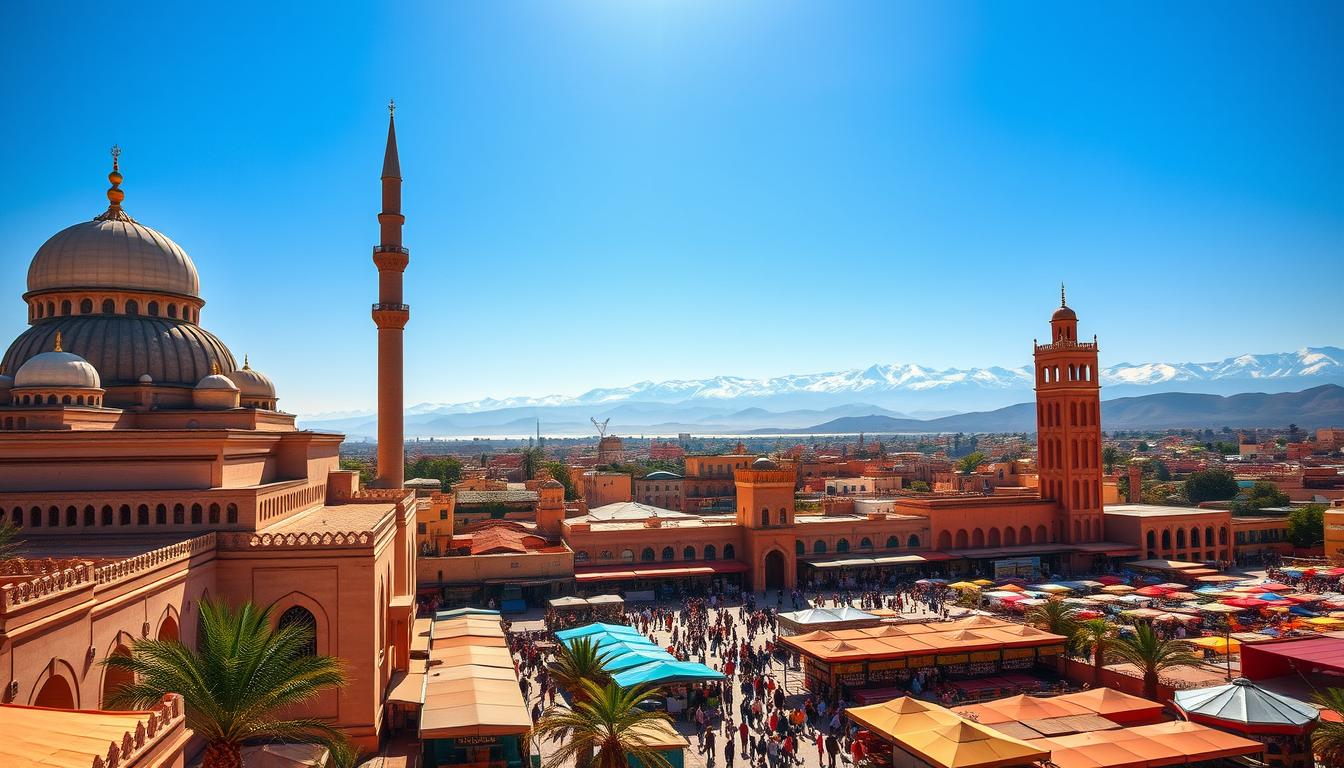
Exploring Morocco reveals a rich mix of cultures, landscapes, and experiences. Its unique blend of Arab, Berber, and Mediterranean influences makes it stand out. This blend gives Morocco a distinct cultural identity.
The bustling souks and vibrant markets are just the start. Morocco also boasts the stunning natural beauty of the Atlas Mountains. You can explore ancient imperial cities like Marrakesh, Fez, and Rabat. Each city has its own unique history and architecture.
For more interesting facts about Morocco, check out this article on facts about Morocco.
Key Takeaways
- Morocco’s diverse cultural heritage, shaped by Arab, Berber, and Mediterranean influences.
- The country’s stunning natural beauty, including the Atlas Mountains and Atlantic coastline.
- The vibrant souks and markets, offering a unique shopping experience.
- The ancient imperial cities, each with its own rich history and architecture.
- The delicious and diverse Moroccan cuisine, featuring dishes like couscous and tagine.
The Enchanting Kingdom of Morocco
Morocco sits at the crossroads of Africa, Europe, and the Arab world. This makes it a unique blend of cultures and influences. Its history is shaped by these traditions, architecture, and cuisine.
A Brief History of Morocco
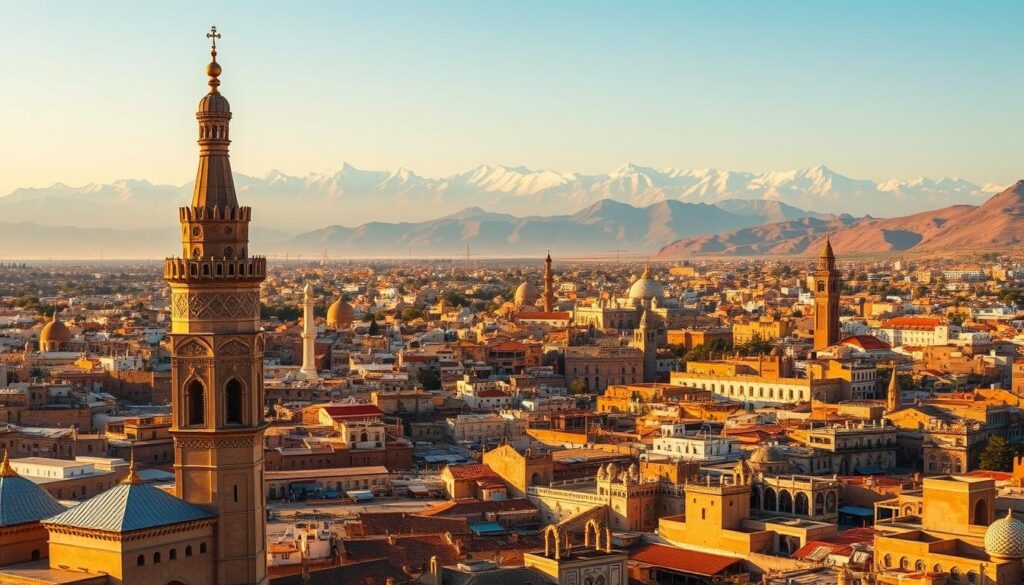
Morocco’s history is rich and diverse. It has been influenced by the Berbers, Arabs, and Europeans. Its strategic location made it a prize for many dynasties and empires.
From ancient Roman ruins to Marrakech’s souks, Morocco’s sites show its complex past. Islamic culture is seen in its architecture, art, and literature.
“Morocco is a land where the past and present coexist in harmony,” as reflected in its historical landmarks and cultural practices.
Morocco’s Global Significance Today
Today, Morocco is important on the global stage. Its tourism is booming, with visitors enjoying morocco tourism highlights like Jemaa el-Fnaa square and the Sahara Desert. Morocco balances preserving its heritage with modernity, attracting unique experiences for travelers.
As a trade and diplomacy hub, Morocco’s global role goes beyond tourism. Its partnerships with countries worldwide highlight its global importance.
What Is Morocco Known For? A Land of Contrasts
Exploring Morocco reveals a land full of contrasts. You’ll see majestic mountains and vast deserts. This mix makes Morocco truly unique and captivating.
Geographic Diversity from Mountains to Desert
Morocco’s landscapes vary greatly. You’ll find the Atlas Mountains and the Sahara Desert. The Atlas Mountains offer stunning views and great hiking spots. On the other hand, the Sahara Desert is perfect for camel rides and desert camps.
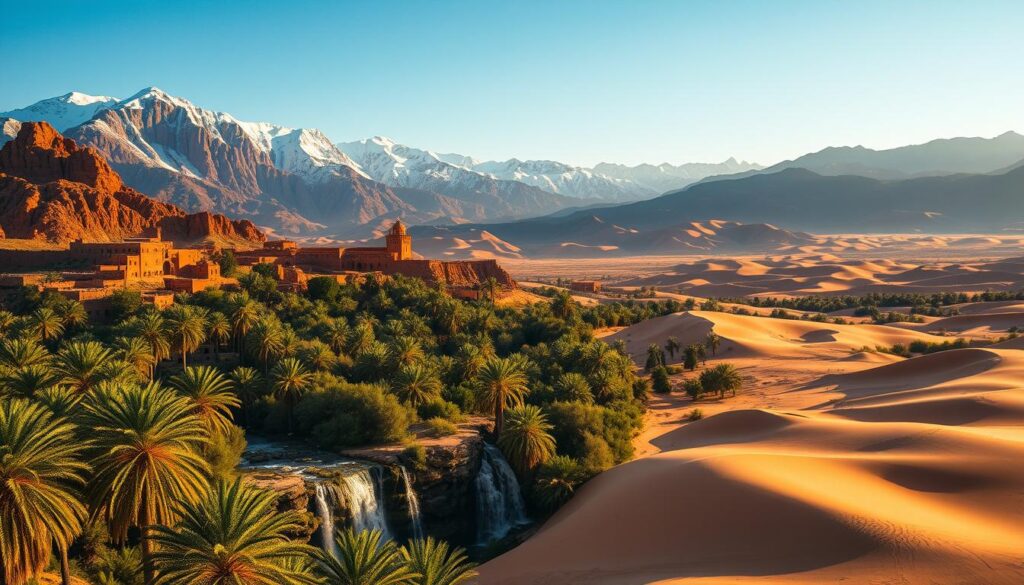
The different landscapes support a wide range of plants and animals. This makes Morocco a paradise for nature enthusiasts and those who love exploring diverse ecosystems.
| Geographic Feature | Description |
|---|---|
| Atlas Mountains | Mountain range with opportunities for hiking and trekking |
| Sahara Desert | Vast desert landscape ideal for camel treks and desert camps |
Cultural Melting Pot of Arab, Berber, and European Influences
Morocco’s culture is a mix of Arab, Berber, and European influences. This blend is seen in its architecture, food, and traditions.
The country’s rich culture is alive in its cities. Here, you can see the mix of cultures up close. From the lively souks to the peaceful riads, Morocco’s cultural diversity is worth exploring.
- Arabic and Berber traditions
- European colonial influences
- Rich cultural heritage
1. The Mesmerizing Sahara Desert
The Sahara Desert is a top attraction in Morocco, drawing adventurers from everywhere. It offers a stunning landscape and a variety of experiences.
Camel Treks and Desert Camps
Take a camel trek across the dunes for a unique Sahara adventure. Ride a camel through golden sands as the sun sets. Desert camps provide a peaceful place to experience the desert’s calm.
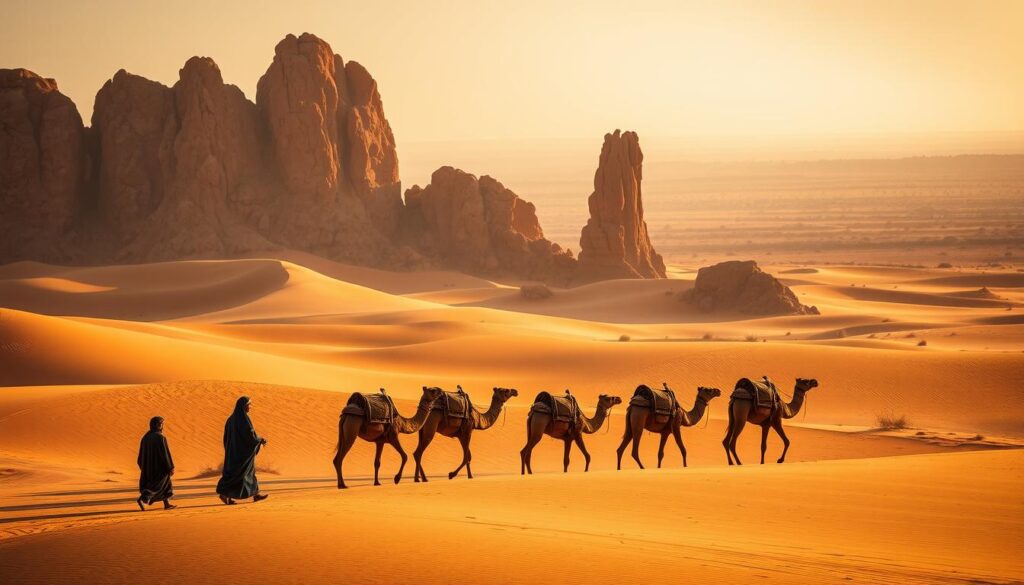
See the Erg Chebbi and Erg Chigaga dunes, towering sand formations. Erg Chebbi, near Merzouga, is a favorite for those wanting to see the Sahara’s grandeur.
Overnight Experiences Under the Stars
Stay overnight in a desert camp for a star-filled night. Enjoy Berber music and food. The desert’s quiet, with the occasional shooting star, is unforgettable.
Desert Towns and Oases
Visit the Sahara’s towns and oases for a look at desert life. These places show traditional desert living and local hospitality.
Merzouga and Zagora
Merzouga and Zagora are key desert towns. Merzouga is close to Erg Chebbi, while Zagora is more relaxed, with ancient kasbahs and palm groves.
Palm Groves and Traditional Life
Walk through palm groves where locals grow dates. See how desert people live, with their rich culture and history.
| Desert Experience | Location | Highlights |
|---|---|---|
| Camel Trek | Erg Chebbi | Sunset ride, desert views |
| Desert Camp | Merzouga | Traditional cuisine, Berber music |
| Oasis Visit | Zagora | Palm groves, traditional life |
2. Ancient Medinas and Vibrant Souks
Exploring Morocco, you’ll find ancient medinas and lively souks. These places are more than just sites to see. They offer a deep dive into Moroccan culture and traditions.
Fez Medina: The World’s Largest Car-Free Urban Area
Fez Medina is a UNESCO World Heritage site. It’s a maze of narrow alleys and busy squares. Here, you’ll smell Moroccan handicrafts and hear haggling everywhere. Every turn reveals a new treasure.
The Tanneries of Fez
The tanneries in Fez have been around for centuries. They still use medieval methods to make leather. Visitors can see this process and buy top-quality leather goods, a true Moroccan handicraft.
Navigating the 9,000 Alleyways
Exploring the medina’s 9,000 alleys is an adventure. With a guide or map, you’ll find hidden spots and landmarks. For more on Morocco’s history, check out Souk and Co.
Marrakech’s Jemaa el-Fnaa Square
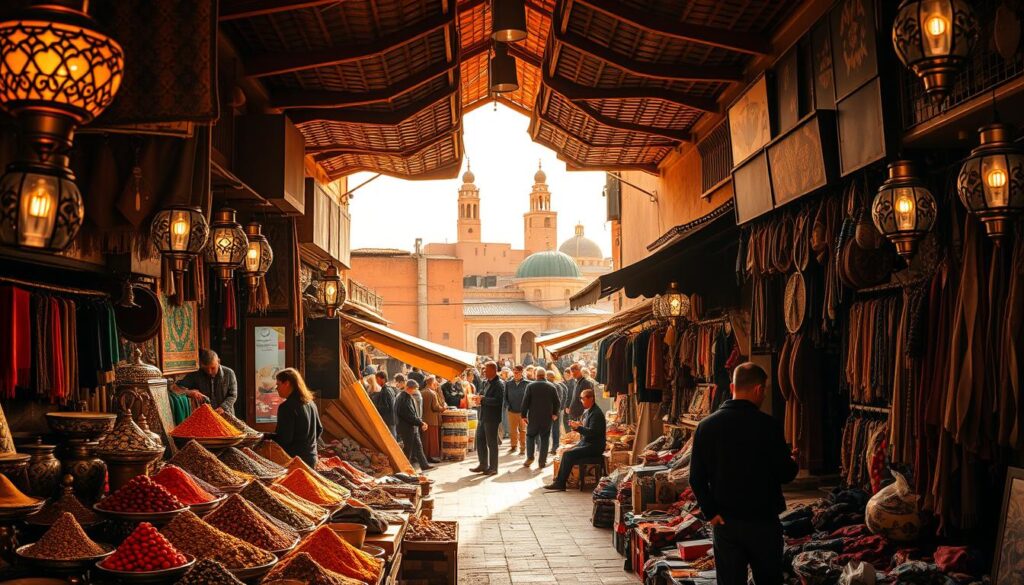
Marrakech’s Jemaa el-Fnaa Square is a must-see. By day, it’s a market with fresh juice and crafts. At night, it’s a show with snake charmers, storytellers, and musicians.
Daytime Markets and Nighttime Entertainment
By day, Jemaa el-Fnaa is a shopper’s dream. Stalls sell spices and textiles. At night, it’s a magical place with performers and entertainers.
Snake Charmers and Storytellers
Snake charmers and storytellers are highlights at Jemaa el-Fnaa. They’ve been entertaining for generations. It’s a place for those interested in morocco historical sites and culture.
3. Moroccan Cuisine: A Feast for the Senses
Moroccan food is a feast for your senses. It combines aromatic spices, fresh ingredients, and traditional cooking methods. Exploring Moroccan cuisine, you’ll find a rich culture deeply rooted in history and traditions.
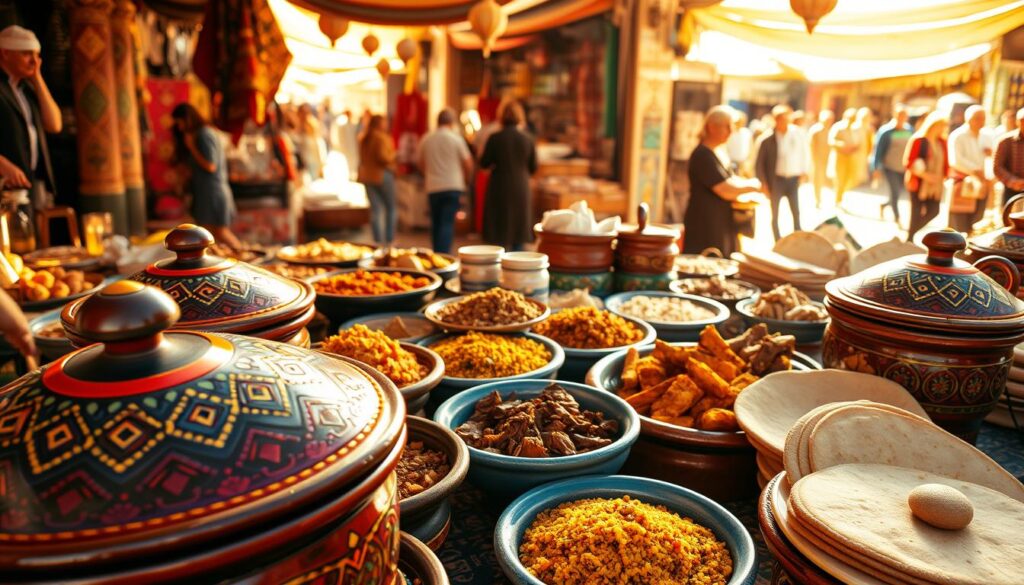
Moroccan dishes are known for their bold flavors and aromas. They often mix sweet and savory tastes in one dish. The Tagine is a famous Moroccan dish, named after the earthenware pot it’s cooked in.
Tagine: Morocco’s Signature Dish
The Tagine is a slow-cooked stew with meat, vegetables, and dried fruits. It’s flavored with spices like cumin, coriander, and cinnamon. Learn more about Tagine and other Moroccan recipes on Moroccan cooking websites.
Mint Tea: The Ceremony of Hospitality
Mint Tea is a key part of Moroccan hospitality. It’s made with green tea, fresh mint, and sugar. It’s served all day as a welcome to guests.
Couscous, Pastilla, and Other Culinary Delights
Other dishes like Couscous and Pastilla are also popular. Couscous is a semolina flour pasta with vegetables and meat. Pastilla is a savory pie with layers of pastry, meat, and spices. For more on Pastilla, check out Moroccan culinary sites.
| Dish | Description | Main Ingredients |
|---|---|---|
| Tagine | Slow-cooked stew | Meat, vegetables, dried fruits, spices |
| Mint Tea | Refreshing drink | Green tea, fresh mint, sugar |
| Couscous | Hearty semolina pasta | Semolina flour, vegetables, meat |
| Pastilla | Savory pie | Flaky pastry, meat, spices |
4. Stunning Islamic Architecture
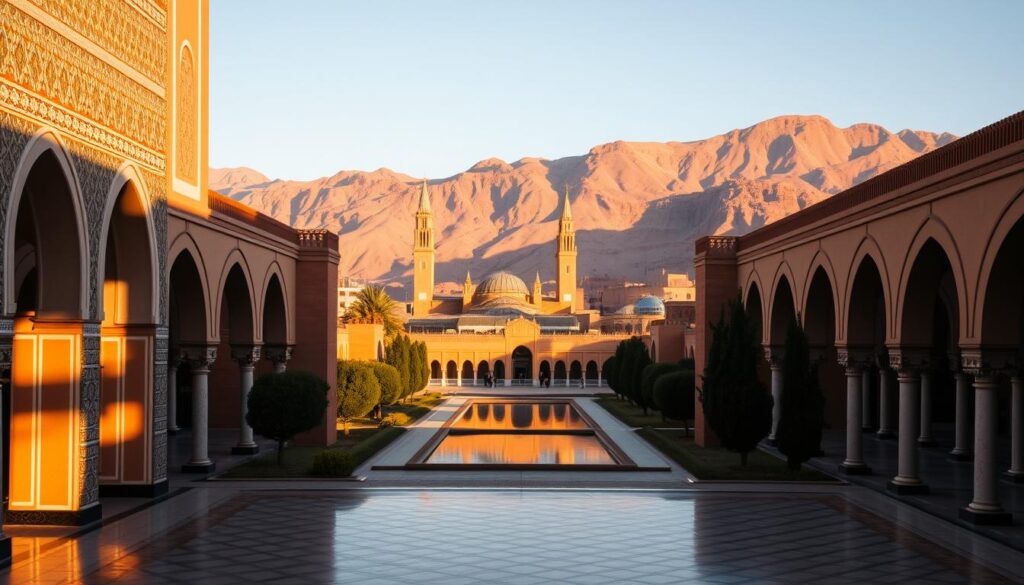
Exploring Morocco reveals stunning Islamic architecture. This architecture shows the country’s rich cultural heritage. You’ll see intricate patterns, calligraphy, and ornate decoration in mosques, riads, and public buildings.
Hassan II Mosque in Casablanca
The Hassan II Mosque in Casablanca is a key landmark. It’s a modern Islamic architecture masterpiece. The mosque has a 210-meter minaret, one of the tallest in the world.
Its design blends traditional Moroccan elements with modern materials. This creates a breathtaking structure.
The Blue City of Chefchaouen
Chefchaouen, known as the Blue City, is a charming town in the Rif Mountains. Its buildings, painted in various shades of blue, make a unique landscape. Chefchaouen’s atmosphere and blue buildings show Islamic design’s influence.
Ornate Riads and Traditional Homes
Moroccan riads are examples of traditional Islamic domestic architecture. These homes, found in old medinas like Marrakech and Fez, have beautifully tiled floors and carved wooden ceilings. They also have decorative fountains, showing Moroccan craftsmanship.
5. Rich Berber Heritage
Exploring Morocco, you’ll find the Berber traditions have a big impact. The Berber community, also known as the Amazigh, has a long history. They’ve greatly shaped Morocco’s identity.
Berber Villages in the Atlas Mountains
The Atlas Mountains have many Berber villages. Here, old ways of life and customs are still kept alive. Visitors can really get to know Berber culture by visiting these places.
Traditional Lifestyles and Customs
The Berbers keep their own language, clothes, and crafts alive. You can see their traditional life by joining a homestay.
Homestay Experiences
Homestays let you live with Berber families. You’ll share meals and join in daily tasks. It’s a great way to learn about Berber customs.
Traditional Music and Festivals
Berber culture is full of music and festivals. These are key parts of their identity. The Gnaoua Music Festival in Essaouira is a big deal, celebrating the Gnaoua people’s heritage.
Gnaoua Music in Essaouira
Gnaoua music mixes African, Arab, and Berber sounds. It’s known for its rhythms and spiritual meaning. The Gnaoua Music Festival draws people from everywhere.
Moussem Celebrations
Moussem festivals honor local saints or big events. They feature music, dance, and food. These festivals show the Berber community’s rich heritage.
To learn more about Morocco’s culture, check out the Wikipedia page on Morocco. It has a lot of info on the country’s history and culture.
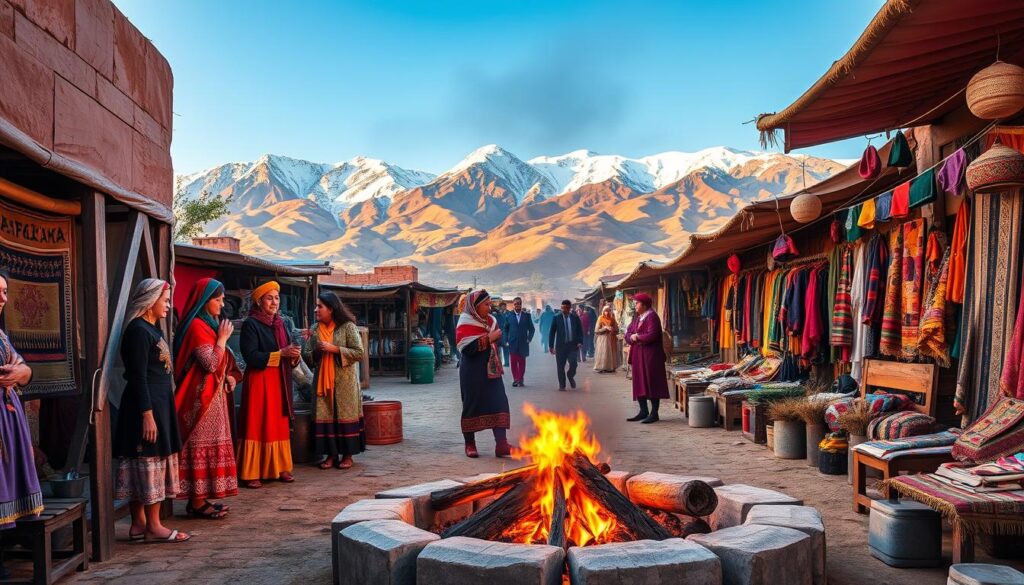
6. Exquisite Moroccan Handicrafts
Moroccan handicrafts show the country’s love for art. They range from colorful textiles to detailed metalwork. Each piece is a mix of old traditions and new ideas.
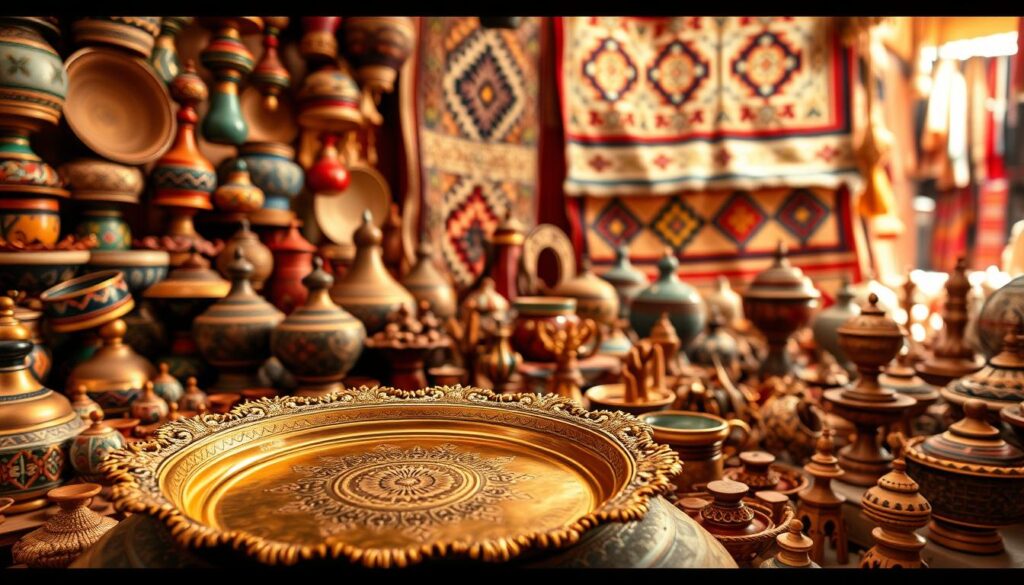
Moroccan handicrafts are known for their beauty and skill. They show the country’s many cultural influences.
Carpets and Textiles
Moroccan carpets and textiles are loved for their bright colors and patterns. They are made by hand, using skills passed down for years. You can find everything from Berber rugs to fine embroidery, each telling a story of Morocco’s culture.
Pottery and Ceramics from Fez and Safi
Fez and Safi are famous for their pottery and ceramics. They are known for their bright glazes and detailed designs. In the markets and workshops, artisans create these pieces, using old techniques. Moroccan pottery is both useful and beautiful, making it a favorite among tourists.
Leather Goods and Metalwork
Morocco is known for its leather goods, like fancy handbags and leather accessories. The metalwork is also famous for its detailed designs and skill. These handicrafts are unique souvenirs that show the talent of Moroccan artisans.
Exploring Moroccan handicrafts opens a world of beauty and skill. It shows the country’s rich cultural heritage.
7. The Majestic Atlas Mountains
Morocco’s Atlas Mountains are filled with hiking trails, scenic villages, and stunning views. They are a key part of Morocco’s must-see spots. The Atlas Mountains mix natural beauty with cultural heritage.
Hiking and Outdoor Adventures
The Atlas Mountains are perfect for hikers and outdoor lovers. There are many trails for all skill levels. You can see everything from lush valleys to rugged peaks.
Popular Trekking Routes
Some top trekking paths are the Toubkal Circuit and the Aït Bougmez Valley trek. These paths show off amazing views of mountains and villages.
Seasonal Activities
The Atlas Mountains have activities all year. You can go snowshoeing in winter or wildflower trekking in spring. Each season gives a new view of the mountains.
Toubkal: North Africa’s Highest Peak
Toubkal, at 4,167 meters, is the highest peak in the Atlas Mountains and North Africa. Climbing Toubkal is a great adventure with amazing views from the top.
Climbing Challenges and Rewards
Reaching Toubkal’s summit is tough but worth it. On a clear day, you can see the Sahara Desert and the Atlantic Ocean.
Local Mountain Guides
For a safe and enriching trip, think about getting a local mountain guide. They share important insights about the area’s culture and history.
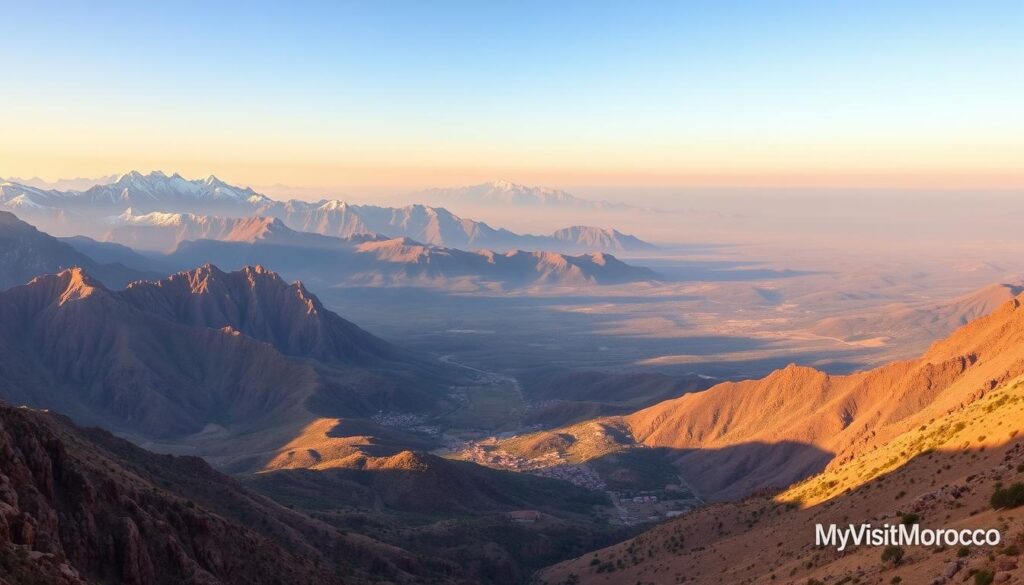
The Atlas Mountains show off Morocco’s natural and cultural wonders. They are a top attraction in the country.
8. Coastal Charms: Morocco’s Atlantic and Mediterranean Shores
Morocco’s coast is truly enchanting, with places like Essaouira and Tangier blending history, culture, and nature. These areas are not just pretty views. They are full of exciting experiences waiting for you.
Essaouira: The Windy City and Surfing Paradise
Essaouira is a top spot for surfers and windsurfers, thanks to its strong winds. The city’s calm vibe, rich history, and culture make it a key place to visit. You can try local food, see the old walls, or just enjoy the easy-going feel of this coastal gem.
Tangier and the Mediterranean Coast
Tangier sits on the Mediterranean and is a mix of old and new. You can see the Kasbah, wander the Medina, or check out the lively nightlife. Don’t miss Cape Spartel for breathtaking views of the Gibraltar Strait. It shows off Morocco’s natural beauty and strategic role.
| City | Main Attractions | Activities |
|---|---|---|
| Essaouira | Ramparts, Medina, Beaches | Surfing, Windsurfing, Relaxation |
| Tangier | Kasbah, Medina, Cape Spartel | Sightseeing, Hiking, Nightlife |
Essaouira and Tangier are among Morocco’s top tourism highlights. They offer special experiences that show off the country’s varied coastal beauty. Whether you love history, culture, or adventure, these spots will make a big impact on you.
9. Moroccan Hammams and Spa Traditions
The traditional Moroccan hammam is a big part of the country’s culture. It shows the warmth and hospitality of Moroccan culture and traditions. Hammams are more than just places for cleaning; they are where people come to relax, chat, and feel refreshed.
The Ritual of the Hammam
The hammam journey starts with a warm welcome and a gentle scrub with black soap, called “beldi.” Then, you get a thorough rinse and a massage with argan oil. This makes your skin soft and nourished.
Traditional Cleansing Process
The traditional cleaning in a Moroccan hammam involves several steps. It begins with a warm-up in a steam room. Then, black soap is applied, followed by a gentle exfoliation with a “kessa” glove.
Public vs. Private Hammams
Morocco has both public and private hammams. Public ones are lively social spots. Private hammams offer a quieter, more personal experience.
Argan Oil and Beauty Secrets
Argan oil, called “liquid gold,” is key in Moroccan beauty routines. It’s full of antioxidants and essential fatty acids. These make the skin and hair soft and healthy.
The “Liquid Gold” of Morocco
Argan oil comes from argan tree kernels, found only in Morocco. It’s famous for its moisturizing effects. It’s used in many beauty products, like creams and hair masks.
Women’s Cooperatives and Sustainable Production
Argan oil production is important for the local economy. Women’s cooperatives are key in making argan oil. They help women and keep traditional practices alive.
Exploring Moroccan hammams and spa traditions reveals a rich cultural heritage. It combines old practices with natural ingredients. This offers a unique and refreshing experience.
10. Imperial Cities and Historical Sites
Exploring Morocco reveals a wealth of historical sites. These sites show the country’s rich past. Morocco’s imperial cities are filled with history, architecture, and culture.
Rabat: The Modern Capital with Ancient Roots
Rabat, Morocco’s capital, mixes modern and ancient. Its historic sites, like the Kasbah of the Udayas and Hassan Tower, highlight its past. Walking through the Kasbah’s streets, you’ll see the Atlantic Ocean.
Meknes: The Moroccan Versailles
Meknes was Morocco’s capital under Sultan Moulay Ismail. It’s known for its grand architecture and history. The city’s landmarks, like the Bab Mansour gate and Moulay Ismail’s Mausoleum, show its imperial past. Visiting Meknes feels like stepping back in time.
Volubilis: Roman Ruins in North Africa
Volubilis is near Meknes and famous for its Roman ruins. This ancient city was a key Roman center. Its ruins offer a peek into Morocco’s ancient history. You can see mosaics, temples, and arches.
| City | Historical Significance | Must-See Attractions |
|---|---|---|
| Rabat | Blend of modern and ancient history | Kasbah of the Udayas, Hassan Tower |
| Meknes | Grandiose architecture, imperial heritage | Bab Mansour gate, Mausoleum of Moulay Ismail |
| Volubilis | Roman ruins, ancient history | Mosaics, temples, triumphal arches |
Modern Morocco: Tradition Meets Contemporary Life
Exploring Morocco reveals a fascinating mix of old and new. This blend is seen in the country’s cities, buildings, and arts. It’s a unique sight to see.
Urban Development and Infrastructure
Morocco has invested a lot in its cities. Places like Rabat, Casablanca, and Marrakech now feel like modern cities with a touch of history. You can see this mix in:
- Modern transportation systems, including high-speed trains and efficient public transport
- State-of-the-art infrastructure, such as the Casablanca Finance City
- Preservation of historic medinas and traditional architecture
Arts, Fashion, and Entertainment Scene
Morocco’s arts scene is booming, with both old and new styles. You can check out:
- Vibrant art galleries showcasing local and international artists
- Fashion shows featuring Moroccan designers who blend traditional textiles with modern styles
- Music festivals that celebrate both traditional Berber music and modern genres
A local artist once said, “Morocco’s cultural heritage is a rich tapestry that inspires our creativity and informs our artistic expression.” This mix of tradition and innovation makes Morocco’s arts scene truly unique.
Morocco is a captivating place for visitors. Whether you’re wandering Marrakech’s busy streets or enjoying Casablanca’s modern comforts, you’ll find a country that values its past and looks forward to the future.
Moroccan Hospitality and Social Customs
In Morocco, being hospitable is more than a custom; it’s a way of life. It shows the nation’s history, religion, and values. When you visit, knowing and respecting local customs will make your experience better and your interactions with Moroccans more meaningful.
Etiquette for Visitors
Moroccans are very proud of their hospitality. They treat visitors with great warmth. To show your appreciation, it’s important to follow local etiquette.
Greetings and Interactions
In Morocco, greetings are important and show respect. When you meet someone, say “As-salamu alaykum” (peace be upon you). Be ready for a long conversation. It’s best to avoid physical contact with the opposite sex in public until they offer a handshake or greeting.
Dining Customs
Dining in Morocco is a big deal. It’s a time to connect with family and friends. When eating with locals, use your right hand because the left hand is seen as unclean. Also, trying a bit of everything shows you appreciate the meal.
Religious Practices and Respect
Morocco is an Islamic country, and religion is a big part of daily life. Visitors can learn a lot by showing respect for religious practices.
Islam in Daily Life
Islam affects many parts of Moroccan life, from daily routines to how people interact. During Ramadan, the holy month of fasting, it’s important to not eat, drink, or smoke in public during the day as a sign of respect.
Visiting Mosques and Sacred Sites
When you visit mosques or sacred places, dress modestly. You might need to take off your shoes. Be respectful of prayer times and don’t interrupt religious ceremonies.
Best Time to Visit Morocco’s Must-See Destinations
Planning your trip to Morocco? Knowing the best times to visit is key. The country’s varied geography means different climates in different places.
Seasonal Highlights and Festivals
Morocco is alive with festivals all year. The Marrakech International Film Festival in December and the Essaouira Gnawa Music Festival in June are must-sees. Spring and autumn are the best times to go, with nice weather and fewer crowds.
Regional Climate Variations
The climate in Morocco changes a lot from coast to mountains to desert. The Atlas Mountains stay cool all year. But the Sahara Desert gets very hot during the day and cold at night. Coastal spots like Essaouira have a milder climate, perfect for summer visits.
Getting Around Morocco: Transportation Tips
Exploring Morocco’s medinas or the Sahara? Knowing your transport options is crucial. Morocco has many ways to travel, fitting all budgets and tastes.
Public Transport Options
Morocco’s public transport is both efficient and affordable. You can use train, bus, or grand taxi. The ONCF train connects big cities like Marrakech, Fez, and Rabat. For shorter trips or rural areas, buses and grand taxis are great.
| Transport Type | Operator | Route Coverage |
|---|---|---|
| Train | ONCF | Major cities like Marrakech, Fez, Rabat |
| Bus | Various local operators | Rural areas and cities |
| Grand Taxi | Private operators | Short distances, rural areas |
For more info on schedules and fares, check Morocco’s travel FAQ section.
Hiring Guides and Drivers
For a unique experience, think about hiring a guide or driver. This is great for exploring off-the-beaten-path areas or learning about cultural sites. Guides can be found through local tour operators or at tourist info centers.
When you hire a guide or driver, make sure to discuss the details. This includes the cost and what services they’ll provide. A local guide can make your trip better by sharing insights into Morocco’s culture and history.
Shopping in Morocco: Treasures and Souvenirs
Morocco is a shopper’s dream, filled with traditional handicrafts and unique souvenirs. As you wander through the souks and markets, you’ll see a world of colors, textures, and patterns. These reflect Morocco’s rich cultural heritage.
Bargaining Tips and Etiquette
Bargaining is key when shopping in Morocco. To do it well, know the local customs. First, find out what the item is worth. Don’t hesitate to leave if the price is too high. Building a good relationship with the vendor can help get a better deal.
Remember, bargaining is about the experience, not just the price.
Authentic Souvenirs and Where to Find Them
For real souvenirs, look for items that show Morocco’s skill, like Moroccan handicrafts. These include detailed carpets, handmade pottery, and fine jewelry. Local markets and souks are great places to find these unique items, often made by local artisans.
Some top spots include Jemaa el-Fnaa in Marrakech and the souks of Fez.
| Item | Typical Price Range | Where to Find |
|---|---|---|
| Handmade Carpets | $50-$500 | Marrakech Souk, Fez Medina |
| Pottery and Ceramics | $10-$100 | Safi, Fez |
| Traditional Jewelry | $20-$200 | Jemaa el-Fnaa, Marrakech |
Conclusion: The Timeless Appeal of Morocco
Exploring Morocco shows its timeless charm that draws visitors globally. The Sahara Desert’s grandeur and Marrakech’s lively souks are just the start. Morocco’s mix of Arab, Berber, and European cultures makes it unique.
So, what makes Morocco special? Its rich culture, stunning buildings, and friendly people are key. Places like ancient medinas, imperial cities, and natural wonders offer many experiences for all.
Whether you love markets, desert views, or mountains, Morocco has it all. Planning your trip will reveal Morocco’s blend of old and new. This creates an experience you’ll never forget.



 Covers cities, coast, mountains, desert & food