
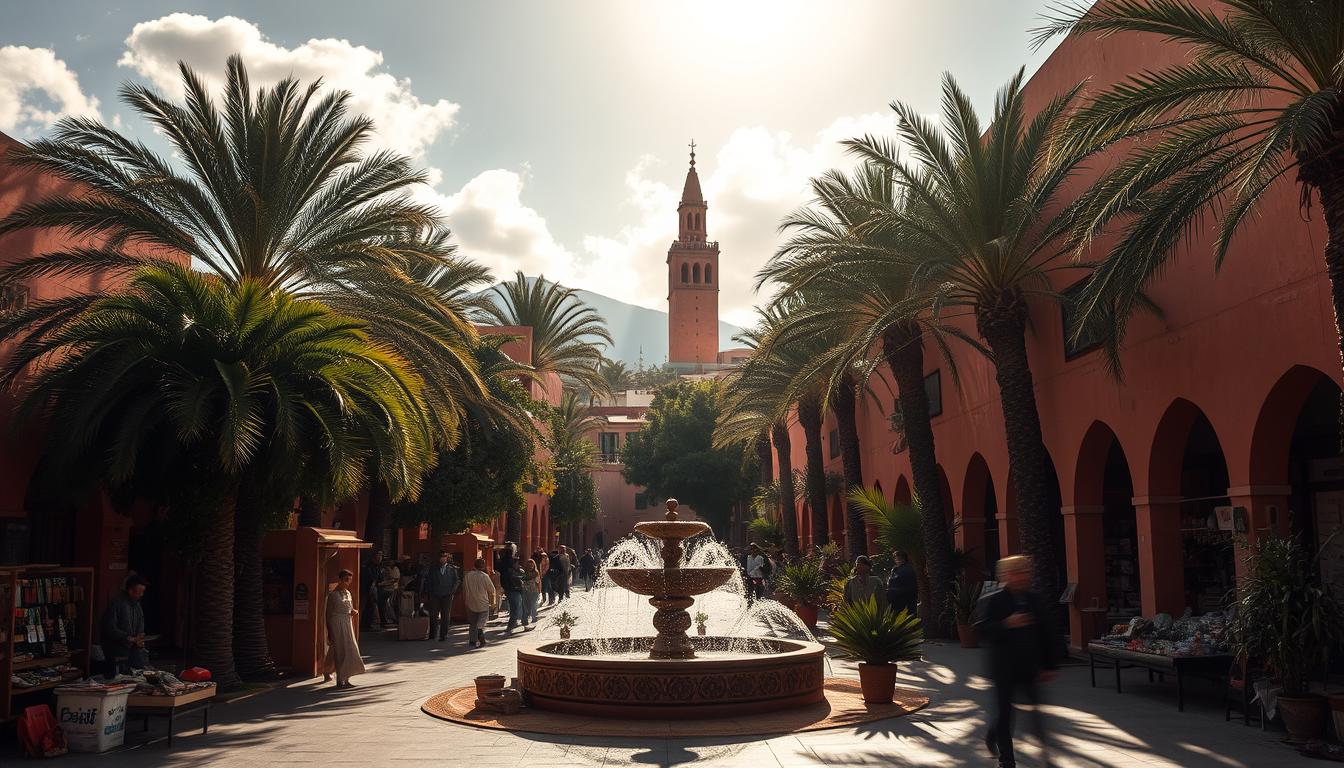
Thinking about visiting Morocco in January? You’re not the only one. Many people ask if winter is a good time to explore this North African country. January is quite cool, but the weather changes a lot depending on where you are.
Even though it’s the chilliest and wettest month, some places can still be quite nice, with highs in the high 60s (Fahrenheit). But, the Atlas mountains can be really cold, and the deserts might be warmer. Make sure to check the weather forecast for where you’re going.
Key Takeaways
- January is the coldest and wettest month in Morocco.
- Temperatures vary across regions, with highs in the 60s (Fahrenheit).
- The Atlas mountains can be quite cold, while desert regions are warmer.
- Southern Morocco is generally milder than the north in January.
- January sees an average of 7-8 days of rainfall.
Morocco’s Winter Climate Overview
Thinking about visiting Morocco in January? It’s key to understand the winter weather. Morocco’s varied landscapes mean different weather in each area. Knowing this will help you get ready for your trip.
General Weather Patterns in January
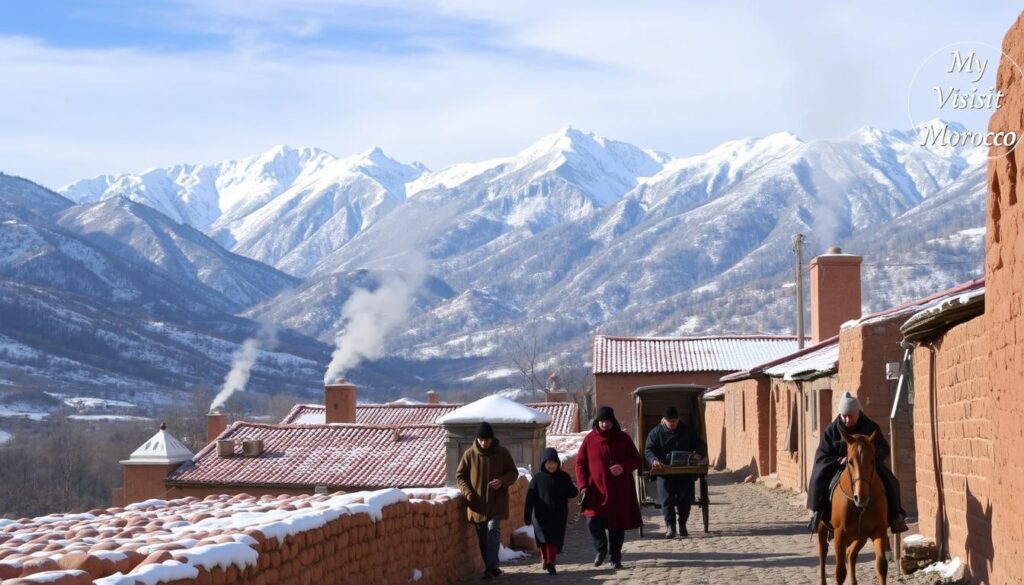
In January, Morocco is in winter. The climate shifts from Mediterranean in the north to desert in the south. Expect average temperatures from 45°F to 65°F (7°C to 18°C) across the country. The January climate in Morocco is cool and wet, especially in the mountains.
How January Compares to Other Winter Months
January is one of Morocco’s coolest months. Yet, it’s still milder than many places in Europe and North America. Compared to December and February, January’s temperatures are quite similar. The Atlas Mountains get even colder, with a chance of snow, perfect for winter sports.
Temperature Variations Across Morocco in January
January temperatures in Morocco change a lot depending on where you are. The country’s varied landscapes, from coastlines to mountains and deserts, lead to big temperature differences in winter.
Daytime Average Temperatures
Daytime temperatures in January are quite nice in many places. Coastal areas like Casablanca and Rabat see temperatures around 17°C to 18°C (63°F to 64°F). Marrakech, being inland, has warmer days, averaging 18°C to 22°C (64°F to 72°F). But, the Atlas Mountains are cooler, with temperatures from 10°C to 15°C (50°F to 59°F).
Nighttime Temperature Drops
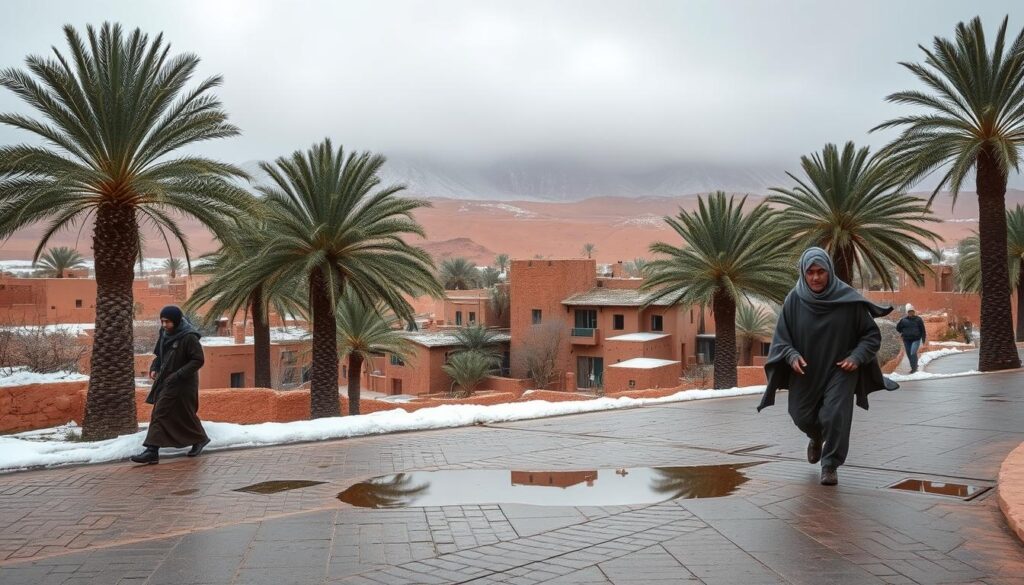
Nighttime temperatures in January drop a lot across Morocco. Coastal areas stay a bit warmer, with lows around 8°C to 10°C (46°F to 50°F). In contrast, Marrakech cools down to 5°C to 8°C (41°F to 46°F) at night. The mountains get even colder, often below 0°C (32°F), perfect for winter sports but needing warm clothes.
Remember to pack layers for your January trip to Morocco. The temperature can change a lot between day and night, especially in the desert and mountains.
Precipitation and Rainfall in January
January brings different amounts of rain to Morocco. Knowing this helps travelers plan their trips to this North African country.
Rainfall Patterns by Region
Rainfall in January changes a lot across Morocco. The coastal areas get more rain than the inland parts. For example, Casablanca and Rabat get 60 to 80 mm of rain on average.
The Sahara Desert regions are very dry. They get almost no rain. For more climate info, check Climate to Travel.
- Coastal regions: Moderate rainfall
- Inland regions: Less rainfall
- Sahara Desert: Very little to no rainfall
Possibility of Snow in Mountain Areas
January is a great time to see snow in Morocco’s mountains. The Atlas Mountains get a lot of snow, perfect for winter sports. Oukaïmeden is a top ski resort in the Atlas range.
Traveling to Morocco in January? Be ready for different rain patterns. Whether you’re going to snowy mountains or dry deserts, knowing the local weather helps you pack right and enjoy your trip.
Weather in January Morocco: Regional Breakdown
Traveling across Morocco in January shows you different weather. Knowing these differences helps you pack right and enjoy your trip.
Marrakech Weather Conditions
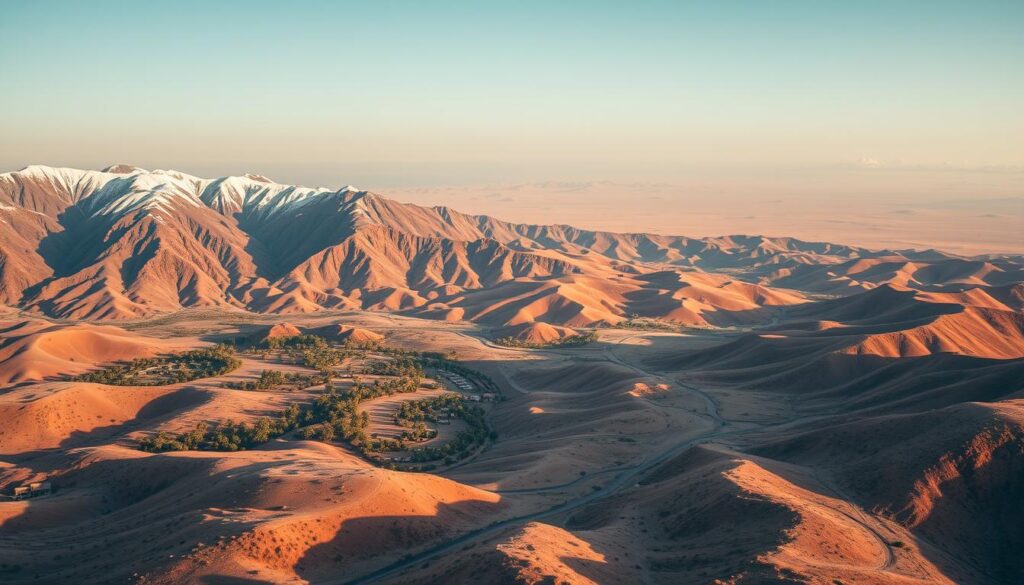
Marrakech in January is mild, with highs around 18°C (64°F). But, nights can get cold, sometimes below 6°C (43°F). Bring layers, including warm clothes for the evenings.
Casablanca and Coastal Areas
Cities like Casablanca are cooler and more humid than inland. Daytime is about 17°C (63°F), but nights can be chilly, around 8°C (46°F). Coastal areas are also wetter in January.
Fes and Central Morocco
Fes and central regions have a continental climate. January sees highs of 15°C (59°F) during the day and lows of 4°C (39°F) at night. Pack warm clothes, especially for the cold nights.
Sahara Desert Climate in January
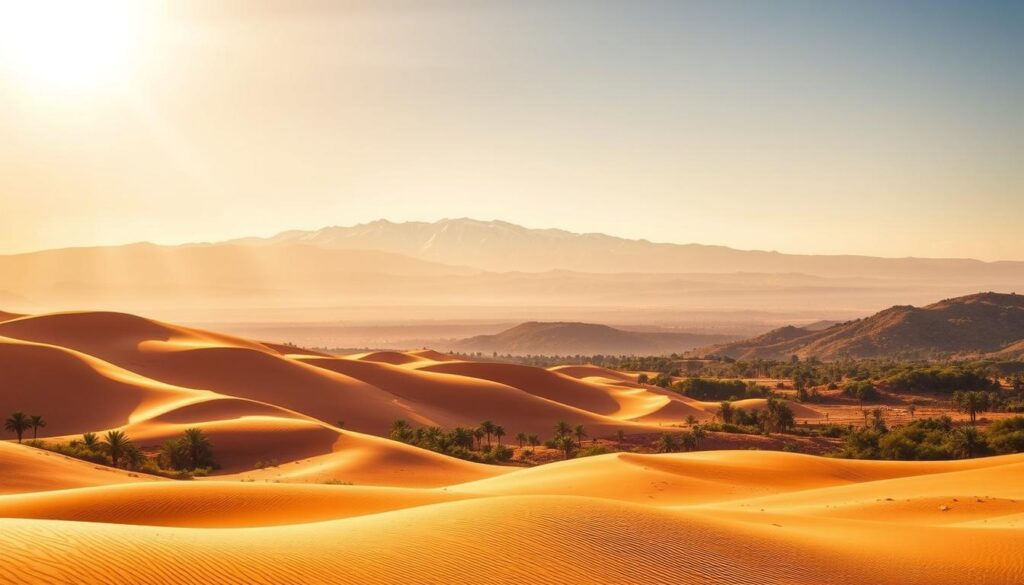
The Sahara Desert is cold in January, especially at night. Temperatures can fall to -2°C (28°F) at night. Daytime can reach up to 22°C (72°F). Be ready for big temperature changes and pack right.
Planning your January trip to Morocco? Remember to pack layers for cooler mornings and evenings. And don’t forget warm clothes for desert nights. This guide helps you get ready for Morocco’s varied weather.
Northern Morocco January Climate
In January, Northern Morocco has a unique winter climate. This is due to its varied geography. Weather changes a lot, from the Mediterranean coast to the Rif Mountains.
Tangier and Mediterranean Coast
Tangier and the Mediterranean coast of Northern Morocco have a mild January. Temperatures usually range from 16°C to 18°C (61°F to 64°F). But, nights can get very cold, so it’s smart to wear layers.
The coastal areas get a lot of rain, especially in Tangier. It rains an average of 103 mm in January. This makes it one of the wettest months.
- Average high temperature: 16°C to 18°C (61°F to 64°F)
- Average rainfall: 103 mm
Chefchaouen and the Rif Mountains
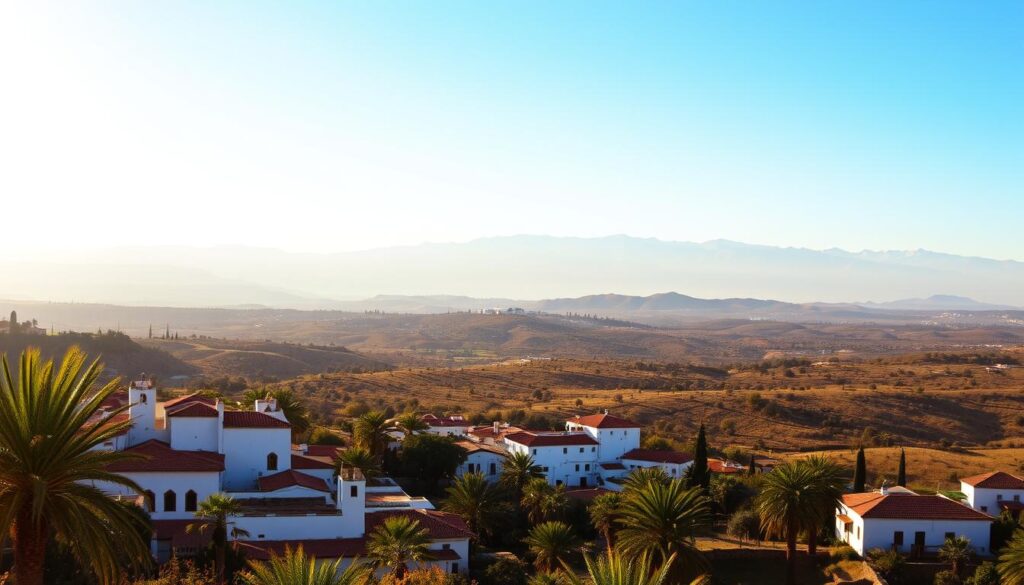
Chefchaouen, in the Rif Mountains, is colder than the coast. Temperatures can fall below 0°C (32°F) at night. Snow is rare but can happen.
The winter landscapes are breathtakingly beautiful. It’s a great time to see the area. Be ready for cooler weather and rain.
- Cold nighttime temperatures
- Potential for occasional snowfall
- Serene winter landscapes
Southern Morocco Weather Conditions
Traveling to Southern Morocco in January brings a mix of Atlantic and Saharan weather. This area has a varied climate, from the mild Atlantic coast to the dry pre-Saharan regions.
Agadir and the Atlantic Coast
Agadir, a favorite spot on the Atlantic coast, has mild winters. In January, days are often in the mid-60s to low 70s Fahrenheit (18-22°C). This makes it perfect for outdoor fun.
The Atlantic coast’s climate is mild, thanks to the ocean. You’ll see cooler mornings and evenings. But overall, it’s a great time to hit the beaches and try water sports.
Ouarzazate and Pre-Saharan Regions
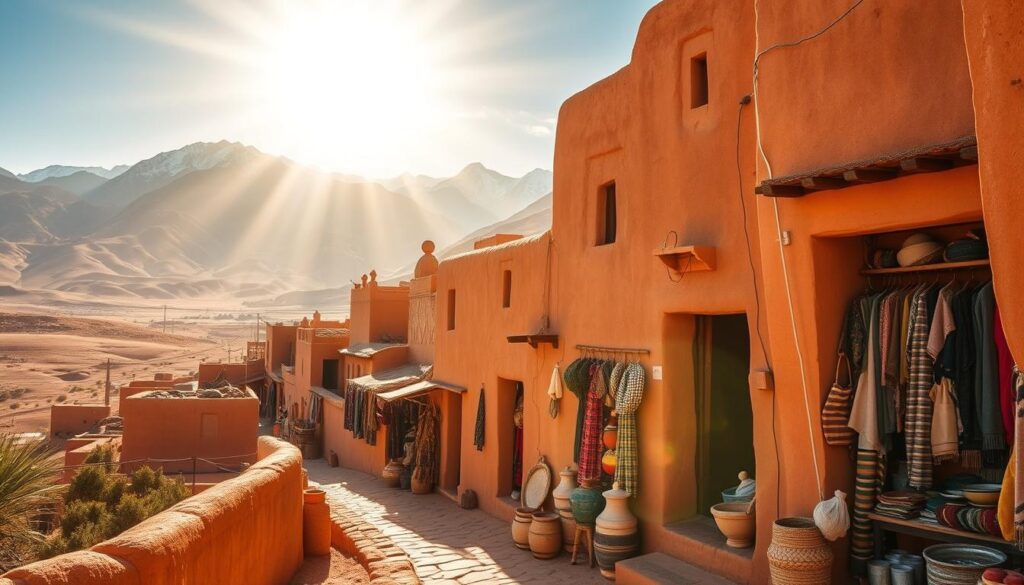
Ouarzazate and the pre-Saharan areas have a different climate than the coast. January nights can be quite cool, around 40°F (4°C) or lower. But days are still pleasant, often in the mid-60s Fahrenheit (18-20°C).
The pre-Saharan areas are dry, with little rain in January. This makes it a great time to explore the desert and film locations around Ouarzazate. You won’t have to deal with the summer heat.
Atlas Mountains Weather in January
The Atlas Mountains in Morocco are a unique winter spot in January. The weather is both tough and refreshing. You’ll see different climates and landscapes shaped by the mountains.
High Atlas Conditions
The High Atlas is famous for its snowy peaks and cold winters. In January, you can look forward to:
- Daytime temperatures between 8°C and 12°C (46°F to 54°F)
- Nighttime temperatures often below 0°C (32°F)
- Significant snowfall, perfect for winter sports
Winter activities like skiing and snowboarding are big here. Resorts like Oukaïmeden have slopes for all skill levels.
Middle and Anti-Atlas Regions
The Middle and Anti-Atlas have milder winters than the High Atlas. In January, you can expect:
| Region | Daytime Temp | Nighttime Temp | Precipitation |
|---|---|---|---|
| Middle Atlas | 10°C – 15°C (50°F – 59°F) | 2°C – 5°C (36°F – 41°F) | Moderate rainfall |
| Anti-Atlas | 12°C – 18°C (54°F – 64°F) | 5°C – 8°C (41°F – 46°F) | Low rainfall |
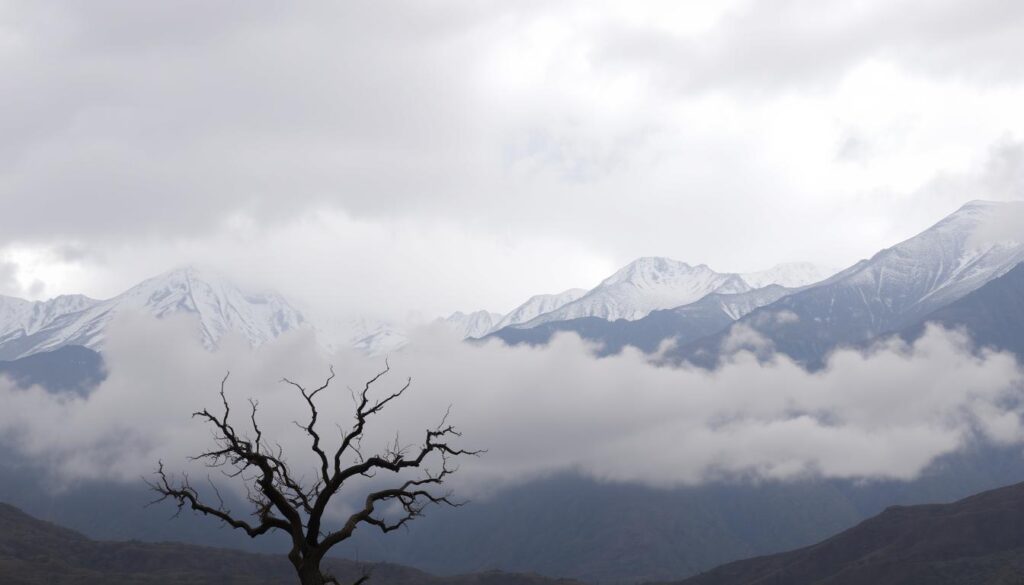
These areas offer cultural experiences and outdoor fun. You can hike and visit Berber villages. They’re perfect for your Morocco winter activities.
What to Pack for Morocco in January
Morocco’s January weather can change a lot, so it’s important to pack right. Think about the different places you’ll visit and what you plan to do.
Essential Clothing Items
For Morocco in January, pack clothes that can handle different temperatures. You’ll need:
- Lightweight layers for warmer days
- Warming layers for cooler evenings, especially in the desert and mountains
- Comfortable walking shoes or boots
- Rain gear, including a waterproof jacket or umbrella
- Modest clothing that covers shoulders and knees for visits to mosques or rural areas
Layering is key as it lets you adjust your clothes to the temperature. You can always add or remove layers to stay comfy.
Region-Specific Packing Recommendations
Morocco’s weather changes a lot depending on the area. Here’s what to pack for different places:
| Region | January Climate | Packing Tips |
|---|---|---|
| Marrakech | Mild days, cool nights | Pack layers, comfortable shoes |
| Sahara Desert | Cold nights, warm days | Bring warm clothing for nights, sun protection for days |
| Atlas Mountains | Cold, potential snow | Include warm, waterproof clothing, sturdy boots |
Check the weather forecast before your trip to make sure you’re ready for any weather surprises.
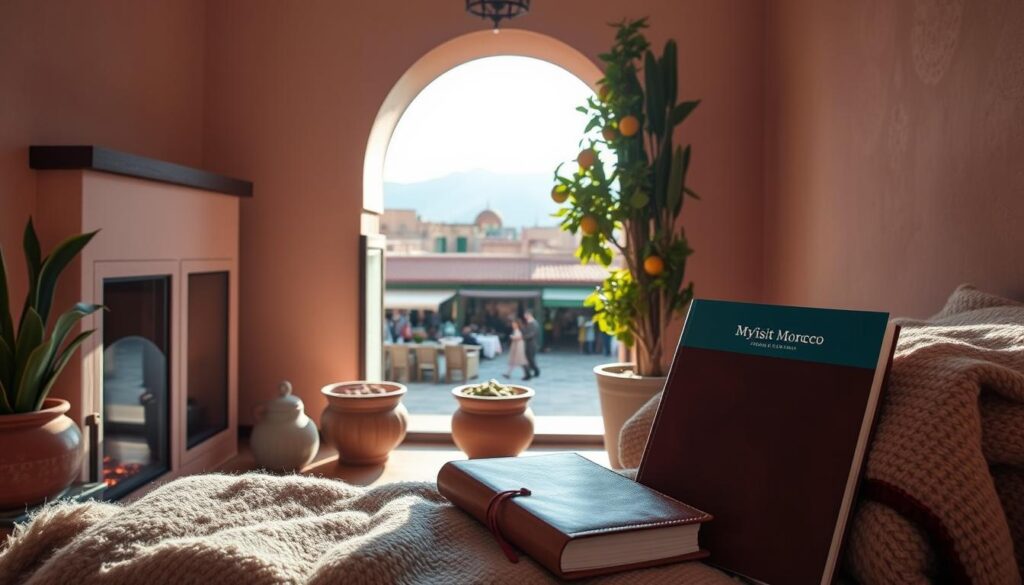
Pros of Visiting Morocco in January
January is a great time to see Morocco. The weather is mild, and there are fewer tourists. This makes your trip more enjoyable and lets you really get to know the culture and nature.
Fewer Crowds and Tourist Advantages
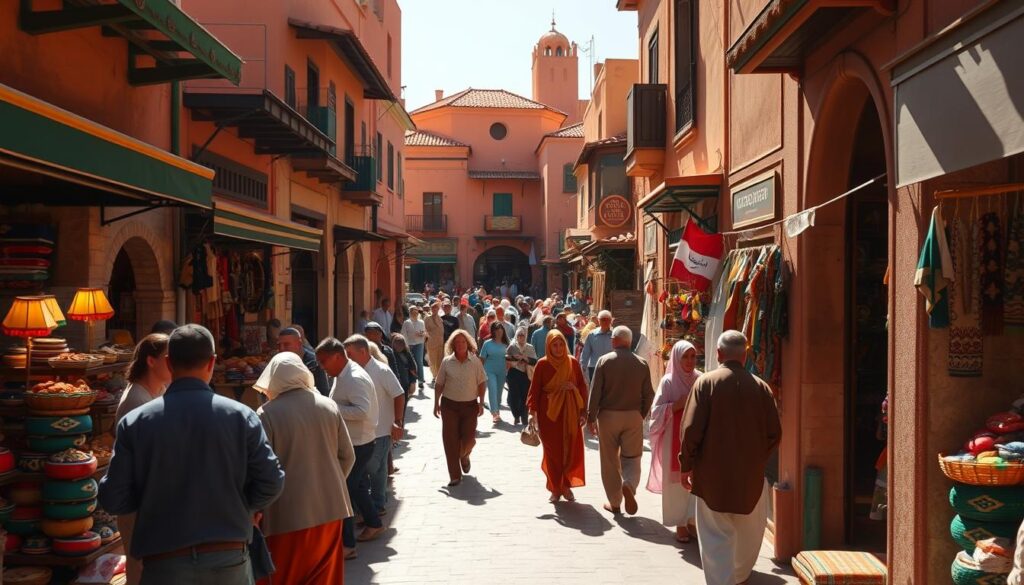
Visiting Morocco in January means fewer people around. Places like Marrakech and Fes are less busy. This makes it easier to see their historic sites and cultural spots without the usual crowds.
Enjoy a more authentic experience as you explore the souks and medinas. You’ll meet locals more easily and see how they live. It’s a chance to see the real Morocco without the noise of big tourist groups.
Better Rates for Accommodations and Activities
January is low season in Morocco. This means you can find lower prices for places to stay and things to do. Hotels and riads often have special deals, making it easier to travel in style.
Also, tour operators might be more open to negotiating prices or creating custom tours. This can make your trip even better. With the savings, you can try more local food, see more sights, or just relax in your accommodation.
Potential Challenges of January Travel in Morocco
Planning a trip to Morocco in January? It’s good to know what challenges you might face. Morocco is lovely in winter, but there are things to consider. This will help you enjoy your trip more.
Weather-Related Limitations
The weather in Morocco in January changes a lot. It’s colder in the mountains and warmer in the desert. But, this can cause some problems. For example, some mountain roads might be closed because of snow. Make sure to check the weather forecast and be ready for any changes.
Here’s a quick look at what you might find in different places:
| Region | Weather Condition | Potential Limitation |
|---|---|---|
| Atlas Mountains | Snow and cold temperatures | Closed mountain passes |
| Sahara Desert | Cooler mornings and evenings | Potential for cooler days |
| Coastal Areas | Mild temperatures | Possible rain showers |
Reduced Operating Hours for Attractions
In January, some places in Morocco might not be open as long. This is because fewer people visit, or they close for maintenance. It’s smart to check when places open before you go. Some tours might change their times too, so plan early.
“The best way to get to know Morocco is to experience it in all its seasons, but being prepared for the January conditions will make your trip smoother.”
Knowing these challenges will help you plan a better trip to Morocco in January. You’ll have a more fun and worry-free time.
Best Activities for Morocco in January
Morocco in January is a hidden gem for travelers. It offers both indoor and outdoor activities. The mild winter temperatures let you explore the country’s rich culture and natural beauty without the summer heat.
Indoor Cultural Experiences
January is perfect for Morocco’s indoor cultural attractions. You can explore the Medina of Marrakech and its vibrant souks. The cooler weather makes it easy to wander through the crowded markets.
Some must-visit indoor attractions include:
- The Bahia Palace in Marrakech, known for its intricate craftsmanship and beautiful tile work.
- The Museum of Moroccan Arts in Rabat, which houses a diverse collection of artifacts from different periods of Moroccan history.
- The ancient libraries and madrasas in Fes, such as the Al-Attarine Madrasa, showcasing Islamic architecture and scholarship.
“The Medina of Marrakech is a sensory overload in the best possible way, with its vibrant colors, enticing aromas, and rich history.” – A traveler’s account.
Outdoor Activities Still Viable in Winter
January’s mild climate in Morocco is great for outdoor activities. You can:
- Hike in the Atlas Mountains, enjoying the serene landscapes and Berber villages.
- Explore the Sahara Desert on a camel trek, experiencing the tranquility of the vast dunes under the winter sun.
- Visit the coastal towns like Essaouira, known for its windy beaches and vibrant arts scene.
Unique January Events and Festivals
January hosts several unique events and festivals in Morocco. The Marrakech International Film Festival is one notable event. It celebrates international and Moroccan cinema, attracting filmmakers and enthusiasts from around the world.
| Event | Location | Date |
|---|---|---|
| Marrakech International Film Festival | Marrakech | Late Dec/ Early Jan |
| Essaouira Gnawa Music Festival | Essaouira | June (sometimes has events in Jan) |
The Essaouira Gnawa Music Festival usually happens in June. But, there might be related events or smaller festivals in January. It’s worth checking local listings.
January Morocco Itinerary Suggestions
Explore Morocco in January with these top itinerary suggestions. This time of year offers a unique mix of culture and winter beauty. It’s perfect for those looking for adventure and relaxation.
7-Day Winter Itinerary
A 7-day trip lets you see Morocco’s best spots. Start in Marrakech, where you can wander through lively souks and see historic sites. Next, visit the Atlas Mountains for a day trip or a night stay.
| Day | Location | Activities |
|---|---|---|
| 1-2 | Marrakech | Explore souks, visit Bahia Palace |
| 3 | Atlas Mountains | Hike or take a scenic drive |
| 4-5 | Fes | Discover ancient medina, visit Al-Attarine Madrasa |
| 6-7 | Casablanca | Visit Hassan II Mosque, explore Old Medina |
14-Day Comprehensive Winter Tour
A 14-day tour lets you explore more of Morocco. Start in Marrakech and the Atlas Mountains. Then, go to Ouarzazate and the Sahara Desert for camel rides or desert camps.
Next, visit Fes and the northern regions. Don’t miss Chefchaouen and Tangier.
| Day | Location | Activities |
|---|---|---|
| 1-3 | Marrakech | Cultural immersion, souk exploration |
| 4 | Atlas Mountains | Hiking or scenic drives |
| 5-6 | Ouarzazate & Sahara | Camel ride, desert camp |
| 7-9 | Fes | Explore ancient medina, visit cultural sites |
| 10-11 | Chefchaouen | Hike in the Rif Mountains, enjoy local cuisine |
| 12-14 | Tangier & Casablanca | Explore coastal cities, visit historical landmarks |
Health and Safety Tips for Winter Travel in Morocco
Planning a trip to Morocco in January? You should think about health and safety first. Morocco’s weather changes a lot, from cool in the north to mild in the south. Getting ready for this can make your trip safer and healthier.
Staying Healthy in Changing Weather Conditions
To stay healthy, wear layers to adjust to the weather. Drinking water is important to stay hydrated. Also, eat well to keep your energy up.
Here’s a quick guide to help you prepare:
| Region | Weather Conditions | Health Precautions |
|---|---|---|
| Marrakech | Cool nights, mild days | Dress in layers, stay hydrated |
| Sahara Desert | Cold nights, warm days | Protect against sun exposure, hydrate |
| Atlas Mountains | Cold, potential snow | Warm clothing, be prepared for slippery roads |
Safety Considerations for Winter Travel
When you travel, safety comes first. Watch out for slippery roads, especially in the mountains. Respect local customs and dress modestly. Also, check the weather forecast to plan your day.
Transportation Tips for Morocco in January
To enjoy your January trip to Morocco, follow these transportation tips. Knowing how to get around is key for a smooth trip. This is especially true when the Morocco January weather might change your plans.
Road Conditions During Winter
The weather in January can make roads slippery, especially in the mountains. The Atlas Mountains might get snow, closing some roads. Here’s what to do:
- Always check the weather forecast before you travel.
- Think about renting a 4×4 for rural or mountain areas.
- Watch out for fog or rain that can make highways hard to see.
Public Transportation Reliability
Public transport in Morocco, like buses and trains, usually works well in January. But remember to:
- Plan your trip around train and bus times, as they might be few.
- Book your tickets early, especially for busy routes.
- Be ready for delays because of the weather.
Being informed and ready helps you move around Morocco easily, even in the Morocco January weather.
Conclusion: Is January a Good Time to Visit Morocco?
January in Morocco offers cool weather and cultural experiences. The temperature changes across the country. In the north, it’s cooler, while the Sahara Desert is warmer.
When planning your Morocco January itinerary, think about the weather. This will help you enjoy your trip more.
The weather in January Morocco is a nice break from the summer heat. It’s perfect for exploring cities like Marrakech and Fes without the crowds. You can visit historic sites and museums indoors and go hiking in the Atlas Mountains outdoors.
January might have some weather limits, but it’s a good time for lower prices. With the right planning and packing, you’ll have a great trip. So, pack your bags and get ready to see Morocco’s beauty in January.


 Covers cities, coast, mountains, desert & food