Planning your trip from Spain to Morocco? You’re probably thinking about what you need for a smooth journey. Crossing into Morocco from Spain is an exciting adventure. It offers rich culture and beautiful landscapes.
Think about visa needs, travel options, and cultural norms. Knowing these will help you enjoy your trip. Whether by ferry or plane, being prepared is key.
Key Takeaways
- Understand visa requirements for Morocco
- Explore transportation options between Spain and Morocco
- Learn cultural tips for a smooth journey
- Discover essential travel documents needed
- Prepare for a seamless border crossing
The Unique Connection Between Spain and Morocco
Spain and Morocco share a deep bond, shaped by history and geography. This connection influences their culture, architecture, and daily life.
Historical Ties Between the Two Countries
For centuries, Spain and Morocco have been connected. The Moorish rule in Spain left a lasting mark. This period enriched Spain’s architecture and culture.
The Alhambra in Granada is a prime example of Islamic art. It shows the Moorish influence. This legacy is also seen in Spain’s language, food, and festivals.
Geographic Proximity: Only 14km Apart
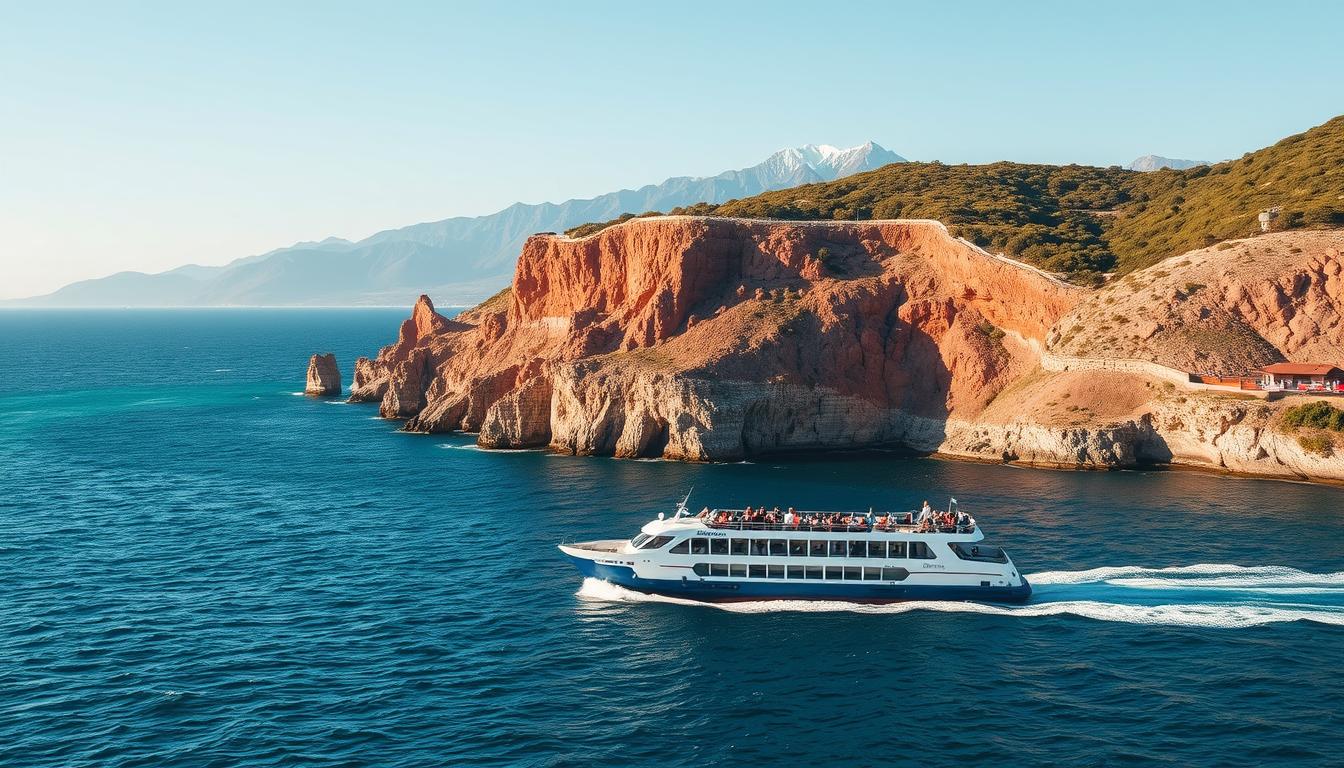
Spain and Morocco are just 14 kilometers apart, across the Strait of Gibraltar. This makes traveling between them easy. You can take spain to morocco flights or spain to morocco ferry.
The ferry ride is a beautiful journey. It offers a unique view of the strait. 
This close distance also boosts cultural exchange and tourism. Many visit Morocco from southern Spain for day trips or longer stays.
Planning Your Travel from Spain to Morocco
Getting ready for your trip from Spain to Morocco is crucial for a great time. Morocco is known for its rich history, lively culture, and beautiful landscapes. It’s a destination that offers a lot to travelers.
Best Times of Year to Visit
The best seasons to visit Morocco are spring (March to May) and autumn (September to November). The weather is mild and nice during these times. It’s perfect for seeing cities like Marrakech and Fez, and enjoying the coastal towns.
Summer can get very hot, especially in the desert. Winters can be cool, especially in the mountains. So, plan your visit wisely.
Try to avoid the peak travel seasons if you don’t like crowds and want to save money. Local festivals and events, like the Marrakech International Film Festival, can be exciting. But, make sure to plan ahead to handle the crowds.
How Many Days to Allocate
How long to stay depends on your travel style and what you’re interested in. For a quick trip, 4-5 days can be enough to see one or two big cities. But, to really get to know Morocco, 7-10 days is best.
This time lets you see cities, historical sites, and natural wonders like the Atlas Mountains or the Sahara Desert.
Pre-Trip Research and Resources
Do some research before you go. Learn about local customs, top sights, and any travel warnings. Travel blogs, guidebooks, and official tourism sites are great resources.
“Morocco is a country where tradition and modernity blend seamlessly, offering a unique travel experience.” – Lonely Planet
Also, talk to travel agencies that specialize in Morocco tours. They can help you make a great Spain to Morocco itinerary.
Visa and Entry Requirements for Morocco
To have a smooth trip from Spain to Morocco, know the visa and entry rules. Morocco has rules based on your nationality, visit purpose, and stay length.
Visa Requirements for US Citizens
US citizens don’t need a visa for tourism or business up to 90 days. Your passport must be valid for six months after your planned leave. Always check visa rules before your trip. For the latest info, visit the Morocco travel FAQ page.
Passport and Documentation Needed
A valid passport is key for Morocco travel. Make sure your passport is not about to expire. Consider copying your passport’s ID page and visas.
While not needed for US citizens up to 90 days, a return ticket and enough money are helpful.
Customs and Border Procedures
When you arrive in Morocco, you’ll face customs and border control. Know what to declare and what’s banned.
What to Declare
In Morocco, declare big money, precious stones, and certain items like electronics or tobacco. Not declaring can lead to fines or losing your items.
Prohibited Items
Morocco bans items like narcotics, guns, and certain media. Know these rules to avoid trouble.
| Item | Allowed | Prohibited |
|---|---|---|
| Currency | Up to 10,000 EUR (no declaration required) | Amounts exceeding 10,000 EUR (must be declared) |
| Tobacco Products | 200 cigarettes or 50 cigars | Exceeding the allowed quantity |
| Electronics | Personal use items | Commercial quantities |
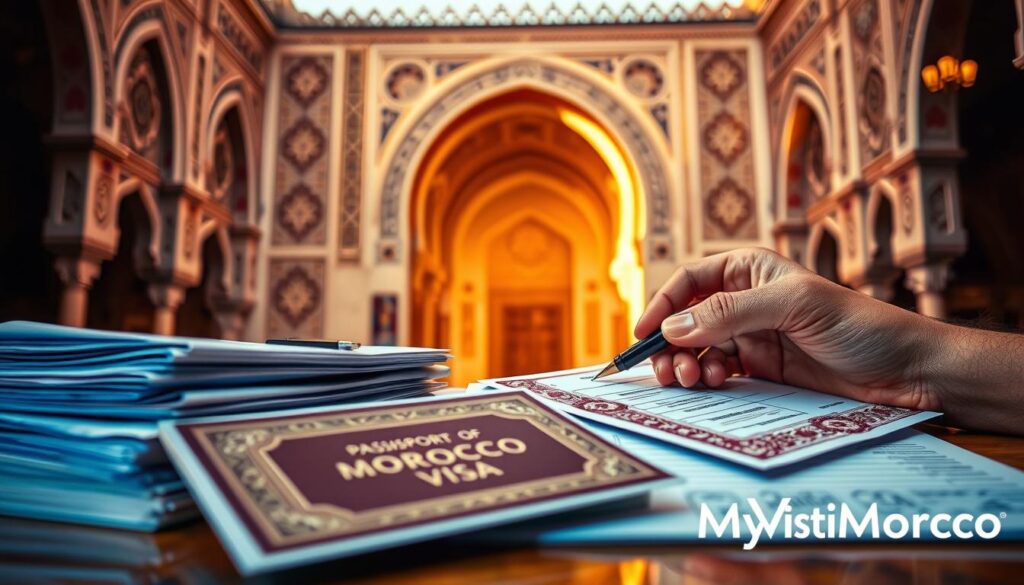
Knowing Morocco’s visa and entry rules makes your trip better. Always check the latest rules before you go to avoid problems.
Transportation Options for Spain to Morocco Travel
Planning your trip from Spain to Morocco means choosing the right way to travel. You can fly or take a ferry. Each option has its own benefits, depending on what you prefer.
Spain to Morocco Flights: Routes and Airlines
Many airlines fly between Spain and Morocco. You can go from Madrid or Barcelona to places like Marrakech, Tangier, or Casablanca. Airlines like Ryanair, Iberia, and Royal Air Maroc have good prices and times. Flights take about 1-2 hours, making them fast for travelers.
- Direct flights from major Spanish cities to Marrakech and Tangier
- Indirect flights to other Moroccan cities from Spanish airports
- Budget airlines like Ryanair have cheap fares
Spain to Morocco Ferry Services
Ferry travel is also popular for this route. Companies like FRS, Balearia, and AML run ferries from Algeciras and Tarifa in Spain to Tangier in Morocco. The ferry ride shows you the Strait of Gibraltar and is a relaxing way to travel. Travel times vary from 30 minutes to a few hours, based on the route and service.
- Algeciras to Tangier Med: Sailings are frequent, taking about 1 hour
- Tarifa to Tangier Ville: A shorter trip, taking 35-40 minutes
- Ferry services have different classes, from economy to luxury
Comparing Cost and Travel Time
When picking between flying and taking a ferry, think about cost and time. Flights are quicker, but ferries might be cheaper and offer a special experience. Look at prices and schedules from different airlines and ferry companies to choose the best for you.
| Transportation Mode | Travel Time | Cost Range |
|---|---|---|
| Flight | 1-2 hours | $50-$200 |
| Ferry | 30 minutes – 2 hours | $30-$100 |
Popular Ferry Routes from Spain to Morocco
Traveling from Spain to Morocco by ferry is easy. You can choose from many departure and arrival points. This makes planning your trip simple and fun.
Algeciras to Tangier Med
The Algeciras to Tangier Med route is very popular. It’s short, taking about 1 hour. Balearia and FRS run it daily, giving you lots of options.
Tarifa to Tangier Ville
The Tarifa to Tangier Ville route is quick, taking 35-40 minutes. FRS and Inter Shipping operate it. They offer many daily trips.
Other Ferry Routes
There are more ferry routes from Spain to Morocco.
Barcelona to Tangier
Balearia runs the Barcelona to Tangier route. It’s less frequent but still a good option for those in northeastern Spain.
Almería to Nador
Balearia and FRS operate the Almería to Nador route. It’s great for those going to northern Morocco.
Málaga to Melilla
Ferries from Málaga to Melilla are available. Trasmediterránea and Balearia run these services.
These ferry routes make traveling from Spain to Morocco by sea easy and fun. You can find the perfect option for your travel plans.
Flying from Spain to Morocco: What to Expect
Several airlines fly between Spain and Morocco. This makes flying a good option for travelers. The flight is short, making it perfect for those in a hurry.
Major Flight Routes and Duration
Many airlines offer direct flights from Spain to Morocco. The flight time is about 1 to 1.5 hours. This depends on the route and the airline.
| Route | Approximate Flight Duration | Frequency |
|---|---|---|
| Madrid to Marrakech | 1 hour 20 minutes | Multiple daily flights |
| Barcelona to Tangier | 1 hour 30 minutes | Daily flights |
| Malaga to Casablanca | 1 hour 25 minutes | Multiple daily flights |
Budget Airlines vs. National Carriers
When flying from Spain to Morocco, you can pick between budget airlines and national carriers. Budget airlines like Ryanair and Air Arabia are cheap but have fewer services. National carriers like Iberia and Royal Air Maroc offer more, including checked bags and meals.
Think about price, service, and convenience to pick the best for you.
Airport Transfers in Morocco
After arriving in Morocco, you’ll need to get to your destination. You can take a taxi or use public transport.
Taxi Services
Taxis are easy to find at Moroccan airports. Agree on a fare before you go. Always use licensed taxis for safety.
Public Transportation Options
Moroccan airports also have buses and trains. They are cheaper than taxis and a good way to get where you need to go.
Best Spanish Cities to Depart From
Spain’s cities offer different places to start your Morocco trip. Each city has its own special charm. Choosing where to leave from in Spain can change your spain to morocco travel experience.
Southern Spain: Andalusia Region
The Andalusia region in southern Spain is close to Morocco. Cities like Málaga, Seville, Cádiz, and Tarifa have easy ferry and flight options.
Málaga
Málaga is a big hub with many flights to Morocco. Its coastal spot is great for ferry rides too.
Seville
Seville, not on the coast, has a big airport and is a cultural center. It’s a good start for your trip.
Cádiz and Tarifa
Cádiz and Tarifa are right on the coast. Tarifa is famous for its ferry to Tangier. They’re ideal for a straight shot to Morocco.
Major Cities: Madrid and Barcelona Connections
Madrid and Barcelona also have flights to Morocco. They offer more travel choices for your spain to morocco itinerary. These cities are easy to get to from anywhere in Spain.
Top Moroccan Destinations to Visit from Spain
Morocco is full of exciting places to see, from Tangier’s busy streets to Agadir’s calm beaches. It has a rich history, varied landscapes, and a lively culture. There’s a lot to explore on your trip from Spain.
Northern Morocco: Tangier, Tetouan, and Chefchaouen
Northern Morocco is rich in history and beauty. Tangier shows the country’s past with its Medina and Kasbah. Tetouan has a well-kept old town, a UNESCO site. Chefchaouen is in the Rif Mountains, known for its blue buildings and calm vibe. You can visit these places on a day trip from Spain.
Imperial Cities: Fez, Marrakech, and Rabat
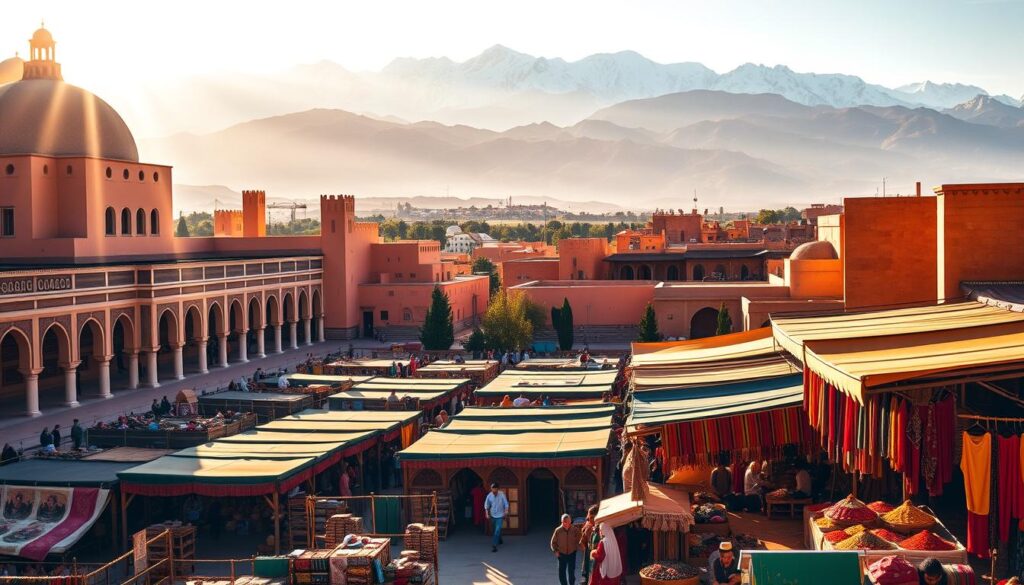
The imperial cities of Morocco are a must-see. Fez has the ancient Fes el-Bali, a huge car-free area. Marrakech is lively with its souks and architecture. Rabat, the capital, has a rich history and cultural sites like the Kasbah of the Udayas. Each city offers a mix of history, culture, and fun.
Coastal Destinations: Essaouira and Agadir
If you want to relax by the sea, Essaouira and Agadir are great choices. Essaouira is famous for its beaches and is great for surfers. Agadir has modern beaches and resorts. Both places are perfect for unwinding and enjoying Morocco’s coast.
Creating Your Spain to Morocco Itinerary
Planning a trip from Spain to Morocco is exciting. You can choose from a day trip to a two-week adventure. It all depends on your interests and how much time you have.
Day Trips from Southern Spain
For a quick trip, consider a day trip from southern Spain to Morocco. You can take a ferry from Tarifa or Algeciras to Tangier. There, you can explore markets and historic sites before returning to Spain by evening.
One-Week Exploration Plans
With a week, you can see more of Morocco. Here’s a possible plan:
| Day | Destination | Activities |
|---|---|---|
| 1-2 | Tangier | Explore the Medina, visit the Kasbah, and enjoy the city’s coastal views. |
| 3-4 | Chefchaouen | Relax in this picturesque town, known for its blue-painted buildings and serene atmosphere. |
| 5-7 | Fez | Discover the ancient history and vibrant culture of Fez, including its well-preserved Medina and Al-Attarine Madrasa. |
Two-Week Comprehensive Itineraries
Two weeks let you see Morocco’s best spots. Visit Tangier, Chefchaouen, Fez, Marrakech, and Essaouira. This way, you get to see Morocco’s culture and beauty fully.
Travel expert
“Morocco is a country that seamlessly blends traditional and modern elements, making it a fascinating destination for travelers.”
By planning well, your trip from Spain to Morocco will be unforgettable. It will match your interests and schedule perfectly.
Accommodation Options in Morocco
Morocco has many places to stay, from traditional riads to modern hotels and hostels. Traveling from Spain to Morocco, you’ll find options for all budgets and tastes. Whether you want a local feel or luxury, Morocco has it all.
Traditional Riads and What to Expect
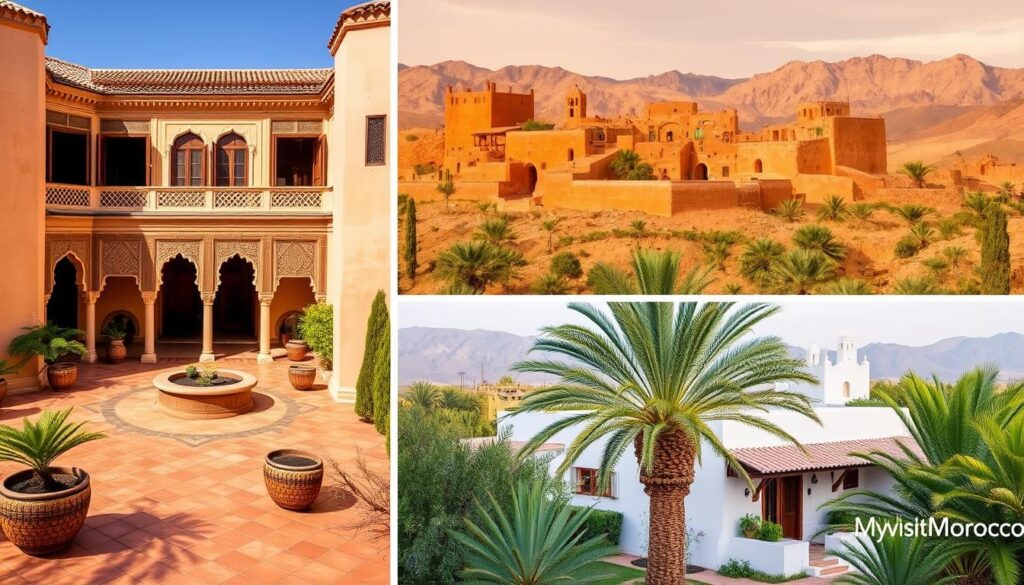
Traditional riads offer a unique Moroccan experience. These historic homes have stunning architecture, detailed tile work, and peaceful gardens. Staying in a riad means a calm and culturally rich stay.
Hotels and Resorts
For comfort and modern features, Morocco’s hotels and resorts are great. They range from small boutiques to large resorts, with pools, spas, and dining. Many are in key spots, close to top sights.
Budget-Friendly Hostels and Guesthouses
For those watching their budget, Morocco’s hostels and guesthouses are affordable. They’re not just cheap; they also offer a chance to meet others in communal areas.
| Accommodation Type | Features | Price Range |
|---|---|---|
| Traditional Riads | Authentic architecture, cultural immersion | $50-$200 per night |
| Hotels and Resorts | Modern amenities, pools, spas | $80-$500 per night |
| Hostels and Guesthouses | Budget-friendly, social atmosphere | $10-$50 per night |
Cultural Differences to Be Aware Of
Traveling from Spain to Morocco requires understanding cultural differences. Morocco’s culture is shaped by Arab, Berber, and French influences. Knowing these differences will make your trip more enjoyable and respectful.
Religious Customs and Etiquette
Morocco is an Islamic country. Knowing local religious customs is key. For example, during Ramadan, businesses close during the day, and eating in public is not allowed. Be respectful by dressing modestly and removing your shoes at mosques and other religious sites.
Dress Code Recommendations
Dressing modestly shows respect in Moroccan culture. Women should cover their shoulders and knees. Men should avoid shorts and sleeveless shirts. Dressing conservatively helps you blend in and avoid unwanted attention.
Social Norms and Interactions
Moroccans are very hospitable. However, there are social norms to follow. For example, use your right hand for eating and giving or receiving items.
Greetings and Gestures
Greetings are important in Moroccan culture. Say “As-salamu alaykum” (peace be upon you) when meeting someone. The response is “Wa alaykum as-salam” (and upon you be peace). Be careful with your body language, as some gestures can be considered rude.
Gender Considerations
In Morocco, there are gender norms to keep in mind. Men and women should not interact freely in public, especially in conservative areas. Being respectful of these norms helps avoid unwanted attention.
| Cultural Aspect | Moroccan Custom |
|---|---|
| Greetings | As-salamu alaykum (peace be upon you) |
| Dress Code | Modest clothing, covering shoulders and knees |
| Interactions | Use right hand for eating and giving/receiving items |
For more information on traveling from Spain to Morocco, visit https://www.sun-trails.com/travel-from-spain-to-morocco/. This site offers helpful travel tips and resources.
Language Considerations for American Travelers
Traveling from Spain to Morocco can be more enjoyable if you know the local languages. Many Moroccans, especially in the service industry, speak some English. But, trying to speak in the local languages can make your interactions richer.
Languages Spoken in Morocco
Morocco is a country with many languages. Arabic is the official language. Modern Standard Arabic is used in official settings, while Darija, the Moroccan dialect, is used daily. French is also common, especially in business, education, and government.
Many signs and menus are in Arabic and French. This helps travelers who know these languages.
Useful Arabic and French Phrases
Learning a few key phrases can be very helpful. Saying “As-salamu alaykum” (peace be upon you) in Arabic and “Bonjour” (good day) in French is nice. Saying “Shukraan” (thank you) in Arabic and “Merci” in French is also appreciated.
For more complex conversations, phrases like “Ana min America” (I am from America) and “Kayfa halak?” (how are you?) can be useful. Carrying a phrasebook or using a translation app can also help.
Money Matters: Currency and Payments
Traveling from Spain to Morocco means knowing about local money and how to pay. Morocco has its own money system. Being ready will make your trip smoother.
Moroccan Currency and Exchange Rates
The official money in Morocco is the Moroccan Dirham (MAD). It’s smart to exchange some money before or when you arrive. You can also get cash from ATMs. The exchange rate changes, so check it before you go to plan your budget.
Using Credit Cards and ATMs
Visa and Mastercard are accepted in tourist spots, hotels, and big restaurants. But, keep some local cash for small buys or at local markets. Watch out for foreign transaction fees from your bank. Use ATMs in banks or safe places.
Tipping Customs in Morocco
Tipping in Morocco is common and expected. Give 10% of the bill to servers at restaurants. For tour guides, 20-50 MAD per day is good, based on service quality. Always check if a service charge is already on the bill before tipping.
Knowing these money tips will help you enjoy your trip from Spain to Morocco without money worries.
Safety Tips for American Travelers in Morocco
Planning your trip from Spain to Morocco? Knowing about safety can make your trip better. Morocco welcomes tourists, but it’s good to stay alert and safe. This way, you’ll have a great time exploring.
Common Scams to Avoid
Morocco is mostly safe, but watch out for small scams. Be careful of people who seem too friendly, as they might be up to no good. Always keep your things close and be skeptical of offers that seem too good. When using ATMs, make sure you’re in a safe spot and hide your PIN.
Transportation Safety
Choosing safe transportation in Morocco is key. Ferries from Spain are usually safe, but check the safety gear and listen to the crew. When driving, wear your seatbelt and get used to the local driving. If you rent a car, pick a reliable company and know the local rules.
Emergency Contacts and US Embassy Information
Have the right contacts for emergencies. The U.S. Embassy in Rabat and the U.S. Consulate General in Casablanca can help. Sign up for the Smart Traveler Enrollment Program (STEP) for safety updates. Keep the embassy’s info handy and call them if you need help.
Packing Essentials for Your Spain to Morocco Trip
Getting ready for your trip from Spain to Morocco? Packing smart is key for a great journey. Morocco’s weather and culture need careful thought when choosing what to bring.
Clothing Recommendations
Morocco’s weather changes a lot, from north to south and coast to desert. Bring lightweight, breathable clothes for the heat. Also, pack a few warm layers for cooler nights, especially in the mountains.
Remember to dress modestly. Cover your shoulders and knees when visiting mosques or rural spots.
Technology and Adapters
Morocco’s power sockets are Type C and E, with 220V voltage. A universal travel adapter is a must for charging your devices. A portable charger is also handy for extra power, especially in rural areas.
Health and Comfort Items
Right health and comfort items can greatly improve your trip.
Medications and First Aid
Make sure you have all your medications and a basic first aid kit. Include pain relievers, band-aids, and antacids. Don’t forget reusable water bottles to stay hydrated and cut down on plastic waste.
Comfort Items for Travel
Travel pillows, eye masks, and earplugs can make long trips more comfortable. They help you arrive feeling rested and ready to go.
With these essentials, you’re set for your Spain to Morocco adventure. Whether you’re using a spain to morocco trip planner or making your own spain to morocco itinerary, enjoy your travels!
Conclusion: Making the Most of Your Spain to Morocco Journey
Getting ready for your trip from Spain to Morocco can make it unforgettable. Knowing how to travel, the culture, and what to expect will help a lot. You’ll be all set for a great adventure.
For a day trip to Tangier, check out the Medina, Bazar Tanger, and Hercules Cave. This guide to day trips from Spain is very helpful. You can take a ferry from Tarifa or Algeciras, or fly into Tangier or Marrakech. Traveling from Spain to Morocco is easy.
When planning your trip, remember to dress modestly and respect local customs. Also, don’t forget to haggle when shopping. With these tips, you’re all set for an amazing journey.




 Covers cities, coast, mountains, desert & food