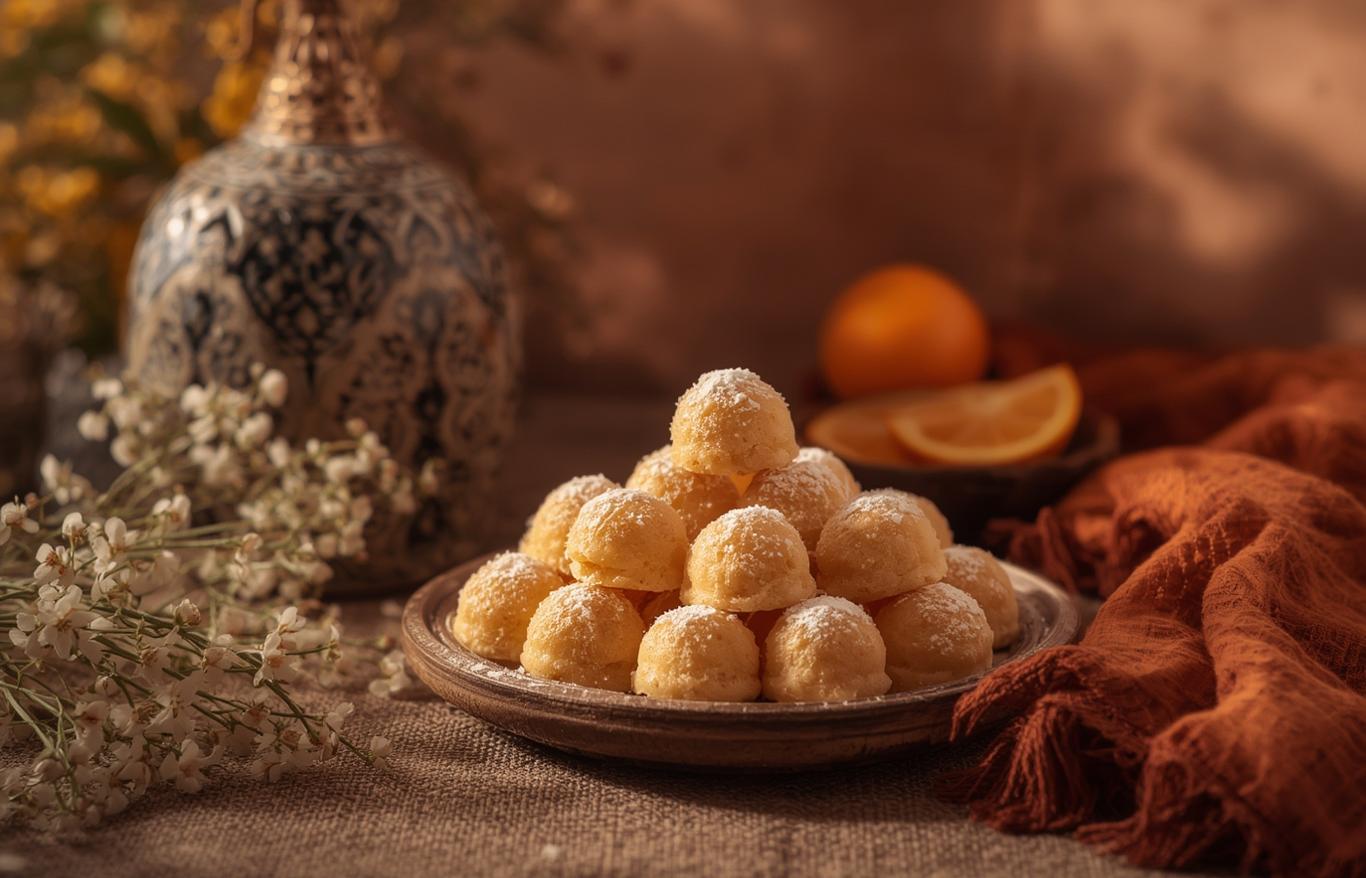
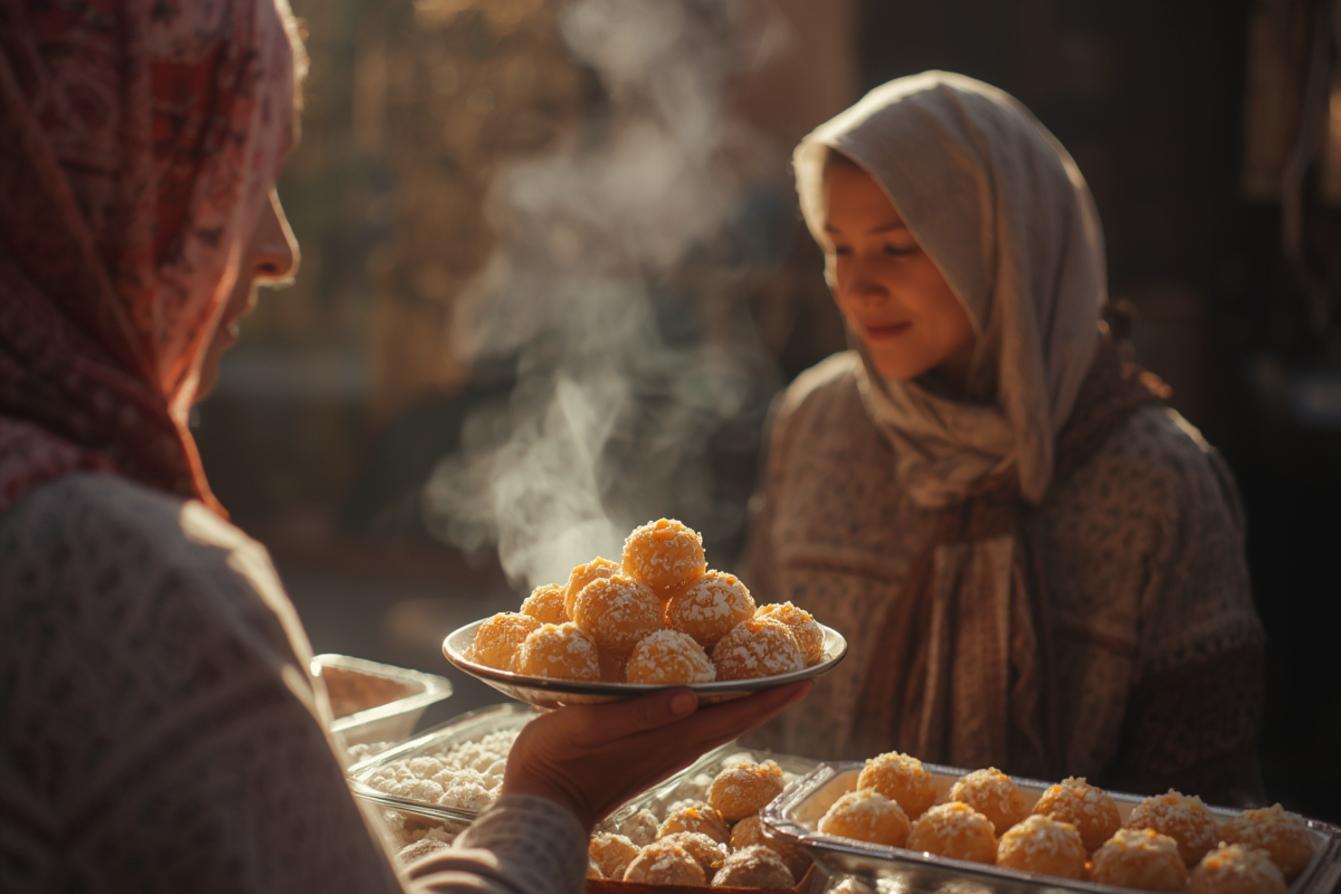
Stepping into a Moroccan pastry shop is a feast for the senses, and among the dazzling array of delights, traditional Moroccan orange blossom sweets truly shine. These delicate confections, often infused with the fragrant essence of orange blossom water, are more than just desserts; they are a taste of Moroccan hospitality, tradition, and artistry. From elaborate celebrations to everyday tea rituals, Moroccan orange blossom sweets hold a special place, offering a unique blend of sweetness, texture, and the unmistakable aroma of orange groves in bloom. This article will guide you through the recipes that bring these treats to life and, crucially, where you can find the finest examples during your travels in Morocco.
The Allure of Orange Blossom in Moroccan Confections
The use of orange blossom water (maa Zhar) is a hallmark of Moroccan cuisine, particularly in its sweet offerings. This fragrant distillate, made from the petals of bitter orange blossoms, adds a subtle, floral perfume that elevates simple ingredients into something extraordinary. In Moroccan sweets, orange blossom water isn’t just an additive; it’s a star ingredient that defines the flavor profile and aroma. Whether it’s lending a delicate scent to kaab el ghzal (gazelle’s horns), moistening almond fills, or gracing the syrup of chebakia, its presence signals authenticity and tradition. This deep connection to natural, aromatic ingredients is what makes Moroccan orange blossom sweets so captivating and sets them apart from confections found elsewhere.
Crafting Orange Blossom Delicacies: Essential Recipes
While the variety of Moroccan sweets is vast, several stand out for their exquisite use of orange blossom. Understanding their basic preparation not only offers insight into Moroccan culinary art but also inspires home baking.
Kaab el Ghzal (Gazelle’s Horns): The Iconic Almond Crescent
Often considered the queen of Moroccan pastries, kaab el ghzal is a delicate crescent-shaped cookie with an almond paste filling, subtly perfumed with orange blossom water and cinnamon, all encased in a thin, crisp dough. The key to its perfection lies in the quality of the almond paste and the skill in shaping.
- Filling: Finely ground almonds, sugar, a touch of melted butter, and a generous splash of orange blossom water are kneaded together until smooth and pliable.
- Dough: A simple flour, water, and a pinch of salt dough is rolled paper-thin.
- Assembly: Small portions of the almond filling are shaped into logs, placed on the dough, and then cut and meticulously shaped into the iconic crescent, often pricked with a small needle to prevent puffing. Baked until golden, they are sometimes brushed with a little additional orange blossom water when warm.
Fekkas (Biscotti): Crunchy Toasts with an Aromatic Twist
Moroccan fekkas, akin to Italian biscotti, are twice-baked cookies, often studded with anise seeds, sesame seeds, and, of course, a hint of orange blossom. They are perfect for dipping in mint tea.
- Dough: Eggs, sugar, oil, flour, baking powder, and a good measure of orange blossom water form the base. Sesame and anise seeds are folded in for flavor and texture.
- Baking: The dough is shaped into logs, baked until firm, sliced, and then baked a second time until golden and crisp. The orange blossom fragrance is subtly present in every crunch.
Ghoriba Bahla: Crinkled Shortbread infused with Scents
These delightful, crumbly shortbread cookies are known for their distinctive cracked tops. While often plain or with sesame, some recipes incorporate orange blossom water for an extra layer of aroma, particularly those made with almonds or walnuts.
- Method: Flour, sugar, oil, butter, baking powder, and often ground almonds or walnuts are combined. A small amount of orange blossom water can be kneaded in to enrich the flavor, creating a wonderfully fragrant and melt-in-your-mouth experience.
Sourcing Authentic Orange Blossom Sweets: What to Look For
When you’re in Morocco, buying these sweets isn’t just a transaction; it’s an experience. Quality varies, so knowing what to seek out will ensure you bring home the best.
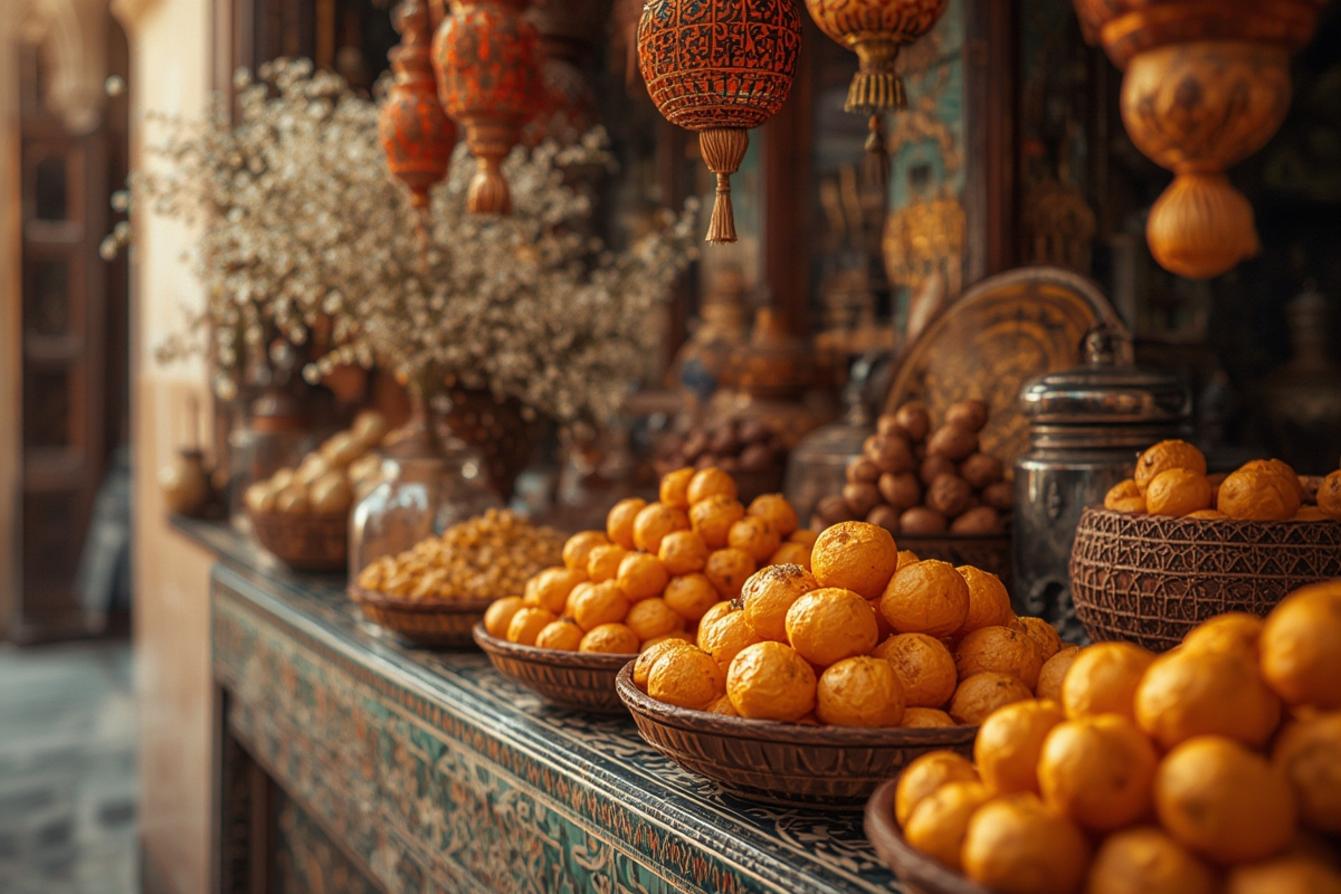
- Artisan Patisseries (Patisseries traditionnelles): These are your best bet. Look for smaller, independent bakeries that specialize in traditional Moroccan sweets. Their displays are often vibrant mosaics of colorful, intricately shaped pastries. Ask locals for recommendations – “fin kayn chi patisserie zweena?” (Where is a good patisserie?).
- Souk Stalls: Many souks, particularly in larger cities like Fes and Marrakech, will have stalls dedicated to sweets. While some are excellent, others might cater more to tourists, so taste before you buy if possible. Look for fresh-looking pastries, not those that appear dusty or stale.
- Hotel Patisseries (High-end): Upscale hotels often have their own pastry chefs who create exquisite versions of traditional sweets. While more expensive, they guarantee quality and often impeccable presentation.
- Co-operatives (Rural Areas): In more rural areas, particularly around producers of argan oil or saffron, you might find women’s co-operatives making sweets for local markets. These are often made with fresh, local ingredients and offer a truly authentic taste.
When selecting, look for pastries that are:
- Fresh: They should smell fragrant, not oily, and their textures should be crisp where intended, and soft where appropriate.
- Visually Appealing: Moroccan sweets are beautiful; intricate shapes, delicate lacework, and often glistening glazes are signs of skilled craftsmanship.
- Not overly sweet: A good Moroccan sweet is balanced, allowing the almond, nut, and orange blossom flavors to shine through, rather than being overwhelmed by sugar.
The Role of Orange Blossom Water in Moroccan Almond Pastries
Orange blossom water is an indispensable ingredient in virtually all Moroccan almond pastries. It’s not merely for flavor; it plays several crucial roles:
- Aromatic Harmony: It balances the richness of the almonds and sugar, preventing the sweets from being cloyingly dense. Its floral notes add a lightness and freshness that defines the Moroccan sweet palate.
- Moisture and Texture: In almond paste fillings, orange blossom water contributes to the moist, pliable texture that is essential for shaping and for a delightful mouthfeel. It keeps the filling from drying out.
- Preservation (Traditional context): Historically, aromatic waters like orange blossom were also prized for their subtle preservative qualities, though this is less of a concern with modern refrigeration.
- Cultural Significance: Beyond taste and aroma, orange blossom water holds cultural significance, often used in greetings, blessings, and cleansing rituals. Its inclusion in sweets imbues them with this deeper cultural resonance.
Imagine biting into a delicate ghoriba bi louz (almond cookie) where the nuttiness is perfectly complemented by a subtle, almost ethereal floral note. This is the magic of orange blossom water.
Iconic Moroccan Orange Blossom Sweets You Must Try
Beyond kaab el ghzal, there’s a whole world of Moroccan orange blossom sweets waiting to be discovered.
Briouats: These delicate, triangular or cigar-shaped pastries come in both sweet and savory versions. The sweet briouats* are typically filled with spiced almond paste (often with orange blossom water), deep-fried until golden, and then dipped in a warm honey-orange blossom syrup. They are incredibly addictive!
M’hencha (Serpent Cake): A showstopper of a pastry, m’hencha* is a long, coiled snake-shaped phyllo dough pastry filled with almond paste flavored with orange blossom and cinnamon. Baked until golden and drizzled with honey, it’s often served at celebrations. The intricate coiling is a testament to the baker’s skill.
Chebakia: Though typically associated with Ramadan, chebakia* (a honey-coated sesame cookie) often gets a generous dose of orange blossom water in its dough and sometimes in the hot honey-sesame syrup it’s dipped in post-frying. Its intricate floral shape and sticky sweetness are iconic.
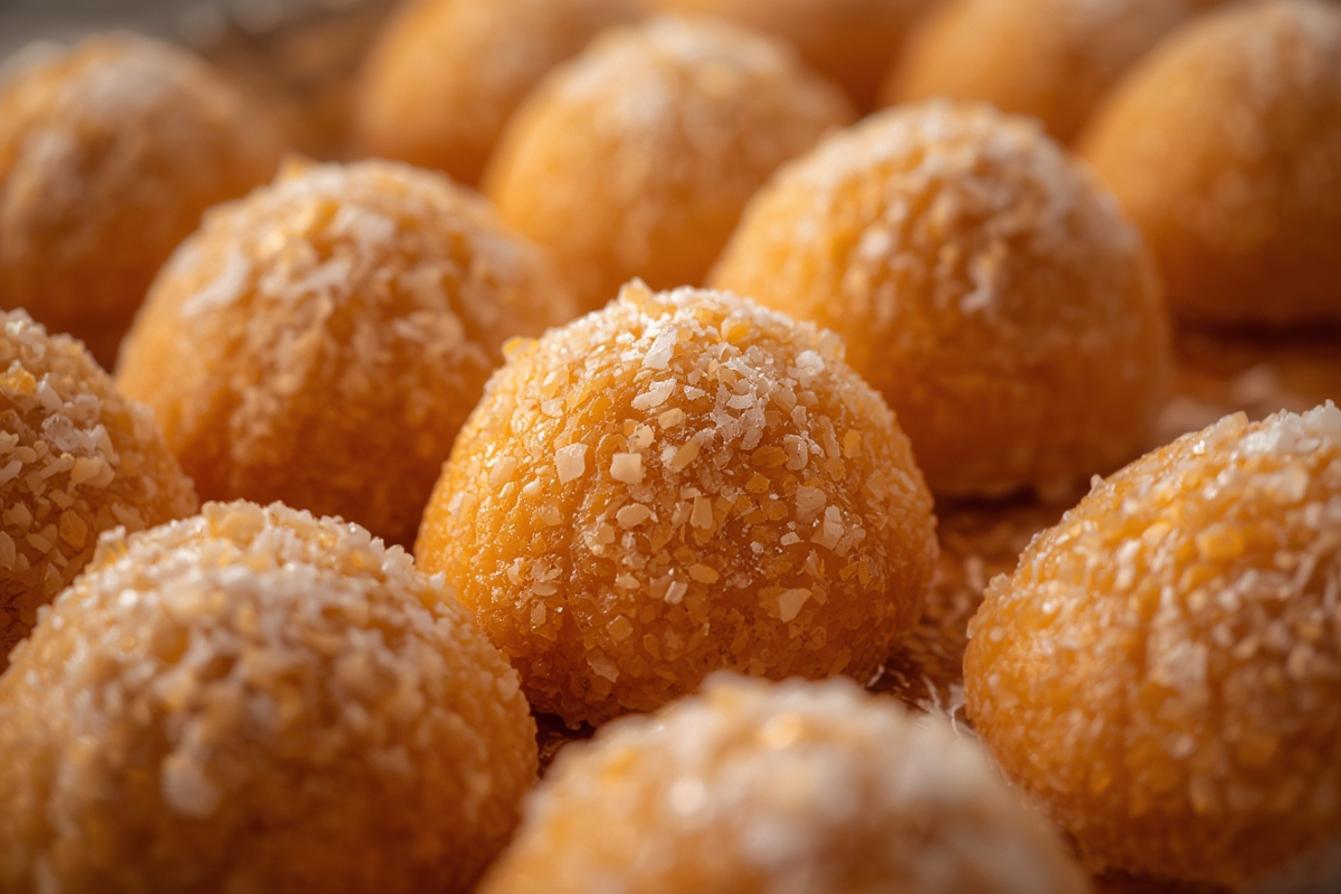
- Makouda el Koub: The Dome-shaped Delight: Less common but equally exquisite, these dome-shaped pastries feature a rich almond and orange blossom filling encased in thin dough, often decorated with a single whole blanched almond on top. They are beautiful in their simplicity and fragrant complexity.
Each of these treats offers a different texture and experience, but all share the common thread of that uniquely Moroccan, floral sweetness.
Practical Tips for Buying and Enjoying Sweets in Morocco
To make the most of your sweet pilgrimage in Morocco, keep these tips in mind:
- Buy Fresh: Unlike industrial pastries that have a long shelf life, traditional Moroccan sweets are best enjoyed fresh. Plan to buy them close to when you intend to eat them or gift them.
- Mix and Match: Most patisseries allow you to buy sweets by weight, enabling you to choose an assortment. This is the best way to sample a variety of textures and flavors. Don’t be afraid to point to what you like on display.
- Pair with Mint Tea: There’s no better accompaniment to Moroccan orange blossom sweets than a steaming glass of sweet mint tea. The refreshing tea cuts through the sweetness and enhances the flavors of the pastries.
- Consider Custom Orders: For special occasions or if you have specific preferences, many artisan patisseries can take custom orders, though this often requires a day or two’s notice.
Transporting Sweets: If you plan to take sweets home, ask the patisserie to package them carefully. For longer journeys, consider varieties that hold up well, like fekkas or certain types of ghoriba*, over more delicate pastries. Many shops have special boxes for traveling.
When you’re exploring the vibrant markets and local shops, remember that purchasing these sweets is a joyful interaction. A smile and a few words of Arabic like “Shukran” (thank you) can go a long way. Let the aroma guide you, and trust your taste buds to lead you to your new favorite Moroccan orange blossom sweets. For a deeper dive into Moroccan culture and culinary experiences, you can always visit Moroccan orange blossom sweets.
Conclusion
From the intricate perfection of kaab el ghzal to the humble allure of a ghoriba, Moroccan orange blossom sweets offer a sensory journey through the heart of Moroccan culinary tradition. They embody the warmth of Moroccan hospitality, the artistry of its bakers, and the captivating fragrance of its landscape. Whether you’re savoring them with a glass of mint tea in a bustling café or bringing a box home as a cherished souvenir, these sweets are an unforgettable part of the Moroccan experience. Seek them out, taste them, and let their delicate, floral sweetness transport you.
FAQs
What gives Moroccan orange blossom sweets their distinctive flavor?
The unique and delicate flavor comes primarily from orange blossom water (maa Zhar), a distillate made from the petals of bitter orange trees. It imparts a subtle, floral, and slightly citrusy aroma and taste that is characteristic of these confections.
Are Moroccan orange blossom sweets very sweet?
While they are undeniably sweet, well-made Moroccan orange blossom sweets aim for a balance. The sweetness is often complemented by the richness of almonds and the aromatic notes of orange blossom water and spices like cinnamon, preventing them from being cloyingly sugary. Many are designed to be enjoyed with unsweetened mint tea.
Can I find authentic Moroccan orange blossom water outside of Morocco for baking?
Yes, high-quality culinary orange blossom water is available in specialty food stores, Middle Eastern markets, and online retailers worldwide. Look for brands that are 100% pure orange blossom water with no artificial additives for the most authentic flavor.
How should I store Moroccan orange blossom sweets to keep them fresh?
Most traditional Moroccan sweets are best stored in an airtight container at room temperature for a few days to maintain their freshness and texture. Some varieties, especially those with honey syrups like chebakia or briouats, can stay fresh longer. For delicate pastries, consume them within 2-3 days for optimal enjoyment.


 Covers cities, coast, mountains, desert & food