
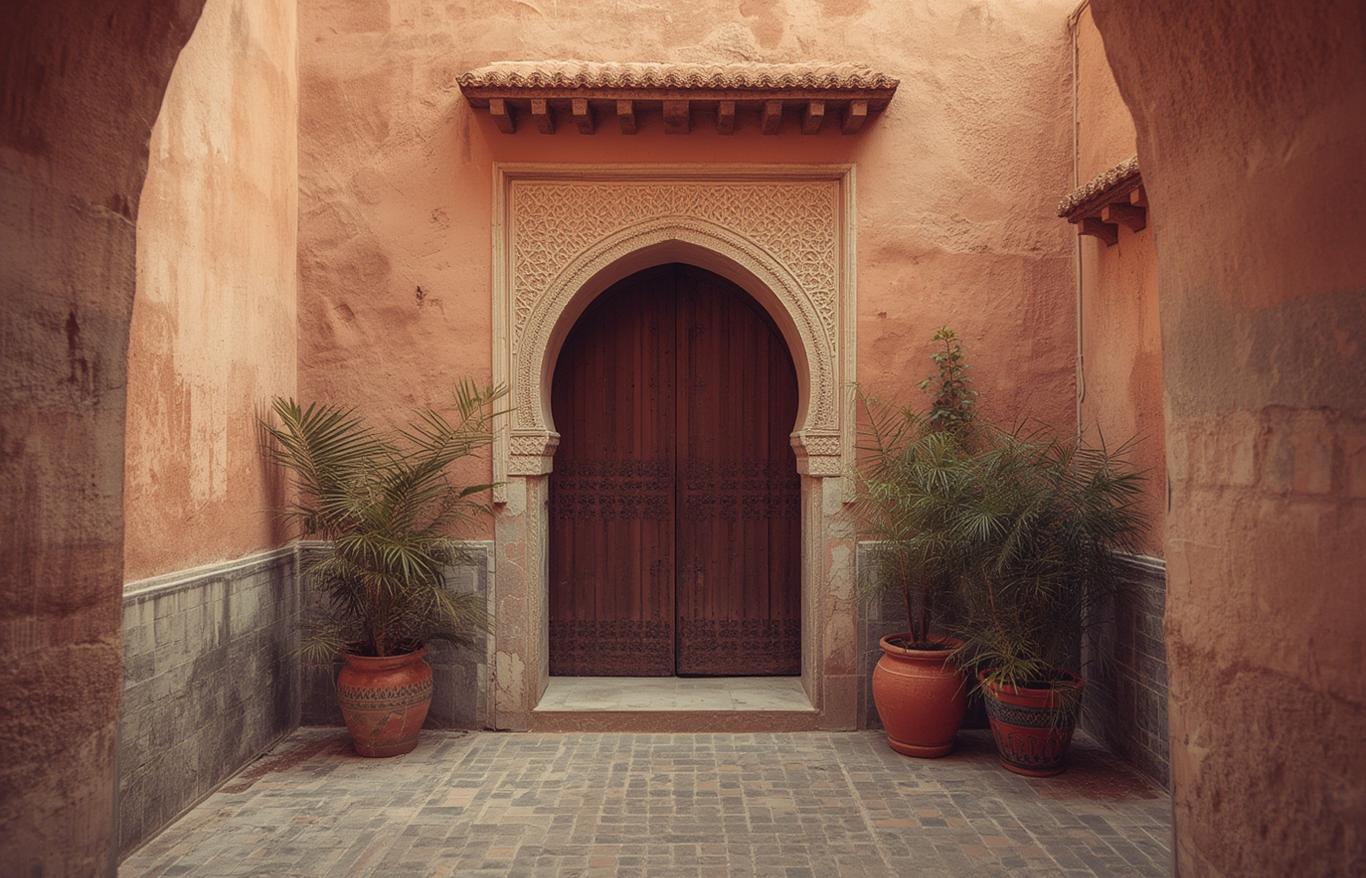
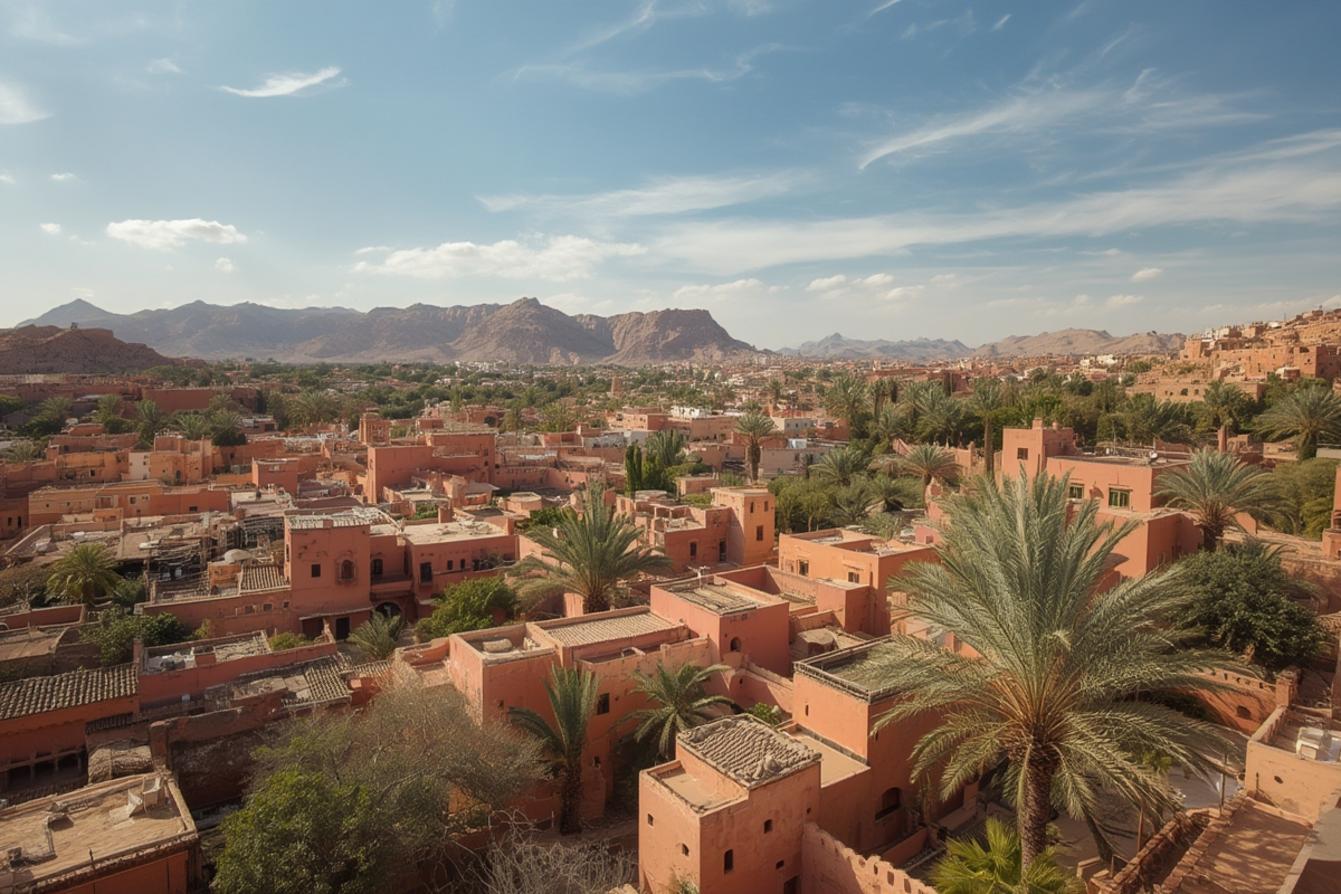
Marrakech isn’t just a destination—it’s a launchpad. The ochre-walled city pulses with energy, but beyond its medina walls lie landscapes so stunning they reshape your idea of Morocco entirely. Tours from marrakech open doors to the Sahara’s golden dunes, mountain valleys where time slows, coastal escapes, and ancient cities carved into cliffs. Whether you’re craving adventure, culture, or a complete change of scenery, the red city connects you to experiences that feel worlds apart from its bustling souks.
Most travelers underestimate how accessible Morocco’s best-kept secrets are from Marrakech. Within hours, you can trade the call to prayer echoing through Jemaa el-Fnaa for the silence of endless desert or the green terraces of the Atlas Mountains. This isn’t about ticking boxes on a checklist—it’s about understanding how different parts of Morocco feel, taste, and surprise you when you venture beyond the obvious.
Why Marrakech Works as Your Morocco Base Camp
Marrakech earned its reputation as Morocco’s tourism heart for practical reasons. The city sits at a geographic crossroads where desert, mountains, and coast meet within reasonable travel distance. Most international flights land here, and tour infrastructure is more developed than anywhere else in the country. You’ll find more departure options, better road connections, and guides who’ve spent years perfecting routes that maximize your time without feeling rushed.
The riad breakfast scene alone justifies using Marrakech as your anchor point. Return from multi-day excursions to rooftop dinners, hammam sessions, and the comforting chaos of the medina. It’s a rhythm many travelers fall into—venture out for immersive experiences, then recharge in the city’s embrace before the next departure. This balance between adventure and urban comfort is difficult to replicate elsewhere in Morocco.
What surprises first-timers is how different each direction from Marrakech feels. Head southeast and you’re in desert territory within hours. Drive north and you’ll climb into cedar forests and ski towns. Go west and the Atlantic breeze replaces mountain air. Marrakech doesn’t just offer variety—it offers completely contrasting Moroccos depending on which road you take.
Desert Expeditions: Merzouga, Zagora, and the Sahara Experience
The Sahara draws travelers like a magnet, and desert tours morocco from Marrakech typically target two main gateways: Merzouga and Zagora. Merzouga sits farther east near the iconic Erg Chebbi dunes—those towering orange waves you’ve seen in every Morocco photo. Getting there requires commitment: usually three days minimum with two nights in the desert. The journey itself becomes part of the story, crossing the Tizi n’Tichka pass through the High Atlas, pausing at UNESCO-listed Aït Benhaddou, and following the old caravan routes through the Draa Valley.
Zagora offers a shorter alternative for travelers with tighter schedules. You can reach these dunes in a long day’s drive, making two-day desert tours possible. The landscape feels less dramatic than Merzouga—dunes here are smaller, more scattered—but the experience still delivers. You’ll ride camels at sunset, sleep under Berber tents thick with blankets, and wake to silence broken only by tea being poured. The advantage is time efficiency without sacrificing the core desert immersion.
Both routes share common highlights that make the long drives worthwhile. The Todra Gorge’s sheer rock walls narrow to canyons where light plays tricks at different hours. The Dades Valley winds past kasbahs crumbling beautifully into red earth, each bend revealing new formations locals call “monkey fingers.” Rose cooperatives in the Valley of Roses let you watch women distill petals into oils using methods unchanged for generations. These aren’t just photo stops—they’re glimpses into how Moroccans adapted to harsh landscapes with creativity and resilience.
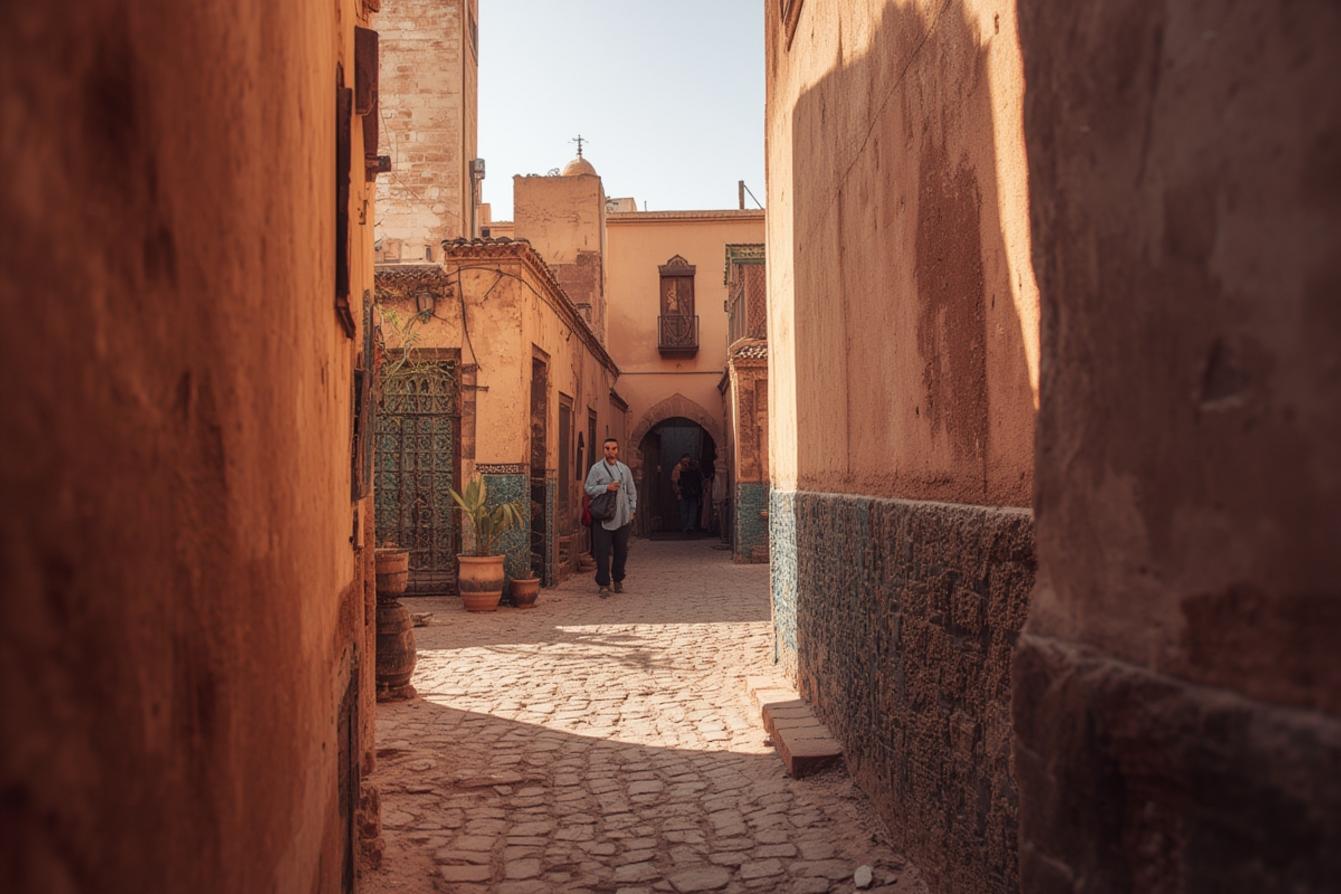
Desert nights deserve their reputation. When generators shut down and phone signals vanish, the Milky Way appears with an intensity city dwellers forget exists. Berber guides pound out rhythms on drums around fires while mint tea circulates endlessly. It’s touristy, yes, but sincerely so—these aren’t performances for cameras but traditions that existed long before travelers arrived. The cold surprises most people. Desert temperatures plummet after sunset, even in summer. Those blanket piles in your tent aren’t decorative.
Mountain Escapes: Atlas Villages and Valley Life
The High Atlas Mountains rise like a wall south of Marrakech, and tours here feel completely different from desert expeditions. Day trips to the Ourika Valley showcase Berber village life against waterfalls and terraced agriculture. The higher you climb, the more the air sharpens and views expand toward snow-capped peaks that seem impossible this close to the Sahara. Local families run guesthouses where lunch happens on rooftop terraces overlooking valleys turning every shade of green depending on the season.
Imlil sits at the base of North Africa’s highest peak, Mount Toubkal, and serves as the jumping-off point for serious trekkers and casual walkers alike. Even if you’re not summiting, the village offers hiking routes through juniper forests and apple orchards that bloom spectacularly in spring. Mule trains still transport supplies between hamlets inaccessible by road. Guides here speak multiple languages and understand the difference between tourists wanting gentle walks and those seeking challenging multi-day treks.
The Three Valleys tour combines Ourika, Oukaimeden, and Asni into a full-day mountain immersion. Oukaimeden transforms into Morocco’s ski resort in winter—yes, skiing exists here, though don’t expect Swiss Alps infrastructure. In warmer months, the same slopes become hiking territory with ancient rock carvings scattered across high-altitude plateaus. Asni’s weekly souk reveals what markets look like when they serve locals rather than tourists: produce piled high, livestock traded, hardware and household goods dominating over handicrafts.
Mountain tours work well as palate cleansers between desert trips or as day breaks from medina intensity. The altitude and green scenery reset your system. Plus, Berber hospitality in mountain villages carries a different flavor than city interactions—slower, quieter, built around tea ceremonies that last hours because there’s no reason to rush.
Coastal Getaways: Essaouira’s Wind and Waves
When Marrakech’s heat becomes oppressive, Essaouira offers Atlantic relief just two and a half hours west. This walled port city trades Marrakech’s inland intensity for sea breezes, fishing boats painted blue and white, and a medina where getting lost feels safer and calmer. Day trips work fine, but overnight stays let you catch the town’s rhythm once day-trippers leave and locals reclaim the streets.
The drive itself provides snapshots of rural Morocco: argan cooperatives where Berber women crack nuts using stones, goats perched impossibly in argan trees, and roadside stands selling honey and amlou (argan paste mixed with almonds and honey that becomes dangerously addictive). Essaouira’s Portuguese-influenced fortifications earned UNESCO status, but the real draw is atmosphere. Seagulls wheel over the harbor where the day’s catch gets auctioned. Surfers and kitesurfers chase consistent winds that make this coast famous among watersport communities.
The food scene skews heavily toward seafood. Grills line the port where you select fish, negotiate prices, and watch your dinner char over open flames. It’s informal, occasionally touristy in pricing, but undeniably fresh. The medina’s galleries showcase local artists inspired by the light and color combinations unique to this stretch of coast. Jimi Hendrix never actually stayed long in Essaouira despite local legends, but the bohemian vibe he supposedly appreciated lingers in cafes where travelers nurse coffees for hours watching waves.
Combining Essaouira with the Ouzoud Waterfalls creates a nature-focused two-day loop from Marrakech. The waterfalls—Morocco’s highest—cascade over multiple tiers where Barbary apes beg for snacks and rainbows form in the mist. It’s tourist-developed but still impressive, especially in spring when snowmelt swells the flow. The combination shows Morocco’s geographic diversity within a compact timeframe.
Imperial Cities Circuit: Fes, Meknes, and Cultural Depth
While Marrakech dazzles with its visual punch, Fes represents Morocco’s intellectual and spiritual heart. Three to four-day tours loop through the imperial cities, revealing how different Morocco’s historical capitals feel from each other. Fes el-Bali, the ancient medina, remains the world’s largest car-free urban area—a labyrinth where 9,000 alleyways twist past tanneries, madrasas, and homes unchanged for centuries. The famous tanneries assault your senses: pigeon dung and natural dyes create chemical reactions that produce leather, while workers stand waist-deep in vats following methods from the Middle Ages.
Meknes sits smaller and quieter than Fes or Marrakech, often overshadowed but rewarding for travelers tired of crowds. The grand gates and horseshoe arches showcase Sultan Moulay Ismail’s 17th-century ambitions to rival Versailles. Nearby Volubilis preserves Roman ruins with mosaics still vivid enough to identify peacocks and Bacchus celebrating wine. Standing among columns watching storks nest on ancient stones while the Moroccan countryside rolls toward mountains creates a strange temporal blend—Roman empire meets North African present.
These cultural tours work best with guides who understand history beyond memorized scripts. The differences between Almoravid, Almohad, Saadian, and Alaouite dynasties matter when you’re standing in buildings they commissioned. Architecture tells stories of power shifts, religious reforms, and artistic evolution. Without context, imperial cities become exhausting tangles of similar-looking buildings. With good interpretation, they reveal Morocco’s layered identity.
Practical Planning: Choosing Tours That Match Your Travel Style
Tour quality varies wildly from Marrakech. Budget group tours pack 15 people into vans, rush through highlights, and cut costs on accommodations. You’ll see the sights but miss nuance. Private tours cost significantly more but allow flexibility—want to linger at a viewpoint? Done. Need vegetarian meal options? Arranged. Mid-range small group tours (6-8 people maximum) balance social interaction with reasonable comfort and pacing.
Multi-day desert tours require realistic expectations about driving. Reaching Merzouga means 9-10 hours on the road across two days. If long drives trigger motion sickness or restlessness, Zagora makes more sense. Mountain and Essaouira trips involve less extreme distances but still feature winding roads. Check what’s actually included: some “desert tours” skimp on camel rides or charge extra for sunset experiences that should be standard.
Seasonal timing dramatically affects experiences. Summer desert heat (40°C+) challenges many travelers, though Berber tents stay surprisingly cool. Winter brings snow to mountain passes occasionally closing roads, but desert temperatures become ideal. Spring (March-May) hits the sweet spot: valleys bloom, temperatures moderate, and crowds thin compared to peak season. Ramadan changes rhythms—restaurants close during daylight, though tourist-focused places usually stay open.
Booking through tours from marrakech specialists versus hotel concierges or random medina shops matters. Established operators maintain insurance, vehicle standards, and guide qualifications. They also handle complications—vehicle breakdowns, weather changes, accommodation issues—without panicking. Reading recent reviews helps identify companies that deliver versus those running on outdated reputations. Red flags include vague itineraries, no client reviews, and prices significantly below market average.
Beyond the Standard Routes: Emerging Tour Destinations
While classic circuits dominate, alternative routes appeal to repeat visitors or those seeking less-trampled paths. The Agafay Desert sits just 40 minutes from Marrakech—not true Sahara but rocky, lunar-like terrain where luxury camps offer desert aesthetics without the long drive. It works as a taster or for travelers with mobility challenges making Merzouga impractical.
Paradise Valley near Agadir combines with coastal trips for those wanting swimming holes, palm groves, and cliffside villages. The drive takes longer (3+ hours) but delivers landscapes rarely featured in Morocco guides. Similarly, the Ouzoud Waterfalls pair well with olive grove cooperatives and traditional Berber villages that haven’t fully adapted to tourism yet. You’ll encounter genuine curiosity rather than sales pitches.
The Anti-Atlas Mountains southeast of Agadir showcase different geology and culture from the High Atlas. Almond blossoms transform valleys in late winter. Kasbahs here see fewer visitors, and villages maintain lifestyles largely unchanged despite Morocco’s rapid modernization elsewhere. These routes require more research and usually benefit from Arabic or French language skills, but reward adventurous travelers with authenticity difficult to find on standard circuits.
Conclusion
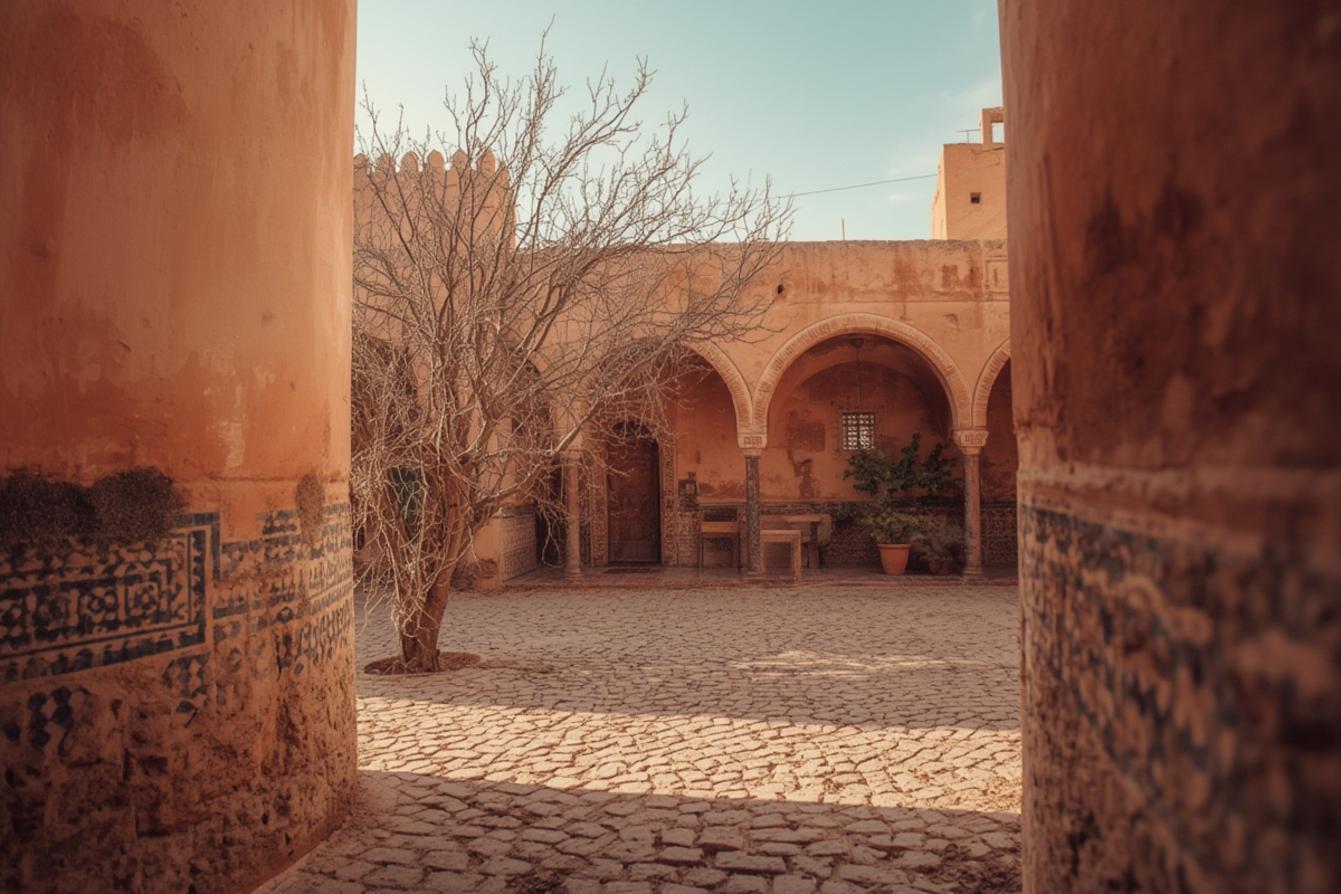
Marrakech delivers its own magic, but Morocco’s true diversity only reveals itself when you venture beyond the city walls. Tours from marrakech transform the red city from destination to gateway, connecting you with landscapes and cultures that complete the Moroccan experience. Whether you’re drawn to desert silence, mountain air, coastal winds, or imperial history, the infrastructure exists to make these journeys comfortable and meaningful.
The beauty of using Marrakech as your base isn’t just geographic convenience—it’s the contrast. Returning from desert camps or mountain villages to urban intensity helps you appreciate both extremes. You understand why Moroccan culture developed such distinct regional identities and how those differences shape the country’s character. The best Morocco trips don’t choose between city and nature, tradition and energy—they embrace all of it, and Marrakech sits perfectly positioned to make that embrace possible.
FAQs
How many days should I allocate for desert tours from Marrakech?
Minimum three days for Merzouga (two nights including one in desert), or two days for Zagora if time is tight. Quality desert experiences require patience with driving distances and time to actually enjoy the Sahara rather than just photographing it. Day trips marketed as “desert tours” typically reach Agafay’s rocky terrain, not true sand dunes. Four-day tours allow additional stops at gorges and valleys without constant rushing.
Can I visit multiple destinations like desert and mountains in one trip from Marrakech?
Absolutely, though combining requires realistic time frames. A week allows Merzouga desert tour (3 days) plus Atlas mountain excursions (1-2 days) with breathing room in Marrakech. Trying to squeeze desert, mountains, and coast into 4-5 days creates exhaustion. Better to focus deeply on two areas than superficially cover four. Many operators offer combination tours designed around logical routing that minimizes backtracking.
Are private tours worth the extra cost compared to group tours?
Private tours deliver significantly better experiences if budget allows—flexible timing, customized stops, better vehicle comfort, and guides focused solely on your group. Group tours work fine for solo travelers seeking companionship and those prioritizing budget, but expect compromises on pace and accommodation quality. Small groups (4-6 people) often provide the best value balance between cost and experience quality.
What should I pack differently for tours from Marrakech versus staying in the city?
Desert tours require warm layers for night (temperatures drop dramatically), sun protection beyond city levels, and closed-toe shoes for sand. Mountain trips need layered clothing for altitude changes and sturdy footwear if hiking. Coastal Essaouira trips allow lighter packing. All tours benefit from reusable water bottles, hand sanitizer, toilet paper, and snacks since bathroom facilities and food options vary dramatically outside cities. Power banks keep devices charged during long drives.




 Covers cities, coast, mountains, desert & food