
Planning a trip to Morocco? You’re probably excited about its lively cultural heritage and many attractions. Morocco is full of experiences, from busy markets to peaceful landscapes.
Explore historic medinas, see famous landmarks, and try local food. With influences from Africa, Arab, and Europe, Morocco promises a memorable trip.
Key Takeaways
- Discover Morocco’s rich cultural heritage
- Explore historic medinas and landmarks
- Experience the local cuisine and markets
- Enjoy the diverse landscapes and natural beauty
- Immerse yourself in the unique cultural influences
Discovering Morocco’s Rich Cultural Heritage
Exploring Morocco reveals a rich cultural heritage. It’s shaped by different traditions. The country sits at the crossroads of Africa, Europe, and the Arab world, blending influences.
The Blend of Arab, Berber, and European Influences
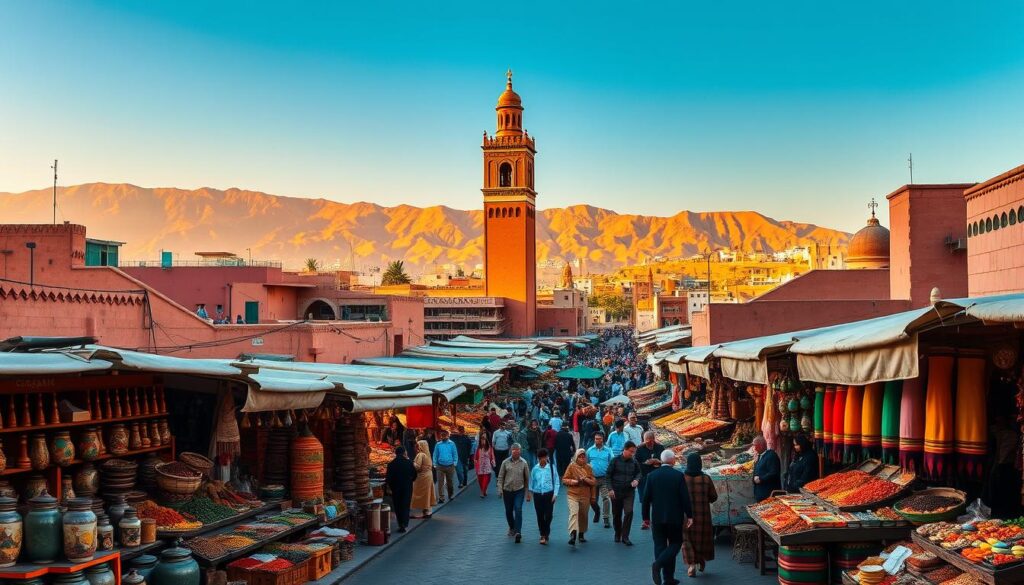
Morocco’s culture is a mix of Arab, Berber, and European. The Arab influence shows in language, food, and buildings. The Berber heritage is seen in traditional clothes, music, and festivals. European colonialism has also shaped the cities, like Casablanca and Rabat.
This mix of cultures is alive today. You can see it in the lively souks, try local food, and join cultural festivals.
Morocco’s Historical Significance
Morocco’s history is tied to its culture. It’s been a key spot for trade and cultural exchange for ages. Dynasties have left their mark on architecture, art, and traditions. The ancient city of Fez shows Morocco’s rich past.
| Historical Period | Cultural Impact | Notable Landmarks |
|---|---|---|
| Arab Conquest (7th-8th century) | Introduction of Islam, Arabic language, and architecture | Kairouyine Mosque in Fez |
| Berber Dynasties (11th-16th century) | Development of unique Berber culture and traditions | Tin Mal Mosque |
| European Colonialism (20th century) | Influence on urban planning, architecture, and education | Hassan II Mosque in Casablanca |
Knowing Morocco’s history makes its culture even more special. It makes your trip more meaningful.
Marrakech: The Red City
When you enter Marrakech, the Red City, you’re hit with a burst of colors, sounds, and smells. This lively city is full of Moroccan culture, history, and fun.
Jemaa el-Fnaa Square and the Medina
Jemaa el-Fnaa Square is the heart of Marrakech’s old city, or Medina. It’s a UNESCO World Heritage site known for its street performers, food stalls, and vibrant atmosphere. At night, the square turns into a night market, offering local food and crafts.
Street Performers and Night Markets
The square is famous for its street performers, including musicians, dancers, and snake charmers. You can also find a variety of food stalls serving traditional Moroccan dishes like tagines and couscous.
Navigating the Souks
Exploring the souks (markets) in Marrakech is an adventure. Remember to bargain when shopping, as it’s part of the local culture. You can find everything from handicrafts to spices in these bustling markets. For more information on navigating Moroccan markets, visit Morocco’s Destination Guides.
Bahia Palace and Majorelle Garden
Marrakech is also home to several historical landmarks, including the Bahia Palace and Majorelle Garden. The Bahia Palace is a masterpiece of Islamic craftsmanship, with its intricate woodwork and beautiful tilework. Majorelle Garden, once owned by French artist Jacques Majorelle, is a stunning botanical garden featuring a variety of plants and a striking blue Art Deco building.
Where to Stay and Eat in Marrakech
Marrakech offers a wide range of accommodations, from luxury riads to budget-friendly hotels. For dining, you can enjoy traditional Moroccan cuisine at local restaurants or try some of the street food available in Jemaa el-Fnaa Square. To learn more about experiencing Marrakech like a local, check out The Red City of Morocco.
| Attraction | Description | Best Time to Visit |
|---|---|---|
| Jemaa el-Fnaa Square | Vibrant public square known for street performers and food stalls | Evening |
| Bahia Palace | Historic palace showcasing Islamic craftsmanship | Morning |
| Majorelle Garden | Stunning botanical garden with a variety of plants | Afternoon |
Fez: Morocco’s Cultural Capital
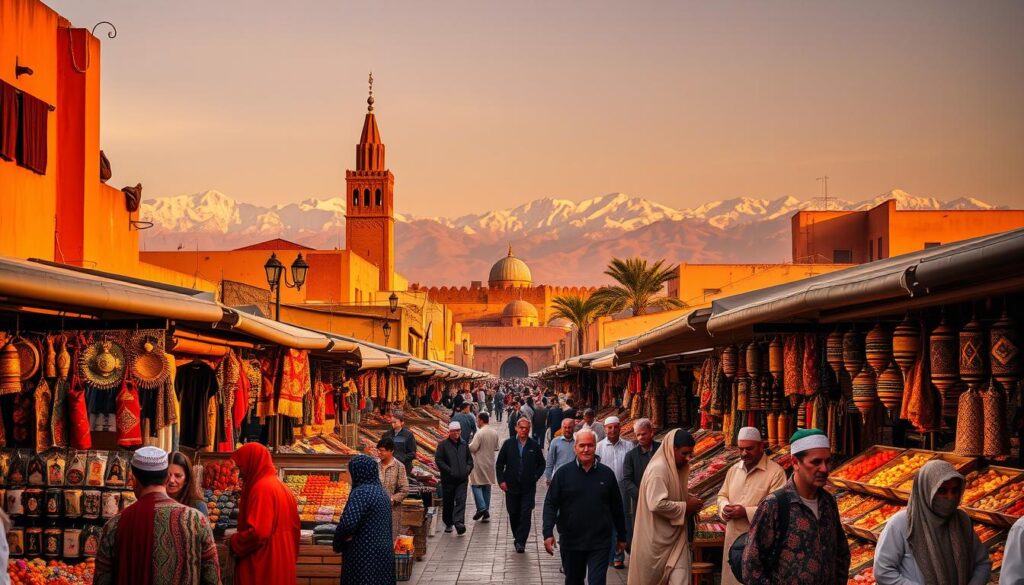
When you arrive in Fez, you dive into a world filled with ancient traditions and deep culture. This city is a goldmine of history and culture, making it a must-see in Morocco. It’s famous for its ancient buildings, lively markets, and rich heritage.
Navigating the Ancient Medina
The Medina of Fez is a maze of narrow streets and busy markets. Exploring this historic area is an adventure.
Tanneries and Traditional Workshops
Visiting the tanneries is a highlight. Here, you see how leather has been made for generations. You can also see artisans creating beautiful items in various workshops.
Getting Lost in the 9,000 Alleyways
Wandering through the Medina, you’ll find hidden treasures. From beautiful mosques to cozy riads, getting lost is part of the fun. You might find unexpected Fez attractions along the way.
Al-Qarawiyyin University and Mosque
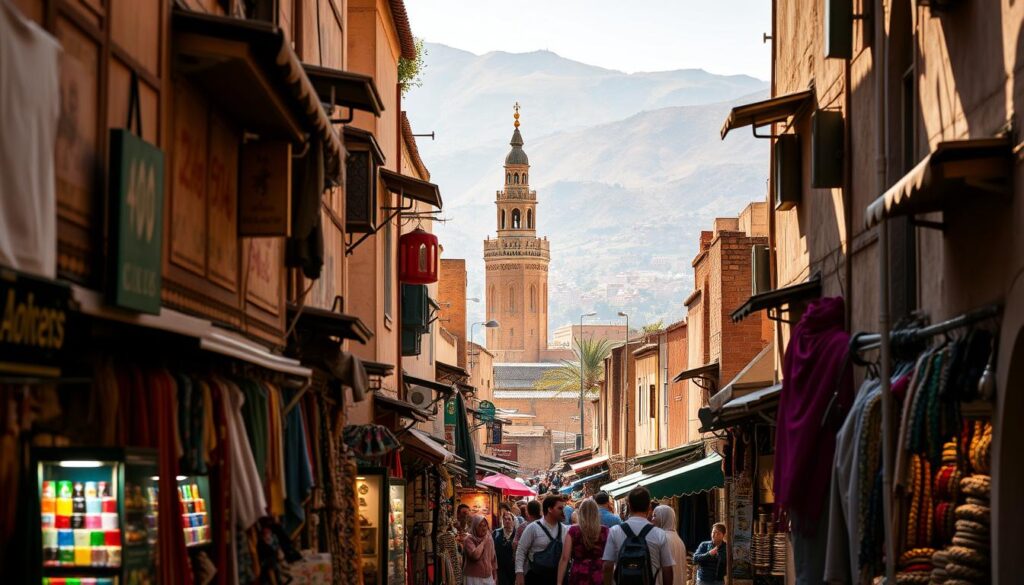
Don’t miss the Al-Qarawiyyin University and Mosque. It’s one of the oldest universities in the world. This place shows Fez’s importance in education and Islamic culture.
Traditional Crafts and Shopping
Fez is a shopper’s dream, with many traditional crafts. You can find everything from pottery to woodwork. For more tips on visiting Fez, check out this Fez travel guide.
Some top things to do in Fez include:
- Exploring the narrow streets of the Medina
- Visiting the tanneries and traditional workshops
- Discovering local crafts and shopping for souvenirs
Casablanca: Morocco’s Modern Metropolis
Casablanca is a city that will grab your attention. It has stunning architecture, a lively culture, and a beautiful coastline. You’ll find a mix of old and new attractions here, making it a top spot for your Morocco trip.
Hassan II Mosque and Corniche
The Hassan II Mosque is a key landmark in Casablanca. It’s a work of art in modern Islamic design, built over the sea. The Corniche, nearby, is a lovely place for walks and to see the ocean.
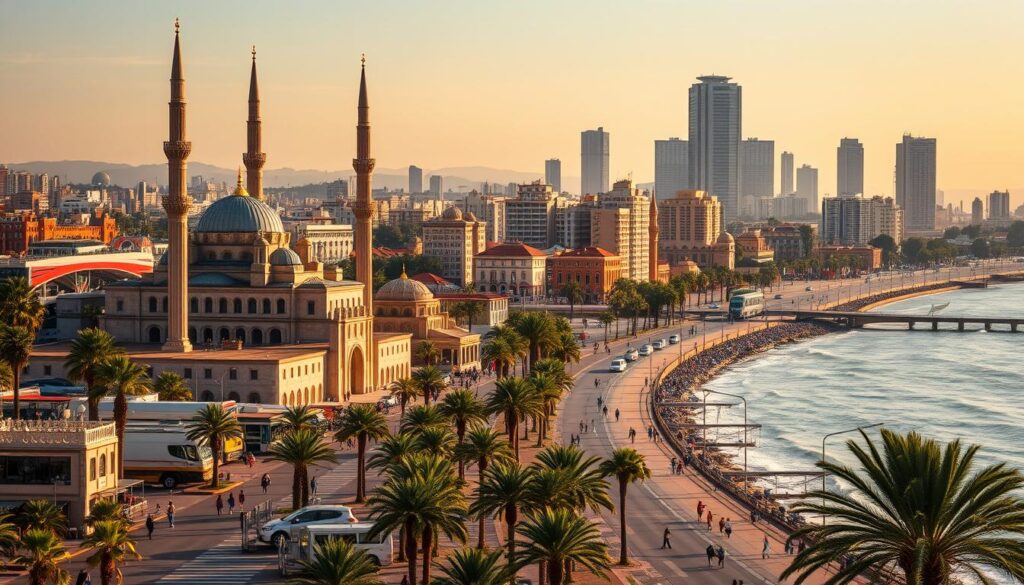
Art Deco Architecture and Urban Experiences
Casablanca is famous for its Art Deco architecture. This style, from the French colonial days, adds to the city’s charm. You’ll find everything from lively markets to modern malls as you wander around.
The Habous Quarter
The Habous Quarter is a historic area. It shows the city’s rich culture with its old streets and buildings. It’s a great place to see how locals live.
Mohammed V Square
Mohammed V Square is a key spot in Casablanca. It’s surrounded by French colonial buildings. This area is full of life, perfect for experiencing the city’s vibe.
Casablanca is a mix of old and new, making it a fun place to visit. Whether you love history, culture, or just the city’s energy, Casablanca has it all.
Chefchaouen: The Blue Pearl
Chefchaouen, known as the Blue Pearl, is a beautiful town in Morocco’s Rif Mountains. It’s a top spot for those looking for peace and culture.
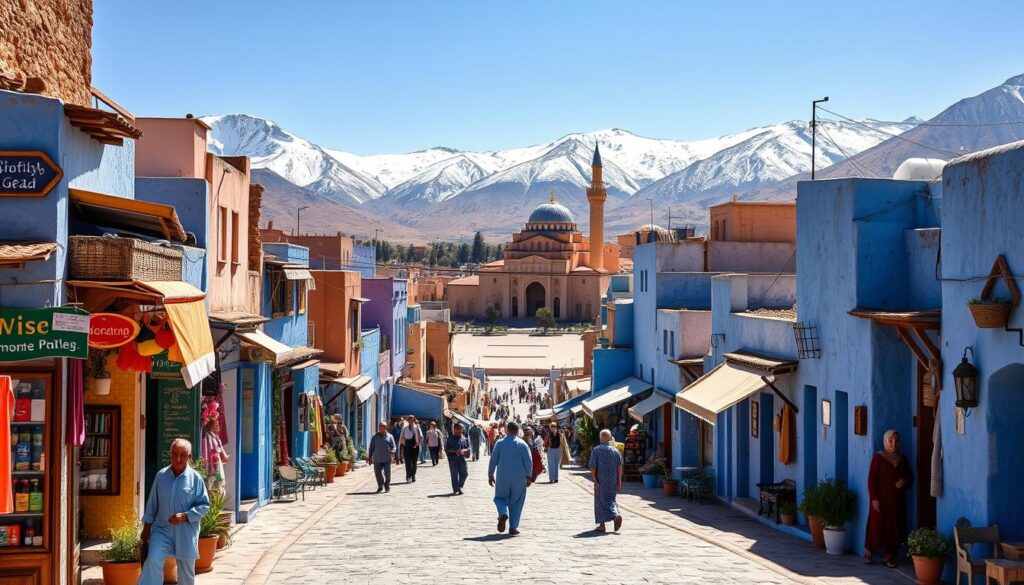
The Story Behind the Blue Walls
The blue buildings in Chefchaouen are more than pretty. They tell a story. Jewish refugees painted them blue in the 1930s. They saw blue as a symbol of the sky and heaven.
This made Chefchaouen a stunning place. It draws artists, photographers, and travelers from everywhere.
Hiking Opportunities and Nearby Attractions
Chefchaouen is more than its blue walls. It leads to Morocco’s stunning nature. The Rif Mountains around it offer many hiking trails.
Talassemtane National Park
Talassemtane National Park is a highlight near Chefchaouen. It’s a paradise for nature fans. You’ll find amazing plants, animals, and views.
Akchour Waterfalls
The Akchour Waterfalls are another must-see. They’re great for hiking and picnics. The waterfalls, surrounded by green, offer a memorable visit.
Rabat: The Capital City
Rabat, Morocco’s vibrant capital, is a city where ancient traditions meet modern sophistication. It is one of the must-see cities in Morocco. Rabat offers a unique blend of historical sites and contemporary attractions for all interests.
Kasbah of the Udayas and Hassan Tower
The Kasbah of the Udayas is a historic fortress with stunning views of the Atlantic Ocean. This 12th-century Almohad fortification shows Rabat’s rich history. Nearby, the Hassan Tower, a minaret that was never completed, stands as a symbol of the city’s architectural heritage.
Modern Rabat and Royal Palaces
Modern Rabat is known for its elegant royal palaces and contemporary architecture. The Royal Palace, the official residence of the King of Morocco, is an impressive structure. It showcases the country’s rich cultural heritage. Visitors can also explore the Mohammed V Mausoleum, a beautifully crafted monument that honors the former king.
Chellah Necropolis
The Chellah Necropolis is an ancient Roman and Islamic necropolis. It gives a glimpse into Rabat’s historical past. This archaeological site features intricate stone carvings, ancient ruins, and serene gardens.
Mohammed VI Museum of Modern Art
For art enthusiasts, the Mohammed VI Museum of Modern Art is a must-visit. The museum features an impressive collection of contemporary Moroccan art. It showcases the country’s vibrant artistic scene.
Tangier: Gateway to Africa
Tangier is a city with a rich history, acting as a gateway to Africa. It mixes cultures and influences in its architecture, cuisine, and cultural practices. Exploring Tangier reveals a city shaped by its location at the crossroads of Africa and Europe.
Historical International Zone
Tangier’s history as an international zone has left a lasting legacy. From 1923 to 1956, it became a melting pot of cultures. People from all over the world were drawn to it.
Café Culture and Literary History
Tangier’s café culture is famous, with places like Café de Paris and Café Tingis. They offer a peek into the city’s literary past. Writers like Paul Bowles and William S. Burroughs were attracted to Tangier’s lively atmosphere.
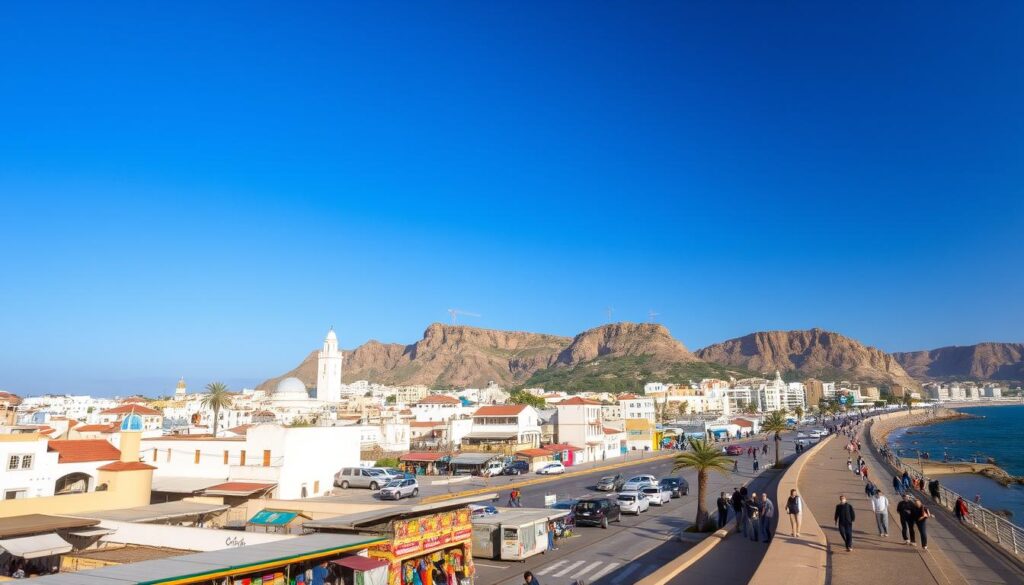
The American Legation Museum is a key part of Tangier’s history. It’s the only museum outside the U.S. dedicated to American history. It shows the diplomatic and cultural ties between the U.S. and Tangier.
Caves of Hercules and Cape Spartel
Outside Tangier, the Caves of Hercules and Cape Spartel are breathtaking. The caves are said to be Hercules’ resting place. Cape Spartel offers stunning views of the Mediterranean and Atlantic.
Exploring Tangier reveals its unique history, cultural richness, and natural beauty. It’s a compelling destination for any traveler.
Essaouira: Coastal Charm
Essaouira is a coastal town in Morocco that mixes history, culture, and adventure. It’s on the Atlantic coast and is famous for its charm and attractions. It’s a must-see on any Moroccan trip.
Windy Beaches and Water Sports
Essaouira’s beaches are perfect for surfers and windsurfers because of the strong winds. The town has a relaxed vibe and steady breezes. It’s great for surfers of all levels.
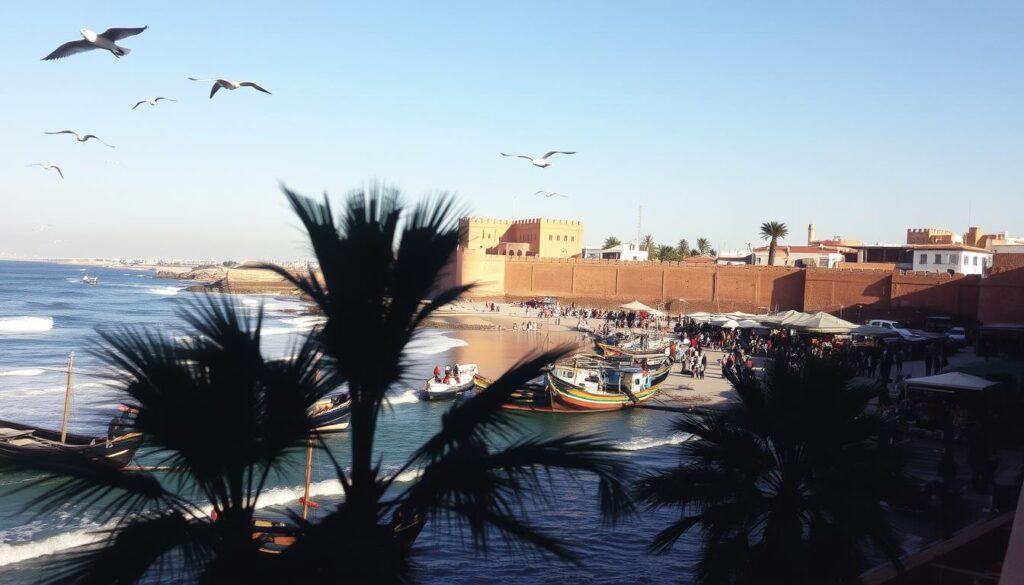
Game of Thrones Filming Locations
Essaouira became famous as a Game of Thrones filming spot. Its old ramparts and beautiful views were used for Astapor. Fans can visit these places and feel the show’s magic.
The Historic Medina and Port
The Medina of Essaouira is a UNESCO World Heritage site. It has 18th-century walls and lively souks. The area is full of shops, cafes, and restaurants, showing the town’s culture. The port is always busy with fishermen and artisans.
Music and Art Scene
Essaouira is also famous for its music and art. It has many festivals celebrating Gnawa music and culture. Visitors can enjoy live music, see art galleries, and feel the town’s creative spirit.
Meknes: Imperial City
Meknes is called the ‘Versailles of Morocco.’ It’s an imperial city filled with historical landmarks. As you explore, you’ll see a mix of Arab, Berber, and European cultures. This shows Morocco’s rich cultural heritage.
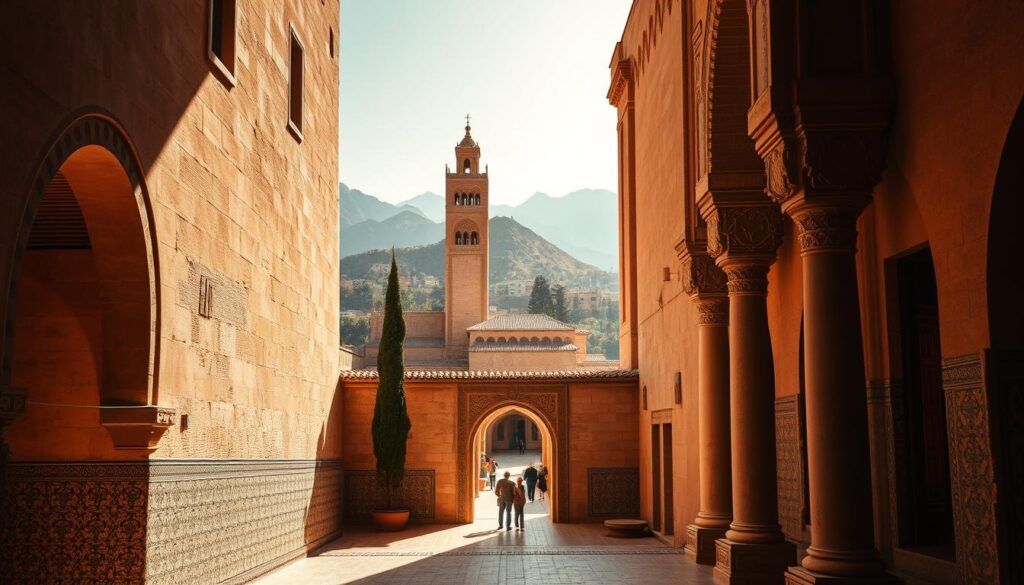
Bab Mansour and Royal Stables
Bab Mansour is a famous gate built by Sultan Moulay Ismail. It’s a symbol of the city’s history. The Royal Stables are nearby. They show the city’s architectural skills, with huge structures for thousands of horses.
Day Trips to Volubilis Roman Ruins
A trip to the Volubilis Roman Ruins is essential. These ancient sites are a UNESCO World Heritage Site. They have well-preserved mosaics and Roman buildings. They give a peek into the region’s Roman past.
| Attraction | Description | Distance from Meknes |
|---|---|---|
| Bab Mansour | Historic gate built during Sultan Moulay Ismail’s reign | Within Meknes |
| Royal Stables | Vast structures that once housed thousands of horses | Within Meknes |
| Volubilis Roman Ruins | Ancient archaeological site with preserved mosaics | Approximately 30 km |
Exploring Meknes and its surroundings offers a deep dive into Morocco’s imperial past. It’s a key best place to visit in Morocco.
Must-Visit Tourist Cities in Morocco for American Travelers
Morocco is a fascinating place for American travelers. It has a mix of Arab, Berber, and European cultures. Each city in Morocco offers something special for everyone.
Cities That Offer Familiar Comforts
Some Moroccan cities feel like home for American visitors. Casablanca has modern comforts and a global vibe. It’s a great place to start your journey.
Rabat, the capital, mixes old and new. You can see ancient sites and modern museums here. It’s a city that offers both tradition and innovation.
Unique Experiences You Won’t Find in the US
Morocco’s cities have experiences unlike anything in the US. Marrakech’s Jemaa el-Fnaa Square is a whirlwind of sights and sounds. It’s filled with street performers, food, and markets.
Fez shows off Morocco’s deep cultural roots. Its ancient medina and traditional crafts are a window into the past. These experiences make Morocco a memorable trip for American travelers.
Navigating Moroccan Culture and Customs
Exploring Morocco means understanding its culture and customs. Morocco’s culture is a mix of Arab, Berber, and European traditions. This mix shapes the country’s etiquette, social norms, and daily life.
Etiquette and Social Norms
Moroccans value hospitality and respect for guests. When meeting locals, be mindful of your behavior. Also, dress modestly.
Dress Code and Religious Considerations
Wear clothes that cover your shoulders and knees, especially in mosques or rural areas. Respecting the local dress code shows respect for the culture.
Greetings and Basic Arabic Phrases
Learn basic Arabic greetings like “As-salamu alaykum” (peace be upon you) and “Shukraan” (thank you). Using local phrases helps build rapport with locals.
Bargaining in Souks and Markets
Bargaining is key in Moroccan souks. Research prices and be ready to negotiate. A smile and friendly attitude can lead to better deals.
In the lively markets, remember bargaining is a cultural norm. Enjoy the experience and don’t hesitate to walk away if the price is not right.
“The souk is not just a place to buy goods, it’s an experience, a cultural immersion.” –
Moroccan Cuisine: What to Eat and Drink
Moroccan cuisine is filled with the smells of spices from the souks. It also has hearty tagines and couscous. These dishes show the country’s rich history and cultural mix.
Essential Dishes to Try
Moroccan food is full of flavors and holds deep cultural meaning. Two dishes stand out as must-tries.
Tagines and Couscous
A tagine is a slow-cooked stew cooked in a special pot. It’s made with meat, veggies, and dried fruits. Couscous is a staple made from semolina flour, often served with veggies and meat.
Mint Tea and Coffee Culture
No trip to Morocco is complete without trying the traditional mint tea. It’s a sign of welcome. Mint tea is made with green tea, fresh mint, and sugar, creating a refreshing drink. Coffee culture is also big, with many cafes serving Arabic coffee.
Mint tea is key in social gatherings, like meetings and special events. Serving mint tea is seen as a sign of respect and hospitality.
Accommodation Options Across Morocco
Morocco offers a wide range of places to stay, from traditional riads to luxury desert camps. You can find something that fits your taste and budget. This ensures a comfortable stay for all travelers.
Riads, Hotels, and Hostels
Morocco is famous for its riads, houses with beautiful gardens inside. These riads have been turned into boutique hotels, mixing old charm with new comforts. Besides riads, you can choose from many hotels and hostels, from cheap to fancy. For more tips on where to stay, check out Morocco Travel Resources.
Luxury Desert Camps and Mountain Retreats
For adventure seekers, Morocco’s luxury desert camps are a must-try. They offer top-notch amenities and fun activities like camel rides and stargazing. In the Atlas Mountains, you can find mountain retreats with stunning views. These places are often eco-lodges or traditional Berber houses, giving you a taste of local life.
| Accommodation Type | Description | Location |
|---|---|---|
| Riads | Traditional Moroccan houses with interior gardens | Marrakech, Fez, Rabat |
| Luxury Desert Camps | High-end camps with amenities like camel rides and stargazing | Merzouga, Zagora |
| Mountain Retreats | Eco-lodges and traditional Berber houses | Atlas Mountains |
With so many choices, finding the right place to stay in Morocco is easy. Whether you want luxury, adventure, or to dive into local culture, Morocco has it all.
Getting Around: Transportation in Morocco
Morocco’s varied landscapes make it essential to know how to get around. The country has a wide range of transportation options. This makes traveling across Morocco easy and convenient.
Trains, Buses, and Grand Taxis
Trains are a great choice for long trips between cities like Marrakech, Fez, and Rabat. The ONCF train network is both efficient and affordable. For shorter trips or rural areas, buses and grand taxis are your best bet.
Companies like Supratours run bus services that cover areas trains can’t reach. Grand taxis operate on set routes and leave when they’re full. They’re perfect for quick, short trips.
Car Rentals and Driving Tips
Renting a car lets you explore Morocco at your own speed. Major companies like Hertz and Europcar have offices at airports and in cities. Before driving, get ready for busy city streets and different road conditions.
Make sure you have all the right documents, including an International Driving Permit. Even though traffic laws are sometimes not strictly followed, it’s crucial to obey them.
Safety Tips for Travelers in Morocco
Planning a trip to Morocco? Knowing the safety tips is key for a great trip. Morocco is safe, with low crime rates. But, knowing about scams and health tips can make your trip better.
Common Scams to Avoid
Even though Morocco is safe, some scams target tourists. These include:
- Petty theft and pickpocketing in crowded areas and markets.
- Scams involving overly friendly locals who may approach you with “gifts” or offers that seem too good to be true.
- Fake guides or unofficial tour operators who may demand payment for services not rendered.
To stay safe, keep valuables secure. Be wary of overly friendly strangers. Always agree on prices before accepting any service.
Health Precautions and Emergency Information
Morocco needs certain vaccinations. Check with your doctor or travel clinic before you go. Also, protect yourself from heatstroke, sunburn, and dehydration in the summer.
In emergencies, Morocco’s healthcare in big cities is good. But, having travel insurance for medical evacuations is a must.
Travel Insurance Recommendations
Choose travel insurance for Morocco that covers:
- Medical expenses, including evacuations.
- Trip cancellations or interruptions.
- Loss or theft of personal belongings.
US Embassy and Consulate Services
The US Embassy in Rabat and the Consulate General in Casablanca help American citizens. They offer:
- Emergency assistance during natural disasters or civil unrest.
- Passport services and replacements.
- Information on local laws and customs.
Register with the US Department of State’s Smart Traveler Enrollment Program (STEP) for safety updates.
Conclusion: Planning Your Perfect Moroccan Adventure
Planning your trip to Morocco opens up a world of cultures, history, and landscapes. You’ll explore cities like Marrakech, Fes, Chefchaouen, and Tangier. These places offer vibrant cities, stunning architecture, and natural beauty.
For the best weather, visit in spring or autumn. This way, you’ll enjoy mild temperatures.
Good travel planning is essential for a great trip. Look into your itinerary, including how to get around by train or bus. Choose places to stay that fit your taste, from cozy riads to luxury desert camps.
Remember to pack clothes that are modest. Also, be ready to haggle at souks and markets.
For a detailed 10-day plan and insider tips, check out this guide. With careful planning, you’ll make memories that last a lifetime in Morocco.



 Covers cities, coast, mountains, desert & food