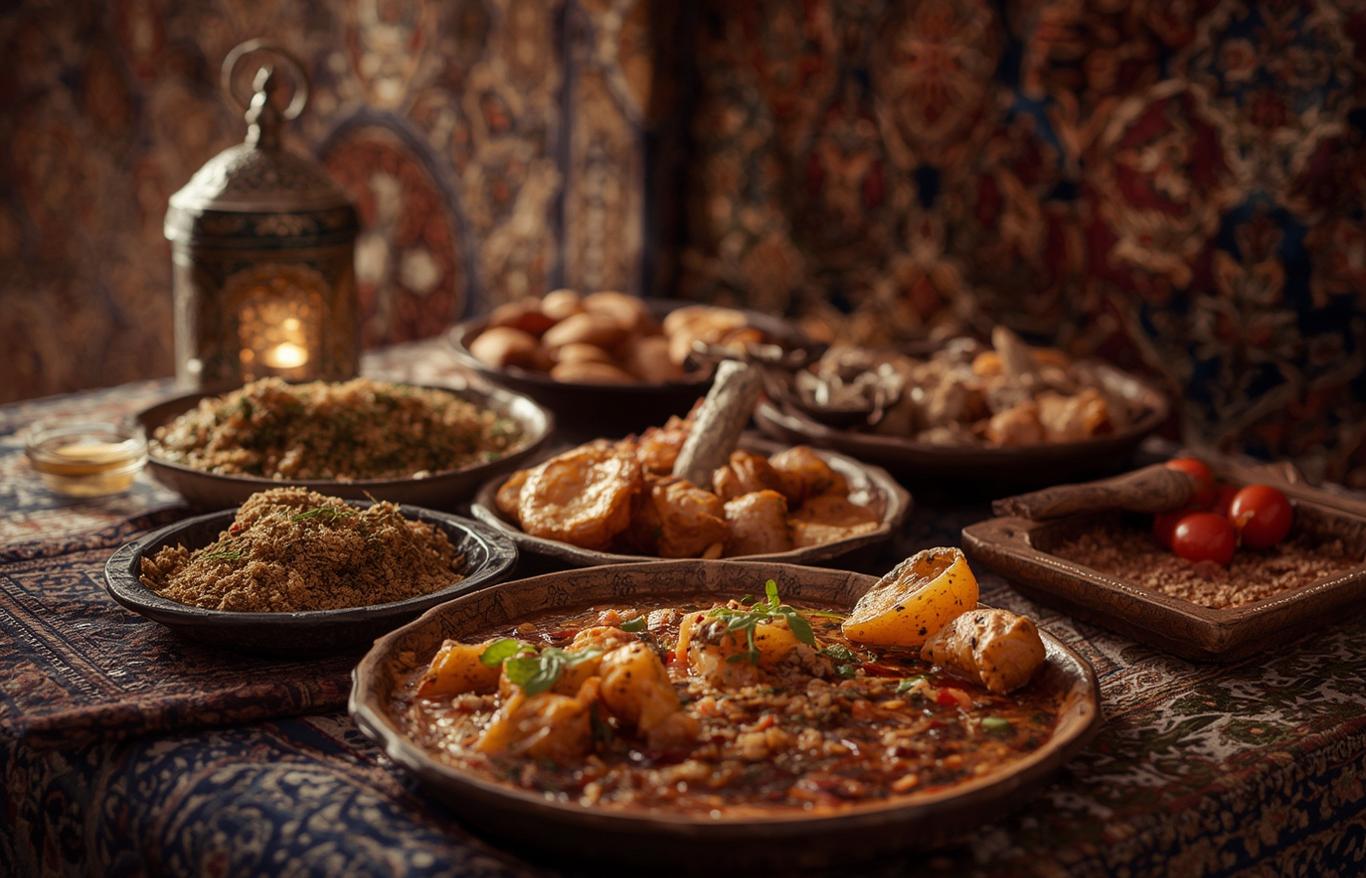
Stepping into Morocco during Ramadan is an experience unlike any other, transforming the daily rhythm into a tapestry woven with devotion, community, and, of course, incredible food. As the sun dips below the horizon, signaling the end of the day’s fast, families gather for iftar, the breaking of the fast, and the air fills with the aroma of diverse and comforting Moroccan Ramadan dishes. These aren’t just meals; they are culinary rituals, steeped in tradition and designed to nourish the body and soul after a day of abstinence. For travelers, understanding and, ideally, experiencing these special dishes offers an unparalleled glimpse into the heart of Moroccan culture during its holiest month. From sweet to savory, light to hearty, each dish tells a story of hospitality and heritage.
The Ritual of Iftar: More Than Just Food
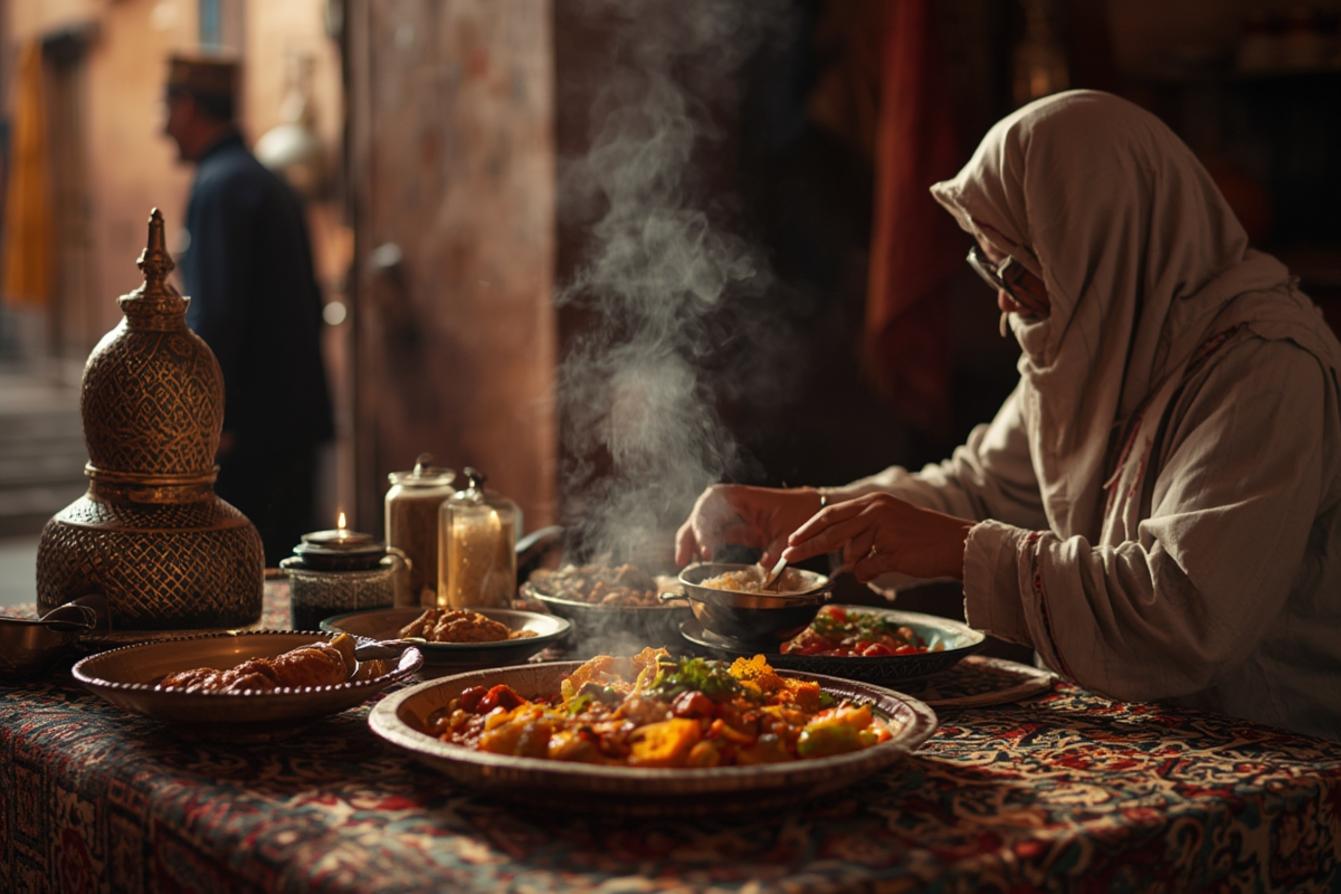
Iftar in Morocco is a cherished moment, a communal embrace that extends beyond the family table to encompass neighborhoods and even entire cities. As the call to prayer, the Adhan al-Maghrib, echoes, a hush falls, quickly followed by the clinking of spoons and the murmur of conversation. The initial breaking of the fast almost universally begins with dates and a glass of milk, a practice rooted in prophetic tradition. This simple yet profound start prepares the body for the feast to come. Following this, the table is laden with a progression of dishes, each playing a specific role in re-energizing and satisfying hunger. It’s a carefully orchestrated sequence, often starting with light, rehydrating elements before moving onto more substantial fare.
Harira: The Iconic Moroccan Ramadan Soup
No discussion of Moroccan Ramadan dishes is complete without highlighting Harira, the undisputed queen of the iftar table. This rich, hearty, and deeply comforting lentil and tomato soup is more than just a starter; it’s a staple, a non-negotiable part of the breaking of the fast for virtually every Moroccan household. Each spoonful is a symphony of flavors: tangy tomatoes, earthy lentils, tender chickpeas, and often small pieces of lamb or beef, all brought together with a fragrant blend of spices like turmeric, ginger, and black pepper, and brightened by fresh cilantro and parsley.
The consistency is often thickened with tadwirra, a mixture of flour and water, giving it a satisfying body. Preparing Harira is a labor of love, often started hours before iftar, allowing the flavors to meld beautifully. It’s usually served piping hot, accompanied by slices of lemon and sometimes a sprinkle of chopped hard-boiled egg. For many, the smell of Harira simmering on the stove is the true scent of Ramadan. It’s a dish that embodies the warmth and sustenance of the holy month.
Sweet Beginnings: Chebakia and Sellou
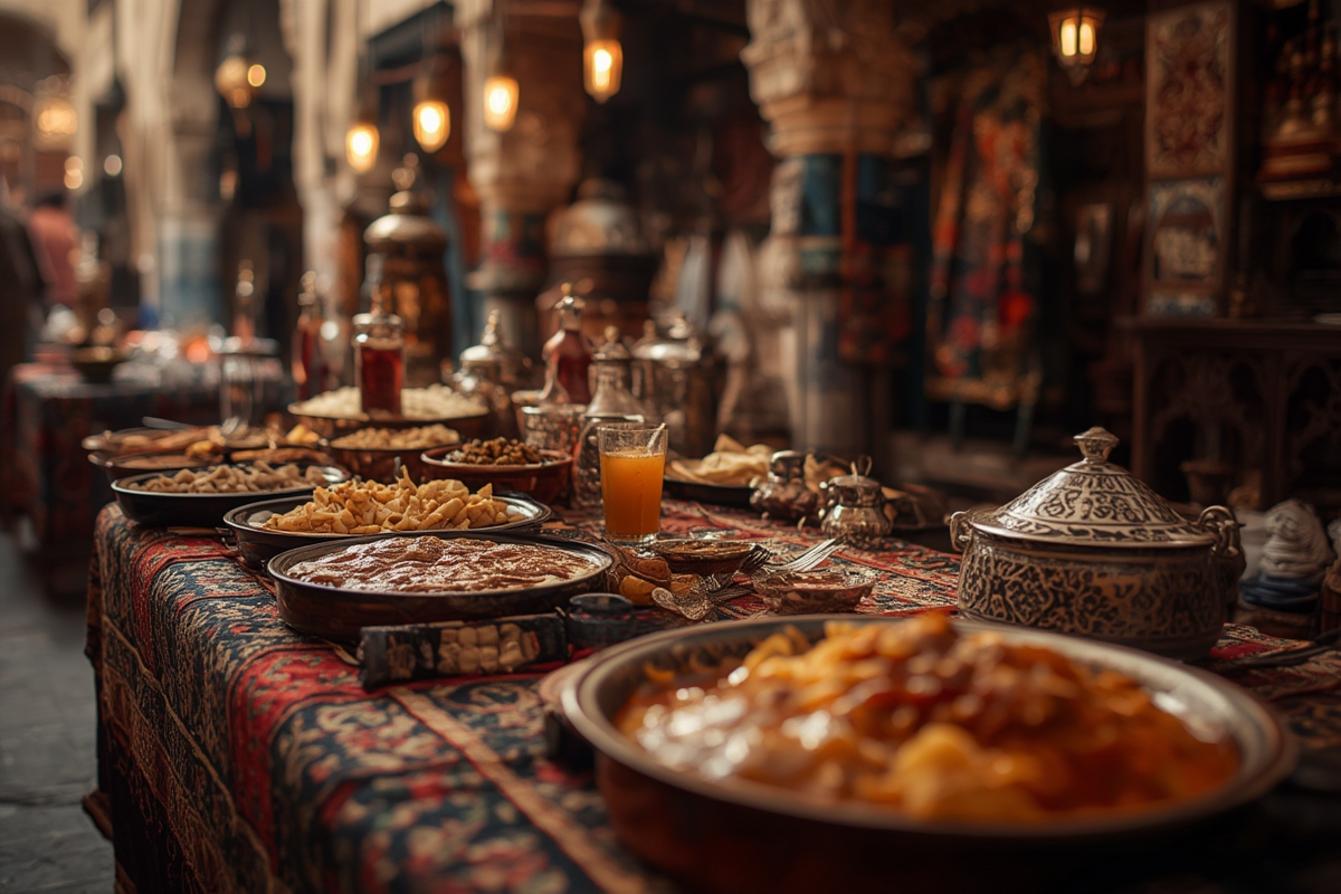
While Harira provides savory comfort, the sweet side of Moroccan iftar is equally elaborate and significant, often featuring alongside it. Two standouts that define the sweet dimension of Moroccan Ramadan dishes are Chebakia and Sellou. Chebakia are ornate, sesame-studded honey cakes, artfully shaped into a flower or rose, then deep-fried and bathed in a sweet, fragrant syrup. Their delicate crunch and syrupy sweetness are irresistible, providing a much-needed energy boost after fasting. Making Chebakia is often a communal activity, with families gathering to prepare large batches days before Ramadan begins.
Sellou (also known as Sfouf or Zamita in some regions) is another nutritional powerhouse. This traditional, unbaked confection is made from roasted flour, often whole wheat, ground sesame seeds, roasted almonds, and an array of spices like anise, cinnamon, and fennel, all kneaded together with melted butter and honey until it forms a moist, crumbly mixture. It’s incredibly energy-dense, packed with protein and healthy fats, making it perfect for sustaining fasters. It’s typically served in elegant mounds, sometimes pressed into decorative molds, offering a satisfying and healthy sweetness that contrasts beautifully with the other elements of the iftar table. These sweet treats are not just desserts; they are essential components of the iftar, prepared with care and deeply appreciated for their energy-giving properties.
Tagine and Coucous Variations for the Holy Month
While Harira, Chebakia, and Sellou are constants, the main course elements of iftar can vary, though much like during the rest of the year, tagines and couscous often make an appearance, sometimes adapted slightly for the holy month. Heavier, slower-cooked tagines are often prepared, offering tender meats (lamb, beef, or chicken) stewed with vegetables, dried fruits, and aromatic spices. A common Ramadan tagine might feature prunes and almonds, or perhaps a rich kefta (meatball) tagine in a spiced tomato sauce.
Couscous, while traditionally a Friday dish, can also be found on the iftar table, sometimes prepared with a lighter vegetable broth or served as a side to a heartier stew. The intention is always to provide substantial nourishment that is both comforting and digestible after hours without food. Unlike regular meals, Ramadan tagines or couscous are often served in slightly smaller portions, as the focus is on a balanced array of items rather than one overwhelmingly large dish. For those following a Moroccan Ramadan dishes itinerary, experiencing these home-cooked tagines feels truly authentic.
Refreshing Drinks and Breads: Essential Companions
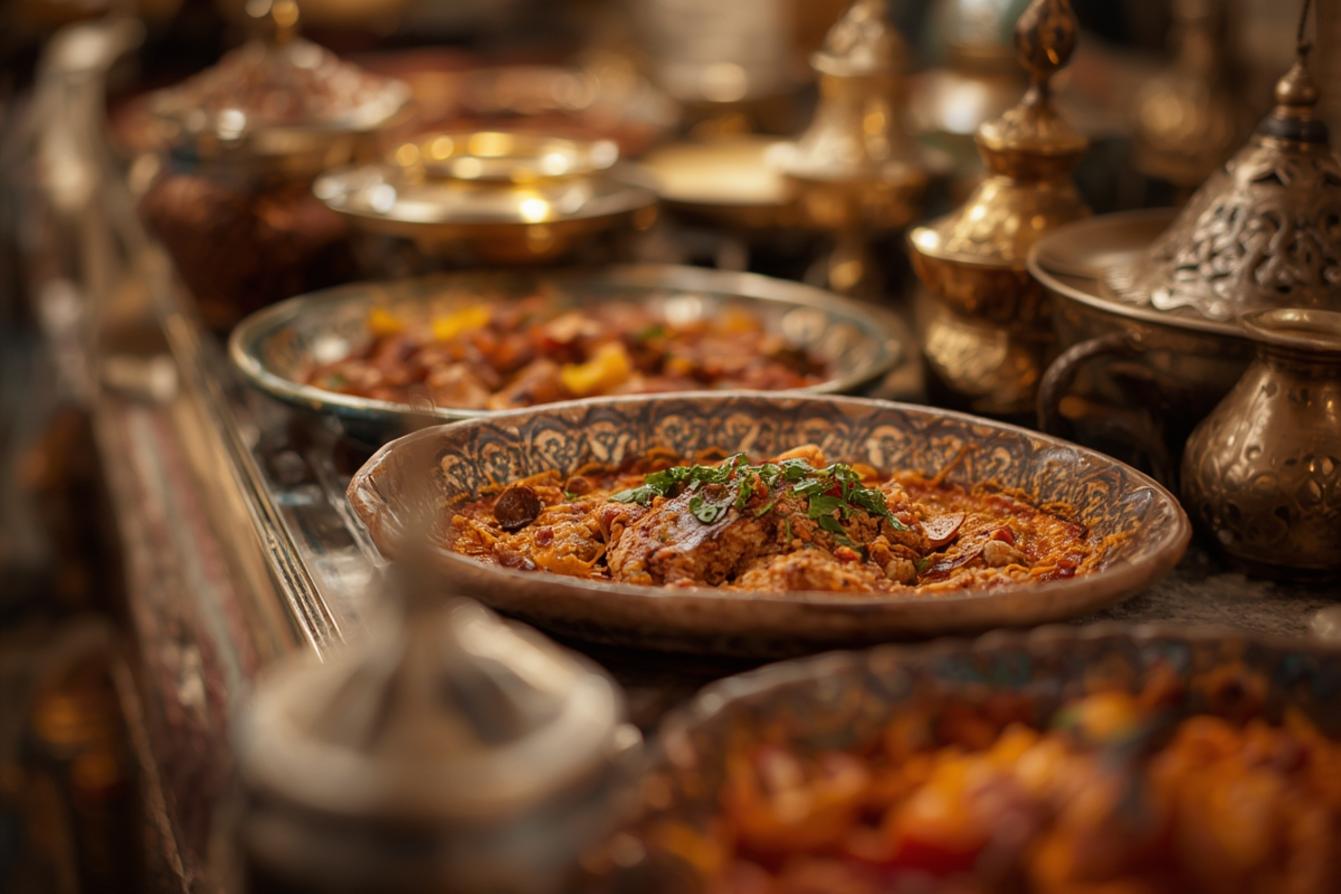
No Moroccan iftar table is complete without a selection of refreshing beverages and an assortment of freshly baked breads. Beyond the initial milk, Moroccans often enjoy a variety of drinks tailored to rehydrate and invigorate. Freshly squeezed orange juice is a popular choice, vibrant and full of vitamin C. Beldi (homemade) almond milk, often lightly sweetened and flavored with orange blossom water, is another cherished option, offering a creamy, cooling sensation. Herbal infusions, particularly mint tea (the national drink), are also central, aiding digestion and providing a soothing end to the meal. Sometimes, a rich, homemade fruit smoothie, often incorporating dates, makes an appearance, blending nutrition and sweetness.
Accompanying these fluids and the main dishes is an impressive array of breads. From the ubiquitous khobz (round, rustic Moroccan bread) that’s perfect for scooping up tagine sauces or Harira, to lighter msemen (flaky, square flatbreads) or rghaif (similar to msemen but often stuffed or folded differently), bread is an indispensable part of every meal. Some special Ramadan breads might include baghrir (spongy, honeycombed pancakes) served with butter and honey, or harcha (semolina griddle cakes) that are wonderfully crusty on the outside and soft within. These breads are not just filler; they are integral to the eating experience, each with a unique texture and flavor profile that complements the other Moroccan Ramadan dishes. You can find many recipes for these and other Moroccan iftar meals online.
Suhoor: The Pre-Dawn Meal
While iftar is the grand evening feast, Suhoor is the vital pre-dawn meal that sustains fasters throughout the day. Unlike the elaborate spread of iftar, Suhoor tends to be simpler, focusing on foods that provide sustained energy and hydration. Common Suhoor Moroccan Ramadan dishes include light yet nourishing options like khobz with olive oil, honey, or amlou (a delicious blend of argan oil, almonds, and honey). Yogurts, fresh fruits, and hard-boiled eggs are also frequently consumed for their protein and slow-release energy. Sometimes, a bowl of semolina porridge or a light soup might be served. The goal is to eat enough to ward off hunger and thirst until sunset, without overeating. It’s a quiet, reflective meal, often shared exclusively within the family, preparing everyone for the day of devotion ahead.
Experiencing Ramadan Dishes as a Visitor
For travelers visiting Morocco during Ramadan, experiencing these traditional Moroccan Ramadan dishes firsthand is a profound cultural immersion. While many restaurants may adjust their opening hours, staying closed until iftar, some hotels and specialized establishments will offer special iftar buffets. The most authentic experience, however, comes from being invited into a Moroccan home, an offer of immense hospitality that should be graciously accepted if extended. If that’s not possible, look for local cafes or small eateries that prepare iftar meals for the community; these are often announced locally. Remember that eating, drinking, and smoking in public during fasting hours are generally avoided out of respect for those who are fasting, so plan accordingly. Embracing the rhythm of Ramadan, even without fasting, allows you to appreciate the cultural significance and the deep joy associated with these special meals.
Conclusion
The array of traditional Moroccan Ramadan dishes is a testament to the country’s rich culinary heritage and the profound communal spirit of the holy month. From the soul-warming Harira to the energy-boosting Chebakia and Sellou, and the hearty tagines complemented by artisanal breads, each element plays a vital role in nourishing both body and community. Experiencing these unique flavors and the shared joy of iftar offers a truly unforgettable glimpse into the heart of Moroccan culture during this sacred time. These Moroccan Ramadan dishes are more than just food; they are an embodiment of tradition, devotion, and hospitality that leave an indelible mark on all who partake.
FAQs
What are the most essential Moroccan Ramadan dishes for iftar?
The absolute essentials for iftar are dates and milk to break the fast, followed by Harira soup. Beyond that, Chebakia (honey cakes) and Sellou (energy paste) are almost always present, alongside various breads and refreshing drinks.
Can tourists try Moroccan Ramadan dishes even if they are not Muslim?
Absolutely! Many hotels and some restaurants offer special iftar meals during Ramadan, especially for tourists. Being invited to a local home for iftar is also a profound cultural experience if the opportunity arises. It’s a wonderful way to experience local culture and food.
What is the significance of Harira during Ramadan?
Harira is significant because it’s a deeply nourishing and comforting soup, packed with protein and carbohydrates, making it ideal for replenishing the body after a day of fasting. Its warm, rich flavors are also iconic to the month, symbolizing the warmth of family gatherings.
What types of drinks are popular during iftar?
Beyond water and milk, popular iftar drinks include freshly squeezed orange juice, homemade almond milk (often flavored with orange blossom water), and of course, traditional Moroccan mint tea. Some families also prepare fruit smoothies.


 Covers cities, coast, mountains, desert & food