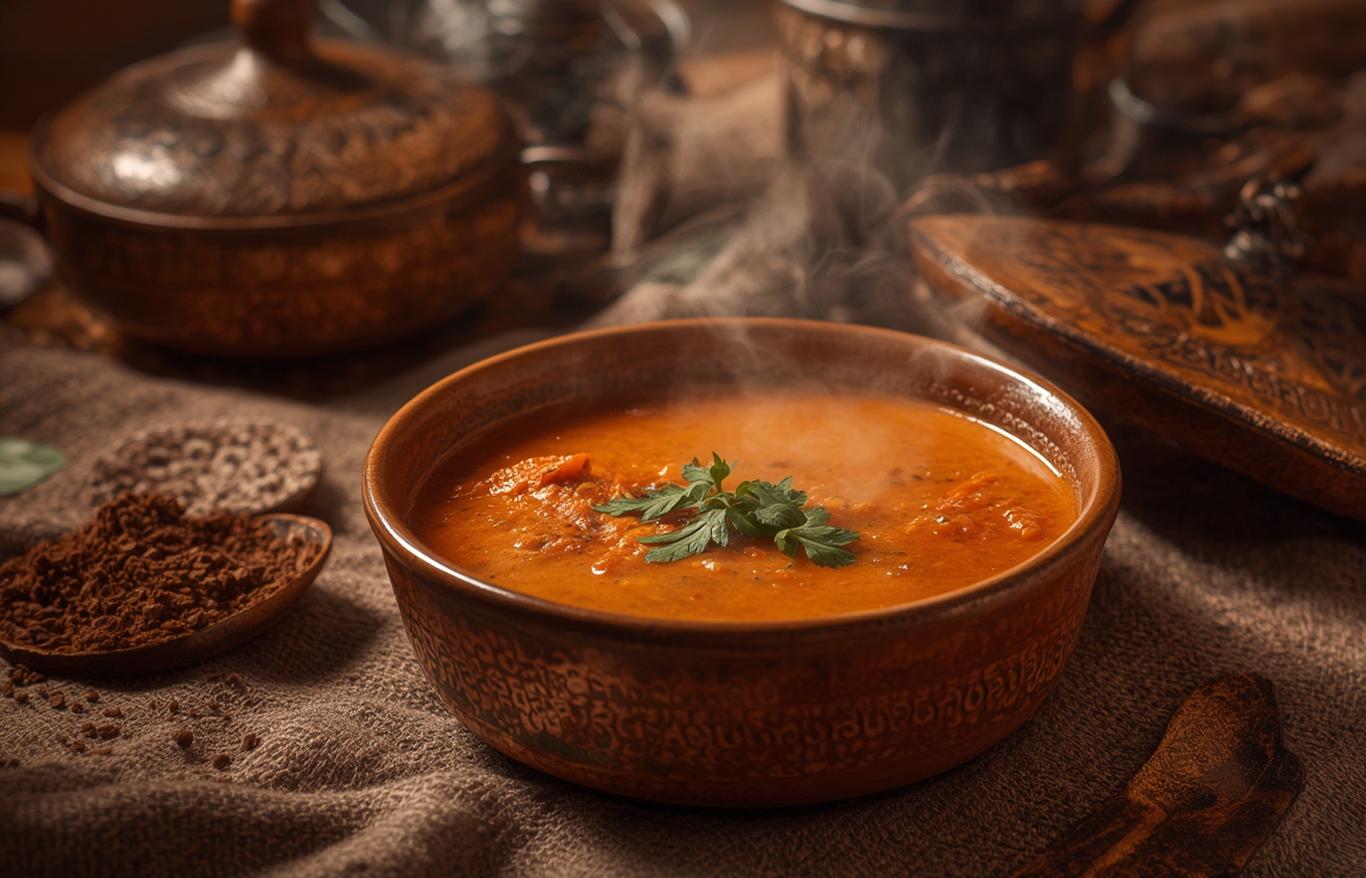
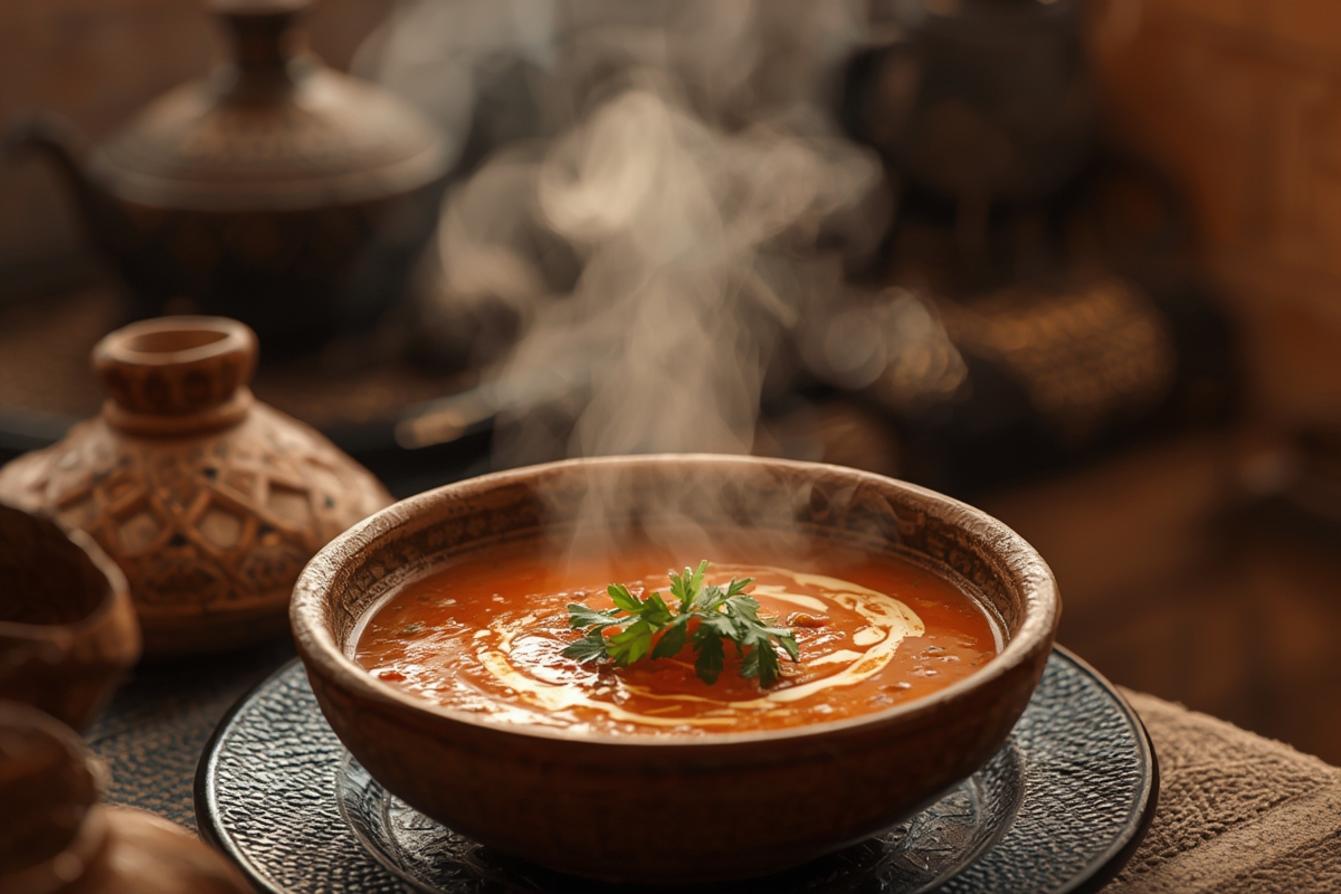
When you think of the culinary heart of Morocco, certain dishes immediately spring to mind. Tagines, couscous, and mint tea are iconic, but for many Moroccans, especially during the holy month of Ramadan, one dish stands above all others: harira. This isn’t just a soup; it’s a centuries-old tradition, a symbol of Moroccan hospitality, and packed with layers of flavor and cultural significance. Understanding the history and tradition behind Moroccan harira soup provides a deeper appreciation for this beloved culinary staple. It’s a dish that warms the soul, nourishes the body, and tells a story with every spoonful.
The Enduring Origins and Evolution of Harira
The exact origins of harira are as rich and complex as its flavor profile. While widely associated with Morocco, similar hearty, spiced legume-based soups can be found across North Africa and the Middle East, suggesting a long history of cultural exchange and adaptation. The name “harira” itself is believed to come from the Arabic word “harir,” meaning “silk” or “silky,” a nod to its smooth and rich texture.
Historically, harira was a peasant dish, born out of necessity and ingenuity. It utilized readily available ingredients like lentils, chickpeas, and fresh herbs, providing a substantial and nutritious meal. Over time, as ingredients became more accessible and culinary practices evolved, harira became more refined, incorporating meat (often lamb or beef), tomatoes, and a complex blend of spices.
It’s likely that the soup as we know it today took its definitive form during the medieval Islamic period, a time when culinary arts flourished across the region. Spices brought along ancient trade routes from Asia and the East, such as ginger, turmeric, and saffron, found their way into Moroccan kitchens, subtly influencing and enriching the harira recipe. The addition of vermicelli pasta or rice as a thickener, along with a “tadwira” (a mixture of flour and water) to achieve its characteristic creamy consistency, are also hallmarks of this evolution. This transformation from a humble stew to a culinary icon highlights the adaptability and enduring appeal of Moroccan harira soup.
Harira’s Central Role in Ramadan and Beyond
While delicious year-round, harira truly comes into its own during Ramadan. For observant Muslims, Ramadan is a month of fasting from dawn till dusk, and breaking the fast after a long day requires a meal that is both nourishing and comforting. Harira perfectly fits this role.
At sunset, families gather to break their fast, a meal known as iftar. The very first thing typically consumed is a date, followed by a warm, fragrant bowl of harira. It’s designed to be gentle on an empty stomach yet provide essential nutrients and energy. The lentils and chickpeas offer protein and fiber, the tomatoes provide vitamins, and the warming spices stimulate digestion. It also helps rehydrate the body after a day without water.
The experience of harira during Ramadan is intensely communal and spiritual. Preparing it is often a family affair, with recipes passed down through generations. The aroma filling the air as sunset approaches is a tangible signal of the impending iftar and a shared moment of anticipation. Leftovers, if any, are often shared with neighbors or those less fortunate, embodying the spirit of charity and community that defines Ramadan. Thus, harira is more than just food; it’s a ritual, a connection to faith, and a binder of community during one of the holiest times of the year.
The Symphony of Flavors and Textures in Traditional Harira
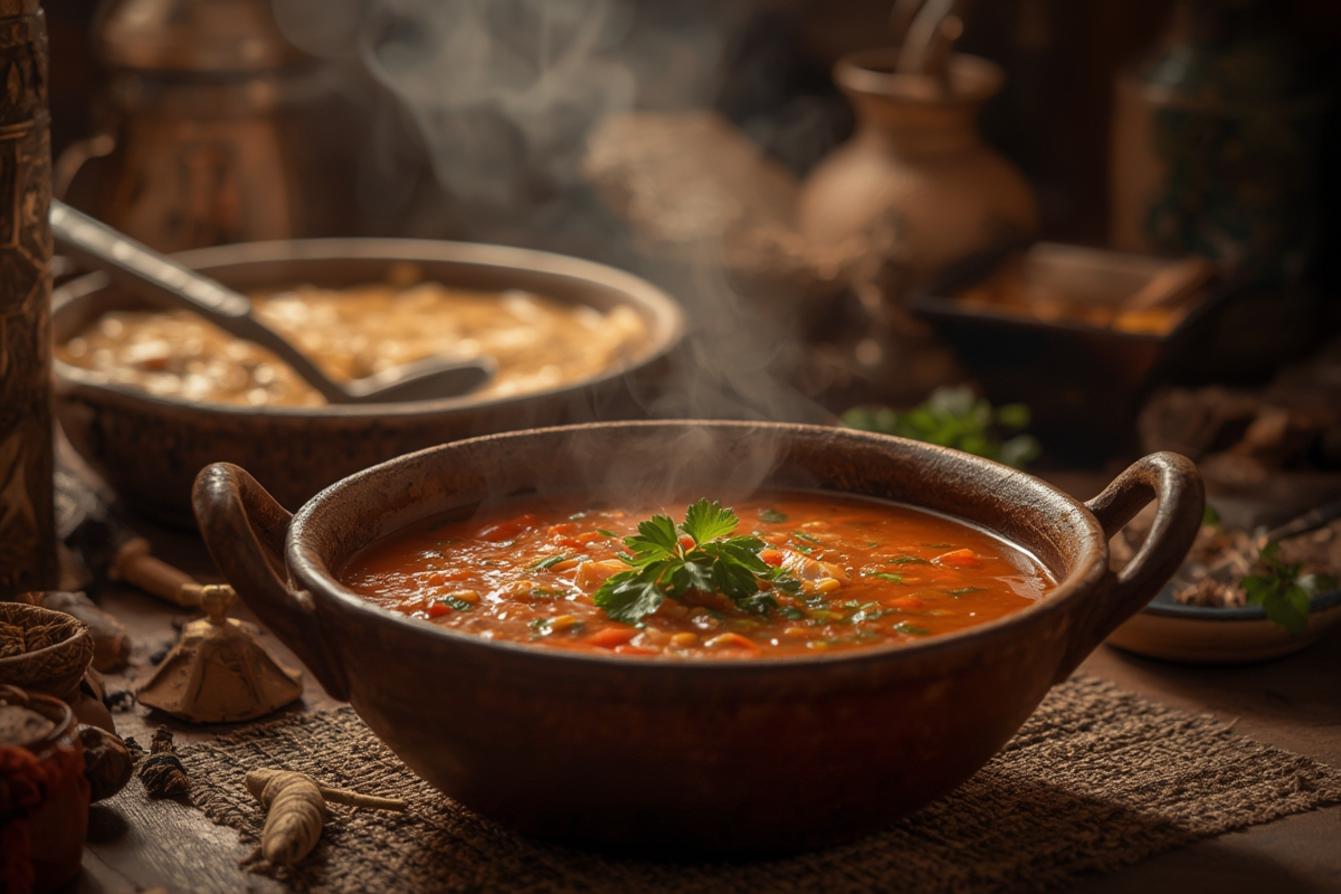
A truly authentic Moroccan harira soup is a complex tapestry of flavors and textures. It’s not a quick soup; it requires time, patience, and a deep understanding of how its disparate ingredients come together to form a harmonious whole.
At its base, you’ll find a sautéed blend of onions, tomatoes, and fresh herbs – typically cilantro and parsley. To this, a good-quality lamb or beef (though sometimes chicken or even just vegetables are used), is added, simmered until tender. The heartiness comes from rehydrated chickpeas and lentils, which swell and soften, adding their earthy goodness to the broth.
But the real magic happens with the spices. A master harira chef knows just the right balance of turmeric for its golden hue and subtle earthiness, ginger for a gentle warmth, and black pepper for a touch of heat. Some recipes might also include a pinch of saffron for its delicate aroma and vibrant color. The broth is often enriched with tomato paste, adding depth and umami.
Towards the end of the cooking process, vermicelli pasta is added, cooking directly in the broth and contributing to the soup’s body. Finally, the “tadwira” – a mixture of flour and water (sometimes with tomato paste or a beaten egg for extra richness) – is slowly stirred in. This is the secret to harira’s signature silky, slightly viscous texture, transforming it from a watery broth into a substantial, filling soup. The result is a robust, savory, and aromatic experience that lingers on the palate.
Regional Nuances and Family Secrets
While the core elements of harira remain consistent across Morocco, you’ll discover fascinating regional nuances and countless family secrets that make each bowl unique. Just like grandmother’s chili, no two harira recipes are exactly alike.
In the northern cities like Tangier or Tetouan, you might find harira that’s slightly tangier, perhaps with a touch more lemon juice, or a hint of smoked paprika. Descending south, in culinary hubs like Marrakech or Fez, the soup can be richer, sometimes with more generous cuts of meat, and a more pronounced blend of warming spices. Some families might prefer their harira thicker, while others like a slightly lighter consistency.
Some cooks swear by adding a generous dollop of smen (aged, salted butter) for an unparalleled depth of flavor. Others may include fava beans, rice, or even small meatballs. The type of meat used also varies; while lamb is classic, beef is common, and some modern interpretations even feature chicken or are entirely vegetarian.
It’s these subtle differences that make exploring Moroccan cuisine so rewarding. When you’re invited into a Moroccan home for iftar during Ramadan, the harira you’re served isn’t just food; it’s a direct expression of that family’s heritage, their culinary preferences, and their hospitality. Each sip tells a story of generations of cooking. To truly appreciate it, you just have to taste it. You can even find inspiration for your own harira adventure by exploring Moroccan Ramadan foods recipes online.
Experiencing Harira as a Visitor
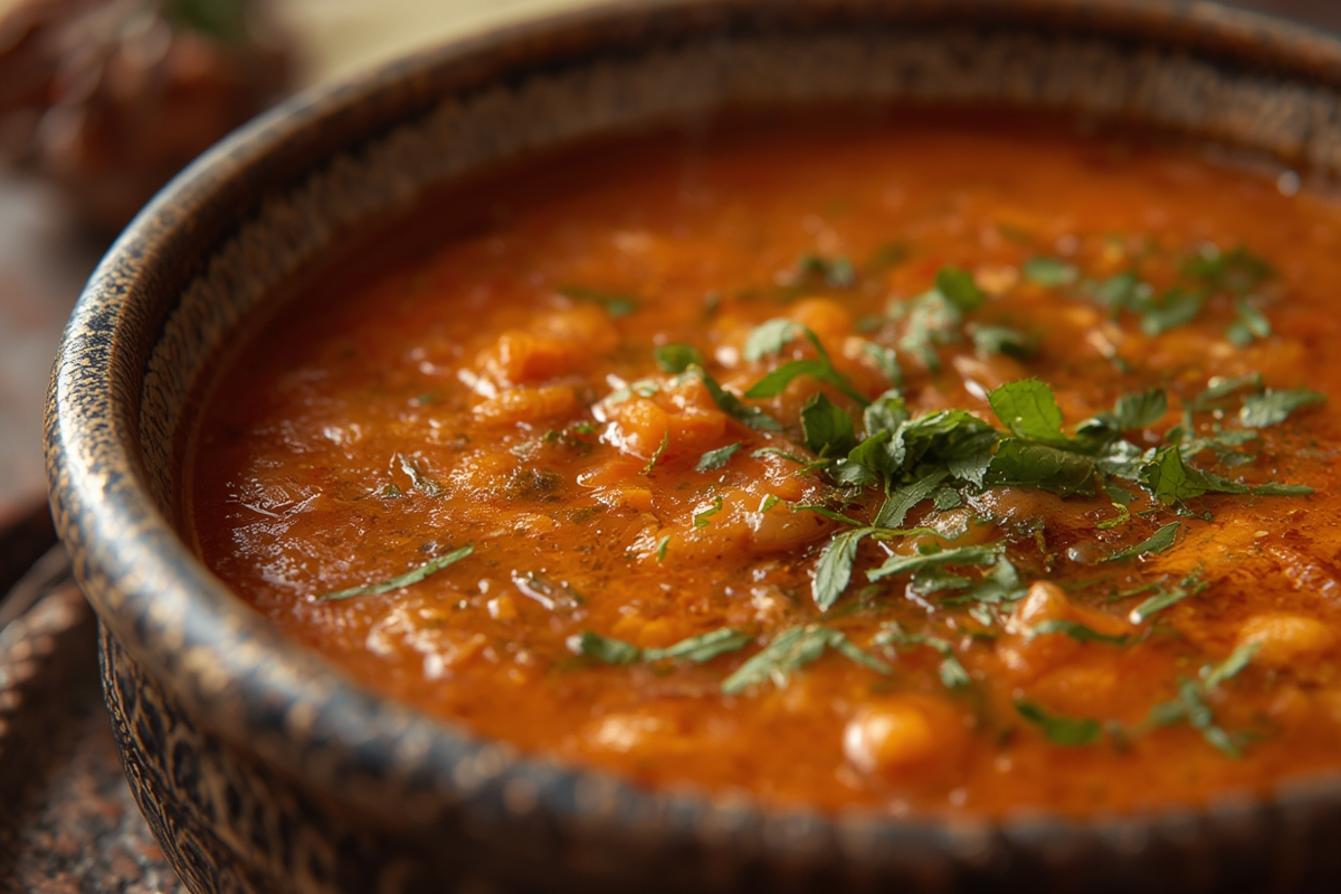
For travelers to Morocco, experiencing harira is an absolute must. While it’s certainly most prominent during Ramadan, you can find Moroccan harira soup in many restaurants and street food stalls throughout the year, especially in larger cities.
During Ramadan, virtually every café and restaurant will offer harira as part of their iftar menu. This is perhaps the most authentic and atmospheric way to try it. You’ll witness the bustling energy of Moroccans breaking their fast, often accompanied by chebakia (sesame and honey pastries), hard-boiled eggs, and dates. It’s a truly immersive cultural experience.
Even outside of Ramadan, look for family-run eateries or local snack shops, particularly in the medinas, which often serve harira as a popular lunch or light dinner option. Don’t be afraid to ask locals for their recommendations – they’ll often point you to the best, most authentic spots. In cities like Casablanca, you’ll find it readily available. Moroccan harira soup is often listed on the menu as simply “Soupe Marocaine” or “Harira.”
When you order harira, it often comes served with a wedge of lemon to squeeze in, adding a bright, acidic counterpoint to the rich flavors. Sometimes, a pinch of fresh chopped cilantro is offered on the side. Embrace these additions, as they are part of the traditional way of enjoying this incredible soup. It’s a comfort food that speaks volumes about Moroccan culture and hospitality.
Conclusion
From its humble beginnings to its revered status as the cornerstone of Ramadan meals, Moroccan harira soup is far more than just sustenance. It’s a rich tapestry woven with history, tradition, and profound cultural meaning. Each fragrant bowl offers a glimpse into the heart of Moroccan home cooking, the warmth of its people, and the enduring spirit of community. For anyone visiting Morocco, savoring harira isn’t just about tasting a delicious dish; it’s about experiencing a fundamental piece of the country’s vibrant heritage, a tradition passed down through generations that continues to nourish both body and soul.
FAQs
What are the main ingredients in Moroccan harira soup?
The core ingredients in Moroccan harira soup typically include lentils, chickpeas, tomatoes, fresh herbs (cilantro and parsley), a choice of meat (often lamb or beef), a blend of spices like turmeric, ginger, and pepper, and a “tadwira” (flour and water mixture) for thickening. Some variations may also include vermicelli pasta or rice.
Why is harira particularly important during Ramadan?
Harira holds immense importance during Ramadan as it is traditionally the first food consumed by families when breaking their fast at sunset (iftar). It’s chosen because it’s nourishing, hydrating, and gentle on an empty stomach after a long day of fasting, providing essential energy and nutrients for the evening.
Can vegetarians or vegans eat Moroccan harira soup?
Traditional harira often contains meat, but vegetarian and vegan versions are certainly possible and increasingly common. To make it suitable for vegetarians, simply omit the meat. For vegans, ensure no eggs are used in the tadwira (the thickening agent) and that the broth is vegetable-based. Many local restaurants can accommodate this with advance notice.
Is harira spicy?
While harira contains warming spices like ginger and black pepper, it is not typically considered “spicy” in the sense of being hot. The spices contribute to its rich, aromatic flavor profile rather than providing intense heat. It’s a comforting warmth, not a fiery zest.

 Covers cities, coast, mountains, desert & food