
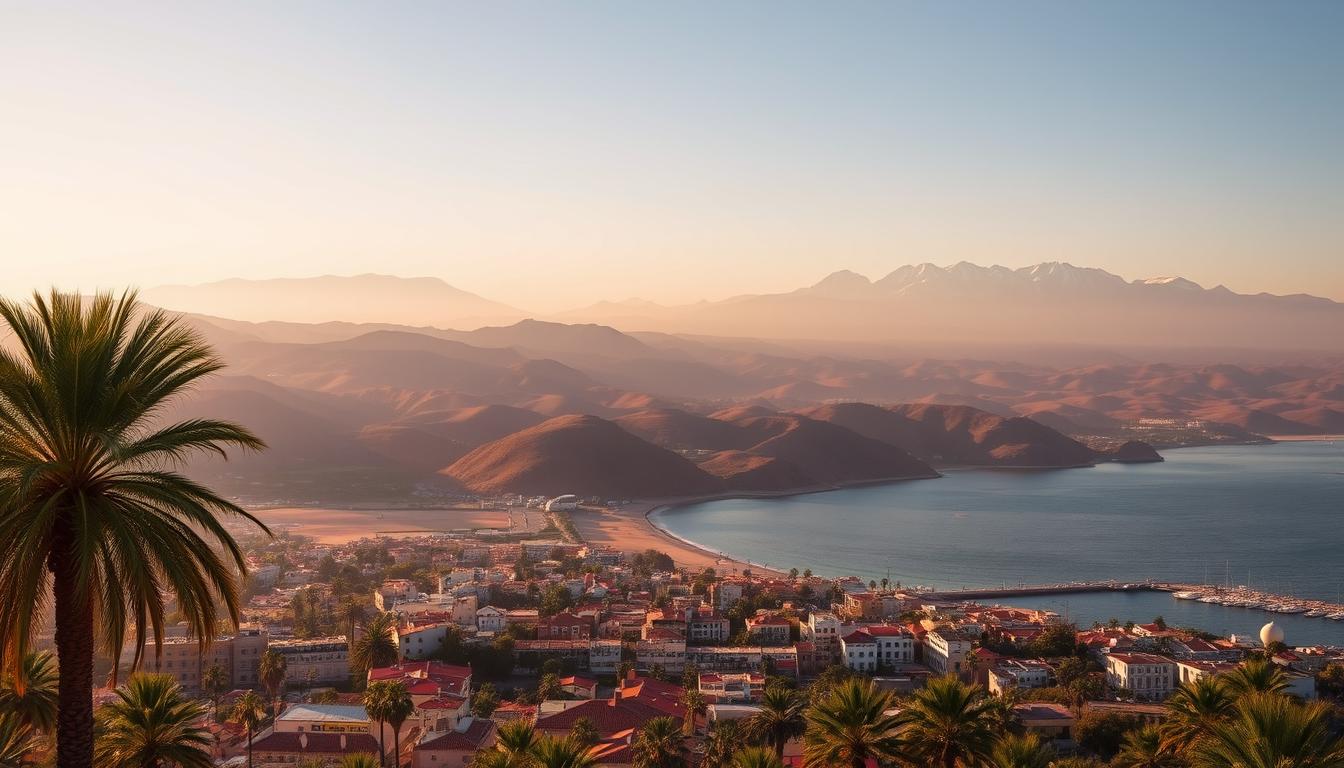
Planning a trip to Morocco in January? It’s important to know the climate differences between the coast and inland. Morocco’s varied geography leads to different climates. You’ll find mild coastal areas and extreme desert temperatures.
The coast has mild winters in January. But inland areas can get quite cold, especially at night. Knowing this helps you pack right and enjoy your trip more.
Key Takeaways
- Morocco’s coastal regions have mild winters in January.
- Inland areas experience colder temperatures, especially at night.
- Understanding the climate variations will help you prepare for your trip.
- Pack accordingly to make the most of your journey.
- January is a great time to explore Morocco’s diverse geography.
Morocco’s Climate Profile
Morocco has a wide range of climates, from mild coastal weather to extreme desert temperatures. The country’s geography is shaped by the Atlantic Ocean to the west, the Mediterranean Sea to the north, and the Sahara Desert to the south. This creates a complex climate profile.
Geographic Diversity Across Regions
Morocco’s climate changes a lot across different regions because of its diverse geography. Coastal areas have milder winters and cooler summers than inland regions. For example, the Atlantic coast’s temperatures range from 10°C to 20°C (50°F to 68°F) in January.
Seasonal Weather Patterns
Knowing Morocco’s seasonal weather patterns is key for planning a trip. In January, the country is in winter, with different conditions in each region. Coastal cities like Casablanca and Rabat have mild winters, with temperatures around 12°C (54°F).
In contrast, places like Marrakech and the Atlas Mountains are cooler, sometimes below 0°C (32°F) at night.
Key climate features in January include:
- Mild temperatures in coastal regions
- Cooler temperatures in inland areas
- Potential for rain, especially in the north
Understanding the Temperature of Morocco in January
January is one of the coolest months in Morocco. The temperature varies a lot. Coastal and inland areas have different climates.
General Temperature Ranges
The average temperature in January is 12°C to 18°C (54°F to 64°F) by the coast. But inland, it gets much colder, especially at night. The Atlas Mountains can even drop below freezing.
“The temperature variation between day and night in January can be quite significant, so it’s essential to pack accordingly.” This shows how important it is to be ready for the temperature changes.
Historical Weather Data
January is usually the wettest month in Morocco, especially in the north. The rain in January adds a lot to the country’s yearly rainfall.
January Climate Characteristics
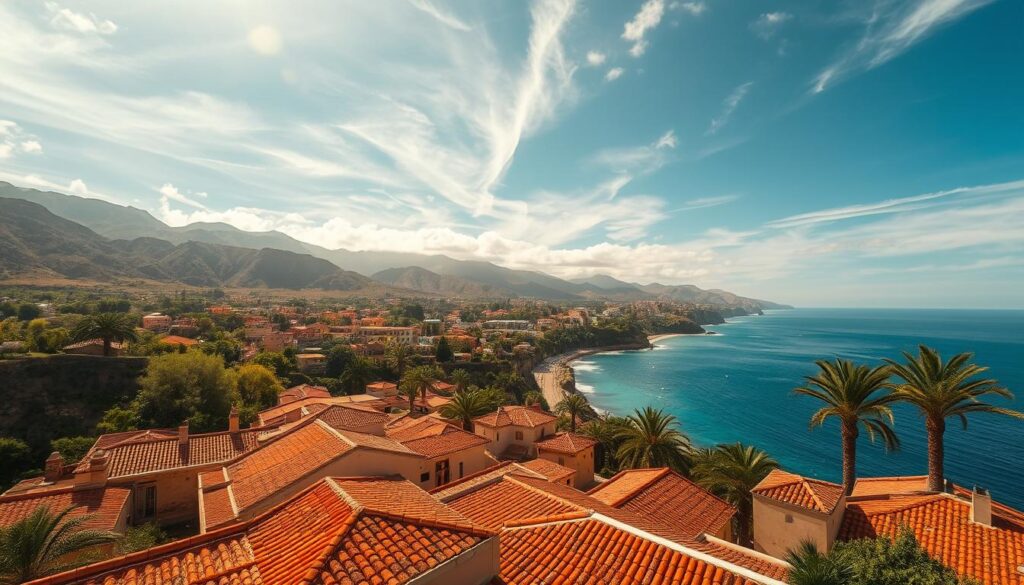
In January, Morocco has a mild climate. This makes it perfect for visiting cities like Marrakech and Fez. The cooler weather is also great for outdoor activities like hiking in the Atlas Mountains or exploring the Sahara Desert.
A travel expert said,
“January is a great time to visit Morocco if you prefer milder weather and smaller crowds.”
This makes Morocco a great choice for those who want a more relaxed trip.
Coastal Morocco’s January Climate
The coastal areas of Morocco have a special climate in January. The Atlantic and Mediterranean coasts have different temperatures. Each coast has its own unique features.
Atlantic Coast Temperature Profile
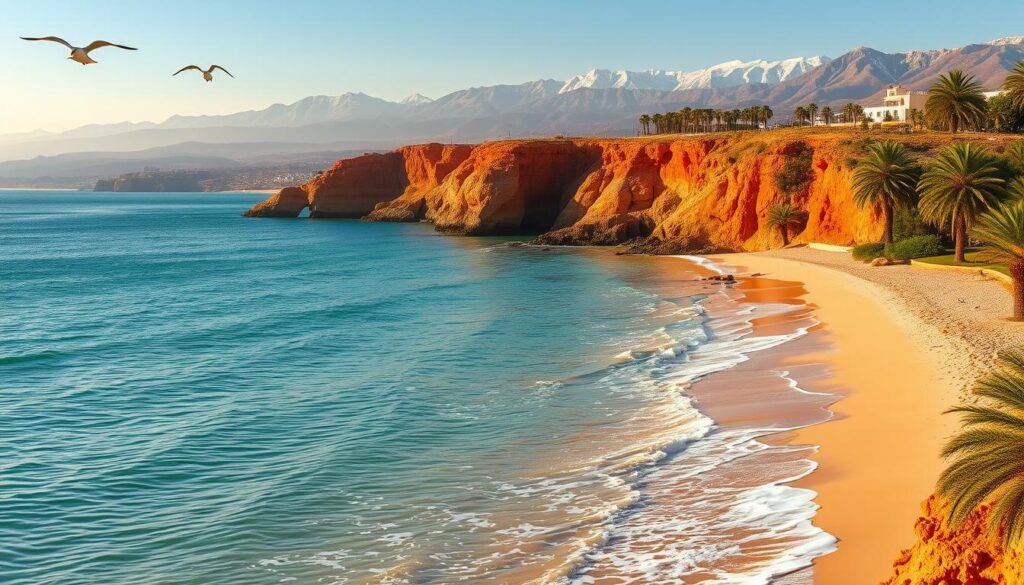
The Atlantic coast, home to cities like Casablanca and Rabat, has a mild oceanic climate. In January, daytime temperatures are between 10°C and 17°C (50°F to 63°F).
Northern Atlantic Regions
The northern Atlantic coast is cooler, with highs around 12°C (54°F). A gentle ocean breeze makes the climate feel even milder.
Southern Atlantic Regions
Heading south, the Atlantic coast’s temperatures stay pretty steady. Essaouira is a bit warmer, averaging 15°C (59°F) during the day.
Mediterranean Coast Temperature Profile
The Mediterranean coast, including Tangier, has a similar climate to the Atlantic coast but is slightly warmer. Daytime temperatures in January usually hit around 16°C (61°F).
For more detailed information on Morocco’s January weather, you can visit this travel guide. It offers a comprehensive look at the country’s winter climate.
Inland Morocco’s January Climate
January in inland Morocco is quite different, with temperatures ranging from hot Sahara to cold Atlas Mountains. You’ll see big changes in temperature as you travel through this area.
Desert Regions (Sahara)
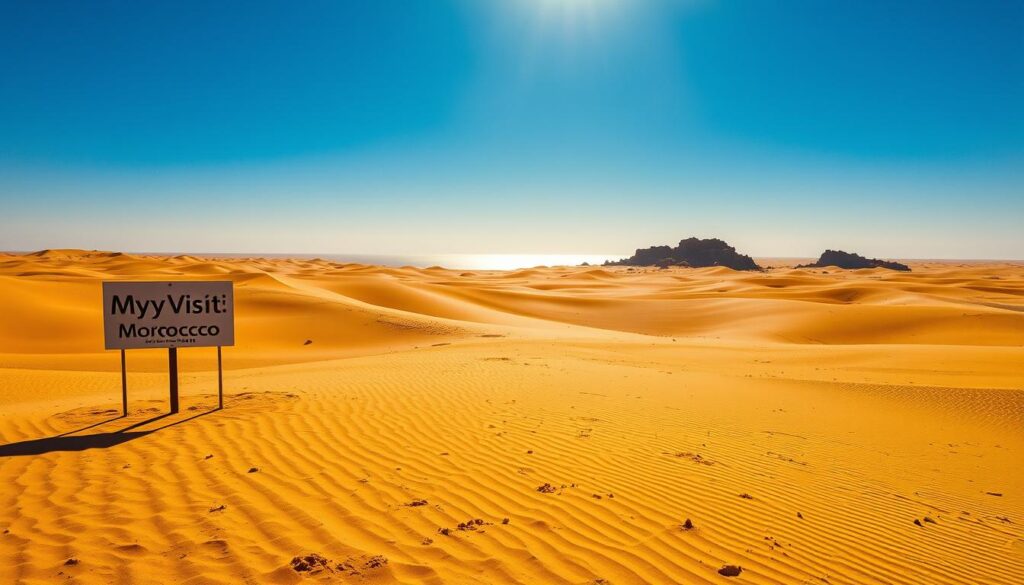
The Sahara Desert is huge and very dry. In January, it gets very hot during the day, up to 25°C (77°F). But at night, it can get really cold, below 0°C (32°F).
Day and Night Temperature Extremes
The Sahara’s extreme temperatures come from its clear skies and dry air. The sand gets hot during the day, warming the air. But when the sun goes down, the heat disappears, making it cold fast.
Microclimate Variations
Inside the Sahara, different areas have their own climates. This is because of things like how high they are and if they’re near oases. These differences make the desert very varied.
Mountain Areas (Atlas Mountains)
The Atlas Mountains are very different from the Sahara. They get snow in January, turning into a winter wonderland. It gets very cold, especially at the top.
High Altitude Temperature Patterns
At the highest parts of the Atlas Mountains, it gets even colder, sometimes below -5°C (23°F). This makes January a great time for cold weather activities.
Snowfall and Winter Conditions
The Atlas Mountains get a lot of snow, perfect for winter sports. The snow-covered mountains and valleys are beautiful and peaceful.
| Region | Daytime Temperature | Nighttime Temperature |
|---|---|---|
| Sahara Desert | 25°C (77°F) | Below 0°C (32°F) |
| Atlas Mountains | Around 10°C (50°F) | Below -5°C (23°F) |
Major Coastal Cities in January
Exploring Morocco’s coastal cities in January reveals mild climates and pleasant temperatures. These cities attract tourists looking to escape harsh winter conditions found elsewhere.
Casablanca Weather Profile
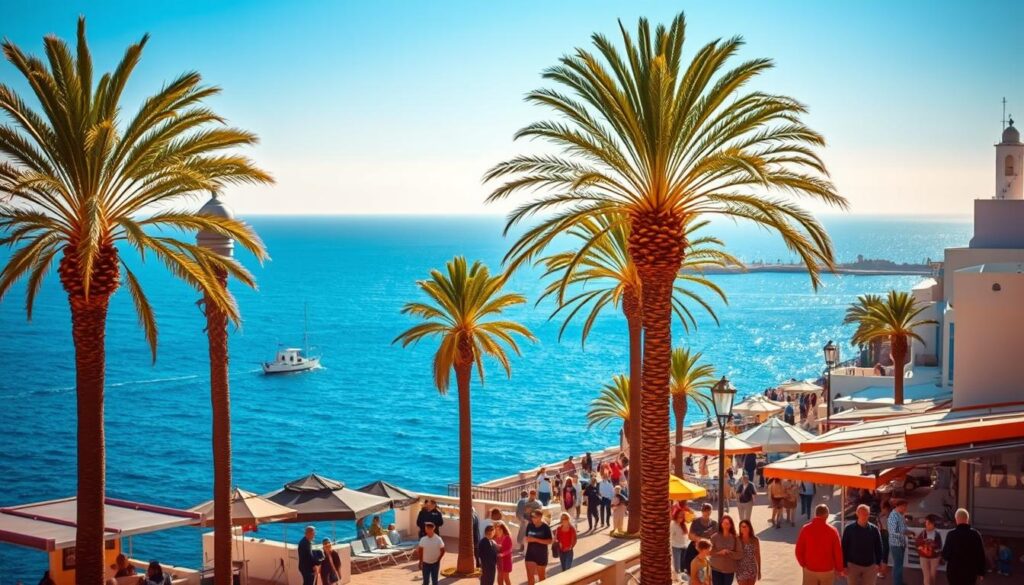
Casablanca, Morocco’s largest city, has a mild January climate. Temperatures range from 9°C to 17°C (48°F to 63°F). Expect cool mornings and mild afternoons for sightseeing. The average temperature is about 13°C (56°F), milder than many European cities in January.
Rabat Climate Conditions
Rabat, the capital, has a similar climate to Casablanca but is slightly cooler. January temperatures in Rabat are from 8°C to 16°C (46°F to 61°F). The city enjoys gentle rainfall and moderate humidity, making its winter weather pleasant.
Tangier and Essaouira Weather Patterns
Tangier and Essaouira, both coastal cities, have unique January weather. Tangier’s temperatures are from 8°C to 15°C (46°F to 59°F). Essaouira is cooler, ranging from 7°C to 14°C (45°F to 57°F). Essaouira is especially windy in January, perfect for surfers and windsurfers.
Morocco’s coastal cities offer a pleasant winter experience in January. Mild temperatures and varied climates make them great for cultural exploration, outdoor activities, or enjoying local cuisine.
Major Inland Cities in January
Exploring Morocco’s inland cities in January is a unique experience. You’ll find cooler temperatures and rich cultural heritage. These regions have a different climate than the coast, making them interesting to visit.
Marrakech Temperature Analysis
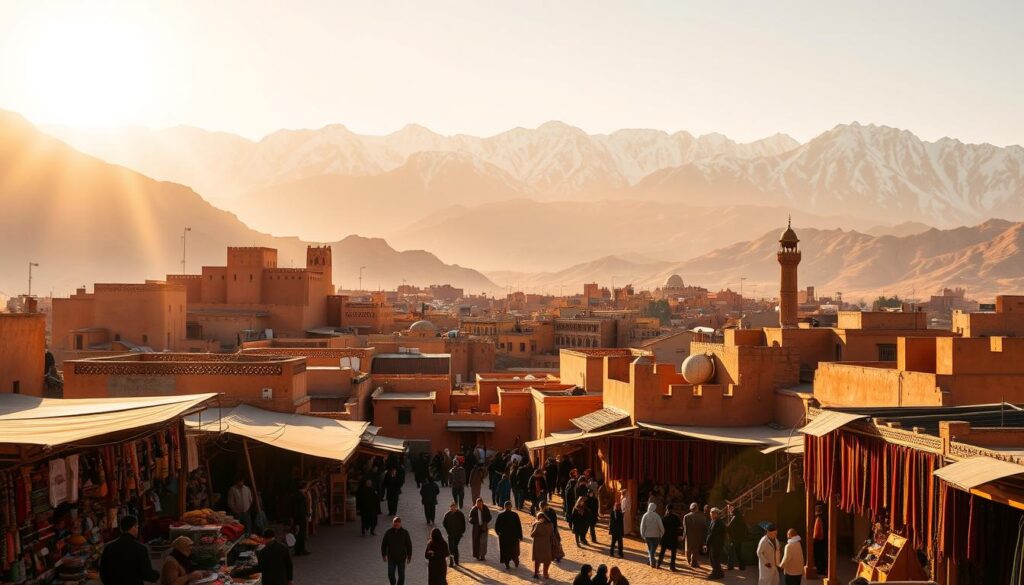
In January, Marrakech has pleasant days and cool nights. The high temperature is about 18°C (64°F), and the low is around 6°C (43°F). Expect chilly mornings and evenings, but the days are sunny and mild.
Fez Climate Conditions
Fez is cooler in January. Temperatures range from 8°C (46°F) at night to 15°C (59°F) during the day. It’s common for temperatures to fall below 0°C (32°F) at night, so bring warm clothes.
Ouarzazate and Desert Gateway Cities
Ouarzazate, near the Sahara Desert, has a desert climate. Daytime temperatures are pleasant, around 18°C (64°F), but nights can be cold, sometimes below 5°C (41°F). This big difference in temperature is typical of desert areas.
| City | Average High Temperature | Average Low Temperature |
|---|---|---|
| Marrakech | 18°C (64°F) | 6°C (43°F) |
| Fez | 15°C (59°F) | 8°C (46°F) |
| Ouarzazate | 18°C (64°F) | 5°C (41°F) |
Knowing the temperature ranges in these cities helps you prepare. Whether you’re in Marrakech, Fez, or Ouarzazate, understanding the climate makes your trip better.
Day vs. Night Temperature Variations
In January, Morocco sees a big difference in temperature between day and night. This is true across different places. Knowing this helps you pack right and enjoy your trip more.
Coastal Temperature Fluctuations
Coastal areas in Morocco have milder temperature changes than inland. Days are mild and nice for seeing cities like Casablanca and Tangier. But, nights get cooler, so you’ll need to wear layers.
Inland Temperature Swings
Inland Morocco has bigger temperature changes. The desert and mountains have big day-night differences.
Desert Day-Night Differential
The Sahara Desert has huge temperature swings. Days are warm, but nights get very cold. So, you’ll need warm clothes for the nights.
Mountain Temperature Cycles
The Atlas Mountains also have big temperature changes. Days are nice, but nights can be cold, especially higher up. Always check the weather forecast for mountain areas you’ll visit.
Knowing about these temperature changes helps you get ready for Morocco in January. Whether you’re by the coast or in the desert, knowing the day and night differences makes your trip better.
Precipitation and Humidity Levels in January
January is one of the wettest months in Morocco. It brings a lot of rain to different parts of the country. Knowing about the rain and humidity can help you get ready for your trip.
Rainfall Distribution by Region
Rainfall in January changes a lot depending on where you are in Morocco. The north and coast get more rain than the south and inland. For example, Tangier and Essaouira on the Atlantic coast get a lot of rain.
But places like Marrakech and Ouarzazate inland are drier. You can find out more about Essaouira’s weather in January on WeatherSpark.
Humidity Comparison: Coastal vs. Inland
January’s humidity also changes between the coast and inland. Coastal areas, near the ocean, are usually more humid. Inland places are drier because they’re farther from the sea.
For instance:
- Coastal cities like Rabat and Casablanca have a relative humidity of around 70-80% in January.
- Inland cities such as Marrakech and Fez experience lower humidity, typically ranging from 50-60%.
It’s important to think about this humidity difference when you pack for your January trip to Morocco.
What to Pack for Morocco in January
Getting ready for Morocco in January? Knowing the weather in different areas is crucial. Morocco’s climate varies greatly, so what works in one place might not in another.
Coastal Region Essentials
The coastal spots like Casablanca and Tangier have mild January weather. For these places, consider packing:
Daytime Attire
For daytime, light clothes like cotton shirts and linen pants are perfect. They keep you cool when it’s warm.
Evening Necessities
Evenings can get chilly. So, a light jacket or sweater is a good idea to stay cozy.
Inland Region Essentials
The desert and mountain areas in the interior have really different temperatures.
Desert Travel Gear
When traveling to the desert, bring warm clothes for the cold nights. Also, layers for the big temperature changes during the day and night. A good sleeping bag or blanket is also a must for camping.
Mountain Excursion Equipment
For the Atlas Mountains, you’ll need warm, layered clothes. Don’t forget waterproof gear for rain or snow.
| Region | Daytime Clothing | Evening/Night Clothing |
|---|---|---|
| Coastal | Lightweight | Light jacket/sweater |
| Desert | Layers | Warm clothing |
| Mountain | Layered, waterproof | Warm, insulated |
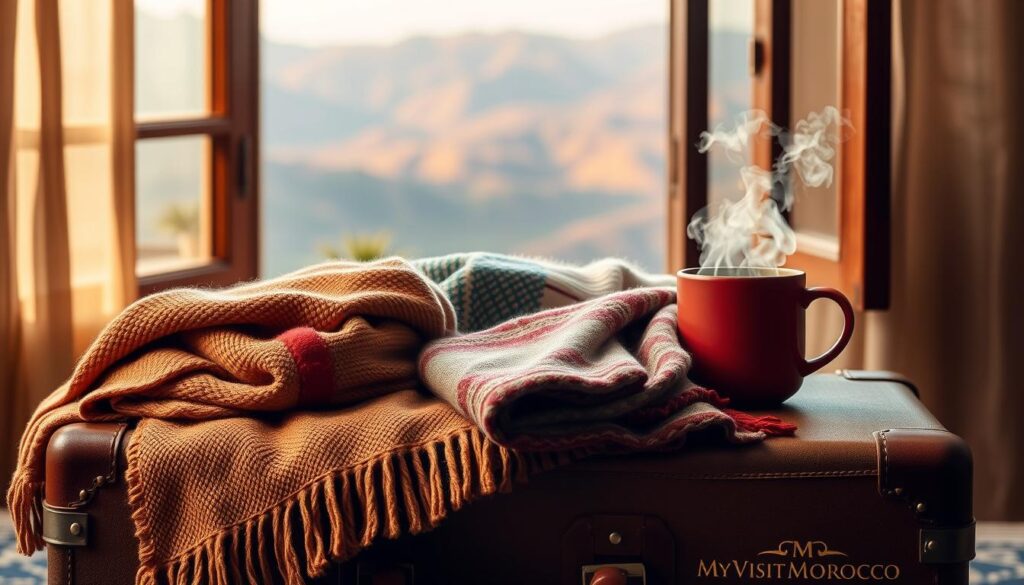
By thinking about these differences and packing right, you’ll be ready for your Moroccan trip in January. You’ll enjoy the beautiful landscapes without any discomfort.
Best Places to Visit During January
Morocco in January is a treat, with its varied landscapes. You can chill by the coast or explore the desert. The mild weather makes it perfect for outdoor fun.
Ideal Coastal Destinations
The coast of Morocco is lovely in January. The weather is mild, making it great for beach towns. You can also check out cultural sites along the way.
Beach Towns with Favorable Climate
Essaouira is a top pick for a winter escape. It has nice weather and stunning beaches. Enjoy water sports or just relax by the sea.
Coastal Cultural Sites
January is a good time to see the coast’s cultural spots. Places like Tangier are perfect. Visit museums, see historic buildings, and try local food.
Recommended Inland Locations
Inland Morocco has its own charm. You can see the Sahara Desert or the Atlas Mountains. Both offer unique winter experiences.
Desert Experiences in Winter
The Sahara Desert is calm in January. The cooler weather is great for desert adventures. Try camel trekking or stay in a desert camp.
Mountain Retreats and Activities
The Atlas Mountains are great for winter sports and scenic views. Ski resorts and hiking trails await. Enjoy the stunning scenery.
For more on Marrakech in January, see our guide on Marrakech in January.
| Destination | Average Temperature in January | Activities |
|---|---|---|
| Essaouira | 15°C (59°F) | Beach activities, windsurfing |
| Tangier | 13°C (56°F) | Cultural exploration, historic sites |
| Sahara Desert | 10°C (50°F) at night, 20°C (68°F) during the day | Desert camps, camel treks |
| Atlas Mountains | 5°C (41°F) at night, 15°C (59°F) during the day | Skiing, hiking |

Activities Suited for January Weather
Morocco’s January weather is perfect for a variety of activities. You can enjoy the coast or explore the inland areas. The mild climate is great for seeing the country’s landscapes and culture.
Coastal Pursuits
The coastal regions of Morocco are great in January. You can try water-based options like surfing, windsurfing, or swimming in the Atlantic.
Water-Based Options
January is perfect for surfing on Morocco’s Atlantic coast. Places like Taghazout and Tamraght have great waves. The water is cool but refreshing, ideal for surfers.
Land-Based Alternatives
For those who like to stay on land, there’s much to see. Historic cities like Essaouira and Rabat are full of culture. You can explore ancient medinas, vibrant markets, and enjoy seafood.
Inland Experiences
Inland Morocco offers unique adventures. You can go on desert excursions to see the Sahara Desert’s beauty.
Desert Excursions
January is a great time to visit the Sahara. The weather is comfortable for camel treks and camping. You can enjoy the desert’s peace and the local Berber hospitality.
Mountain Adventures
The Atlas Mountains are another great place to visit. January’s cooler weather is perfect for trekking and hiking. You can explore mountain villages and see beautiful landscapes.
Traveling Between Regions in January
Planning your trip to Morocco in January? Knowing the temperature variations between regions is key. Morocco’s climate varies greatly from one area to another.
Coastal and inland regions have different climates. Coastal areas are milder, while inland spots can be cooler, especially in the mornings and evenings.
Transportation Considerations
Choosing the right transport is important for a smooth journey. Check the weather forecast before you travel. This way, you’ll be ready for any weather.
- Rental cars offer flexibility, but be aware of potential rain in the north.
- Trains are a comfortable option, connecting major cities like Casablanca and Marrakech.
- Bus services are available, but may not be as frequent during the winter season.
Weather-Related Travel Tips
January is cool, so pack layers. “The Atlas Mountains can be quite chilly, while the desert regions can be cool at night,” travel experts say. Also, be ready for rain in the north.
By knowing the temperature differences and planning well, you’ll have a great trip across Morocco’s diverse regions in January.
Climate Change Effects on Morocco’s January Temperatures
The effects of climate change on Morocco’s weather, especially in January, are clear. As the world gets warmer, Morocco feels it too. It’s key for those visiting or living in Morocco to know about these changes.
Observed Temperature Trends
Morocco has been getting warmer, and January is no different. Historical weather data shows coastal and inland areas are warmer in winter. Cities like Marrakech and Fez have seen their January temperatures rise over time.
“Climate change is real, and it’s affecting Morocco’s temperatures,” says a climate expert. “The warming trend matches global patterns. It’s vital to keep an eye on these changes.”
Projected Future Changes
Climate models suggest Morocco’s temperatures will keep rising. By 2050, January will be much warmer than today. This will impact coastal cities like Casablanca and Tangier, as well as inland areas like the Atlas Mountains and the Sahara Desert.
As the planet warms, it’s crucial to understand and prepare for these changes. Visitors to Morocco in January should expect warmer conditions and different weather patterns.
Conclusion
Now you know about Morocco’s January temperatures. This info helps you plan your trip better. Whether you’re going to the coast or inland, knowing the weather is key.
The weather in Morocco varies a lot. In January, the coast is mild, but inland can be chilly, especially at night. With this info, you’re ready for your trip.
Morocco’s landscapes, from the coast to the Sahara, are unique. Knowing the January weather helps you pick the best places and activities. This way, your trip will be memorable and fun.





 Covers cities, coast, mountains, desert & food