
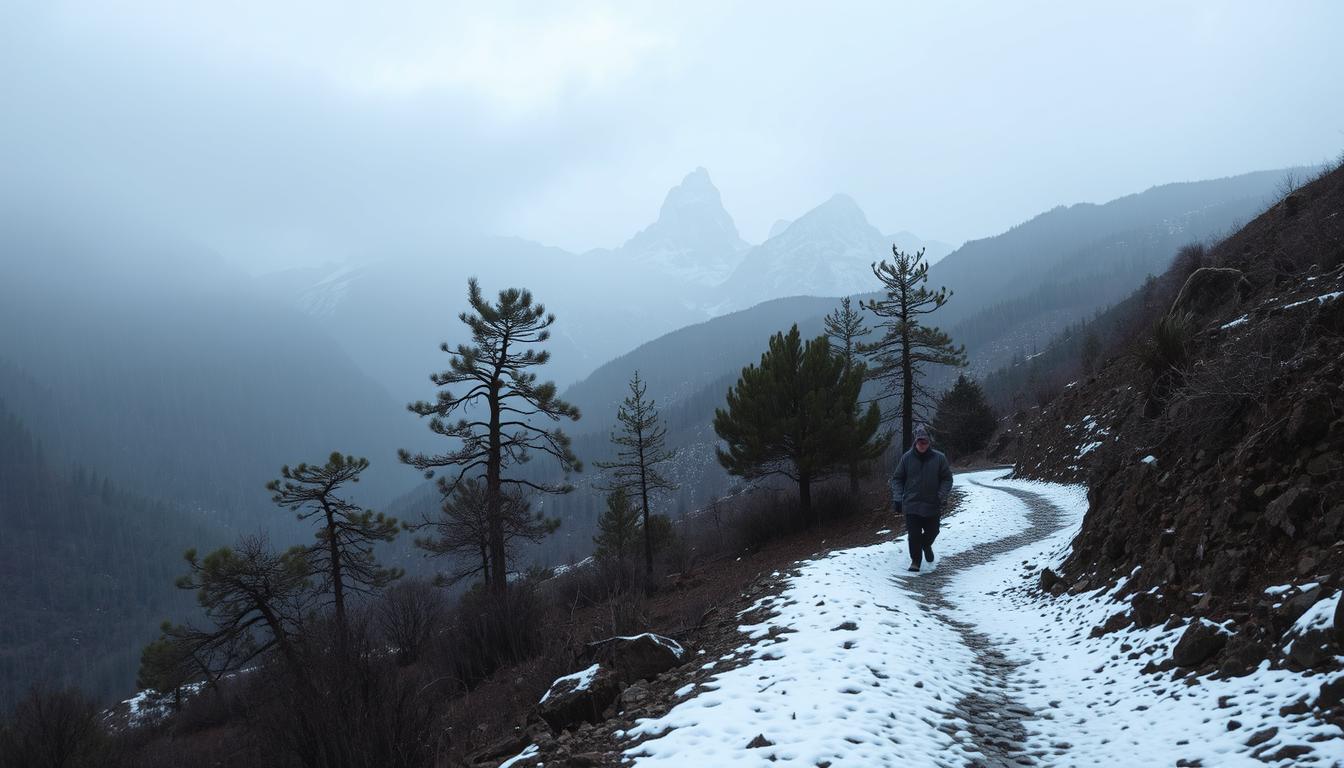
When planning your trip to Morocco in January, knowing the weather is key. The climate changes a lot from the coast to the mountains.
January is quite chilly. We’ll look at what you can expect and how to get ready for your winter trip.
Key Takeaways
- Morocco’s climate varies greatly across regions in January.
- January is one of the coldest months in Morocco.
- The coastal regions have milder winters compared to the mountains.
- Packing layers is essential for your trip.
- Understanding the weather helps you plan your itinerary.
Understanding Morocco’s Winter Climate
Morocco’s winter climate is shaped by its geography. It’s located in North Africa, near the Atlantic Ocean and the Mediterranean Sea. This location leads to different climate conditions across the country.
General Climate Patterns in North Africa
North Africa has various climates, from Mediterranean to desert. Morocco’s climate is influenced by its coast and mountains. This results in different weather patterns during winter. The Atlas Mountains can be cold, while coastal areas are milder.
How Morocco’s Geography Affects Winter Weather
Morocco’s geography greatly influences its winter weather. The Atlas Mountains block rain, making northern areas colder and wetter. Coastal cities like Casablanca and Rabat have milder winters due to the Atlantic Ocean’s influence.
January vs. Other Winter Months
January is one of Morocco’s coldest months. Temperatures vary by region. It’s not as cold as in Europe, but mornings and evenings can be chilly. “The winter months, including January, offer a unique opportunity to explore Morocco’s cities and landscapes without the peak season crowds,” says a travel expert.
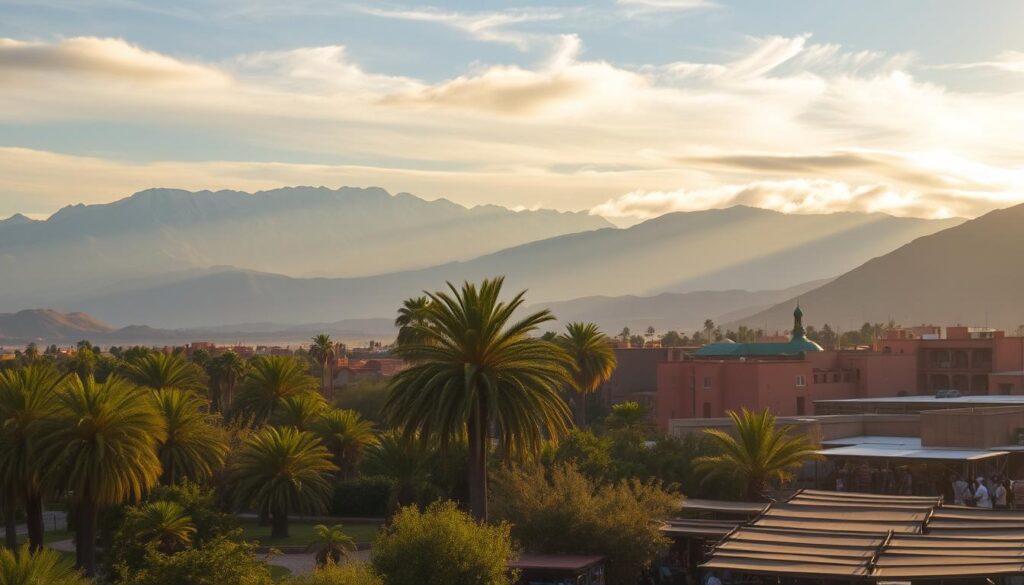
Knowing these climate patterns helps you pack and plan your trip. Whether you’re in Marrakech or the Atlas Mountains, being weather-ready makes your trip better.
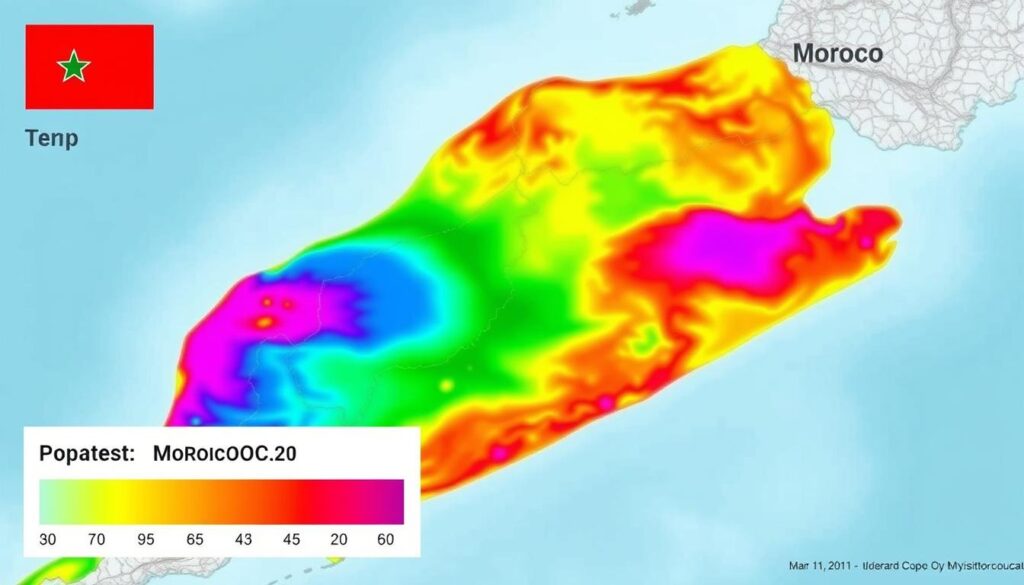
Temp Morocco January: Regional Variations Explained
Exploring Morocco in January reveals different weather patterns across the country. The mix of coastal, mountain, and desert landscapes leads to varied climates in each area.
Coastal Areas: Casablanca and Rabat
Cities like Casablanca and Rabat have mild winters. Temperatures usually range from 45°F to 65°F (7°C to 18°C).
Average Temperature Ranges
Daytime temperatures can hit the mid-60s Fahrenheit. Nights, however, can cool down to around 45°F.
Precipitation Patterns
January is quite wet in these coastal spots, with lots of rainfall expected.
Interior Cities: Marrakech and Fez
Places like Marrakech and Fez are cooler, especially at night, compared to the coast.
Day and Night Temperature Fluctuations
Days are pleasant, but nights can get chilly, sometimes below 40°F (4°C).
Rainfall Expectations
January brings some rain to these cities, but less than the coastal areas.
Mountain Regions: Atlas Mountains
The Atlas Mountains are perfect for winter sports, with a chance of snow in January.
Snowfall Patterns
Higher parts get a lot of snow, great for skiing and snowboarding.
Temperature Extremes
Nights can be very cold, so it’s important to dress warmly.
Southern Regions: Agadir and Essaouira
The south, like Agadir, stays relatively warm in January. It’s a good spot for those who prefer milder winters.
For more climate details, check out this resource on Morocco’s climate.
What to Expect in Major Moroccan Cities
January is a great time to explore Morocco’s major cities. Each city has its own character and weather. You’ll find a mix of cultural richness and winter charm.
Marrakech January Temperatures and Conditions
Marrakech in January is cool. Average highs are around 18°C (64°F), and lows are 8°C (46°F). It can rain, so bring layers.
Fez Winter Climate Overview
Fez has a similar climate to Marrakech. Winters are cool. Temperatures range from 9°C (48°F) at night to 17°C (63°F) during the day.
Casablanca’s Coastal Winter Weather
Casablanca’s coastal location makes its winter milder. Daytime temperatures are about 17°C (63°F). Nighttime temperatures can drop to 8°C (46°F).
Chefchaouen in January
Chefchaouen, in the Rif Mountains, is charming in winter. Its blue-painted buildings look stunning against the snow, creating a beautiful scene.
Tangier’s Winter Atmosphere
Tangier offers a refreshing winter atmosphere. Temperatures range from 8°C (46°F) at night to 16°C (61°F) during the day. It’s perfect for those who prefer milder winters.
| City | Average High Temperature | Average Low Temperature |
|---|---|---|
| Marrakech | 18°C (64°F) | 8°C (46°F) |
| Fez | 17°C (63°F) | 9°C (48°F) |
| Casablanca | 17°C (63°F) | 8°C (46°F) |
| Chefchaouen | 12°C (54°F) | 6°C (43°F) |
| Tangier | 16°C (61°F) | 8°C (46°F) |
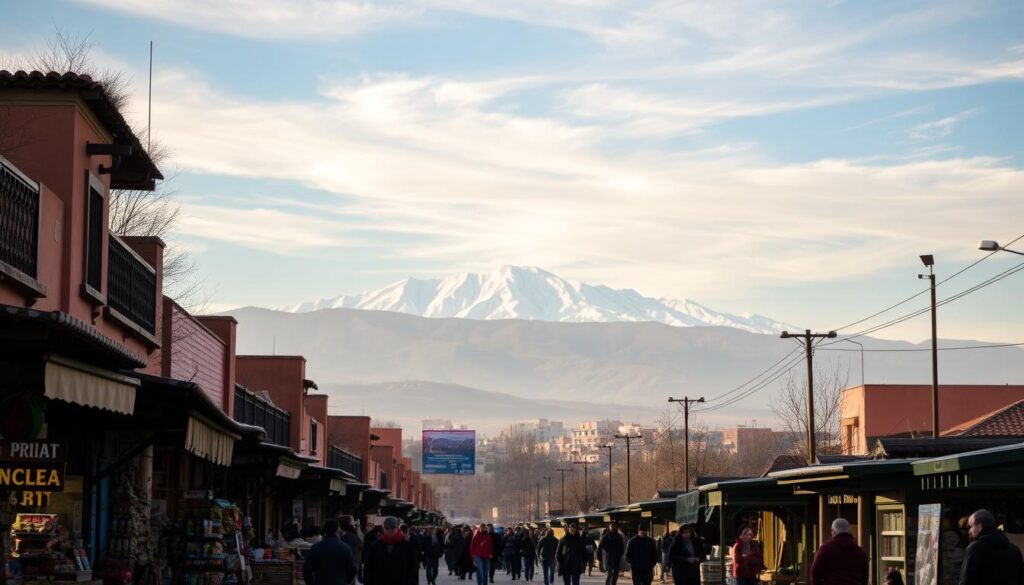
Desert Climate in January: Sahara Experience
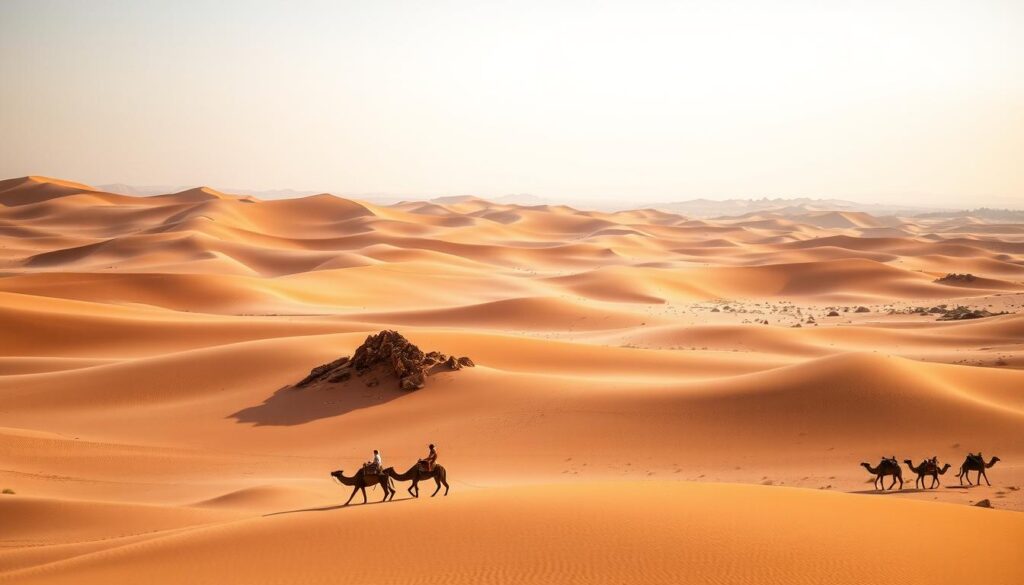
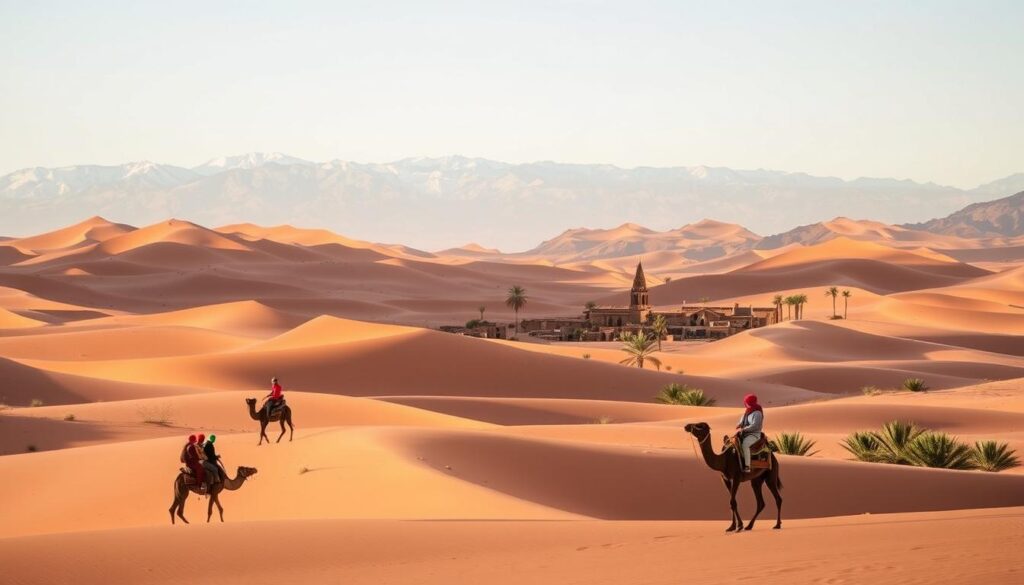
The Sahara Desert in Morocco is calm and cool in January, great for desert adventures. Knowing the desert’s climate in January helps you get ready for its unique conditions.
Day vs. Night Temperature Fluctuations
In January, the Sahara Desert’s temperature changes a lot between day and night. Daytime temperatures can reach up to 20°C (68°F), which is nice for activities like camel treks. But, at night, temperatures often drop below 0°C (32°F), so you’ll need warm clothes.
Planning Desert Excursions in Winter
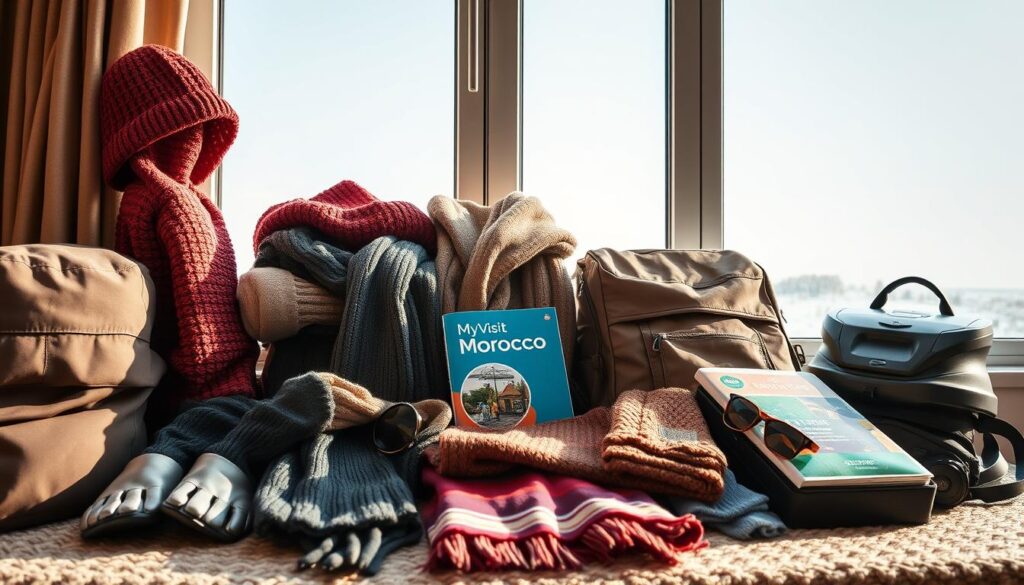
When planning desert trips in January, pack layers for the changing weather. Warm clothes, like hats and gloves, are key for cold nights. Lighter clothes are better for warmer days. Also, plan your trips for when it’s light and not too cold.
Merzouga and Erg Chebbi Conditions
Merzouga and Erg Chebbi, in the Sahara Desert, have stunning winter views. The dunes are less crowded, offering a peaceful experience. The cooler weather is perfect for camel rides and stargazing. Make sure your lodging has good heating for the chilly nights.
As a seasoned traveler once said, “The Sahara Desert in winter is magical. The cold nights and warm days create a unique atmosphere that’s both refreshing and peaceful.” –
Essential Packing List for Morocco in January
Traveling to Morocco in January means packing for different weather. The mornings and evenings can be quite cool. The weather changes a lot depending on where you are.
Clothing Recommendations
It’s important to pack layers for changing temperatures. Bring warm clothes like fleeces and coats for the chilly times.
Layering Strategies
Start with a base layer for cold mornings. Add a mid-layer for warmth. Finish with a waterproof jacket to keep dry in the rain.
Fabrics Best Suited for Moroccan Winter
Choose fabrics that breathe and wick away moisture. Merino wool and synthetic materials are great choices.
Footwear for Various Terrains
Make sure your shoes match the terrain you’ll be on. Comfortable walking shoes are good for cities. But, sturdy hiking boots are needed for mountain trails.
Weather Protection Items
Bring waterproof jackets and pants to keep dry in the rain. An umbrella is also essential for sudden showers.
Electronics and Accessories for Cold Weather
Keep your electronics warm with cold-weather phone cases and camera covers. Portable chargers are handy on cold days when batteries run down faster.
| Item | Description | Importance |
|---|---|---|
| Layered Clothing | For temperature control | High |
| Waterproof Gear | For rain protection | High |
| Sturdy Footwear | For various terrains | High |
| Electronics Protection | For cold weather | Medium |
Accommodation Considerations for Winter Travel
Planning your January holiday in Morocco? Think about what kind of place you’ll stay. Your choice of lodging can really affect your trip, especially in the cold.
Riads vs. Hotels: Heating Differences
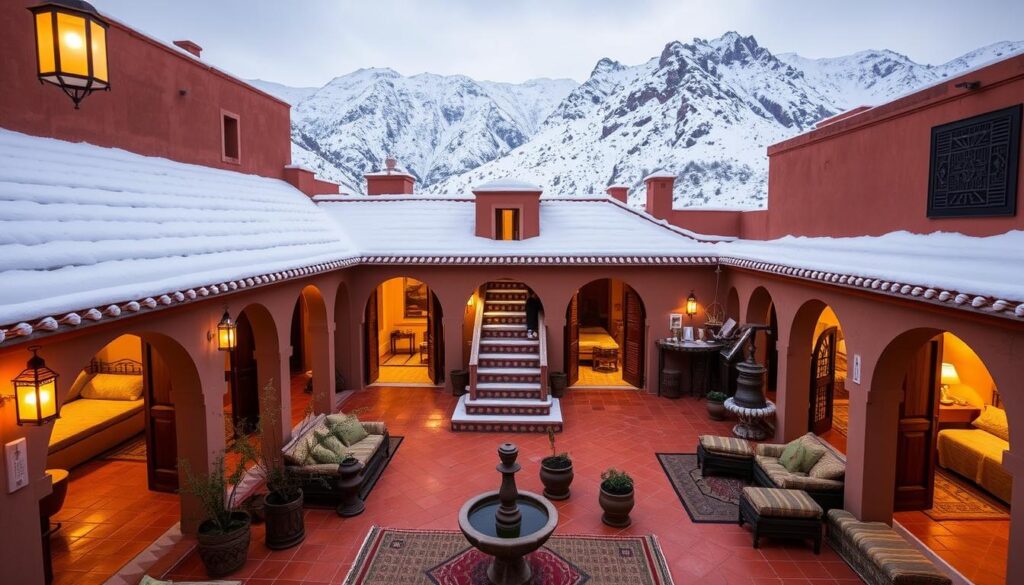
Riads, with their traditional Moroccan charm, can be cozy. But, their heating might not be as good as hotels. Hotels usually have better heating, making them warmer.
Before you book, check how well the riad or hotel heats up. This ensures you’ll be comfortable.
Booking Tips for Comfortable Winter Stays
Book your stay in Morocco early, especially in places like Marrakech and Fez. Look for places with good insulation and heating. Reading reviews from others can also help.
Regional Accommodation Variations
Accommodation in Morocco changes a lot by region. In the Atlas Mountains, lodges and hotels have fireplaces for warmth. Coastal areas like Essaouira might be milder but still need warm places to stay.
Learn about the local winter conditions and what places offer. This will help you pick the right spot for your trip.
| Region | Typical Accommodation | Heating Features |
|---|---|---|
| Marrakech | Riads and Hotels | Modern heating systems, some traditional |
| Atlas Mountains | Lodges and Mountain Hotels | Fireplaces, wood-burning stoves |
| Essaouira | Coastal Hotels and Riads | Electric heaters, some central heating |
Transportation in Morocco During January
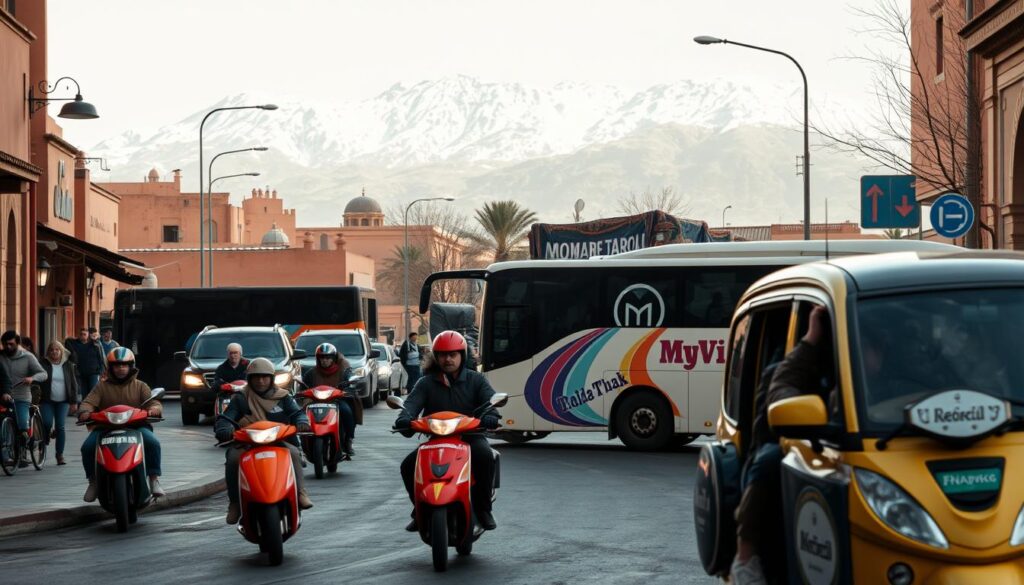
Planning your trip to Morocco in January? Knowing your transport options is key. Morocco’s transport system is strong, but January’s weather can change things, especially in the mountains.
Road Conditions in Winter
January’s roads in Morocco, especially in the Atlas Mountains, can be tough. Snow and ice are common. Always check the weather before you go and be ready for delays. For the mountains, a 4×4 is a must.
Public Transportation Reliability
Public transport in Morocco, like buses and trains, is usually good. But, weather can mess with schedules. Supratours trains are a top choice for tourists, offering comfy and reliable rides between big cities. Make sure to check the latest times and plan your trip right.
Car Rental Considerations for Winter Driving
Need a car? Make sure it’s good for winter driving. Choosing a 4×4 is smart for mountain trips. Also, check the car’s winter tires. Always drive carefully and watch the weather.
Knowing about transport and possible issues helps plan a better trip to Morocco in January. You’ll have a smoother journey.
Best Activities for Morocco’s Winter Season
Morocco in January is a mix of culture and outdoor fun. You can explore different activities in the country’s varied regions.
Indoor Cultural Experiences
January is perfect for diving into Morocco’s culture indoors. Visit museums and galleries to learn about history and art. You can also try traditional workshops and classes.
Museums and Galleries
Morocco has many museums to explore. The Marrakech Museum is a must-see. It’s in a beautiful riad and has Moroccan art and artifacts.
Traditional Workshops and Classes
Join workshops to learn Moroccan crafts. You can make Zellij tiles, cook Moroccan dishes, or weave textiles.
Outdoor Adventures with Weather Considerations
January is still good for outdoor fun in Morocco. Explore the Atlas Mountains, go hiking, or ride camels in the desert.
| Activity | Location | Weather Consideration |
|---|---|---|
| Hiking | Atlas Mountains | Cooler temperatures, potential snow |
| Camel Ride | Desert regions | Cold nights, mild days |
Unique Winter-Only Opportunities
January is special for seeing Morocco’s beauty, like the snow-capped Atlas Mountains. For trip planning tips, check https://www.kimkim.com/c/morocco-in-january.
Spa and Hammam Experiences in Cold Weather
January is great for spa and hammam experiences. Enjoy the warmth of these traditional Moroccan spas.
January Festivals and Cultural Events
January is a fantastic time to dive into Morocco’s rich culture. You can join in on traditional celebrations. These events give you a peek into Moroccan traditions.
Traditional Celebrations During Winter Months
Morocco welcomes the New Year on January 1st. Many local festivals happen throughout the month. These include traditional music, dance, and food, making visitors feel at home.
How Weather Affects Festival Experiences
Some festivals are indoors, while others depend on the weather. But, many events are set up to handle winter weather. This way, everyone can enjoy the celebrations, no matter the weather.
Regional Celebrations Worth Experiencing
Different parts of Morocco have their own festivals. For instance, the Marrakech Popular Arts Festival, usually in July, might have events in other months. Exploring these regional celebrations lets you see Morocco’s diverse culture.
Planning a Morocco winter vacation? Don’t miss out on these festivals. January is a great time to visit Morocco for a unique cultural experience.
Moroccan Cuisine and Winter Specialties
Morocco’s winter dishes show off its rich culture, warming both body and soul. Exploring the country in January, you’ll find the local food is more than just food. It’s a mix of flavors, smells, and welcoming vibes.
Seasonal Foods and Warm Dishes
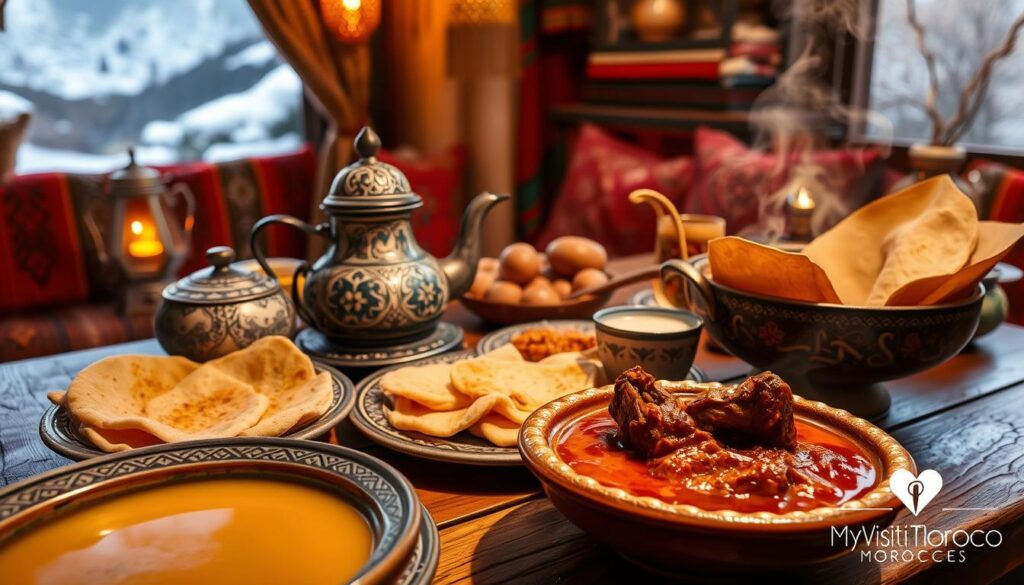
Winter in Morocco is great for hearty meals like rich tagines, couscous, and pastilla. These dishes are not only tasty but also keep you warm on cold days. They use local ingredients like preserved lemons, olives, and spices, making them even more special.
Best Dining Experiences in Cold Weather
Dining in Morocco in winter is cozy, especially in traditional riads or local restaurants. These places have a warm feel, perfect for enjoying a meal when it’s cold outside. Look for spots that serve local favorites and ask for tips.
Traditional Teas and Beverages for Warming Up
No trip to Morocco is complete without trying Moroccan mint tea. It’s a favorite that warms your hands and heart. Hot chocolate made with local cocoa is also a hit. These drinks are more than just something to drink; they’re a part of Moroccan hospitality.
Photography Tips for Morocco’s Winter Light
Planning a trip to Morocco in January? The winter landscape is perfect for photography. You’ll see everything from snow-capped mountains to calm coastlines. These offer many chances to take great photos.
Capturing Snow-Capped Atlas Mountains
The Atlas Mountains are a top spot for photographers. Their snow-covered peaks stand out against the landscape. For the best shots, aim for the golden hour. This is when the light is soft and warm.
Working with Winter’s Unique Lighting Conditions
Winter light adds a calm feel to your photos. The cloudy skies soften shadows, making details pop. Use the soft light to capture the beauty of buildings and markets.
Weather-Proofing Your Camera Equipment
Morocco’s winter weather can change fast. Keep your camera safe with weather-proof gear. For more tips, check out this Morocco photography guide.
- Use a weather-resistant camera cover
- Bring a microfiber cloth to clean your lens
- Protect your equipment from sudden rain showers
Health and Safety Considerations
When planning your trip to Morocco in January, knowing about health and safety is key. Morocco is usually safe, but winter weather brings its own challenges.
Cold Weather Health Precautions
The cold in Morocco in January can make health issues worse. Make sure to bring any needed medicine and wear warm clothes, especially in the mountains. Hypothermia and frostbite are serious risks if you’re not ready.
Emergency Services During Winter Months
It’s smart to know the local emergency services. Morocco has a good emergency system in big cities and tourist spots. Keep the Tourist Police and ambulance numbers handy.
Travel Insurance for Winter Visits
Getting travel insurance that covers winter issues is a good idea. It should cover medical emergencies, trip cancellations, and evacuations. Make sure your policy is current and know what it covers.
| Health and Safety Aspect | Precaution | Benefit |
|---|---|---|
| Cold Weather | Pack warm clothing and necessary medication | Prevents hypothermia and frostbite |
| Emergency Services | Familiarize yourself with local emergency numbers | Quick response in case of emergencies |
| Travel Insurance | Purchase comprehensive travel insurance | Financial protection against unforeseen events |
Budget Planning for January Travel
Planning a trip to Morocco in January means you need to budget well. It’s the best time to visit Morocco if you’re watching your money. You can enjoy the country’s culture and views without spending a lot.
Low Season Advantages
January is low season in Morocco. This means you can get big discounts on places to stay and tourist activities. It’s a great time to see famous spots without the usual crowds.
Unexpected Winter Expenses to Consider
Even though many costs are lower, some might be higher. For example, heating in places you stay might cost more. Make sure you’re ready for these extra costs to stay comfortable.
Negotiating Prices During Off-Peak Season
Trying to get a good deal is easier in the off-season. Here are some tips to help you save money:
- Research typical prices beforehand
- Be respectful and polite during negotiations
- Be willing to walk away if the price isn’t right
Day Trips and Excursions in January Weather
The cooler January weather in Morocco is perfect for outdoor fun. You can explore the country’s hidden spots. Enjoy day trips from major cities, seeing historical sites, natural beauty, and cultural experiences.
Weather-Appropriate Excursions from Major Cities
In cities like Marrakech, Fez, and Casablanca, the mild winter invites you to explore. Visit historical sites like Volubilis or Essaouira’s Roman ruins. Or, see the calm of the Atlas Mountains or the lively souks in smaller towns.
Adjusting Itineraries for Weather Conditions
January’s weather is generally mild, but check forecasts for day trips. The Atlas Mountains might be cooler or even snowy. Plan indoor visits on chilly days. For more on visiting Morocco in January, see Rough Guides.
Best Mountain and Coastal Day Trips
January is great for mountain and coastal trips. See the snow-capped peaks of the Atlas Mountains. Or, visit Essaouira and Taghazout for their beaches and relaxed vibe. These trips mix nature and culture, making your Morocco trip memorable.
Common Misconceptions About Morocco in January
Many people think Morocco is always hot. But, January can be quite cool, especially in the mornings and evenings. This can lead to wrong ideas about the weather during your visit.
The “Always Hot” Myth
The idea that Morocco is always hot is a common myth. January is actually one of the coolest months. Temperatures vary a lot across different regions. For example, the Atlas Mountains can even get snow.
Realistic Expectations for Your Winter Visit
Having realistic weather expectations can make your trip better. Be ready for cooler temperatures, especially in mountains and evenings.
Benefits of Traveling in Low Season
Traveling to Morocco in January has its perks. You’ll see fewer tourists, find lower prices for places to stay, and get a real taste of local culture.
As one travel expert notes,
“Visiting Morocco in January lets you enjoy the country’s rich culture without the crowds. It’s perfect for those wanting a calm and deep experience.”
Conclusion: Is January the Right Time for Your Morocco Trip?
January can be a great time to visit Morocco. It offers a mix of cultural experiences and winter landscapes. The weather changes across the country, but being ready can make your trip enjoyable.
Looking for a warm winter spot in the south or a snowy adventure in the Atlas Mountains? Morocco has it all in January.
Planning a January holiday in Morocco? You’ll find lower prices and fewer crowds. This makes it perfect for those wanting a calm experience. Just remember to pack right and check the best times to visit different areas.
In the end, January is a fantastic time to see Morocco’s varied landscapes and cultural events. With good planning, your winter vacation in Morocco will be unforgettable.


 Covers cities, coast, mountains, desert & food